Get 20% OFF All Premium 3D & STL Models!

In the dynamic worlds of automotive design, game development, cinematic rendering, and advanced visualization, the quality of your 3D assets is paramount. A truly exceptional 3D model isn’t just a digital representation; it’s the foundation upon which captivating experiences and high-fidelity visuals are built. Professionals understand that investing in a meticulously crafted model can dramatically elevate a project, saving countless hours of development while ensuring unparalleled realism and versatility.
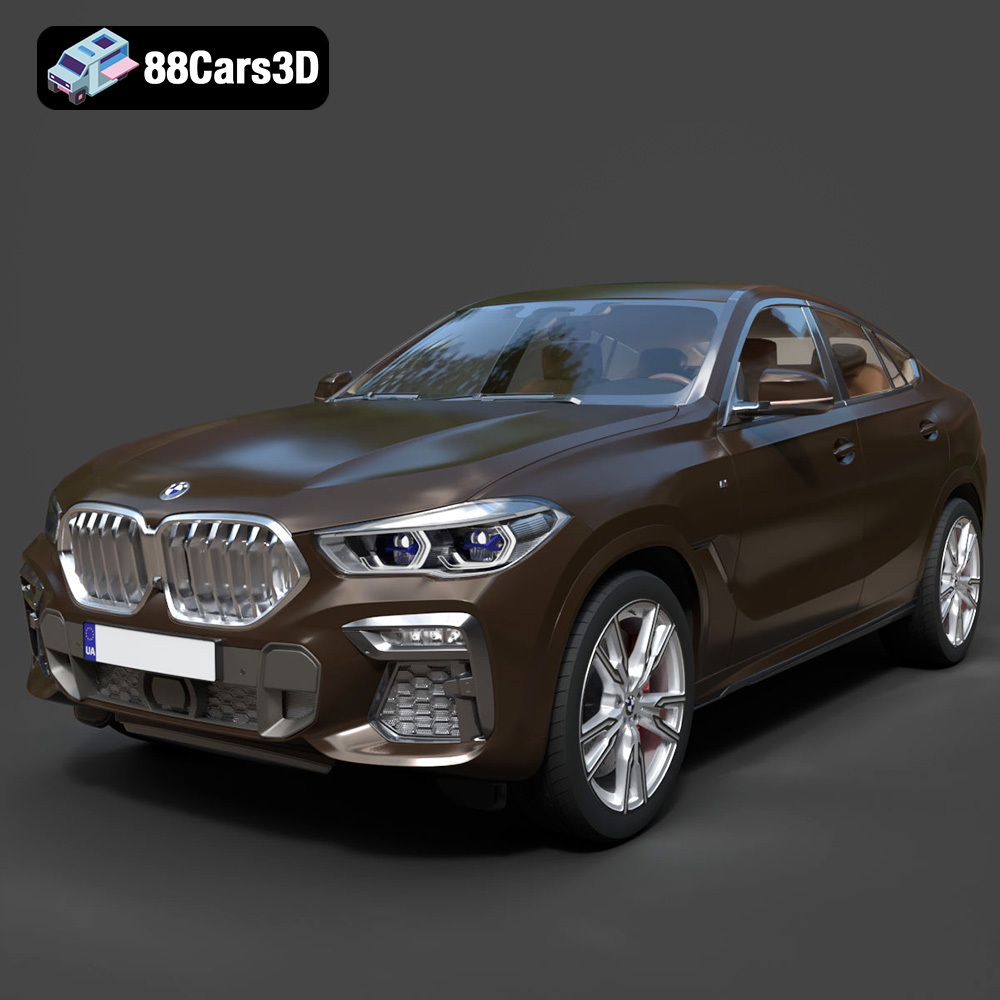
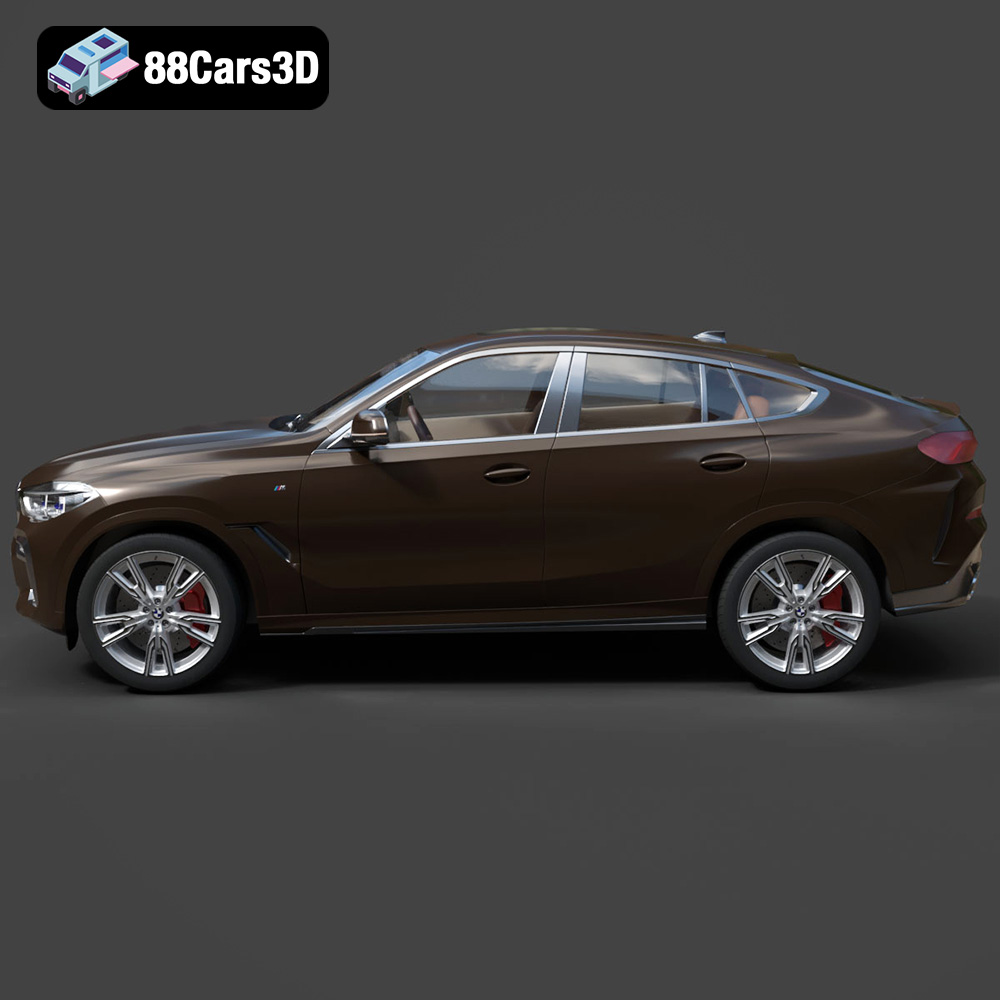
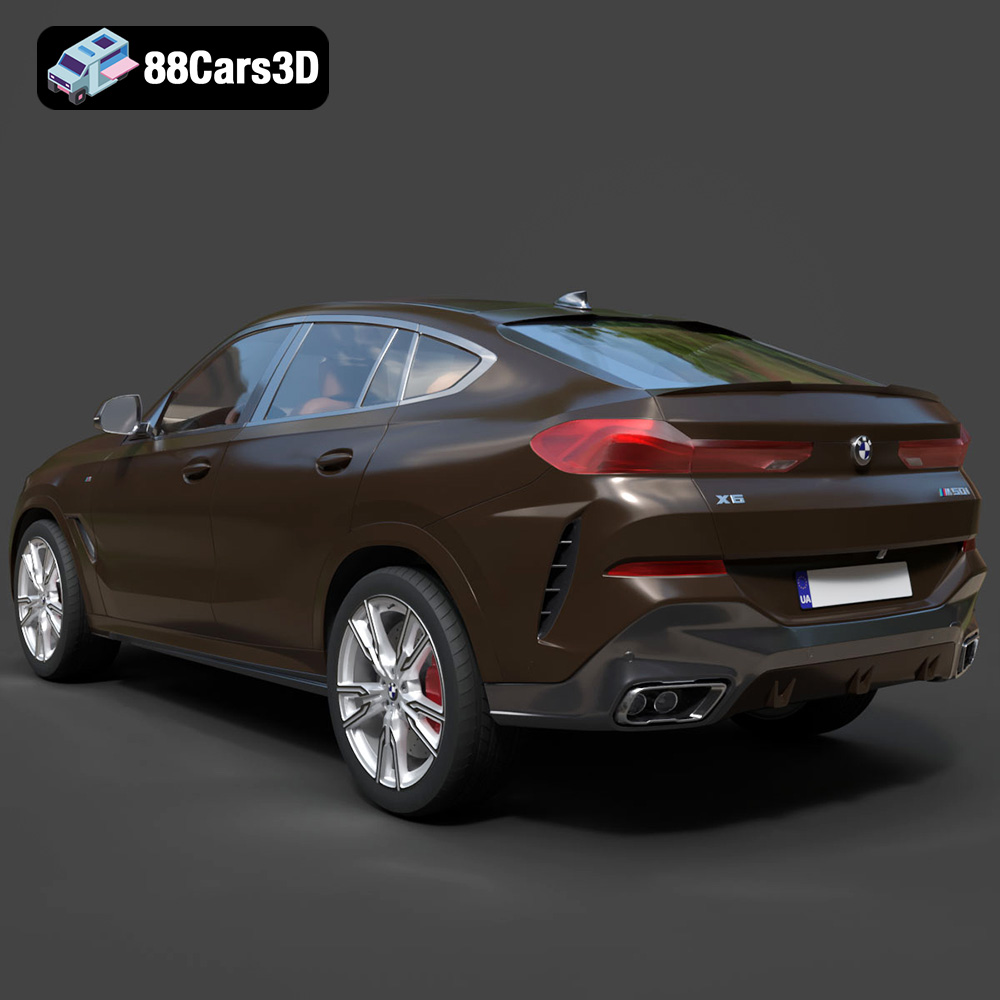
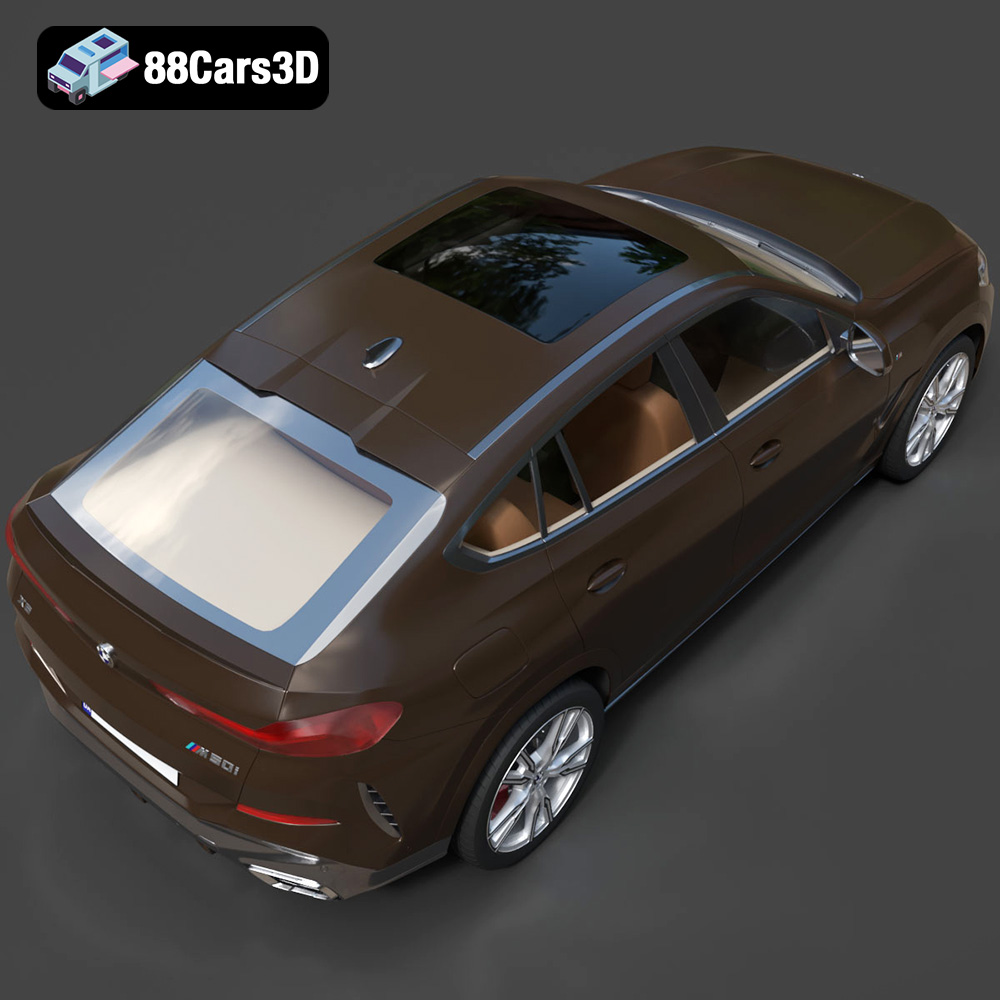
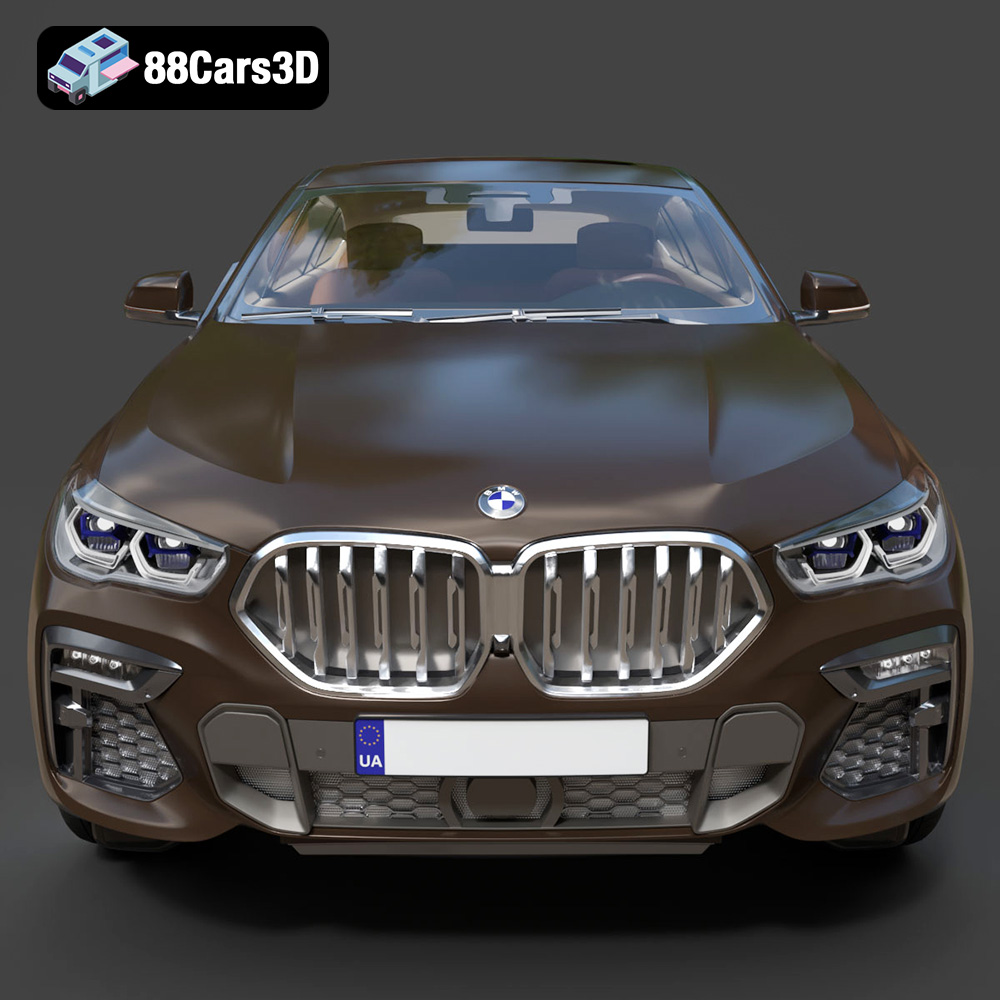
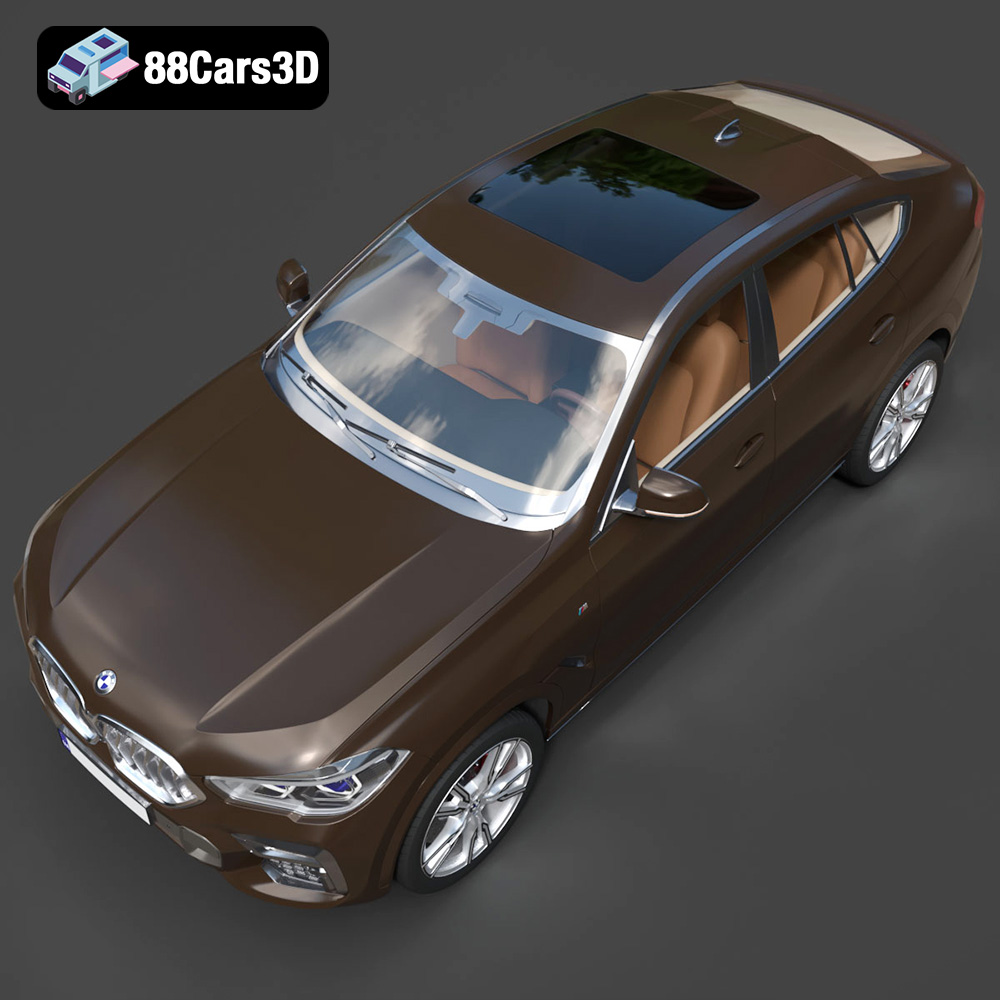
Today, we’re diving deep into what makes a 3D car model truly outstanding, exploring the technical nuances, workflow advantages, and diverse applications that high-quality assets unlock. As a prime example of precision engineering and digital artistry, we will frequently reference the BMW X6 (Mk3) (G06) M Sport 2020 3D Model. This particular model, available on 88cars3d.com, encapsulates the essence of what professionals demand: clean geometry, accurate proportions, realistic materials, and comprehensive file format support, making it an indispensable resource for any creator aiming for top-tier results.
The flexibility of a 3D model often comes down to the range of file formats it offers. Each format is designed with specific use cases in mind, catering to different software, pipelines, and end goals. A truly professional asset, like the BMW X6 (Mk3) (G06) M Sport 2020 3D Model, provides a comprehensive suite of options, ensuring seamless integration into virtually any workflow. Understanding these formats is crucial for optimizing your project and leveraging the full potential of your 3D car models.
The .blend format is Blender’s native file type, offering a complete scene package. When you receive a .blend file, you’re not just getting the mesh; you’re often getting the entire project setup: lighting, camera angles, materials, textures, and even animation rigs. This makes it incredibly powerful for artists working within Blender who need full editability and control. The included materials are typically node-based, allowing for advanced PBR (Physically Based Rendering) setups that are easy to inspect and modify. For the BMW X6 model, the .blend file provides a ready-to-render scene, making it ideal for immediate visualization or further artistic customization within Blender’s robust environment.
FBX (Filmbox) is an industry-standard format owned by Autodesk, widely adopted for its excellent interoperability between various 3D software and game engines. It can store a vast array of data, including geometry, materials, textures, animations, and camera information. Crucially, .fbx is often the go-to format for exporting assets to real-time engines like Unreal Engine and Unity. Its ability to maintain hierarchical structures and animation data makes it indispensable for game development and interactive experiences. The .fbx version of the BMW X6 model is optimized for these environments, ensuring game-engine readiness with properly scaled and textured meshes.
OBJ (Object) is one of the oldest and most universally supported 3D file formats. It’s a simple, text-based format primarily used to exchange geometric data, including vertex positions, UV coordinates, and normals. While it doesn’t store animation or complex material definitions (it typically links to a separate .mtl file for basic material properties), its widespread compatibility makes it a safe bet for ensuring your model can be opened and worked with in almost any 3D application, from 3ds Max to Maya to Cinema 4D. The .obj version of the BMW X6 ensures maximum accessibility across diverse software ecosystems, acting as a reliable interchange format.
GLB (GL Transmission Format Binary) is an increasingly important format, especially for web-based 3D, augmented reality (AR), and virtual reality (VR) applications. It’s a compact, self-contained format that bundles 3D models, textures, animations, and other data into a single file, making it incredibly efficient for streaming and displaying 3D content in real-time on the web or mobile devices. Its optimization for rapid loading and rendering makes it perfect for interactive product configurators, AR experiences, and online showrooms. The .glb version of the BMW X6 is specifically optimized for these performance-critical scenarios, delivering high visual fidelity with efficient file sizes.
STL (Stereolithography) is the standard file format for 3D printing. It represents a 3D model as a collection of unconnected triangular facets, defining only the surface geometry of an object without color, texture, or other CAD attributes. While it lacks detail for rendering, its simplicity makes it ideal for additive manufacturing. When preparing models for 3D printing, careful consideration of mesh integrity, wall thickness, and manifold geometry is essential. The .stl version of the BMW X6 is suitable for physical prototyping, allowing designers to quickly produce tangible representations of the vehicle for design review or exhibition.
PLY (Polygon File Format) is another format that can store 3D data, often used for scanned data, point clouds, and general mesh data. Unlike STL, PLY can store color information, transparency, and even normal vectors per vertex or face. This makes it a more versatile format for scientific data, CAD applications, and situations where precise mesh information beyond simple geometry is required for analysis or visualization. The .ply version of the BMW X6 provides a detailed polygon mesh, useful for specific analytical tasks or when working with specialized engineering software.
While .fbx is a common interchange format for Unreal Engine, some asset providers, like 88cars3d.com, offer .unreal files. These are essentially pre-configured asset packages or project files specifically tailored for direct integration into Unreal Engine. They might include optimized materials, collision meshes, LODs (Levels of Detail), and blueprint setups, saving developers significant setup time. This format signifies an asset that has been thoroughly tested and prepared for the unique demands of Unreal Engine, offering a true plug-and-play experience for projects leveraging this powerful game engine.
The .max format is the native file type for Autodesk 3ds Max, a leading software for 3D modeling, animation, and rendering in architectural visualization, product design, and cinematic production. Similar to .blend, a .max file contains the entire scene, including geometry, lights, cameras, materials (often V-Ray, Corona, or Arnold-compatible), and animation data. For professionals whose primary workflow is centered around 3ds Max, having the .max file of the BMW X6 model offers the highest degree of editability and allows for seamless integration into existing 3ds Max projects, leveraging its robust rendering capabilities for stunning photorealistic output.
Automotive rendering stands as a pinnacle of 3D visualization, demanding an intricate balance of artistic flair and technical precision. The goal is to create images so lifelike they are indistinguishable from photographs, a feat that relies heavily on the quality of the 3D car models and the renderer’s capabilities. A model like the BMW X6 (Mk3) (G06) M Sport 2020 is designed from the ground up to excel in this demanding environment.
Physically Based Rendering (PBR) is the cornerstone of modern photorealism. PBR materials simulate how light interacts with surfaces in the real world, providing a much more accurate and consistent result across various lighting conditions. For automotive models, this means meticulously crafted materials for paint, glass, chrome, rubber, and interior fabrics. The BMW X6 model’s “realistic materials that seamlessly interact with diverse lighting scenarios” are a direct result of a robust PBR pipeline. This includes accurate base color (albedo), metallic, roughness, normal, and sometimes ambient occlusion maps. When these maps are correctly authored and applied to clean geometry, the reflections, refractions, and diffuse lighting behave precisely as they would on a physical car, lending incredible depth and believability to the render.
Even the best 3D car models require expert lighting to truly shine. Automotive rendering often employs a combination of techniques:
The intricate surfacing and reflective properties of the BMW X6 model, with its distinct proportions and aggressive styling, respond exceptionally well to these advanced lighting techniques. The precise edge flow ensures that highlights catch and roll across the bodywork in a visually convincing manner, a key indicator of a professional-grade asset.
For a car, reflections are everything. The way light bounces off its curves and straight lines defines its perceived shape and material. This is where “exceptionally clean geometry” and “precise edge flow” become critical. Sub-optimal geometry can lead to “pinching” or undesirable artifacts in reflections, breaking the illusion of realism. A well-modeled vehicle ensures that its surfaces are smooth, continuous, and that edges are supported with proper loops, allowing for perfectly smooth reflections even at high subdivision levels. This level of detail in the BMW X6 model means that its luxurious detailing and distinct proportions are beautifully captured under any light, making it suitable even for “close-up renders” where imperfections would be glaringly obvious.
Game development presents unique challenges for 3D car models. While photorealism is desired, it must be achieved within strict performance budgets. High-fidelity models, especially those from 88cars3d.com, are built with these considerations in mind, offering a blend of visual quality and optimization that makes them “game-engine ready.”
For game assets, optimization is key. This typically involves:
The BMW X6 (Mk3) (G06) M Sport 2020 3D Model is engineered to meet these demands, offering an excellent foundation for real-time applications with its clean geometry and suitability for optimization.
The .fbx and .unreal formats are specifically tailored for integration into the industry’s leading game engines, Unreal Engine and Unity.
With its “game-engine ready format,” the BMW X6 model streamlines the process for developers, allowing them to focus on gameplay and interaction rather than asset cleanup and preparation.
A high-quality 3D car model is more than just a visual prop; it’s an interactive element that enhances immersion. Whether it’s a drivable vehicle in an open-world racing game, a background asset in an urban environment, or a detailed model for a car configurator, the accuracy and visual fidelity of the BMW X6 model contribute directly to a richer player experience. The “fully detailed interior components” are particularly important for first-person views or in-car camera angles, ensuring that every glance inside the vehicle maintains the same level of realism as the exterior.
The utility of premium 3D car models extends far beyond traditional rendering and game development. Their versatility makes them invaluable across a spectrum of cutting-edge applications, from interactive experiences to physical prototyping.
Augmented Reality (AR) and Virtual Reality (VR) environments demand highly optimized assets that can be rendered in real-time on various devices. The .glb format, specifically designed for this purpose, is a perfect fit. For AR product visualization, imagine placing the BMW X6 (Mk3) (G06) M Sport 2020 directly into your driveway via a smartphone camera, exploring its aggressive styling and luxurious detailing from every angle. In VR, users could “sit inside” the car, experiencing its detailed interior in a truly immersive way. The compact and efficient nature of the .glb file included with the BMW X6 model ensures that these experiences are smooth, high-performing, and visually stunning, without sacrificing fidelity.
High-fidelity 3D car models are fundamental to advanced simulation projects. In automotive engineering, these models can be used for virtual wind tunnel testing, crash simulations, or ergonomic studies before a physical prototype is even built. For training purposes, realistic driving simulators for professional drivers or emergency services rely on accurate vehicle models to provide an authentic experience. The “exceptional level of accuracy” and “meticulously crafted” nature of the BMW X6 model make it an ideal candidate for such precision-dependent applications, providing engineers and trainers with a reliable digital twin for detailed analysis and interaction.
While often associated with digital creation, 3D models can bridge the gap to the physical world through 3D printing. The .stl format is the industry standard for sending models to 3D printers, enabling rapid prototyping for design verification or even creating physical scale models for marketing and display. For more complex applications or specialized industrial printing, the .ply format offers additional detail retention. Designers can use the .stl version of the BMW X6 model to quickly generate physical prototypes, allowing for tactile evaluation of its form factor, or for creating intricate scale replicas. This practical application demonstrates the truly multifaceted value of a comprehensively prepared 3D asset like those found on 88cars3d.com.
In professional environments, efficiency and quality are paramount. High-quality 3D car models are not just static assets; they are dynamic tools that accelerate workflows, enhance creative possibilities, and ensure consistent, professional-grade output. The BMW X6 (Mk3) (G06) M Sport 2020 3D Model exemplifies how a well-engineered asset fits into demanding production pipelines.
For artists and studios that rely on industry-standard software, having native file formats like .max and .blend is invaluable.
This level of access saves significant time, as artists don’t have to rebuild materials or clean up messy geometry, allowing them to focus on artistic direction rather than technical preparation.
Time is money in any production. When a project requires a specific vehicle, such as the BMW X6, sourcing a pre-optimized, high-quality model is far more efficient than modeling it from scratch. The provided model’s “optimized for seamless integration into various pipelines” means it comes with clean topology, proper UVs, and often pre-configured materials, ready to drop into a scene and render or export. This cuts down on the most time-consuming aspects of 3D production: modeling, unwrapping, and texturing, allowing teams to meet tight deadlines without compromising on visual quality.
Consider an architectural visualization studio tasked with creating photorealistic renders of a luxury residential complex. To ground the scene in reality and add a touch of aspirational lifestyle, they need a high-end vehicle. Instead of commissioning a custom model, they turn to 88cars3d.com and acquire the BMW X6 (Mk3) (G06) M Sport 2020 3D Model. Using the .max file, an artist imports the vehicle into their 3ds Max scene. The existing V-Ray or Corona materials are easily adaptable to the scene’s lighting environment. The “accurately modeled exterior and fully detailed interior components” mean that even through windows or in close-up shots of the driveway, the car holds up beautifully. This significantly enhances the realism and marketability of the architectural renders, all without the weeks it would take to model such a complex vehicle from scratch. The seamless integration and professional-grade performance of the asset make it an ideal choice for high-stakes projects.
The difference between a generic 3D model and a premium, professional-grade asset is often in the details – the invisible work that ensures flawless performance and stunning visuals. 88cars3d.com prides itself on offering models that adhere to this higher standard, with the BMW X6 (Mk3) (G06) M Sport 2020 3D Model being a prime example.
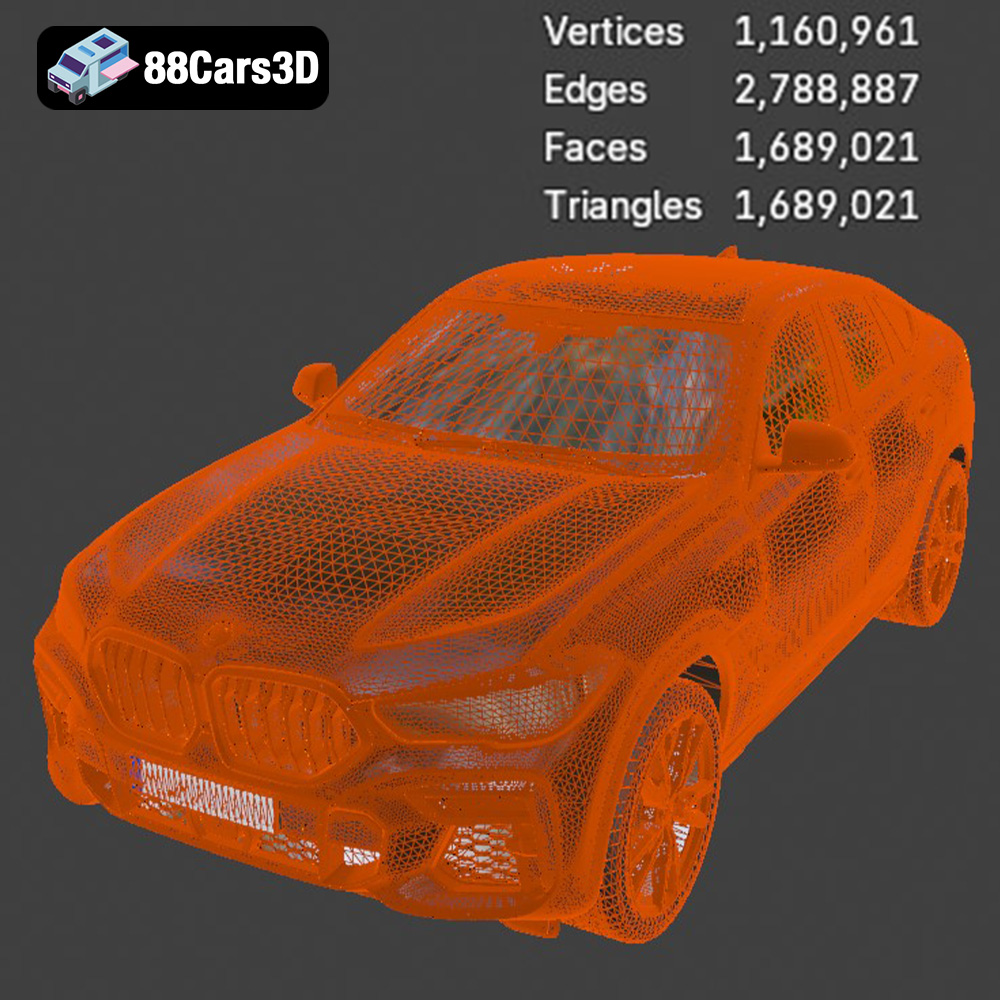
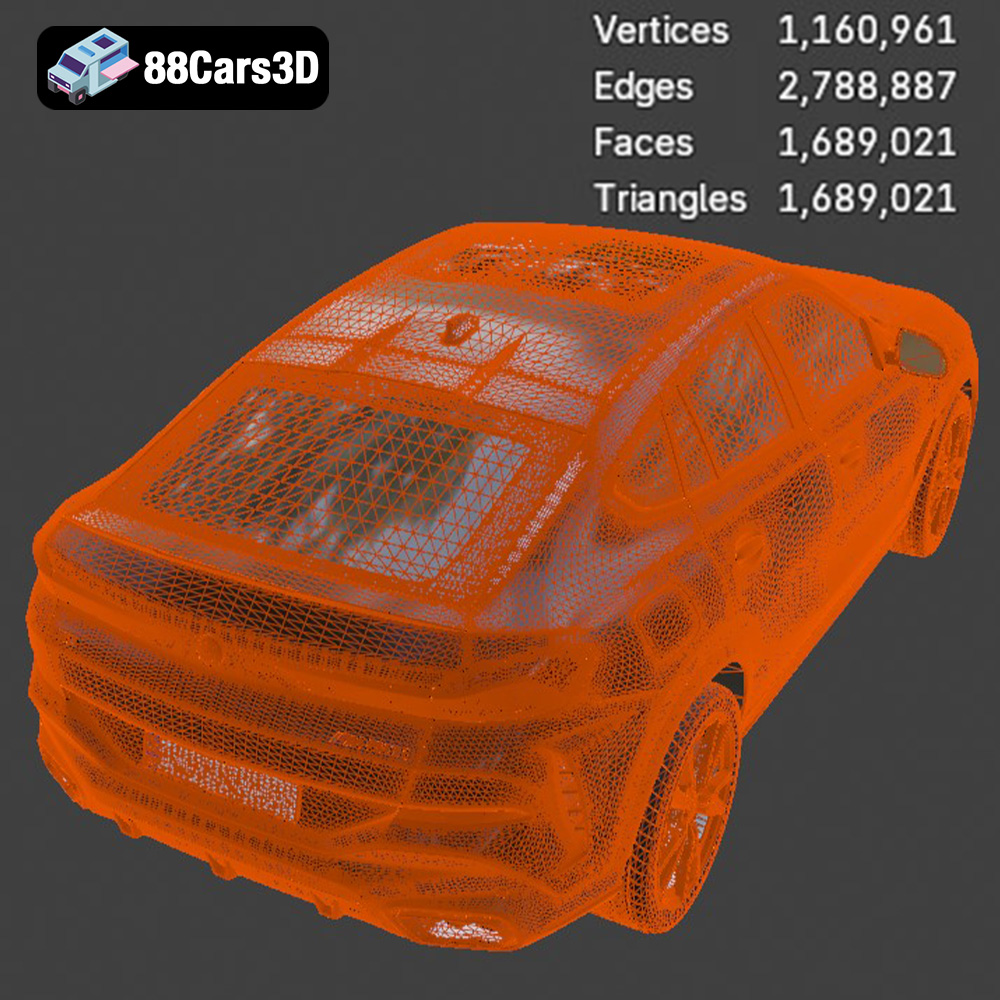
Beneath the beautiful renders lies the fundamental structure: the geometry. “Exceptionally clean geometry” means a model free of n-gons (polygons with more than four sides), non-manifold edges, overlapping vertices, and other common issues that plague lower-quality assets. Clean geometry ensures predictable subdivisions, accurate reflections, and ease of modification. Coupled with this is efficient UV mapping – the process of flattening the 3D model’s surface into a 2D space for texture application. Clean, non-overlapping UVs are vital for crisp textures, baking ambient occlusion, and generating normal maps without artifacts. The models available on 88cars3d.com, including the BMW X6, adhere to these strict standards, providing a solid foundation for any artistic or technical task.
A true premium 3D car model doesn’t stop at a beautiful exterior. The “fully detailed interior components” mentioned in the BMW X6 model’s description are a hallmark of quality. This includes accurate dashboards, seats with realistic stitching, steering wheels, door panels, and even subtle elements like pedals and gear selectors. For exterior details, elements like brake calipers, exhaust tips, grilles, and intricate headlight assemblies are meticulously replicated. This commitment to comprehensive detailing ensures that the model holds up under any scrutiny, from wide shots to extreme close-ups, critical for high-end rendering, virtual showrooms, and immersive VR experiences.
Ultimately, investing in high-quality 3D car models from a reputable source like 88cars3d.com is a strategic business decision. It eliminates the need for artists to spend hundreds of hours modeling and texturing a complex vehicle from scratch, allowing them to allocate their skills to more creative or unique aspects of a project. The immediate availability of a diverse range of formats means projects can kick off faster, and integration is smoother, reducing troubleshooting and technical hurdles. This translates directly into saved time, reduced labor costs, and faster project delivery, all while ensuring a consistently high level of visual fidelity.
The demand for high-quality 3D car models continues to grow across industries, driving the need for assets that are not only visually stunning but also technically robust and versatile. Whether for automotive rendering, immersive game development, cutting-edge AR/VR experiences, or precise engineering simulations, the underlying quality of the 3D model dictates the ultimate success of the project.
The BMW X6 (Mk3) (G06) M Sport 2020 3D Model stands as a testament to the meticulous craftsmanship and technical excellence required in today’s demanding digital landscape. With its clean geometry, precise edge flow, realistic PBR materials, and comprehensive suite of industry-standard file formats (.blend, .fbx, .obj, .glb, .stl, .ply, .unreal, .max), it provides an unparalleled resource for professionals. From its accurately modeled exterior to its fully detailed interior, every aspect is engineered to deliver outstanding results, seamlessly integrating into diverse pipelines and fulfilling a broad spectrum of creative and technical needs.
For creators seeking top-tier automotive models that empower efficiency and elevate visual standards, exploring premium assets like the BMW X6 (Mk3) (G06) M Sport 2020 3D Model available at 88cars3d.com is an essential step. It’s an investment in quality that pays dividends in stunning visuals, streamlined workflows, and professional-grade performance across all your 3D endeavors.
Experience unparalleled realism with the BMW X6 (Mk3) (G06) M Sport 2020 3D Model. This meticulously crafted digital asset accurately replicates the distinct proportions, aggressive styling, and luxurious detailing of the renowned sports activity coupe. Engineered with precision, this model provides an exceptional level of accuracy, making it an indispensable resource for creators seeking top-tier automotive models.
Key features include exceptionally clean geometry, precise edge flow, and realistic materials that seamlessly interact with diverse lighting scenarios. The accurately modeled exterior and fully detailed interior components guarantee outstanding results, even in close-up renders. Optimized for seamless integration into various pipelines, this model sets a professional standard for 3D vehicle assets.
This versatile 3D model is ideal for a broad spectrum of applications, including advanced visualization, game development, realistic rendering, and simulation projects. Whether deployed in augmented and virtual reality (AR/VR) environments or used for cinematic productions and architectural visualizations, it delivers consistent, professional-grade performance.
The package includes a comprehensive selection of industry-standard file formats to accommodate any workflow:
$39.99
.arvr
.blend
.bmw
.car3dmodel
.fbx
.g06
.gameasset
.glb
.luxurycar
.max
.mk3
.msport
.obj
.ply
.rendering
.simulation
.sportSUV
.stl
.unreal
.x6
SUV