Get 20% OFF All Premium 3D & STL Models!

In today’s rapidly evolving digital landscape, the demand for exceptionally detailed and accurate 3D models is greater than ever. From blockbuster game titles and cinematic advertisements to cutting-edge AR/VR experiences and sophisticated engineering simulations, the backbone of visual fidelity lies in the quality of your 3D assets. Automotive visualization, in particular, requires a meticulous blend of artistic precision and technical prowess to capture the essence of iconic vehicles.
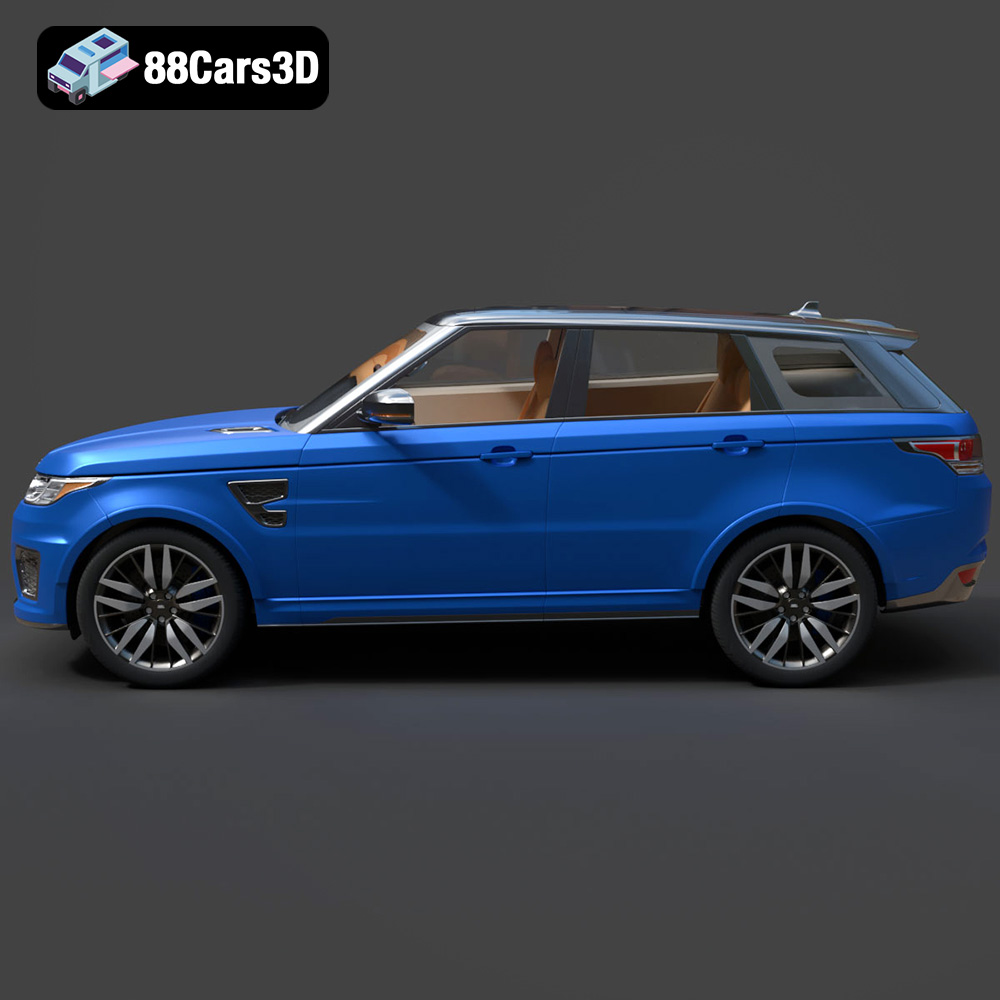
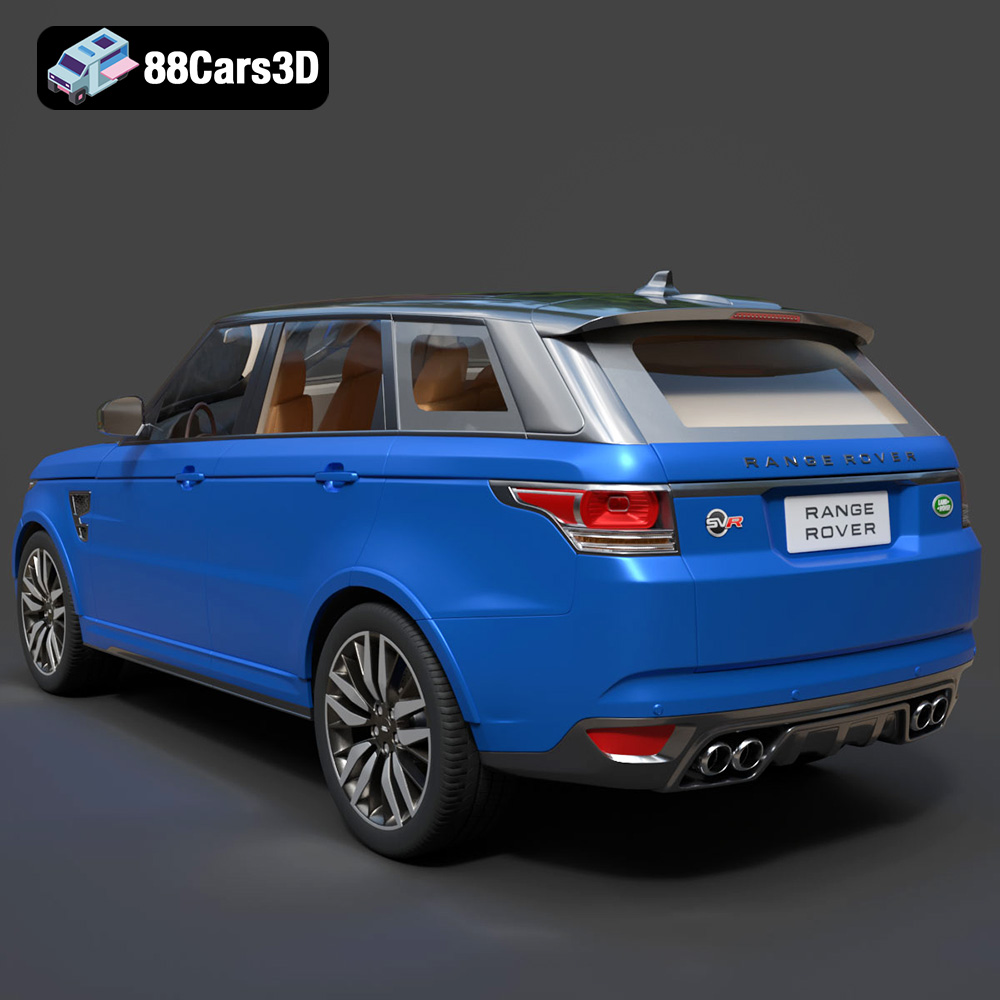
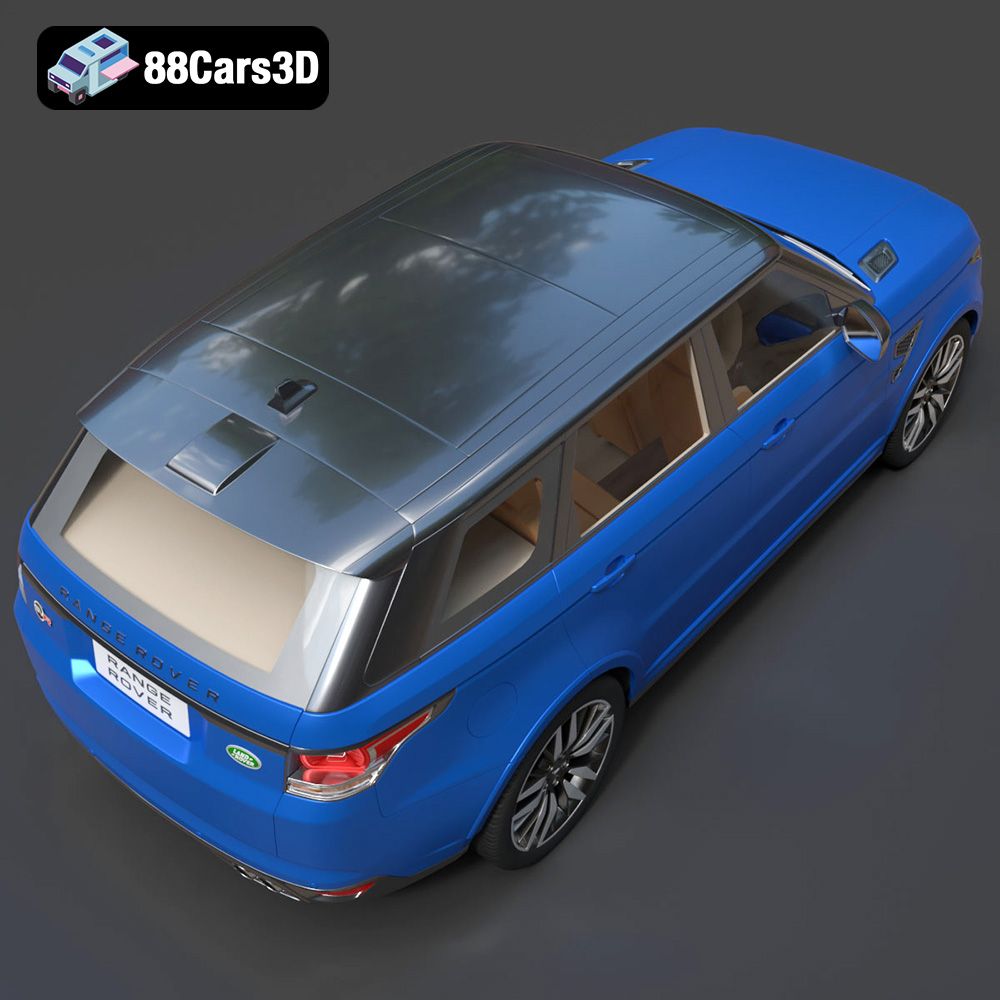
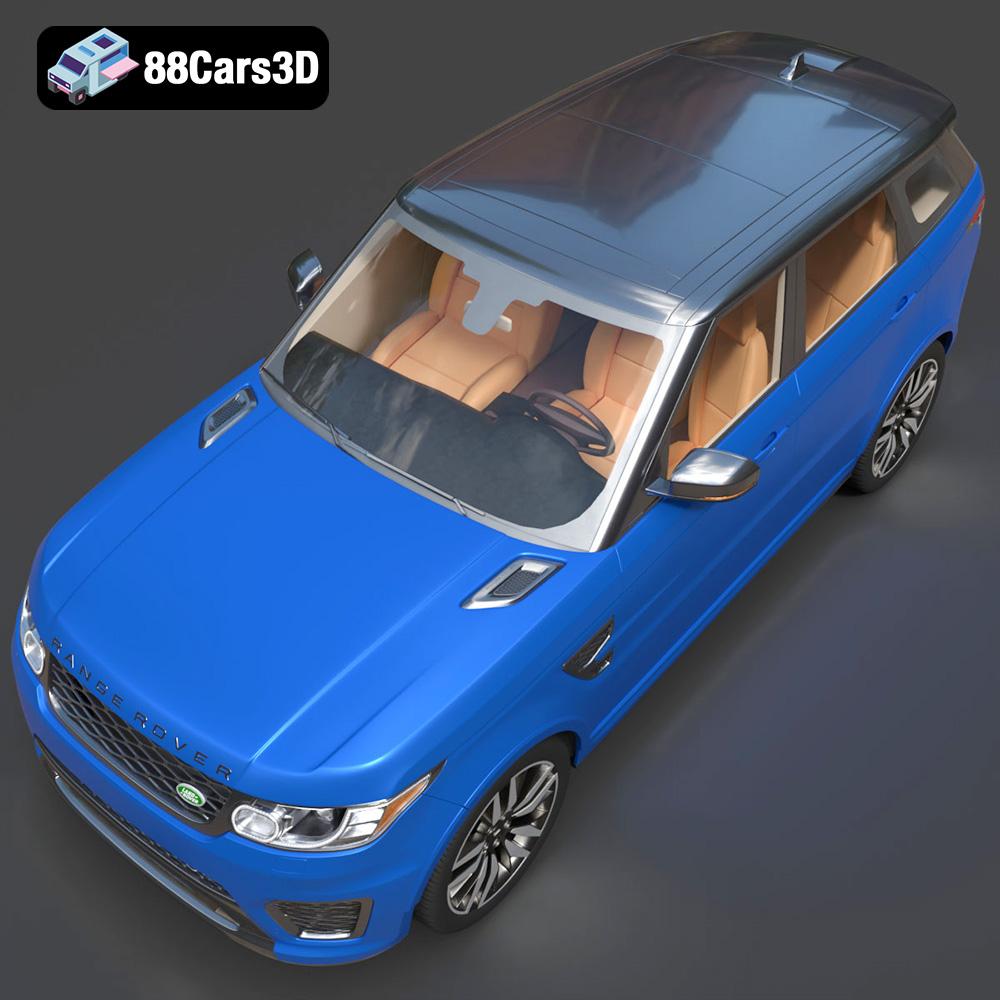
It’s within this demanding environment that premium 3D car models truly shine. Consider the Land Rover Range Rover Sport SVR 2015 3D Model—an exemplary asset designed to meet the rigorous demands of professional workflows. This model isn’t just a digital replica; it’s a meticulously crafted tool that provides an unparalleled level of realism, capturing every aggressive contour and aerodynamic line of the performance SUV. Its clean geometry, optimized polygon count, and realistic materials make it a cornerstone for any project requiring automotive excellence. Let’s explore the multifaceted world of high-quality 3D car models and how assets like this elevate digital content.
The automotive industry has long been at the forefront of adopting advanced visualization techniques. From the initial concept sketches to the final marketing campaigns, 3D models play an indispensable role in every stage of a vehicle’s lifecycle. The ability to visualize, iterate, and present designs in a photorealistic digital environment has revolutionized how cars are conceived, developed, and sold.
Before a single physical prototype is built, automotive designers and engineers rely heavily on sophisticated 3D models. These digital twins serve as the foundation for exploring design variations, testing aerodynamic principles, and even simulating crash scenarios. A high-fidelity model, such as the Land Rover Range Rover Sport SVR 2015 3D Model, allows creators to scrutinize every detail, from panel gaps to headlight designs, ensuring that the digital representation is an accurate precursor to the physical product. This early-stage visualization significantly reduces development costs and accelerates time to market by identifying potential issues long before they become expensive problems in manufacturing.
Beyond engineering, the power of photorealistic automotive rendering is most evident in marketing and advertising. A stunning image or a cinematic animation of a car can evoke emotion, convey luxury, and ultimately drive sales. Modern rendering techniques, coupled with meticulously built 3D car models, enable agencies to create breathtaking visuals that are often indistinguishable from real photography. These digital assets offer unprecedented flexibility, allowing for virtual showrooms, interactive configurators, and hyper-realistic commercials without the logistical challenges and costs associated with physical car shoots.
The Land Rover Range Rover Sport SVR 2015 3D Model exemplifies the synergy between performance and detail required in professional 3D assets. Its accurate representation of the iconic SUV’s aggressive styling and aerodynamic contours ensures that any render or real-time application will immediately convey the vehicle’s inherent power and luxury. The attention to detail extends to the interior, making it suitable for virtual tours or immersive AR/VR experiences. Such a model, built with clean geometry and optimized for various environments, ensures that artists and developers can focus on creative execution rather than wrestling with complex mesh issues or material imperfections.
Choosing the right file format is crucial for seamless integration into any 3D workflow. Different formats offer unique advantages tailored to specific applications, from real-time game engines to high-end rendering and even 3D printing. The Land Rover Range Rover Sport SVR 2015 3D Model, available on 88cars3d.com, offers a comprehensive suite of formats, ensuring maximum compatibility and utility across diverse projects.
The .blend format is the native file type for Blender, an increasingly popular open-source 3D creation suite. A .blend file typically encompasses the entire scene, including the 3D model, its materials, textures, lighting setups, cameras, animations, and even physics simulations. This makes it an ideal choice for users who wish to fully edit, customize, or further develop the asset within Blender’s powerful environment. For the Land Rover Range Rover Sport SVR 2015 3D Model, the .blend file provides a ready-to-render scene, allowing artists to immediately begin customizing materials, lighting, or incorporating the vehicle into larger Blender projects without extensive setup.
.fbx (Filmbox) is arguably the most widely adopted proprietary file format for 3D data exchange, particularly within game development and animation pipelines. Developed by Autodesk, .fbx excels at preserving a wide range of 3D data, including geometry (meshes), materials (with texture references), bone structures (skeletons), animations, and blend shapes, making it incredibly versatile. It is the go-to format for transferring assets between applications like 3ds Max, Maya, and game engines such as Unreal Engine and Unity. When using the Land Rover Range Rover Sport SVR 2015 3D Model in .fbx format, developers can expect efficient import with most of its properties intact, streamlining the process of getting the vehicle into a real-time environment.
.obj (Wavefront OBJ) is a foundational and highly universal 3D file format known for its simplicity and widespread compatibility. It primarily stores geometric data like vertices, normals, UV coordinates, and faces. Material definitions are typically handled in a companion .mtl (material template library) file. While .obj does not support animations or rigging, its robust support for mesh data makes it excellent for clean geometric transfer between virtually any 3D software. The .obj version of the Land Rover Range Rover Sport SVR 2015 3D Model is perfect for users needing the raw, clean geometry for custom material setups or for importing into niche applications that might not support more complex formats.
.glb (GLB format, derived from glTF, Graphics Language Transmission Format) is an efficient, compact, and optimized format designed specifically for the web, AR (Augmented Reality), and VR (Virtual Reality) applications. It bundles all necessary data—geometry, materials, textures, and animations—into a single binary file, simplifying asset delivery and reducing load times. This format is crucial for interactive 3D experiences in browsers or mobile AR apps. The Land Rover Range Rover Sport SVR 2015 3D Model in .glb format is ideal for showcasing the vehicle on a website, integrating it into a virtual showroom, or deploying it in a mobile AR configurator with minimal performance overhead.
.stl (Stereolithography) is the standard file format for 3D printing. It represents a 3D model as a collection of unconnected triangular facets, defining the surface geometry of the object. While it lacks color or texture information, its simplicity makes it universally compatible with 3D printers and slicing software. For those looking to create a physical prototype or a scale model of the Land Rover Range Rover Sport SVR 2015, the .stl version provides the watertight mesh required for a successful print, enabling rapid prototyping and physical visualization.
.ply (Polygon File Format) is another common format for storing 3D data, often used in scientific and scanning applications. Similar to .obj, it stores geometric information but can also include properties like color, transparency, texture coordinates, and even reliability information for each polygon. It’s often associated with 3D scanners and CAD software where precision and additional data attributes are important for analysis or reconstruction. The .ply variant of the Land Rover Range Rover Sport SVR 2015 3D Model would be valuable for specialized visualization, reverse engineering, or integrating into technical analysis pipelines.
The .unreal format, or more accurately, assets packaged for Unreal Engine, typically refers to files that have been specifically configured and optimized for direct import into Unreal Engine. This often means the mesh has appropriate collision models, LOD (Level of Detail) settings, and potentially pre-assigned materials using Unreal’s PBR workflow. For game developers using Unreal Engine, the .unreal version of the Land Rover Range Rover Sport SVR 2015 3D Model provides a virtually plug-and-play solution, minimizing setup time and ensuring optimal performance within the engine.
The .max file is the native format for Autodesk 3ds Max, a powerful 3D modeling, animation, rendering, and compositing software. Like .blend files, a .max file contains the complete scene data, including geometry, lights, cameras, materials, textures, animations, and modifiers. It’s preferred by professionals using 3ds Max for complex projects, architectural visualization, and high-fidelity automotive rendering. The .max file for the Land Rover Range Rover Sport SVR 2015 3D Model offers full editability, allowing users to leverage 3ds Max’s extensive toolset for advanced rendering with V-Ray or Corona, custom animations, or detailed scene integration.
The true power of a versatile 3D asset lies in its ability to seamlessly integrate into diverse professional workflows. The Land Rover Range Rover Sport SVR 2015 3D Model from 88cars3d.com is engineered for this purpose, offering optimal file formats and clean structure for various industry-standard applications.
For achieving breathtaking photorealistic images and animations, software like 3ds Max (often paired with V-Ray or Corona Renderer) and Blender (with Cycles or Eevee) are go-to choices. Importing the Land Rover Range Rover Sport SVR 2015 3D Model in its native .max or .blend format provides artists with a pre-configured scene, allowing them to jump straight into refining the visuals. Leveraging PBR (Physically Based Rendering) materials, artists can tweak metallic, roughness, and normal maps to achieve perfect reflections and surface details that react accurately to light. A common workflow involves setting up a realistic lighting environment using HDRI (High Dynamic Range Image) maps for global illumination, placing studio lights for highlights, and then fine-tuning camera angles and depth of field. The model’s clean geometry and optimized UVs from 88cars3d.com are crucial here, ensuring flawless material application and distortion-free reflections, which are paramount for automotive rendering.
In the realm of game development, real-time performance is key. The Land Rover Range Rover Sport SVR 2015 3D Model, provided in .fbx and specific .unreal formats, is perfectly tailored for game engines like Unreal Engine and Unity. The workflow typically involves importing the .fbx file, which brings in the mesh, base materials, and sometimes rudimentary collision. For optimal performance, developers will create multiple Levels of Detail (LODs) for the model, ensuring that less detailed versions are rendered when the vehicle is further from the camera. Setting up custom collision meshes is also essential for realistic physics interactions. The provided .unreal asset often comes pre-configured, significantly reducing the manual setup required for materials, collisions, and even basic physics, allowing game designers to focus on gameplay integration rather than asset preparation.
Augmented Reality (AR) and Virtual Reality (VR) environments demand highly optimized assets for smooth, immersive experiences. The .glb format of the Land Rover Range Rover Sport SVR 2015 3D Model is specifically designed for this purpose. A typical workflow for AR/VR might involve importing the .glb file directly into a platform like Unity (with AR Foundation), Unreal Engine (for VR), or a web-based AR/VR framework like A-Frame or Babylon.js. The single-file nature of .glb simplifies deployment to mobile devices or web browsers, reducing loading times. This allows for interactive product configurators where users can explore the vehicle in 3D, change paint colors, or even place it in their real-world environment via AR, providing a powerful marketing and sales tool.
The “high-quality” designation of the Land Rover Range Rover Sport SVR 2015 3D Model is not merely a marketing term; it reflects a deep understanding of technical best practices in 3D asset creation. These technical specifications directly translate into ease of use, superior visual fidelity, and optimal performance across various applications.
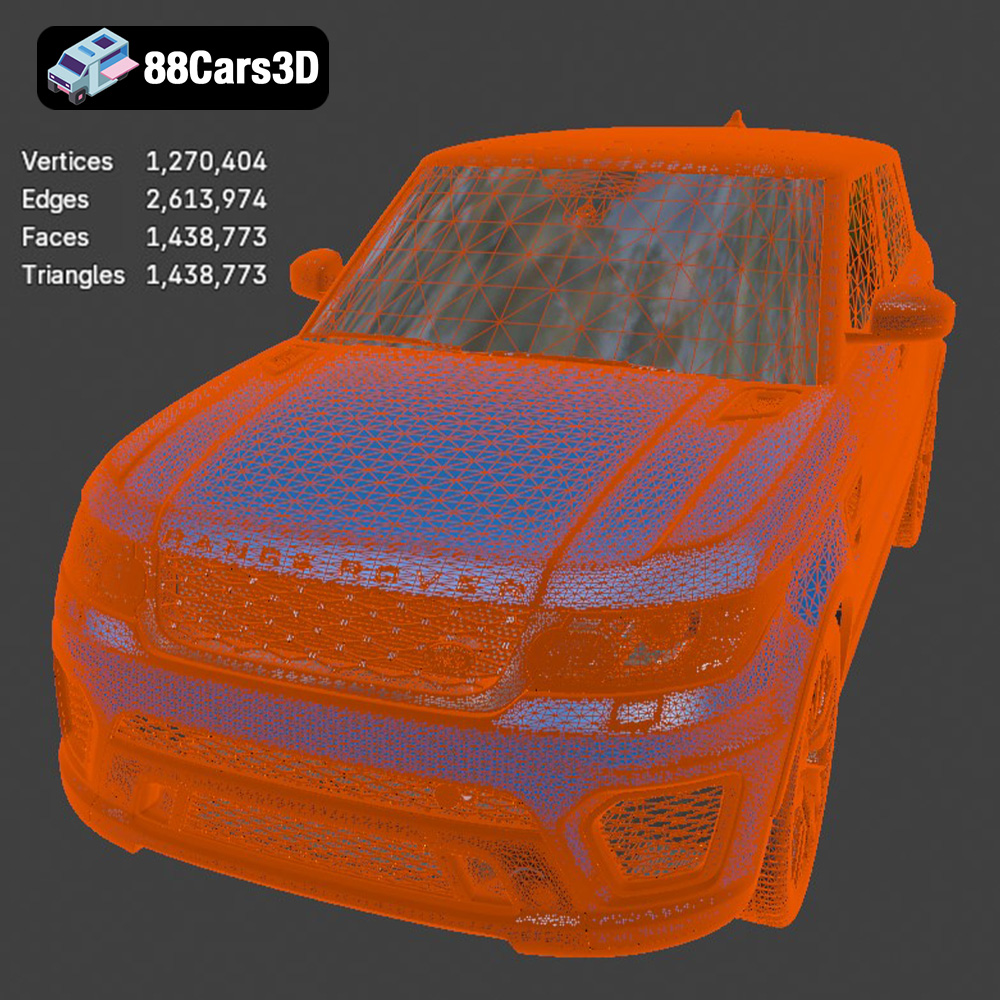
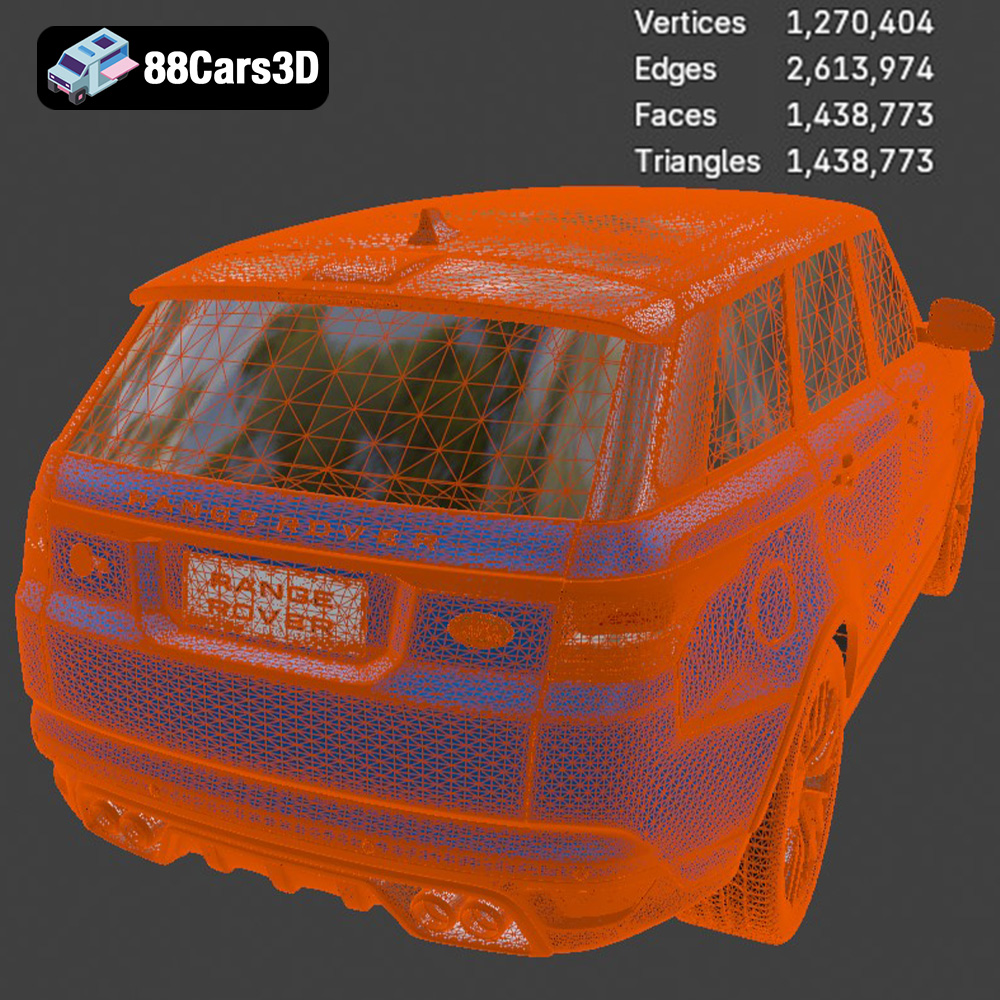
At the heart of any excellent 3D model is its geometry and topology. The Land Rover Range Rover Sport SVR 2015 3D Model features clean geometry, typically characterized by an organized, quad-based mesh with proper edge flow. This means that polygons are predominantly four-sided, which allows for smooth subdivision and avoids artifacts when rendering. A meticulously crafted topology ensures that the model can be easily sculpted, animated, or deformed without pinching or unsightly distortions. Furthermore, an optimized polygon count strikes a crucial balance: enough detail to capture the SVR’s aggressive styling and aerodynamic contours accurately, yet not so excessive that it bogs down real-time engines or renders unnecessarily slowly. This optimization ensures scalability, making the model suitable for both high-end cinematic close-ups and efficient real-time use.
Realistic materials are essential for convincing renders. The Land Rover Range Rover Sport SVR 2015 3D Model comes with realistic materials designed for a PBR (Physically Based Rendering) workflow. PBR materials accurately simulate how light interacts with surfaces in the real world, using texture maps for properties like Albedo (base color), Roughness (micro-surface detail, from glossy to matte), Metallic (distinguishing between dielectric and metallic surfaces), and Normal maps (simulating fine surface details without adding geometry). These carefully crafted PBR materials ensure that the car’s paintwork, glass, tires, and interior elements react authentically to various lighting conditions, making it suitable for close-up shots and demanding technical projects where material accuracy is paramount.
Effective UV mapping is critical for applying textures without distortion and for ease of customization. The Land Rover Range Rover Sport SVR 2015 3D Model features clean, non-overlapping UVs. This means that the 2D layout of the model’s surfaces, used for texture application, is organized and optimized. Clean UVs prevent texture seams, stretching, or warping, ensuring that decals, liveries, or custom paint jobs can be applied effortlessly and look flawless. Properly unwrapped UVs also facilitate the creation and use of texture atlases, which can improve performance in game engines by reducing the number of material calls. This attention to detail makes customizing the vehicle’s appearance a straightforward process, saving valuable artist time.
The versatility of a premium 3D asset like the Land Rover Range Rover Sport SVR 2015 3D Model extends across numerous professional domains, providing tangible value in diverse projects.
Imagine a global marketing campaign for a new luxury SUV. Instead of expensive physical shoots in exotic locations, a team leverages the Land Rover Range Rover Sport SVR 2015 3D Model to create a fully virtual commercial. They render cinematic sequences of the SUV driving through digitally sculpted landscapes, customize its paint finish and rim options in real-time for an interactive online configurator, and even project it onto a real street via AR for a social media campaign. The model’s high fidelity allows for close-up shots highlighting intricate details like brake calipers or interior stitching, creating visuals that captivate audiences and drive engagement without logistical overhead. This virtual production approach offers unparalleled creative freedom and cost efficiency.
Beyond marketing, 3D car models are vital for training and simulation. Picture a specialized driver training program for emergency services or off-road enthusiasts. Using the Land Rover Range Rover Sport SVR 2015 3D Model within a high-fidelity simulation environment (like a driving simulator powered by Unreal Engine), trainees can practice navigating challenging terrains, executing high-speed maneuvers, or responding to adverse conditions in a safe, controlled digital space. The model’s accurate dimensions and detailed interior allow for realistic cockpit views and interaction, enhancing the immersion and effectiveness of the training. This application is crucial for developing muscle memory and decision-making skills in a risk-free setting.
For game developers, the Land Rover Range Rover Sport SVR 2015 3D Model is a game-changer. A studio developing a next-generation open-world racing title can integrate this model as a hero vehicle for players, ensuring an authentic and visually stunning driving experience. Its optimized geometry and game-engine-ready formats (.fbx, .unreal) mean it can be dropped into the game world with minimal tweaking, instantly elevating the visual quality. Alternatively, it could serve as a highly detailed static asset in a virtual environment, populating urban scenes or adding realism to a showroom setting. For interactive experiences, the model could be used in a virtual car show, allowing users to walk around, inspect the interior, and even hear engine sounds, all powered by the robust base asset.
The decision to invest in premium 3D car models, especially for projects demanding the highest visual standards, is a strategic one. While free or low-cost alternatives exist, they often come with significant hidden costs in terms of time, performance issues, and compromised visual quality. This is where specialized marketplaces like 88cars3d.com distinguish themselves.
Professional-grade 3D car models, such as the Land Rover Range Rover Sport SVR 2015 3D Model, offer unparalleled advantages. They are meticulously crafted by experienced artists who adhere to industry best practices in modeling, texturing, and optimization. This means you receive assets with clean topology, optimized polygon counts, properly unwrapped UVs, and PBR-ready materials. Such quality eliminates countless hours of cleanup, retopology, re-texturing, and debugging that often accompany lower-quality models. For studios and freelance artists working on tight deadlines and demanding clients, this translates directly into saved time, reduced development costs, and a consistently high standard of output.
88cars3d.com is dedicated to providing a comprehensive selection of high-quality 3D car models, catering to a wide array of needs. Whether you’re looking for luxury SUVs, classic sports cars, electric vehicles, or specialized trucks, the marketplace offers a diverse portfolio. Each model is designed with the same commitment to realism and technical excellence, ensuring that you can find the perfect asset to fit your specific project requirements. This curated collection means less time searching and more time creating, knowing that you’re starting with a solid foundation.
One of the most significant benefits of sourcing your 3D car models from 88cars3d.com is the seamless integration into virtually any professional pipeline. The availability of multiple industry-standard file formats (.blend, .fbx, .obj, .glb, .stl, .ply, .unreal, .max) ensures that no matter your preferred software or target platform, the assets are ready to be utilized. This multi-format support minimizes compatibility issues and allows artists and developers to pick the exact file type optimized for their specific task, whether it’s high-fidelity rendering in 3ds Max, real-time game development in Unreal Engine, or web-based AR experiences. This flexibility empowers creators to focus on their vision, rather than wrestling with conversion or re-optimization.
The digital realm thrives on realism, and nowhere is this more apparent than in the meticulous world of automotive visualization. High-quality 3D car models are no longer a luxury but a fundamental requirement for anyone looking to produce compelling, immersive, and technically sound digital content. From enhancing game worlds and delivering photorealistic renders for marketing to building sophisticated simulation and AR/VR experiences, the right 3D asset forms the bedrock of success.
The Land Rover Range Rover Sport SVR 2015 3D Model stands as a testament to this commitment to excellence, offering unparalleled realism and versatility across a spectrum of professional applications. Its optimized geometry, PBR-ready materials, and comprehensive file format support make it an invaluable tool for any artist or developer. By leveraging such expertly crafted 3D car models, creators can elevate their projects, save valuable time, and achieve visual fidelity that truly resonates with audiences. For your next project, explore the professional-grade 3D car models available at 88cars3d.com and experience the difference that true quality makes.
Experience unparalleled realism with the Land Rover Range Rover Sport SVR 2015 3D model. Designed to meet the demanding requirements of modern digital environments, this asset delivers an exceptionally accurate representation of the iconic performance SUV, capturing its aggressive styling, aerodynamic contours, and detailed interior. Built with professional quality in mind, the model features clean geometry, an optimized polygon count, and realistic materials. Every curve and surface has been meticulously crafted to ensure flawless reflections and lighting interactions, making it suitable for close-up shots and demanding technical projects. This versatile 3D model is perfect for a wide range of professional applications, including game development, automotive rendering, AR/VR experiences, simulation environments, and commercial visualizations.
$39.99
.arvr
.blend
.car3dmodel
.fbx
.gameasset
.glb
.landrover
.luxurysuv
.max
.obj
.ply
.rangerover
.rendering
.simulation
.sport
.sportSUV
.stl
.svr
.unreal
SUV