Get 20% OFF All Premium 3D & STL Models!

“`html
The world of 3D printing has opened incredible opportunities for automotive enthusiasts, model makers, and engineers alike. The ability to create physical replicas of your favorite vehicles, design custom parts, or prototype new concepts is now within reach. A crucial step in this process is converting your chosen vehicle model into a printable STL file. This file format acts as the bridge between your digital design and the physical reality created by your 3D printer. But how exactly do you transform a CAD model, scan data, or even a downloaded file into a clean, printable STL? This comprehensive guide will walk you through the process, covering everything from understanding STL files to optimizing your model for different printing techniques. We’ll explore various software tools, essential settings, and best practices to ensure your 3D printed vehicle model is a success. Whether you’re a seasoned pro or just starting, this guide has something for you. This is particularly useful if you intend to create models for platforms like 88cars3d.com, where high quality and printability are paramount.
STL (Stereolithography) is the standard file format for 3D printing. It represents the surface geometry of a 3D object as a collection of triangles. Understanding the underlying structure of an STL file is crucial for successful 3D printing.
An STL file consists of a list of triangular facets, each described by the coordinates of its three vertices and a normal vector indicating the outward direction. The more triangles used to represent a surface, the higher the resolution and smoother the printed object. However, a higher triangle count also means a larger file size and potentially longer processing times. Finding the right balance is key. When dealing with vehicle models, capturing curves and intricate details accurately requires a sufficiently high triangle density, especially for visible surfaces.
Mesh topology refers to the connectivity and arrangement of triangles in the STL file. A well-formed mesh is manifold, meaning that every edge is shared by exactly two triangles. Non-manifold meshes can cause slicing errors and printing failures. Issues like holes, self-intersections, and disconnected components can all result from poor mesh topology. Before printing any vehicle model, always check for and repair any mesh errors. Free tools like Meshmixer and online services can help identify and fix these problems.
Before converting your 3D model to an STL file, proper preparation is essential. This involves cleaning up the model, scaling it to the desired size, and ensuring it meets specific requirements for 3D printing.
Often, downloaded models or CAD designs contain unnecessary details or imperfections that can complicate the 3D printing process. Using software like Blender or Meshmixer, you can remove extraneous geometry, simplify complex curves, and smooth out any rough surfaces. For vehicle models, this might involve removing interior details that won’t be visible in the final print or reducing the polygon count in areas with intricate designs. The goal is to strike a balance between visual fidelity and printability. Remember, a simpler model will print faster and with fewer errors.
Proper scaling is crucial for achieving the desired dimensions in your final 3D print. Before exporting to STL, ensure your model is scaled to the appropriate size in your CAD software or mesh editor. Consider the build volume of your 3D printer and the intended use of the printed model. For example, if you’re creating a display model, you might want to scale it to a specific scale ratio (e.g., 1:24 or 1:43). Orientation is also critical. Choose an orientation that minimizes the need for support structures and maximizes the print quality of important features. Orienting the model with its flattest side down on the build plate can improve bed adhesion and stability.
The process of converting a 3D model to an STL file involves using appropriate software and selecting the correct export settings. Different software packages offer various options and features for STL conversion, so it’s important to choose the right tool for the job.
If your vehicle model was created in CAD software like SolidWorks, AutoCAD, or Fusion 360, you can directly export it to STL format. Each software has its specific export settings, but the general principles remain the same. When exporting, pay close attention to the resolution or deviation setting. A higher resolution will result in a more detailed STL file but also a larger file size. Experiment with different settings to find the optimal balance between detail and file size. For automotive models with complex curves, a finer resolution is usually necessary to accurately capture the surface geometry. Check for options like “deviation control” or “chord height tolerance” and adjust them to achieve the desired level of detail. It is particularly important to ensure that the exported model meets the quality standards required by marketplaces such as 88cars3d.com.
Mesh editing software like Blender and Meshmixer provides more advanced tools for manipulating and preparing 3D models for printing. These tools are particularly useful for repairing mesh errors, simplifying geometry, and adding custom support structures. When exporting to STL from these programs, you’ll typically have options to control the triangle count and export specific parts of the model. Blender, for instance, allows you to select specific objects in your scene and export only those to STL. Meshmixer offers powerful tools for automatically repairing mesh defects like holes and self-intersections before exporting. These tools are incredibly valuable for ensuring your STL file is print-ready.
Once you have an STL file, optimizing it for 3D printing is crucial to ensure a successful and high-quality print. This involves techniques such as hollowing the model, adding drainage holes, and strategically placing support structures.
Hollowing a 3D model can significantly reduce material consumption and printing time, especially for larger objects. However, hollowing creates an enclosed volume that can trap resin or other materials. To prevent this, it’s essential to add drainage holes to allow any trapped material to escape. Position these holes in discreet locations that won’t be visible in the final print. In resin printing, trapped resin can cause suction forces during the printing process, leading to layer separation or print failures. Proper drainage is therefore critical. For vehicle models, consider hollowing the interior and adding drainage holes in the undercarriage or other inconspicuous areas. Wall thickness is also important; too thin, and the model will be fragile; too thick, and you lose the benefits of hollowing.
Support structures are essential for 3D printing models with overhangs or complex geometries. They provide temporary support to prevent the model from collapsing during printing. There are different types of support structures, including tree supports, linear supports, and raft supports. The choice of support structure depends on the specific model and the 3D printing technology being used (FDM or resin). Strategic placement of supports is crucial to minimize their impact on the surface finish and to ensure they can be easily removed after printing. Software like Cura and PrusaSlicer offer automatic support generation tools, but manual placement often yields better results, especially for complex models. For vehicle models, pay particular attention to supporting overhanging parts like spoilers, mirrors, and wheel arches.
Slicing software converts the STL file into a set of instructions that the 3D printer can understand. This process involves defining various parameters, such as layer height, print speed, temperature, and infill density. The choice of slicing software and printer settings can significantly impact the quality and strength of the printed model.
Layer height determines the resolution of the print in the Z-axis. Lower layer heights result in smoother surfaces but also longer printing times. A common layer height for FDM printing is 0.1-0.2mm. Infill density affects the strength and weight of the printed object. Higher infill densities result in stronger but heavier and more material-intensive prints. For vehicle models, a moderate infill density (15-25%) is often sufficient for structural integrity. Print speed affects both the print quality and the printing time. Slower speeds generally result in better print quality but longer printing times. Temperature settings depend on the material being used. PLA typically prints at around 200-220°C, while ABS requires higher temperatures (230-250°C). Proper bed adhesion is also crucial. Using a heated bed and applying adhesive solutions like glue stick or hairspray can improve bed adhesion and prevent warping. Different materials require different adhesion strategies.
FDM (Fused Deposition Modeling) and resin printing are two distinct 3D printing technologies, each with its own strengths and weaknesses. FDM printing is generally more affordable and suitable for larger parts, while resin printing offers higher resolution and finer details. When printing vehicle models, resin printing is often preferred for smaller, more detailed models, while FDM printing is suitable for larger, less detailed models. FDM printing typically uses materials like PLA, PETG, and ABS, while resin printing uses liquid resins that are cured by UV light. The slicing parameters and support structure strategies differ significantly between the two technologies. Resin printing requires careful calibration of exposure times and lift speeds, while FDM printing requires attention to bed adhesion and nozzle temperature. Platforms like 88cars3d.com may cater to both FDM and resin printers, so the format of the model needs to work for both.
After the 3D printing process is complete, post-processing is often necessary to achieve the desired finish and appearance. This can involve removing support structures, sanding surfaces, painting, and assembling multiple parts.
Removing support structures carefully is essential to avoid damaging the printed model. Different support materials and printing technologies require different removal techniques. For FDM prints with PLA supports, you can often simply snap off the supports by hand or use pliers. For more stubborn supports, you can use a heat gun to soften the plastic and make it easier to remove. For resin prints, supports are often more delicate and require careful cutting with a sharp blade or scalpel. Always wear safety glasses and gloves when removing supports to protect yourself from sharp edges and debris. Take your time and be patient to avoid accidentally breaking off parts of the model. Some materials use dissolvable supports that can be easily removed by dissolving the support material in a chemical solution.
Sanding is used to smooth out the surface of the printed model and remove any imperfections or layer lines. Start with a coarse grit sandpaper and gradually move to finer grits to achieve a smooth finish. Wet sanding can help reduce dust and improve the finish. Painting is used to add color and detail to the model. Use a primer to prepare the surface for painting and then apply multiple thin coats of paint. Consider using an airbrush for a more professional finish. Assembly is required if the model consists of multiple parts. Use adhesive or screws to join the parts together. Take care to align the parts correctly and ensure a strong bond. For vehicle models, sanding, painting, and assembly can transform a raw 3D print into a highly detailed and realistic replica.
Converting vehicle models into printable STL files is a multi-faceted process that requires careful attention to detail and a solid understanding of 3D printing principles. From preparing the model and converting it to STL to optimizing the file for printing and post-processing, each step plays a crucial role in the final outcome. By following the guidelines and best practices outlined in this guide, you can create high-quality 3D printed vehicle models that meet your expectations. Whether you’re a hobbyist, a professional designer, or an automotive enthusiast, the ability to bring your digital creations to life through 3D printing is an incredibly rewarding experience. And when downloading models from marketplaces such as 88cars3d.com, this knowledge becomes even more valuable, ensuring that you can successfully print the designs you’ve acquired. Now, take the knowledge you’ve gained here, experiment with different settings and techniques, and unleash your creativity in the world of 3D printed vehicle models. The next step is to experiment with different software and settings to see what works best for your specific printer and material. Don’t be afraid to try new things and learn from your mistakes. With practice and perseverance, you’ll be creating stunning 3D printed vehicle models in no time.
“`

Texture: Yes | Material: Yes
Download the highly detailed, game-ready Renault Megane CC 2011 3D Model. Features an accurately modeled folding glass roof, sleek aerodynamic body lines, and a detailed interior. Includes .blend, .fbx, .obj, .glb, .stl, .ply, .unreal, and .max formats for game development, AR/VR, and rendering.
Price: $19.99
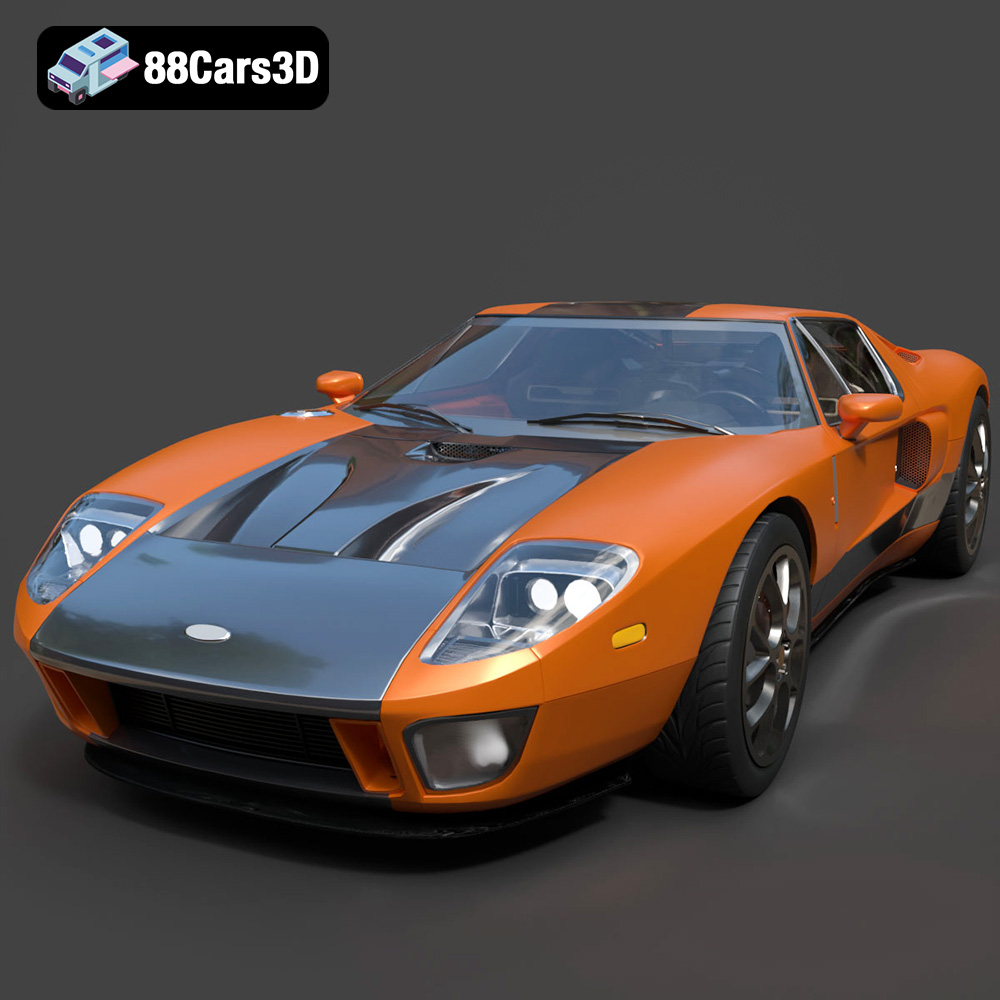
Texture: Yes | Material: Yes
Download the highly detailed, game-ready Ford GT 2005 3D Model. Features signature aerodynamic bodylines, mid-mounted supercharged V8 detailing, and iconic racing stripes. Includes .blend, .fbx, .obj, .glb, .stl, .ply, .unreal, and .max formats for game development, AR/VR, and rendering.
Price: $19.99
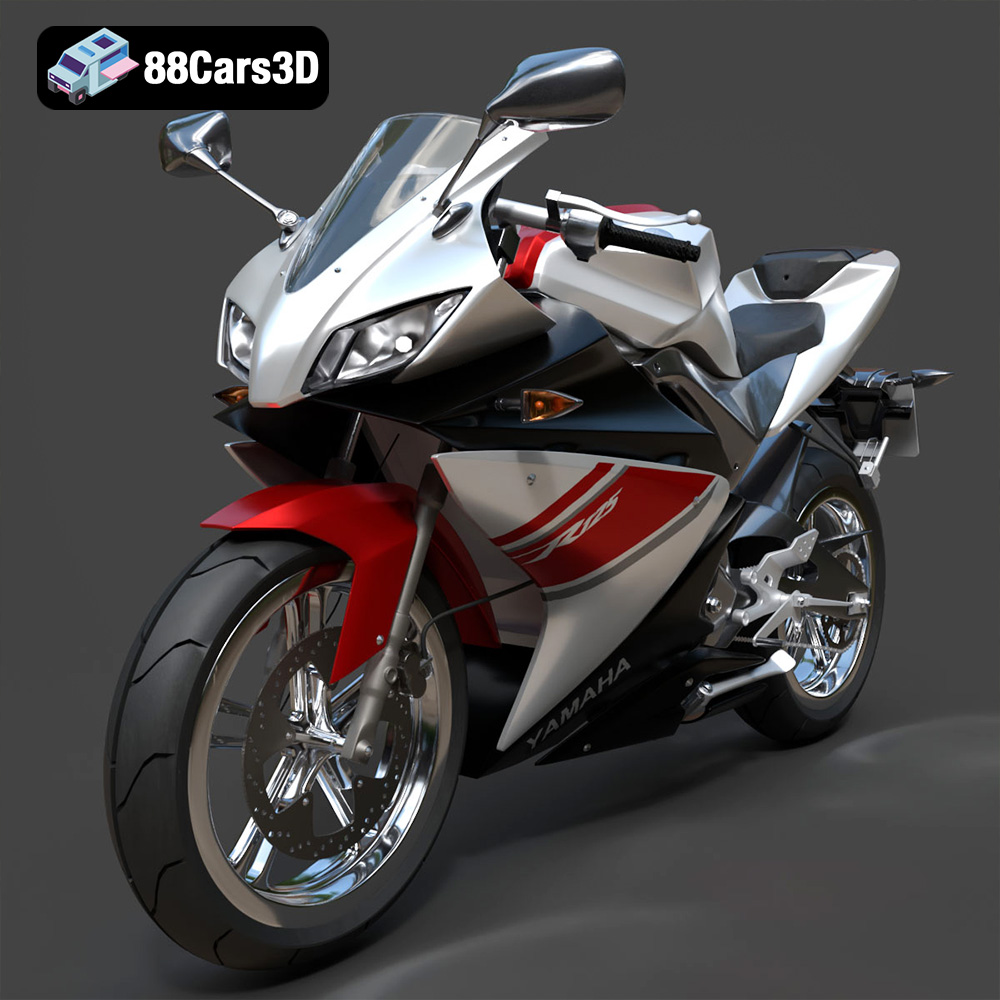
Texture: Yes | Material: Yes
Download the highly detailed, game-ready Yamaha YZF-R125 EU 3D Model. Features an aggressive aerodynamic fairing, twin LED headlights, and a detailed 125cc engine block. Includes .blend, .fbx, .obj, .glb, .stl, .ply, .unreal, and .max formats for game development, AR/VR, and rendering.
Price: $19.99
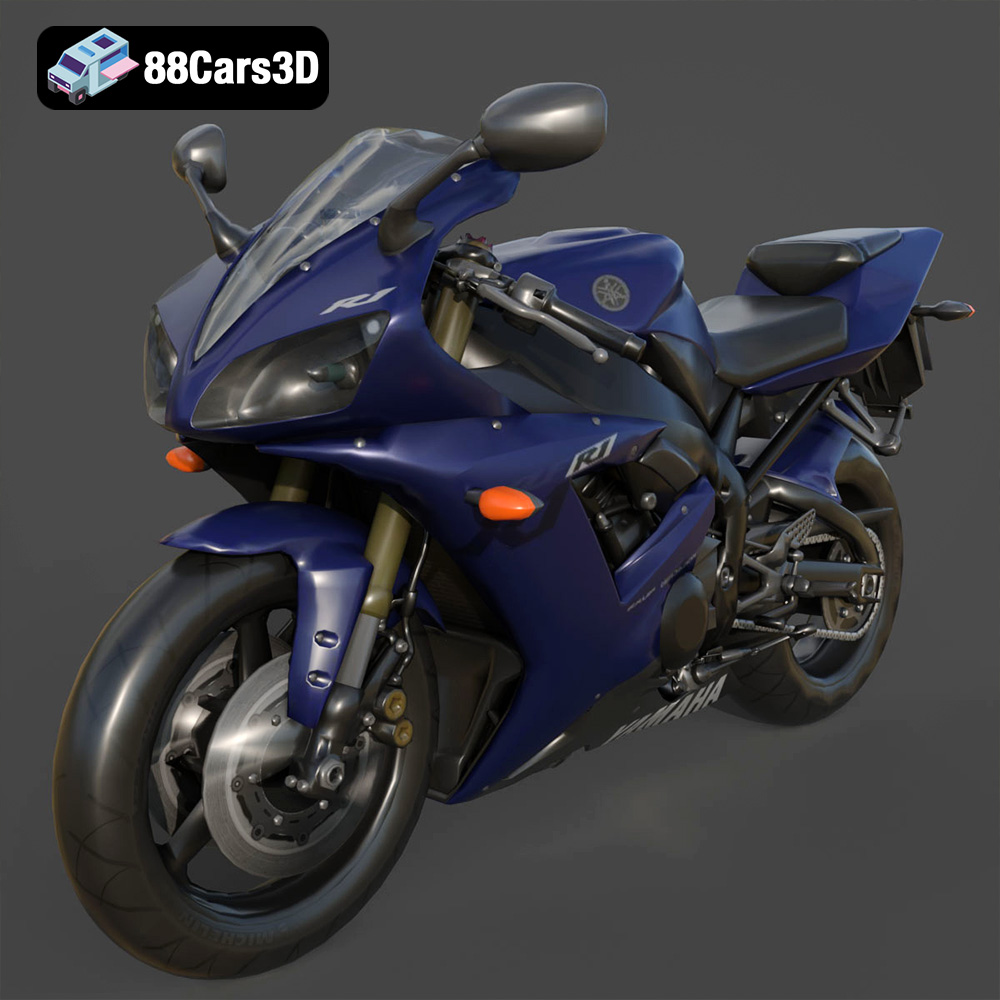
Texture: Yes | Material: Yes
Download the highly detailed, game-ready Yamaha R1 3D Model. Features aggressive aerodynamic fairings, a detailed crossplane inline-4 engine, and track-focused suspension geometry. Includes .blend, .fbx, .obj, .glb, .stl, .ply, .unreal, and .max formats for game development, AR/VR, and rendering.
Price: $19.99
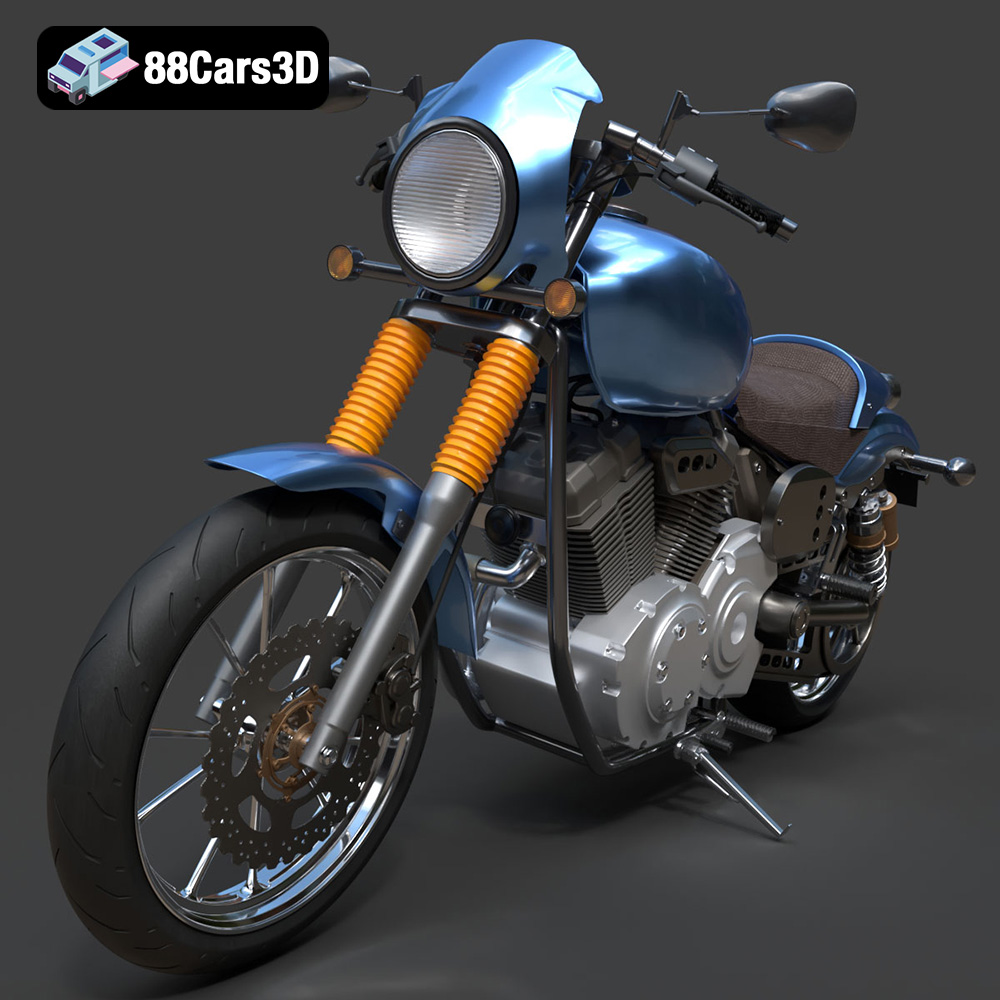
Texture: Yes | Material: Yes
Download the highly detailed, game-ready Yamaha XV950 Racer 3D Model. Features an aggressive cafe-racer front cowl, detailed air-cooled V-twin engine, and classic retro styling. Includes .blend, .fbx, .obj, .glb, .stl, .ply, .unreal, and .max formats for game development, AR/VR, and rendering.
Price: $19.99

Texture: Yes | Material: Yes
Download the highly detailed, game-ready Volvo VNL Tractor Truck 2002 3D Model. Features iconic aerodynamic styling, detailed fifth-wheel coupling, and heavy-duty chassis. Includes .blend, .fbx, .obj, .glb, .stl, .ply, .unreal, and .max formats for game development, AR/VR, and rendering.
Price: $39.99
Texture: Yes | Material: Yes
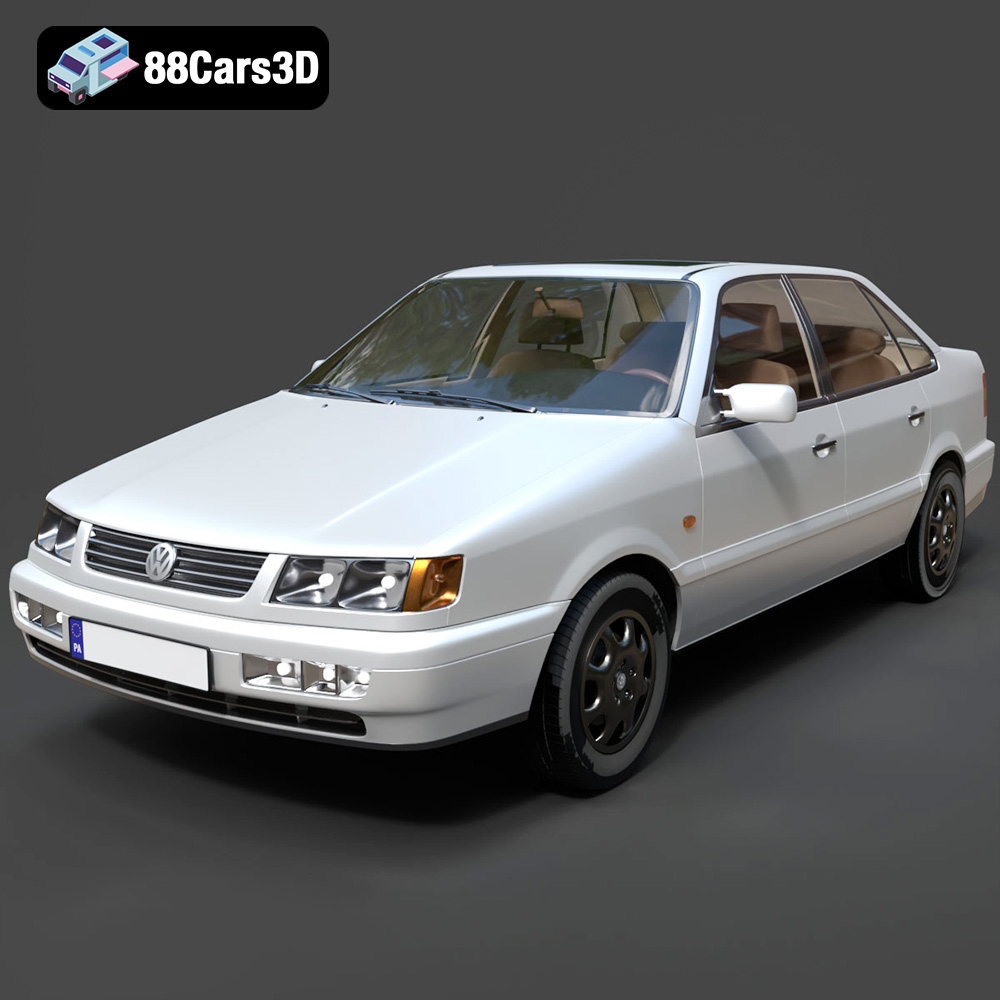
Download the highly detailed, game-ready Volkswagen Passat Mk4 B4 Sedan 1993 3D Model. Features accurate 90s sedan styling, detailed front grille-less fascia, and a classic interior setup. Includes .blend, .fbx, .obj, .glb, .stl, .ply, .unreal, and .max formats for game development, AR/VR, and rendering.
Price: $39.99
Texture: Yes | Material: Yes
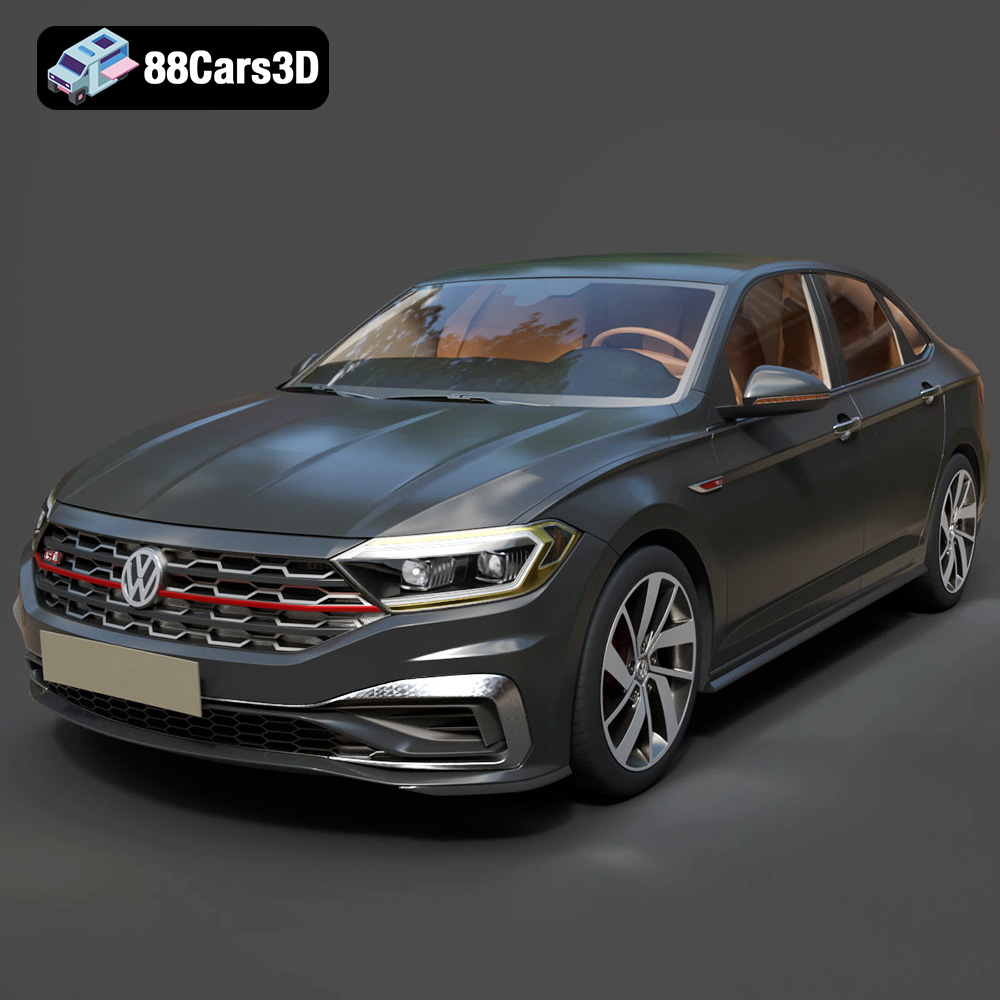
Download the highly detailed, game-ready Volkswagen Jetta GLI 2019 3D Model. Features an aggressive honeycomb grille with red accents, sleek aerodynamic profile, and exclusive GLI sport wheels. Includes .blend, .fbx, .obj, .glb, .stl, .ply, .unreal, and .max formats for game development, AR/VR, and rendering.
Price: $39.99
Texture: Yes | Material: Yes
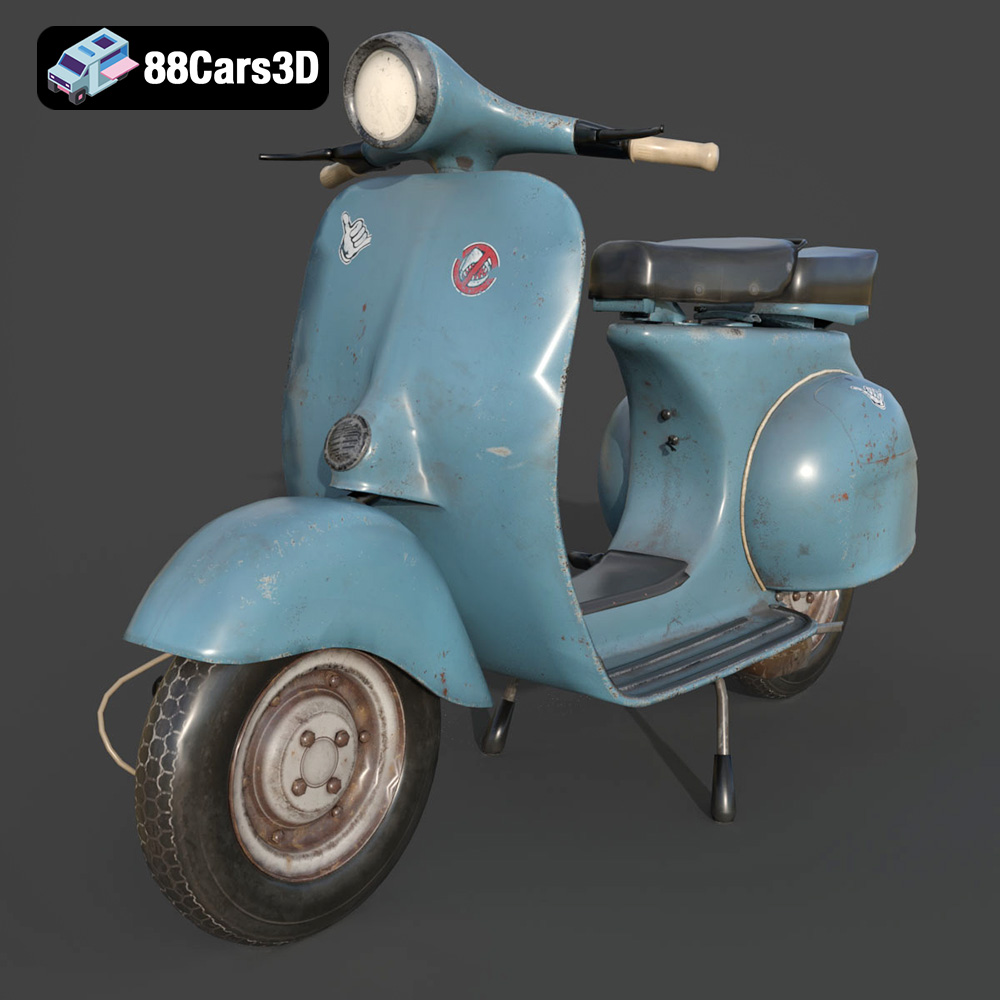
Download the highly detailed, game-ready Vintage Vespa 3D Model. Features iconic rounded monocoque styling, classic saddle, and chrome accents. Includes .blend, .fbx, .obj, .glb, .stl, .ply, .unreal, and .max formats for game development, AR/VR, and rendering.
Price: $39.99

Texture: Yes | Material: Yes
Download the highly detailed, game-ready Vespa GS 150 3D Model. Features elegant aerodynamic curves, classic leg shield, and detailed engine casing. Includes .blend, .fbx, .obj, .glb, .stl, .ply, .unreal, and .max formats for game development, AR/VR, and rendering.
Price: $39.99

