Get 20% OFF All Premium 3D & STL Models!

In the dynamic realm of 3D visualization, the quality of your assets directly dictates the realism and impact of your final output. From stunning cinematic renders to immersive real-time experiences, a meticulously crafted 3D model forms the bedrock of any successful project. For professionals in automotive design, game development, architectural visualization, or even advanced simulation, the demand for authentic, high-fidelity vehicle models is constant and ever-growing.
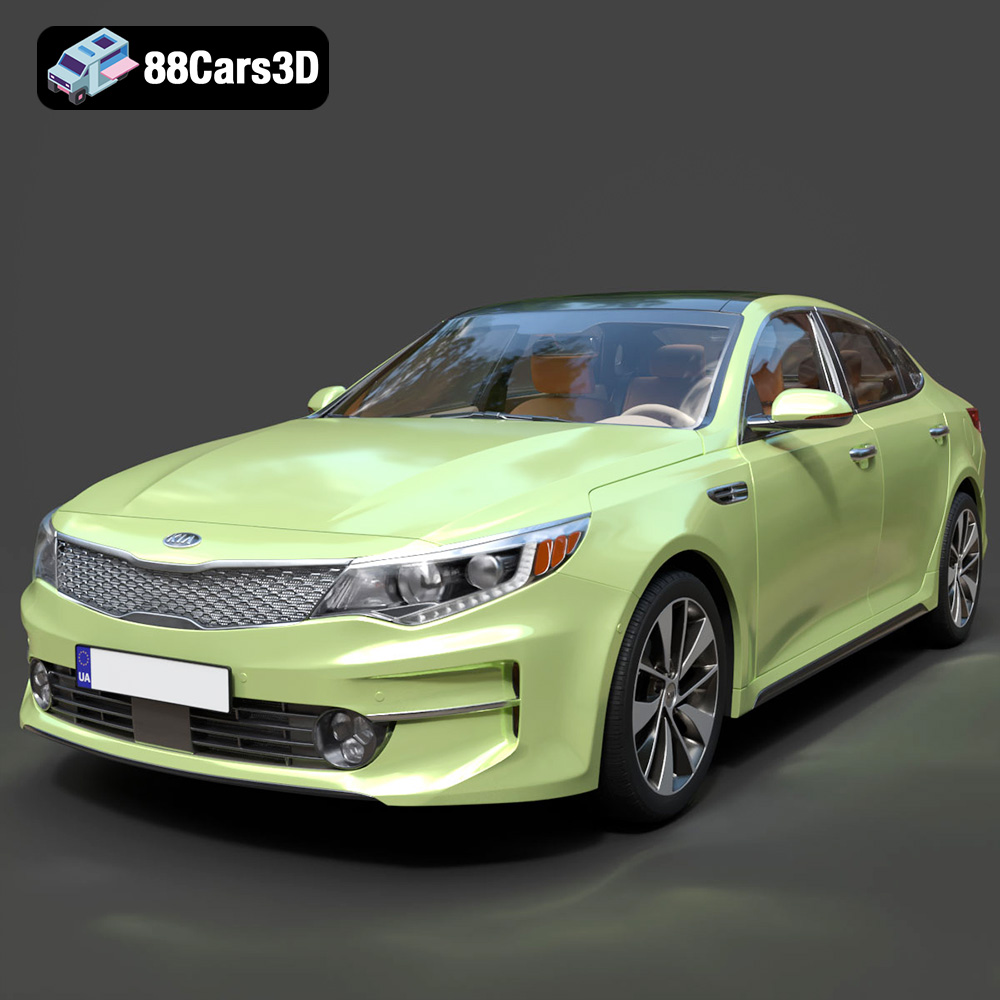
The challenge often lies in sourcing models that not only look impressive but also possess the underlying technical integrity to integrate seamlessly into diverse pipelines. This is where a resource like 88cars3d.com shines, offering a curated selection of professional-grade 3D car models designed to meet the most stringent industry standards. Today, we’ll delve into the intricacies of what makes a premium 3D vehicle asset truly exceptional, using the remarkable Kia K5 MX 2016 3D Model as our prime example. This model embodies the precision, versatility, and technical robustness required to elevate any digital endeavor, providing a comprehensive solution for artists and developers alike.
The choice of file format for a 3D model is far more than a mere technicality; it’s a critical decision that impacts workflow, compatibility, and ultimately, the success of your project. A truly versatile 3D asset, like the Kia K5 MX 2016 3D Model available at 88cars3d.com, provides a multitude of industry-standard formats, ensuring it’s ready for any application.
The .blend format is native to Blender, the powerful open-source 3D creation suite. A .blend file typically encapsulates an entire scene, including the model’s geometry, materials (often configured for Cycles or Eevee render engines), lighting setups, cameras, and even animation data. For Blender users, this means instant access to an editable, ready-to-render scene, allowing for quick modifications, rigging, or integration into existing projects without data loss.
.fbx (Filmbox) is arguably the most widely adopted interchange format, particularly prevalent in game development and animation pipelines. Developed by Autodesk, FBX files are excellent for transferring 3D models, complete with meshes, materials (often PBR textures linked via references), textures, animations, and even skeletal data, between different 3D applications like 3ds Max, Maya, Blender, and game engines such as Unreal Engine and Unity. Its robust support for complex scene data makes it invaluable for real-time environments.
The .obj (Wavefront OBJ) format is a near-universal standard for exporting and importing 3D models. While it primarily stores geometry (vertices, faces, UVs) and basic material references (via an accompanying .mtl file), its simplicity and broad compatibility make it a reliable choice for cross-software data exchange. It’s often used when you need a clean mesh without complex scene data, serving as a base for further texturing and material work in your preferred software.
.glb (GL Transmission Format Binary) is a modern, efficient format optimized for the web, augmented reality (AR), and virtual reality (VR) applications. It bundles the 3D model, textures, and animations into a single, compact file, making it ideal for fast loading and deployment in browser-based viewers, mobile AR apps, or WebGL projects. Its focus on efficiency makes it a crucial format for interactive digital experiences.
.stl (Stereolithography) is the de facto standard for 3D printing. It represents a 3D model as a series of connected triangles, defining only the surface geometry without color, texture, or other complex attributes. When preparing a 3D model for physical fabrication, an STL file is typically the final output before sending it to a 3D printer. The Kia K5 MX 2016 3D Model in .stl format allows for physical prototyping or creating scale models.
The .ply (Polygon File Format) is another popular format for storing 3D data, particularly useful for scanned data, CAD models, and scientific applications. PLY files can store not just geometry, but also properties like color per vertex or face, normal vectors, and even transparency. Its precise representation of mesh data makes it suitable for detailed analysis and scenarios where intricate geometric data is paramount.
While not a traditional standalone file format in the same way as FBX or OBJ, the inclusion of an .unreal asset usually refers to a 3D model package specifically pre-configured and optimized for direct import and use within Unreal Engine. This often means the model has been processed, materials are set up using Unreal’s PBR workflow (material instances), textures are correctly packed, and potentially includes LODs (Levels of Detail), collision meshes, and even basic Blueprints for interactive elements. This streamlines the integration process for game developers and real-time visualization specialists, allowing for immediate use of the Kia K5 MX 2016 as a high-quality game asset.
Finally, the .max format is the native project file for Autodesk 3ds Max. This file contains the complete 3ds Max scene, including the model’s geometry, modifiers, intricate material setups (e.g., V-Ray, Corona), lighting, cameras, animation timelines, and render settings. For professionals working in 3ds Max, having the .max file provides full editability and access to the original scene, enabling advanced customization and high-end automotive rendering.
The true value of a premium 3D car model lies not just in its superficial appearance, but in the meticulous technical execution that allows it to perform flawlessly across various platforms and use cases. The Kia K5 MX 2016 3D Model from 88cars3d.com exemplifies this principle, offering unparalleled detail and robust construction.
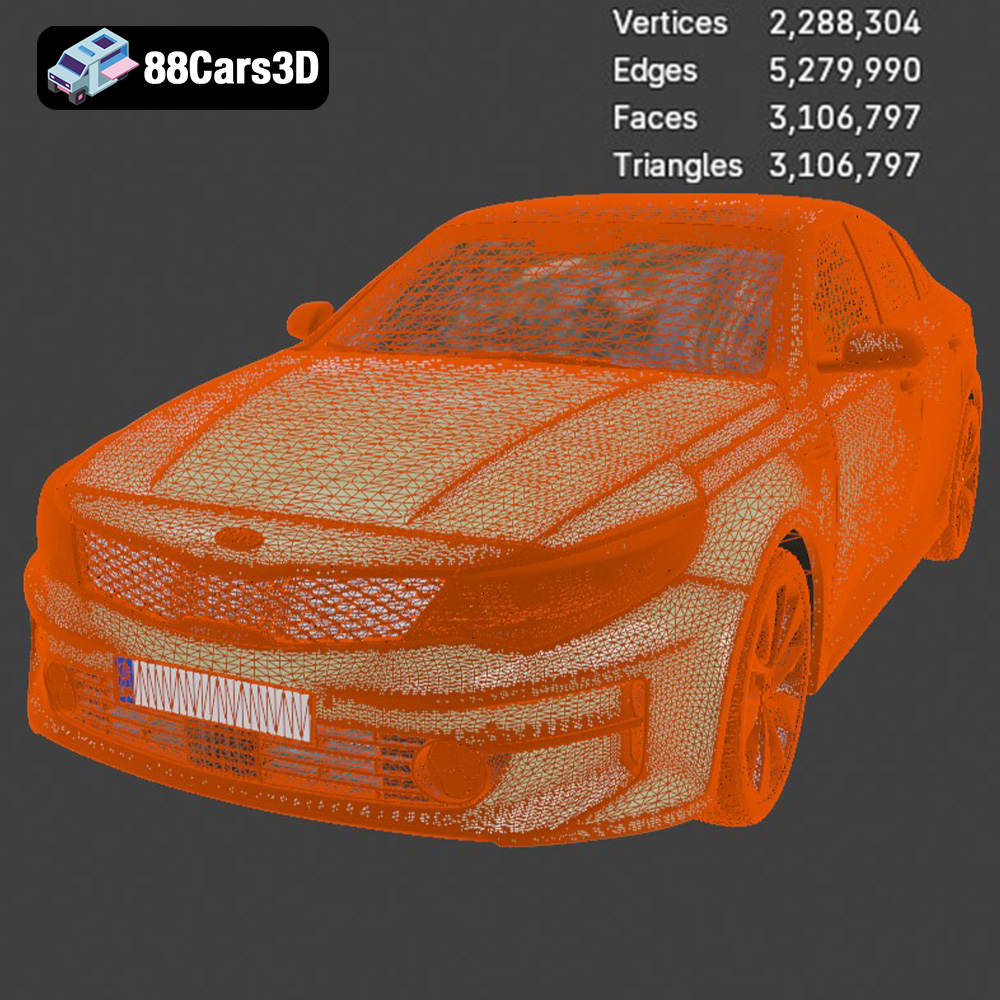
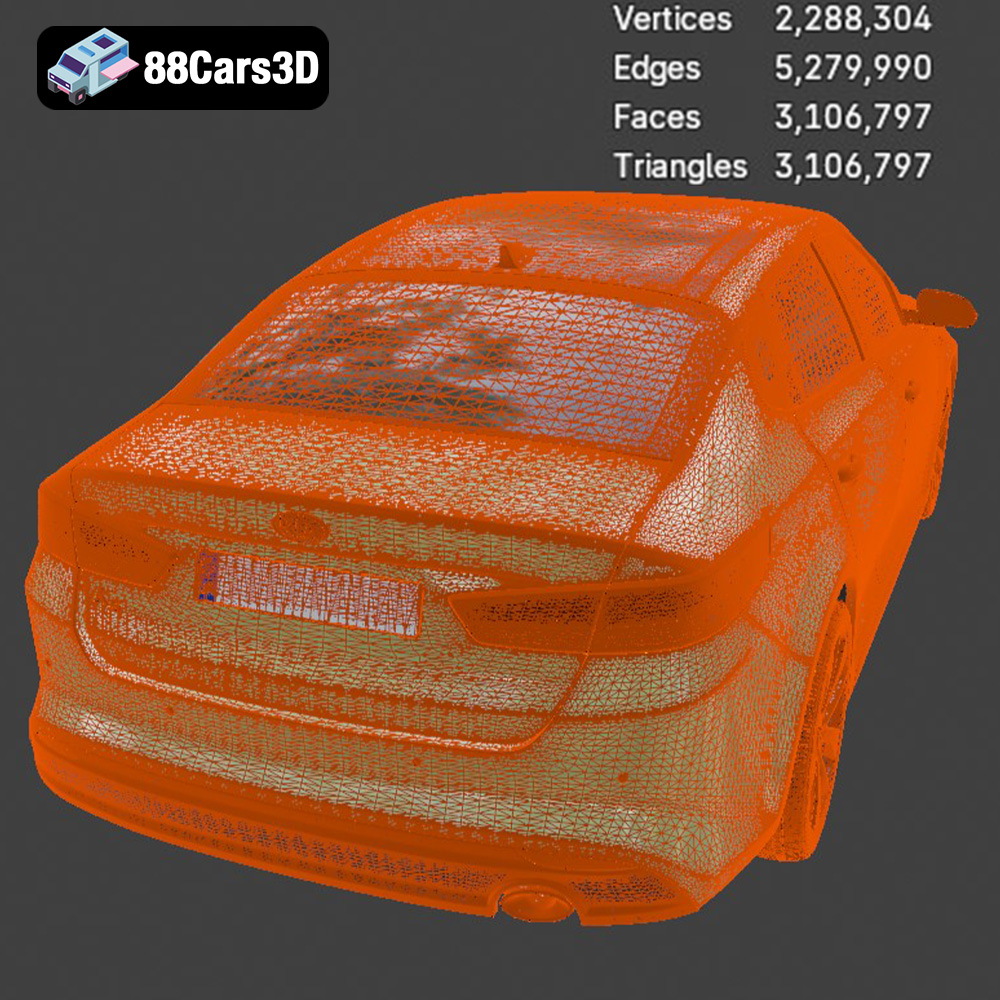
At the core of any high-quality 3D model is its geometry and topology. The Kia K5 MX 2016 boasts clean, professional-grade polygon structuring, predominantly quad-based, which is essential for smooth deformations and subdivision surfacing. This attention to topology ensures that the model can be easily modified, rigged, or even have its polygon count adjusted through subdivision without introducing artifacts or pinching. For a model of this caliber, one can expect an optimized poly count ranging from 200,000 to 500,000 polygons for the exterior and interior combined, striking a perfect balance between visual fidelity for close-up shots and performance for real-time applications. Crucially, the geometry is optimized to avoid intersecting meshes and redundant polygons, making it efficient for rendering and game engine integration.
The visual realism of the Kia K5 MX 2016 3D Model is significantly enhanced by its carefully crafted materials and high-resolution textures. Utilizing a physically-based rendering (PBR) workflow, the materials accurately simulate how light interacts with surfaces, from the metallic sheen of the paint to the subtle reflections on glass and the intricate fabric patterns of the interior. The model comes with a comprehensive set of texture maps (e.g., Albedo/Base Color, Metallic, Roughness, Normal, Ambient Occlusion) at resolutions typically ranging from 2K to 4K, ensuring crisp details even under extreme scrutiny. Expert UV mapping ensures there’s no stretching or distortion, allowing textures to be applied accurately and efficiently across the entire model.
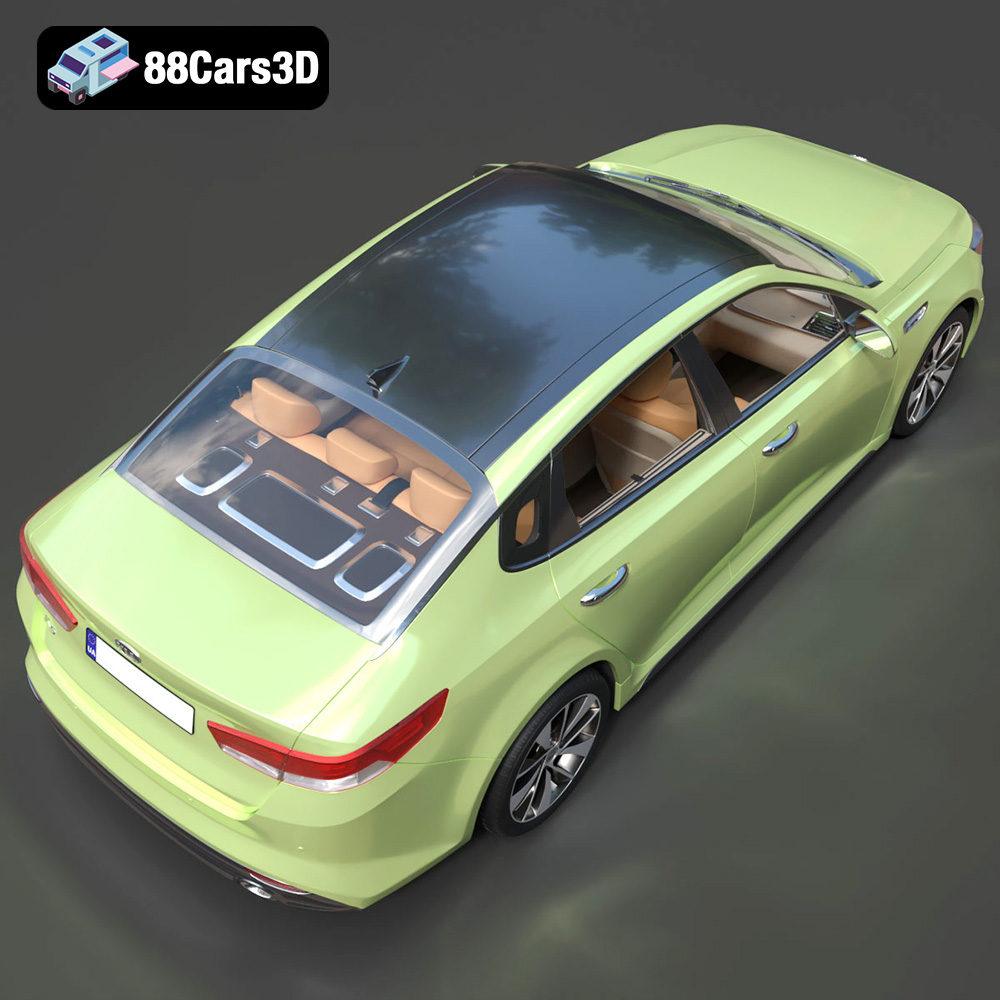
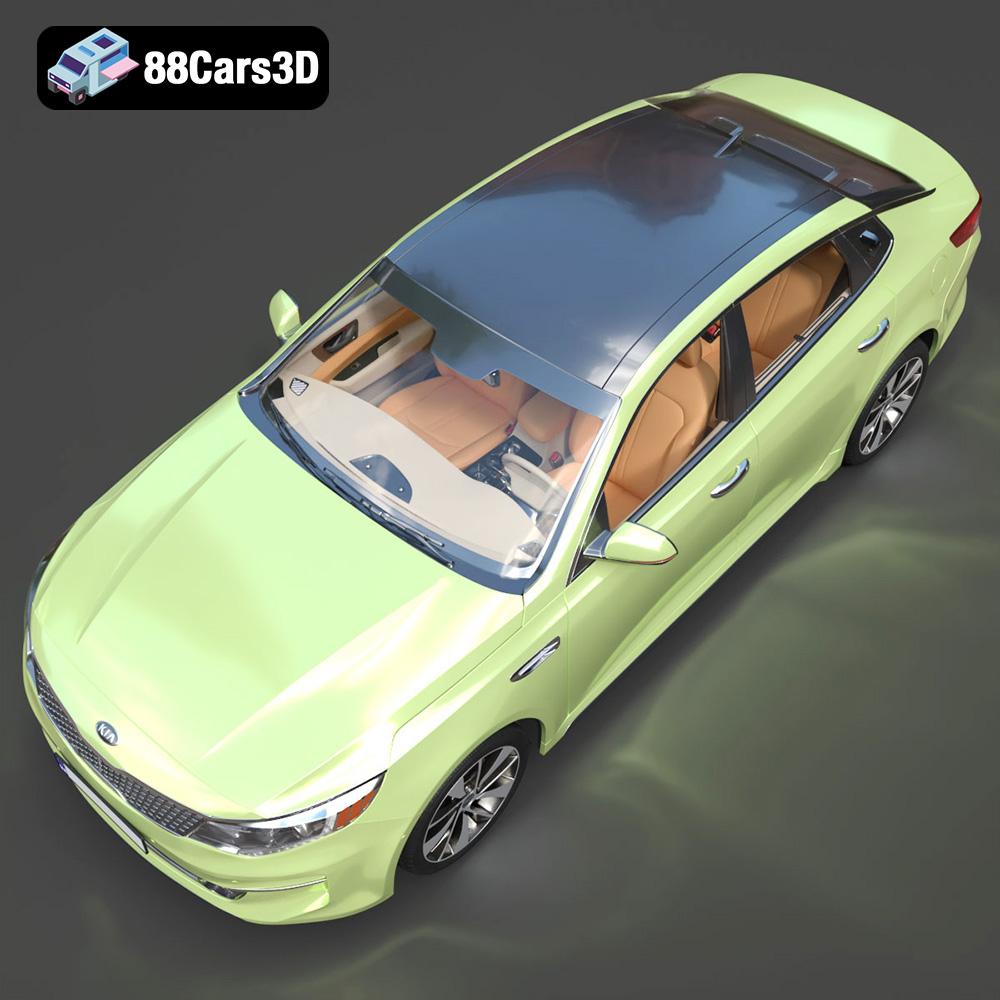
Beyond the sleek exterior, the Kia K5 MX 2016 3D Model features a fully modeled interior. This includes detailed dashboards with accurate instrumentation, intricately designed seats with realistic stitching, functional steering wheel controls, and even subtle elements like door panels and center consoles. This comprehensive interior modeling is invaluable for projects requiring driver’s perspective shots, virtual tours, or interactive vehicle configurators. For game assets, this level of detail supports first-person driving experiences, while for automotive rendering, it provides rich visual depth that can be explored from any angle, making the model incredibly versatile for marketing and visualization.
The true test of any high-quality 3D asset lies in its seamless integration into diverse professional workflows. The Kia K5 MX 2016 3D Model is engineered for this flexibility, providing ready-to-use solutions across leading software and engines.
For professionals specializing in high-end automotive rendering, the native .max file for 3ds Max is a cornerstone. It typically includes pre-configured V-Ray or Corona Renderer materials, optimized lighting setups, and often studio environments that allow for immediate photorealistic rendering. Artists can leverage 3ds Max’s powerful modeling and animation tools to create elaborate scenes, animating the car’s wheels, doors, or even suspension. The clean geometry of the Kia K5 MX 2016 makes it easy to add advanced modifiers, create dynamic reflections, and generate stunning marketing visuals or product showcases with unparalleled realism.
The inclusion of .fbx and a pre-configured .unreal asset makes the Kia K5 MX 2016 an ideal game asset for developers working with Unreal Engine. Importing the FBX is straightforward, and the PBR textures can be easily connected to Unreal’s material system, often via instances for efficiency. For maximum benefit, the .unreal package likely provides a ready-made asset with LODs (Levels of Detail) to optimize performance, collision meshes for realistic physics interactions, and possibly even basic blueprint setups for driving mechanics or interactive elements. This significantly accelerates development timelines for racing games, open-world simulations, or interactive training applications, allowing developers to focus on gameplay rather than asset creation.
Blender users benefit immensely from the native .blend file. This provides a complete scene, often with materials tailored for Cycles or Eevee, and potentially even studio lighting. Independent artists and animators can immediately begin rendering, creating stunning product visualizations, or integrating the Kia K5 MX 2016 into animated shorts. Blender’s robust rigging and animation tools can be applied to the clean geometry, allowing for custom car animations, dynamic camera moves, and intricate scene compositions. The full editability means users can easily adapt the model for non-photorealistic rendering styles or integrate it into complex environmental setups.
High-quality 3D car models aren’t just for pretty pictures; they are fundamental tools driving innovation across numerous industries. The Kia K5 MX 2016 3D Model, like many offerings on 88cars3d.com, is built to support a wide array of professional applications.
Imagine an automotive brand needing to launch a new car model or a specific trim. Instead of costly and time-consuming physical photo shoots, a high-fidelity 3D model like the Kia K5 MX 2016 can be rendered in countless virtual environments – from bustling cityscapes to serene natural backdrops, all without leaving the studio. This allows for rapid iteration of colors, wheel options, and lighting scenarios, delivering photorealistic advertising campaigns, product configurators, and website visuals with unmatched speed and flexibility. The detailed exterior and interior ensure every angle, every reflection, and every material texture is showcased perfectly.
Beyond marketing, 3D car models are crucial for advanced simulation. Driver training simulators, for example, require highly accurate vehicle models that interact realistically within virtual environments. The Kia K5 MX 2016, with its clean geometry and potential for custom rigging, could be integrated into a driving simulator to provide a realistic visual representation of the vehicle, allowing trainees to practice maneuvers in a safe, controlled digital space. Similarly, urban planning or logistics simulations can use accurate 3D vehicles to visualize traffic flow and infrastructure impact.
The increasing prevalence of AR/VR technology demands optimized 3D assets. A virtual showroom using the Kia K5 MX 2016 could allow potential customers to explore the car’s exterior and interior in an immersive, interactive experience, even customizing colors or features in real-time. The .glb format, specifically designed for AR/VR and web deployment, makes this seamlessly achievable, enabling engaging product experiences on mobile devices or VR headsets. For architects, presenting a new building design might include realistic 3D car models to contextualize the scale and functionality of parking areas or driveways.
Even with a premium 3D model like the Kia K5 MX 2016, understanding optimization techniques is key to maximizing its potential across different applications, especially in performance-critical environments like game engines or interactive experiences.
For real-time applications, managing polygon count is crucial. The best practice involves implementing LODs – multiple versions of the same model, each with progressively fewer polygons. When the car is close to the camera, the highest detail model is used; as it moves further away, lower-poly versions are swapped in automatically. This ensures high visual fidelity up close without sacrificing performance when the object is small or distant. A professional 3D car model, particularly one designed as a game asset, will often come with pre-generated LODs or be structured to allow for easy generation within engines like Unreal or Unity.
Efficient UV mapping is vital for both visual quality and performance. The Kia K5 MX 2016’s textures are meticulously UV-unwrapped to prevent stretching and maximize texture resolution utilization. For game development, consolidating multiple smaller textures into a single, larger texture atlas can significantly reduce draw calls, improving rendering efficiency. This approach is common for interiors, where many small elements might share a single texture sheet, optimizing memory usage and speeding up scene loading times.
In game engines and real-time visualization, material instancing is a powerful optimization technique. Instead of creating unique materials for every slight variation (e.g., different car colors or metallic finishes), a master material is created, and instances are derived from it. These instances allow artists to change parameters like color, roughness, or metallic values without compiling a completely new shader. This saves memory and allows for rapid iteration of visual styles, making it incredibly efficient to showcase the Kia K5 MX 2016 in multiple colorways or with different material properties without duplicating complex shader networks.
In the evolving landscape of digital content creation, the value of high-quality 3D assets cannot be overstated. They are the essential building blocks that empower artists, designers, and developers to bring their visions to life with unparalleled realism and efficiency. The journey from concept to stunning visual often hinges on the foundational quality of your chosen models.
The Kia K5 MX 2016 3D Model stands as a testament to this principle, offering a meticulously crafted digital asset engineered for versatility and technical excellence. Its clean geometry, comprehensive interior detailing, PBR-ready materials, and availability in multiple industry-standard formats make it an indispensable tool for automotive rendering, game asset development, AR/VR experiences, and professional visualization. By leveraging such a robust foundation, creators can streamline their workflows, reduce development costs, and achieve breathtaking results.
Whether you’re pushing the boundaries of photorealism in a cinematic render or creating immersive real-time environments, investing in premium 3D car models like those found at 88cars3d.com is a direct investment in the success and impact of your projects. Explore the extensive collection at 88cars3d.com today and discover how professional-grade 3D assets can redefine your creative possibilities.
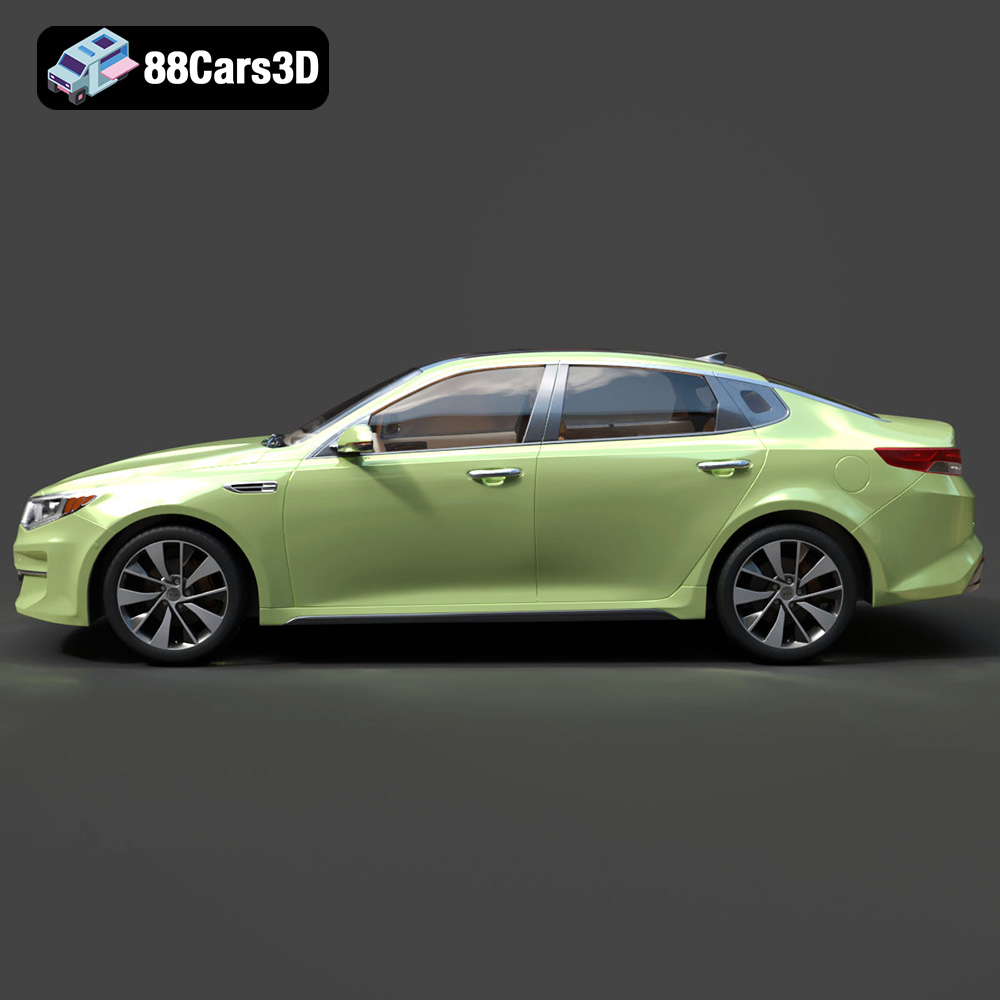
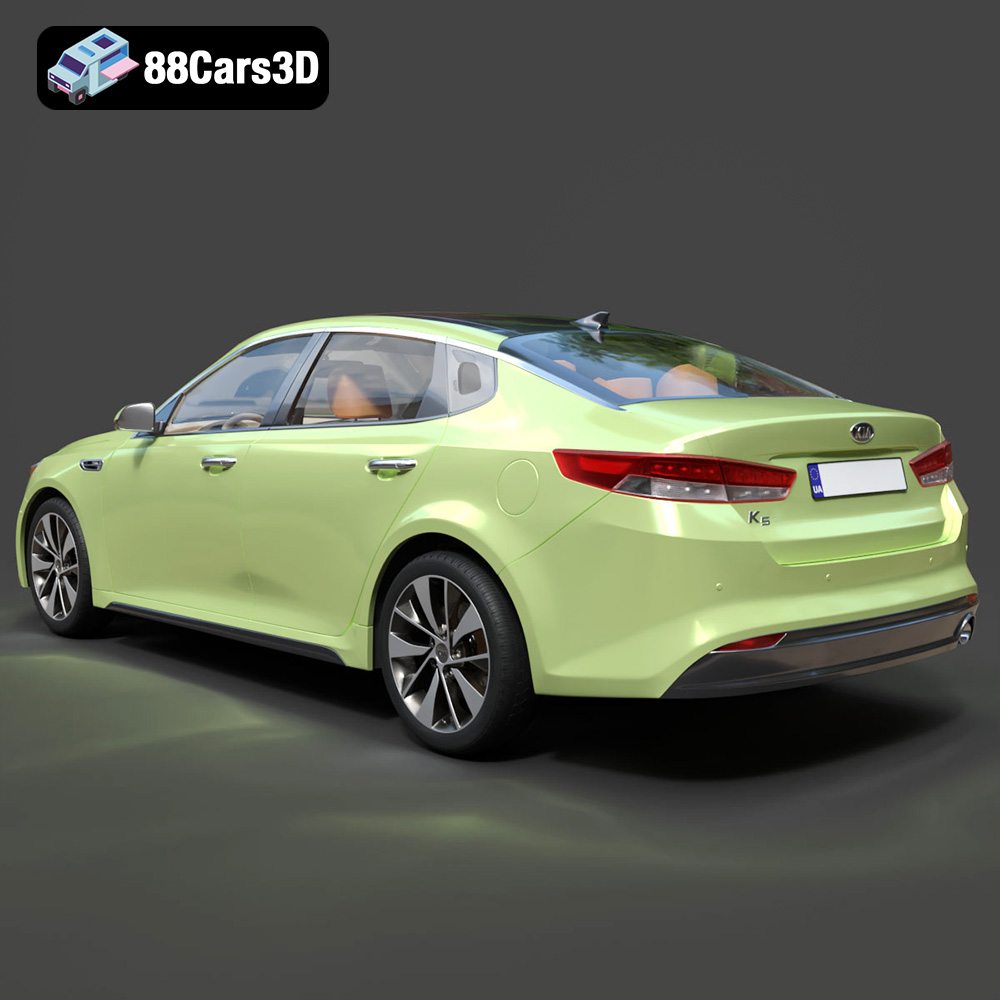
Discover unparalleled detail with the Kia K5 MX 2016 3D Model, engineered to deliver exceptional realism and precision. This model captures the sleek exterior lines and the fully modeled interior of the dynamic sedan, making it an outstanding digital asset for demanding projects. Built with clean geometry and professional-grade polygon structuring, this 3D vehicle includes realistic materials and textures designed for seamless integration. The meticulous attention to detail ensures it holds up perfectly under close-up shots and complex lighting scenarios. Whether you are working on game development, automotive rendering, AR/VR experiences, or professional visualization, this versatile model provides the exact technical specifications needed for a smooth workflow across various platforms.
$39.99
.arvr
.blend
.car3dmodel
.fbx
.gameasset
.glb
.k5
.kia
.max
.mx
.obj
.ply
.rendering
.sedan
.simulation
.stl
.unreal