Get 20% OFF All Premium 3D & STL Models!

In the expansive and ever-evolving landscape of 3D visualization, the quality of your foundational assets can make or break a project. From the intricate details of a sprawling architectural scene to the dynamic realism required for modern game environments, the demand for meticulously crafted 3D models is constant. Automotive models, in particular, hold a unique position, serving as critical components in fields ranging from product design and engineering simulations to immersive virtual reality experiences and high-fidelity cinematic productions.
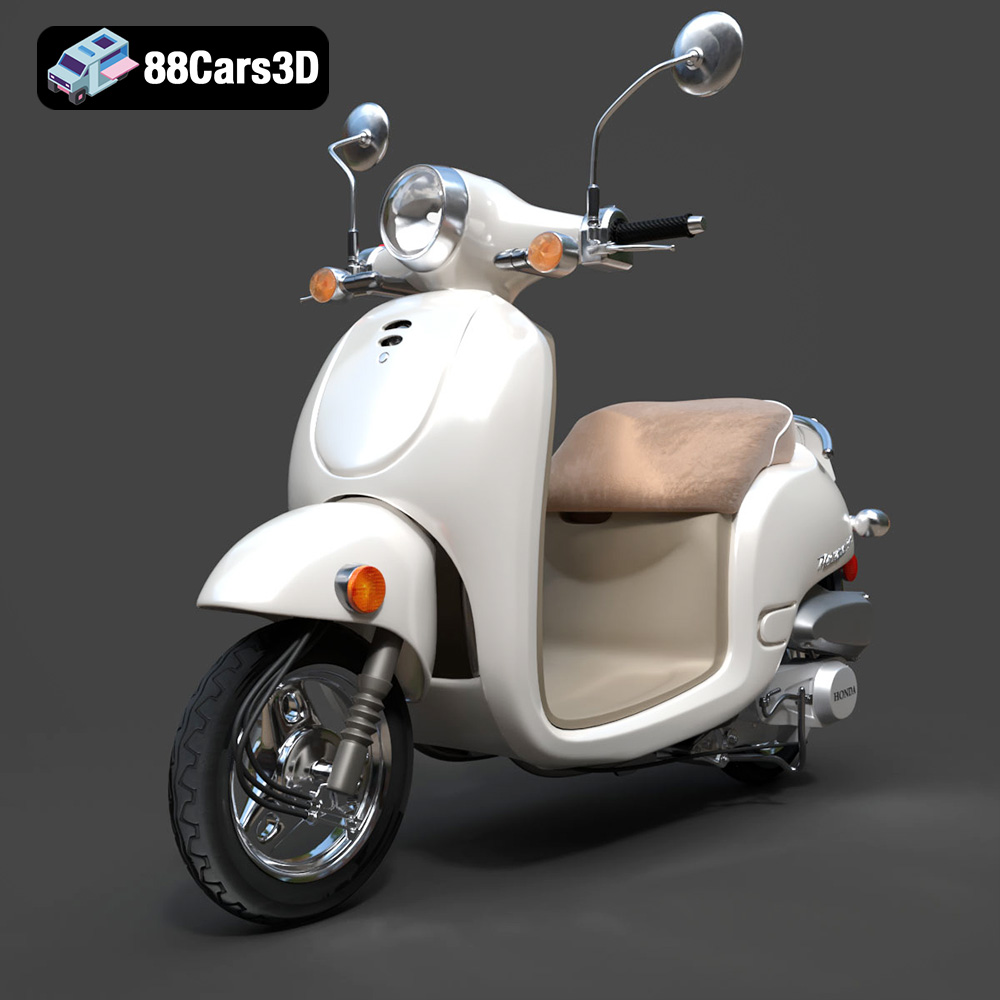
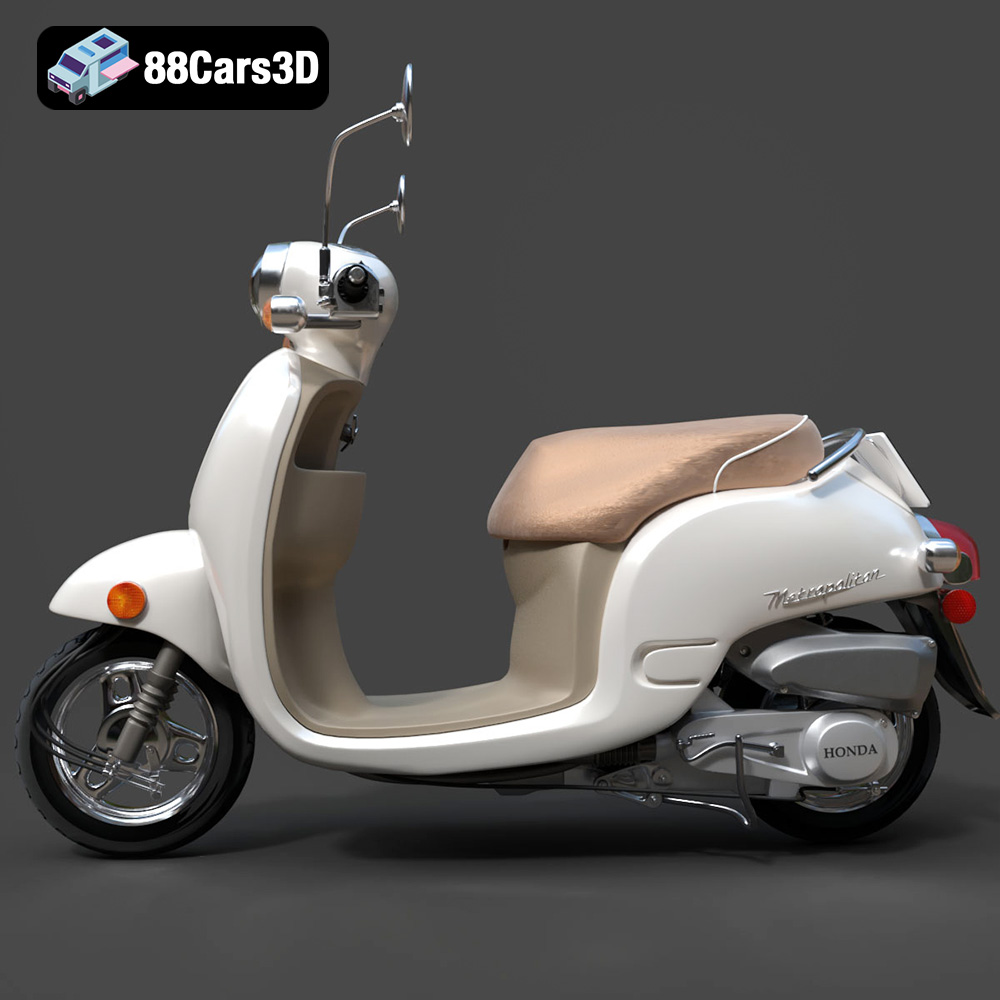
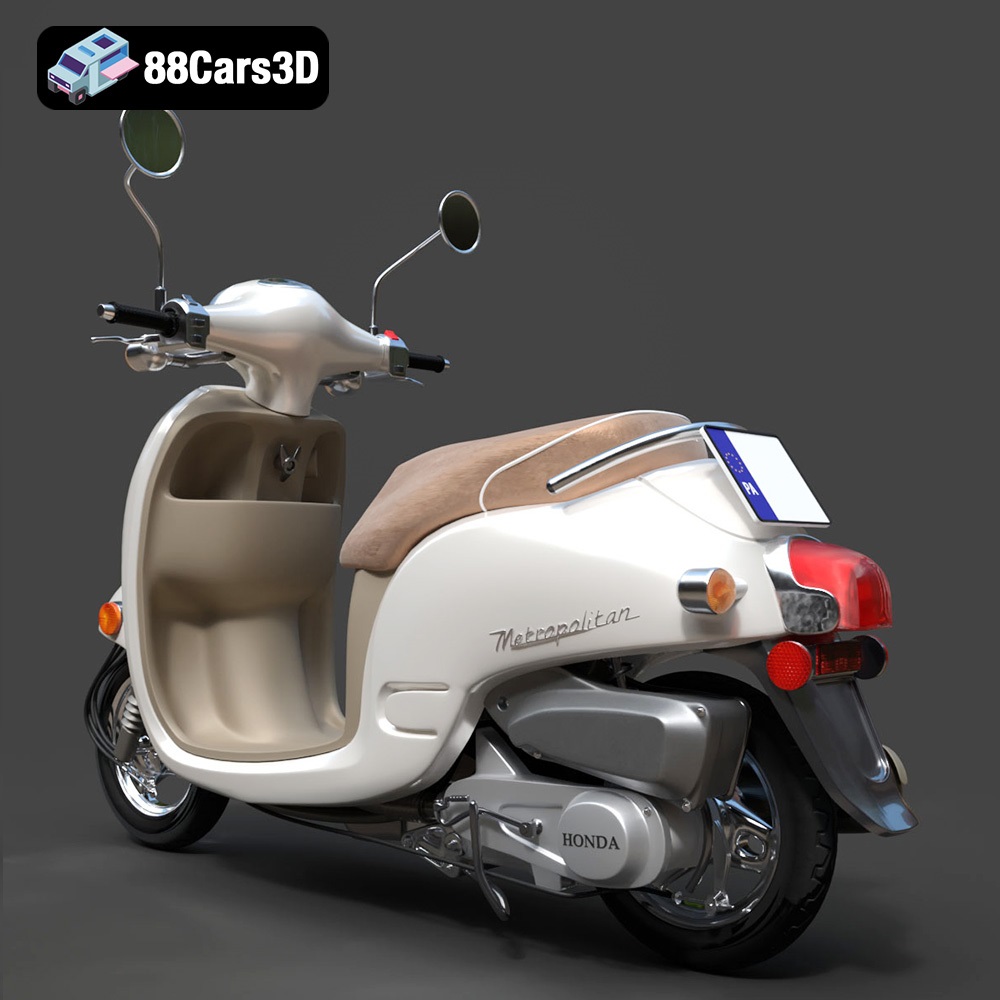
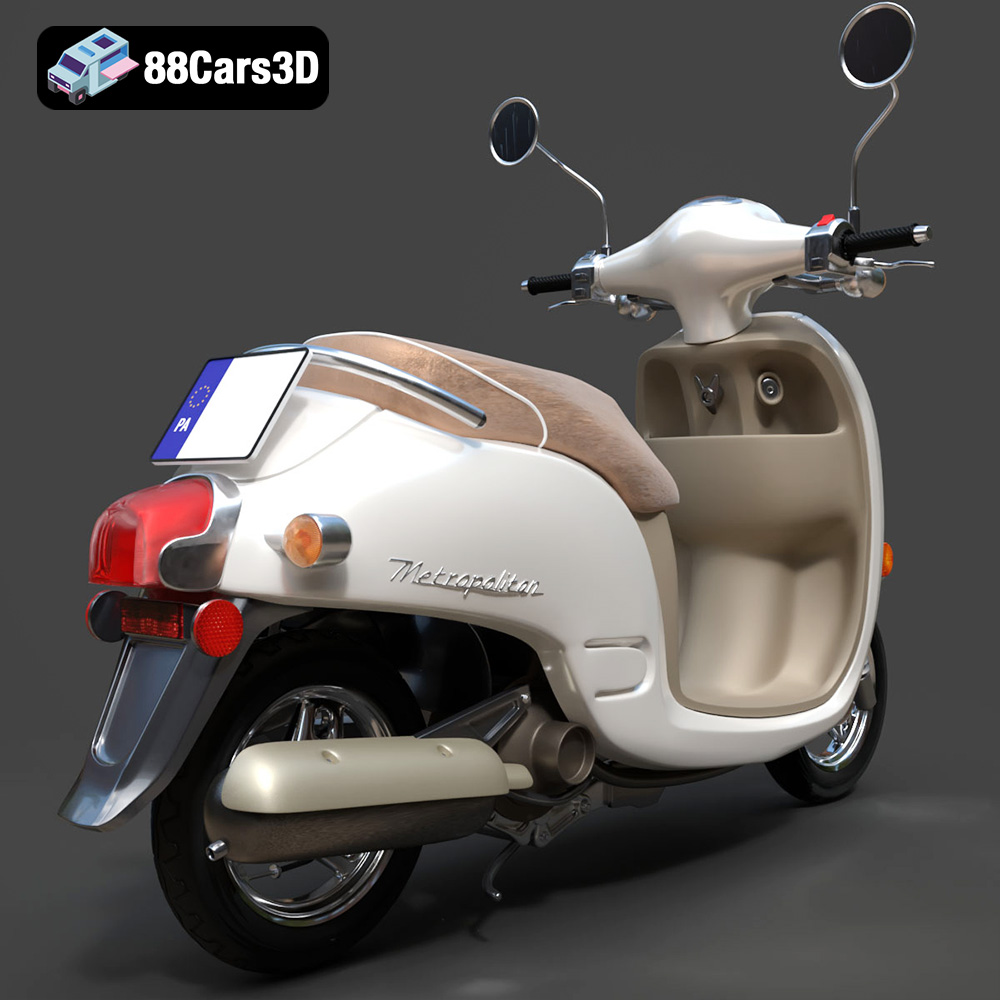
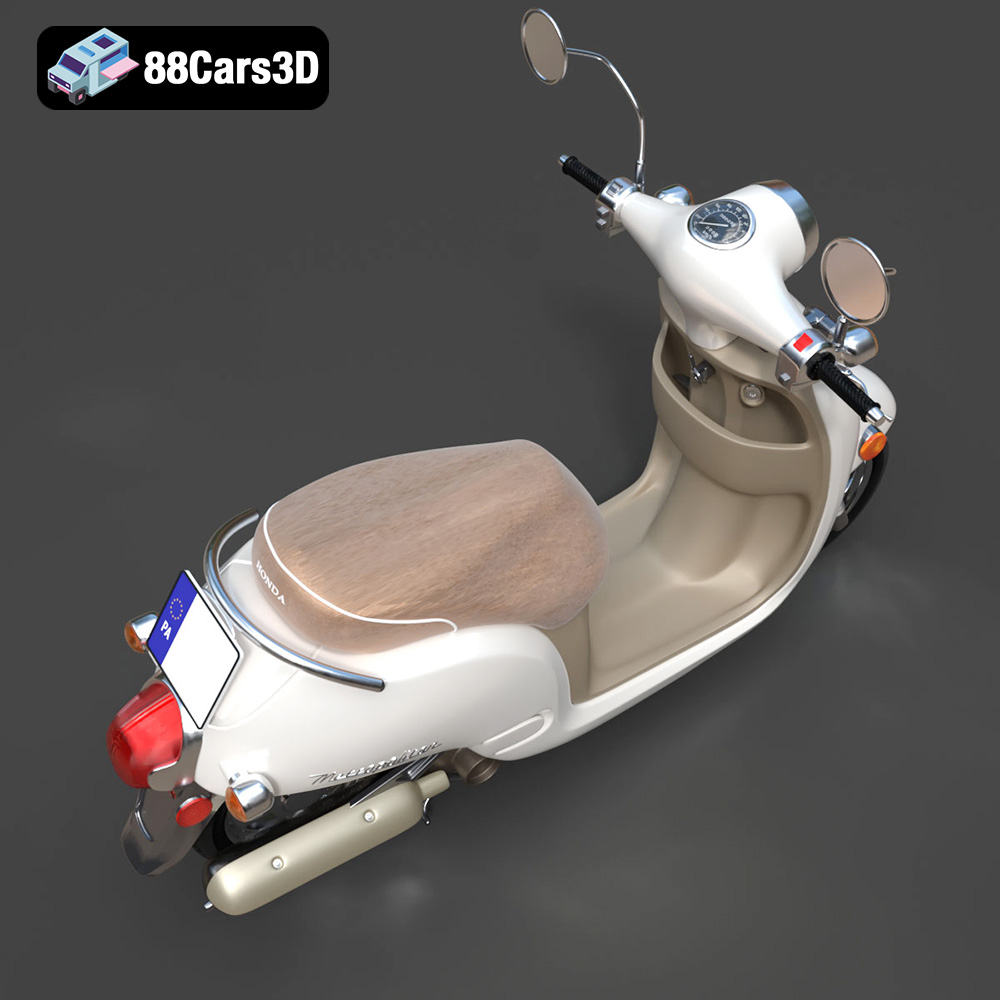
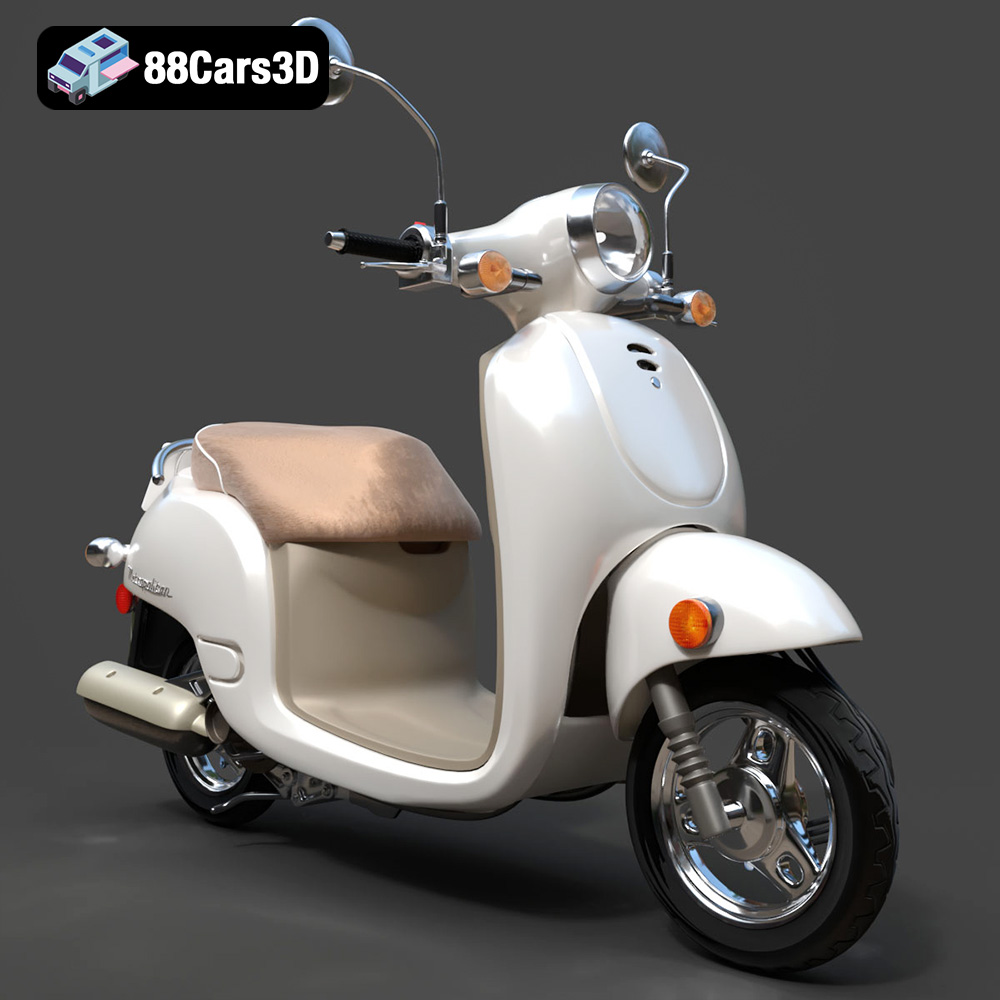
The pursuit of photorealism and functional accuracy in 3D car models is a testament to the skill of digital artists and the power of contemporary software. When a model captures the true essence of its real-world counterpart – down to the subtle curves and precise proportions – it elevates the entire project. This level of detail and professional-grade construction is exactly what you find in assets like the Honda Metropolitan 2013 3D Model, a prime example of a versatile and exceptionally detailed asset designed for seamless integration into diverse professional pipelines.
Whether you’re an independent game developer seeking authentic vehicles for an open-world setting, an architect visualizing urban streetscapes, or an animator bringing dynamic scenes to life, understanding the intricacies of 3D assets and their optimal use is paramount. This comprehensive guide will delve into the technical underpinnings of high-quality 3D models, explore their application across various industries, and highlight how expertly crafted assets, such as those available on 88cars3d.com, empower creators to achieve stunning visual fidelity.
The backbone of any 3D workflow lies in its file formats. Each format serves a specific purpose, optimized for different software, engines, or end-use scenarios. Knowing which format to use and why is crucial for efficient project management and achieving desired results, especially when dealing with complex 3D car models like the Honda Metropolitan 2013. The developers behind this particular model have thoughtfully provided a wide array of options, ensuring maximum compatibility and flexibility for any professional application.
The .blend format is Blender’s native file type. It’s much more than just a mesh container; a .blend file can store an entire scene, including all mesh data, materials, textures, lighting setups, camera positions, animations, physics simulations, and even the user interface layout. This makes it incredibly powerful for artists working primarily in Blender, offering a complete, editable project file. For the Honda Metropolitan 2013 3D Model, the .blend file provides a fully editable scene with pre-configured materials and a lighting setup, allowing immediate rendering or further customization within Blender’s robust environment. It’s ideal for those who wish to dissect the model, understand its construction, or integrate it deeply into a Blender-centric project with full creative control.
Developed by Autodesk, the .fbx (Filmbox) format has become an industry-standard for 3D data exchange between various software applications and game engines. It supports geometry, materials, textures, animations, and rigs. Its strength lies in its ability to maintain data integrity across different platforms, making it an essential format for collaborative pipelines. For game developers using Unreal Engine or Unity, the .fbx version of the Honda Metropolitan 2013 3D Model is game-engine ready, optimized for real-time performance. It ensures that the model’s structure, UVs, and material assignments translate accurately, minimizing setup time and potential errors when importing into an engine.
The .obj (Wavefront OBJ) format is one of the oldest and most widely supported 3D file formats. It’s a universal standard for storing 3D geometry data, including vertices, normals, UV coordinates, and material group information. While it doesn’t store animations or advanced material properties, its simplicity and widespread compatibility make it invaluable for cross-software workflows. Almost every 3D modeling, rendering, or CAD application can import and export .obj files. The .obj version of the Honda Metropolitan 2013 is perfect when you need a clean mesh that can be brought into virtually any 3D software for rendering, sculpting, or further modification, providing a reliable baseline for any project.
The .glb (GL Transmission Format Binary) is an increasingly important format, especially for AR (Augmented Reality), VR (Virtual Reality), and web-based 3D applications. It’s a binary version of the glTF (GL Transmission Format) that packages 3D model data (geometry, materials, textures, animations) into a single file, making it highly efficient for transmission and loading. Its optimization for real-time rendering and small file size makes it ideal for interactive experiences where performance is critical. The .glb version of the Honda Metropolitan 2013 3D Model is specifically optimized for these applications, ensuring quick loading times and smooth performance in immersive environments or directly within a web browser, opening doors for interactive product showcases or virtual tours.
The .stl (Stereolithography) format is the de facto standard for 3D printing and rapid prototyping. It describes only the surface geometry of a 3D object using a collection of triangular facets. While it lacks color, texture, or material information, its simplicity makes it universally compatible with 3D printing software. If your project involves physical prototyping or creating a miniature replica of the Honda Metropolitan 2013, the .stl file provides a robust and clean mesh ready for direct input into a 3D printer, translating the digital precision into a tangible object.
The .ply (Polygon File Format) is another versatile format for storing 3D data, particularly strong in its ability to represent point clouds and polygonal meshes. It can store various properties for vertices and faces, including color, transparency, normals, texture coordinates, and even scalar data. Often used in scientific and engineering applications, as well as 3D scanning, where precise data representation is crucial. The .ply version of the Honda Metropolitan 2013 3D Model is a detailed polygon mesh suitable for analytical visualization, reverse engineering, or integration into CAD-centric workflows where exact geometric data is paramount.
While often used with .fbx imports, a dedicated .unreal designation implies a model that has been specifically prepared or even packaged for Unreal Engine. This could mean pre-configured materials, collision meshes, LODs (Levels of Detail), and blueprint setups ready for direct import and use within an Unreal project. This level of preparation significantly accelerates development time for game designers and simulation creators. For the Honda Metropolitan 2013, having a .unreal ready asset means less time spent on technical setup and more time on creative implementation, delivering an engine-ready asset right out of the box.
Similar to .blend for Blender, the .max format is Autodesk 3ds Max’s native file type. It encapsulates an entire 3ds Max scene, including geometry, materials, textures, lighting, cameras, animation data, and scene settings. 3ds Max is a powerhouse for architectural visualization, product rendering, and high-end animation. The .max file for the Honda Metropolitan 2013 3D Model provides an editable 3ds Max project, allowing professionals to leverage 3ds Max’s advanced rendering engines (like V-Ray or Corona), robust modeling tools, and sophisticated animation capabilities to create stunning static renders or complex dynamic sequences. It ensures full creative freedom for users deeply integrated into the 3ds Max ecosystem.
Beyond file formats, the intrinsic quality of a 3D car model is determined by several fundamental attributes. These elements dictate a model’s versatility, performance, and ultimate visual fidelity across various applications. When selecting 3D car models, whether for automotive rendering, game assets, or AR/VR experiences, understanding these technical details is crucial. The Honda Metropolitan 2013 3D Model exemplifies these characteristics, built to professional standards.
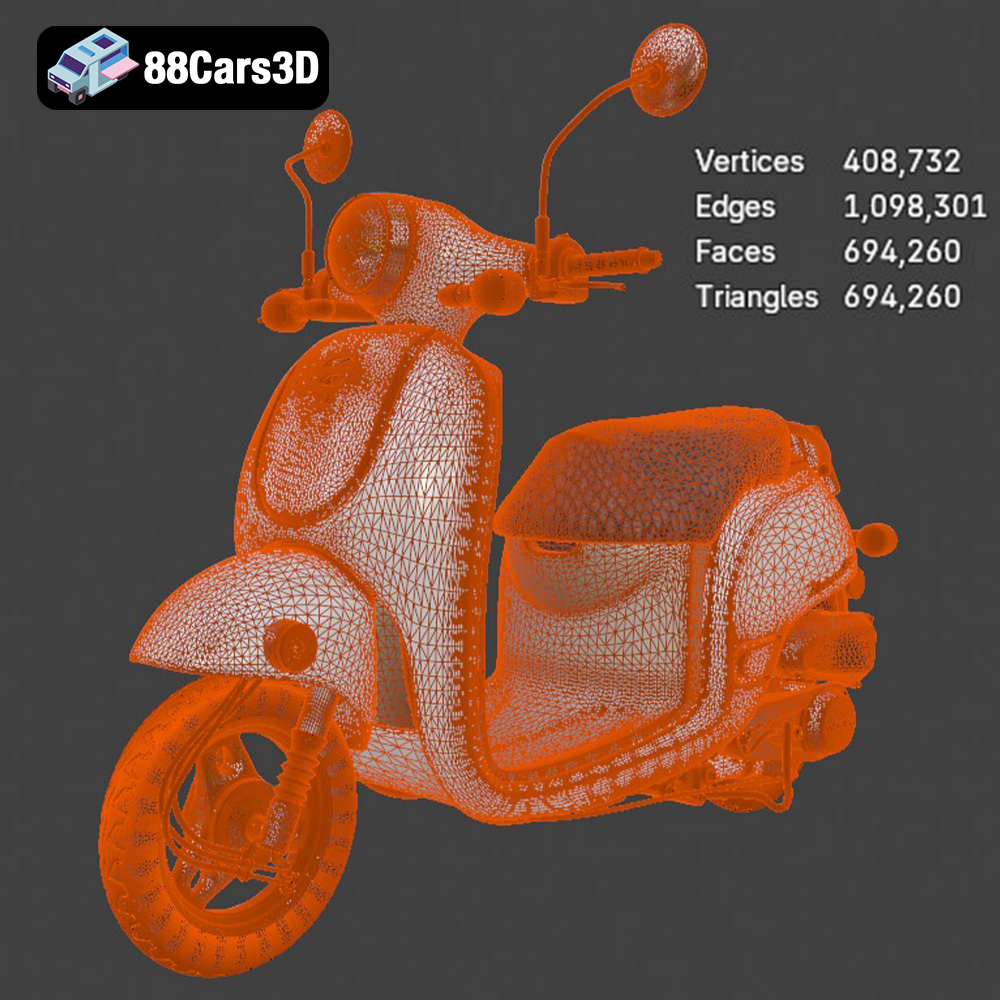
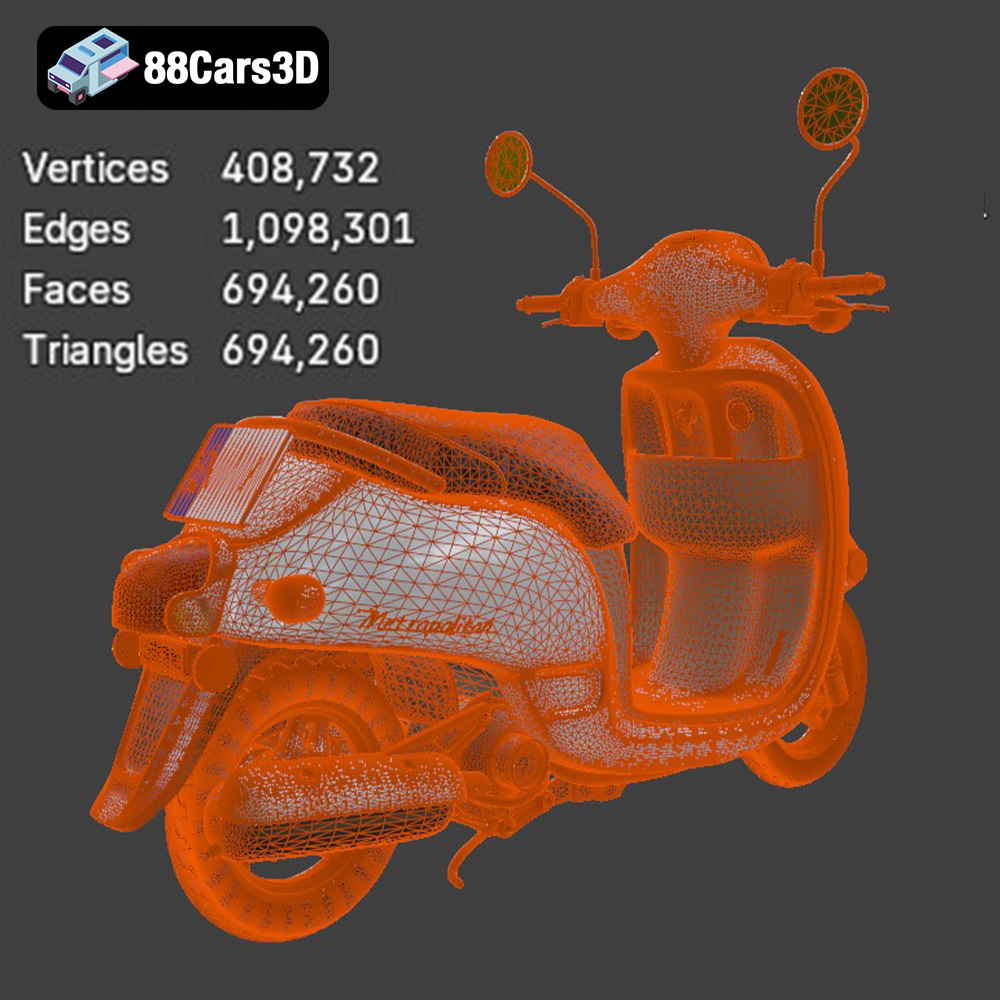
Clean geometry and efficient topology are the bedrock of any professional 3D model. “Clean geometry” refers to a mesh free of issues like non-manifold edges, coincident vertices, or inverted normals, which can cause rendering artifacts or difficulties during animation and deformation. “Topology” refers to the arrangement of faces, edges, and vertices on the surface of an object. Good topology follows the natural flow of an object’s contours, ensuring smooth subdivisions, efficient unwrapping for UVs, and proper deformation if the model is animated. For the Honda Metropolitan 2013 3D Model, its “clean geometry and professional-grade construction” mean that it boasts a well-optimized mesh. This is vital for maintaining performance in real-time applications like games, while still providing enough detail for high-resolution renders without excessive polygon counts, which could bog down even powerful machines. Well-constructed geometry also means the model can be easily modified, smoothed, or optimized further if specific project requirements demand it.
Once the geometry provides the form, materials and textures inject life. Realistic materials dictate how light interacts with the surface – whether it’s a glossy paint job, a matte plastic, a reflective chrome, or a transparent windshield. Textures add surface detail, color variations, and imperfections, making the model feel real rather than pristine. Shaders, the programs that calculate how light interacts with surfaces, bind materials and textures together, allowing for complex effects like subsurface scattering, anisotropic reflections, or intricate normal mapping. The Honda Metropolitan 2013 3D Model features “realistic materials and expertly crafted surfaces,” meaning its textures and shaders are designed to react accurately to diverse lighting conditions. This level of detail ensures that whether the scooter is bathed in harsh sunlight or the soft glow of streetlights, its appearance remains convincing and immersive, crucial for high-quality automotive rendering.
UV mapping is the process of unwrapping a 3D model’s surface onto a 2D plane, creating a set of coordinates (UVs) that tell the software how to apply textures. Proper UV mapping is critical for several reasons: it prevents texture stretching, ensures efficient use of texture space, and facilitates the baking of lighting, ambient occlusion, or normal maps. Optimized UVs are well-packed, minimizing wasted space on the texture atlas, which is particularly important for game assets to reduce memory footprint. While not explicitly detailed in poly counts or UV coordinates, the product description’s emphasis on “top-tier realism without compromising performance” strongly implies well-optimized UVs and efficient polygon distribution. This means the Honda Metropolitan 2013 3D Model can be easily textured and rendered without visual artifacts or excessive resource consumption, making it a robust asset for any demanding pipeline.
The versatility of a well-crafted 3D car model extends across a multitude of professional domains. From interactive experiences to static imagery, the applications are vast. The Honda Metropolitan 2013 3D Model, with its detailed construction and multiple file formats, is ideally suited for seamless integration into various high-end production pipelines.
In the world of game development, authenticity and performance are key. High-quality 3D car models serve as critical game assets, populating virtual cities, offering player vehicles, or contributing to realistic environments. For titles aiming for a high degree of realism, models need to be accurately proportioned, textured, and optimized for real-time rendering. The .fbx and .unreal formats of the Honda Metropolitan 2013 are specifically tailored for this purpose, providing a game-engine ready asset. Developers can quickly import the model into Unreal Engine or Unity, integrate it with physics systems, set up collision meshes, and even create variations for different scenarios. Imagine the Honda Metropolitan 2013 zipping through a bustling open-world city, contributing to the visual narrative and player immersion, or being used in a driving simulator for driver training, where realistic vehicle behavior is paramount.
Architects, urban planners, and product designers frequently rely on 3D models to bring their concepts to life. Integrating realistic vehicles into architectural renderings adds a crucial layer of scale, context, and human activity. A street scene feels far more dynamic and believable with accurately placed vehicles. The Honda Metropolitan 2013 3D Model, with its “accurate proportions and refined curves,” is perfect for adding realism to architectural visualization (arch-viz) projects. Using the .max or .blend files, designers can effortlessly incorporate the scooter into their 3ds Max or Blender scenes, adjust materials to match the environment, and render stunning static images or animated walk-throughs. For product visualization, this model could be used to demonstrate how other products (e.g., a new helmet or a carrying case) might interact with a scooter, providing a realistic context for product marketing.
For film, television, and advertising, the pursuit of photorealism is relentless. Cinematic rendering demands models with exceptional detail, precise materials, and clean geometry that can withstand close-up shots and dynamic lighting. The Honda Metropolitan 2013 3D Model’s “meticulously modeled” components and “realistic materials” make it an excellent choice for cinematic projects. Animators can import the .max or .blend files, set up complex camera movements, create compelling animations, and leverage powerful renderers to achieve breathtaking visual fidelity. Picture a promotional animation for an urban lifestyle brand, where the sleek Honda Metropolitan navigates through beautifully rendered cityscapes, highlighting its design and appeal. The model’s inherent quality ensures that even under the intense scrutiny of a cinematic lens, it maintains its integrity and realism.
Augmented Reality (AR) and Virtual Reality (VR) are transforming how we interact with digital content, offering immersive and interactive experiences. For these platforms, 3D models must be optimized for real-time performance while maintaining visual quality. The .glb format of the Honda Metropolitan 2013 3D Model is specifically optimized for AR/VR and web-based visualization. This allows developers to integrate the scooter into interactive showrooms, virtual tours, or even educational applications. Imagine an AR app where users can place a life-sized Honda Metropolitan 2013 in their driveway using their smartphone, exploring its features from any angle, or a VR training simulation for mechanics, allowing them to virtually inspect and interact with the scooter’s components. The model’s lightweight yet detailed construction ensures a smooth and engaging user experience.
To truly appreciate the value of a versatile 3D asset, it’s helpful to consider its practical applications in real-world scenarios. The Honda Metropolitan 2013 3D Model, available on 88cars3d.com, is more than just a static object; it’s a dynamic tool that can drive innovation across various sectors. Let’s explore some hypothetical, yet highly plausible, case studies.
Imagine a team of urban planners developing a new smart city district. They need to visualize traffic flow, pedestrian interaction, and the overall aesthetic impact of proposed infrastructure. The Honda Metropolitan 2013 3D Model becomes an invaluable asset here. Using the .fbx or .unreal files, they can populate their simulation with realistic vehicles. The scooter, being a common sight in urban environments, adds a layer of authenticity to the virtual streets. Planners can run simulations to understand how scooters fit into new bike lanes, dedicated parking zones, or mixed traffic scenarios. The detailed model helps stakeholders visualize the human scale of transportation, making presentations more impactful and informed decisions possible regarding city design and public safety. This level of realism helps bridge the gap between abstract blueprints and tangible urban experiences.
A marketing agency is tasked with creating a compelling digital campaign for a new line of urban apparel. They need to convey a youthful, dynamic, and eco-conscious lifestyle. Instead of expensive physical photoshoots, they opt for a fully 3D-rendered campaign. The Honda Metropolitan 2013 3D Model is integrated into a vibrant, stylized city scene using 3ds Max or Blender (with the .max or .blend files). The agency can pose virtual models wearing the apparel alongside the scooter, experimenting with different lighting, camera angles, and backgrounds with unparalleled flexibility. They can create a series of high-resolution images for print ads, animated shorts for social media, or even interactive web experiences using the .glb format. The model’s “accurate proportions and refined curves” ensure that the scooter looks authentic and appealing, seamlessly fitting into the brand’s narrative and captivating the target audience.
A technical college is developing an interactive training program for motorcycle mechanics, specifically focusing on common scooter models. Traditional hands-on training can be costly and limited by access to physical vehicles. By leveraging the Honda Metropolitan 2013 3D Model, the college can create an immersive VR-based training module. Using the .glb or .unreal files, students can virtually disassemble and reassemble the scooter, identify components, and practice repair procedures in a safe, repeatable environment. The model’s “meticulously modeled” components allow for accurate visual inspection and interaction, providing a high degree of educational value. This not only enhances learning but also reduces the need for multiple physical models, making specialized education more accessible and cost-effective. Students can learn at their own pace, making mistakes without real-world consequences, and gain practical knowledge before touching a physical vehicle.
In today’s fast-paced digital production environment, efficiency is king. While custom 3D modeling offers unparalleled specificity, it often comes with significant time and cost investments. This is where high-quality 3D asset marketplaces prove invaluable, providing ready-to-use models that meet professional standards. 88cars3d.com stands as a prime example of such a resource, offering an array of premium 3D car models designed to integrate effortlessly into any project.
Developing a complex 3D car model from scratch requires substantial expertise and hundreds of hours of work from a skilled 3D artist. This process involves meticulous blueprint analysis, modeling, UV unwrapping, texturing, material creation, and optimization for various platforms. By acquiring a pre-made asset like the Honda Metropolitan 2013 3D Model from 88cars3d.com, you instantly bypass this entire development cycle. This translates into significant time savings, allowing your team to focus on core project development rather than asset creation. Furthermore, the cost of a professionally created, ready-to-use model is typically a fraction of what it would cost to commission a custom build, making it an economically smart decision for studios of all sizes.
Not all 3D car models are created equal. The market is flooded with varying levels of quality, and integrating poorly constructed assets can lead to a cascade of problems, from rendering artifacts and performance bottlenecks to difficult animation and retargeting issues. Reputable marketplaces like 88cars3d.com prioritize quality assurance, ensuring that the 3D models they offer meet stringent professional standards. The Honda Metropolitan 2013 3D Model, for instance, is described with “clean geometry and professional-grade construction,” “realistic materials,” and “expertly crafted surfaces.” This level of quality ensures that the model is production-ready, minimizing the need for extensive cleanup or optimization work on your end. You can trust that the assets are meticulously modeled, correctly scaled, properly textured, and provided in formats optimized for the most common workflows, giving you peace of mind and a solid foundation for your creative endeavors.
The journey through the intricate world of 3D car models reveals a blend of artistic vision and technical precision. From the fundamental importance of clean geometry and optimized materials to the strategic choice of file formats for diverse applications, every detail contributes to the overall success of a project. High-quality 3D models are no longer a luxury but a necessity for achieving compelling visual experiences in today’s competitive digital landscape.
The Honda Metropolitan 2013 3D Model stands as a testament to this commitment to excellence. Its detailed construction, accurate proportions, and robust multi-format delivery make it an exceptionally versatile asset, ready to elevate projects in game development, architectural visualization, cinematic rendering, and cutting-edge AR/VR experiences. By sourcing such professionally crafted assets, creators can save invaluable time and resources, focusing their energy on innovation and creative storytelling.
Whether you’re looking to populate a bustling city scene, produce a captivating animation, or build an immersive simulation, investing in premium 3D car models is a strategic decision that pays dividends in visual fidelity and workflow efficiency. Explore the extensive collection of high-quality assets available at 88cars3d.com, and empower your next project with the realism and performance it deserves.
Experience realistic visualization with the Honda Metropolitan 2013 3D Model. This exceptionally detailed asset brings true-to-life precision to your projects, featuring accurate proportions and refined curves that capture the essence of the original vehicle. Built with clean geometry and professional-grade construction, this model is designed for seamless integration into various pipelines. It features realistic materials and expertly crafted surfaces, ensuring striking results under diverse lighting conditions. Every component has been meticulously modeled to provide top-tier realism without compromising performance. Perfect for a wide range of applications, this 3D model excels in game development, architectural visualization, cinematic rendering, and AR/VR experiences. Whether you are building an interactive simulation or producing dynamic promotional animations, this versatile vehicle asset delivers outstanding visual fidelity. The model is delivered in multiple industry-standard file formats to suit any workflow: .blend – Editable Blender file with materials and lighting setup; .fbx – Game-engine ready format for Unreal Engine and Unity; .obj – Standard 3D model format compatible with all major software; .glb – Optimized for AR/VR and web-based visualization; .stl – Suitable for 3D printing and prototyping; .ply – Detailed polygon mesh for analysis and visualization; .unreal – Pre-configured for Unreal Engine use; .max – Editable 3ds Max file for rendering and animation.
$39.99
.arvr
.blend
.car3dmodel
.fbx
.gameasset
.glb
.honda
.max
.metropolitan
.moped
.obj
.ply
.rendering
.scooter
.simulation
.stl
.unreal