Get 20% OFF All Premium 3D & STL Models!

In the dynamic world of digital content creation, the demand for unparalleled realism and technical precision is constant. From blockbuster game titles to photorealistic architectural visualizations and cutting-edge AR/VR experiences, the quality of 3D assets dictates the overall impact of a project. Nowhere is this more evident than in the automotive sector, where iconic vehicles are transformed into digital masterpieces, ready to perform in any virtual arena.
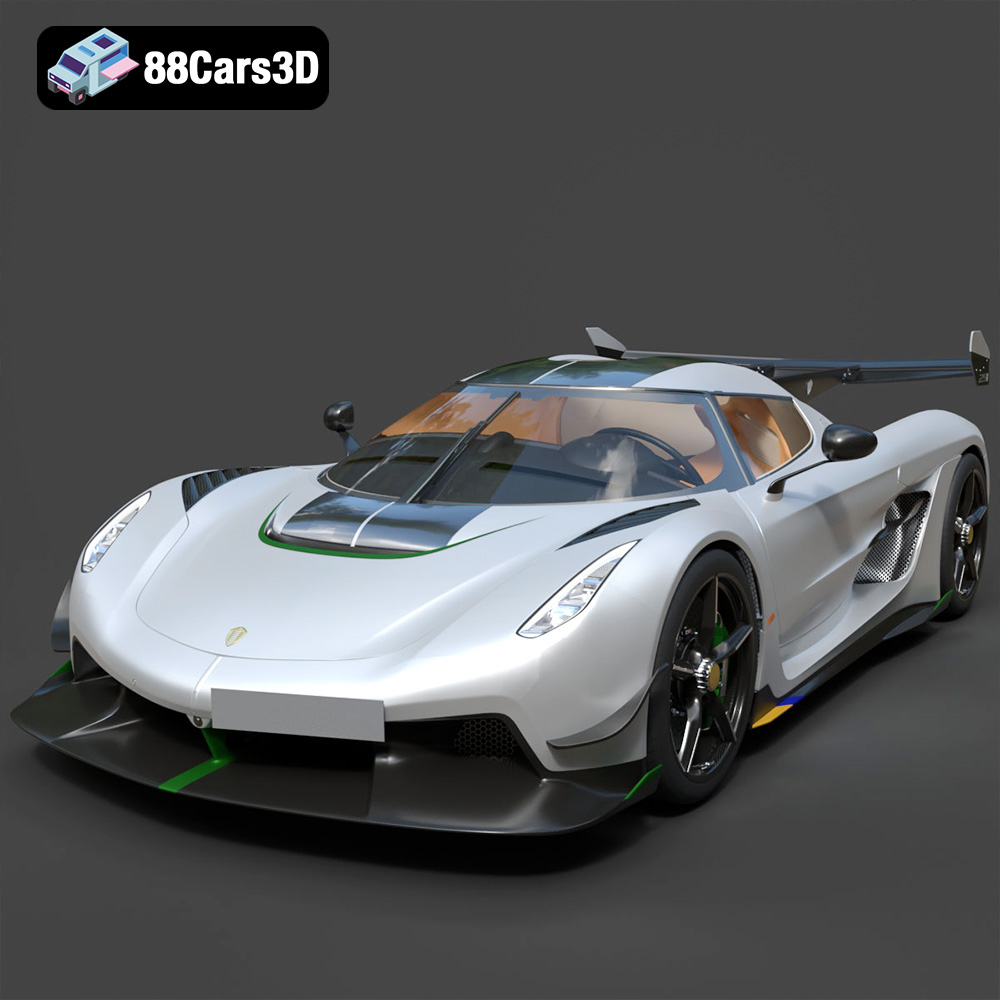
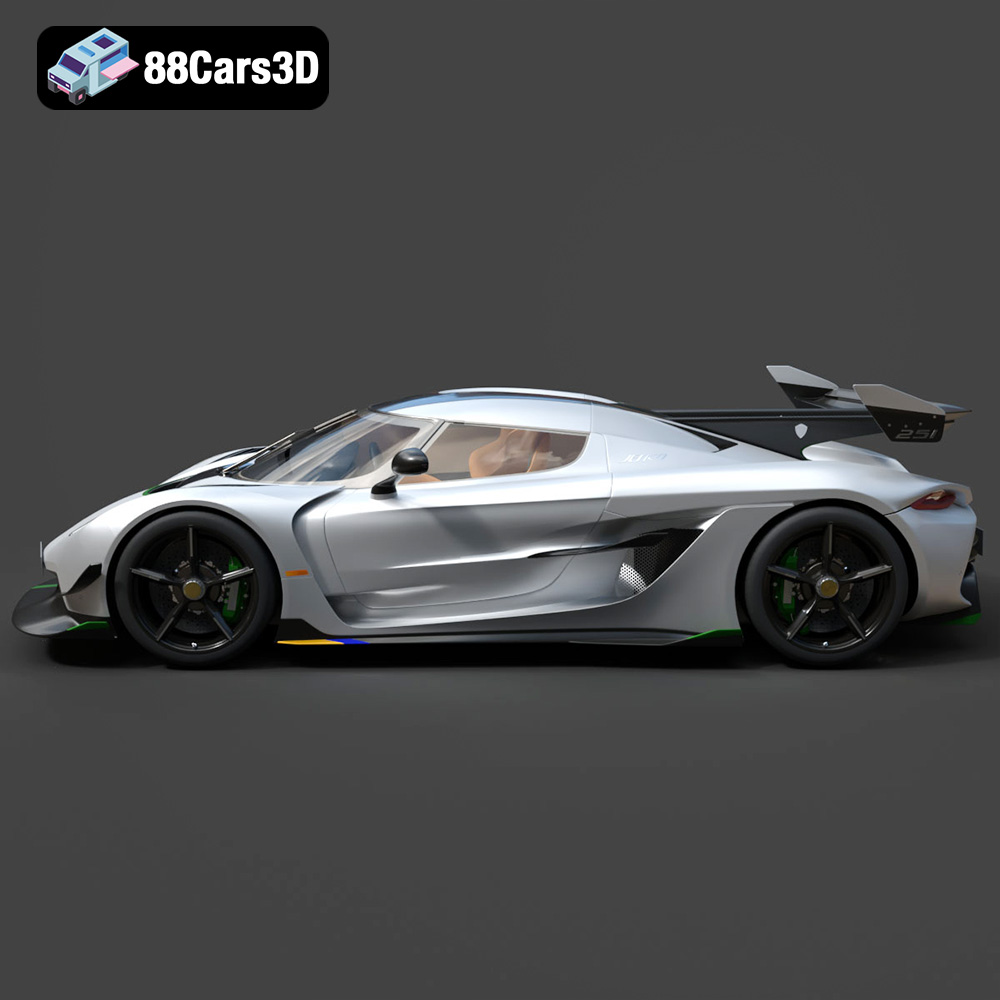
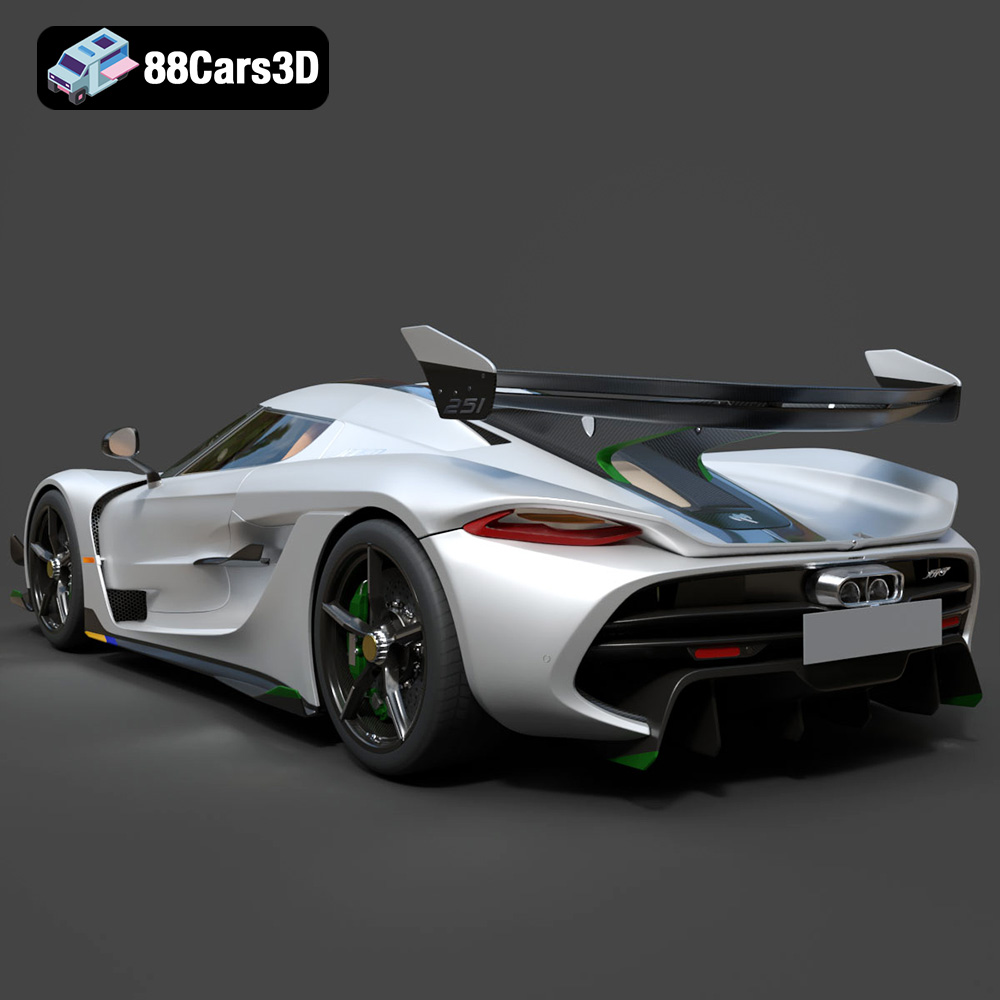
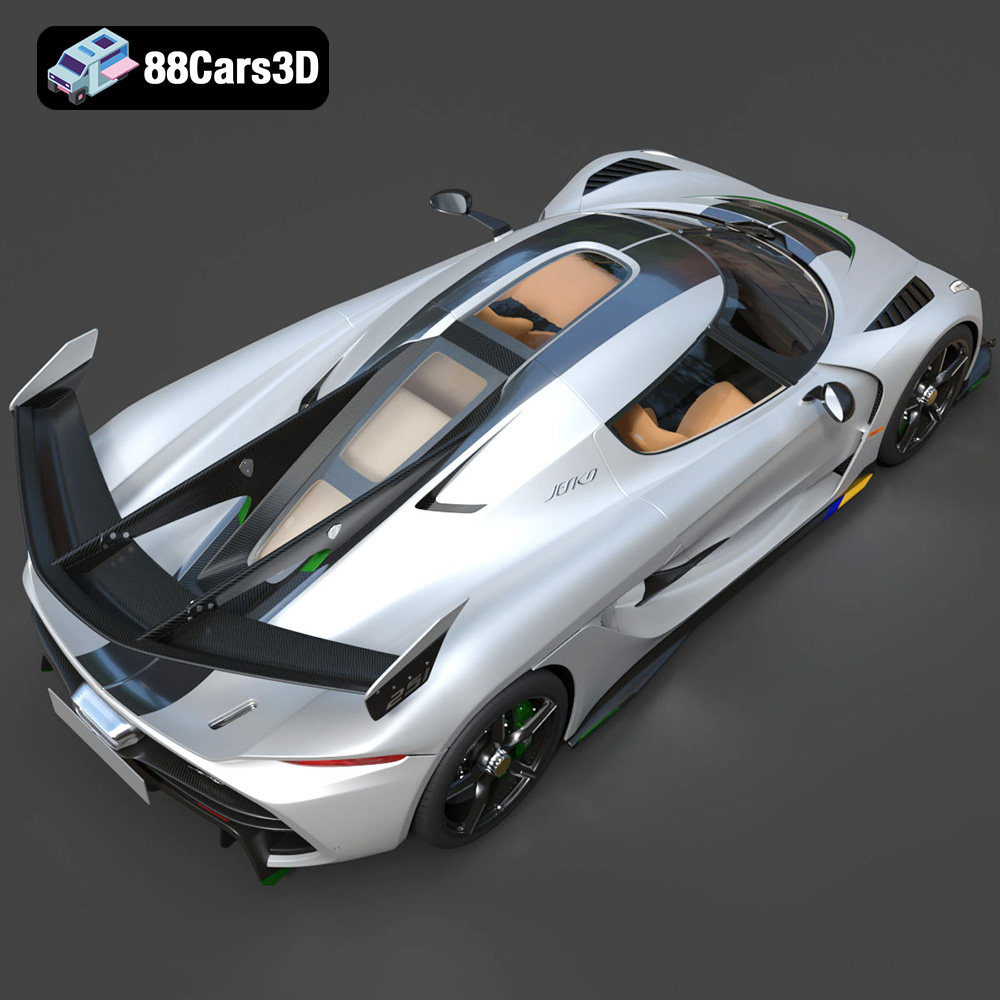
Today, we delve into the intricate details of professional 3D car models, exploring how they are crafted, optimized, and deployed across various industries. Our journey will highlight the critical role of clean geometry, precise edge flow, and realistic materials in achieving visual authenticity. As a prime example of excellence in this field, we will frequently reference the Koenigsegg Jesko 2020 3D Model, an asset that epitomizes the meticulous craftsmanship and technical versatility demanded by today’s leading professionals. This model, available on 88cars3d.com, is engineered to provide a professional-grade solution for advanced digital projects, showcasing how a single asset can power a multitude of creative endeavors.
For designers, marketers, and enthusiasts, the ability to visualize a vehicle before it even exists physically, or to place an existing marvel in entirely new contexts, is invaluable. High-fidelity 3D car models allow for infinite possibilities, from showcasing a car’s aerodynamic lines against a breathtaking backdrop to demonstrating its performance in a simulated environment. The true challenge lies in creating models that are indistinguishable from their real-world counterparts, a feat requiring deep technical understanding and artistic skill.
Achieving this level of realism involves not just aesthetic detail but also robust underlying technical specifications. Polygon count, UV mapping, material definitions, and rigging all play crucial roles in how a model performs and appears across different rendering engines and real-time platforms. A model like the Koenigsegg Jesko 2020 3D Model is built with these considerations at its core, ensuring it meets the stringent requirements of professional production pipelines.
Navigating the landscape of 3D content creation requires a solid grasp of various file formats, each tailored for specific workflows and applications. The Koenigsegg Jesko 2020 3D Model, for instance, comes equipped with a comprehensive suite of formats, ensuring maximum compatibility and utility across diverse professional pipelines. Understanding when and why to use each format is fundamental to an efficient and effective production workflow.
The .blend format is the native file type for Blender, a powerful open-source 3D creation suite. When you receive a .blend file, you’re not just getting a mesh; you’re getting a complete Blender scene. This includes the model’s geometry, intricate material setups using Blender’s Principled BSDF shader or custom node trees, lighting rigs, camera positions, animations, and even physics simulations. For artists deeply integrated into the Blender ecosystem, this format offers unparalleled flexibility for further editing, rendering with Cycles or Eevee, and rapid iteration. It preserves all native Blender features, making it ideal for those who wish to dissect, learn from, or build upon the original creator’s work within Blender itself.
.fbx (Filmbox) is a proprietary file format owned by Autodesk and has become an industry standard for exchanging 3D data between various applications. It’s particularly favored for its robust support for geometry, materials, textures, animations, and skeletal data. This makes it an ideal choice for exporting models, especially animated ones, into game engines like Unreal Engine and Unity, or between DCC (Digital Content Creation) tools such as 3ds Max, Maya, and Cinema 4D. For game developers, an .fbx file of the Koenigsegg Jesko 2020 would be game-engine ready, typically featuring optimized geometry and correctly assigned PBR (Physically Based Rendering) materials, streamlining the asset import process.
The .obj (Wavefront Object) format is one of the most widely supported and universal 3D file formats. It primarily stores geometric data – vertices, faces, normals, and UV coordinates – making it highly compatible across virtually all 3D software. While it doesn’t typically store animation or rigging information, it’s excellent for static mesh exchange. Its simplicity and widespread adoption make it a reliable choice for ensuring cross-software compatibility. When you need a clean mesh that can be imported into any 3D application for further modification or rendering, .obj is a dependable option. Textures are usually referenced externally via an accompanying .mtl (Material Template Library) file.
.glb (GL Transmission Format Binary) is a relatively newer format rapidly gaining traction, especially in AR, VR, and web-based applications. It’s a self-contained binary file that embeds geometry, materials, textures, and animation data into a single, compact file. This optimization makes it incredibly efficient for streaming and displaying 3D models in real-time environments, particularly in browsers and on mobile devices. For interactive product configurators, online showrooms, or augmented reality apps featuring the Koenigsegg Jesko, the .glb format provides an excellent balance of visual quality and performance.
.stl (Stereolithography) is the de facto standard for 3D printing. This format represents a 3D model as a collection of unconnected triangles, defining only the surface geometry without color, texture, or material information. Its primary purpose is to communicate the exact shape of an object to 3D printers, allowing for the physical realization of digital designs. If you plan to create a scale model of the Koenigsegg Jesko, the .stl file would be your starting point, requiring a manifold mesh (watertight with no holes) suitable for fabrication.
The .ply (Polygon File Format) is often used to store 3D data from 3D scanners, CAD software, and scientific applications. It supports both triangular and quadrilateral faces, and can store additional properties for each vertex or face, such as color, normal vectors, and transparency. This precision makes it valuable for detailed mesh analysis, reverse engineering, and applications where highly accurate geometric data is paramount, such as in engineering visualization or creating digital twins.
While not a traditional standalone file format in the same vein as .fbx or .obj, .unreal in this context typically refers to an asset that has been specifically configured and prepared for direct integration into Unreal Engine. This often means the package contains not just the raw mesh but also properly set up materials, textures (PBR-ready), collision meshes, LOD (Level of Detail) variations, and perhaps even basic Blueprints or sequencer animations. It implies a “drag-and-drop” level of readiness within the Unreal Engine environment, saving developers significant setup time and ensuring optimal performance and visual fidelity within real-time applications.
The .max format is the native file type for Autodesk 3ds Max, a powerhouse in architectural visualization, automotive design, and animation. A .max file of the Koenigsegg Jesko 2020 would contain the complete 3ds Max scene, including detailed geometry, advanced V-Ray or Corona Renderer materials, complex lighting setups, camera animations, and any specific modifiers or scene organization established by the creator. For professionals working within 3ds Max, this format provides the most comprehensive and editable version of the model, allowing for deep customization and integration into complex rendering and animation projects.
The availability of these diverse formats for the Koenigsegg Jesko 2020 3D Model underscores its versatility and value as a professional asset. Regardless of your chosen platform or end goal, having access to such a tailored selection of formats from 88cars3d.com significantly streamlines production workflows.
In a world saturated with digital content, what makes a 3D car model stand out? It’s the relentless pursuit of perfection, the dedication to capturing every nuance, and the technical mastery required to translate physical beauty into digital precision. The Koenigsegg Jesko 2020 3D Model exemplifies this philosophy, offering an asset that goes beyond mere representation to deliver a truly immersive experience.
Photorealism is the holy grail of automotive rendering. It’s not just about having a high polygon count; it’s about how those polygons are distributed, the quality of the UV mapping, and the intelligence of the material definitions. A professionally crafted model boasts “exceptionally clean geometry” and “precise edge flow.” This means the mesh is optimized, free of n-gons or non-manifold geometry, ensuring smooth subdivisions and predictable deformation if animated. Precise edge flow is crucial for how light interacts with the surfaces, defining subtle curves and reflections that mimic real-world physics.
The “realistic materials” included with a premium model like the Koenigsegg Jesko are pivotal. This involves meticulously crafted PBR (Physically Based Rendering) textures for everything from the metallic flakes in the car paint to the subtle weave of carbon fiber, the refraction of glass, and the intricate textures of tire rubber and interior elements. These materials, when combined with advanced rendering techniques like global illumination and accurate reflections, create visuals that are virtually indistinguishable from photographs.
For studios and individual artists, time is a critical resource. Developing a hypercar model from scratch can take hundreds, if not thousands, of hours. Investing in a pre-made, professional-grade 3D car model significantly reduces production timelines and costs. An asset that is “built to professional standards” ensures seamless integration into existing pipelines. This means clean topology, logical object naming conventions, correctly scaled units, and materials that are ready for immediate use or easy adaptation.
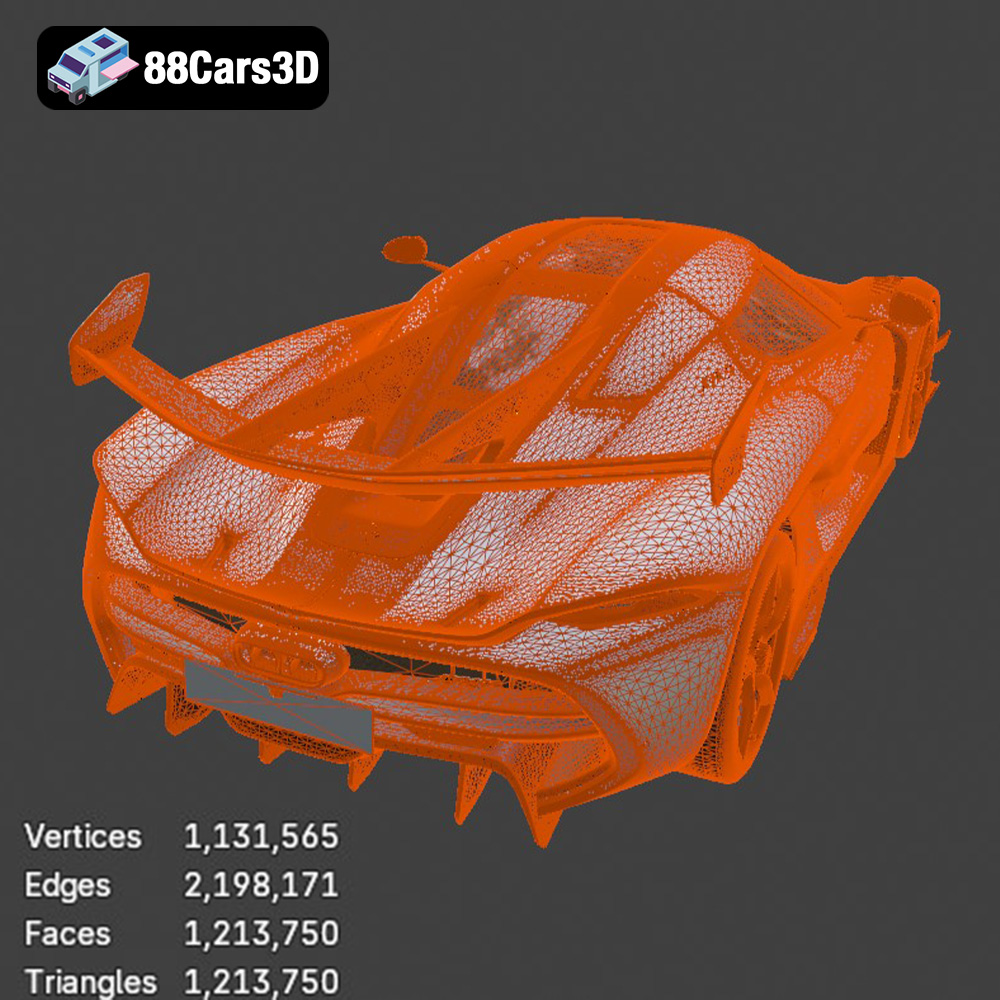
The Koenigsegg Jesko 2020 3D Model, with its “optimal performance across various digital environments without unnecessary polygon overhead,” highlights this efficiency. While it captures intricate detail, it does so intelligently, ensuring that the model is both visually rich and performant, whether in a high-end cinematic render or a real-time game engine. This balance is a hallmark of truly professional 3D assets.
Once you have a high-quality 3D car model like the Koenigsegg Jesko 2020, the next step is to integrate it into your chosen digital content creation software and bring it to life through rendering. Different software packages offer unique strengths, and understanding these can elevate your final output.
Autodesk 3ds Max, often paired with render engines like V-Ray or Corona, is a powerhouse for automotive visualization. The inclusion of a .max file in the Koenigsegg Jesko package is invaluable for users of this software. The workflow typically involves:
The native .max file ensures that all aspects of the model are readily accessible for these advanced adjustments, from mesh modifiers to material node networks.
Blender has emerged as a formidable alternative for high-end rendering, especially with its powerful Cycles and real-time Eevee renderers. The .blend file provided with the Koenigsegg Jesko 2020 3D Model offers a fantastic starting point:
The open and flexible nature of the .blend file makes it ideal for iterative design and creative exploration, empowering artists to push the boundaries of visual realism.
Beyond static renders, high-quality 3D car models are essential for interactive applications, from immersive video games to training simulations and virtual reality experiences. The performance requirements for real-time engines are stringent, demanding careful optimization without sacrificing visual fidelity.
Game engines like Unreal Engine and Unity are designed for real-time rendering, requiring assets that are both visually appealing and highly efficient. The .fbx and .unreal formats provided with the Koenigsegg Jesko 2020 3D Model are specifically tailored for these environments:
Such meticulous preparation ensures that the Koenigsegg Jesko can perform flawlessly in high-octane racing games or detailed open-world environments, delivering both stunning visuals and smooth framerates.
Augmented Reality (AR) and Virtual Reality (VR) push the boundaries of immersion, demanding even greater optimization and efficiency from 3D assets. The goal is to maintain a high frame rate (typically 90fps or higher for VR) to prevent motion sickness and ensure a fluid experience. The .glb format included with the Koenigsegg Jesko is specifically optimized for these applications:
The precision and optimization of assets like this are critical for delivering believable and engaging AR/VR experiences, transporting users directly into the presence of an automotive marvel.
The utility of high-quality 3D car models extends far beyond digital rendering and real-time interaction. They serve as foundational data for physical prototyping, engineering analysis, and scientific visualization, expanding their value across a multitude of disciplines.
For designers and engineers, the ability to rapidly prototype physical models is invaluable. The .stl format, a cornerstone of 3D printing, allows for the creation of tangible objects directly from digital models. When considering the Koenigsegg Jesko 2020 3D Model for 3D printing:
Having the Koenigsegg Jesko 2020 3D Model available in .stl format opens up exciting possibilities for creating physical scale models, rapid prototyping, or even custom parts, bridging the gap between digital design and physical reality.
The .ply format offers a precise and detailed polygon mesh, making it a valuable asset for scientific visualization, engineering analysis, and even reverse engineering. While less common for direct artistic rendering, its ability to store extensive vertex and face properties makes it powerful:
The inclusion of the .ply format demonstrates the Koenigsegg Jesko 2020 3D Model’s versatility, proving its value beyond artistic endeavors into more technical and analytical domains.
The world of 3D assets is vast, but finding truly professional-grade content can be a challenge. 88cars3d.com distinguishes itself as an online marketplace committed to offering high-quality 3D car models that meet the rigorous demands of professional production. The Koenigsegg Jesko 2020 3D Model is a testament to this commitment.
At 88cars3d.com, the emphasis is on a curated selection of assets that prioritize technical excellence and visual authenticity. Each model, including hypercars like the Jesko, undergoes a meticulous development process to ensure “exceptionally clean geometry, precise edge flow, and realistic materials.” This dedication means that artists, designers, and developers can trust that the assets they purchase are production-ready, saving invaluable time and resources on cleanup and optimization.
The comprehensive file format support for the Koenigsegg Jesko 2020 3D Model—including .blend, .fbx, .obj, .glb, .stl, .ply, .unreal, and .max—is a clear indication of 88cars3d.com’s understanding of diverse professional pipelines. This ensures that whether you’re working in Blender, 3ds Max, Unreal Engine, or preparing for 3D printing, you have the right tools at your disposal. This versatility makes the integration process seamless, allowing creators to focus on their artistic vision rather than wrestling with incompatible file types or geometry issues.
In the evolving landscape of 3D content creation, the demand for truly exceptional assets continues to grow. A high-fidelity 3D car model is more than just a collection of polygons; it’s a meticulously crafted digital artifact designed to integrate seamlessly into diverse professional workflows, from cinematic rendering to immersive real-time experiences and even physical prototyping. The insights into specific file formats, optimization techniques, and industry applications underscore the technical depth required to produce such assets.
The Koenigsegg Jesko 2020 3D Model stands as a shining example of this digital craftsmanship. With its unparalleled realism, clean geometry, and extensive file format support, it provides a robust foundation for any advanced digital project. Whether you are an automotive renderer seeking photorealism, a game developer building an interactive world, or an AR/VR innovator creating immersive experiences, this model from 88cars3d.com offers the quality and versatility you need to bring your vision to life. Investing in such a professionally developed asset ensures not only stunning visual results but also a streamlined and efficient production pipeline, allowing you to focus on unleashing your creativity without technical bottlenecks.
Experience unparalleled realism with the Koenigsegg Jesko 2020 3D Model. This meticulously crafted asset captures every intricate detail of the iconic hypercar, providing a professional-grade solution for advanced digital projects. Key features include exceptionally clean geometry, precise edge flow, and realistic materials that elevate the visual authenticity of your scenes. The model is built to professional standards, ensuring seamless integration and optimal performance across various digital environments without unnecessary polygon overhead. Perfect for a wide range of applications, this 3D model excels in game development, architectural rendering, automotive visualization, and immersive AR/VR experiences. Whether you are creating a cinematic animation or a real-time interactive simulation, this asset delivers outstanding digital results. The package includes the following file formats for maximum compatibility: .blend – Editable Blender file with materials and lighting setup; .fbx – Game-engine ready format for Unreal Engine and Unity; .obj – Standard 3D model format compatible with all major software; .glb – Optimized for AR/VR and web-based visualization; .stl – Suitable for 3D printing and prototyping; .ply – Detailed polygon mesh for analysis and visualization; .unreal – Pre-configured for Unreal Engine use; .max – Editable 3ds Max file for rendering and animation.
$39.99
.arvr
.blend
.car3dmodel
.fbx
.gameasset
.glb
.hypercar
.jesko
.koenigsegg
.max
.obj
.ply
.rendering
.simulation
.sportsCar
.stl
.unreal