Get 20% OFF All Premium 3D & STL Models!

In the dynamic landscape of digital content creation, the demand for unparalleled realism and technical precision is constant. From blockbuster cinematic sequences to immersive virtual reality experiences and highly detailed simulations, the quality of a 3D asset forms the bedrock of a compelling visual narrative. Artists, developers, and visualizers continually seek out models that not only look authentic but are also meticulously crafted for seamless integration into complex pipelines. This pursuit of excellence is precisely where high-fidelity 3D models demonstrate their invaluable worth, transforming abstract concepts into tangible digital realities.
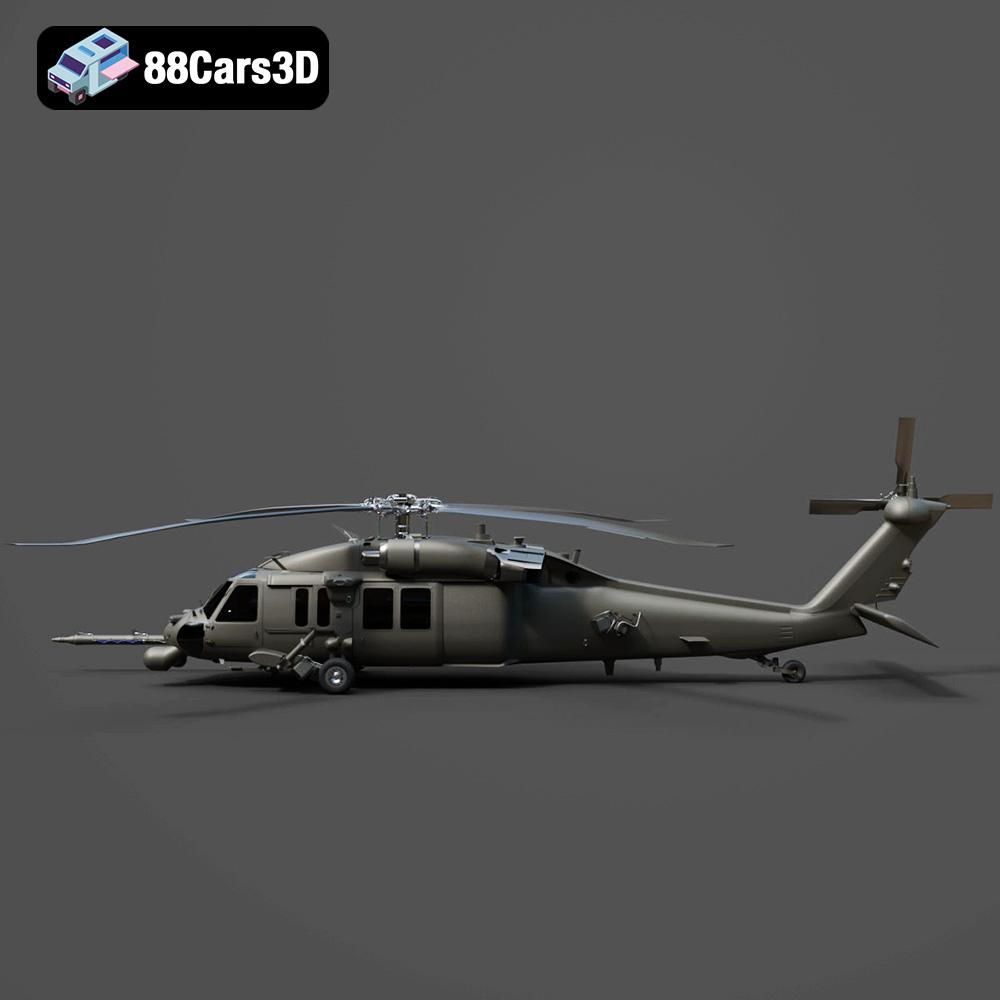
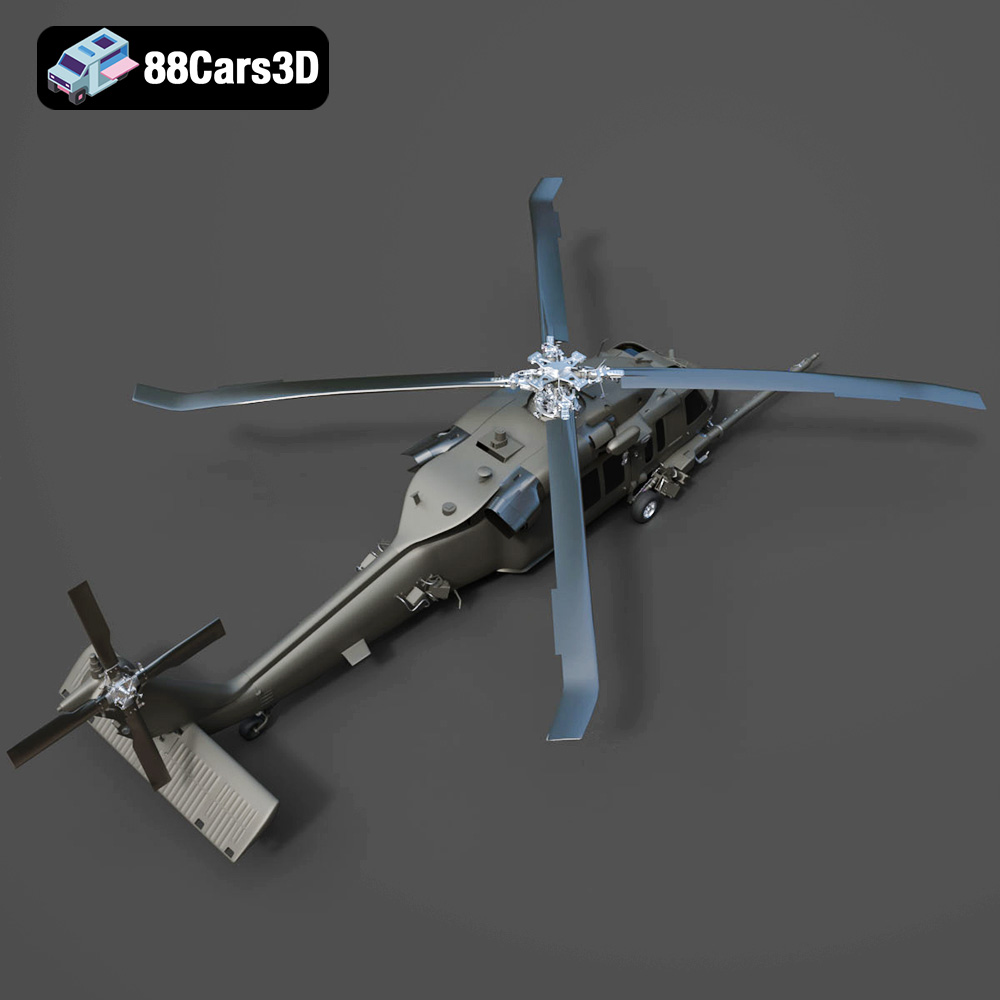
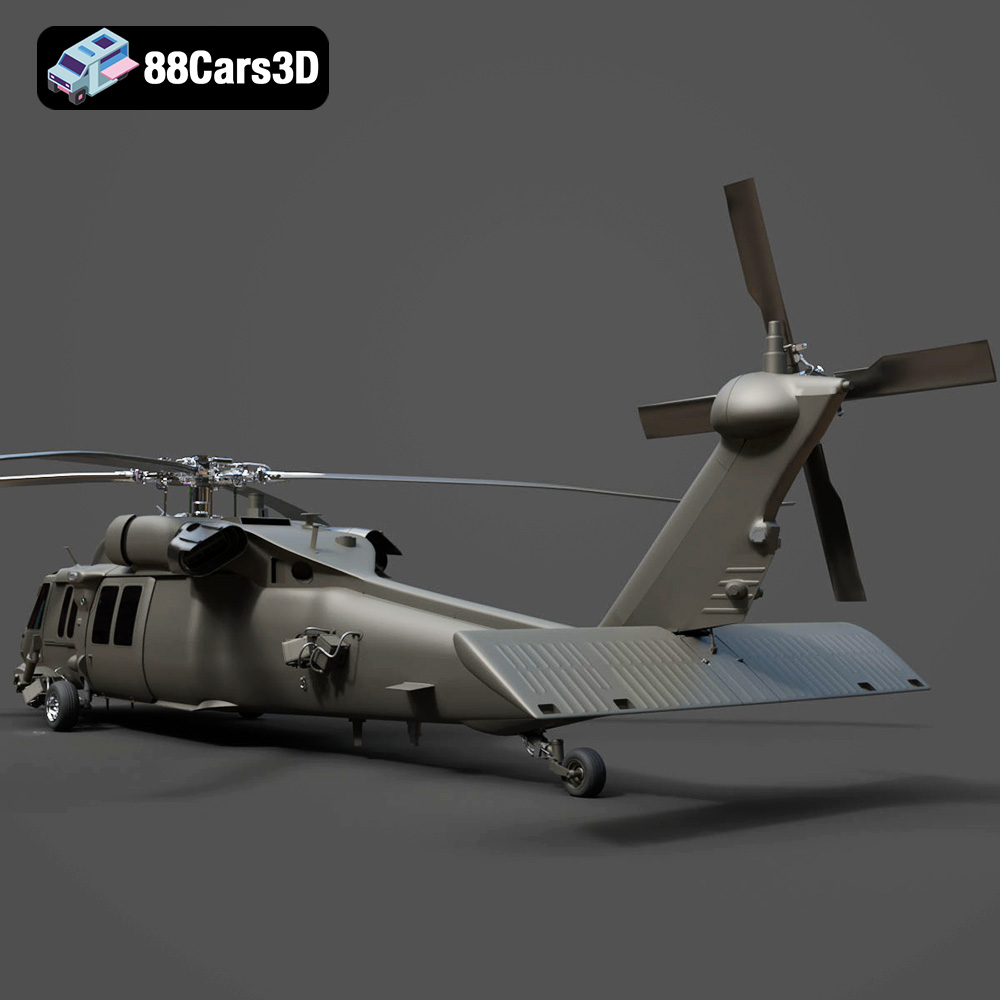
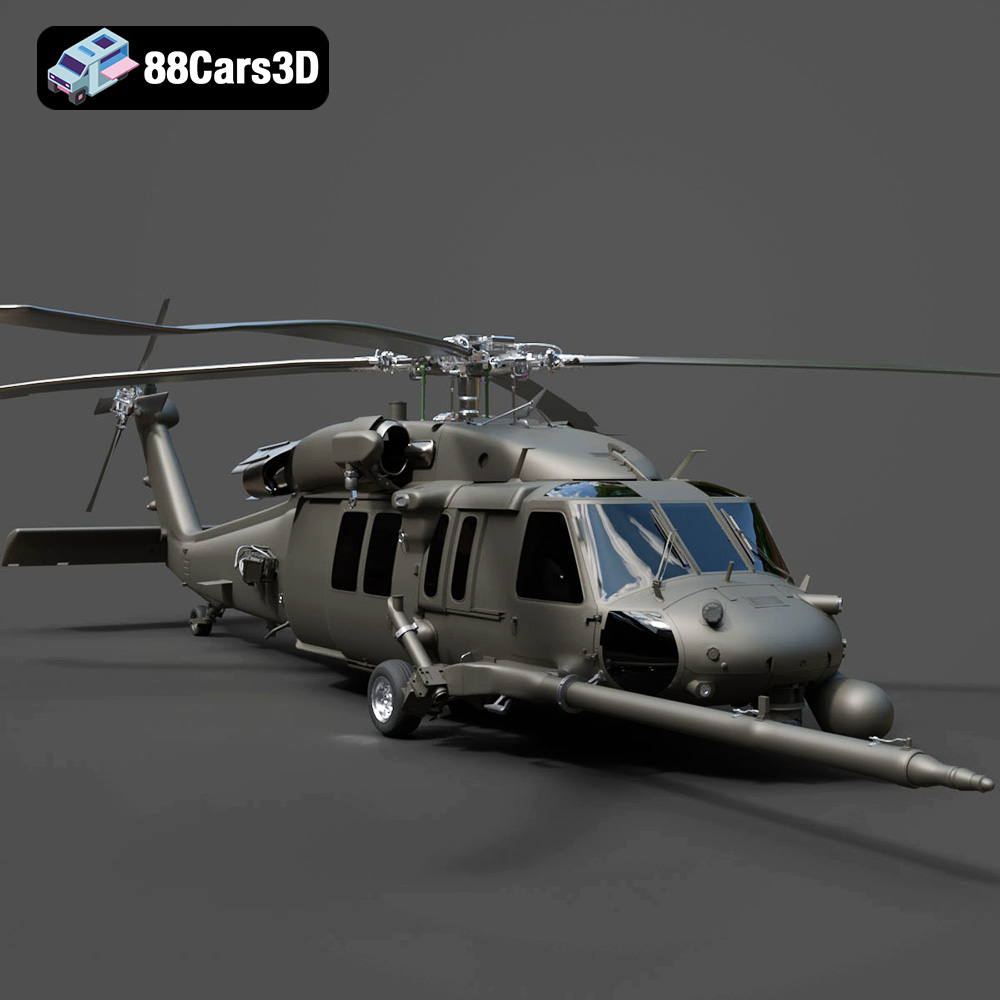
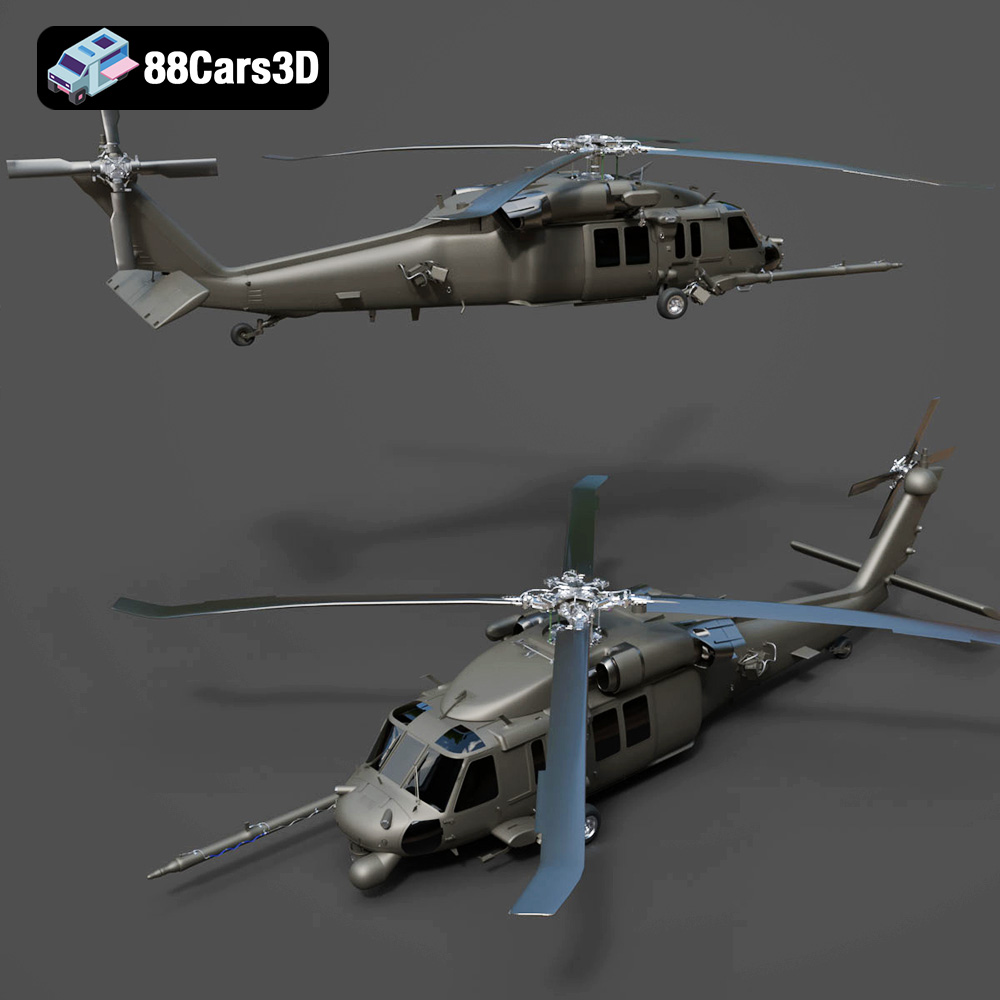
At the forefront of such specialized assets stands the Helicopter UH-40 3D Model. This particular model isn’t just another object in a digital library; it represents a fusion of artistic craftsmanship and technical expertise. Designed with “precise structural accuracy,” it offers a robust foundation for a myriad of projects. Whether the goal is to render breathtaking aerial scenes, develop realistic flight simulators, or populate a military-themed game environment, the UH-40 model delivers a level of detail that meets and often exceeds professional benchmarks. Its optimized topology and comprehensive material suite ensure that it performs flawlessly across various applications, making it a cornerstone asset for any serious digital creator looking to enhance their collection from reputable sources like 88cars3d.com.
Modern rendering engines and real-time platforms push the boundaries of visual fidelity daily. This advancement means that generic, low-detail models are increasingly insufficient. Projects now demand assets with accurate proportions, clean geometry, and physically based rendering (PBR) materials that react authentically to light. The Helicopter UH-40 3D Model exemplifies this trend, featuring a fully modeled interior and exterior, designed to withstand intense scrutiny in close-up renders and interactive environments. This attention to detail is critical for maintaining immersion and credibility, especially in fields like architectural visualization, product design, and automotive rendering, where high-quality 3D car models set the standard for visual realism.
The journey from a conceptual idea to a fully realized digital scene is fraught with technical challenges. High-quality assets simplify this process significantly. By providing a ready-to-use, meticulously engineered model like the UH-40, artists and developers can dedicate more time to creative iteration and less to foundational modeling tasks. This efficiency not only accelerates project timelines but also ensures a consistent level of quality across all assets, contributing to a cohesive and polished final product.
Choosing the correct file format for a 3D model is as critical as the model’s design itself. Each format is optimized for specific workflows, software compatibility, and end-use applications. The Helicopter UH-40 3D Model from 88cars3d.com offers a comprehensive suite of industry-standard file formats, ensuring maximum flexibility and integration into virtually any professional pipeline. Understanding the nuances of each format is key to leveraging your 3D assets effectively.
The .blend format is the native file type for Blender, the powerful open-source 3D creation suite. A .blend file is much more than just geometry; it’s a complete scene package. It includes the mesh data, materials, textures (often packed internally), lighting setups, camera positions, animations, modifiers, and even scripts. This makes it ideal for users who primarily work in Blender and require a fully editable and self-contained project file. For the UH-40 model, the .blend file provides a ready-to-render scene, allowing immediate customization and exploration within Blender’s versatile environment, whether you’re rendering with Cycles or Eevee.
.fbx (Filmbox) is a proprietary file format owned by Autodesk, widely adopted as the de facto standard for 3D data exchange between different software applications and game engines. Its strength lies in its ability to store not only mesh data (vertices, faces, UVs) but also critical information like animation curves, skeletal rigs, blend shapes, cameras, and lights. This makes the .fbx format invaluable for transferring complex assets like the UH-40 into real-time environments such as Unreal Engine and Unity, or between DCC applications like 3ds Max and Maya, ensuring animations and material assignments (via embedded PBR texture references) are maintained.
The .obj (Wavefront OBJ) format is one of the oldest and most universally compatible 3D file formats. It primarily stores geometric data, including vertex positions, UV coordinates, normals, and face information. While it doesn’t typically embed animations or complex material properties directly, it can reference an accompanying .mtl (Material Template Library) file for basic color and texture map assignments. Its widespread support makes it an excellent choice for cross-software compatibility, ensuring that the UH-40’s mesh can be imported into virtually any 3D application, from specialized CAD software to rendering suites, when a clean mesh is the primary concern.
.glb (GL Transmission Format Binary) is a modern, compact, and efficient 3D file format optimized for web-based applications, augmented reality (AR), and virtual reality (VR). It’s a binary version of the glTF (Graphics Language Transmission Format) and can embed all necessary data—mesh, materials (PBR-ready), textures, and animations—into a single file. This “all-in-one” packaging makes .glb files incredibly easy to load and display in browsers or AR/VR viewers, providing a seamless experience. For the UH-40, its .glb version is perfect for interactive product showcases on websites or integrating into mobile AR experiences, offering robust performance with stunning visual quality.
.stl (Stereolithography) is the most common file format used for 3D printing. It represents a 3D object as a collection of unconnected triangular facets, defining only the surface geometry without any color, texture, or material information. While simplistic, its ubiquity in the 3D printing world means that the UH-40’s .stl variant is directly suitable for rapid prototyping, creating physical models for display, or even engineering analysis. It’s a purely geometric representation, emphasizing printability and watertight mesh integrity.
The .ply (Polygon File Format) is often used to store 3D data from 3D scanners, featuring vertex and face data, and sometimes additional properties like color, transparency, normals, or even confidence values for each data point. It’s a more flexible format than .stl, allowing for the storage of more complex properties and often used in scientific, medical, and engineering visualization for precise mesh analysis or representing intricate geometries. The UH-40’s .ply file provides a detailed polygon mesh suitable for scenarios requiring high precision and comprehensive data storage.
Specific to the product, the .unreal format implies a pre-configured asset package tailored for direct import and optimal performance within Unreal Engine. This often means the model has already been processed for Unreal’s material system (PBR), collision meshes generated, LODs (Levels of Detail) set up, and potentially even includes basic Blueprints for interactivity. This format streamlines the integration of the UH-40 into Unreal projects, saving developers significant time on setup and optimization, and enabling immediate deployment in games, simulations, or cinematic renders.
The .max format is the native file type for Autodesk 3ds Max, a leading software in architectural visualization, design, and animation. Like .blend, a .max file stores a complete scene, including complex geometries, modifiers, sophisticated material setups (e.g., V-Ray, Corona), lighting rigs, animations, and render settings. For users deeply integrated into the 3ds Max ecosystem, the .max file for the UH-40 offers maximum editability and full access to the original scene construction, perfect for high-end rendering and detailed animation sequences.
The true value of a premium 3D model lies not just in its appearance but in the meticulous craftsmanship behind its creation. The Helicopter UH-40 3D Model embodies a design philosophy centered on “precise structural accuracy” and optimal integration. Every curve, panel line, and rivet has been considered to deliver a physically accurate representation of the aircraft.
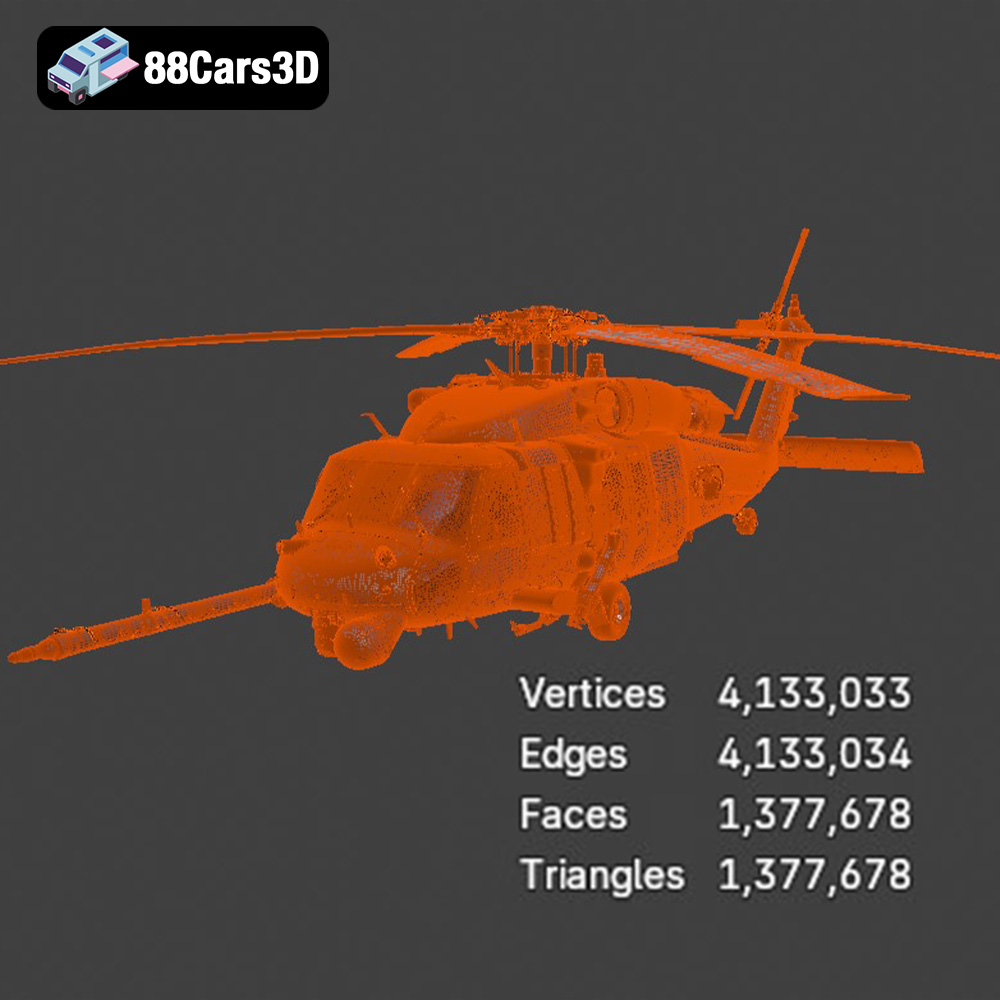
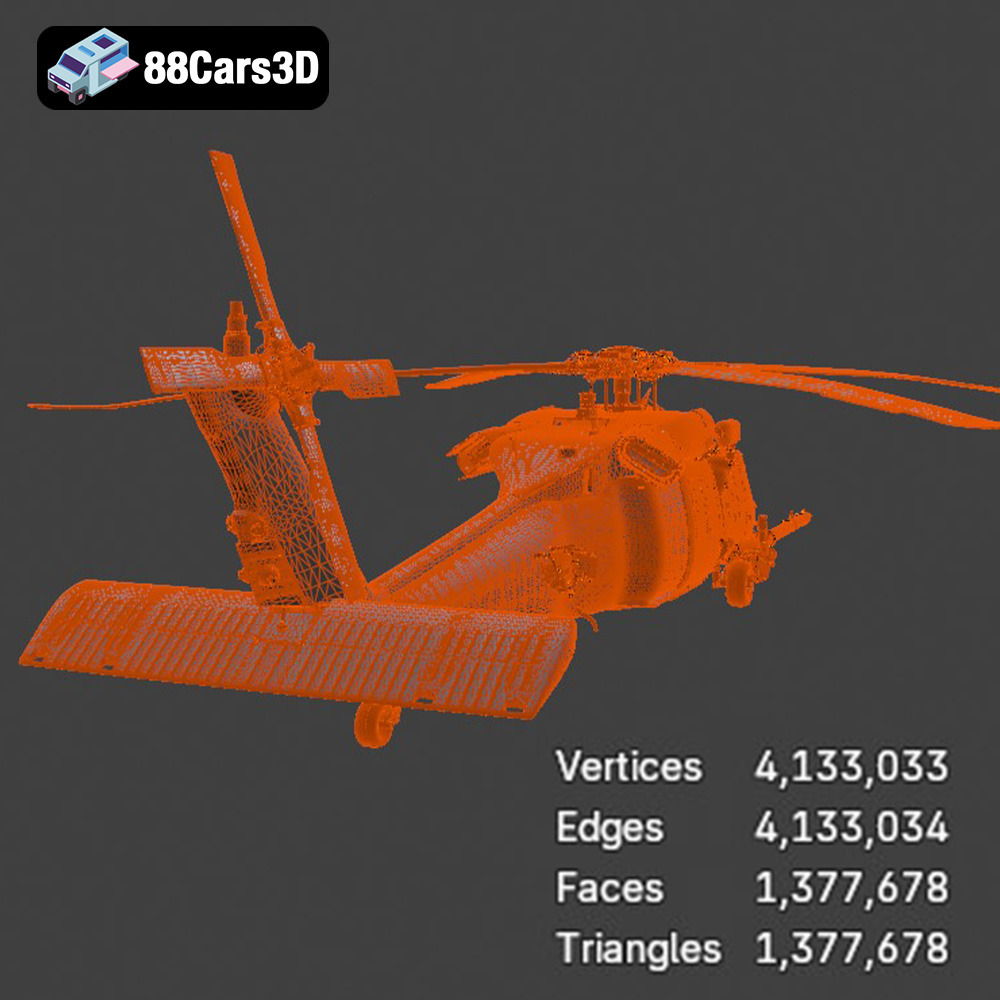
At the core of any high-quality 3D asset is its topology. The UH-40 model boasts “optimized topology,” meaning its mesh is clean, efficient, and primarily composed of quads. This is crucial for several reasons: it ensures smooth subdivision, simplifies UV unwrapping, prevents rendering artifacts, and allows for seamless deformation during animation. Clean geometry with well-defined edge loops is not just an aesthetic choice for modelers; it’s a technical requirement for professional workflows, enhancing the model’s versatility across different rendering and simulation environments.
Visual fidelity extends beyond geometry to the materials that define an object’s surface properties. The UH-40 model comes with “realistic materials” designed for Physically Based Rendering (PBR). This includes a comprehensive suite of textures—albedo (base color), roughness, metallic, normal, and ambient occlusion maps—all calibrated to accurately simulate how light interacts with different surfaces of the helicopter. From the worn metallic sheen of the fuselage to the transparent clarity of the cockpit glass and the subtle texture of the interior fabrics, these PBR materials are essential for achieving photorealistic results in any modern rendering engine.
Many 3D models only focus on the exterior, but the UH-40 takes realism a step further with a “fully modeled interior.” This attention to both external robustness and internal layout is critical for projects requiring immersive experiences or close-up shots. Whether it’s a virtual tour in AR/VR, a detailed cockpit view in a flight simulator, or an animation sequence that pans through the cabin, the internal detailing ensures the model holds up to scrutiny from any angle. This comprehensive approach maximizes the model’s utility for diverse applications, from high-stakes military simulations to interactive training modules.
A truly versatile 3D model is one that integrates effortlessly into established professional pipelines. The Helicopter UH-40 3D Model, with its comprehensive file format support, is engineered for seamless adoption across leading 3D software and game engines. This multi-platform readiness ensures that artists and developers can utilize the asset within their preferred ecosystem without compatibility hurdles.
For high-end cinematic rendering and detailed animation, 3ds Max remains a powerhouse. The .max file for the UH-40 provides a complete scene, allowing artists to leverage 3ds Max’s robust animation tools for complex flight sequences or intricate mechanical movements. Coupled with industry-standard renderers like V-Ray or Corona, the model’s high-fidelity textures and geometry can be pushed to generate breathtaking photorealistic imagery. This environment is perfect for creating marketing visuals, film VFX, or detailed product showcases, complementing a range of assets including high-quality 3D car models for automotive rendering.
Blender’s rise as a comprehensive 3D creation suite makes its native .blend format indispensable. The UH-40’s Blender file arrives with materials and a lighting setup, providing a plug-and-play experience. Artists can immediately begin rendering with Cycles for stunning realism or Eevee for fast, real-time results. Blender’s powerful modeling, sculpting, and animation toolsets mean the UH-40 can be easily customized, integrated into larger scenes, or used as a foundation for further artistic exploration. Its open-source nature combined with commercial-grade assets makes for a potent combination for indie studios and large production houses alike.
For game development, interactive applications, and real-time visualization, Unreal Engine is a dominant force. The UH-40 comes in both .fbx and a pre-configured .unreal format, specifically optimized for the engine. This means PBR materials are set up, UVs are properly unwrapped for texture atlasing, and the mesh is ready for performance-critical applications. Developers can quickly integrate the helicopter into a game environment, utilize Unreal’s powerful Niagara particle system for exhaust effects, or implement Blueprints for interactive cockpit controls, delivering truly immersive experiences.
The utility of a detailed 3D asset like the Helicopter UH-40 extends far beyond static renders. Its robust design and versatile file formats open up a multitude of possibilities across interactive and immersive media, making it a truly multi-purpose asset available through platforms like 88cars3d.com.
In game development, visual fidelity is a key differentiator. From AAA titles to indie productions, high-quality game assets are crucial for player immersion. The UH-40 model, optimized for performance without sacrificing visual depth, is an ideal game asset. It can serve as a primary vehicle in a military shooter, a backdrop element in an open-world environment, or a detailed interactive component in a simulation game. Its clean topology and PBR materials ensure it performs efficiently in real-time engines like Unreal and Unity, while still delivering stunning graphical quality, akin to the precise detail found in premium 3D car models.
Augmented Reality (AR) and Virtual Reality (VR) platforms demand incredibly optimized yet visually rich 3D models. The .glb format, specifically, makes the UH-40 perfectly suited for these immersive environments. Imagine an AR application where users can explore the UH-40 in their living room, or a VR training simulation where pilots can interact with a highly accurate digital twin. The model’s “optimized for performance” design ensures smooth frame rates and realistic interactions, critical for preventing motion sickness and enhancing user engagement in AR/VR experiences.
Precision is paramount in military and flight simulations. These applications require models that are not only visually accurate but also structurally and functionally correct to facilitate realistic training scenarios. The UH-40’s “precise structural accuracy” and “fully modeled interior” make it an exceptional asset for such demanding environments. From emergency procedure training to tactical mission planning, a high-fidelity helicopter model provides the realism needed for effective skill development and operational readiness. Its various formats ensure compatibility with specialized simulation software.
Achieving both stunning visual fidelity and optimal performance in 3D projects is a delicate balancing act. A truly professional 3D model, like the Helicopter UH-40 3D Model, is engineered with this balance in mind, ensuring it can be utilized effectively across a spectrum of applications, from cinematic renders to real-time interactive experiences.
One of the primary considerations for performance is polygon count. While high poly counts allow for intricate detail, they can quickly bog down real-time engines or increase rendering times. The UH-40 model is built with “optimized topology” to maintain visual richness while keeping polygon density manageable. This often involves careful use of normal maps to simulate high-frequency details (like rivets and panel lines) without adding unnecessary geometry, and intelligent mesh construction that prioritizes visual impact where it matters most.
Effective UV mapping is fundamental for both visual quality and performance. The UH-40 features clean, non-overlapping UVs, ensuring that its PBR textures are applied accurately and efficiently. For real-time applications, texture atlasing—combining multiple smaller textures into one larger sheet—is a common optimization technique. This reduces draw calls and improves GPU performance, making the UH-40 a highly efficient game asset, especially when deployed in large-scale environments alongside other optimized assets like 3D car models.
For game development and real-time simulations, Level of Detail (LOD) models are indispensable. LODs are simplified versions of a model that automatically swap in as the camera moves further away, drastically reducing the computational load. While not explicitly detailed in the product description, professional-grade assets like the UH-40 are typically designed with LOD creation in mind, or, as with its “optimized topology,” lend themselves easily to the generation of multiple LODs, ensuring scalability across different platforms and viewing distances.
In an era where digital content drives industries from entertainment to engineering, the quality of foundational 3D assets has never been more critical. The ability to seamlessly integrate high-fidelity models into diverse workflows, while maintaining visual excellence and performance, is what separates leading projects from the rest.
The Helicopter UH-40 3D Model stands as a testament to this principle. Its “precise structural accuracy,” “fully modeled interior,” and “optimized topology” provide a robust, versatile, and visually stunning asset. Coupled with a comprehensive suite of industry-standard file formats—from .blend and .max for comprehensive editing to .fbx and .unreal for real-time applications, and .glb for AR/VR—this model is engineered for immediate impact and long-term utility across a multitude of professional projects. Whether you are crafting cinematic sequences, developing immersive game assets, or building detailed military simulations, the UH-40 model offers an unparalleled foundation for success.
Investing in such meticulously crafted 3D models not only elevates the visual fidelity of your work but also streamlines your production pipeline, allowing you to focus more on creative iteration and less on technical overhead. For professionals seeking premium assets that deliver on both aesthetics and technical excellence, 88cars3d.com provides a curated selection of high-quality models, from specialized aircraft like the UH-40 to finely detailed 3D car models, ensuring your digital projects are always built on the strongest foundation.
Enhance your digital hangar with the detailed Helicopter UH-40 3D Model. Designed to meet the demands of visualizers and developers, this model delivers precise structural accuracy. The exterior captures the robust aerodynamics of the UH-40 aircraft, while the internal layout provides a fully modeled interior, ensuring it stands up to close-up renders and immersive experiences. Built with optimized topology, this model features clean geometry and realistic materials that integrate seamlessly into your workflow. Whether you are crafting cinematic sequences, producing military simulations, or developing interactive applications, this versatile asset elevates the visual fidelity of your projects. Ideal for game development, rendering, AR/VR experiences, and detailed technical visualization, the Helicopter UH-40 3D Model is optimized for performance without sacrificing visual depth. It includes a comprehensive suite of industry-standard file formats.
$39.99
.aircraft
.arvr
.aviation
.blend
.car3dmodel
.fbx
.gameasset
.glb
.helicopter
.max
.military
.obj
.ply
.rendering
.simulation
.stl
.uh40
.unreal