Get 20% OFF All Premium 3D & STL Models!

In the dynamic world of digital content creation, the demand for photorealistic 3D assets continues to surge across industries. From blockbuster game titles and cinematic sequences to cutting-edge architectural visualization and immersive AR/VR experiences, the quality of a 3D model can significantly impact the final output’s realism and professional appeal. Automotive design, in particular, stands at the forefront of this revolution, requiring an unparalleled level of detail and accuracy. Capturing the intricate nuances of a modern vehicle is a testament to skilled 3D artistry and technical precision.
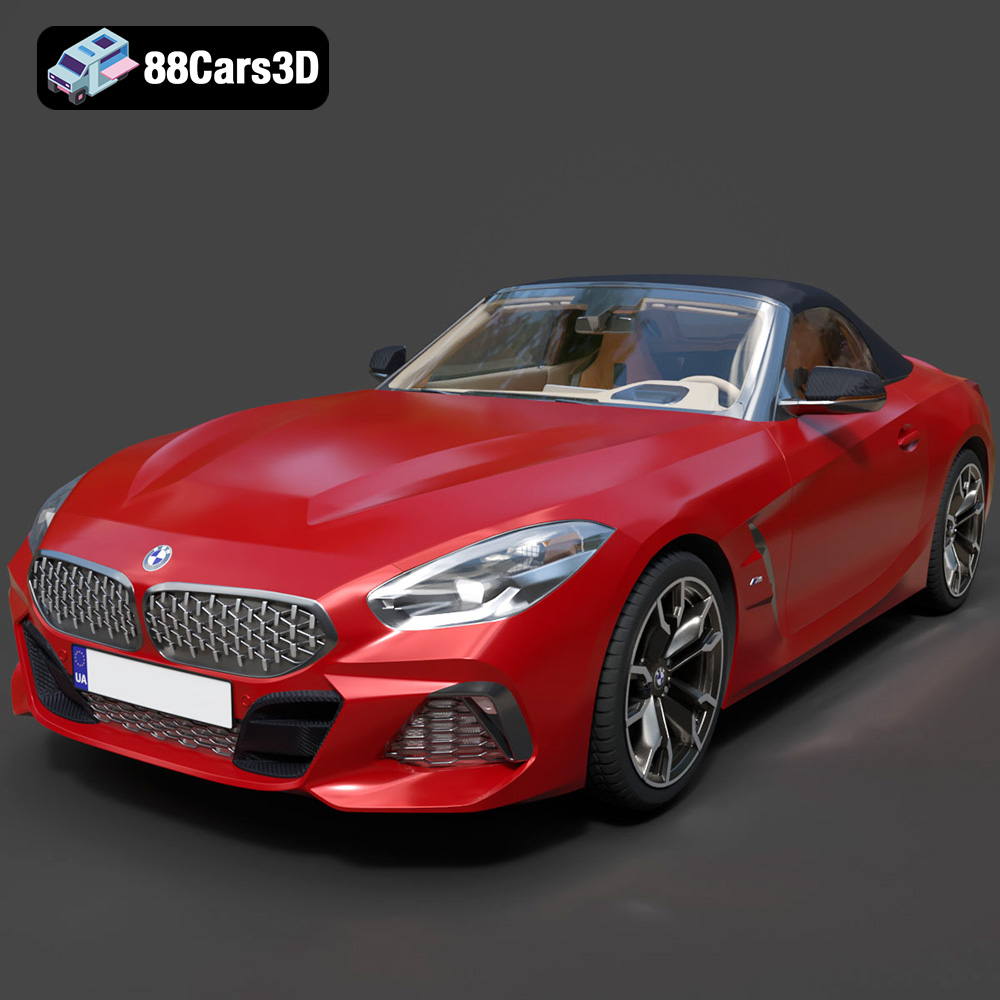
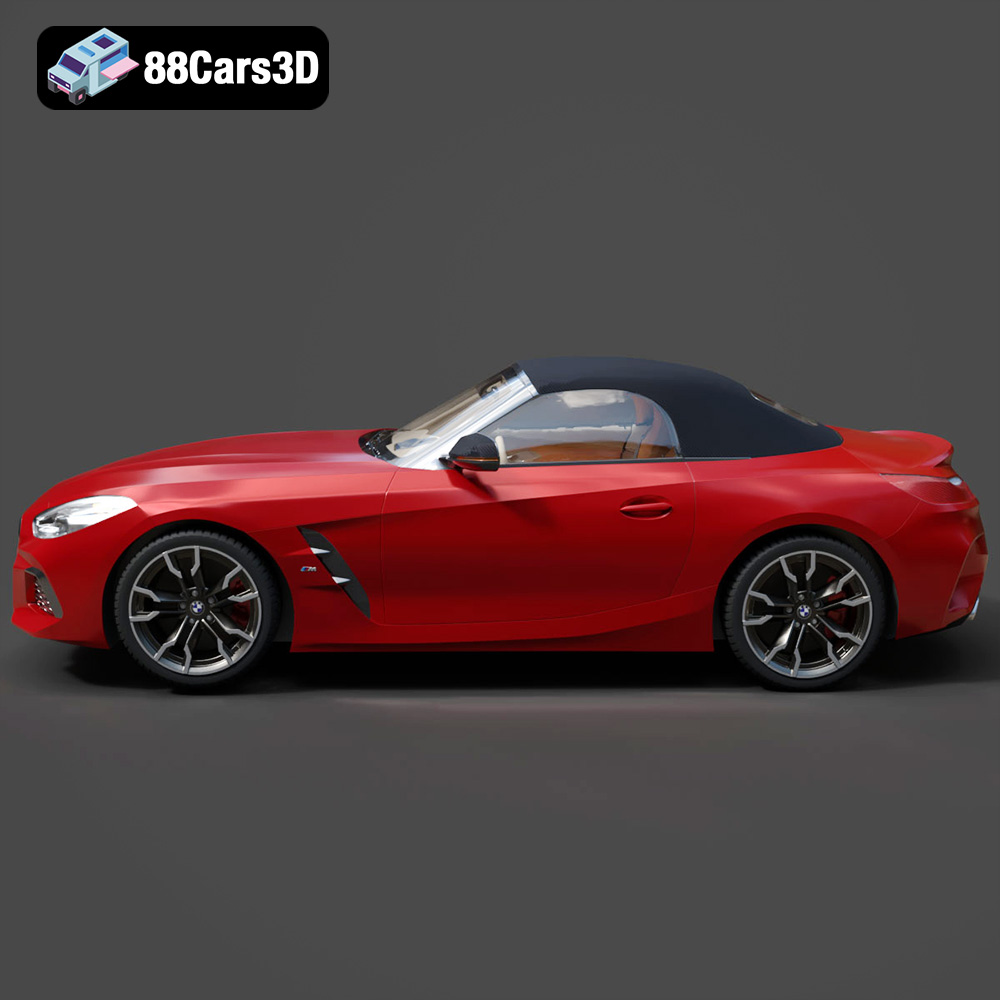
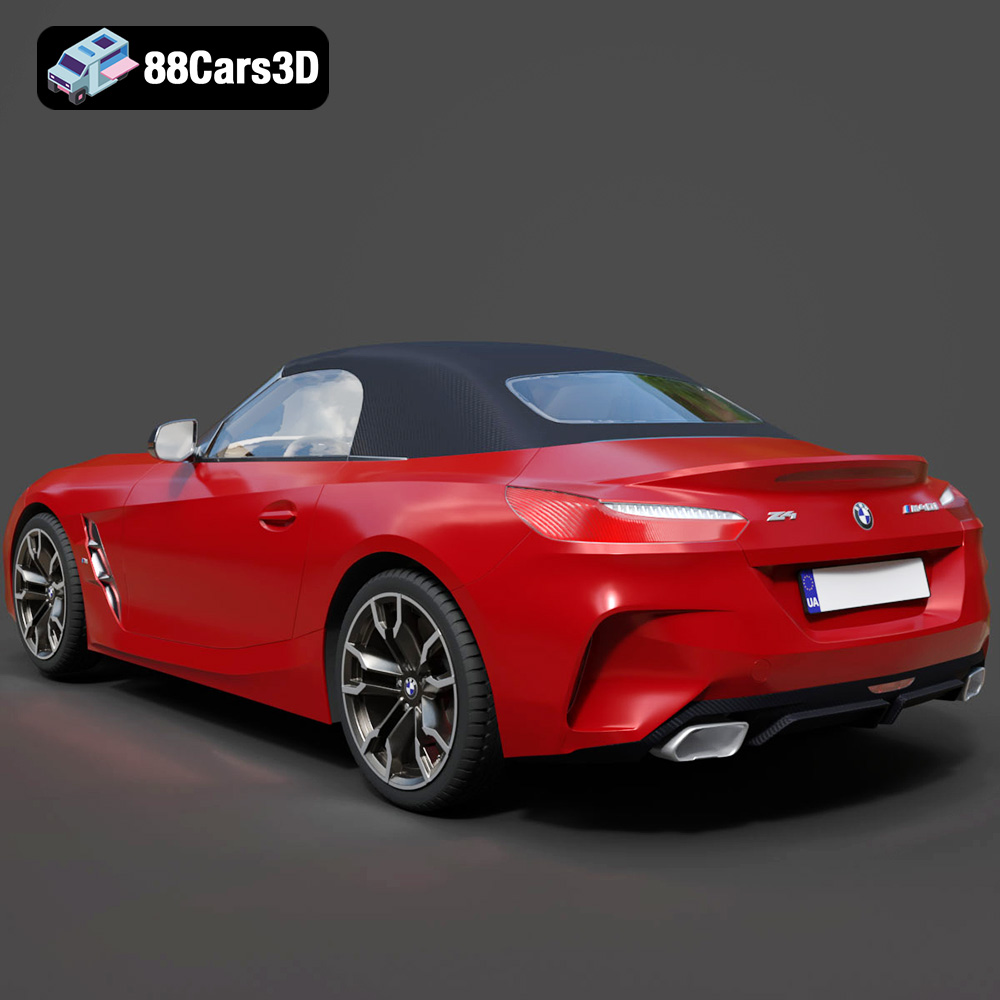
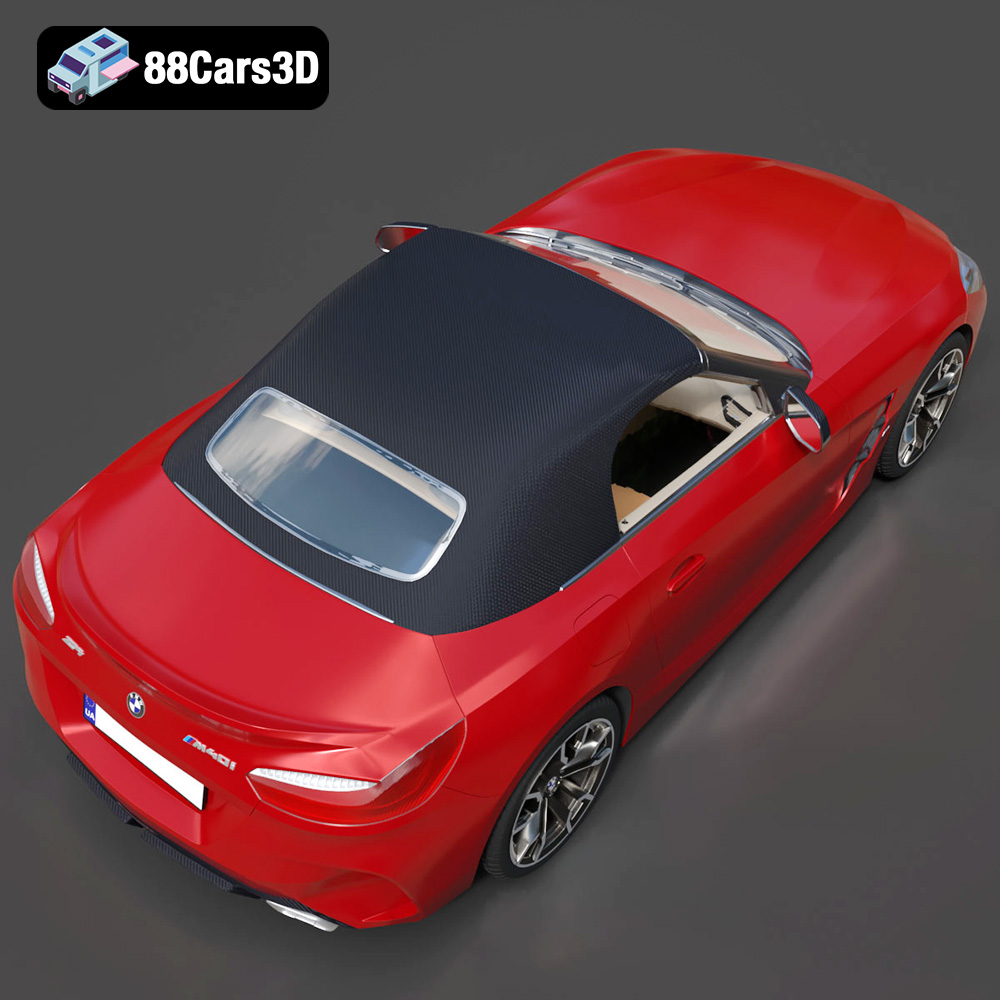
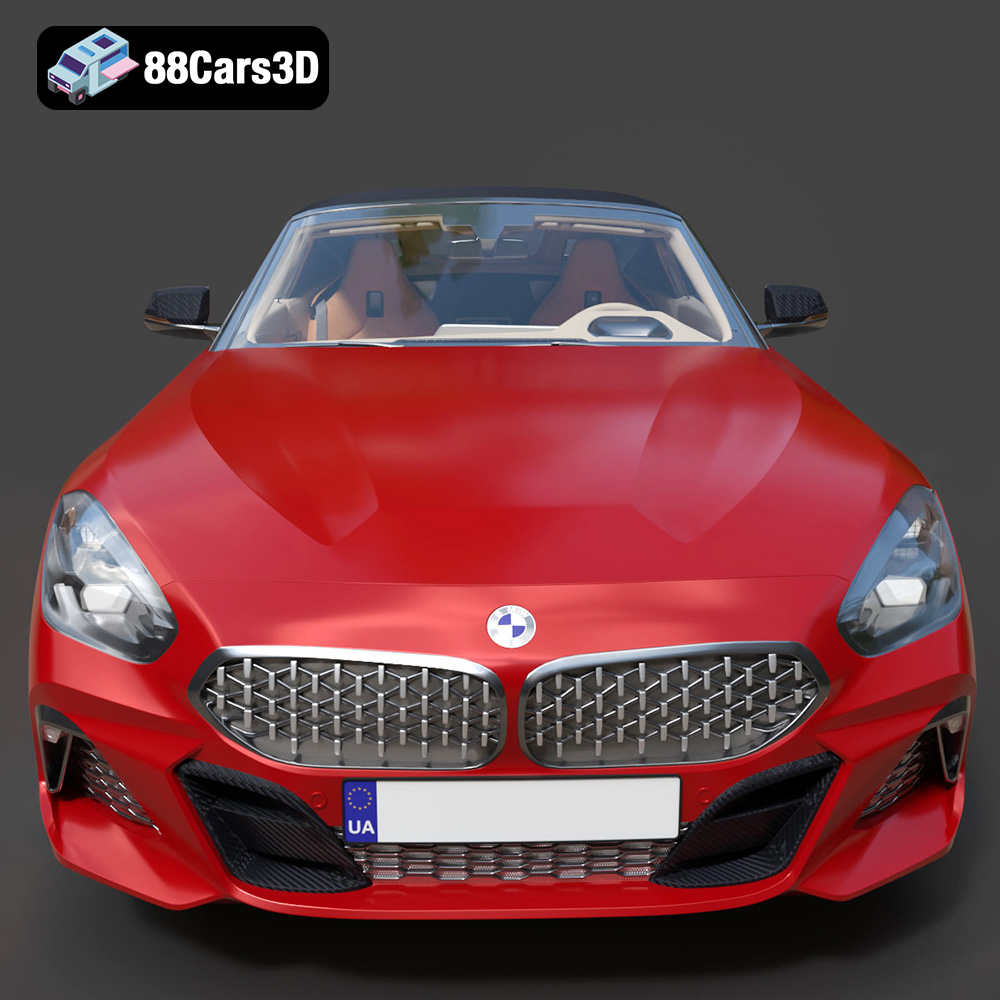
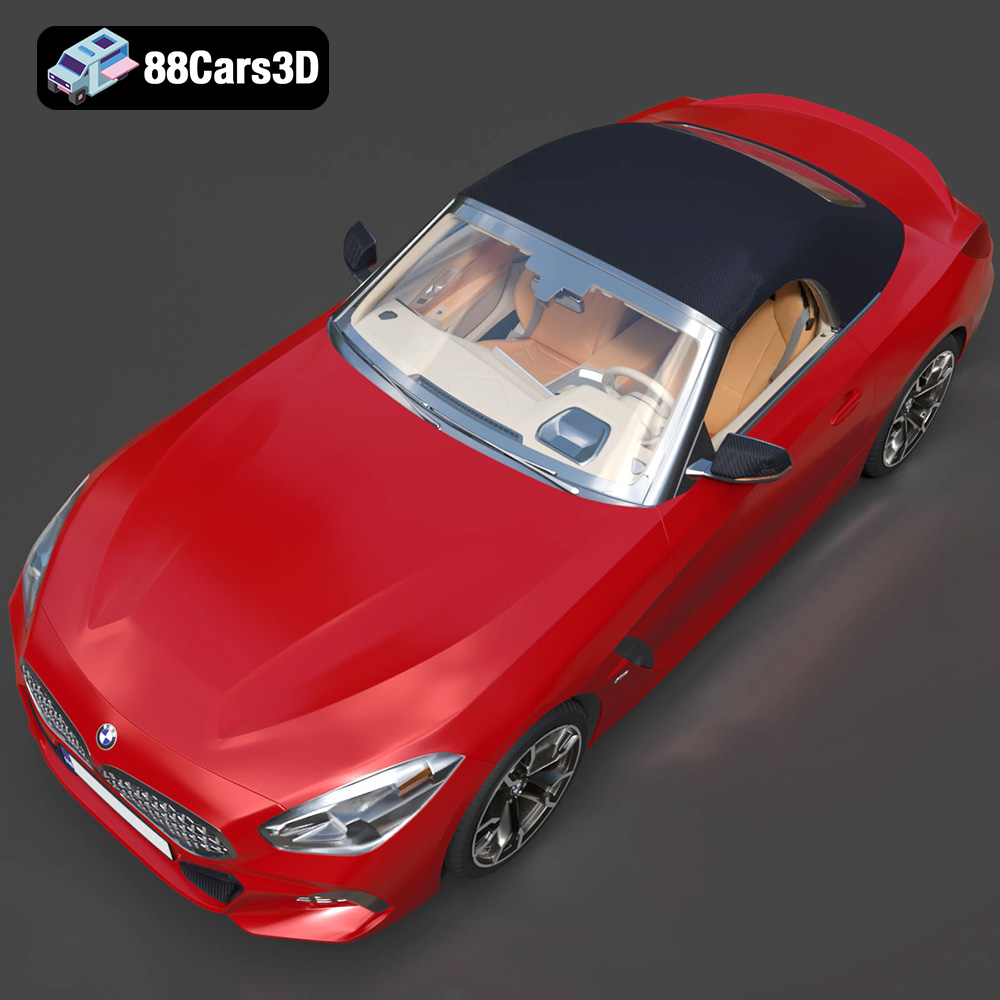
Today, we’re exploring the critical role of premium 3D car models by examining an exceptional example: the BMW Z4 Mk3 G29 Roadster M40i 2019 3D Model. This meticulously crafted asset perfectly embodies the blend of artistic vision and technical prowess required to translate real-world automotive excellence into the digital realm. Whether you’re an automotive designer, a game developer, an architectural visualizer, or a marketing professional, understanding the technical underpinnings and versatile applications of such a model is crucial for elevating your projects to the next level.
The quest for realism in digital environments is an ongoing journey, and high-quality 3D car models are pivotal to achieving it. These assets are far more than simple visual representations; they are complex data structures designed to perform optimally across diverse platforms and applications, providing a robust foundation for creativity and innovation.
For advertising, product showcases, or conceptual design reviews, photorealistic rendering is non-negotiable. A high-fidelity 3D car model provides the essential geometric and textural data needed to produce renders indistinguishable from actual photographs. Details like crisp panel gaps, accurate reflections on metallic paint, realistic tire tread patterns, and intricate interior stitching are what separate a compelling visual from an unconvincing one. The BMW Z4 Mk3 G29 Roadster M40i 2019 3D Model, with its clean geometry and realistic materials, is specifically engineered to shine in these demanding rendering scenarios, ensuring every curve and contour of the iconic roadster is captured with breathtaking accuracy. Such assets empower artists to create marketing materials that truly resonate, showcasing products with clarity and impact.
In real-time interactive environments like video games, virtual reality (VR), and augmented reality (AR), performance and visual fidelity must strike a delicate balance. High-quality 3D car models serve as the backbone for creating immersive experiences where vehicles react realistically to lighting, physics, and user interaction. While poly counts and material complexity need careful optimization for real-time engines, the foundational detail of a premium model allows for scaling down without losing essential characteristics. The versatility of a model like the BMW Z4 Mk3 G29 Roadster M40i is invaluable, providing a detailed base mesh that can be adapted for various levels of detail (LODs), ensuring smooth performance even in graphically intensive simulations and open-world games. Developers often start with a high-detail model and then systematically reduce its complexity for different use cases, making the initial quality paramount.
Beyond traditional rendering and game development, high-quality 3D car models are transformative tools for product visualization and marketing. They enable companies to create interactive 3D configurators, virtual showrooms, and engaging online experiences. Customers can explore a vehicle from every angle, customize colors and features, and even place it virtually in their driveway using AR. This level of interaction enhances engagement, accelerates decision-making, and provides a powerful competitive edge. Utilizing a professionally crafted asset like the BMW Z4 Mk3 G29 Roadster M40i 2019 3D Model from 88cars3d.com ensures that these innovative marketing initiatives are built upon a foundation of visual excellence and technical reliability, reflecting positively on the brand it represents.
The choice of file format is a critical decision in any 3D workflow, dictating compatibility, feature retention, and optimization for specific applications. A truly versatile 3D asset, like the BMW Z4 Mk3 G29 Roadster M40i 2019 3D Model, provides a comprehensive array of formats to cater to diverse professional needs. Understanding each format’s strengths and typical use cases is essential for maximizing efficiency and achieving desired outcomes.
The provision of such a comprehensive set of file formats for the BMW Z4 Mk3 G29 Roadster M40i 2019 3D Model underscores its professional-grade versatility, making it a valuable asset for almost any digital creative workflow.
The creation of a truly high-quality 3D car model is an intricate process that demands meticulous attention to detail across several technical domains. It’s a blend of artistic interpretation and engineering precision, resulting in an asset that is both visually stunning and functionally robust.
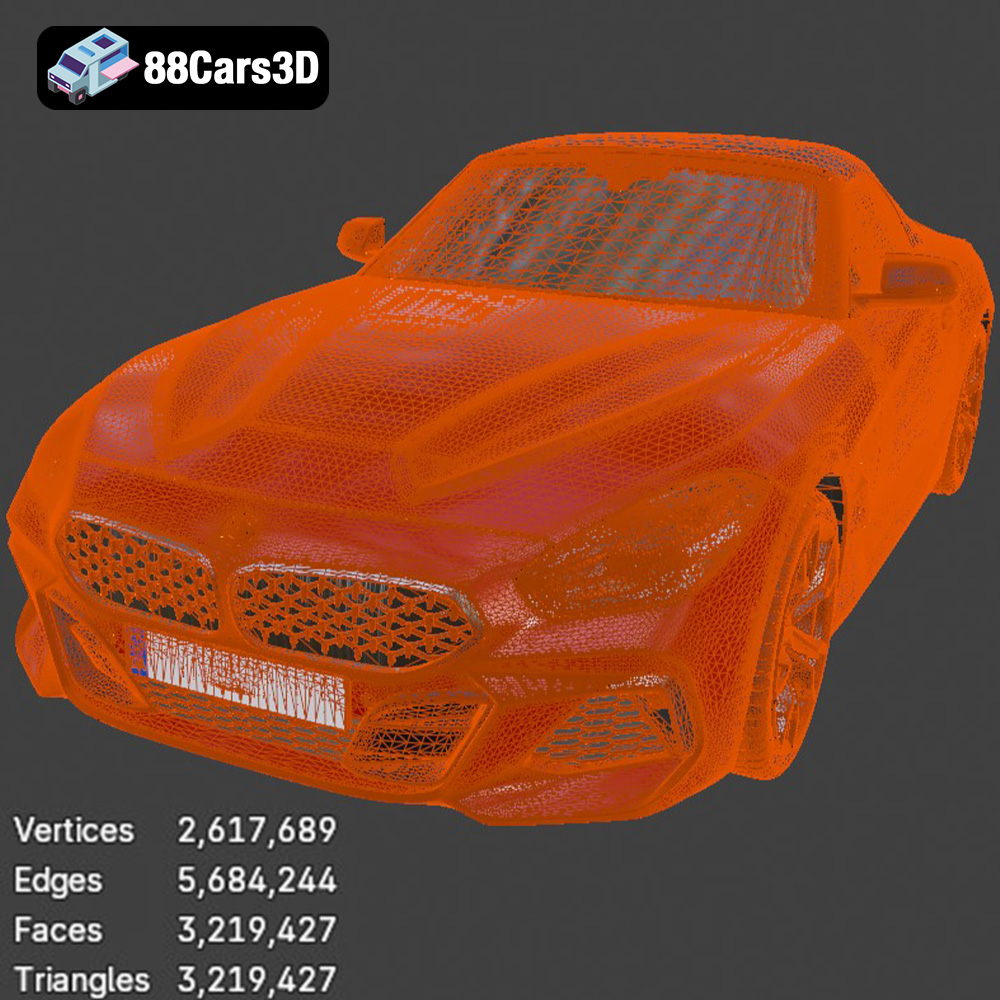
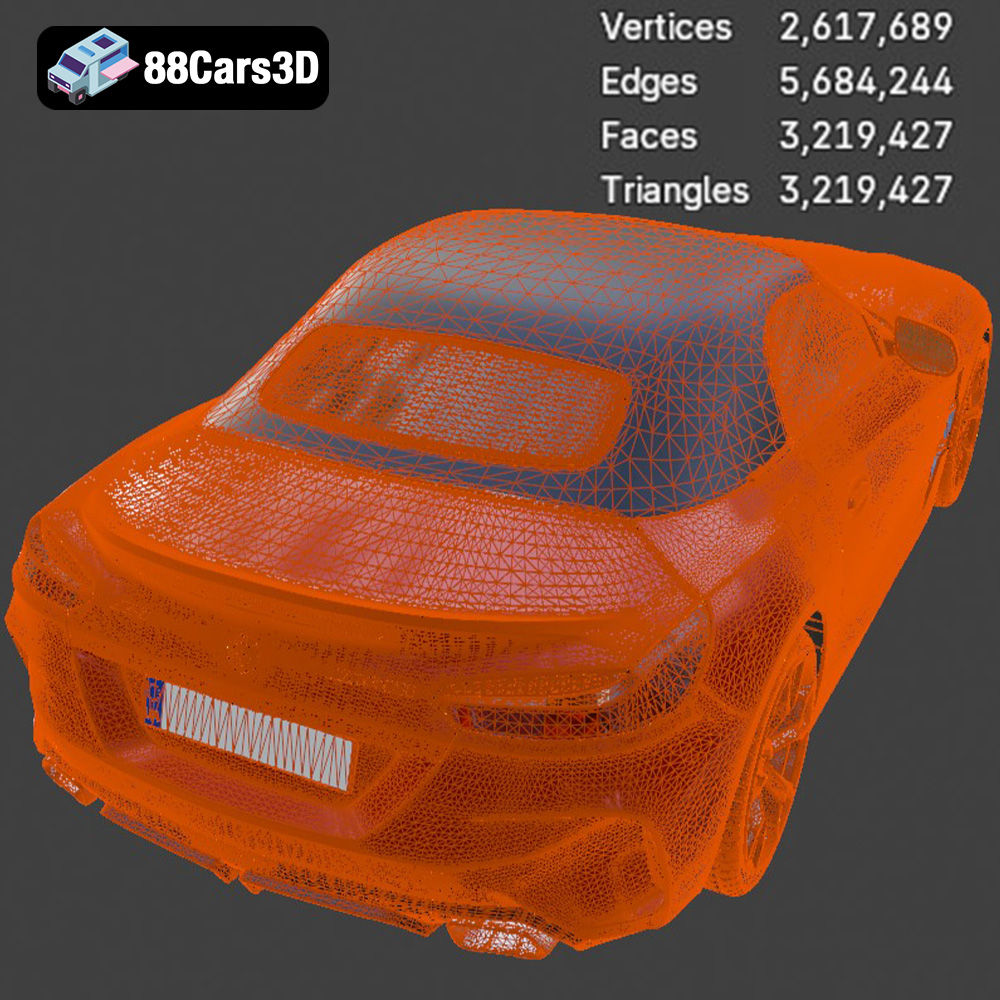
At the heart of any 3D model is its geometry – the arrangement of vertices, edges, and faces that define its shape. For automotive models, clean topology is paramount. This means using quads (four-sided polygons) predominantly, ensuring even distribution of polygons, and avoiding common issues like N-gons (polygons with more than four sides) or overlapping faces. Clean topology facilitates smooth deformations, efficient UV unwrapping, and predictable subdivision surfaces, which are crucial for rendering the sleek, reflective surfaces of a vehicle like the BMW Z4 Mk3 G29 Roadster M40i 2019 3D Model. Poly count optimization is equally vital. While a very high poly count might yield ultimate detail, it can hinder real-time performance. Professional models often come with optimized poly counts or are structured to allow for easy generation of different Levels of Detail (LODs), making them suitable for both high-end rendering and real-time game engines. The precise craftsmanship of the BMW Z4 model ensures it has clean geometry, ready for whatever demands your project places on it.
Once the geometry is solidified, UV mapping dictates how textures are applied to the model’s surface. Good UVs are unwrapped efficiently, minimizing distortion, and maximizing texture resolution. For complex objects like cars, multiple UV maps might be used for different material layers (e.g., body paint, interior fabric, chrome details). The modern standard for texturing is Physically Based Rendering (PBR), which uses a set of maps (Albedo/Base Color, Roughness, Metallic, Normal, Ambient Occlusion) to simulate how light interacts with materials in the real world. This workflow ensures that materials look realistic under various lighting conditions, providing consistent quality across different rendering engines. The realistic materials included with the BMW Z4 Mk3 G29 Roadster M40i 2019 3D Model are likely built upon this robust PBR methodology, ensuring its professional-grade detailing translates into authentic visual fidelity, from the gleam of its paintwork to the texture of its interior.
Beyond texture maps, the material definition and shader setup play a critical role in how a 3D model appears. Modern rendering engines utilize sophisticated shaders to define properties like reflectivity, refractivity, subsurface scattering, and emissive qualities. A premium 3D car model, such as those found on 88cars3d.com, will come with expertly configured materials designed to emulate real-world finishes – the intricate metallic flake of automotive paint, the delicate transparency of glass, or the subtle sheen of leather. Lighting is the final ingredient, as even the best model will look unconvincing without proper illumination. Scene lighting (HDRI environments, direct lights, area lights) interacts with the model’s materials and geometry to produce shadows, reflections, and highlights that define its form and integrate it into the scene. The BMW Z4 Mk3 G29 Roadster M40i 2019 3D Model, with its pre-configured materials and potential lighting setups in native formats, provides a ready-to-render foundation, saving artists countless hours of setup time and ensuring optimal visual output.
The true value of a versatile 3D asset lies in its seamless integration into various professional software environments. The BMW Z4 Mk3 G29 Roadster M40i 2019 3D Model is designed with this principle in mind, offering multiple file formats that streamline workflows for artists and developers alike.
For high-end architectural visualization and cinematic automotive rendering, Autodesk 3ds Max, often paired with renderers like V-Ray or Corona Renderer, remains a powerhouse. The .max file included with the BMW Z4 model provides a direct import, preserving materials, UVs, and often a basic lighting setup. Artists can quickly load the model, refine materials to their specific scene requirements, set up complex studio lighting, and render photorealistic images or animations. This integration is crucial for automotive marketing campaigns, where every detail matters. The model’s clean geometry and professional detailing ensure that it responds beautifully to advanced lighting techniques and global illumination, producing breathtaking visuals that showcase the vehicle’s dynamic lines and aggressive stance.
Unreal Engine is the industry leader for real-time interactive experiences, from AAA games to advanced training simulations and virtual production. The BMW Z4 Mk3 G29 Roadster M40i 2019 3D Model‘s inclusion of .fbx and specific .unreal formats significantly accelerates development. The .fbx can be imported with robust settings for LODs, collision meshes, and material assignments. For even faster setup, the .unreal file provides a pre-configured asset, saving developers the time and effort of optimizing materials and importing textures. This allows for immediate placement of the BMW Z4 into game levels, virtual showrooms, or driving simulators. Its high quality ensures that even in a real-time environment, the vehicle retains its signature look, contributing to an immersive and visually rich user experience.
Blender has emerged as a dominant force in 3D creation, offering a comprehensive suite of tools for modeling, sculpting, animation, and rendering, all within an open-source ecosystem. The .blend file for the BMW Z4 Mk3 G29 Roadster M40i 2019 3D Model is a complete package, allowing Blender artists to immediately dive into animating the convertible top, creating custom renders with Cycles or Eevee, or integrating the car into larger scene compositions. The full editability means artists can further customize the model, add specific liveries, or adapt it for specialized projects. Its availability in a native Blender format makes it highly accessible to a vast community of 3D artists, fostering creativity and enabling stunning personal or commercial projects without conversion hurdles.
The utility of a high-quality 3D car model extends far beyond static renders or simple game assets. Its versatility enables a myriad of advanced applications that are reshaping industries and enhancing user engagement.
Modern car buyers expect a highly interactive experience. Automotive configurators, powered by detailed 3D car models, allow customers to virtually customize a vehicle’s color, wheels, interior options, and accessories in real-time. The BMW Z4 Mk3 G29 Roadster M40i 2019 3D Model, with its clean geometry and PBR materials, is an ideal candidate for such applications. Imagine a customer exploring every angle of the Z4, switching between different paint finishes and interior trims, and even seeing it placed virtually in their driveway via AR – all before stepping foot in a dealership. Virtual showrooms leverage these same models to create immersive online environments where multiple vehicles can be showcased, often using game engine technology to provide a fluid and engaging experience. This not only enhances the customer journey but also significantly reduces marketing costs.
From driver training to vehicle maintenance, high-fidelity 3D car models are revolutionizing simulation environments. The accuracy of the BMW Z4 Mk3 G29 Roadster M40i 2019 3D Model makes it perfect for creating realistic driving simulators where engineers can test virtual prototypes, or for training mechanics on complex assembly and repair procedures in a safe, digital space. These simulations require precise physics, accurate visual representation, and often interactive elements within the cockpit. The meticulous interior and exterior detailing of the BMW Z4 model ensure that training participants interact with an environment that mirrors reality, leading to more effective learning outcomes and better preparation for real-world scenarios.
Augmented Reality (AR) overlays digital content onto the real world, and 3D car models are at the forefront of this technology. With the .glb format, the BMW Z4 Mk3 G29 Roadster M40i 2019 3D Model can be easily deployed to AR applications on smartphones or headsets, allowing users to “place” the car in their physical environment. This is incredibly powerful for marketing, design reviews, and even pre-visualization. In virtual production, which is transforming film and television, 3D car models serve as key elements for real-time compositing. Directors can see digital vehicles integrated into live-action footage on set, enabling immediate creative decisions and vastly reducing post-production time. The robust and versatile nature of models available on 88cars3d.com ensures they are ready for these cutting-edge applications, pushing the boundaries of visual storytelling and interactive experiences.
The journey from concept to digital reality for a high-quality 3D car model is a testament to technical artistry, precision, and an understanding of diverse industry needs. As we’ve explored, assets like the BMW Z4 Mk3 G29 Roadster M40i 2019 3D Model are far more than mere digital objects; they are versatile tools that empower professionals across rendering, game development, AR/VR, and simulation to achieve unparalleled levels of realism and efficiency.
From the foundational importance of clean geometry and PBR materials to the strategic choice of file formats for specific workflows, every technical detail contributes to the model’s overall value. This specific BMW Z4 model, with its meticulous exterior and interior detailing, offers an exceptional starting point for any project demanding automotive excellence. Whether you’re crafting a photorealistic advertisement in 3ds Max, building an immersive driving simulator in Unreal Engine, or developing an interactive product configurator, the quality and breadth of formats provided ensure a seamless and productive experience.
Investing in professionally crafted 3D car models is an investment in the future of your digital projects. For those seeking premium 3D assets that meet the rigorous demands of professional production, exploring the curated selection at 88cars3d.com is a clear path to elevating your creative endeavors. The BMW Z4 Mk3 G29 Roadster M40i 2019 3D Model stands as a shining example of the caliber of assets available, ready to drive your next project to success.
Experience true realism with the BMW Z4 Mk3 G29 Roadster M40i 2019 3D Model. Crafted with precision, this model perfectly captures the dynamic lines, aggressive stance, and elegant curves of the iconic roadster. This premium 3D model features clean geometry, realistic materials, and professional-grade detailing. The exterior and interior are meticulously built to ensure an accurate representation from every angle, providing a reliable asset for any professional digital workspace. Ideal for a wide range of applications, this vehicle is perfectly suited for game development, detailed rendering, AR/VR experiences, simulation environments, and commercial visualizations.
$39.99
.arvr
.blend
.bmw
.car3dmodel
.convertible
.fbx
.g29
.gameasset
.glb
.m40i
.max
.mk3
.obj
.ply
.rendering
.roadster
.simulation
.sportsCar
.stl
.unreal
.z4