Get 20% OFF All Premium 3D & STL Models!

In the exhilarating world of 3D modeling, precision, performance, and authenticity are paramount. Whether you’re a game developer crafting the next immersive racing title, an automotive designer visualizing a future concept, or a filmmaker producing cinematic sequences, the quality of your 3D assets can make or break a project. High-fidelity 3D car models and vehicle assets are no longer a luxury; they are a fundamental requirement for delivering compelling visual experiences. From the intricate mechanics of an engine to the subtle reflections on a polished chassis, every detail contributes to a sense of realism that captivates audiences.
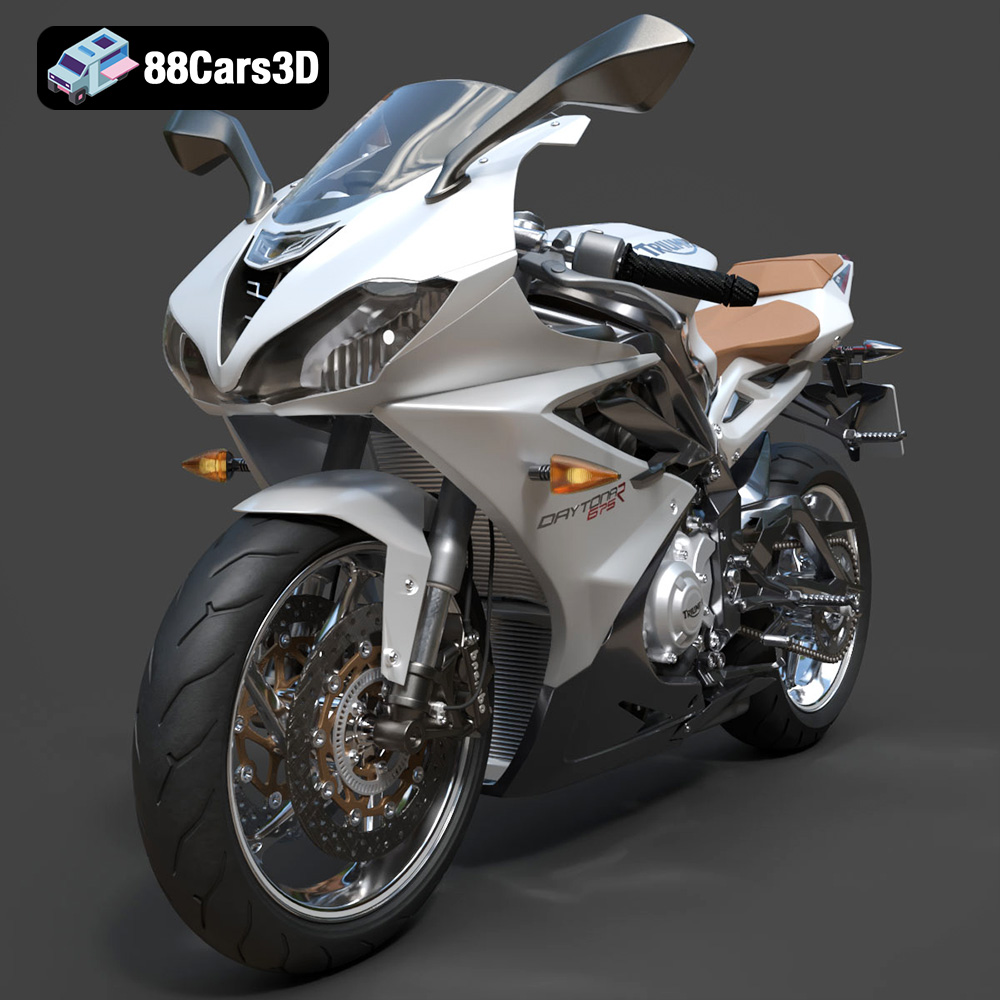
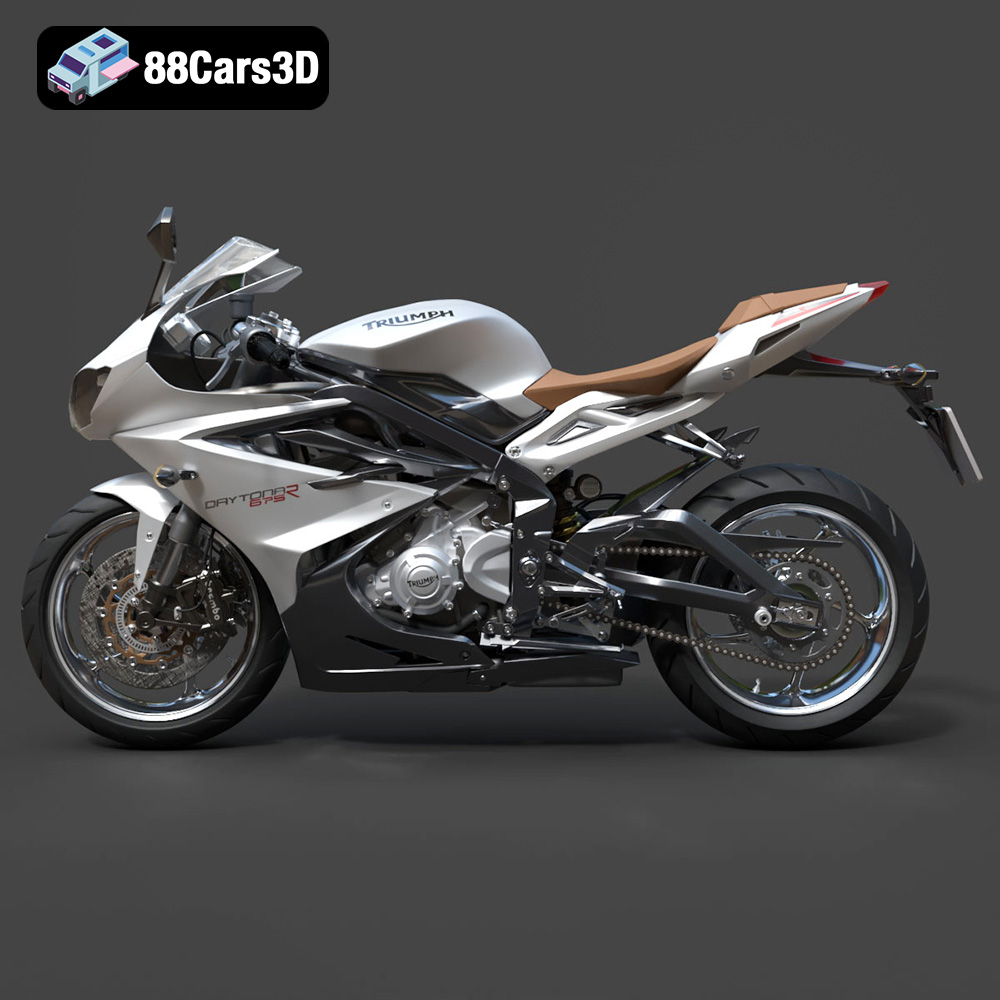
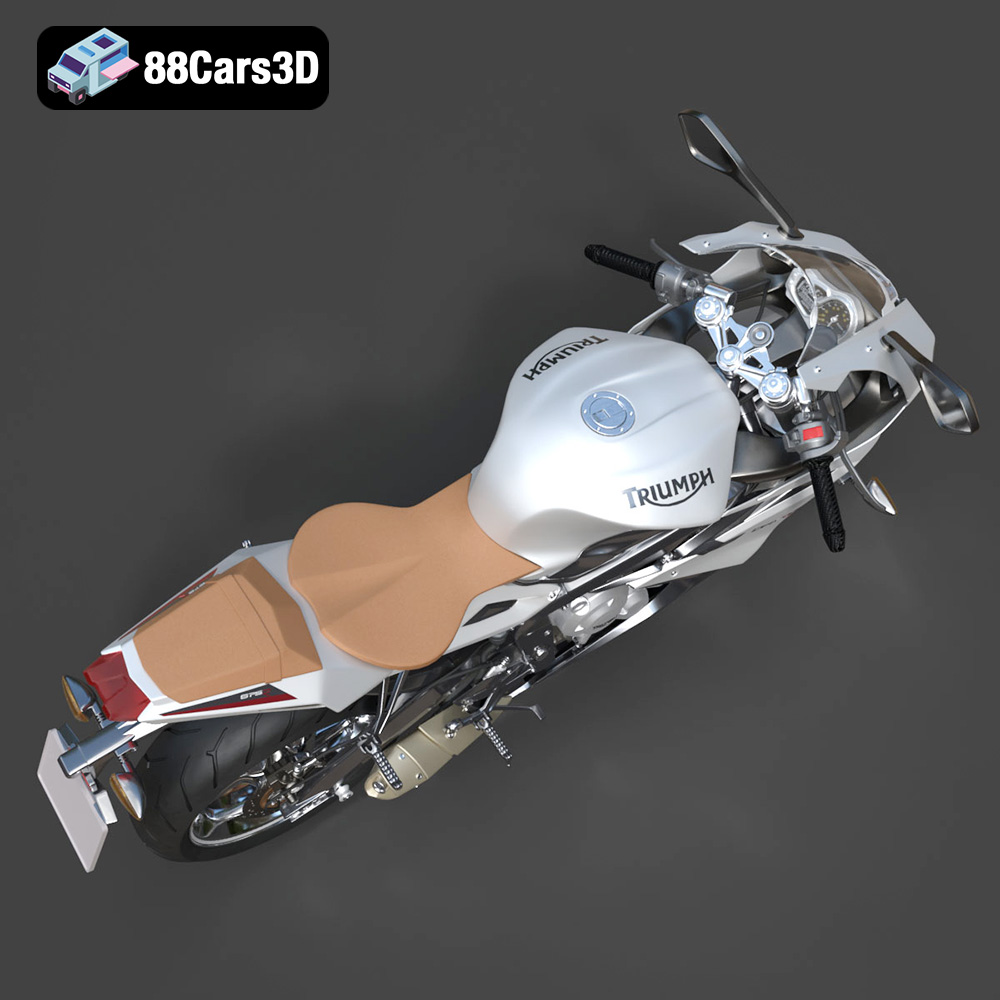
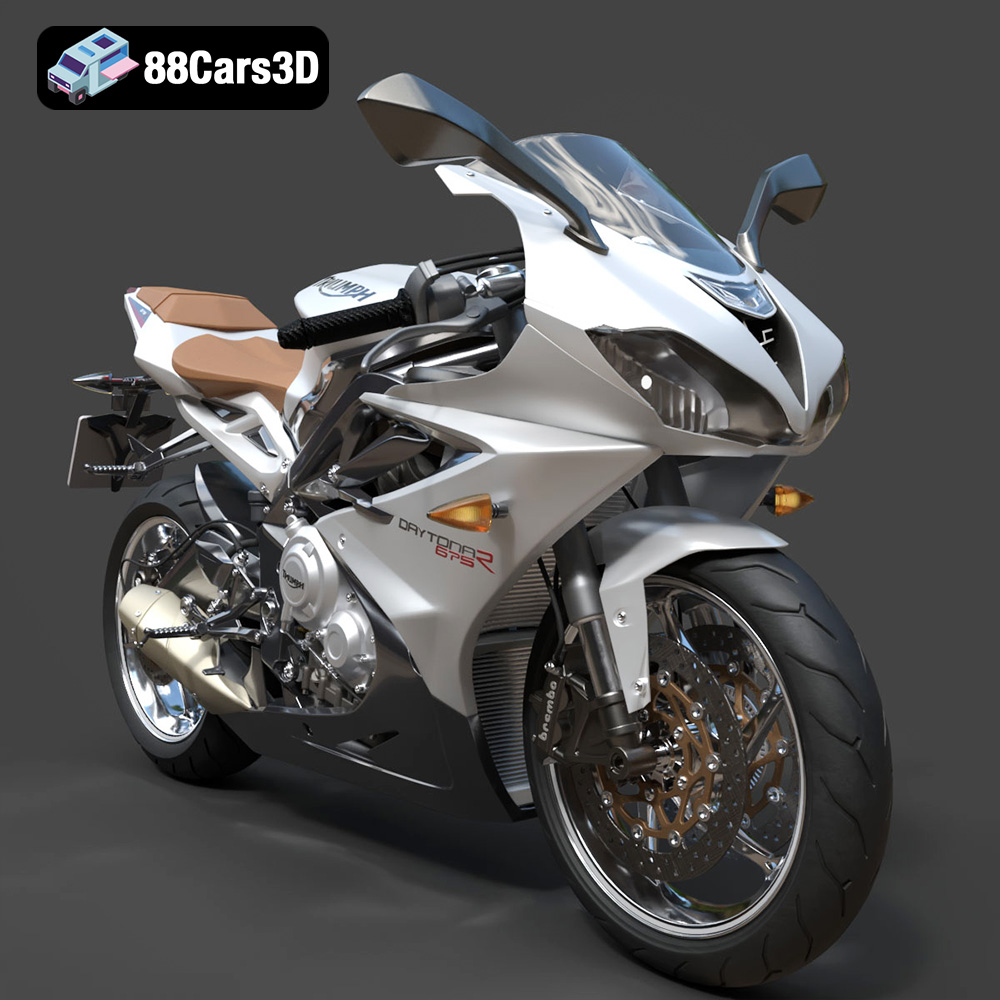
Today, we’re diving deep into an exceptional example of such an asset: the Triumph Daytona 675R ABS 2015 3D Model. This isn’t just a digital representation; it’s a meticulously crafted asset designed to integrate seamlessly into diverse professional workflows, offering the perfect blend of visual fidelity and optimization. Celebrated for its track-focused performance and iconic triple-cylinder engine, the real Daytona 675R is a legend among supersport motorcycles. Its digital counterpart from 88cars3d.com captures this essence, providing a robust foundation for a myriad of applications, from cutting-edge game development and virtual reality experiences to high-end automotive rendering and even 3D printing. Let’s explore the technical nuances and creative potential this model unlocks.
The versatility of a 3D model often hinges on the range of file formats it supports. Each format is designed with specific use cases and software ecosystems in mind, offering unique advantages regarding data preservation, scene complexity, and compatibility. The Triumph Daytona 675R ABS 2015 3D Model comes packed with an impressive array of formats, ensuring maximum flexibility for any professional workflow. Understanding these formats is crucial for efficient project management and optimal asset utilization.
The `.blend` format is Blender’s native file type, offering a comprehensive and fully editable scene with materials, textures, animations, and even physics simulations preserved. For artists and studios primarily using Blender, this is the most desirable format. It allows for direct manipulation of the model’s geometry, fine-tuning of PBR (Physically Based Rendering) materials, adjustment of lighting setups, and easy integration into existing Blender projects. The `.blend` file for the Daytona 675R provides a perfect starting point for customization or further development within the Blender ecosystem, ensuring full access to the meticulously organized scene.
`.fbx` (Filmbox) is arguably the most widely adopted interchange format in the 3D industry. Developed by Autodesk, it’s ideal for transferring 3D data, including models, animations, cameras, and lights, between different software applications like 3ds Max, Maya, Blender, Unity, and Unreal Engine. For real-time pipelines, especially in game development, `.fbx` is the go-to. It maintains hierarchical structures, allowing for the easy import of complex rigged models like the Daytona 675R with separate wheels, suspension, and steering components, ready for animation. Its robust nature makes it an excellent choice when moving assets from a DCC (Digital Content Creation) tool into a game engine.
The `.obj` (Wavefront OBJ) format is a universal standard for storing 3D geometry. While it primarily contains vertex positions, UV coordinates, normals, and material group information (referenced by a separate `.mtl` file for basic material properties), it is highly compatible with nearly every 3D software application. Its simplicity makes it incredibly robust for cross-software compatibility, especially when you need to import a mesh without complex rigging or animation data. The Daytona 675R in `.obj` format offers a clean mesh, ready for texturing and material setup in any environment.
`.glb` (GLB File Format) is the binary version of glTF (GL Transmission Format), designed as an efficient, runtime-agnostic 3D asset delivery format. It’s highly optimized for AR/VR applications, web-based 3D viewers, and mobile platforms due to its compact size and ability to embed all necessary data (geometry, materials, textures, animations) into a single file. For the Triumph Daytona 675R, the `.glb` format is perfect for integrating into virtual showrooms, interactive product configurators on websites, or mobile AR experiences, providing quick loading times and excellent performance.
`.stl` (Stereolithography) is the most common file format for 3D printing. It represents a 3D model as a series of connected triangles, defining only the surface geometry without color, texture, or material information. While less complex than other formats, its universality in additive manufacturing is unmatched. The Daytona 675R’s `.stl` version allows hobbyists and professionals to bring the digital model into the physical world, creating display-scale replicas with recommended settings for resin printing to capture fine details like the exhaust and handlebars.
`.ply` (Polygon File Format), also known as the Stanford Triangle Format, is primarily used for storing 3D data from 3D scanners or for CAD/CAM applications. It can store various properties beyond just geometry, such as color, transparency, and range data, at each vertex or face. While less common for general 3D asset exchange compared to `.fbx` or `.obj`, its precision makes it valuable for specialized applications involving mesh analysis, scientific visualization, or when integrating with CAD pipelines.
While not a standalone file format in the traditional sense, `.unreal` signifies an asset specifically optimized and configured for direct import and use within Unreal Engine. This often implies proper scaling, collision setups, level of detail (LOD) meshes, and PBR material configurations that align with Unreal’s rendering pipeline. The Daytona 675R’s `.unreal` designation indicates it’s pre-prepped for this powerful engine, minimizing setup time and ensuring optimal performance in real-time environments.
The `.max` format is Autodesk 3ds Max’s native file. It stores the complete scene, including geometry, modifiers, materials, lights, cameras, animations, and render settings. For users of 3ds Max, this format provides the highest level of editability and direct access to all aspects of the model’s construction. The Daytona 675R in `.max` format allows animators and render artists to leverage 3ds Max’s robust toolset for high-end rendering, complex animation sequences, or detailed environmental integration.
By providing such a diverse range of formats, the Triumph Daytona 675R ABS 2015 3D Model from 88cars3d.com ensures that creators are equipped for virtually any project, regardless of their preferred software or target platform.
Creating a truly excellent 3D automotive model, especially one destined for real-time applications like games or AR/VR, is a delicate balance between artistic fidelity and technical optimization. It’s about more than just recreating shapes; it’s about understanding the performance demands of modern engines while maintaining visual integrity. The Triumph Daytona 675R ABS 2015 3D Model exemplifies this synergy.
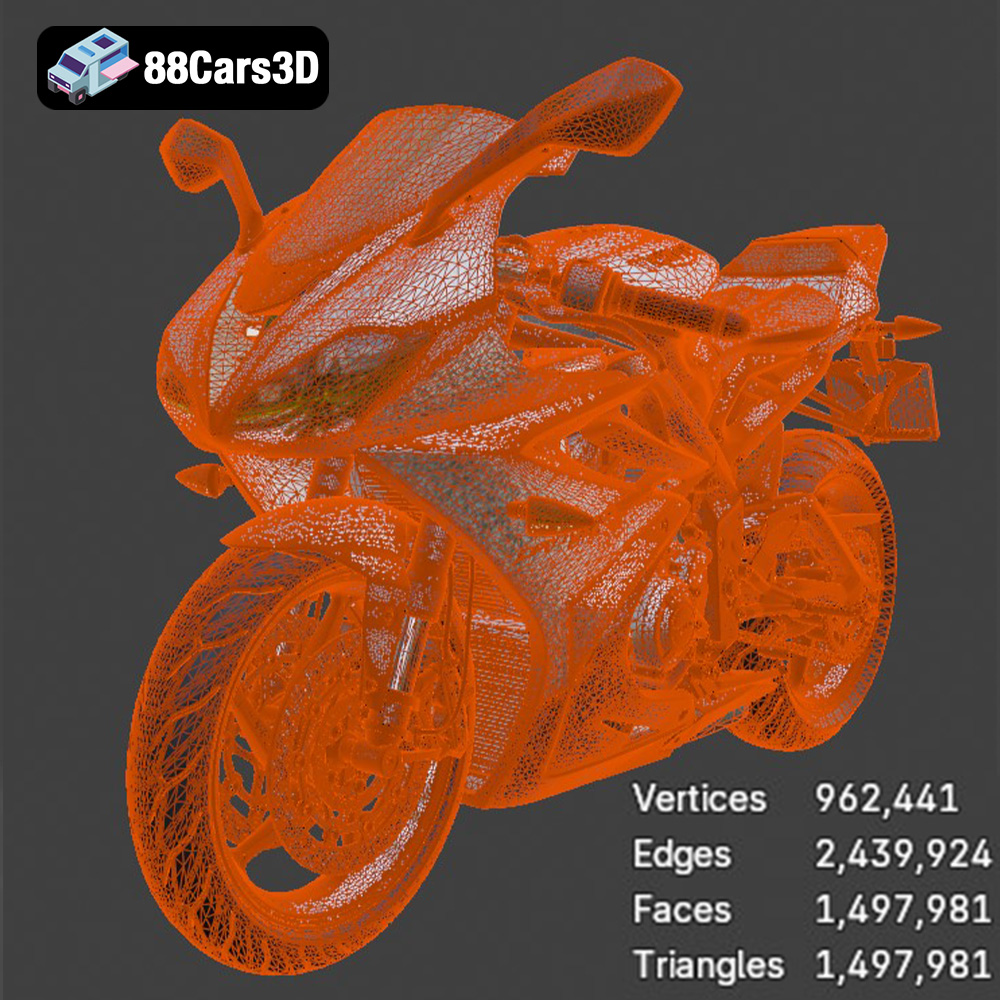
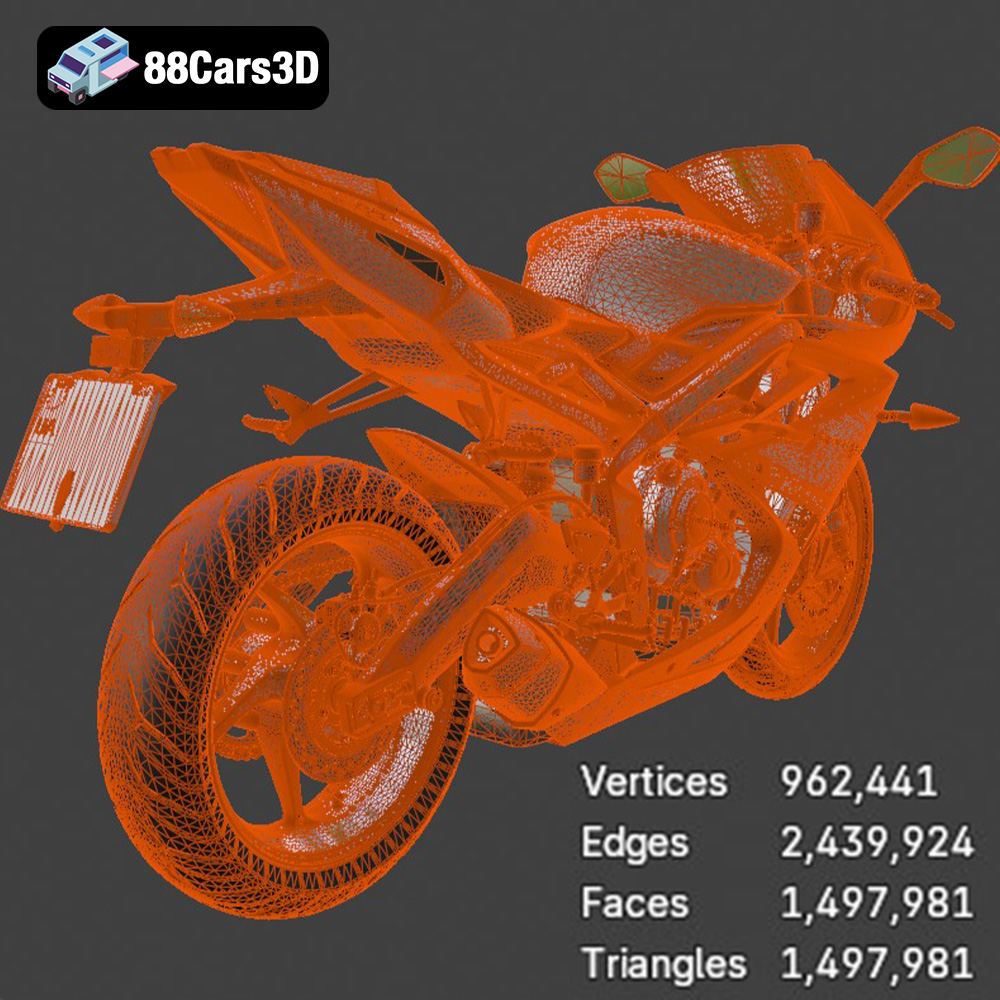
At the core of any game-ready asset is its topology and polygon count. The Daytona 675R model boasts approximately 150,000 triangles. This figure strikes a perfect balance: it’s high enough to convey the intricate details of the motorcycle’s aggressive fairings, engine block, and premium suspension components, yet optimized to run smoothly within real-time engines like Unreal Engine and Unity without causing significant performance bottlenecks. The “optimized topology” means that the mesh is clean, primarily composed of quads where possible, with efficient edge flow that facilitates proper deformation during animation and smooth subdivision if required for closer shots. This attention to detail prevents rendering artifacts and ensures a visually consistent model across various viewing distances.
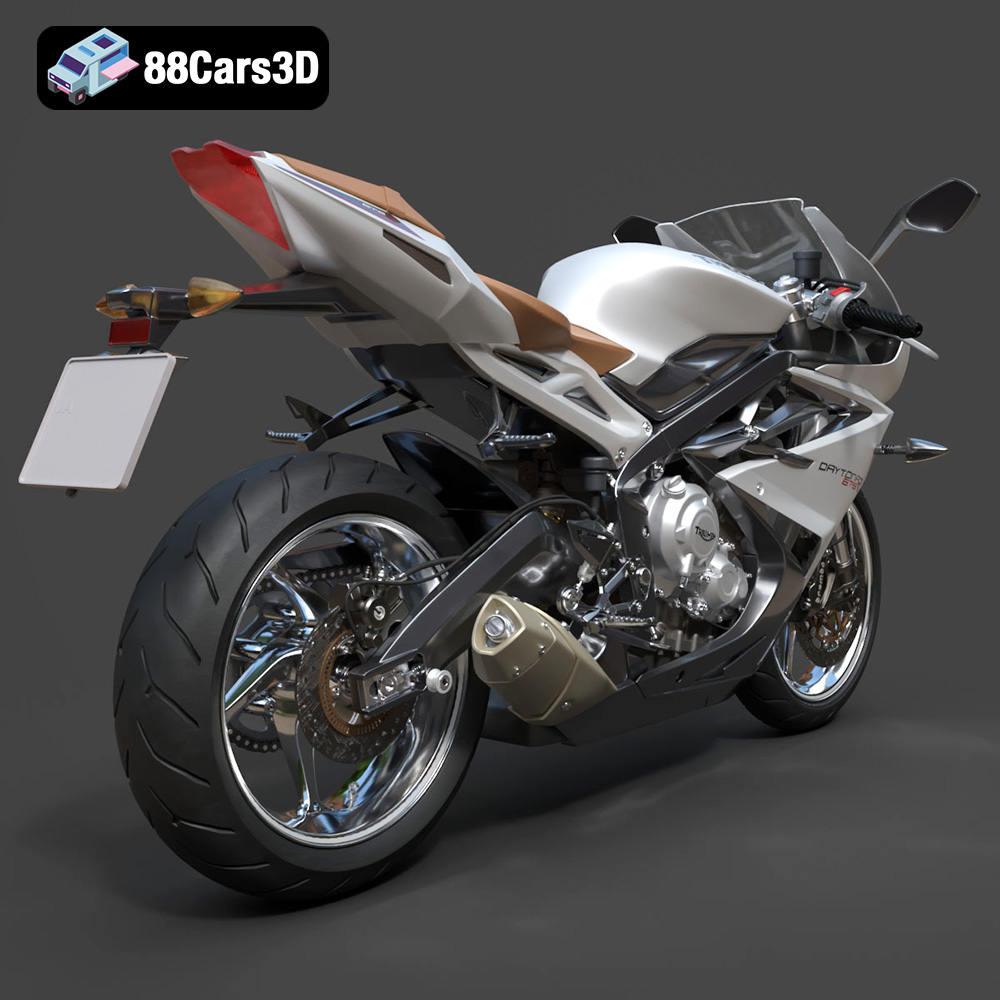
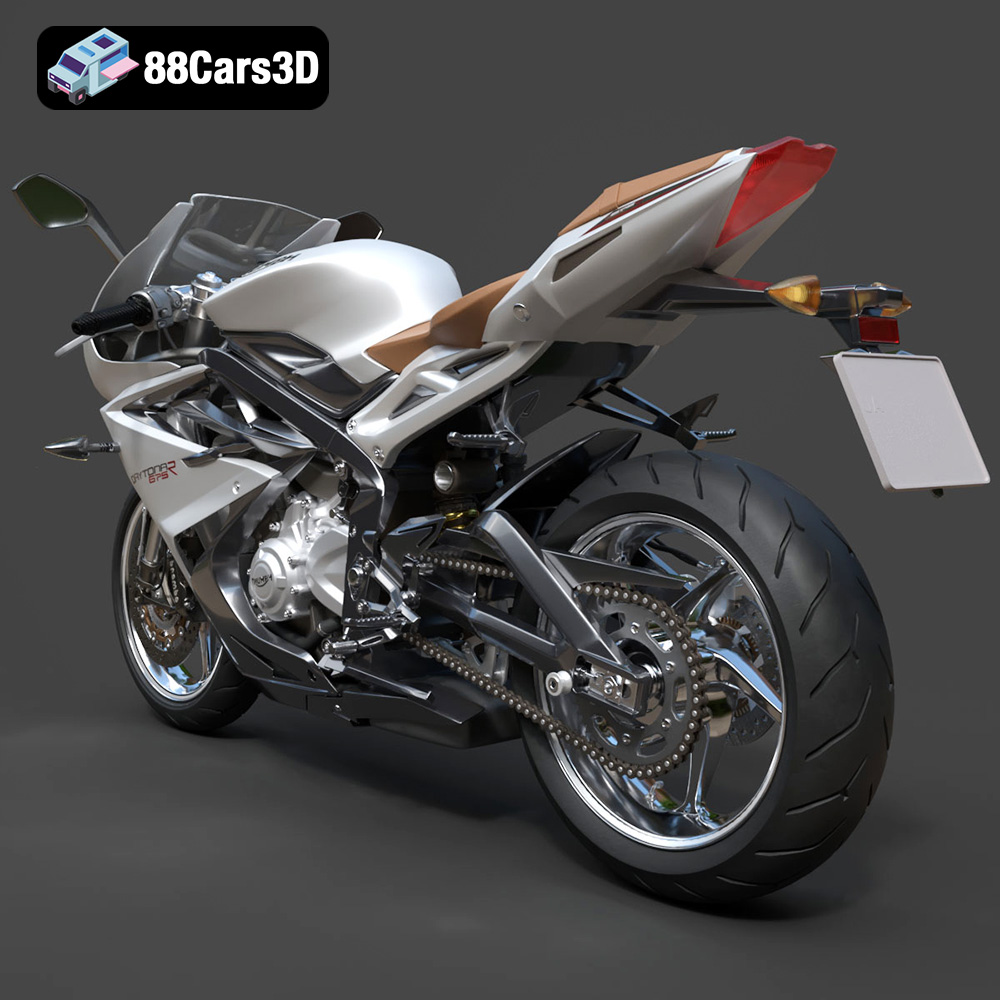
Accuracy is paramount, particularly in automotive visualization and simulation. The Daytona 675R model is built with real-world scale accuracy, based on the actual vehicle chassis and dimensions. This isn’t just an aesthetic choice; it’s a technical necessity. Correct scale ensures that the model interacts naturally with physics engines in games, fits proportionally within architectural visualizations, and appears credible alongside other real-world scaled assets. Furthermore, the accurate Triumph Daytona 675R ABS 2015 frame geometry and proportions mean that the distinct aggressive twin-headlight design, sleek side-mounted exhaust, and striking red subframe are all rendered with impeccable authenticity.
A hallmark of a professional-grade 3D model is its modularity. The Daytona 675R features separate wheels, suspension, and steering components. This design choice is critical for animators and game developers. It allows for independent rotation of wheels, realistic steering articulation, and accurate suspension travel, crucial for dynamic racing simulations or cinematic camera moves. Proper pivot setup for these elements drastically reduces the time and effort required for rigging and animation, making it a truly “plug-and-play” asset for complex motion sequences.
The utility of a high-quality 3D asset like the Triumph Daytona 675R extends across a broad spectrum of digital creation industries. Its optimized nature and comprehensive file format support make it a valuable tool for professionals.
For game developers, the Daytona 675R ABS 2015 3D Model is a dream asset. Its ~150,000 triangle count is ideal for direct integration into engines like Unreal Engine and Unity, providing visual fidelity without compromising frame rates.
A common workflow in Unreal Engine would involve importing the `.fbx` or the pre-optimized `.unreal` file. Upon import, developers can leverage Unreal’s powerful material editor to create PBR (Physically Based Rendering) materials, using high-resolution textures for the bodywork, tires, and engine components. The separate geometry for wheels and steering means it can be quickly rigged to a skeletal mesh, allowing for realistic physics-driven animation in a racing simulator. Imagine a high-speed chase through a photorealistic city or a nail-biting lap around a famous track – the Daytona 675R provides the visual foundation for such intense experiences. Its detailed cockpit features, including the accurate digital/analog instrument cluster and detailed switchgear, also make it perfect for first-person POV (Point of View) gameplay, adding an extra layer of immersion.
For independent developers or studios using Blender, the `.blend` file offers a fully editable scene. This allows for deep customization: changing body/tank colors to match specific liveries, adjusting material finishes from matte to gloss or metallic, or even modifying tire treads to suit different terrains (e.g., street vs. off-road variants). Blender’s robust Cycles or Eevee renderers can then be used to pre-render cinematic sequences or export to other game engines. The precise detailing of premium Öhlins suspension components and Brembo brakes, accessible in the Blender file, allows for close-up shots that highlight engineering excellence.
Beyond games, the model excels in creating stunning static renders and dynamic animations for marketing, product showcases, and design visualization.
In a 3ds Max workflow, importing the `.max` file gives artists complete control over the scene. This is where the model’s accurate geometry truly shines. High-quality lighting setups, such as HDRI environments or intricate studio lighting, can be deployed to highlight the bike’s aerodynamic fairings and the subtle reflections on its surfaces. V-Ray or Corona Renderer can be used to achieve photorealistic results, showcasing the Triumph Daytona 675R in glossy brochures, virtual showrooms, or compelling brand campaigns. Animators can create captivating sequences demonstrating the bike’s agility, perhaps a dynamic camera swooping around it as it leans into a turn, made possible by the precisely set pivot points for animation.
The model’s real-world scale makes it ideal for integrating into architectural visualizations or lifestyle scenes. Picture the Daytona 675R parked elegantly outside a modern garage, or featured prominently in a luxury showroom. Its presence instantly adds character and dynamism, elevating the overall visual narrative of any scene. The option to change colors and material finishes allows for seamless adaptation to diverse aesthetic requirements, ensuring the motorcycle complements its digital environment perfectly.
The digital realm often blurs with the physical, and 3D printing is a prime example of this synergy. The Triumph Daytona 675R ABS 2015 3D Model is not just for virtual displays; it’s also designed to be convertible to `.stl` format, opening up avenues for physical creation.
For hobbyists, collectors, or even designers needing a physical reference, the `.stl` file provides the blueprint for 3D printing. The model is prepared with recommended scales (1:12, 1:18, 1:24) and print settings that optimize for detail and structural integrity.
Achieving fine details, such as the sleek side-mounted exhaust system with carbon fiber heat shield details or the intricate Öhlins suspension, often requires specific printing techniques. The recommendation for resin printing with layer heights between 0.04-0.12 mm highlights the emphasis on capturing every nuance. Resin printers, known for their precision, are ideal for replicating the sharp lines and subtle curves of the Daytona 675R. Crucially, advice on wall thickness, infill, and support placement (especially for delicate parts like mirrors, handlebars, and the exhaust) ensures a successful print, minimizing warping or breakage. Printing the frame angled and wheels separately further streamlines the process and improves final quality.
The journey from a raw 3D print to a display-worthy model involves diligent post-processing. Sanding and priming prepare the surface for painting, while the suggestion of using authentic factory colors with metallic finishes allows for creating highly realistic replicas. This capability transforms a digital asset into a tangible collectible, perfect for showcasing on a desk or as part of a larger diorama. For enthusiasts, the ability to physically hold a miniature version of the legendary Daytona 675R is a testament to the versatility of this 3D model.
The expanding frontiers of Augmented Reality (AR) and Virtual Reality (VR) demand highly optimized and accessible 3D assets. The Triumph Daytona 675R ABS 2015 3D Model is perfectly suited for these cutting-edge immersive experiences.
One of the most powerful applications of such a model is in virtual showrooms or interactive configurators. Using the `.glb` format, automotive brands or dealerships can offer potential customers an immersive experience, allowing them to explore the Daytona 675R in 3D directly in their web browser or a dedicated AR/VR application. Imagine being able to walk around the motorcycle, inspect its detailed engine block, check out the sculpted sport saddle, and even virtually sit on it, all from the comfort of your home. The model’s customization options – changing body colors, material finishes – become interactive features, enabling users to personalize their virtual bike in real-time. This level of engagement significantly enhances the pre-purchase experience and boosts customer confidence.
For mobile AR, the `.glb` format’s optimization is invaluable. Developers can integrate the Daytona 675R into apps that allow users to place a life-sized virtual motorcycle in their driveway, garage, or even living room using their smartphone camera. This provides an unprecedented sense of scale and presence, blurring the lines between the digital and physical worlds. The optimized polycount ensures smooth performance on mobile devices, making AR experiences fluid and responsive. Such applications are perfect for marketing campaigns, product launches, or simply providing a unique way for enthusiasts to interact with their favorite bikes.
Beyond entertainment, the Daytona 675R model can be a critical component in simulation and training environments. Its real-world scale and accurate geometry make it suitable for virtual driving schools, maintenance training simulators, or even military applications involving vehicle recognition and strategy. The proper pivot setup for steering, wheel rotation, and suspension travel is essential here, allowing for precise physics interactions and realistic dynamic feedback, critical for effective simulation. The detailed cockpit and interior features, including accurate instrument clusters and switchgear, provide a realistic environment for pilot training, enhancing muscle memory and operational familiarity.
Investing in a high-quality 3D asset like the Triumph Daytona 675R ABS 2015 3D Model from 88cars3d.com is about more than just immediate project needs; it’s about future-proofing your creative endeavors. The model’s inherent design and provided options ensure long-term value.
The ability to easily customize the model is a significant advantage. The description highlights several key customization options:
* **Change body/tank colors:** Essential for branding, custom liveries, or matching specific aesthetic themes in renders or games.
* **Modify tire textures:** Allows adaptation for different terrains or visual styles (e.g., track slicks, street tires, even conceptual sci-fi variations).
* **Adjust material finishes:** From a glossy showroom sheen to a rugged matte look, or incorporating metallic flakes, this flexibility enhances visual storytelling.
* **Adapt lighting for different environments:** While not a model customization per se, the model’s robust material setup ensures it reacts realistically to various lighting conditions, from bright outdoor sunlight to dramatic studio setups.
These options empower artists to tailor the model precisely to their project’s unique vision without requiring extensive re-modeling, saving precious time and resources.
A well-made 3D asset is an investment. The Triumph Daytona 675R model’s optimized geometry, clean topology, and multi-format support mean it remains relevant and usable across future software updates and evolving industry standards. It can be easily ported between different game engines, rendered in the latest physically based renderers, or adapted for emerging AR/VR platforms. Its foundational quality ensures that it will consistently perform and look great, providing a reliable asset for years to come. For studios and freelance artists alike, this means a reduced need for creating new assets from scratch, allowing more focus on creative execution.
In the fast-paced world of 3D content creation, efficiency, quality, and versatility are the cornerstones of success. The Triumph Daytona 675R ABS 2015 3D Model stands out as a prime example of an asset that delivers on all fronts. From its meticulously optimized geometry and accurate real-world scale to its comprehensive file format support, it’s engineered to meet the rigorous demands of professional workflows across game development, automotive rendering, AR/VR, and even 3D printing.
This model from 88cars3d.com isn’t just a static representation; it’s a dynamic tool ready to be integrated into your next groundbreaking project. Whether you’re animating a high-octane racing sequence in 3ds Max, building an immersive virtual showroom in Unreal Engine, or crafting a tangible collectible with 3D printing, the Daytona 675R provides a robust, high-fidelity foundation. Its thoughtful design, including separate components for animation and detailed interior features, ensures it’s not just a beautiful asset but a functional one that accelerates your creative process. Embrace the power of expertly crafted 3D car models and unlock new possibilities for your digital creations.
The Triumph Daytona 675R ABS 2015 is a legendary middleweight supersport motorcycle celebrated for its track-focused performance, iconic triple-cylinder engine, and razor-sharp handling. Distinctive features include its aggressively styled aerodynamic fairings, sleek side-mounted exhaust system, striking red subframe, premium Öhlins suspension components, and high-performance Brembo brakes.
This high-quality 3D model boasts optimized topology with a balanced triangle count, making it a perfect game-ready asset without sacrificing visual fidelity. Built with precision for game development, AR/VR environments, dynamic animation, and high-end automotive visualization.
Perfect for track racing simulators, high-speed cinematic animations, virtual dealership showrooms, and interactive motorcycle configurators.
.blend, .fbx, .obj, .glb, .stl, .ply, .unreal, .max
Tags:
triumph, daytona-675r, daytona-675r-abs-2015, supersport, sportbike, motorcycle-3d-model, game-ready, low-poly, optimized, game-asset, rendering, vr-ar, blend, fbx, obj, glb, stl, ply, unreal, maxVespa VNB 125-B 3D Model 3D Printable STL
$39.99
.blend
.fbx
.glb
.max
.obj
.ply
.rendering
.sportbike
.stl
.supersport
.triumph
.unreal
daytona-675r
daytona-675r-abs-2015
game asset
game-ready
low-poly
motorcycle-3d-model
optimized
VR/AR