Get 20% OFF All Premium 3D & STL Models!

The world of 3D modeling has transformed how we interact with, visualize, and even create vehicles. From cinematic masterpieces to cutting-edge video games and immersive virtual reality experiences, highly detailed and accurate 3D automotive models are the cornerstone of digital innovation. These aren’t just aesthetic assets; they are intricate digital blueprints that bridge the gap between imagination and tangible digital reality.
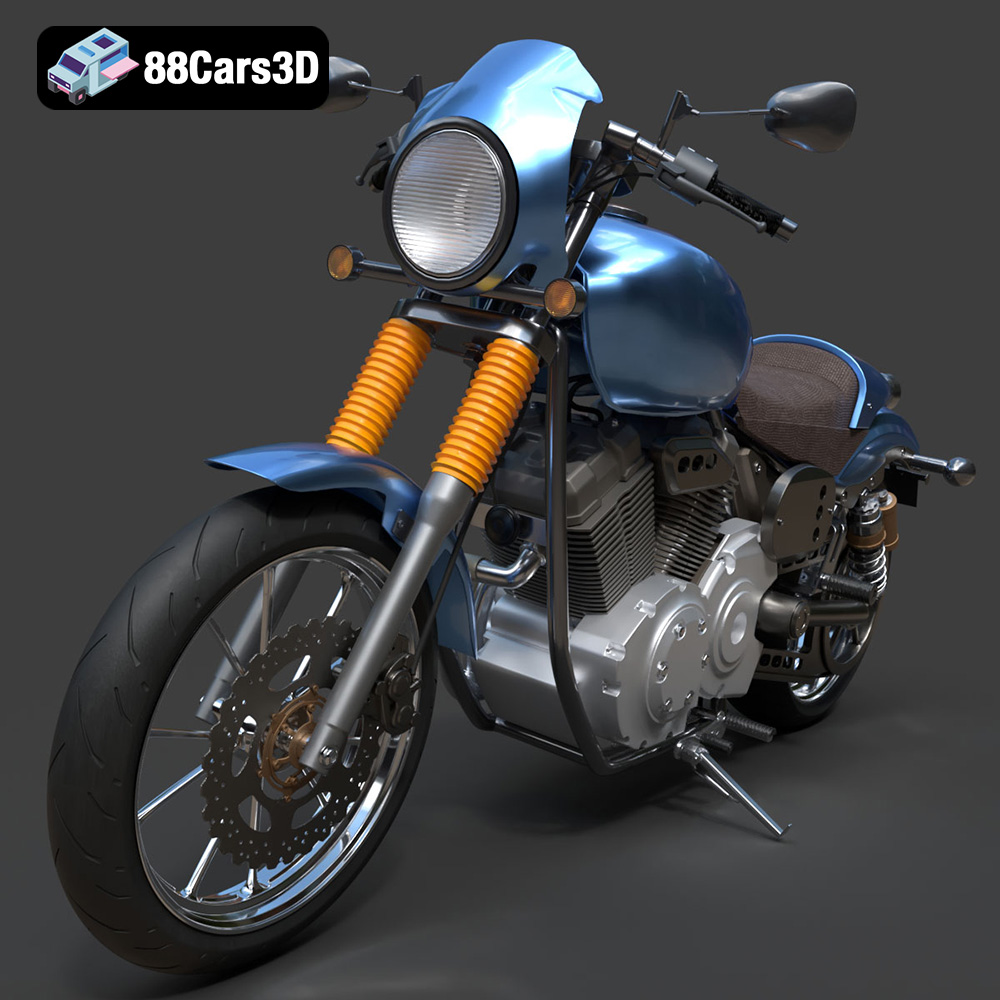
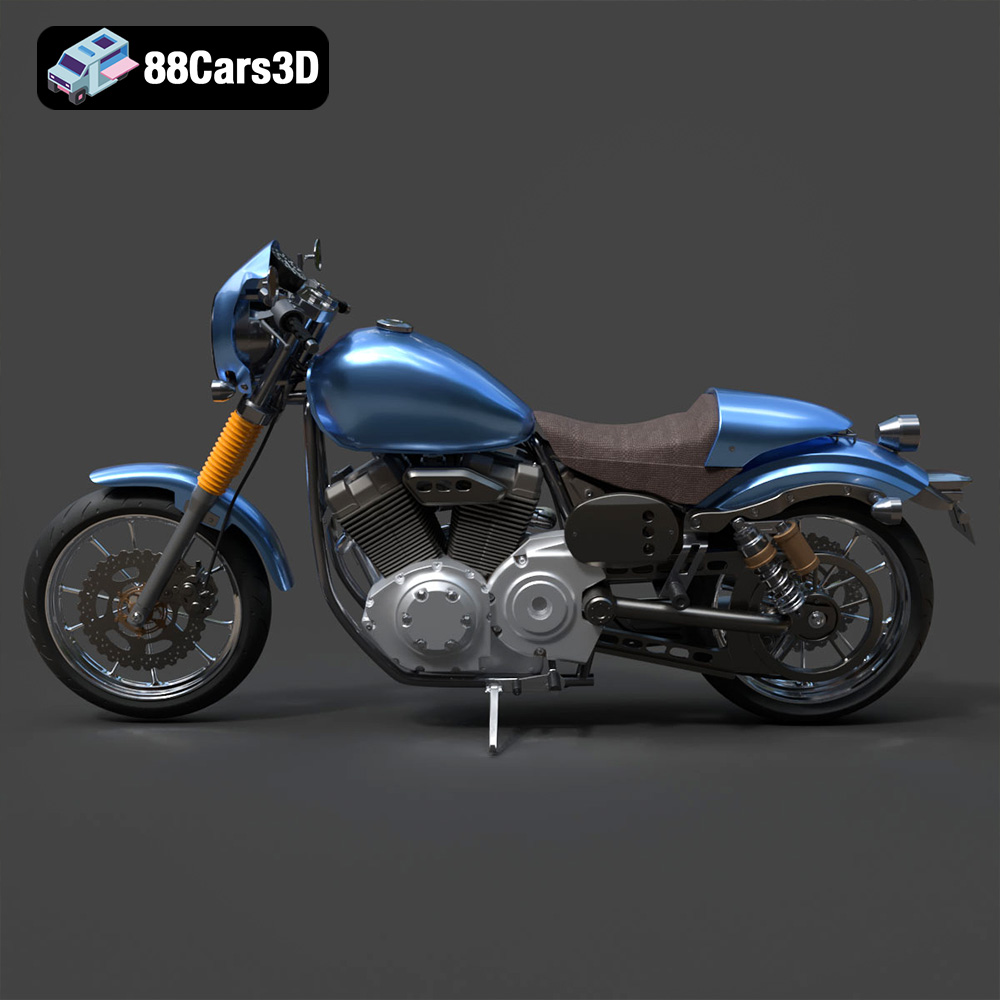
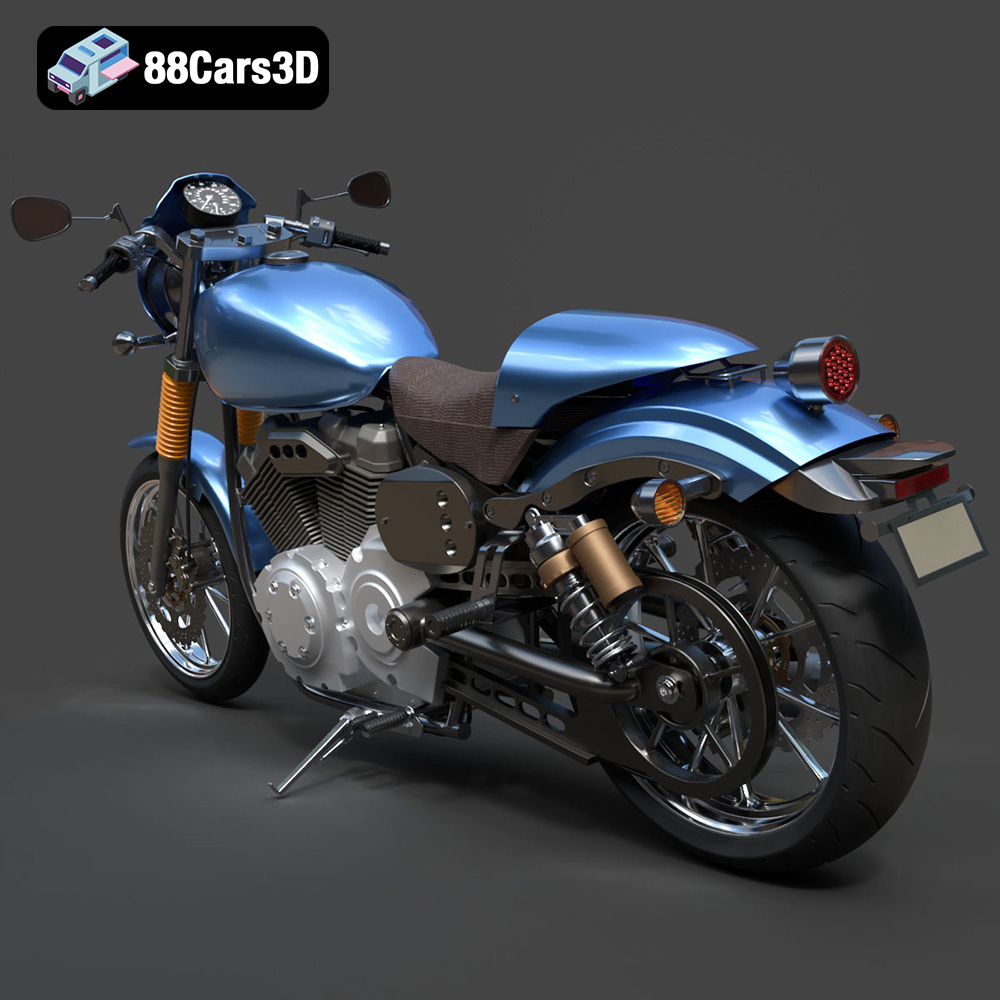
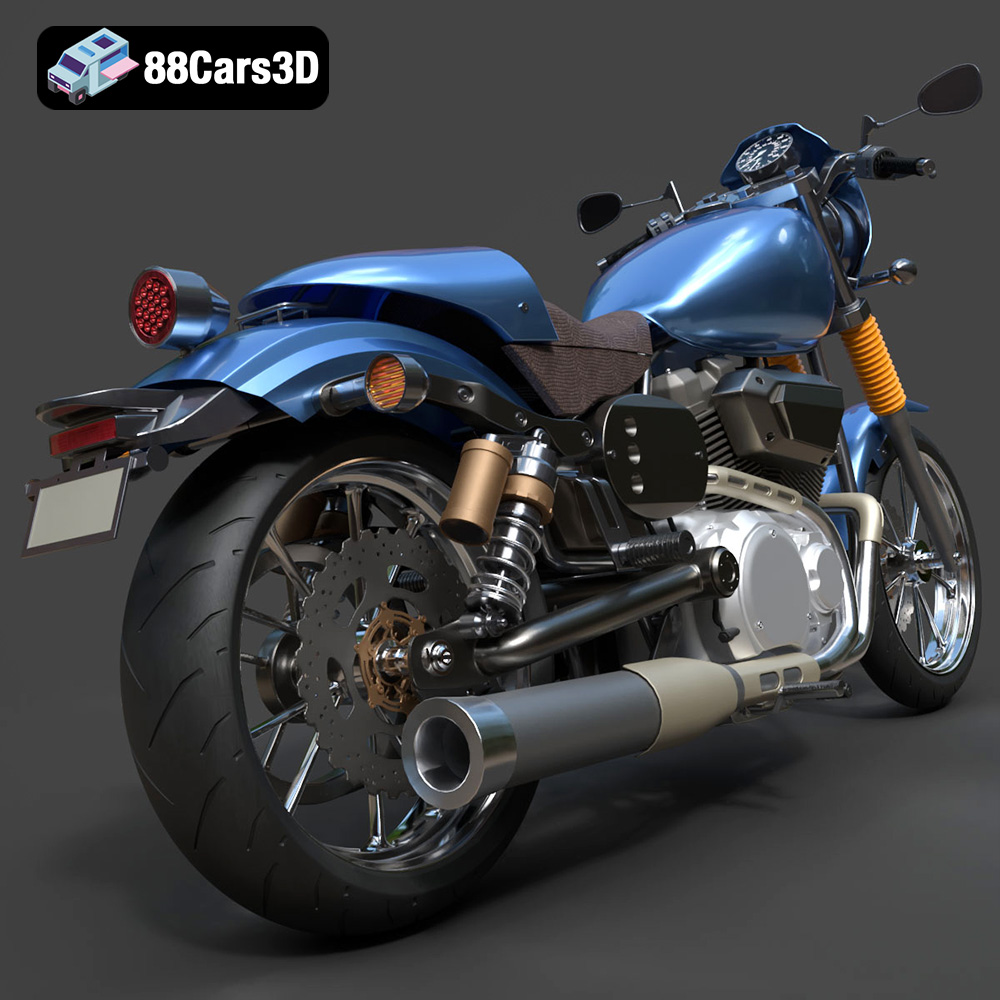
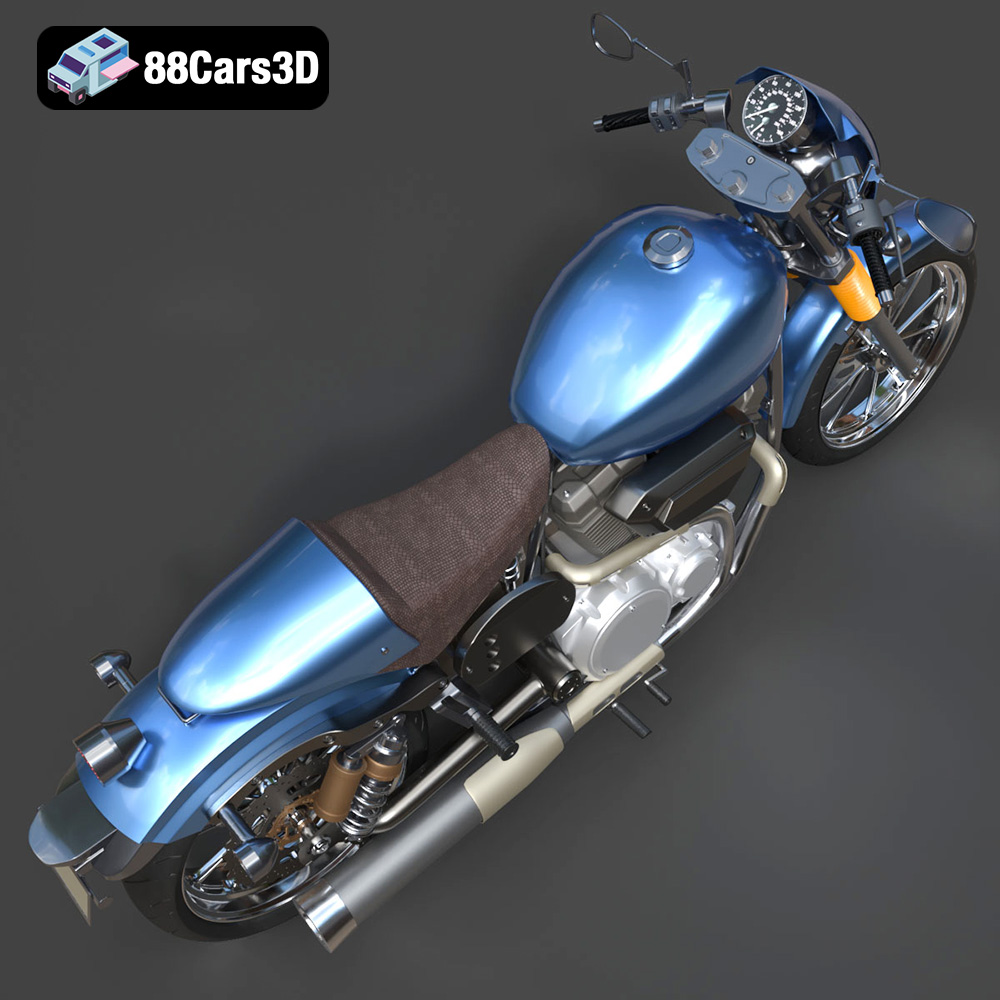
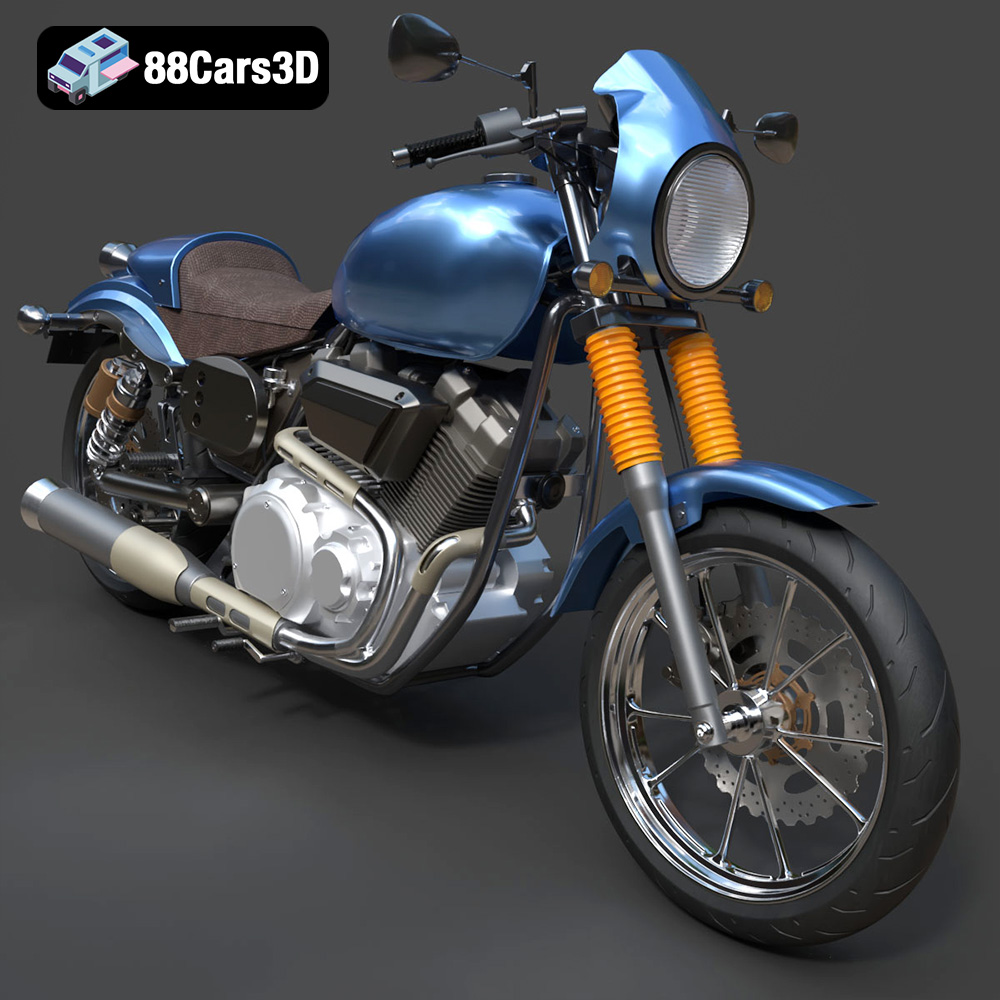
Today, we delve into the intricate process of creating and utilizing these sophisticated assets, specifically focusing on a prime example of digital craftsmanship: the Yamaha XV950 Racer 3D Model. This exceptional model perfectly encapsulates the blend of classic cafe-racer heritage with modern V-twin cruiser performance, all meticulously translated into a digital format. Known for its aggressive riding posture and stripped-down aesthetic, the real bike boasts a muscular 942cc air-cooled engine, a distinctive front mini-cowl, and swept-back exhaust lines – details that are faithfully reproduced in its 3D counterpart. Such a model from 88cars3d.com isn’t merely a visual representation; it’s a versatile tool designed to excel in everything from high-fidelity rendering to demanding real-time game engines, and even as a foundation for physical 3D prints. Understanding the technical depth behind such an asset is crucial for anyone looking to elevate their projects in automotive rendering, game development, or interactive visualization.
Navigating the diverse landscape of 3D software and applications requires a fundamental understanding of the various file formats used to package and transfer 3D models. Each format is designed with specific use cases, compatibility, and technical advantages in mind. Choosing the right format for a project, such as working with the Yamaha XV950 Racer 3D Model, is critical for seamless integration and optimal performance.
The .blend file format is native to Blender, the powerful open-source 3D creation suite. When you download a .blend file, you’re getting a fully editable Blender scene. This means it includes not just the mesh data, but also materials, textures, lighting setups, cameras, animation data, and even physics simulations if they were part of the original scene. For artists deeply integrated into the Blender workflow, the .blend format offers unparalleled flexibility for customization, rigging, animation, and further optimization. It’s the go-to for designers who want to dive deep into the model’s construction, make extensive modifications, or integrate it into a complex Blender project.
.fbx (Filmbox) is arguably the most widely adopted proprietary file format for 3D data exchange, developed by Autodesk. Its strength lies in its ability to store a comprehensive range of 3D data, including geometry, materials, textures, animations, skinning, and camera information, while maintaining a relatively small file size. This makes .fbx the ideal choice for transferring 3D car models and game assets between different software packages like 3ds Max, Maya, Blender, and directly into real-time engines such as Unreal Engine and Unity. For the Yamaha XV950 Racer, an .fbx file ensures that all its game-ready optimizations, proper pivot setups, and material assignments translate effectively into your game development pipeline.
The .obj (Wavefront OBJ) format is a simple, universal 3D data format that primarily stores geometry (vertices, normals, texture coordinates) and group information. It’s an excellent choice for cross-software compatibility when the primary concern is mesh data. While it can reference external material files (.mtl) for basic shading, it doesn’t store animation or advanced scene data. For artists needing a clean mesh to work with across various 3D applications or for import into less common software, .obj provides a robust, widely supported foundation. The Yamaha XV950 Racer in .obj format offers a clean slate for custom texturing or rendering in specialized engines.
.glb (GLB format for GL Transmission Format) is an efficient, compact format designed specifically for the transmission and loading of 3D scenes and models in web and real-time applications. It encapsulates everything a 3D model needs – geometry, materials, textures, and animation – into a single binary file. This makes it incredibly easy to use for AR (Augmented Reality), VR (Virtual Reality), and browser-based 3D displays, offering faster loading times and simpler deployment compared to multi-file formats. For showcasing the Yamaha XV950 Racer in a virtual showroom or an interactive web experience, .glb is the format of choice.
.stl (Stereolithography) is the de facto standard for 3D printing. It represents a 3D model as a series of connected triangles, defining only the surface geometry of an object without color, texture, or other CAD attributes. While simple, its universal acceptance makes it indispensable for additive manufacturing. Converting the Yamaha XV950 Racer 3D model to .stl allows hobbyists and professionals to physically manifest the digital design, albeit with an understanding of necessary scale and print settings.
.ply (Polygon File Format or Stanford Triangle Format) is a versatile format for storing 3D data from 3D scanners, CAD systems, and other sources. It can store a variety of properties including color, transparency, normals, texture coordinates, and even reliability information for each vertex and face. It’s often used in academic and research settings for its precision and flexibility, especially for meshes with complex data or for scientific visualization. While less common for everyday asset exchange, it serves a niche for detailed analysis or specific rendering pipelines.
The .unreal designation implies an asset specifically structured and optimized for direct integration into Unreal Engine projects. While often derived from .fbx, an “Unreal-ready” asset has typically undergone specific processes within Unreal Engine, such as proper scaling, collision setup, material instance creation, and level of detail (LOD) generation, ensuring it performs optimally within the engine’s ecosystem. This format streamlines the workflow for game developers using the Yamaha XV950 Racer as a core game asset, minimizing setup time and maximizing performance.
Similar to .blend for Blender, .max is the native file format for Autodesk 3ds Max, a leading software for 3D modeling, animation, and rendering. A .max file contains the complete scene data, including all models, materials, textures, lighting, cameras, animation keyframes, and plugins used in the project. For users of 3ds Max, this format provides the most comprehensive and editable version of the Yamaha XV950 Racer, allowing for advanced rendering setups, complex animations, or integrating the model into elaborate architectural visualizations.
The availability of the Yamaha XV950 Racer in all these diverse formats from 88cars3d.com underscores its incredible versatility and adaptability across virtually any 3D workflow, providing artists and developers the freedom to choose the best tool for their specific project.
Creating a premium 3D model like the Yamaha XV950 Racer is a blend of artistic vision and rigorous technical execution. It requires a deep understanding of the real-world vehicle, meticulous attention to detail, and a strategic approach to optimizing the digital asset for a multitude of applications.
The foundation of any high-quality 3D model is its accurate geometry. For the Yamaha XV950 Racer, this means replicating the bike’s aggressive cafe-racer proportions and distinctive lines with unwavering precision. From the authentic dual-shotgun style exhaust system with its heat shields to the classic round headlight nestled within its signature mini front cowl, every curve and angle must reflect the original design. The model features a detailed 942cc air-cooled V-twin engine block, complete with sculpted cooling fins, showcasing the level of commitment to true-to-life detail. High-detail cast alloy wheels with treaded street tires and the piggyback twin rear shock suspension setup further enhance the realism, ensuring that whether viewed up close or from a distance, the digital model faithfully represents its real-world counterpart. This meticulous approach ensures the model isn’t just visually appealing but also structurally sound for various digital manipulations.
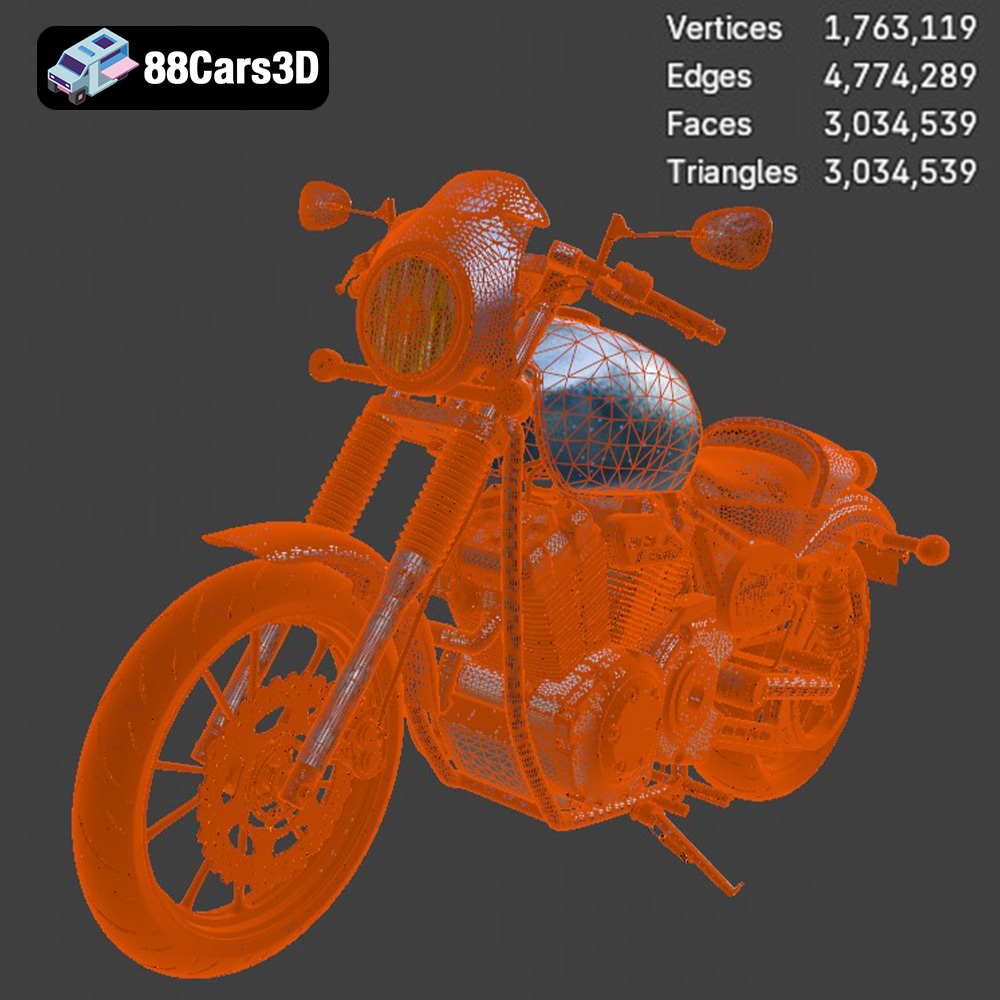
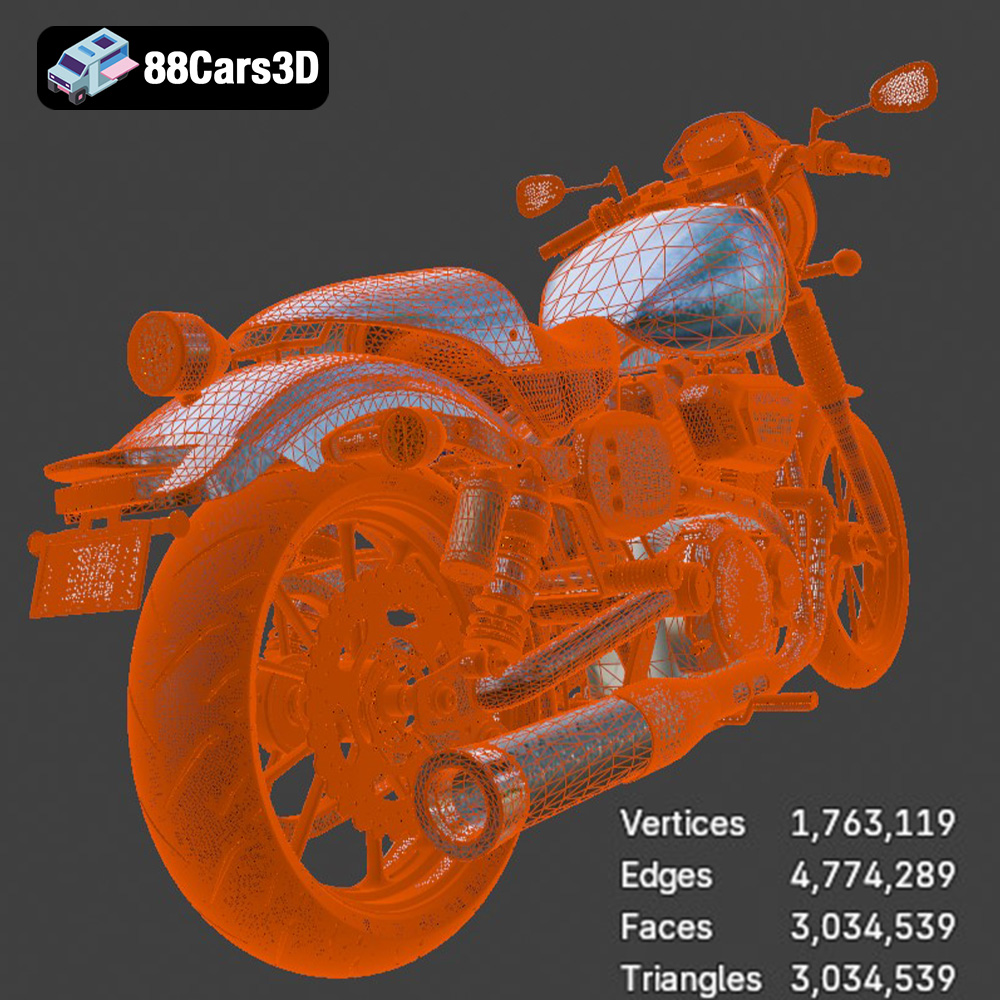
One of the critical technical advantages of this model is its highly optimized topology. In 3D modeling, topology refers to the arrangement of vertices, edges, and faces that form the surface of an object. A “clean” or “optimized” topology is crucial for several reasons:
This balance between visual fidelity and performance is a hallmark of truly professional 3D car models and game assets, making it exceptionally versatile.
Beyond static representation, a truly functional 3D vehicle model needs to be ready for interaction and animation. The Yamaha XV950 Racer 3D model is designed with this in mind:
The versatility of a well-crafted 3D model truly shines when it can be seamlessly integrated into diverse professional workflows. The Yamaha XV950 Racer 3D model, with its robust design and multiple file formats, is an exemplary asset for a range of industries.
For game developers, performance and visual quality are in a constant tug-of-war. The Yamaha XV950 Racer model is explicitly designed as a game-ready asset, making it ideal for various gaming applications:
Augmented Reality (AR) and Virtual Reality (VR) demand highly optimized assets that can render interactively on various devices, from high-end VR headsets to mobile phones. The Yamaha XV950 Racer model is perfectly suited for these cutting-edge applications:
For marketing, advertising, and product visualization, photorealism is paramount. The Yamaha XV950 Racer 3D model provides a high-fidelity base for stunning visual content:
In the dynamic world of game development and real-time visualization, the mantra is “performance without compromise.” The Yamaha XV950 Racer 3D Model is engineered precisely with this principle in mind, making it a standout asset for demanding interactive environments.
One of the core challenges in creating game assets is finding the sweet spot between a visually rich model and one that runs efficiently. The Yamaha XV950 Racer model’s technical specifications proudly state an optimized approximate 130,000 triangle count. This is a deliberate and well-considered figure. For context, while high-polygon models used in film can easily exceed millions of triangles, real-time engines need models with a much lower count to maintain fluid frame rates, especially when dozens or hundreds of such assets are present in a scene. A count around 130k triangles allows for intricate details like the engine’s cooling fins, tire treads, and cockpit instrumentation to be clearly visible without taxing the GPU. This “game-ready” optimization means developers spend less time manually reducing polygon counts or generating LODs (Levels of Detail), accelerating their production pipeline significantly.
Modern real-time rendering achieves photorealism largely through Physically Based Rendering (PBR) workflows. PBR materials accurately simulate how light interacts with surfaces in the real world, based on properties like albedo (color), roughness, metallicness, and normal maps. While not explicitly detailed in the product description, a model of this caliber designed for “high-end visual realism” and “game-ready” status implies the inclusion or easy adaptation to PBR textures. This means the metallic sheen of the exhaust, the subtle reflections on the tank, and the matte finish of certain plastic components will render accurately and consistently across different lighting conditions and game engines. Artists using Blender, 3ds Max, Unreal Engine, or Unity can readily apply or adjust PBR texture sets to achieve stunning results.
Beyond static appearance, the functionality of a vehicle model in an interactive environment hinges on its technical setup. The Yamaha XV950 Racer model benefits from:
The utility of a robust 3D model extends far beyond digital screens. For enthusiasts, collectors, and even professional designers, the ability to translate a digital asset into a physical object via 3D printing offers a unique form of interaction and appreciation. The Yamaha XV950 Racer 3D model, provided in formats like .stl and .ply, is primed for this transition.
The .stl format, while simplistic in its data structure, is the cornerstone of 3D printing. It represents the motorcycle’s geometry as a triangulated mesh, a universally understood language for 3D printers. Converting the Yamaha XV950 Racer to .stl allows hobbyists to download the file and send it directly to their printer. However, successful 3D printing requires more than just the right file format; it demands careful consideration of print settings to achieve the best results.
To ensure a high-quality physical reproduction of the Yamaha XV950 Racer, specific print parameters are recommended:
Once printed, the journey isn’t over. Post-processing is key to transforming a raw print into a display-worthy replica. This includes removing supports, sanding down any imperfections or layer lines, and applying primer for a smooth, uniform base. The final touch involves painting with authentic factory colors and metallic finishes to truly capture the essence of the real Yamaha XV950 Racer. This tactile engagement with a digital asset, enabled by precise 3D modeling from sources like 88cars3d.com, adds another dimension to its value.
The value of a premium 3D model extends beyond its initial form. True professional assets are built with future customization and adaptability in mind, ensuring they remain relevant and useful across evolving projects and technological advancements. The Yamaha XV950 Racer 3D Model exemplifies this flexibility.
A high-quality 3D model provides artists and developers with an unprecedented level of creative control. For the Yamaha XV950 Racer, this translates into numerous customization options:
These customization capabilities are vital for ensuring the model remains fresh and relevant through multiple projects, saving significant time and resources compared to creating new assets from scratch.
Investing in a high-quality 3D asset like the Yamaha XV950 Racer from 88cars3d.com is a step towards future-proofing your digital projects. Here’s why:
By providing a thoroughly engineered and highly adaptable asset, 88cars3d.com empowers creators to focus on their vision, knowing their foundational 3D motorcycle model is ready for whatever the future of digital content creation holds.
The journey through the intricate world of premium 3D car models and game assets reveals a profound blend of artistic precision and technical ingenuity. The Yamaha XV950 Racer 3D Model stands as a testament to this, offering an exceptional digital replica that transcends mere aesthetics. We’ve explored how its meticulous craftsmanship, optimized topology, and versatile file formats make it an indispensable asset for a myriad of applications, from driving immersive experiences in game development and AR/VR, to crafting photorealistic automotive rendering scenes, and even producing tangible display pieces through 3D printing.
Understanding the nuances of file formats like .blend, .fbx, .obj, .glb, .stl, .ply, .unreal, and .max is critical for any professional navigating the 3D landscape. Each format serves a unique purpose, ensuring seamless integration and optimal performance within specific workflows. The Yamaha XV950 Racer model, with its comprehensive suite of included formats, truly empowers creators to choose the right tool for every job, minimizing friction and maximizing creative output.
Ultimately, a high-quality 3D model is more than just data; it’s an investment in efficiency, flexibility, and creative potential. For those seeking to elevate their projects with technically sound, visually stunning 3D motorcycle models and game assets, the Yamaha XV950 Racer available at 88cars3d.com offers a robust and future-proof solution.
The Yamaha XV950 Racer is a stunning motorcycle that beautifully merges classic cafe-racer heritage with modern V-twin cruiser performance. Known for its aggressive riding posture and stripped-down aesthetic, this bike boasts a muscular 942cc air-cooled engine, a distinctive front mini-cowl, and swept-back exhaust lines that capture the essence of retro-modern custom culture. This premium 3D model is meticulously crafted with highly optimized topology, striking the perfect balance between high-end visual fidelity and real-time performance. Designed to be fully game-ready, it features clean geometry and a polycount tailored for modern game engines, making it an exceptional asset for interactive applications, AR/VR experiences, and professional CGI rendering. Perfect for urban street-racing games, custom motorcycle configurators, realistic virtual showrooms, and lifestyle rendering scenes.
$19.99
.blend
.cruiser
.fbx
.glb
.max
.motorcycle
.obj
.ply
.rendering
.stl
.unreal
.yamaha
cafe-racer
game asset
game-ready
low-poly
motorcycle-3d-model
optimized
VR/AR
xv950-racer