Get 20% OFF All Premium 3D & STL Models!

In the rapidly evolving landscape of digital content creation, the demand for exceptionally realistic and technically robust 3D assets has never been higher. From the shimmering chrome of automotive advertising to the immersive worlds of next-generation video games, precision and fidelity are paramount. Professionals across industries rely on meticulously crafted digital twins to bring their visions to life, ensuring every detail, every curve, and every material interaction is flawlessly replicated.
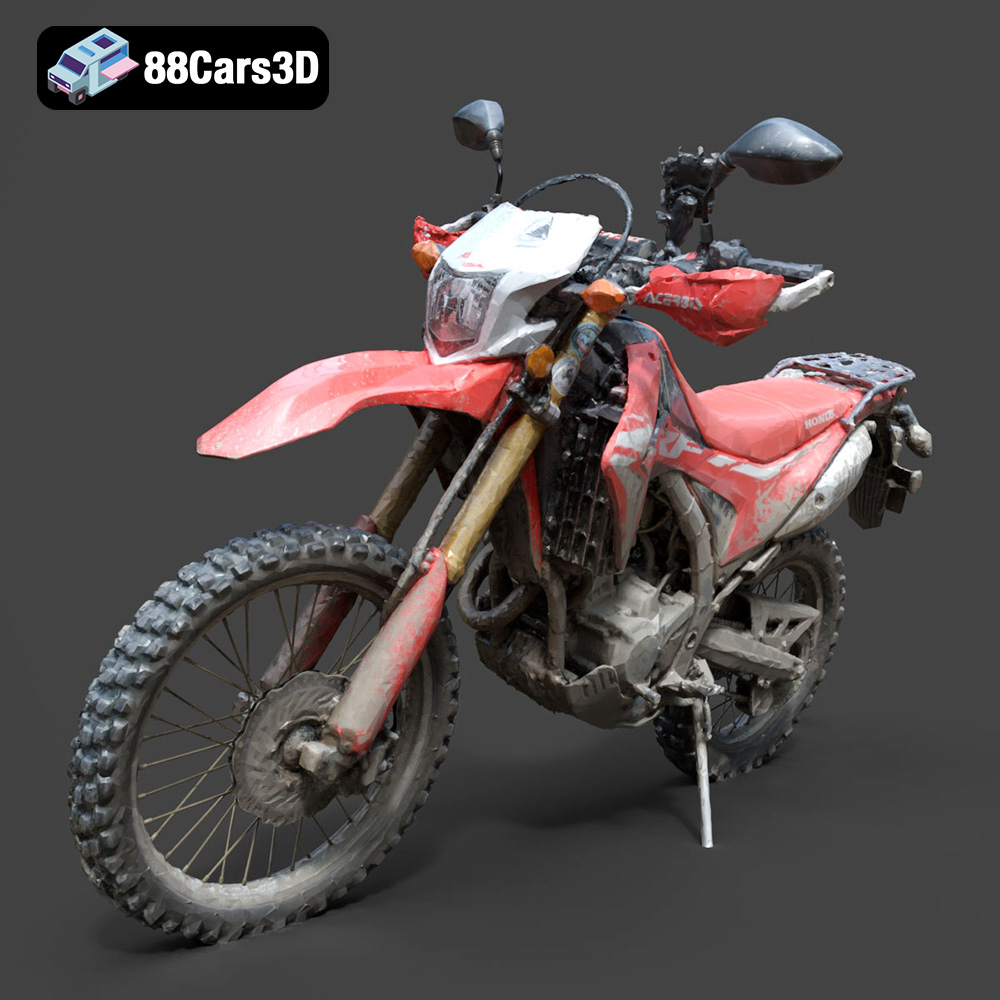
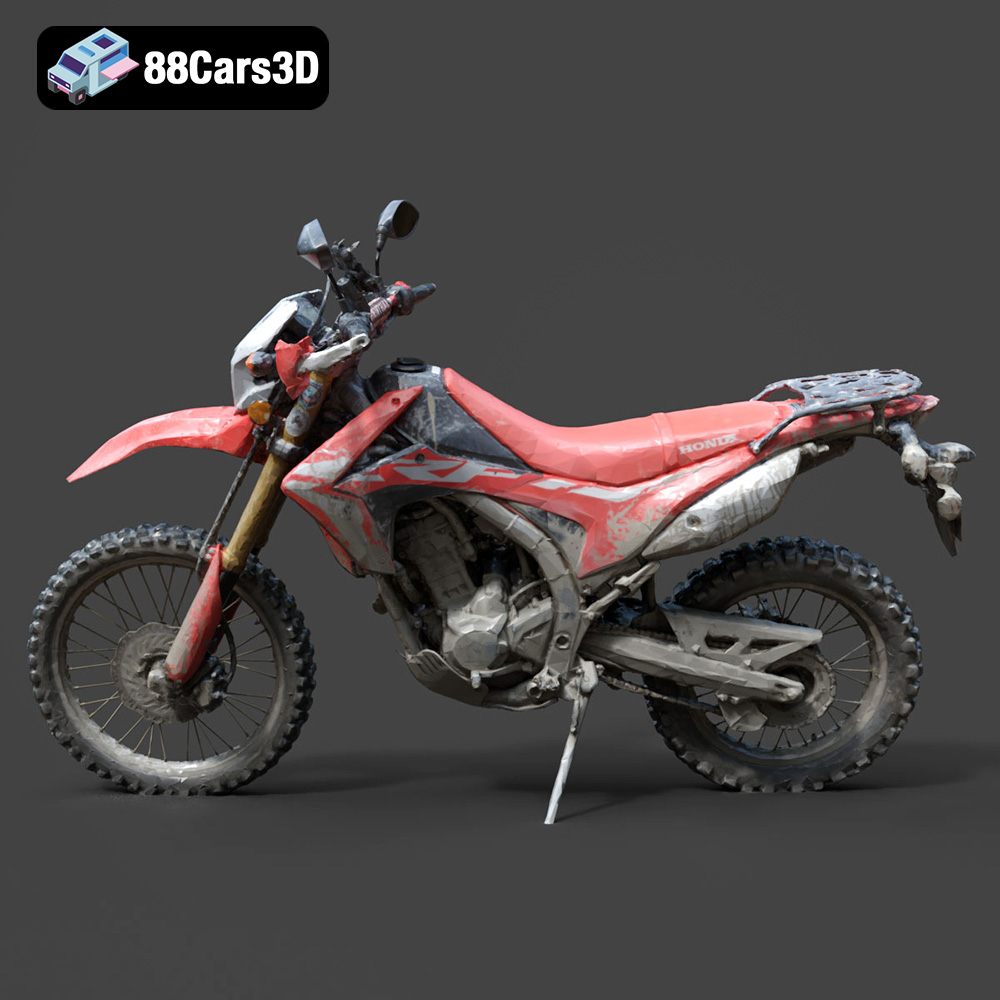
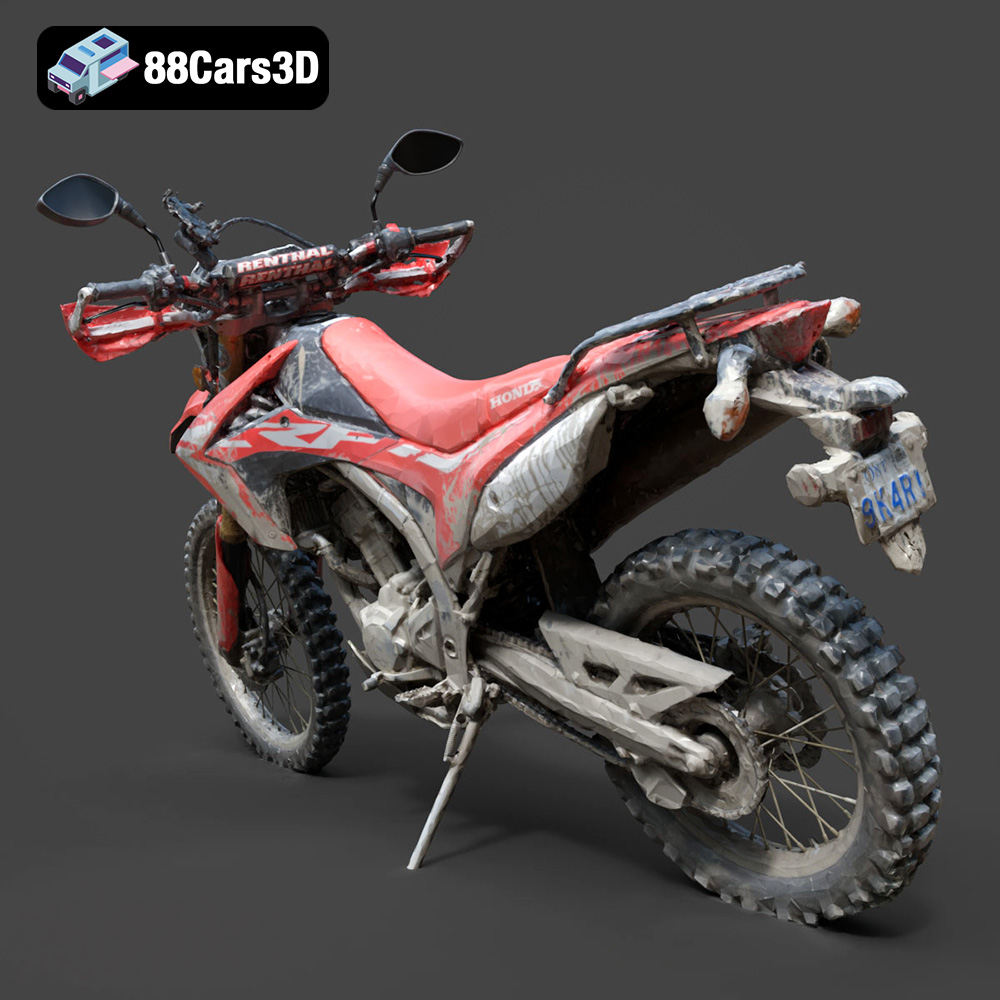
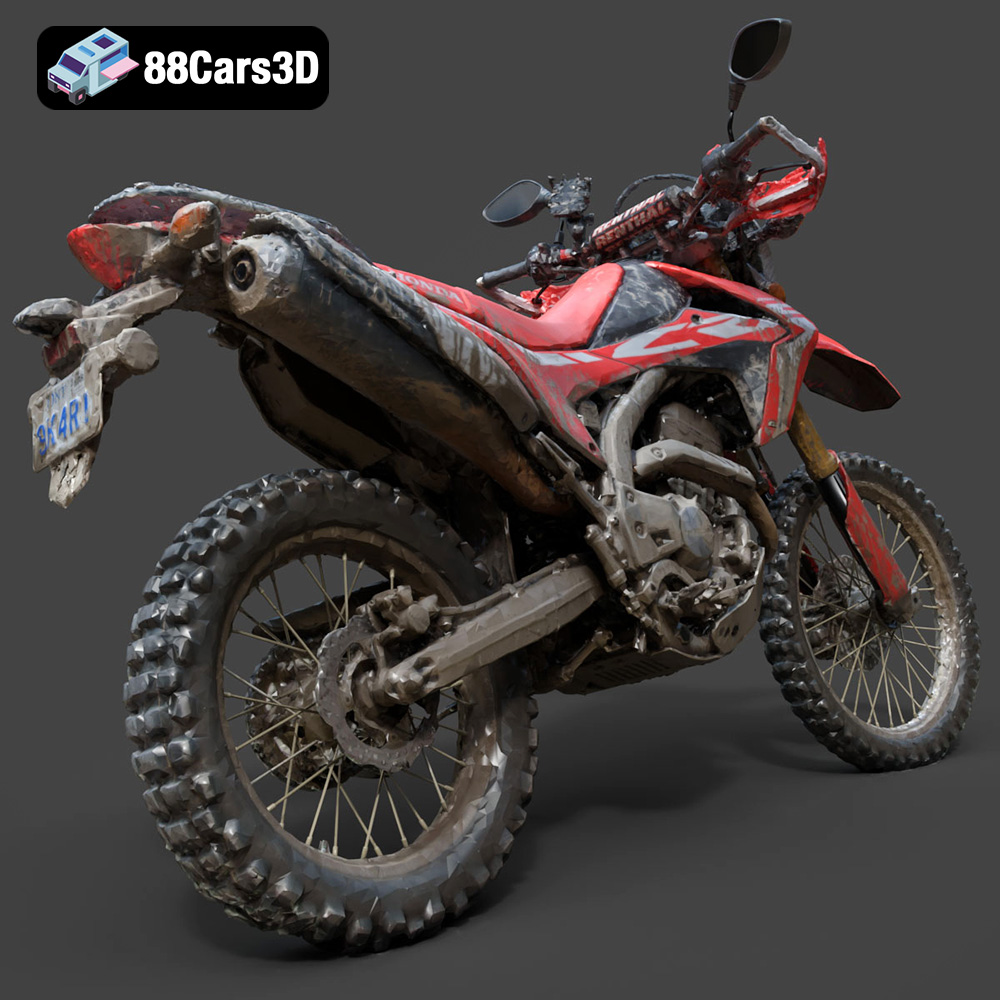
This pursuit of perfection underpins the development of assets like the Honda Motorcycle-001 3D Model. More than just a digital representation, it embodies a commitment to engineering accuracy and aesthetic excellence, making it an invaluable tool for designers, artists, and developers. Whether you’re aiming for photorealistic renders, seamless game integration, or detailed AR/VR experiences, the quality of your base assets dictates the ultimate success of your project.
High-fidelity 3D models are not merely visually appealing; they are the bedrock upon which professional digital projects are built. Their importance extends far beyond aesthetics, impacting performance, versatility, and the very integrity of the final product. Investing in superior quality 3D car models and vehicle assets means investing in efficiency and unparalleled results.
For automotive rendering and powersports visualization, accuracy is non-negotiable. Clients in these industries demand digital representations that are indistinguishable from their real-world counterparts. A high-fidelity model, such as the Honda Motorcycle-001 3D Model, features precise geometric details, accurate proportions, and realistic material definitions. This level of detail allows for stunning marketing materials, compelling product showcases, and interactive configurators that truly capture the essence of the vehicle. It means being able to zoom in on brake calipers, examine tire treads, or appreciate the subtle reflections on polished surfaces without any loss of quality.
In game development, the line between reality and simulation blurs with each passing generation. Players expect environments and vehicles that feel tangible and behave predictably. High-quality game assets, particularly for vehicles, are critical for achieving this immersion. Models with optimized polygon counts, clean UV mapping, and well-structured materials ensure smooth performance while delivering visual richness. They allow game engines to render complex scenes efficiently, providing a fluid and believable experience. Without well-made 3D car models and motorcycles, even the most advanced game engine struggles to produce compelling visuals.
Beyond visual appeal, accurate 3D models are fundamental for technical visualization, simulation, and augmented/virtual reality applications. For engineers, architects, or training specialists, a model’s underlying data structure is as important as its surface appearance. Models with clean topology and real-world scale can be used for physics simulations, stress analysis, or interactive training modules where precise spatial understanding is crucial. In AR/VR, where objects are overlaid onto the real world or inhabit fully virtual spaces, performance and realism are directly tied to the technical quality of the 3D assets. The detailed construction of the Honda Motorcycle-001 3D Model ensures it can serve as a reliable digital twin for these demanding applications.
Navigating the diverse world of 3D software and engines requires a thorough understanding of file formats. Each format has its strengths, ideal use cases, and specific technical considerations. Selecting the correct format for your workflow is crucial for maintaining model integrity, optimizing performance, and ensuring seamless interoperability. The Honda Motorcycle-001 3D Model, available on 88cars3d.com, offers a comprehensive suite of these industry-standard formats, providing maximum versatility for professionals.
The .blend format is Blender’s native file type, storing an entire Blender scene with all its data: meshes, materials, textures, lighting, cameras, animations, physics simulations, and more. When you receive a .blend file for a 3D model, you’re getting a fully editable project, often with a professional lighting and rendering setup already configured. This allows for deep customization, adjustments to materials, geometry, or animation directly within Blender. It’s ideal for artists who primarily work in Blender or need to make significant modifications to the asset before export to other platforms.
FBX (Filmbox) is a proprietary file format developed by Autodesk, widely adopted for its excellent compatibility between various 3D software packages and, crucially, game engines like Unreal Engine and Unity. It efficiently stores not just geometry and materials, but also animations, rigs, and camera data. The .fbx format is often the go-to for exporting game assets due to its robust support for skeletal animations and blend shapes, making it perfect for dynamic interactive experiences. While versatile, users should be aware of version compatibility and potential export/import settings to ensure all data translates correctly.
OBJ (or .obj) is one of the oldest and most widely supported 3D file formats, making it a universal choice for basic geometry transfer between almost any 3D software. It stores mesh data (vertices, UV coordinates, normals, and faces) and can reference external .mtl (material) files for basic material properties. While it doesn’t support advanced features like rigging, animation, or complex material networks, its simplicity and widespread compatibility make it invaluable for static mesh exports and foundational cross-software collaboration. When you need to ensure a model can open virtually anywhere, .obj is a reliable fallback.
GLB (Binary glTF) is the binary version of the glTF (Graphics Language Transmission Format) standard. It’s an open-standard, royalty-free specification for the efficient transmission and loading of 3D scenes and models by applications. GLB files are highly optimized for web-based 3D content, augmented reality (AR), and virtual reality (VR) applications due to their compact size and single-file nature (embedding textures and other data). This format is designed for performance and ease of integration into browser-based viewers and XR platforms, making it ideal for interactive product showcases or AR filters.
STL (STereoLithography) is the de facto standard file format for 3D printing and rapid prototyping. It represents a 3D model as a series of connected triangles, describing only the surface geometry of the object without color, texture, or other CAD attributes. While simple, its universal acceptance by 3D printers and slicing software makes it indispensable for anyone looking to bring a digital design into the physical world. The Honda Motorcycle-001 3D Model, available in .stl, means it’s ready for prototyping or creating physical replicas.
PLY (Polygon File Format) is another format that describes 3D objects as a list of polygons, but it can also store more detailed information than .obj or .stl, such as color, transparency, surface normals, and even data from 3D scanners. It’s often used in scientific and engineering applications for storing 3D scan data or for models where precise vertex attributes are critical for analysis. For technical visualization or models derived from real-world scans, .ply offers a robust data container.
Specifically designed for Unreal Engine users, the .unreal format (often referring to a pre-packaged asset or project file) means the model is already optimized and configured for the engine. This can include proper scaling, collision setups, material instances, and even blueprint integrations. For developers working within the Unreal ecosystem, this format significantly reduces setup time and ensures immediate usability, providing an “engine-ready” asset that performs flawlessly within the Unreal environment without requiring extensive import and configuration processes.
The .max format is the native file type for Autodesk 3ds Max, a powerful 3D modeling, animation, and rendering software widely used in architectural visualization, product design, and cinematic production. Like .blend, a .max file contains the entire scene data, including complex material networks, lighting rigs, render settings, and animation timelines. This format offers maximum flexibility for professionals who use 3ds Max, allowing them to fully utilize the model’s layers, modifiers, and intricate setups for high-end rendering and animation projects.
The Honda Motorcycle-001 3D Model exemplifies the pinnacle of digital asset creation. It is engineered not just for visual appeal, but for comprehensive utility across the most demanding professional pipelines. This isn’t just a model; it’s an authoritative digital twin designed to perform under scrutiny.
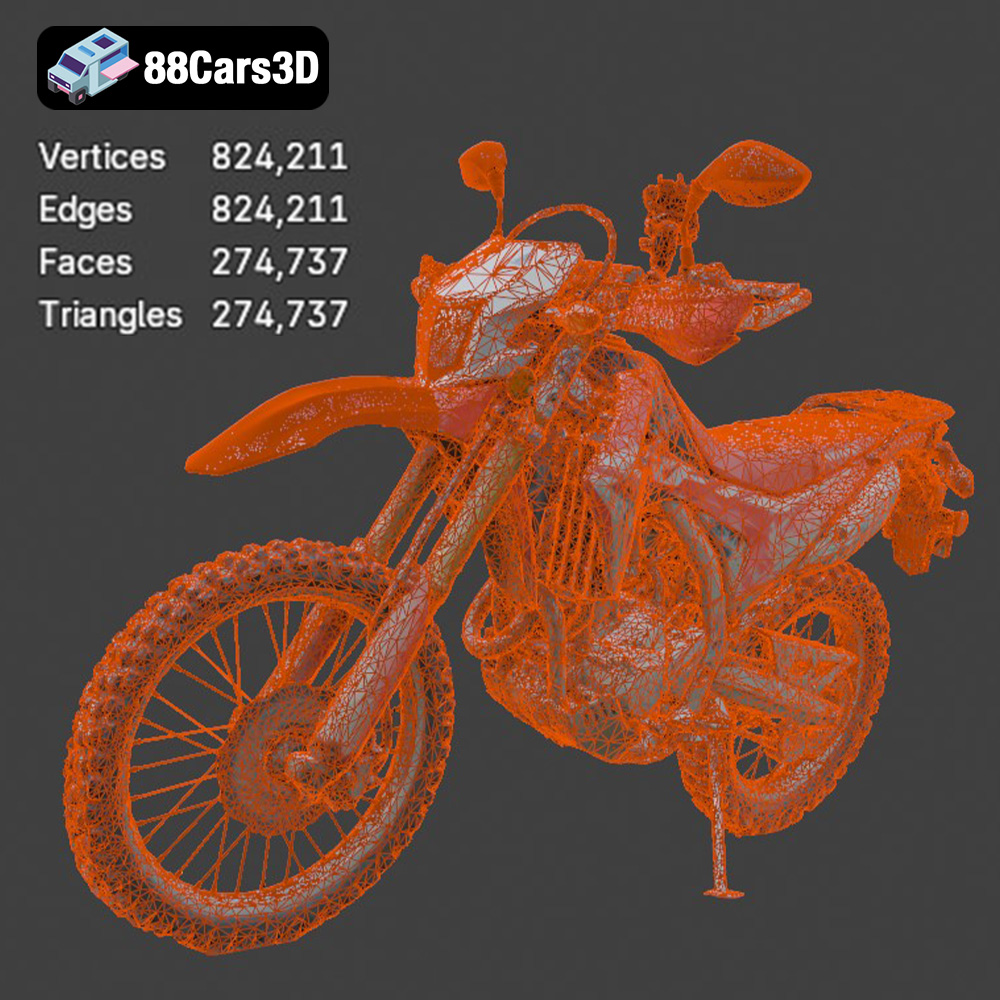
At its core, the model boasts clean geometry and accurate topological structuring. This means the mesh is organized efficiently with an optimal polygon count, ensuring a balance between detail and performance. Edges flow logically, supporting smooth subdivision and deformation, which is critical for animation or close-up renders where surface imperfections would be glaring. Every component, from the engine block to the brake levers, has been individually modeled with precision, reflecting the real-world engineering of the Honda motorcycle. This meticulous approach prevents artifacts, provides stable reflections, and makes the model easy to edit or customize if needed.
A 3D model’s realism is heavily reliant on its materials. The Honda Motorcycle-001 3D Model features realistic materials designed for Physically Based Rendering (PBR) workflows. This means the textures and shaders accurately mimic how light interacts with surfaces in the real world – whether it’s the metallic sheen of chrome, the matte finish of plastic, or the subtle reflectivity of rubber. PBR materials ensure consistent visual fidelity across different rendering engines and lighting conditions, making the model look superb in various environments, from a brightly lit studio setup to a dynamic outdoor scene. The professional-grade setup includes finely tuned parameters for roughness, metallicness, normal maps, and diffuse textures, delivering an authentic appearance.
Versatility is key for professional assets. The Honda Motorcycle-001 3D Model is engineered for a wide array of uses, from striking cinematic rendering to immersive AR/VR experiences and advanced game development. Its robust construction ensures it performs exceptionally well whether viewed in macro close-ups, where every bolt and weld needs to hold up to scrutiny, or in wide dynamic shots where overall silhouette and realistic reflections are paramount. This adaptability stems from its clean structure, optimized materials, and comprehensive file format support, allowing it to seamlessly integrate into virtually any digital pipeline.
The true value of a high-quality 3D asset like the Honda Motorcycle-001 3D Model lies in its seamless integration into diverse professional workflows. Understanding how to leverage these assets within popular software environments is crucial for maximizing efficiency and achieving superior results across various projects, from automotive rendering to game asset development.
For professionals using Autodesk 3ds Max, the .max file provided with the Honda Motorcycle-001 3D Model offers the highest level of flexibility and detail. In architectural visualization (Arch-Viz) or cinematic rendering, where photorealism is paramount, artists can directly open the scene, which often comes with pre-configured materials, lighting, and camera setups. They can then integrate the motorcycle into complex scenes, adjust materials using advanced renderers like V-Ray or Corona, and fine-tune lighting to match specific environments. The clean topology allows for easy application of modifiers or further detailing without introducing artifacts, making it perfect for high-resolution stills or animation sequences for marketing and product showcases.
Blender users benefit from the dedicated .blend file, providing access to the model’s native setup. This is particularly advantageous for customization, as artists can easily modify geometry, re-texture components, or even rig the motorcycle for complex animations. For instance, an artist could animate the suspension, steering, or even individual chain links to create dynamic action sequences. Blender’s robust sculpting and procedural texturing capabilities can be used to add unique wear and tear or specific design elements. The clean mesh of the Honda Motorcycle-001 3D Model ensures that these modifications can be performed efficiently, preserving the integrity of the original design.
In game development, especially with powerful platforms like Unreal Engine, efficient asset integration is critical. The .fbx and .unreal formats of the Honda Motorcycle-001 3D Model are game-engine ready, minimizing the setup time. Developers can import the .fbx directly into Unreal, where the PBR materials translate effectively. For an even more streamlined process, the .unreal asset can be dropped into a project, often coming with pre-configured collision meshes, material instances, and possibly even basic blueprint interactions. This allows for immediate use in driving simulations, racing games, or open-world environments, ensuring excellent visual fidelity and uncompromised performance crucial for smooth frame rates in real-time applications.
The versatility and technical quality of assets like the Honda Motorcycle-001 3D Model unlock a myriad of possibilities across various industries. From high-impact marketing to crucial training simulations, these 3D car models and vehicle assets are transforming how businesses operate and engage with their audiences.
Leading automotive brands constantly seek innovative ways to showcase their latest models. High-quality 3D assets enable them to create stunning, photorealistic images and animations before a physical prototype even exists. Imagine a global launch campaign featuring the Honda Motorcycle-001 rendered in diverse virtual environments – urban streets, mountain roads, or sleek studio backdrops – all without ever moving a physical bike. This saves immense costs and time associated with traditional photography and videography, offering unparalleled creative control. Interactive configurators built with such models allow potential buyers to customize colors, accessories, and view the bike from any angle, enhancing the pre-purchase experience significantly.
Augmented and Virtual Reality are transforming training and education. With a detailed 3D model like the Honda Motorcycle-001, technicians can undergo virtual maintenance training, exploring every component, practicing disassembly and reassembly in a safe, cost-effective environment. For consumers, AR applications could allow them to “place” the motorcycle in their driveway, examining its scale and aesthetics in their real-world setting before visiting a dealership. These immersive experiences are made possible by the optimized and accurate geometry of the model, which performs smoothly within AR/VR platforms, particularly with formats like .glb.
The gaming industry is a primary beneficiary of high-quality 3D assets. Racing games, open-world adventures, and even simulation titles demand vehicles that are visually compelling and technically sound. The Honda Motorcycle-001 3D Model, optimized as a game asset, can be integrated into virtual worlds, serving as a rideable vehicle, a static environmental prop, or part of a cinematic sequence. Its clean topology and PBR materials ensure it looks great under various lighting conditions, while its optimized mesh contributes to maintaining high frame rates, a critical factor for an enjoyable gaming experience.
Beyond digital displays, the .stl format included with the Honda Motorcycle-001 3D Model opens avenues for physical production. Designers and engineers can use this format for 3D printing scale models for design reviews, fitment tests, or even creating physical prototypes for functional testing. While the full fidelity of materials might not transfer, the accurate geometry provides a solid foundation for tangible representations, bridging the gap between digital design and physical manufacturing.
Choosing the appropriate 3D car models or vehicle assets is a pivotal decision that influences the entire production pipeline. It’s not just about finding a model; it’s about acquiring an asset that aligns with your technical requirements, artistic vision, and project budget. Quality and versatility should always be at the forefront of your selection process.
When evaluating 3D car models, scrutinize the core components. Examine the geometry for clean topology, optimal polygon density, and accurate proportions. Sub-par geometry can lead to rendering artifacts, difficult animations, and poor performance. For textures, confirm they are high-resolution, correctly mapped, and designed for PBR workflows, ensuring realistic material interactions. If animation is a goal, inquire about rigging – a well-constructed rig is essential for fluid movement and interaction. The Honda Motorcycle-001 3D Model, for instance, highlights clean geometry and realistic materials, signifying its professional-grade construction.
One of the most significant advantages of a premium 3D model is its availability in a comprehensive suite of file formats. This multi-format support ensures compatibility across diverse software and engines, future-proofing your investment and eliminating the need for complex conversions. A model available in .blend, .fbx, .obj, .glb, .stl, .ply, .unreal, and .max, like the Honda Motorcycle-001 3D Model, provides unparalleled flexibility for artists and developers working in different environments or with specific project requirements. This reduces headaches, saves time, and ensures a smooth workflow regardless of your preferred toolset.
For professionals seeking reliable, high-quality 3D car models and vehicle assets, platforms like 88cars3d.com stand out. They curate collections of meticulously crafted models, ensuring that each asset meets rigorous technical and artistic standards. By providing products like the Honda Motorcycle-001 3D Model with clean geometry, PBR materials, and extensive file format support, 88cars3d.com empowers creators to focus on their artistic vision rather than wrestling with subpar assets. This commitment to quality and versatility makes 88cars3d.com a trusted resource for enhancing any digital visualization, game development, or AR/VR project.
The journey from a concept to a compelling digital experience is paved with countless technical decisions, none more critical than the quality of your foundational 3D assets. In an era where visual fidelity dictates engagement, and performance impacts immersion, the demand for high-fidelity 3D car models and vehicle assets is constant. We’ve explored how meticulously crafted models contribute to everything from stunning automotive rendering and marketing campaigns to complex game asset development and interactive AR/VR training.
Understanding the nuances of various file formats, from the editable depth of .blend and .max to the real-time efficiency of .fbx and .unreal, is essential for professional workflows. Assets that offer a comprehensive range of these formats, coupled with clean geometry and PBR materials, provide unparalleled versatility and ensure seamless integration across diverse platforms.
The Honda Motorcycle-001 3D Model stands as a testament to this commitment to excellence. Its detailed construction, realistic materials, and wide format support make it an ideal choice for any demanding project requiring a precise and visually stunning digital twin. For artists, developers, and designers aiming to elevate their work with assets that offer both aesthetic brilliance and technical robustness, exploring premium collections on marketplaces like 88cars3d.com is a definitive step towards achieving unparalleled digital realism.
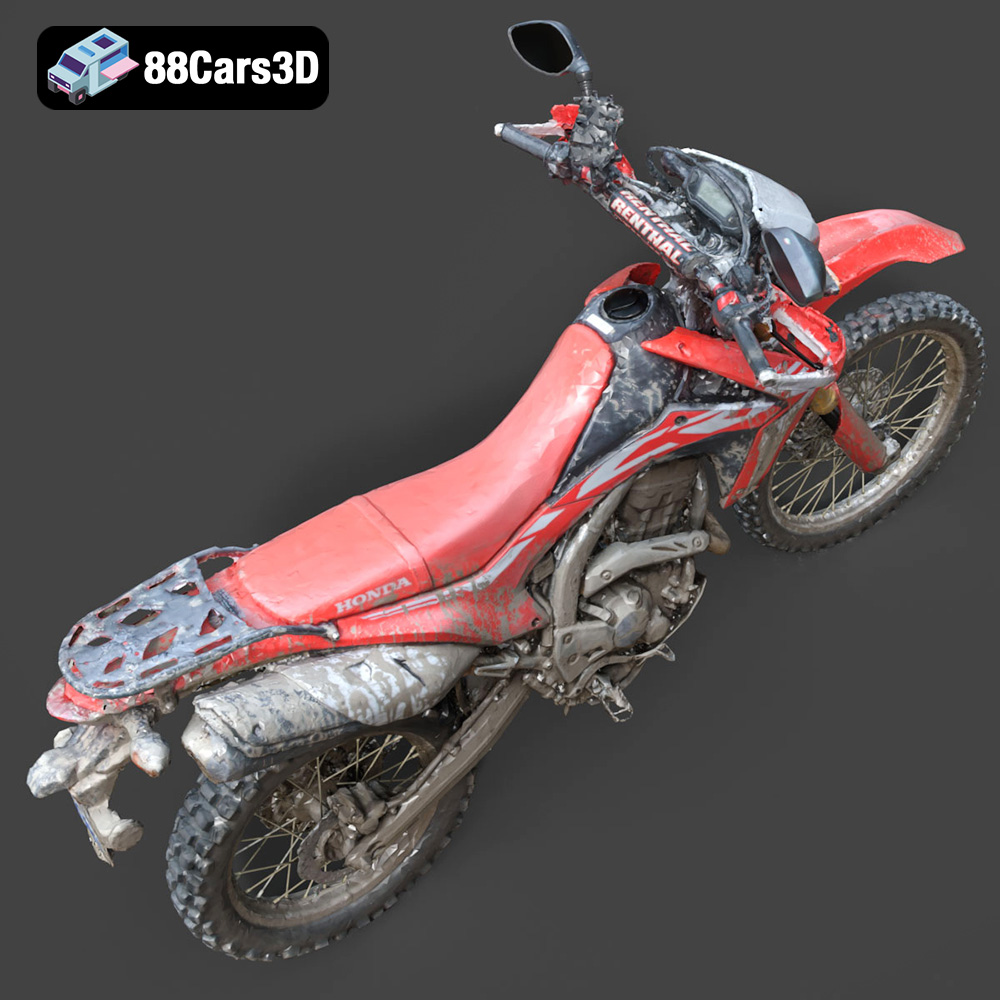
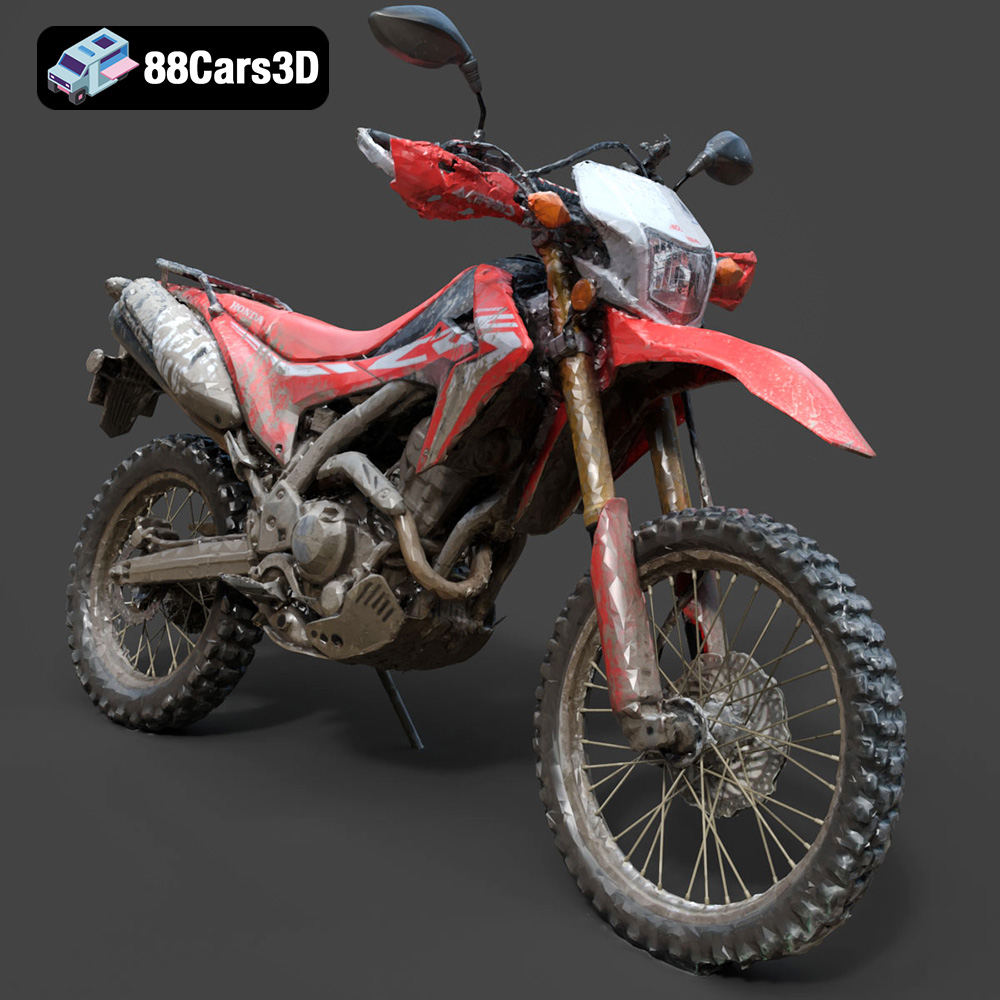
Experience an exceptional level of realism with the Honda Motorcycle-001 3D model. Meticulously constructed to capture the exact engineering, sleek aesthetic, and dynamic profile of this renowned motorcycle, it serves as an authoritative digital twin for demanding professional projects.
This model features clean geometry and accurate topological structuring, guaranteeing seamless integration into a wide range of digital pipelines. Boasting realistic materials, a professional grade setup, and meticulously modeled individual components, it stands as a reliable asset for both macro close-ups and wide dynamic shots.
Engineered for versatility, this asset is an ideal choice for advanced game development, striking cinematic rendering, immersive AR/VR environments, and technical visualizations. It delivers excellent visual fidelity and uncompromised performance across platforms.
Available in a comprehensive suite of industry-standard file formats to suit any workflow:
Tags: .honda, .motorcycle001, .motorcycle, .bike, .twowheeler, .streetbike, .car3dmodel, .rendering, .simulation, .gameasset, .arvr, .blend, .fbx, .obj, .glb, .stl, .ply, .unreal, .max
$39.99
.arvr
.bike
.blend
.car3dmodel
.fbx
.gameasset
.glb
.honda
.max
.motorcycle
.motorcycle001
.obj
.ply
.rendering
.simulation
.stl
.streetbike
.twowheeler
.unreal