Get 20% OFF All Premium 3D & STL Models!

In today’s fast-paced digital landscape, the demand for high-fidelity 3D assets is skyrocketing across industries. From captivating automotive advertisements and immersive video games to cutting-edge AR/VR simulations and precise architectural visualizations, the foundation of excellence often lies in the quality of the 3D models used. A meticulously crafted 3D model doesn’t just represent an object; it embodies its essence, conveying intricate details, textures, and a sense of tangible reality that elevates any project.
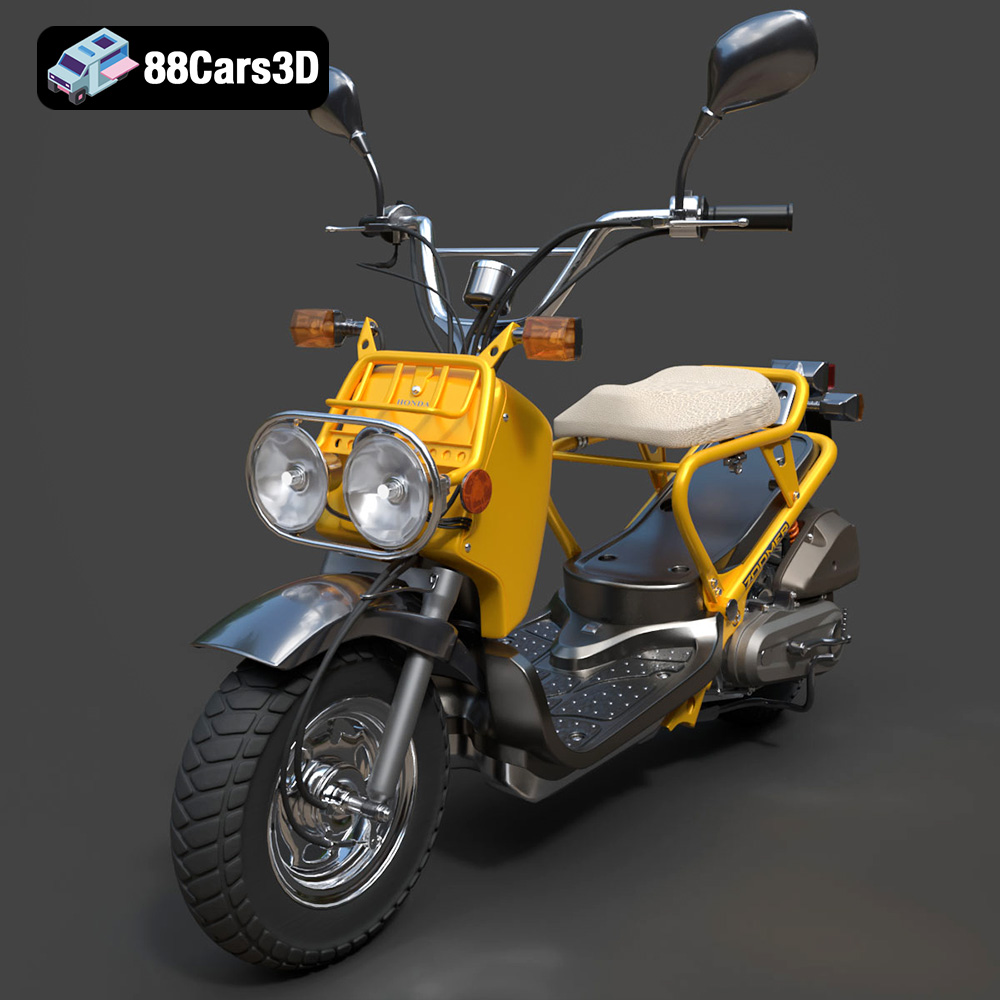
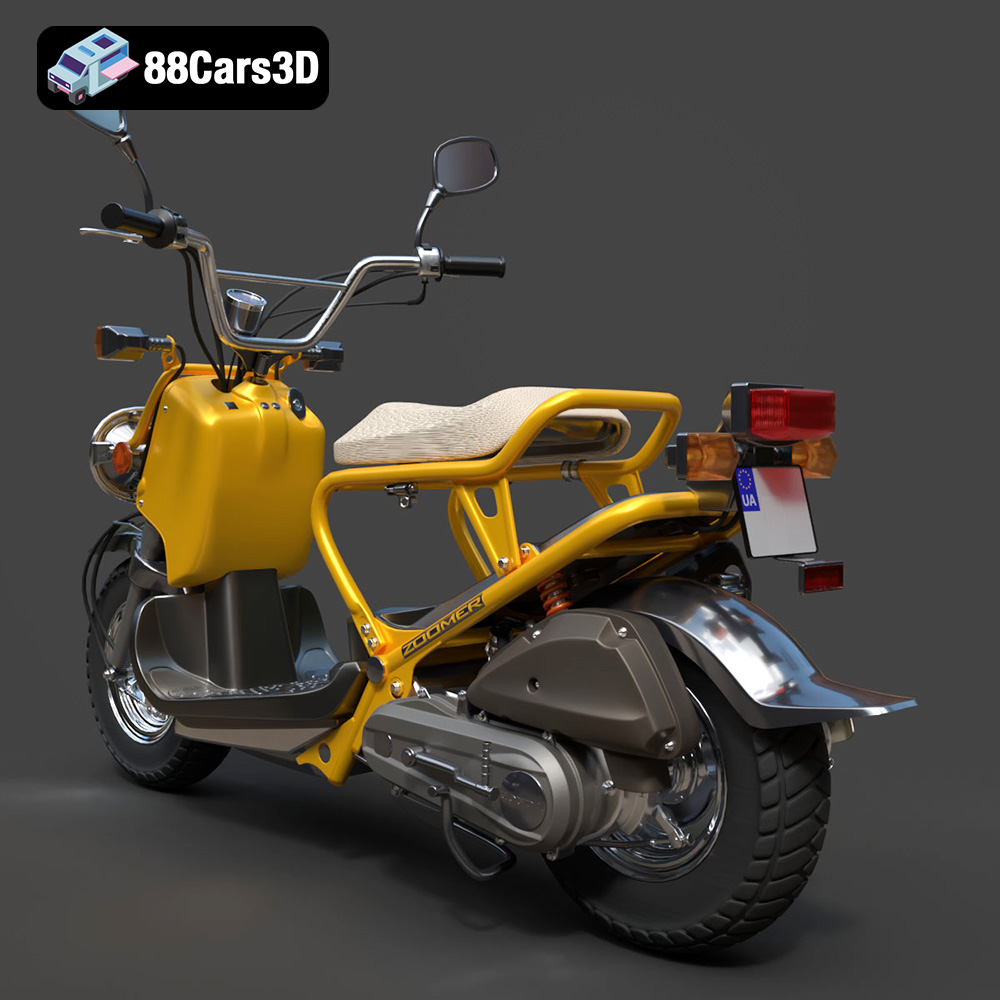
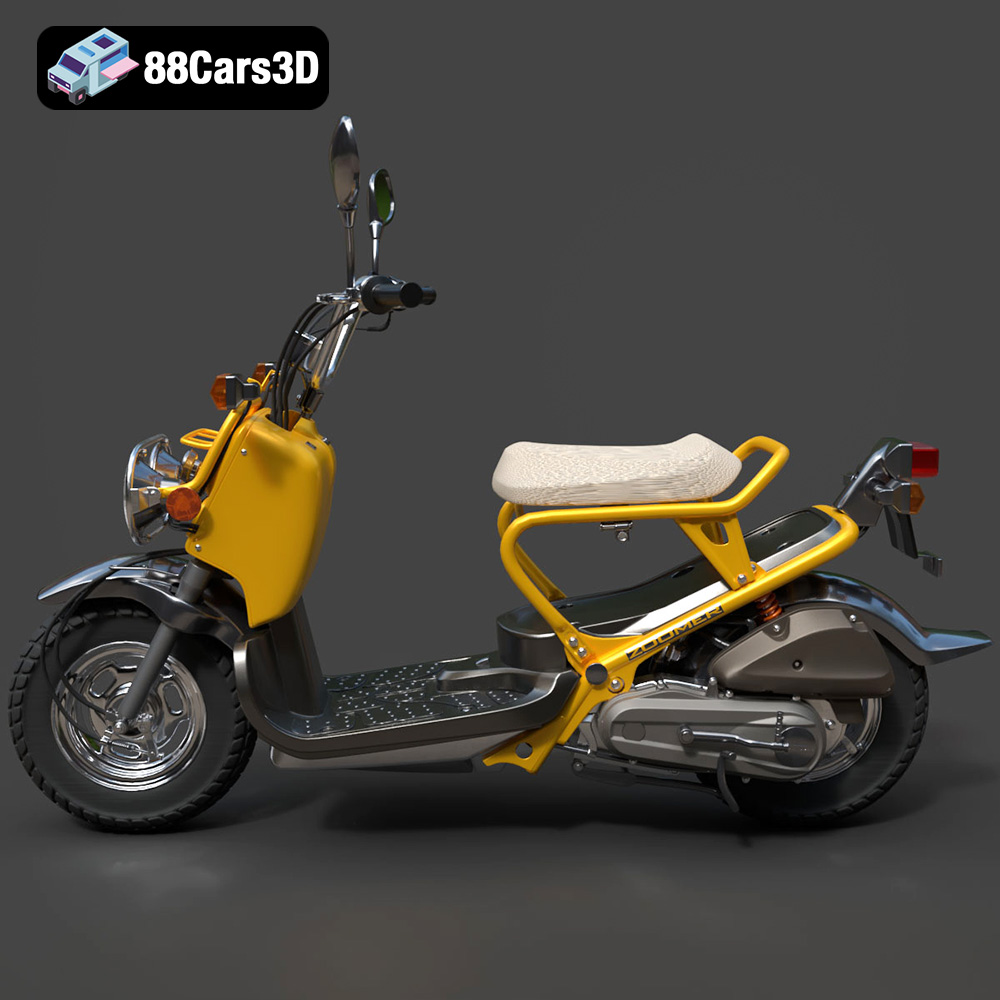
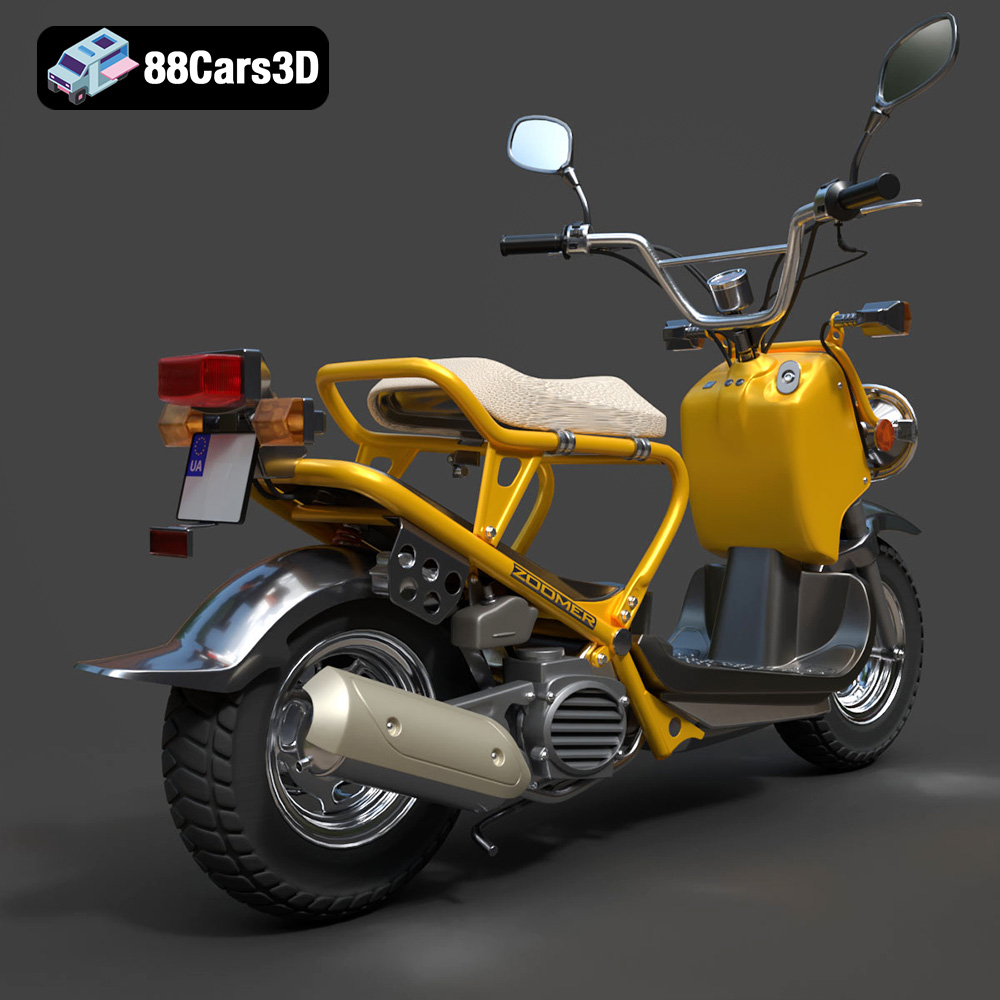
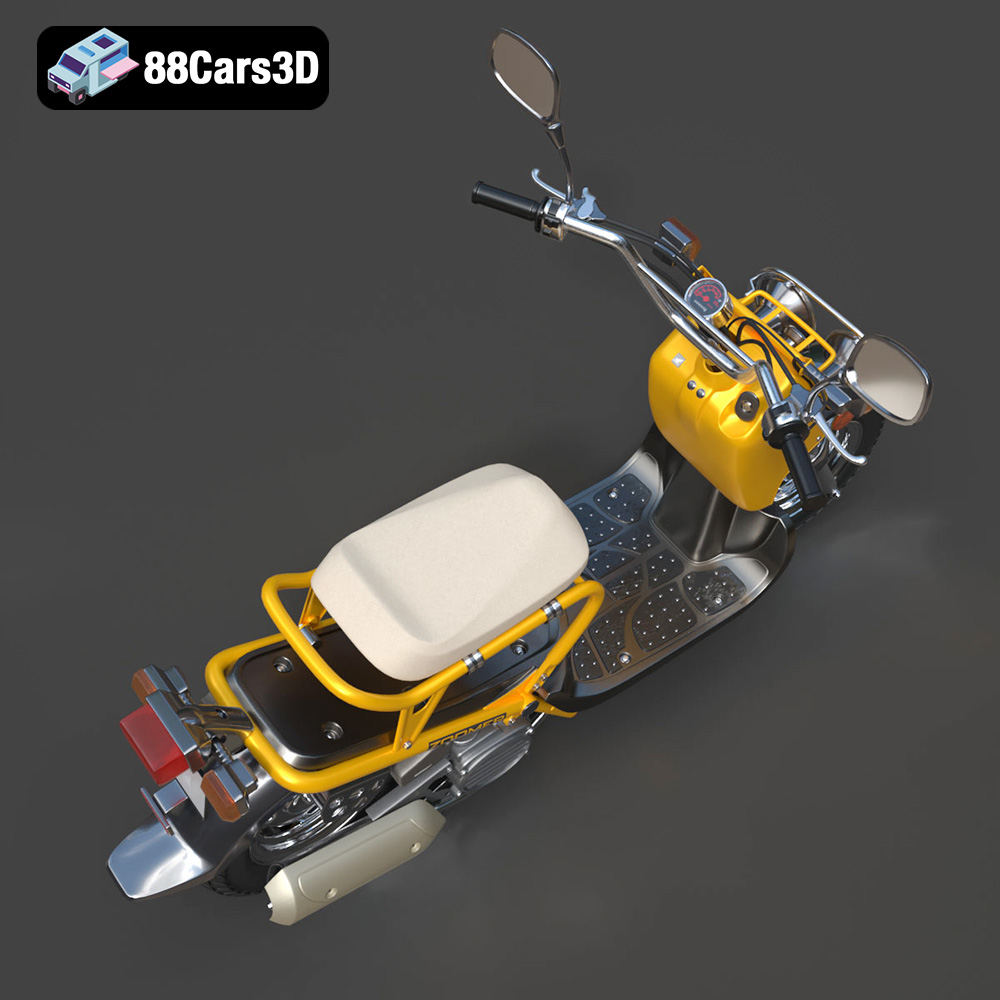
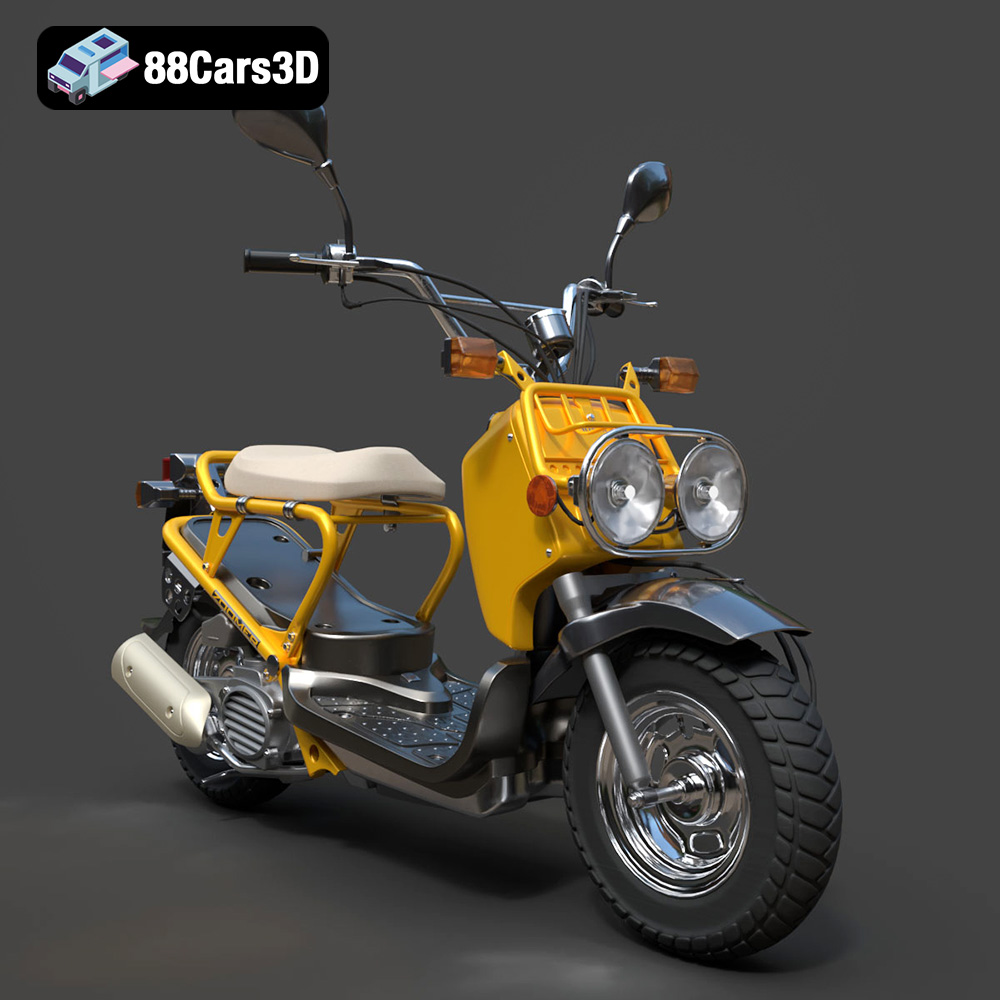
For professionals seeking to infuse their work with unparalleled realism and efficiency, sourcing pre-made, high-quality 3D models is a game-changer. These assets provide a robust starting point, saving countless hours of modeling, texturing, and optimization while ensuring a professional-grade finish. This approach is particularly beneficial for vehicles, where complex curves, intricate mechanical components, and realistic material properties demand significant expertise. Consider, for instance, a model like the Honda Zoomer 50 2005 3D Model – a testament to detailed craftsmanship, offering an immediate solution for projects requiring an iconic, rugged scooter. It exemplifies the kind of asset that fuels creativity and streamlines workflows, allowing artists and developers to focus on innovation rather than foundational modeling.
Creating a truly photorealistic and versatile 3D model is an intricate process, far beyond simply extruding polygons. It’s a blend of artistic vision and technical precision, where every detail contributes to the final impact. When you acquire a professional-grade asset, you’re investing in this hidden engineering, ensuring your projects benefit from a foundation built for excellence.
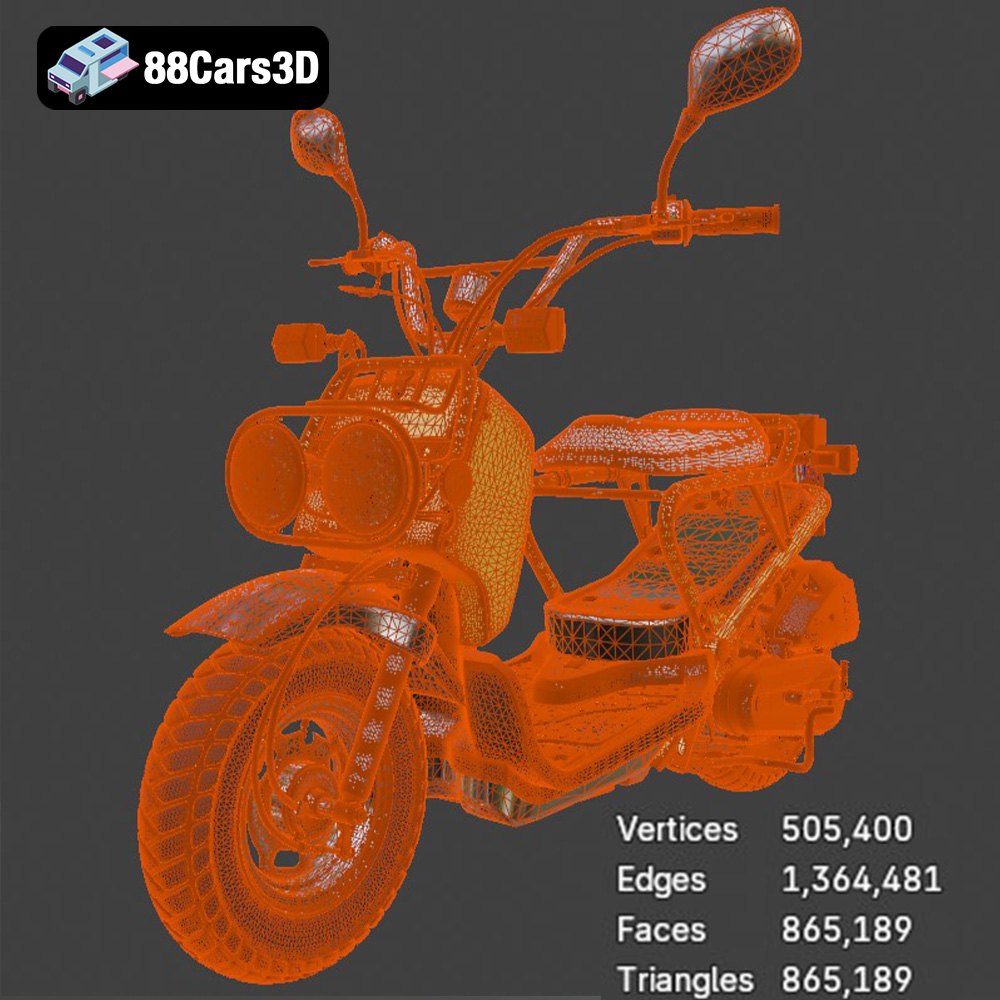
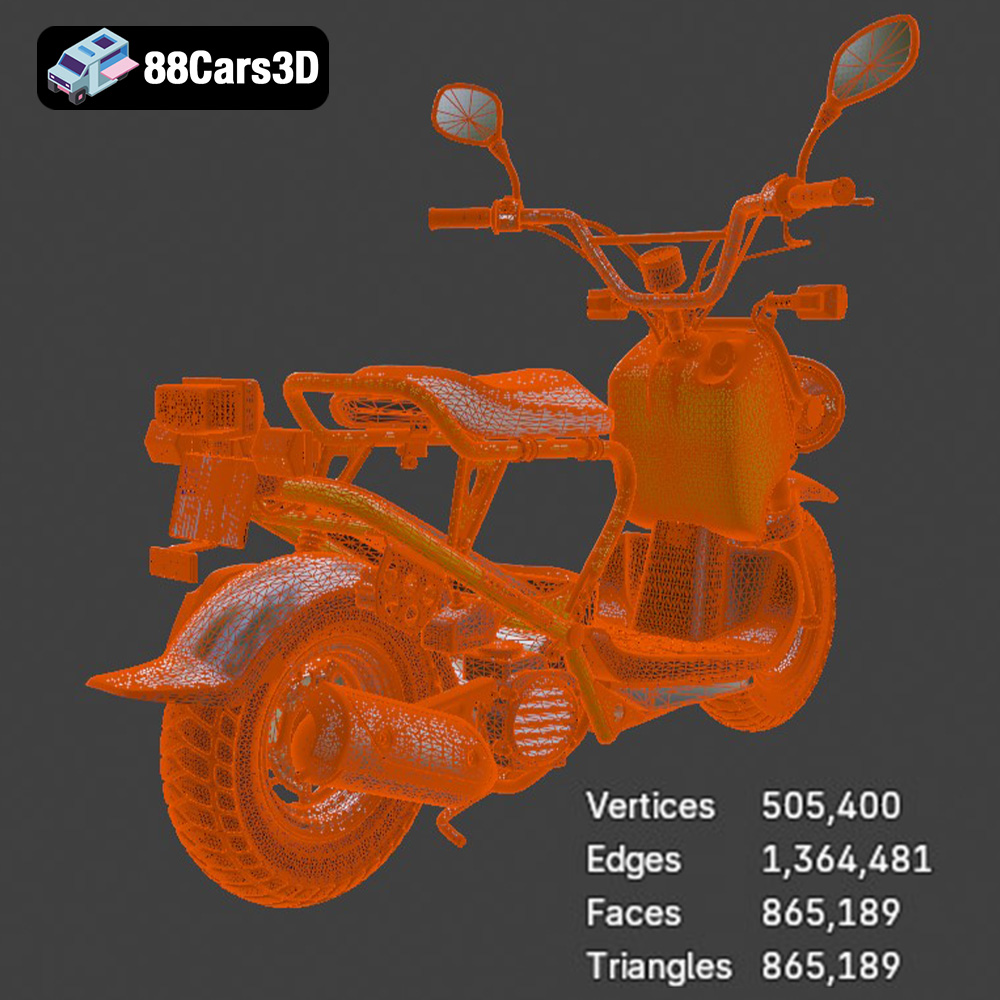
The journey begins with clean geometry. Professional 3D car models feature optimized mesh topology, meaning the arrangement of vertices, edges, and faces is structured to facilitate smooth deformations, efficient rendering, and easy modification. This often involves careful use of quad-based meshes, which are ideal for subdivision surfacing and prevent unsightly pinching or artifacting when the model is smoothed. For vehicles like the Honda Zoomer 50 2005 3D Model, this attention to detail extends to every panel, frame component, and even the smallest bolt, ensuring structural integrity and visual accuracy. High-poly models are typically used for close-up renders and cinematic sequences, while optimized versions with lower poly counts are crucial for real-time applications like games or AR experiences, all while retaining visual fidelity.
Beyond the mesh, materials and textures breathe life into a model. High-quality assets leverage Physically Based Rendering (PBR) workflows, which simulate how light interacts with surfaces in the real world. This involves creating a suite of texture maps – albedo (base color), normal (surface detail), roughness (micro-surface imperfections), metallic (metallic vs. dielectric), ambient occlusion (contact shadows), and more. These maps are not just images; they are data-rich assets that define everything from the sheen of chrome to the subtle wear on a plastic bumper. For a rugged scooter like the Honda Zoomer 50 2005, this translates to authentic-looking paint, weathered tires, and realistic engine components, ensuring it looks convincing under any lighting condition, whether in a high-fidelity render or a real-time game engine.
UV mapping is the invisible art that bridges 3D geometry with 2D textures. It’s the process of unfolding the 3D model’s surfaces into a 2D layout, allowing texture maps to be accurately applied without stretching or distortion. Expertly crafted models feature clean, non-overlapping UVs, often organized into multiple UV sets for different material types or resolutions. This meticulous unwrapping is critical for efficient texturing, especially when using texture atlases or baking details from a high-poly sculpt onto a low-poly mesh. Properly optimized UVs also contribute to better performance in real-time applications by minimizing texture memory usage and draw calls, ensuring that models like those found on 88cars3d.com run smoothly across diverse platforms.
The choice of file format for a 3D model is not arbitrary; it’s a critical decision that impacts compatibility, workflow, and the ultimate utility of the asset. Different formats are optimized for specific purposes, carrying varying levels of data and metadata. Understanding these distinctions is essential for any professional working with 3D content, ensuring seamless integration into diverse pipelines and maximizing the value of assets like the Honda Zoomer 50 2005 3D Model.
The `.blend` format is Blender’s native file type, encapsulating an entire scene with all its elements. This includes not just the mesh data but also materials, textures, lighting setups, cameras, animations, rigging, modifiers, and even custom scripts. It’s an ideal format for Blender users who need a fully editable and self-contained project file. For the Honda Zoomer 50 2005, the `.blend` file offers maximum flexibility, allowing artists to delve into every aspect of the model, modify its geometry, adjust materials, or reconfigure the lighting scene as needed. Its comprehensiveness makes it perfect for detailed customization or iterative design within the Blender ecosystem.
FBX (Filmbox) is a proprietary file format developed by Autodesk, widely regarded as the industry standard for 3D data exchange between various software applications. It’s particularly favored for its robust support for animations, skeletons, skinning, and camera data, in addition to geometry and materials. `.fbx` is the go-to format for exporting assets to game engines like Unreal Engine and Unity, and for transferring models between DCC (Digital Content Creation) tools like 3ds Max, Maya, and Blender. For the Honda Zoomer 50 2005, the `.fbx` version is game-engine ready, pre-optimized to ensure smooth import and functionality in real-time environments, making it indispensable for game developers and real-time visualization specialists.
OBJ (or .obj) is one of the oldest and most universally supported 3D file formats. It’s a simple, text-based format that primarily stores geometry (vertices, normals, UVs) and material definitions (via an accompanying .mtl file). While it lacks support for advanced features like animation or rigging, its simplicity and wide compatibility make it an excellent choice for basic mesh transfer between virtually any 3D software. If you need a foundational mesh that can be imported into an obscure or older program, `.obj` is usually the safest bet. The Honda Zoomer 50 2005’s `.obj` file ensures it can be used in almost any major 3D application, serving as a reliable backbone for cross-software workflows.
GLB (GL Transmission Format Binary) is an increasingly popular, compact, and efficient format designed specifically for web-based 3D graphics, AR, and VR applications. It’s a binary version of glTF, combining the model’s geometry, textures, and animations into a single file, making it incredibly easy to load and display in browsers or mobile AR apps. Its optimization for real-time rendering and small file size makes it ideal for delivering interactive 3D content quickly and smoothly. For showcasing the Honda Zoomer 50 2005 in an interactive web viewer or an augmented reality experience, the `.glb` format offers superior performance and ease of deployment.
STL (STereoLithography) is the standard file format for 3D printing and CAD software. It represents a 3D model as a series of connected triangles, describing only the surface geometry without color or texture information. Its strength lies in its simplicity and widespread acceptance in additive manufacturing. When a physical prototype of the Honda Zoomer 50 2005 is needed for engineering validation or display, the `.stl` file is the format to use, ensuring accurate translation from digital model to physical object.
PLY (Polygon File Format) is another format that can store a wider range of properties than .obj, including color, transparency, and data confidence values for each vertex or face. It’s often used in scientific applications, 3D scanning, and CAD for its ability to store detailed mesh data with precision. While less common for general 3D art exchange, it’s valuable when working with highly detailed point cloud data or complex geometric analyses, offering a robust representation of the Honda Zoomer 50 2005’s precise structure.
While not a universal file extension in the same vein as .fbx or .obj, the `.unreal` designation often refers to assets that have been specifically prepared and configured for direct import into Unreal Engine projects. This might involve optimized meshes, pre-configured materials using Unreal’s PBR shader system, proper collision meshes, and sometimes even blueprint setups. These assets are designed to minimize setup time and maximize performance within Unreal Engine, providing a plug-and-play experience for developers. The Honda Zoomer 50 2005 model, offered with a `.unreal` variant, ensures seamless integration, allowing developers to quickly populate their virtual worlds with a high-quality, engine-ready scooter.
The `.max` file format is the native project file for Autodesk 3ds Max, one of the leading professional 3D modeling, animation, and rendering software packages. Similar to `.blend`, a `.max` file contains all scene data, including geometry, materials, lighting, cameras, animations, and render settings. It provides full editability within 3ds Max, making it ideal for users who perform complex rendering, animation sequences, or require deep customization of the model’s structure and materials. For high-end architectural visualization or cinematic renders involving the Honda Zoomer 50 2005, the `.max` file offers unparalleled control and flexibility within a professional studio environment.
Automotive rendering stands as a pinnacle of 3D visualization, demanding an exquisite blend of technical mastery and artistic sensibility. The goal is always photorealism, whether for marketing, design reviews, or cinematic sequences. High-quality 3D car models are the bedrock of this process, providing the necessary detail to achieve stunning results. Platforms like 88cars3d.com offer assets meticulously crafted for this purpose.
For rendering, the environment is just as crucial as the model itself. In 3ds Max, a typical studio setup involves a combination of softboxes, dome lights with High Dynamic Range Images (HDRIs), and bounce cards to simulate a real-world photography studio. The Honda Zoomer 50 2005 3D Model, when imported into 3ds Max, benefits immensely from careful environmental lighting. An HDRI provides realistic reflections and ambient light, while strategically placed area lights can highlight contours, create appealing specular reflections on the paintwork, and define the shape of the scooter. Utilizing physically accurate renderers like V-Ray or Corona is essential for true photorealism, processing the PBR materials of the Zoomer with precision.
Achieving photorealism extends to intricate lighting and shading. This includes simulating subtle light bounces (global illumination), creating depth with ambient occlusion, and ensuring reflections are accurate and physically correct. Materials like the paint on the Honda Zoomer 50 2005 require complex shaders that factor in metallic flakes, clear coat reflections, and underlying diffuse properties. Tire rubber needs a distinct matte appearance with subtle subsurface scattering, while chrome elements demand sharp, crisp reflections. Advanced techniques involve using blend materials for dirt and wear, or procedural textures to add granular detail, all contributing to a convincing depiction of the model.
Even the most perfect render benefits from post-production. Software like Adobe Photoshop or Blackmagic Fusion is used to add finishing touches. This might involve color grading to set the mood, depth of field to draw attention to key areas, lens flares, glow effects, or subtle atmospheric haze. Noise reduction, chromatic aberration correction, and the addition of subtle imperfections like dust or fingerprints can further enhance the illusion of a photograph. With the Honda Zoomer 50 2005, post-production can emphasize its rugged aesthetic, placing it convincingly within a gritty urban scene or highlighting its distinctive design features in a polished studio shot.
Game development relies heavily on optimized 3D assets that look fantastic while performing efficiently. The transition from a high-poly render-ready model to a real-time game asset requires specific optimization techniques and a deep understanding of engine limitations. The Honda Zoomer 50 2005, available as a game-engine ready asset, is perfectly suited for this demanding environment.
Unreal Engine, a powerhouse for real-time graphics, demands assets that balance visual quality with performance. For models like the Honda Zoomer 50 2005, optimization involves reducing polygon count through techniques like decimation or manual retopology, while using normal maps to retain high-detail illusion. Multiple Levels of Detail (LODs) are crucial, swapping in lower-poly versions of the model as the player moves further away, drastically improving frame rates. Texture atlases and packing multiple textures into a single map (e.g., metallic, roughness, ambient occlusion into one texture’s RGBA channels) reduce draw calls and memory footprint, ensuring the Zoomer runs smoothly even in dense game worlds.
Within Unreal Engine, materials need to be configured using its node-based material editor. The PBR texture maps (albedo, normal, roughness, metallic, etc.) of the Honda Zoomer 50 2005 are plugged into the appropriate slots, and parameters are tweaked to achieve the desired look under real-time lighting. Collision meshes are another vital component. Instead of using the high-detail visual mesh for physics, simplified collision meshes (often convex hulls or simplified primitives) are created to efficiently detect interactions with the environment or other vehicles. This ensures realistic physics without bogging down the simulation with unnecessary polygon complexity.
For vehicles in games, rigging and animation are critical. While a scooter might not require complex character rigging, components like wheels, suspension, handlebars, and kickstands might need pivot points set up for independent movement or interaction. For the Honda Zoomer 50 2005, this means ensuring the wheels rotate correctly along their axes, the handlebars turn, and perhaps even the suspension compresses realistically. These elements are often controlled via blueprints or scripts in Unreal Engine, allowing developers to define how the scooter behaves and responds to player input, adding to the immersive gameplay experience.
The Honda Zoomer 50 2005 3D Model from 88cars3d.com is more than just a digital replica; it’s a highly adaptable asset designed to meet the rigorous demands of various professional applications. Its meticulous crafting ensures it stands out, regardless of the intended use case.
In game development, this 3D model shines as a versatile asset for populating urban environments, serving as a player-controlled vehicle, or even as an interactive prop. Its optimized geometry and PBR materials make it suitable for both high-end PC titles and mobile games. Developers can integrate it into racing games, open-world adventures, or simulation titles, where the iconic design and realistic appearance of the Zoomer 50 can significantly enhance immersion. The included `.fbx` and `.unreal` formats are specifically tailored to accelerate this integration, providing a foundation for dynamic projects.
For automotive visualization and marketing, the Honda Zoomer 50 2005 3D Model offers an unparalleled level of detail for creating stunning renders and animations. Imagine it featured in a virtual showroom, a lifestyle advertisement, or an architectural walkthrough, adding a touch of urban authenticity. Its clean geometry and realistic materials mean it can be rendered in close-up shots without loss of fidelity, making it perfect for promotional materials, product showcases, or interactive configurators where clients can explore the scooter from every angle. The `.max` and `.blend` files empower artists to customize rendering setups for maximum visual impact.
The burgeoning fields of Augmented Reality (AR) and Virtual Reality (VR) demand lightweight, yet visually rich assets. The Honda Zoomer 50 2005, particularly in its `.glb` format, is an excellent candidate for these applications. It can be used to create interactive virtual showrooms, educational experiences, or even as a component of a digital twin for maintenance and training simulations. Users could virtually walk around the scooter, inspect its components in AR on their phone, or ride it in a VR environment, offering an immersive and interactive experience that transcends traditional 2D media.
The utility of high-quality 3D models extends far beyond digital screens. The ability to translate a virtual object into a tangible one through 3D printing opens up a world of possibilities for prototyping, educational models, and even functional parts. The Honda Zoomer 50 2005 3D Model, with its robust construction, is ready for this physical transformation.
For 3D printing, the `.stl` format is paramount. While the Honda Zoomer 50 2005 3D Model is provided in this format, preparing a model for optimal 3D printing often involves a few critical steps. Ensuring the mesh is “watertight” – meaning it has no holes or non-manifold geometry – is crucial for successful printing. Sometimes, internal components that aren’t necessary for the physical print need to be removed, and wall thicknesses must be checked to ensure they meet the minimum requirements of the chosen 3D printer and material. For intricate models like vehicles, splitting the model into several printable parts can also simplify the printing process and allow for larger, more detailed final products.
3D printed models of vehicles like the Honda Zoomer 50 2005 have diverse real-world applications. They can serve as physical prototypes for industrial designers, allowing them to assess ergonomics, scale, and aesthetic appeal before committing to expensive manufacturing processes. In education, these models are invaluable teaching aids for engineering, design, or even history classes. Hobbyists can print highly detailed replicas for display, while artists might integrate them into mixed-media sculptures. The precision of the digital model translates directly into the accuracy of the physical print, offering tangible benefits that complement digital visualization.
The journey from a concept to a fully realized 3D asset is complex, demanding technical prowess, artistic vision, and a deep understanding of diverse industry pipelines. High-quality 3D models like the Honda Zoomer 50 2005 3D Model are not merely digital files; they are meticulously engineered components that empower professionals across rendering, game development, AR/VR, and even 3D printing. By providing clean geometry, realistic PBR materials, and comprehensive file format support, these assets dramatically streamline workflows and elevate the final quality of any project.
Whether you’re a game developer seeking realistic game assets, an automotive designer crafting stunning visualizations, or an AR/VR innovator building immersive experiences, investing in expertly crafted 3D car models is a strategic decision that pays dividends in efficiency and visual impact. The Honda Zoomer 50 2005 3D Model stands as a prime example of such a versatile asset, ready to integrate seamlessly into your most ambitious projects. Explore the full range of possibilities and discover your next essential asset at 88cars3d.com.
Discover the realistic Honda Zoomer 50 2005 3D Model, meticulously crafted to represent the iconic rugged scooter. This model delivers unparalleled precision, making it an excellent choice for detailed visualizations and dynamic projects. Key features include clean geometry, realistic materials, and professional quality construction. The structural components are modeled with strict attention to detail, ensuring seamless integration into varied environments. This 3D model is perfect for diverse applications, including game development, rendering, AR/VR experiences, and visualization. Whether used in a street scene simulation or a dedicated showcase, it provides exceptional results.
$39.99
.arvr
.blend
.car3dmodel
.fbx
.gameasset
.glb
.honda
.max
.moped
.motorcycle
.obj
.ply
.rendering
.scooter
.simulation
.stl
.unreal
.zoomer50