Get 20% OFF All Premium 3D & STL Models!

In the rapidly evolving landscape of digital media, the demand for photorealistic and highly functional 3D assets has never been greater. From cinematic automotive advertisements to immersive virtual reality experiences, and from cutting-edge game development to sophisticated product visualization, the quality of a 3D model can significantly impact the final output. Modern electric vehicles, with their sleek designs and innovative technology, present particularly exciting opportunities and challenges for 3D artists. Capturing the essence of a contemporary EV requires not just artistic skill but also technical precision.
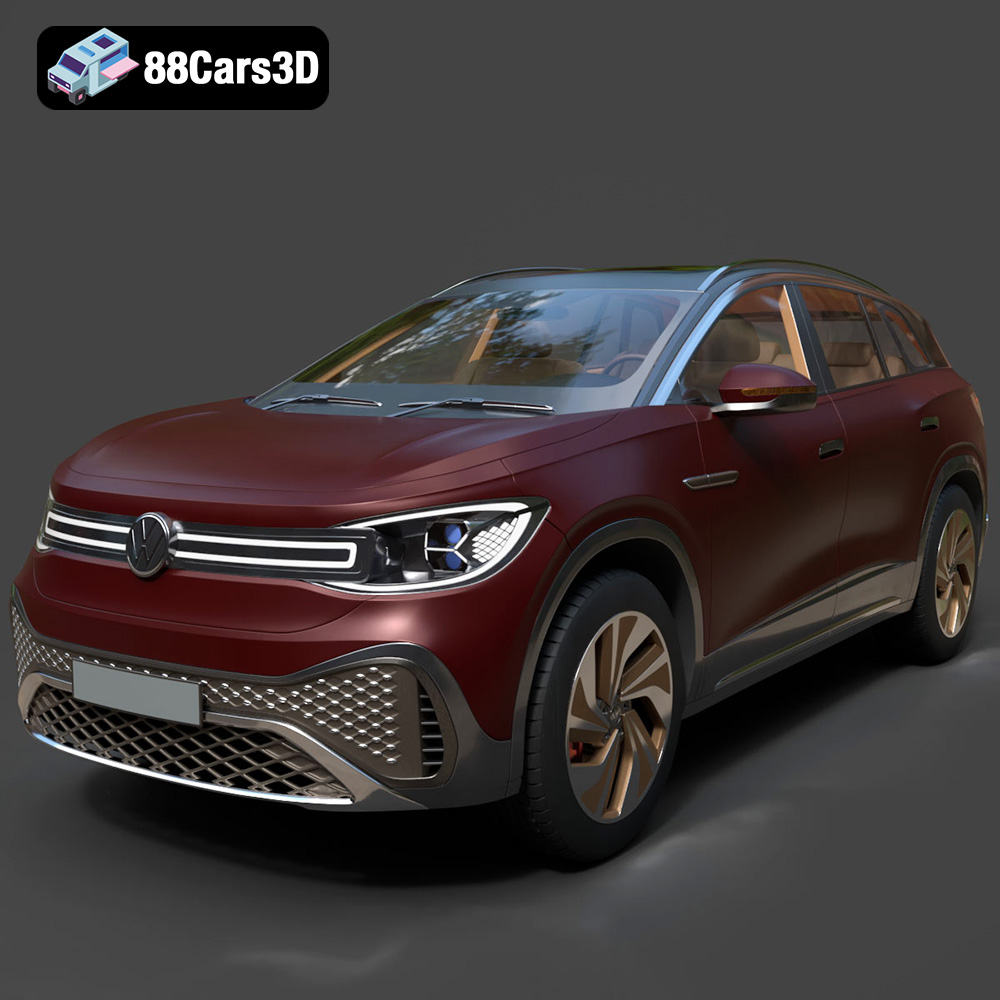
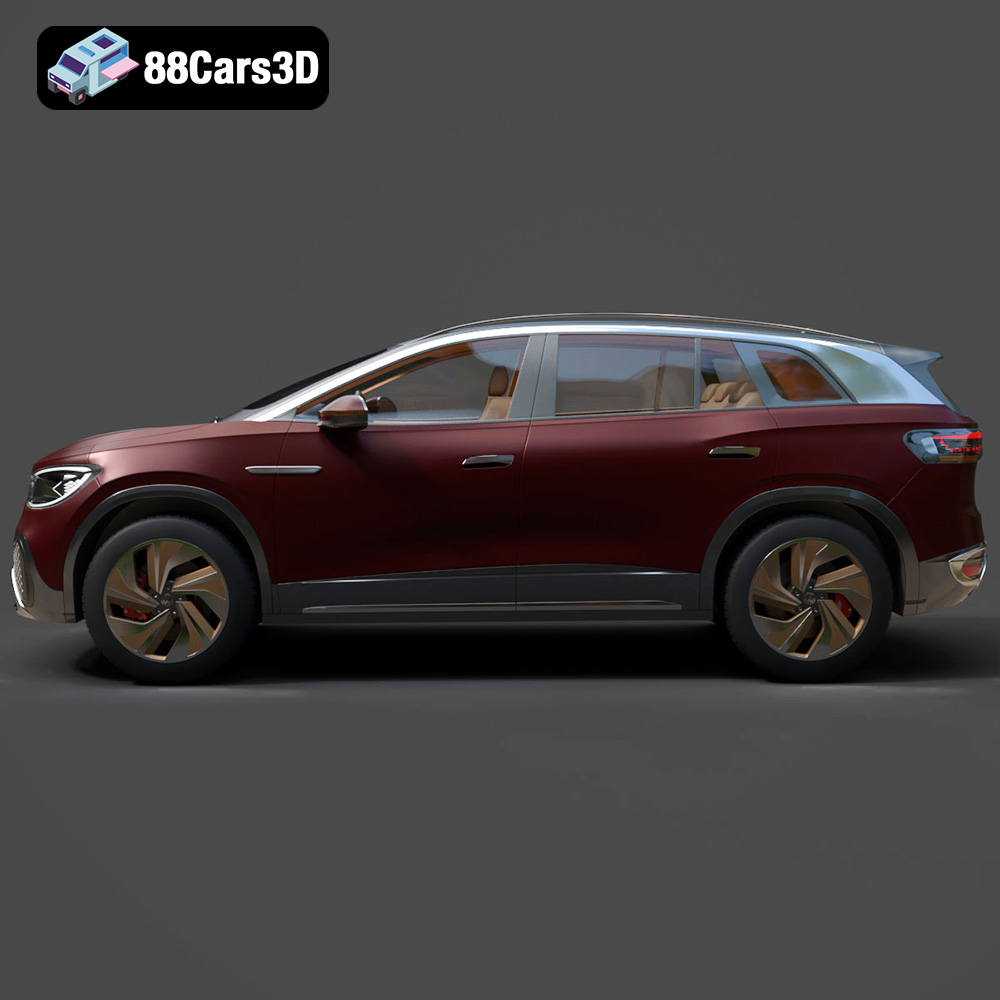
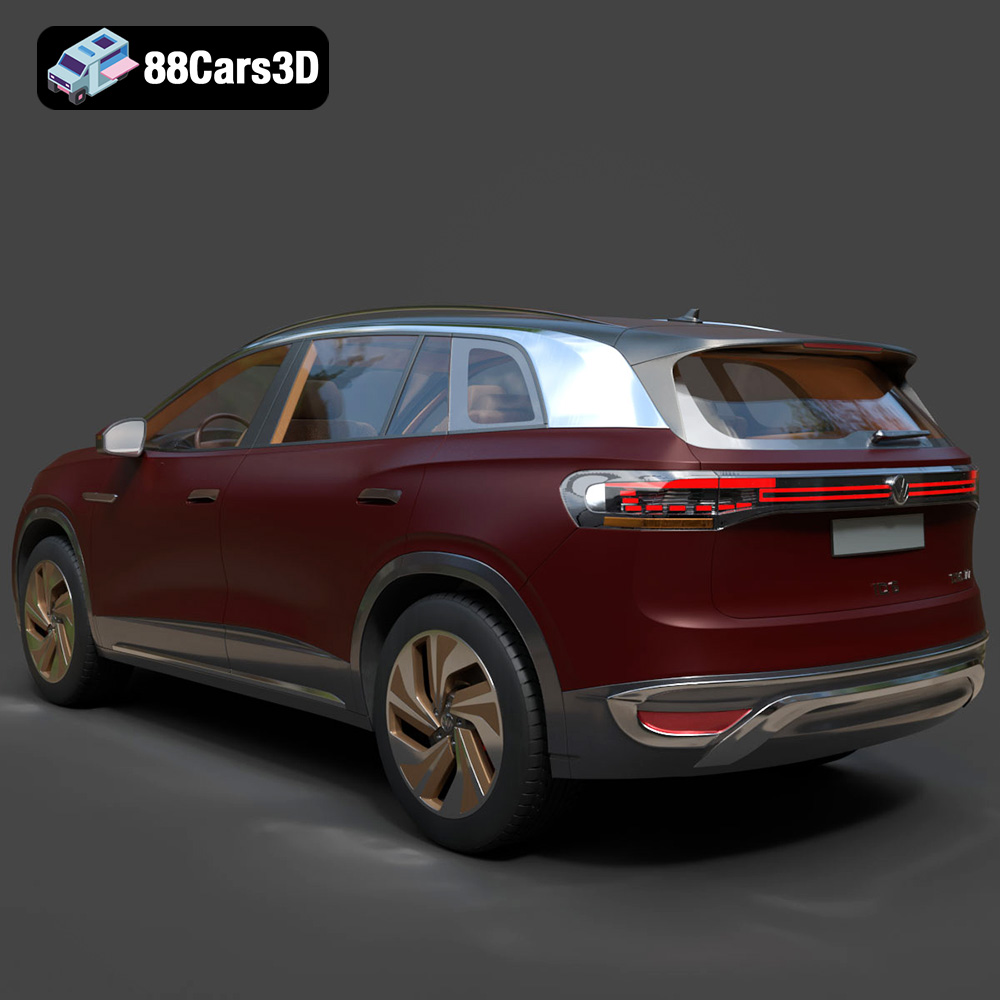
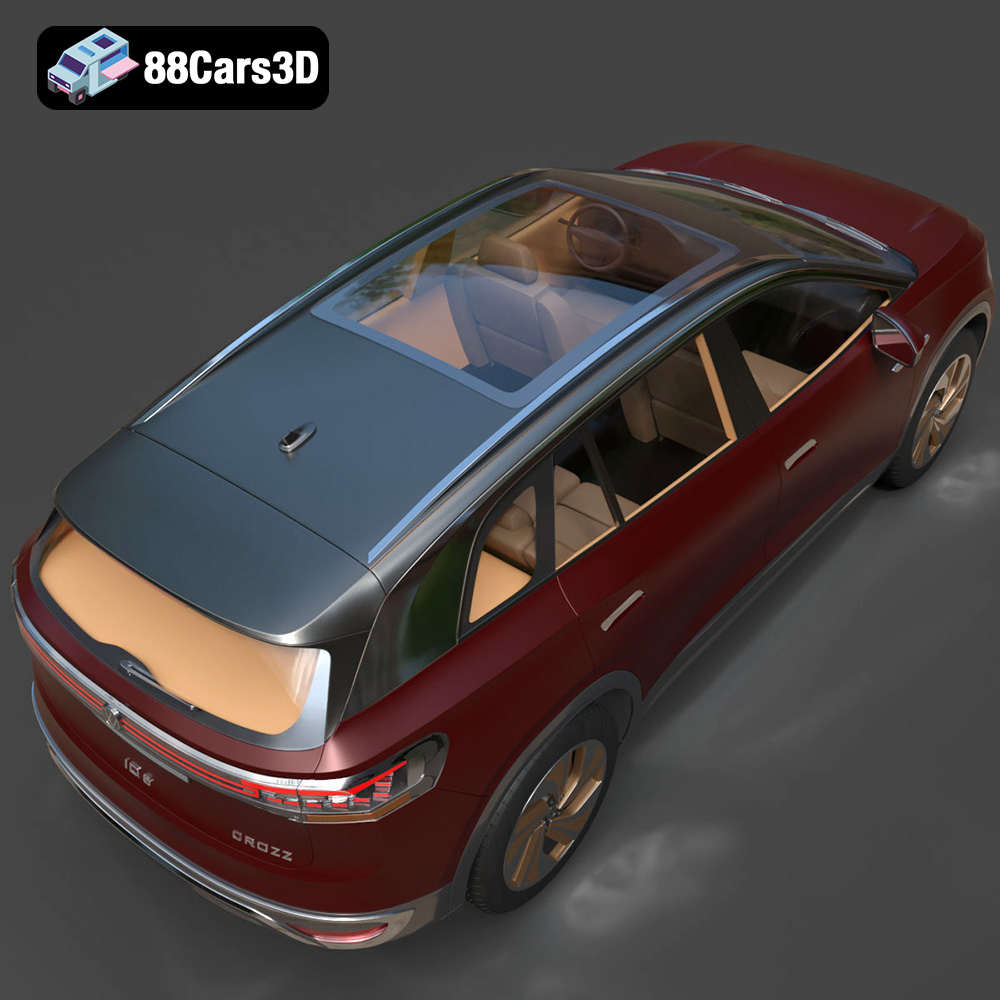
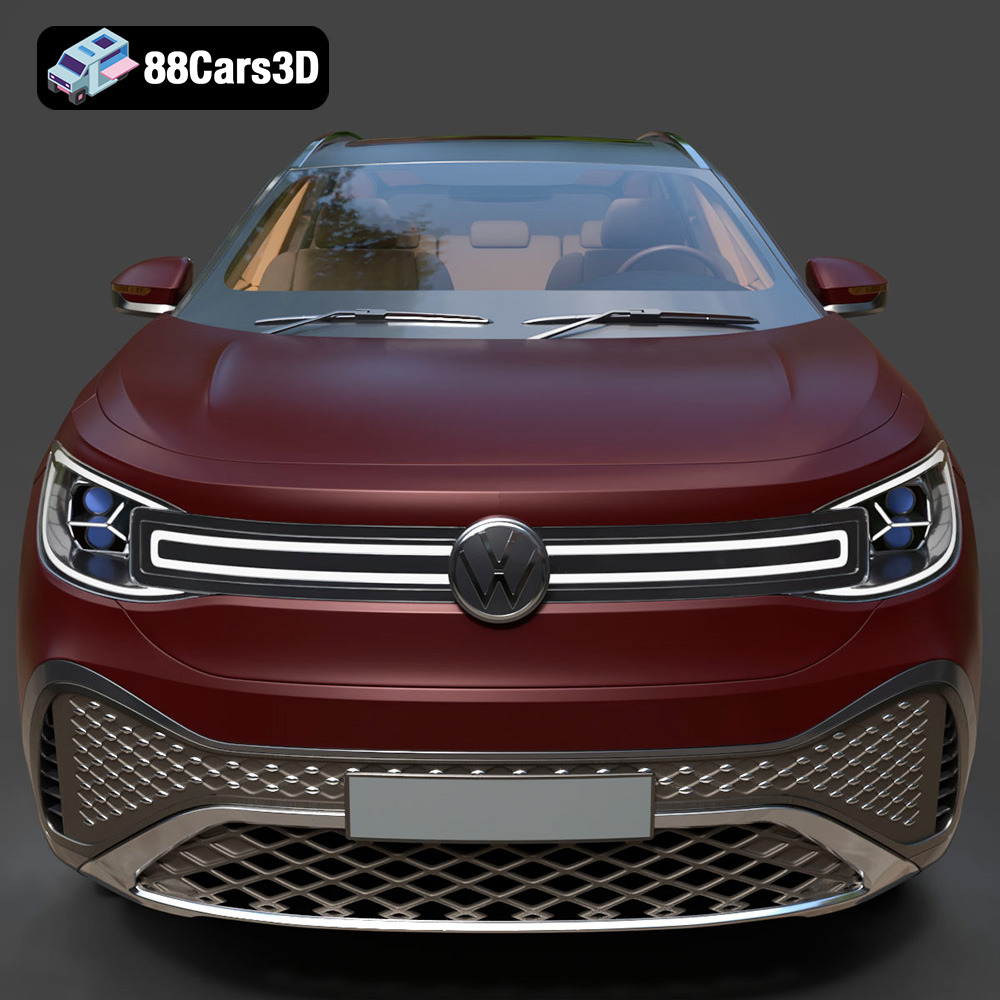
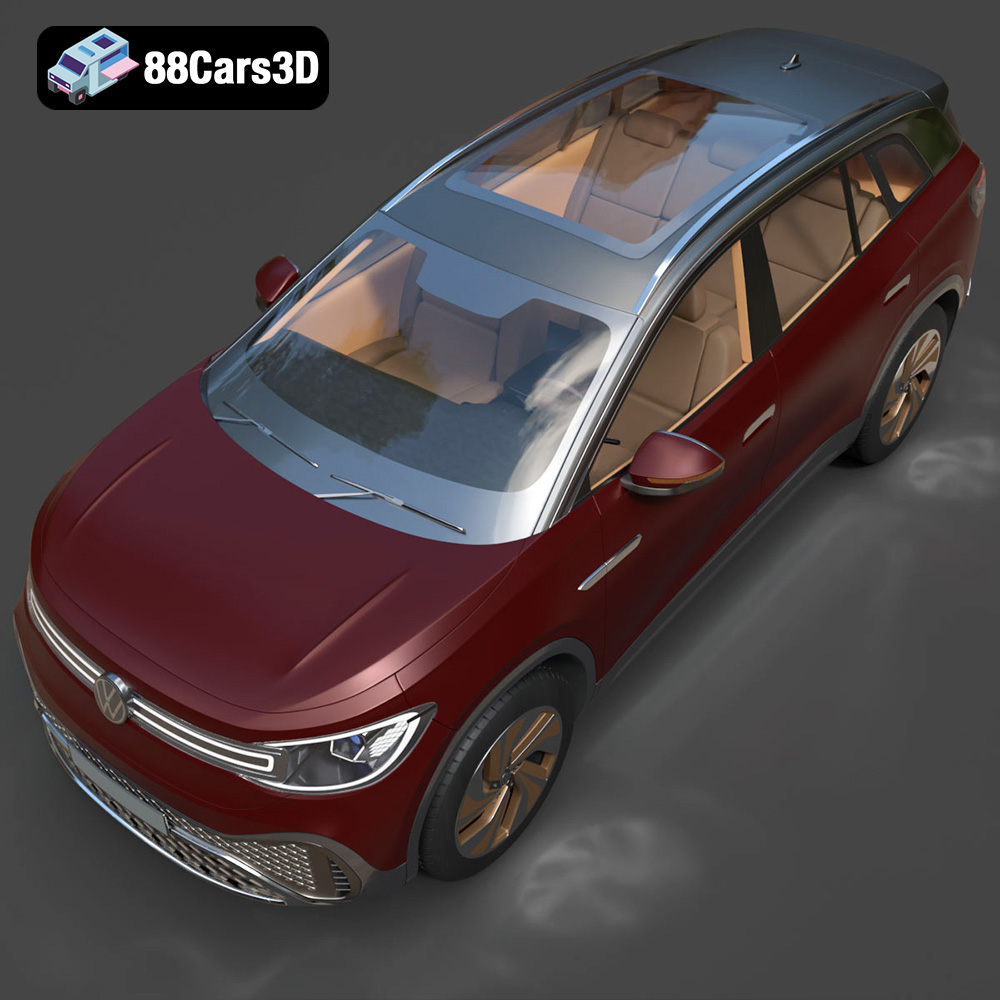
This is where professional-grade 3D car models become indispensable. Consider the Volkswagen ID6 CROZZ 2022 3D Model, a prime example of an asset meticulously crafted to meet the stringent demands of today’s visual projects. This model is engineered to provide an authentic representation of the electric SUV, featuring accurate body panels, intricate lighting fixtures, and realistic wheel assemblies. Such an asset serves as a robust foundation for a myriad of applications, enabling creators to push the boundaries of realism and interactivity.
The journey from concept to a stunning render or a seamlessly integrated game asset involves a deep understanding of 3D modeling principles, software workflows, and the various file formats that dictate compatibility and performance. In this comprehensive guide, we’ll delve into the technical intricacies of utilizing premium 3D car models, explore diverse applications, and highlight how assets like the Volkswagen ID6 CROZZ 2022 3D Model empower professionals to achieve unparalleled results.
At the heart of any compelling automotive rendering or game environment lies a superior 3D model. The quality of this foundational asset dictates not only the visual fidelity but also the efficiency of the entire production pipeline. For professionals, investing in high-quality 3D car models is a strategic decision that saves time, reduces rework, and elevates the final product.
The Volkswagen ID6 CROZZ 2022 3D Model exemplifies the attention to detail required for professional automotive visualization. Its creation involves a meticulous process, starting with accurate blueprint references and photographic data to ensure precise proportions and styling. Every curve, panel gap, and unique design element of the modern electric SUV is replicated with fidelity. This includes complex elements like the vehicle’s unique lighting signatures – headlights, taillights, and interior ambient lighting – which are often critical for conveying the vehicle’s character and technological sophistication. The realism extends to the wheel assemblies, where even the smallest details of the rims and tire treads are carefully modeled and textured to react correctly to light.
Such precision is vital for projects ranging from marketing campaigns showcasing a new vehicle to creating realistic driving simulators. The accurate representation allows for seamless integration into diverse environments, maintaining visual consistency and believability.
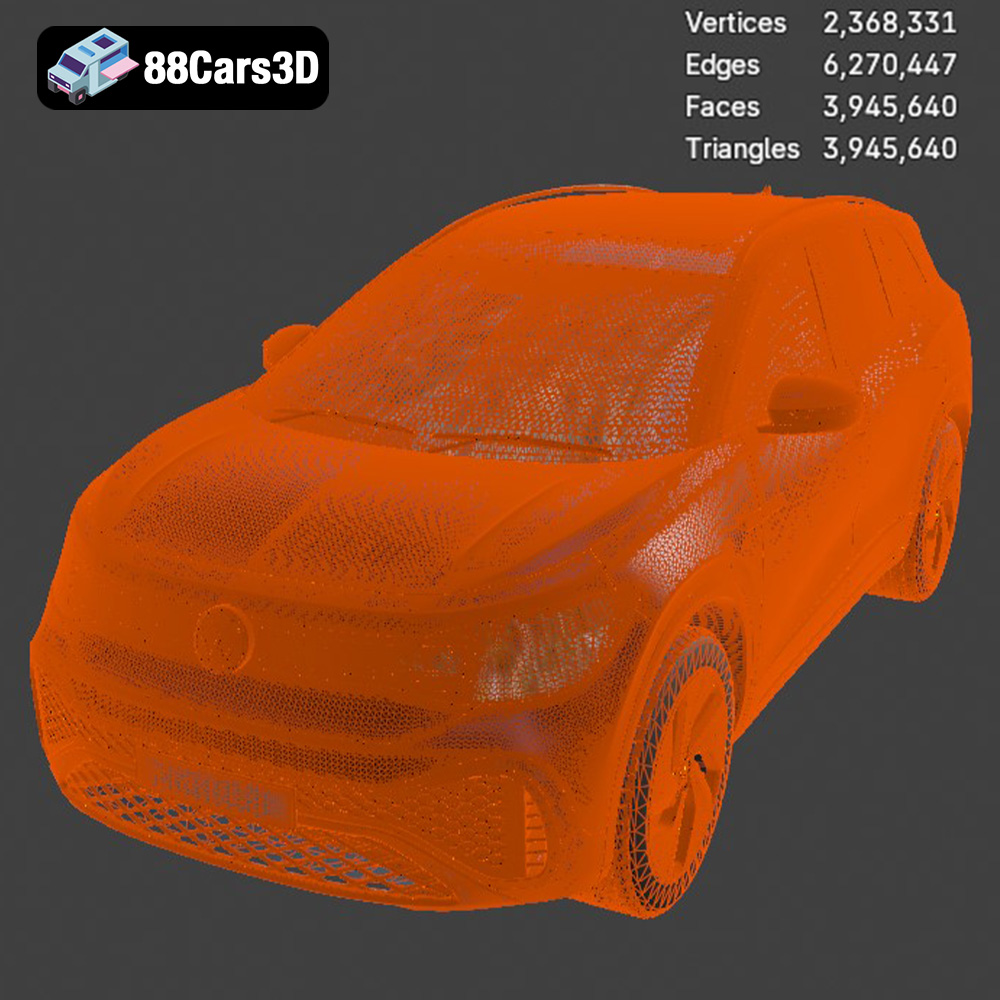
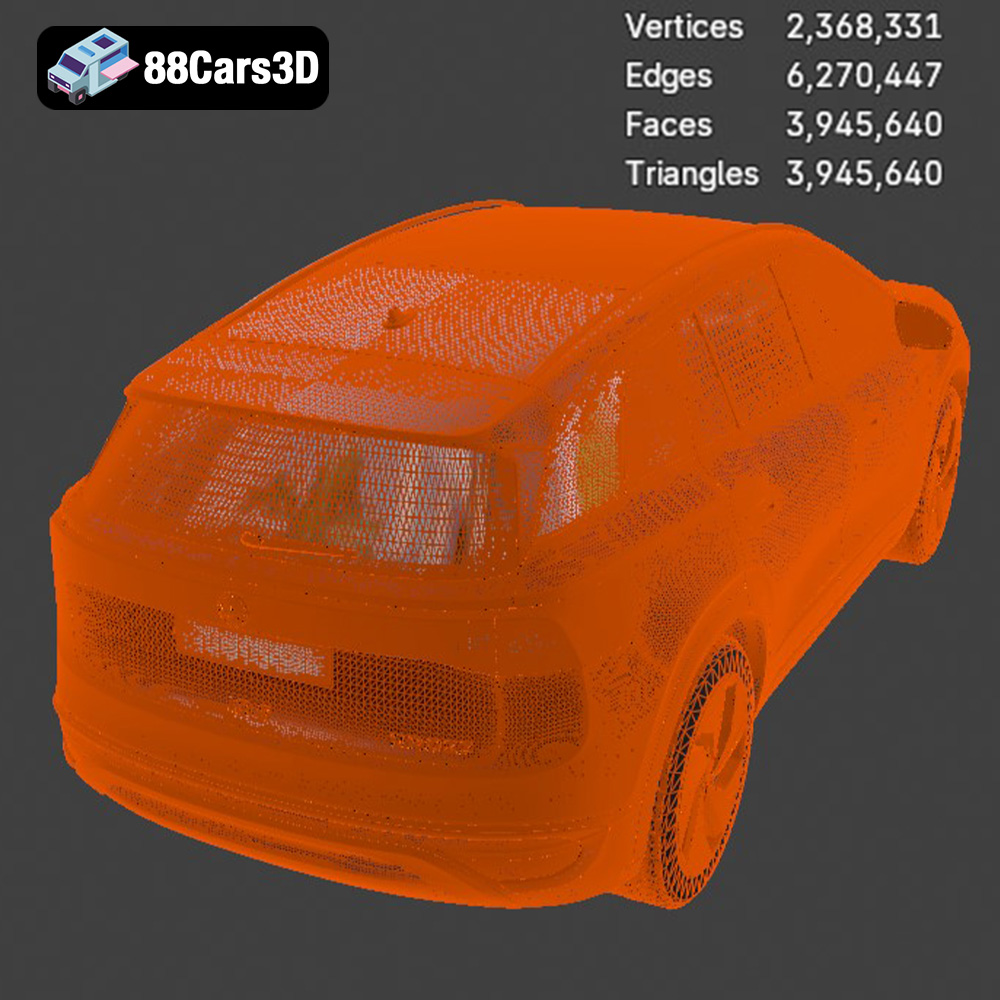
Beyond visual accuracy, the technical construction of a 3D model is paramount. The Volkswagen ID6 CROZZ 2022 3D Model boasts “clean geometry and professional quality standards,” meaning it adheres to best practices for mesh topology. This typically involves using quad-based polygons (four-sided faces) predominantly, which allows for smooth subdivision. When a model is subdivided, its polygon count increases, smoothing out jagged edges and adding detail without requiring manual modeling of every minute feature. Clean topology ensures that these subdivisions produce organic, artifact-free surfaces, crucial for high-resolution renders.
Furthermore, “optimized performance” is a critical factor, especially for real-time applications like game development or AR/VR. This means the model’s polygon count is balanced – detailed enough for realism but not so excessive that it bogs down engine performance. Efficient UV mapping is another key aspect, ensuring that textures are applied without distortion and that texture memory is used efficiently. For professional workflows, an optimized model like the Volkswagen ID6 CROZZ allows for smoother animation, faster rendering times, and a more responsive interactive experience, making it a valuable asset available at 88cars3d.com.
The versatility of a 3D car model is often defined by the range of file formats it supports. Each format is designed with specific applications and software ecosystems in mind, offering unique advantages. Understanding these formats is crucial for selecting the right asset for your project and ensuring smooth integration into your workflow. The Volkswagen ID6 CROZZ 2022 3D Model comes with a comprehensive package of formats, catering to a wide spectrum of professional needs.
The .blend format is Blender’s native file type, storing an entire scene with all its components: mesh data, materials, textures, lighting setups, cameras, animations, physics simulations, and even scripts. For artists working primarily in Blender, this format offers the highest level of editability and retains all the sophisticated features of the software. When you acquire a .blend file, you’re getting a fully configured project, ready for immediate rendering or further customization. For the Volkswagen ID6 CROZZ, this means the car’s materials are set up using Blender’s Cycles or Eevee render engines, and lighting is pre-configured to achieve stunning visuals right out of the box, saving significant setup time.
FBX (Filmbox) is a proprietary file format developed by Autodesk, widely recognized as the industry standard for interoperability between 3D software applications and, crucially, for game engines like Unreal Engine and Unity. It excels at transferring 3D models with animations, skeletal rigs, and PBR (Physically Based Rendering) materials. An .fbx file for the Volkswagen ID6 CROZZ would typically include the optimized mesh, UV maps, material assignments (often as placeholders for engine-specific shaders), and sometimes even basic collision geometry. Its robustness and support across various platforms make it an ideal choice for asset exchange in complex pipelines.
OBJ (Object) is one of the oldest and most universally supported 3D file formats. It’s a simple, text-based format that primarily stores geometric data – vertices, normals, UV coordinates, and faces – along with references to external material files (.mtl). While it doesn’t support advanced features like animation or rigging, its widespread compatibility makes it an excellent choice for basic model exchange across virtually any 3D software, from 3ds Max to Maya to ZBrush. For the Volkswagen ID6 CROZZ, the .obj format provides a clean, raw mesh that can be imported into any software, allowing artists to apply their preferred materials and lighting from scratch.
GLB (GL Transmission Format Binary) is an increasingly popular format, especially for AR/VR applications and web-based 3D viewers. It’s a binary version of the glTF (GL Transmission Format) format, which means it bundles all necessary assets – geometry, materials, textures, and even animations – into a single, self-contained file. This makes .glb files incredibly efficient for transmission over the web and direct deployment in AR/VR environments without additional asset loading. The Volkswagen ID6 CROZZ in .glb format is perfectly optimized for interactive online showrooms or augmented reality apps, providing a lightweight yet visually rich experience.
STL (Stereolithography) is the de facto standard file format for 3D printing and CAD software. It represents a 3D model as a collection of unconnected triangular facets, making it ideal for describing the surface geometry of a physical object. Unlike other formats, .stl doesn’t carry color, texture, or material information; it’s purely about shape. When preparing the Volkswagen ID6 CROZZ for 3D printing, an .stl file would represent the car’s exterior shell, ready to be sliced and manufactured. It’s crucial for prototyping or creating physical models for design review.
PLY (Polygon File Format) is another format for storing 3D data, often used in scientific, engineering, and CAD applications. It can store a wider range of properties than .obj or .stl, including color, transparency, normals, texture coordinates, and even reliability information. PLY is frequently generated by 3D scanners and is excellent for precision mesh data. For the Volkswagen ID6 CROZZ, a .ply file might be used for advanced analysis, reverse engineering, or integrating into specialized CAD workflows where precise geometric data with additional attributes is required.
The “.unreal” format likely refers to a pre-configured asset package or a specific Unreal Engine project file. This means the Volkswagen ID6 CROZZ 3D Model has been specifically prepared and optimized for direct import and use within Unreal Engine. This could involve pre-set materials using Unreal’s physically based shading model, correct scale, optimized LODs (Levels of Detail), and potentially even basic blueprints for interactive elements like opening doors or turning wheels. This native integration significantly accelerates the workflow for game developers and real-time visualization specialists, minimizing the need for manual setup and ensuring optimal performance within the engine.
The .max format is the native file type for Autodesk 3ds Max, a powerful 3D modeling, animation, and rendering software. Similar to Blender’s .blend, a .max file contains all aspects of a 3ds Max scene, including geometry, materials, textures, lighting, cameras, animation data, and render settings. For artists using 3ds Max for high-end automotive rendering or detailed animations, the .max file for the Volkswagen ID6 CROZZ offers complete control and the highest fidelity to the original design. It allows for deep customization, integration into complex scenes, and leveraging V-Ray or Corona Renderer for photorealistic outputs.
This extensive range of formats ensures that professionals can integrate the Volkswagen ID6 CROZZ 2022 3D Model into virtually any pipeline, making it an incredibly flexible asset for creative projects.
Automotive rendering is an art form that blends technical mastery with a keen eye for aesthetics. It’s about more than just a good model; it’s about how light interacts with surfaces, how materials reflect their environment, and how subtle details enhance realism. With a high-quality 3D car model like the Volkswagen ID6 CROZZ 2022, artists can achieve stunning photorealistic results.
The “realistic materials and accurately mapped textures” of the Volkswagen ID6 CROZZ 3D Model are crucial for achieving visual fidelity. Modern rendering relies heavily on Physically Based Rendering (PBR) workflows. This involves using texture maps for properties like Albedo (base color), Roughness, Metallic, Normal, and Ambient Occlusion. These maps simulate how light interacts with surfaces in the real world, producing consistent and believable results across different lighting conditions. For a car model, this means the paint gloss reacts realistically, the tire rubber has the correct sheen, and chrome accents reflect appropriately.
Artists working in 3ds Max can utilize renderers like V-Ray or Corona, which have highly advanced material editors to fine-tune these properties. In Blender, Cycles and Eevee also provide robust PBR shader nodes. Understanding how to adjust these parameters – for instance, slightly varying the roughness map for subtle imperfections on the car body or simulating anisotropic reflections on brushed metal – is key to elevating the render from good to exceptional.
Lighting is arguably the most critical element in automotive rendering. It defines mood, highlights design features, and creates the illusion of depth and realism. For the Volkswagen ID6 CROZZ, artists might employ a variety of lighting techniques:
The interaction of these lights with the car’s paint, glass, and metallic surfaces, especially its “intricate lighting fixtures,” is what truly brings the model to life. Experimenting with color temperatures, intensities, and light positions is essential for achieving cinematic results.
Even the most perfectly rendered image can benefit from post-production. Software like Adobe Photoshop or Affinity Photo allows artists to add subtle touches that push realism further. This includes:
These final touches, combined with a meticulously modeled asset like the Volkswagen ID6 CROZZ 2022 3D Model from 88cars3d.com, ensure that the final render is not just technically sound but also aesthetically captivating.
The real-time rendering capabilities of modern game engines have revolutionized interactive experiences, making high-quality 3D car models a cornerstone of game development, AR/VR, and interactive simulations. The Volkswagen ID6 CROZZ 2022 3D Model, with its “game-engine ready format for Unreal Engine and Unity” and “.unreal” specific file, is perfectly suited for these dynamic environments.
Integrating a 3D car model into Unreal Engine involves several crucial steps to ensure both visual fidelity and optimal performance. For the Volkswagen ID6 CROZZ, the provided .fbx and .unreal formats are invaluable. The .fbx file, being a robust exchange format, allows for easy import of the mesh and basic material assignments. Upon import, artists will typically:
The native .unreal package likely streamlines many of these steps, offering a head-start with pre-configured materials, LODs, and potentially even vehicle blueprints for immediate drivability.
In real-time environments, every polygon and texture call impacts performance. High-quality 3D car models must strike a balance between visual detail and computational efficiency. LODs are paramount here. A typical setup for a hero vehicle like the Volkswagen ID6 CROZZ might involve:
Beyond geometry, optimizing texture resolution, using efficient material instances, and ensuring proper occlusion culling are vital for maintaining high frame rates in interactive game and AR/VR applications. The professional quality of assets like those on 88cars3d.com ensures that these optimizations are easier to achieve.
The automotive industry is increasingly leveraging virtual showrooms and AR/VR experiences for marketing and sales. The Volkswagen ID6 CROZZ 2022 3D Model, with its .glb format, is tailor-made for these applications. The .glb format is ideal for web-based AR/VR viewers, allowing potential customers to explore the vehicle in 3D directly in their browser or overlay it onto their real-world environment using a smartphone.
In a virtual showroom, the model can be placed in a realistic environment, allowing users to rotate, zoom, and even interact with certain features (e.g., opening doors if animated). For AR/VR, the lightweight and self-contained nature of the .glb file ensures a smooth, high-fidelity experience without lengthy loading times, making the Volkswagen ID6 CROZZ an excellent candidate for next-generation interactive product showcases.
While photorealistic rendering and real-time interaction are primary uses, professional 3D car models extend their utility into numerous other domains, proving their value as versatile assets for a wide range of industries. The Volkswagen ID6 CROZZ 2022 3D Model, with its comprehensive file formats, caters to these specialized needs.
High-fidelity 3D car models are critical components in automotive simulation. Engineers and researchers use these models in virtual testing environments to simulate vehicle dynamics, crash tests, aerodynamics, and driver assistance systems. The “clean geometry” and “detailed polygon mesh” of the Volkswagen ID6 CROZZ, especially when provided in formats like .ply, offer the precision required for such analyses. Manufacturers can virtually prototype design iterations, identify potential issues, and refine performance characteristics long before physical prototypes are built, significantly reducing development costs and time-to-market. The .stl format also allows for rapid physical prototyping through 3D printing, enabling designers to hold and evaluate physical representations of digital designs.
The Volkswagen ID6 CROZZ 2022 3D Model also serves as an invaluable tool for education and marketing. In an educational context, it can be used to teach students about automotive design, engineering principles, or even the process of creating complex 3D assets. Interactive tutorials or virtual assembly guides can be built around such a model. From a marketing perspective, aside from traditional renders and animations, companies can leverage these models for interactive kiosks, VR showrooms, or even configurators where customers can customize colors, wheels, and features in real-time. This level of engagement significantly enhances the customer experience and aids in purchasing decisions. A high-quality model ensures brand consistency and professionalism across all these diverse applications.
The digital realm continues to expand, and with it, the need for exceptional 3D assets becomes ever more pressing. High-quality 3D car models are no longer just an advantage; they are a fundamental requirement for anyone operating in automotive design, rendering, game development, AR/VR, or product visualization. The Volkswagen ID6 CROZZ 2022 3D Model stands as a testament to the precision, versatility, and technical excellence demanded by today’s professionals.
From its meticulously crafted geometry and realistic materials to its comprehensive array of file formats including .blend, .fbx, .obj, .glb, .stl, .ply, .unreal, and .max, this model provides a robust foundation for any project. Whether you are aiming for photorealistic renders in 3ds Max, developing immersive game environments in Unreal Engine, or creating interactive AR experiences, the Volkswagen ID6 CROZZ 2022 offers the performance and fidelity you need. For those seeking top-tier 3D car models to elevate their projects, exploring the carefully curated selection at 88cars3d.com is a logical next step to unlock new creative possibilities and achieve unparalleled results.
Experience realistic automotive visualization with the Volkswagen ID6 CROZZ 2022 3D Model. Crafted with precision, this model captures the distinctive styling and proportions of the modern electric SUV. The exterior features accurate body panels, intricate lighting fixtures, and realistic wheel assemblies, making it an excellent choice for demanding visual projects. Built with clean geometry and professional quality standards, the model ensures smooth subdivision and optimized performance. The realistic materials and accurately mapped textures guarantee exceptional results under various lighting conditions. Every element is modeled to provide the utmost realism without compromising on efficiency. This comprehensive 3D asset is perfectly suited for a wide array of applications, including game development, architectural rendering, AR/VR experiences, automotive simulation, and product visualization. Whether integrating into a virtual showroom or deploying in a real-time engine, this vehicle model delivers outstanding performance.
$39.99
.arvr
.blend
.car3dmodel
.crozz
.electricvehicle
.ev
.fbx
.gameasset
.glb
.id6
.id6crozz
.max
.obj
.ply
.rendering
.simulation
.stl
.unreal
.volkswagen
SUV