Get 20% OFF All Premium 3D & STL Models!

In the rapidly evolving landscape of 3D visualization, game development, and interactive media, the demand for exceptionally crafted 3D models continues to soar. Whether you’re an automotive designer showcasing a new concept, a game developer populating an urban environment, or an architect bringing a street scene to life, the quality of your assets dictates the realism and impact of your project. High-fidelity models are not just about aesthetics; they are about technical precision, workflow efficiency, and seamless integration.
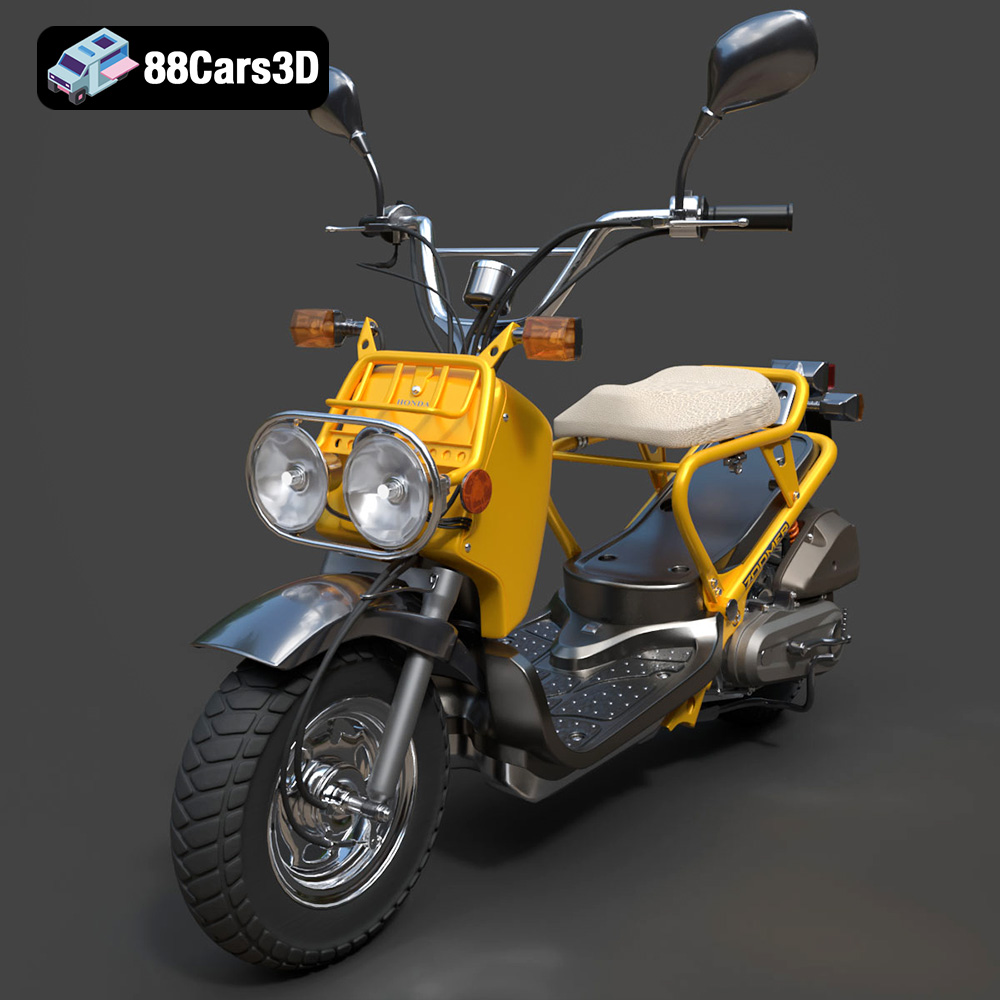
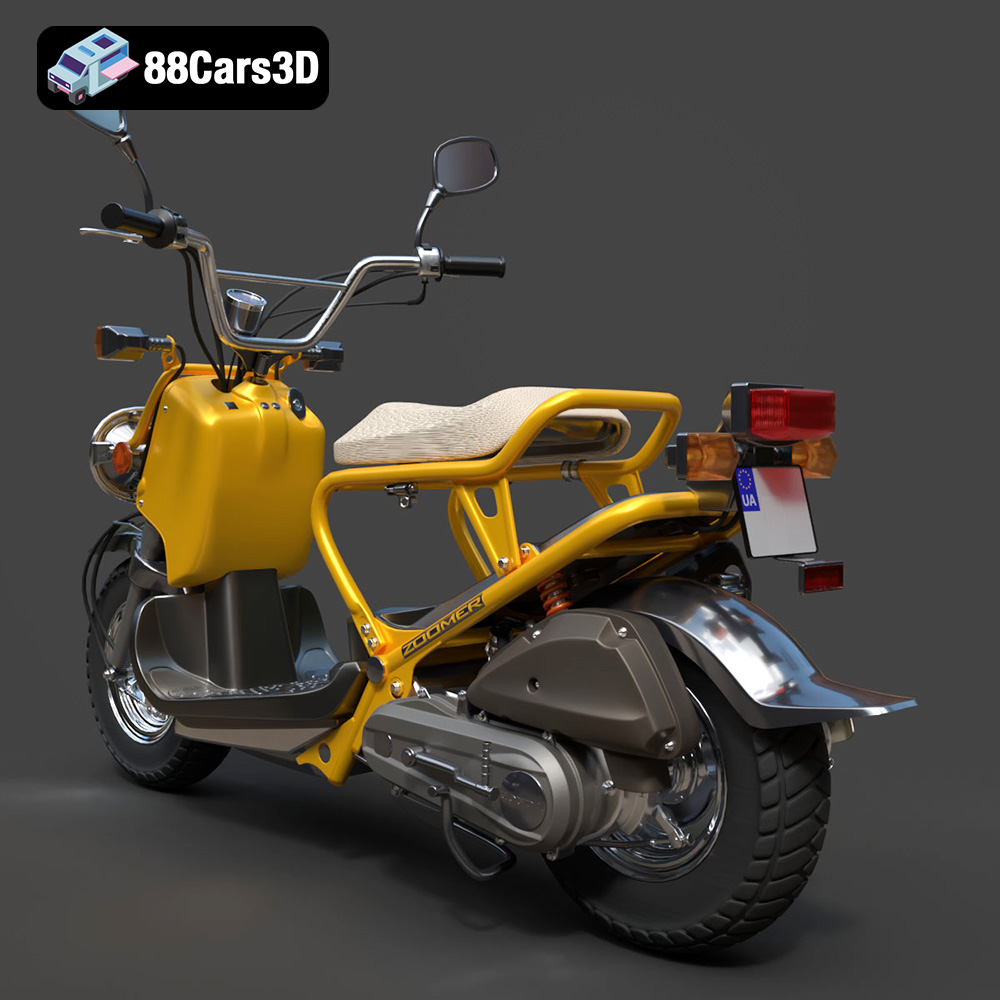
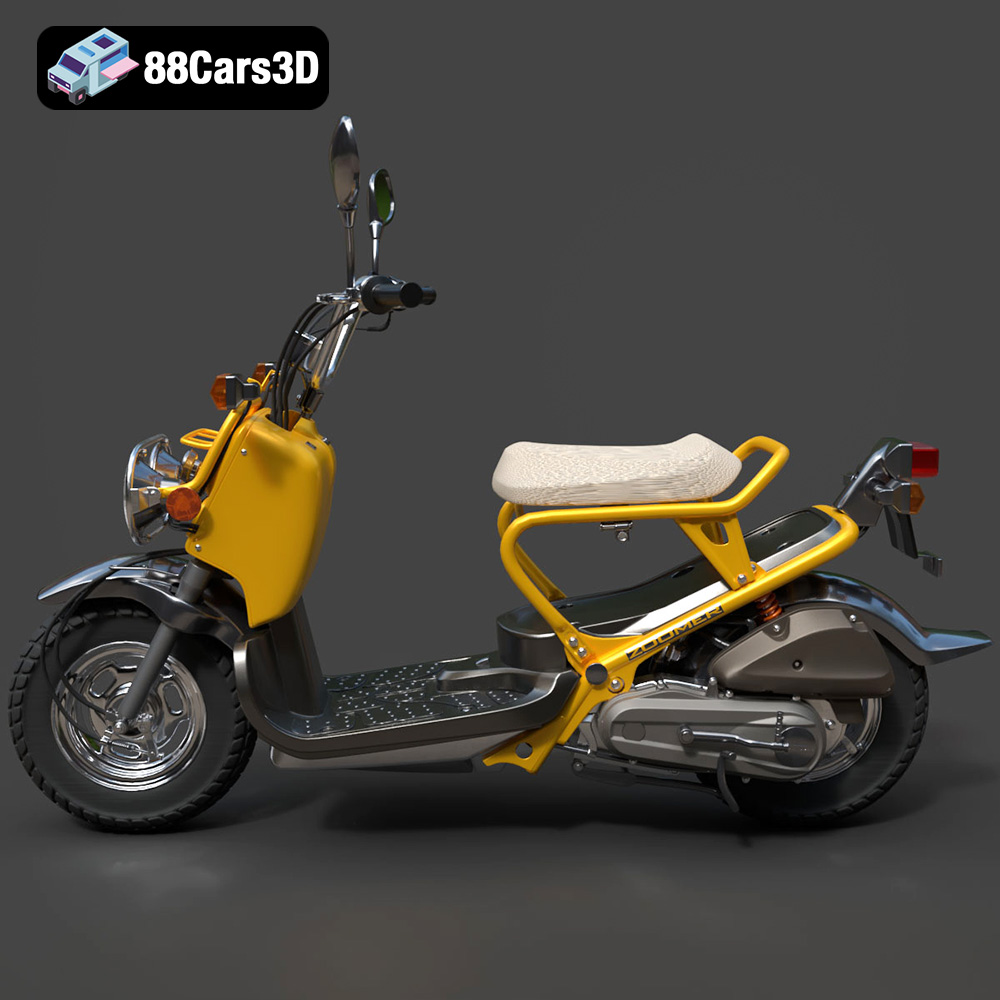
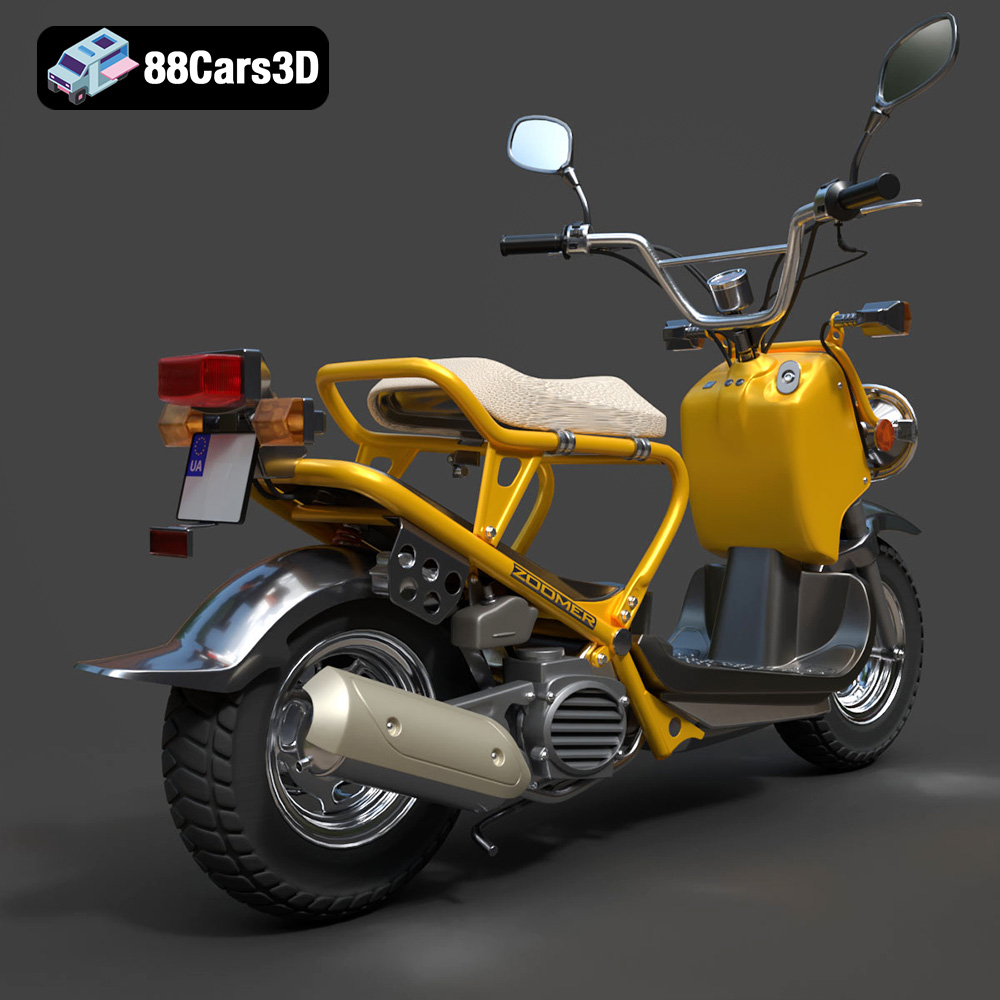
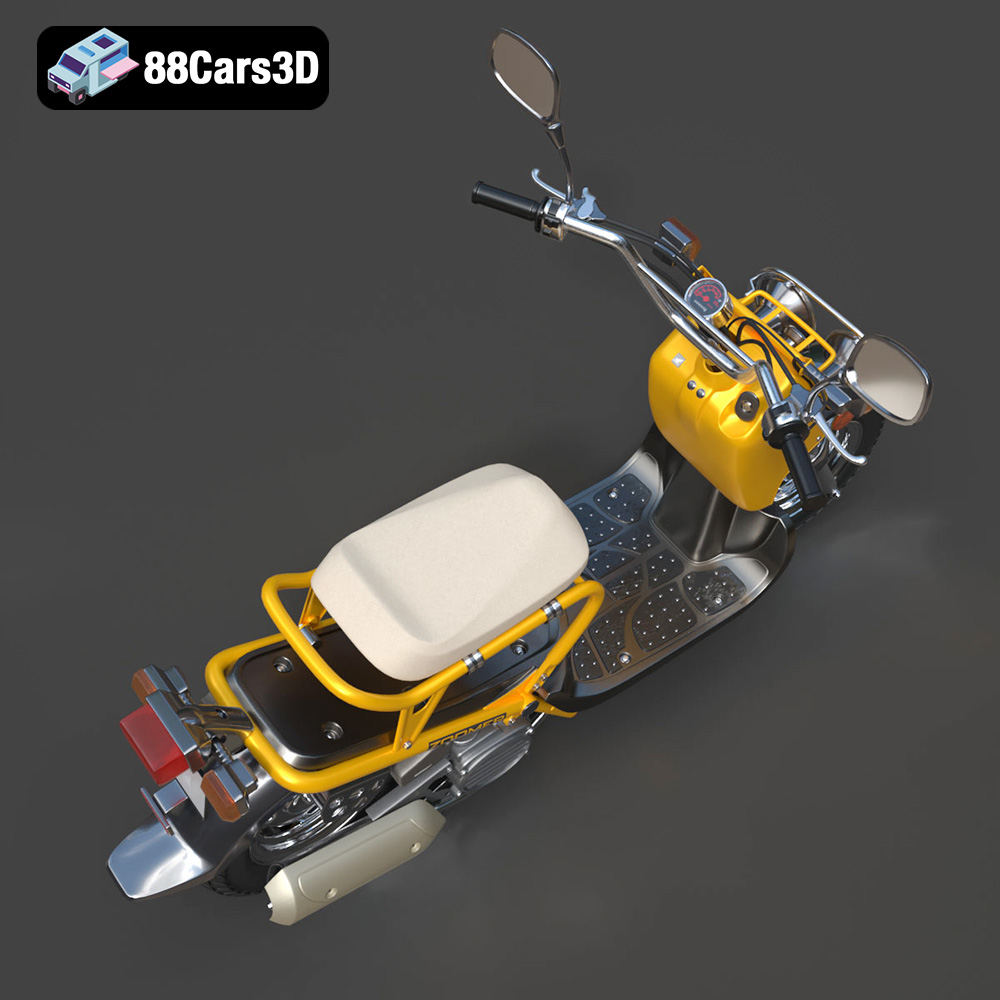
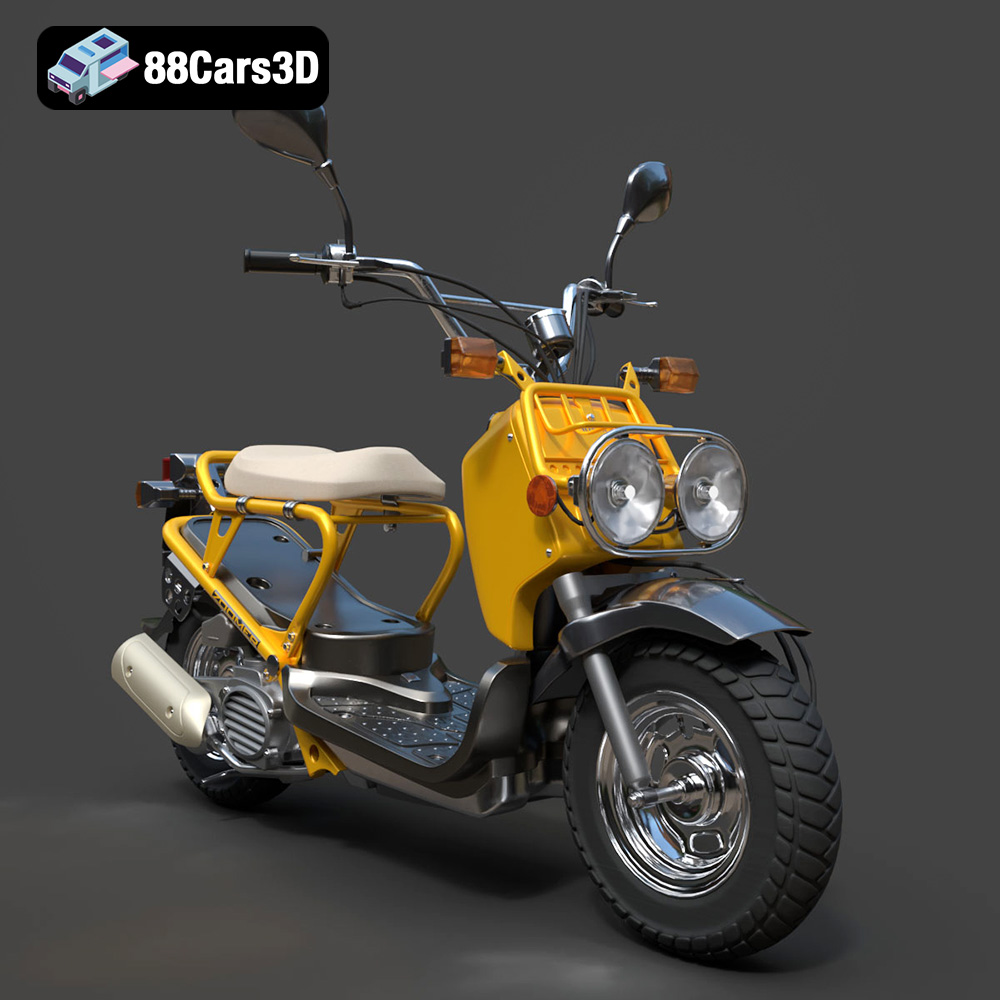
Today, we’re diving into the world of meticulously crafted 3D vehicles, exemplified by an iconic and highly versatile model: the Honda Zoomer 50 2005 3D Model. This particular asset stands as a testament to the blend of artistry and technical expertise required to create digital objects that feel as real as their physical counterparts. From its rugged design to its detailed components, this model offers unparalleled precision, making it an excellent choice for a myriad of detailed visualizations and dynamic projects. It’s more than just a scooter; it’s a robust foundation for your next creative endeavor, perfectly suited for rendering, game development, AR/VR experiences, and general visualization tasks.
Creating a truly convincing 3D vehicle model is a complex undertaking that marries artistic sensibility with rigorous technical understanding. It’s not enough to simply make an object look like a car or a scooter; it must embody its essence, from the subtle curves of its body panels to the intricate mechanics hidden beneath.
The foundation of any high-fidelity 3D model lies in its geometry. For assets like the Honda Zoomer 50, “meticulously crafted” implies a process that begins with extensive reference material – blueprints, photographs, and even real-world measurements. Every component, from the handlebars to the exhaust pipe, is modeled with strict attention to detail. This involves creating clean, efficient topology, primarily using quad-based meshes, which are crucial for smooth subdivision and realistic deformation if the model is ever rigged or animated.
For the Honda Zoomer 50 2005 3D Model, this means capturing the scooter’s distinctive “rugged” aesthetic. This involves careful hard-surface modeling techniques to define sharp edges, smooth transitions, and accurately represent mechanical parts. The structural components are built to ensure that even under close scrutiny, the model holds up, reflecting the quality one expects from professional-grade 3D car models. This level of detail guarantees seamless integration into varied environments, from a bustling city street to a pristine studio render.
Beyond the raw geometry, it’s the materials and textures that truly bring a 3D model to life. Modern rendering pipelines heavily rely on Physically Based Rendering (PBR) workflows, which simulate how light interacts with surfaces in the real world. This requires a comprehensive set of texture maps: Albedo (color), Normal (surface detail), Roughness (micro-surface imperfections), Metallic (material type), and Ambient Occlusion (contact shadows).
For a model like the Honda Zoomer 50, “realistic materials” means carefully painted and generated textures that mimic the wear and tear, reflections, and subtle variations of real-world paint, plastic, rubber, and metal. High-resolution UV mapping ensures that these textures are applied without distortion, maximizing detail and clarity. The professional quality construction ensures that these material setups are optimized for various rendering engines, providing exceptional results whether used in a static showcase or a dynamic simulation.
The choice of file format is a critical technical decision that dictates compatibility, functionality, and optimization across different 3D applications and pipelines. Understanding the nuances of each format is essential for any professional working with 3D car models, game assets, or visualization projects. The Honda Zoomer 50 2005 3D Model, available on 88cars3d.com, exemplifies this versatility by offering a comprehensive suite of file formats, ensuring maximum utility for various workflows.
The `.blend` file format is the native format for Blender, a powerful open-source 3D creation suite. When you acquire the Honda Zoomer 50 as a `.blend` file, you’re getting a fully editable Blender scene. This typically includes not just the raw mesh but also its associated materials (often node-based PBR setups), textures, lighting, camera setups, and even potential modifiers or rigging. This format is ideal for Blender users who require full customizability, want to study the model’s construction, or need to integrate it into complex Blender-specific scenes. Its strength lies in preserving all aspects of the original Blender project.
FBX (Filmbox) is a proprietary file format owned by Autodesk and has become an industry standard for interoperability between 3D software and game engines. The `.fbx` format is highly versatile, capable of storing not just geometry but also materials, textures, animations, and skeletal rigging. It’s the go-to format for bringing 3D car models into real-time applications like Unreal Engine and Unity. While generally robust, users should be aware of potential scaling issues or material conversion discrepancies when importing across different software. It excels in game-engine readiness, making it a staple for game asset development.
OBJ (Object) is one of the oldest and most widely supported 3D file formats. It’s a universal format known for its excellent cross-software compatibility. An `.obj` file primarily stores the geometry (vertices, normals, UV coordinates, and faces) and usually references an accompanying `.mtl` (Material Template Library) file for basic material properties like color and texture map paths. While it doesn’t support advanced features like animation or rigging, its simplicity makes it incredibly reliable for sharing static meshes between different 3D applications. It’s a safe bet when you need to ensure your Honda Zoomer 50 model can be opened by virtually any 3D software.
GLB (GL Transmission Format, binary) is a relatively newer format rapidly gaining traction, especially for AR (Augmented Reality), VR (Virtual Reality), and web-based 3D applications. It is a binary version of the glTF format, which is designed to be a compact, efficient, and extensible format for the transmission and loading of 3D scenes and models. A key advantage of `.glb` is that it packages all assets (geometry, materials, textures, animations) into a single file, making it incredibly convenient for distribution and embedding in web pages or AR/VR experiences. It’s optimized for PBR materials and real-time rendering, making the Honda Zoomer 50 an excellent candidate for interactive product showcases or virtual showrooms.
STL (Stereolithography) is perhaps the most common file format for 3D printing and rapid prototyping. It represents a 3D model as a collection of unconnected triangular facets, without any color or texture information. The critical technical aspect for `.stl` is ensuring the mesh is “manifold” – meaning it’s a completely closed volume with no gaps or intersecting faces – which is essential for successful 3D printing. While the Honda Zoomer 50 model would require careful preparation (e.g., ensuring all components form solid objects), its availability in `.stl` means it can be directly used for creating physical prototypes or scale models, offering a tangible output from a digital asset.
PLY (Polygon File Format) is another widely used format for storing 3D data, particularly popular in academic and research fields, as well as for storing data from 3D scanners, CAD applications, or scientific visualization. It can store a wider range of properties than `.obj`, including vertex colors, normals, texture coordinates, and transparency, making it suitable for representing complex mesh data with high precision. While often larger in file size, its ability to capture rich mesh attributes makes it valuable for detailed analysis or specific visualization tasks where data integrity is paramount.
The `.unreal` format signifies an asset that is specifically pre-configured or directly integrable into Unreal Engine projects. This often means the model comes with optimized materials (e.g., Unreal’s physically based material system), collision meshes, Level of Detail (LOD) setups, and sometimes even basic blueprints for interactive elements. For game developers or real-time artists working in Unreal Engine, this format offers unparalleled efficiency, eliminating much of the time-consuming setup process. The Honda Zoomer 50’s availability in this format makes it a truly game-engine-ready asset, streamlining development.
The `.max` file format is the native project file for Autodesk 3ds Max, a leading software for 3D modeling, animation, and rendering in professional visualization studios. When the Honda Zoomer 50 is provided as a `.max` file, it includes the full 3ds Max scene, complete with geometry, materials (potentially V-Ray, Corona, or Arnold specific), lighting, cameras, and any applied modifiers or animation data. This format provides the highest level of editability and control for users within the 3ds Max ecosystem, allowing for complex rendering setups, intricate animations, and deep customization, making it perfect for high-end automotive rendering.
High-quality 3D car models, such as the Honda Zoomer 50 2005 3D Model from 88cars3d.com, are indispensable assets across a spectrum of professional applications. Their utility extends far beyond static images, empowering dynamic projects in various industries.
For advertising agencies, automotive manufacturers, and product design firms, rendering is about presenting a vehicle in its best light, often before a physical prototype even exists. Utilizing software like 3ds Max with renderers like V-Ray or Corona, or Blender with Cycles, artists can create photorealistic images and animations. The clean geometry and realistic materials of models like the Honda Zoomer 50 ensure that reflections, shadows, and surface details are accurately portrayed, conveying premium quality.
A common workflow involves importing the .max or .blend file, setting up studio-quality lighting, and carefully composing camera angles to highlight key features. Post-production in software like Photoshop can then enhance the realism further. Imagine a marketing agency leveraging the Honda Zoomer 50 to create a compelling urban lifestyle campaign, showcasing its rugged charm and versatility through stunning renders, all made possible by a professionally crafted 3D model.
In game development, 3D car models serve as essential game assets, populating virtual worlds with believable vehicles. Optimization is key here: game engines require models with efficient poly counts, well-defined collision meshes, and Level of Detail (LOD) setups to maintain smooth performance. The Honda Zoomer 50 2005 3D Model, with its game-engine-ready .fbx and .unreal formats, is perfectly suited for this domain.
Developers using Unreal Engine or Unity can directly import these assets, saving countless hours on modeling and texturing. The process typically involves setting up physics, vehicle controls, and integrating the model into the game’s environment. Picture the Honda Zoomer 50 zipping through a sprawling open-world game, or as a customizable vehicle option in a racing simulator. Its robust construction makes it ready for rigging and dynamic interactions within the game engine.
Augmented Reality (AR) and Virtual Reality (VR) are transforming how we interact with digital content, offering immersive experiences that blend the virtual with the real. Optimized 3D models are crucial for these platforms, as they demand lightweight assets that render smoothly on various devices. The .glb format of the Honda Zoomer 50 is specifically designed for this purpose, offering a compact, single-file solution for web and AR/VR applications.
Businesses can use such models to create interactive virtual showrooms where customers can explore a vehicle in 360 degrees, or even place it in their driveway using AR. Educational institutions might use it for virtual driving lessons or mechanical simulations. The “seamless integration” mentioned in the product description is particularly vital here, ensuring the model performs flawlessly in these cutting-edge interactive environments.
The distinction between an average 3D model and a professional-grade asset lies in its underlying technical precision. For assets like the Honda Zoomer 50 2005 3D Model, this means adhering to industry best practices in geometry and texturing.
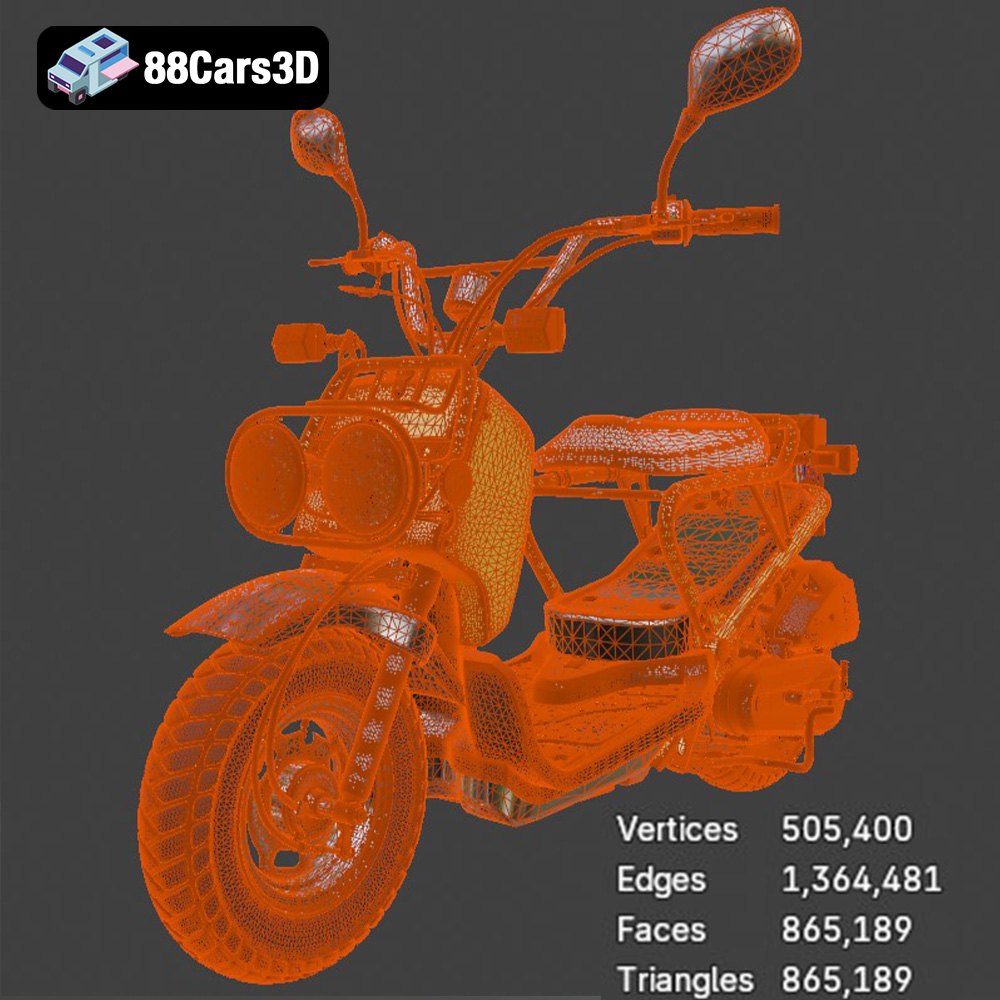
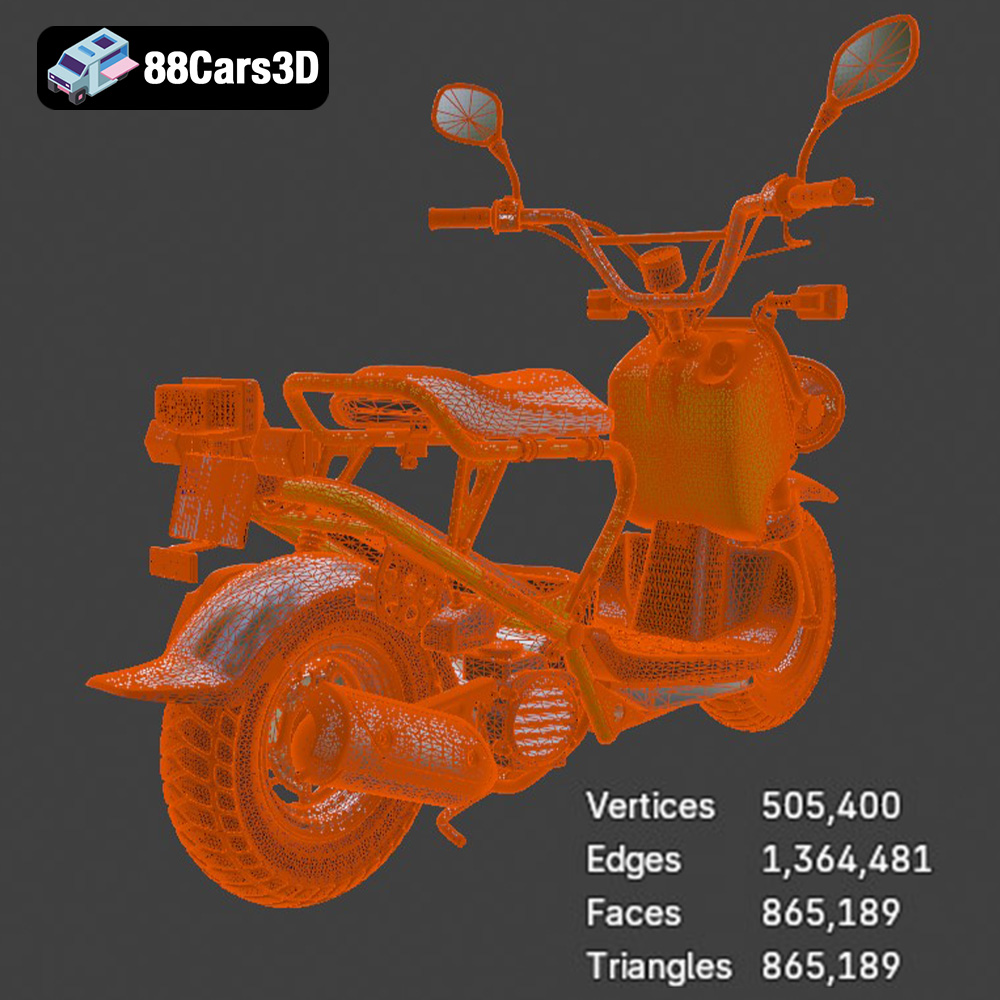
Clean geometry is paramount. This refers to a mesh that is primarily composed of quads (four-sided polygons), has well-defined edge loops for proper deformation, and avoids common issues like n-gons (polygons with more than four sides) or overlapping faces. For the Honda Zoomer 50, this “clean geometry” ensures that if the model needs to be subdivided for extreme close-ups or smooth animation, it does so without pinching or artifacts.
Poly count management is equally critical. While modern hardware can handle millions of polygons, an optimized model will strike a balance between visual fidelity and performance. A professional model will typically have a suitable poly count for its primary purpose (e.g., lower for games, higher for film renders) while still maintaining the essential details. For a scooter, this means the overall silhouette and key mechanical components are well-defined without excessive, unnecessary polygons.
UV mapping is the process of unwrapping the 3D mesh into a 2D space, allowing textures to be applied accurately. “Efficient UV mapping” means that the UV islands are logically arranged, minimize seams, and do not overlap, which is essential for baking realistic lightmaps, normal maps, and other PBR textures. For the Honda Zoomer 50’s “realistic materials,” this meticulous UV work ensures that the albedo, roughness, metallic, and normal maps align perfectly, resulting in authentic surface details and material responses to light.
Furthermore, professional models often come with optimized texture sets. This includes using appropriate resolutions (e.g., 2K or 4K maps for key components) and potentially texture atlases, where multiple smaller textures are combined into a single, larger file to improve rendering performance in real-time applications. This attention to detail in texturing is what elevates a basic model to a “professional quality construction” asset, providing that “unparalleled precision” that users seek from 88cars3d.com.
The true measure of a 3D model’s quality is its utility across diverse, real-world professional scenarios. The Honda Zoomer 50 2005 3D Model, with its detailed craftsmanship and flexible file formats, proves invaluable in numerous industries.
In architectural visualization (ArchViz), realism is paramount. Adding contextual elements like vehicles and people breathes life into sterile renderings of buildings and urban landscapes. The Honda Zoomer 50 is an ideal asset for populating street scenes, adding a touch of urban authenticity to architectural presentations. Imagine a developer showcasing a new apartment complex; placing a realistic scooter model like the Zoomer 50 in front of the building or in a parking area instantly grounds the scene in reality, making the visualization more relatable and engaging for potential clients.
Urban planners can also leverage such models in simulations or proposals, demonstrating traffic flow, parking solutions, or the impact of new infrastructure. The clean geometry and realistic materials ensure it integrates seamlessly into these detailed digital environments, enhancing overall credibility.
Beyond visual representation, 3D models can serve as a foundation for physical creation. The Honda Zoomer 50 3D Model’s availability in .stl format means it can be directly used for 3D printing. This opens doors for rapid prototyping of custom accessories, scaled models for display, or even functional parts for modifications. A designer might use the base model to design and 3D print a custom storage rack or a unique fairing, testing concepts digitally before committing to physical production.
Furthermore, having the model in editable formats like .blend or .max allows for extensive customization. Artists can modify the geometry, change materials, or even re-design components to fit specific project requirements, demonstrating the model’s adaptability beyond its initial form.
Interactive simulations are increasingly used for education and training, offering safe and controlled environments to learn practical skills. A highly detailed vehicle model like the Honda Zoomer 50 could be a central component in a virtual driving simulator, teaching new riders about traffic laws, maneuverability, and spatial awareness without the risks of real-world training. Its accurate dimensions and detailed components make it suitable for maintenance training simulations, where users can learn to identify parts or practice repair procedures in a virtual garage.
The integration of such a model into an Unreal Engine or Unity-based training module, utilizing the .unreal or .fbx formats, provides an engaging and effective learning tool, demonstrating the model’s value as more than just an aesthetic asset, but a functional component in advanced learning platforms.
The journey through the intricate world of 3D vehicle modeling reveals that true quality transcends mere aesthetics. It’s about the convergence of artistic detail, technical precision, and versatile functionality. The Honda Zoomer 50 2005 3D Model stands as an exemplary representation of this principle, offering unparalleled precision, clean geometry, realistic materials, and professional-grade construction across a multitude of file formats.
Whether your project demands photorealistic renders for an automotive campaign, optimized game assets for a sprawling open-world environment, immersive models for AR/VR experiences, or even a foundation for 3D printing and prototyping, this model delivers. Its comprehensive format support—from editable .blend and .max files to game-engine-ready .fbx and .unreal, and web-optimized .glb—ensures seamless integration into virtually any professional workflow.
Investing in high-quality 3D car models like the Honda Zoomer 50 2005 3D Model streamlines production, enhances visual fidelity, and ultimately elevates the impact of your digital creations. For professionals seeking such robust and versatile assets, exploring the extensive collection at 88cars3d.com is a crucial step towards unlocking new creative possibilities and achieving superior project outcomes.
Discover the realistic Honda Zoomer 50 2005 3D Model, meticulously crafted to represent the iconic rugged scooter. This model delivers unparalleled precision, making it an excellent choice for detailed visualizations and dynamic projects. Key features include clean geometry, realistic materials, and professional quality construction. The structural components are modeled with strict attention to detail, ensuring seamless integration into varied environments. This 3D model is perfect for diverse applications, including game development, rendering, AR/VR experiences, and visualization. Whether used in a street scene simulation or a dedicated showcase, it provides exceptional results.
$39.99
.arvr
.blend
.car3dmodel
.fbx
.gameasset
.glb
.honda
.max
.moped
.motorcycle
.obj
.ply
.rendering
.scooter
.simulation
.stl
.unreal
.zoomer50