Get 20% OFF All Premium 3D & STL Models!

In the dynamic world of 3D visualization, game development, and architectural rendering, the demand for photorealistic and technically precise digital assets is ceaseless. Every curve, every material, and every polygon contributes to the immersive experience. For automotive enthusiasts and digital artists alike, capturing the essence of a high-performance vehicle requires more than just a passing resemblance; it demands meticulous attention to detail and a profound understanding of 3D craftsmanship. This is precisely where a premium asset like the Kawasaki ZX-10R 3D Model distinguishes itself, offering unparalleled realism and versatility for a myriad of digital applications. From the aggressive styling that defines the superbike’s presence to its intricate mechanical components, this model serves as a benchmark for high-quality digital representation, ensuring your projects stand out with authentic visual fidelity.
The success of any digital project, be it an engaging game, a breathtaking cinematic, or an interactive AR/VR experience, hinges critically on the quality of its fundamental building blocks: the 3D models. Low-quality assets, characterized by poor topology, messy UVs, or inadequate texturing, can shatter immersion and undermine even the most sophisticated scene setups. Conversely, a professionally crafted 3D model like the Kawasaki ZX-10R provides a robust foundation, saving countless hours in post-production and delivering a consistently high standard of visual excellence.
Visual fidelity isn’t merely about high polygon counts; it’s about the intelligent distribution of those polygons, clean edge flow, and the expert application of materials and textures. A high-quality model ensures that details are present where they matter most, from the subtle reflections on painted surfaces to the intricate engravings on mechanical parts. For automotive rendering, this precision is non-negotiable. It allows light to interact realistically with surfaces, creating believable shadows, reflections, and refractions that are crucial for photorealistic outcomes. The Kawasaki ZX-10R 3D Model, with its optimized geometry and realistic materials, is engineered to achieve this level of visual excellence, ensuring it shines in any digital environment.
Time is a valuable commodity in any production pipeline. Integrating poorly optimized assets often leads to performance bottlenecks, extended rendering times, and frustrating troubleshooting sessions. High-quality game assets or models for cinematic use are designed with efficiency in mind. They come with clean, quad-based topology, proper UV unwraps, and often pre-configured material setups. This ready-to-use nature allows artists and developers to integrate the asset seamlessly, focusing their efforts on creativity and optimization rather than remediation. For instance, the Kawasaki ZX-10R 3D Model, available through 88cars3d.com, is built to be “game-engine ready” and “rendering-optimized,” signifying its commitment to a smooth workflow.
A truly valuable 3D model transcends a single application. It should be versatile enough to transition between different software, engines, and use cases without significant rework. A model designed for automotive rendering might also need to function as a real-time asset in a game or an interactive AR experience. This versatility is built into the core design philosophy of professional 3D assets, which often includes multiple file formats and configurations tailored for specific environments. The Kawasaki ZX-10R 3D Model exemplifies this, offering a comprehensive package of formats suitable for everything from intricate animations in 3ds Max to real-time simulations in Unreal Engine.
The choice of file format is a critical technical decision in any 3D workflow, impacting compatibility, performance, and the scope for further editing. The Kawasaki ZX-10R 3D Model comes bundled with a comprehensive suite of industry-standard formats, each catering to specific needs and professional pipelines. Understanding these formats is key to leveraging the model to its fullest potential.
The .blend file is the native format for Blender, a powerful open-source 3D creation suite. When you acquire the Kawasaki ZX-10R 3D Model in .blend format, you gain access to a fully editable Blender scene. This typically includes the model’s geometry, materials (configured for Cycles or Eevee renderers), textures, lighting setup, and potentially even animation rigs or camera views. It’s ideal for Blender artists who want to delve deep into the model’s construction, modify textures, adjust materials, or incorporate the superbike into complex scenes directly within their preferred environment. The .blend file provides the most flexibility for those working natively in Blender, ensuring all specific Blender features are preserved.
.fbx (Filmbox) is a proprietary file format owned by Autodesk, widely regarded as the industry standard for exchanging 3D data between different software applications, especially in game development. Its strength lies in its ability to store not just geometry, but also materials, textures, animations, and skeletal data in a single file. For game engines like Unreal Engine and Unity, .fbx is often the preferred input format due to its robust support for these complex data types. The Kawasaki ZX-10R 3D Model’s .fbx version is optimized for these real-time environments, ensuring efficient import, correct scaling, and accurate material assignment, making it an excellent choice for developing engaging game assets.
The .obj (Wavefront OBJ) format is one of the oldest and most widely supported 3D file formats. It’s a universal standard, compatible with virtually all 3D software. While it primarily stores geometry (vertices, normals, texture coordinates) and references external material (.mtl) and texture files, it lacks support for animations or rigging. The .obj version of the Kawasaki ZX-10R 3D Model is perfect for ensuring cross-software compatibility. If you’re working in a less common 3D application or simply need a clean geometric mesh to start with, .obj is an incredibly reliable choice for importing the model without loss of core mesh data.
.glb (GL Transmission Format Binary) is a relatively newer format, rapidly gaining traction for web-based 3D, augmented reality (AR), and virtual reality (VR) applications. It’s a compact, self-contained file format that embeds all necessary assets (geometry, materials, textures, animations) directly within a single binary file. This makes it highly efficient for streaming and displaying 3D content in browsers or on mobile AR/VR devices, as it minimizes loading times and external dependencies. The .glb version of the Kawasaki ZX-10R 3D Model is specifically optimized for interactive experiences and online product showcases, delivering high visual quality with a small footprint.
.stl (Stereolithography) is the de facto standard file format for 3D printing and rapid prototyping. It describes only the surface geometry of a 3D object as a collection of triangles, without color, texture, or material information. While not suited for rendering or animation, the .stl version of the Kawasaki ZX-10R 3D Model allows designers to translate the digital design into a physical object. This is invaluable for creating scale models, custom parts, or even detailed collectibles, demonstrating the model’s utility beyond purely digital realms.
.ply (Polygon File Format) is another format for storing 3D data, particularly useful for scanned data, CAD, and scientific visualization. It can store a wider range of properties than .obj or .stl, including color per vertex, normal information, and various other attributes. The .ply format for the Kawasaki ZX-10R 3D Model offers a highly precise polygonal mesh, making it suitable for detailed analysis, engineering simulations, or integration into professional CAD workflows where a rich dataset is beneficial. It’s often used where fidelity of the mesh structure is paramount.
The .unreal file (or specific Unreal Engine asset package) signifies that the model is pre-configured and optimized for direct import and use within Unreal Engine. This often means textures are packed correctly, materials are set up with Unreal’s physically based rendering (PBR) pipeline in mind, and the model adheres to engine-specific scaling and performance guidelines. For developers working with Unreal Engine, this pre-configured Kawasaki ZX-10R 3D Model significantly reduces setup time, allowing for immediate integration into real-time environments, racing simulators, or cinematic sequences rendered within the engine itself.
The .max file is the native format for Autodesk 3ds Max, a leading software for 3D modeling, animation, and rendering. Similar to .blend for Blender, the .max file provides a fully editable project with all scene elements intact: geometry, materials (e.g., V-Ray, Corona, Arnold), lighting, cameras, and animation data. For professionals using 3ds Max, this format offers the highest level of control and flexibility, allowing for advanced automotive rendering, detailed animation sequences, and seamless integration into complex visualization projects. The .max version of the Kawasaki ZX-10R 3D Model empowers artists to fine-tune every aspect within a robust and widely-used commercial environment.
The true value of a premium 3D model, such as the Kawasaki ZX-10R, lies not just in its visual appeal but in the underlying technical craftsmanship. Every element, from the polygon structure to the material definition, is meticulously engineered to meet the demanding standards of professional production.
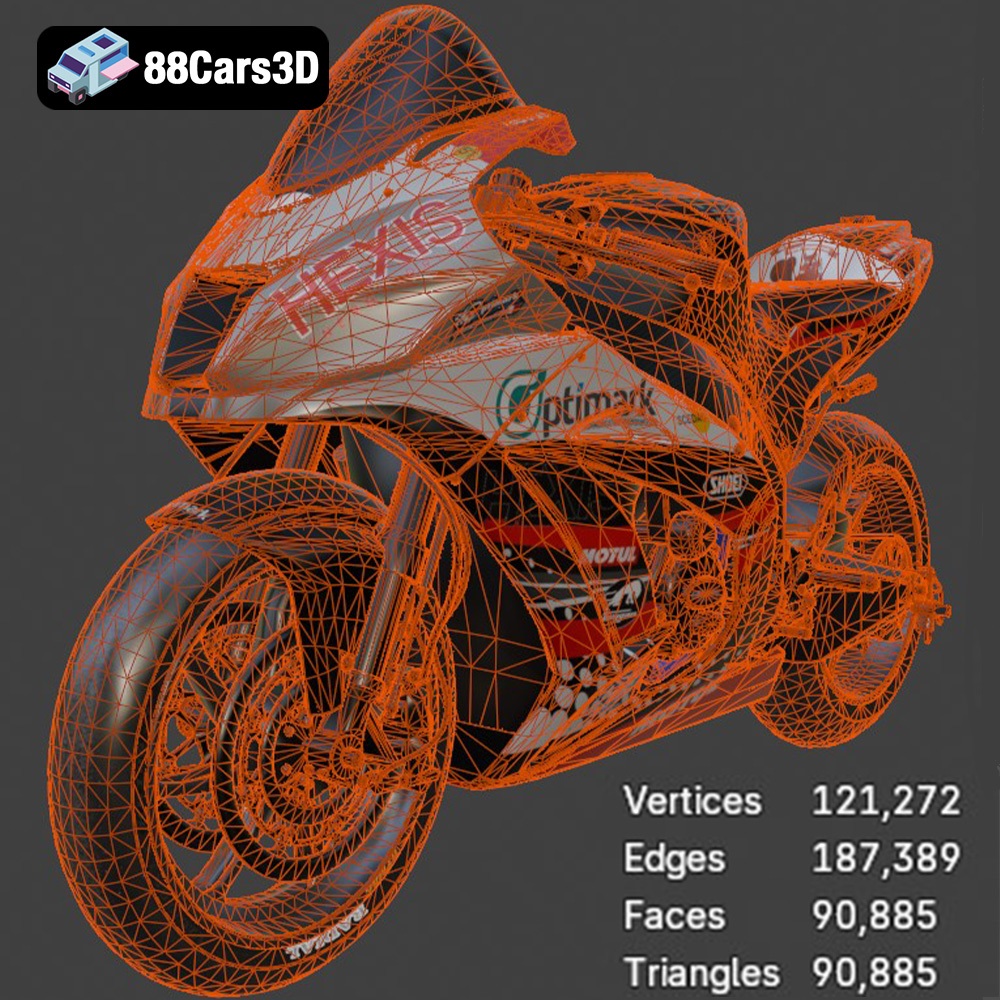
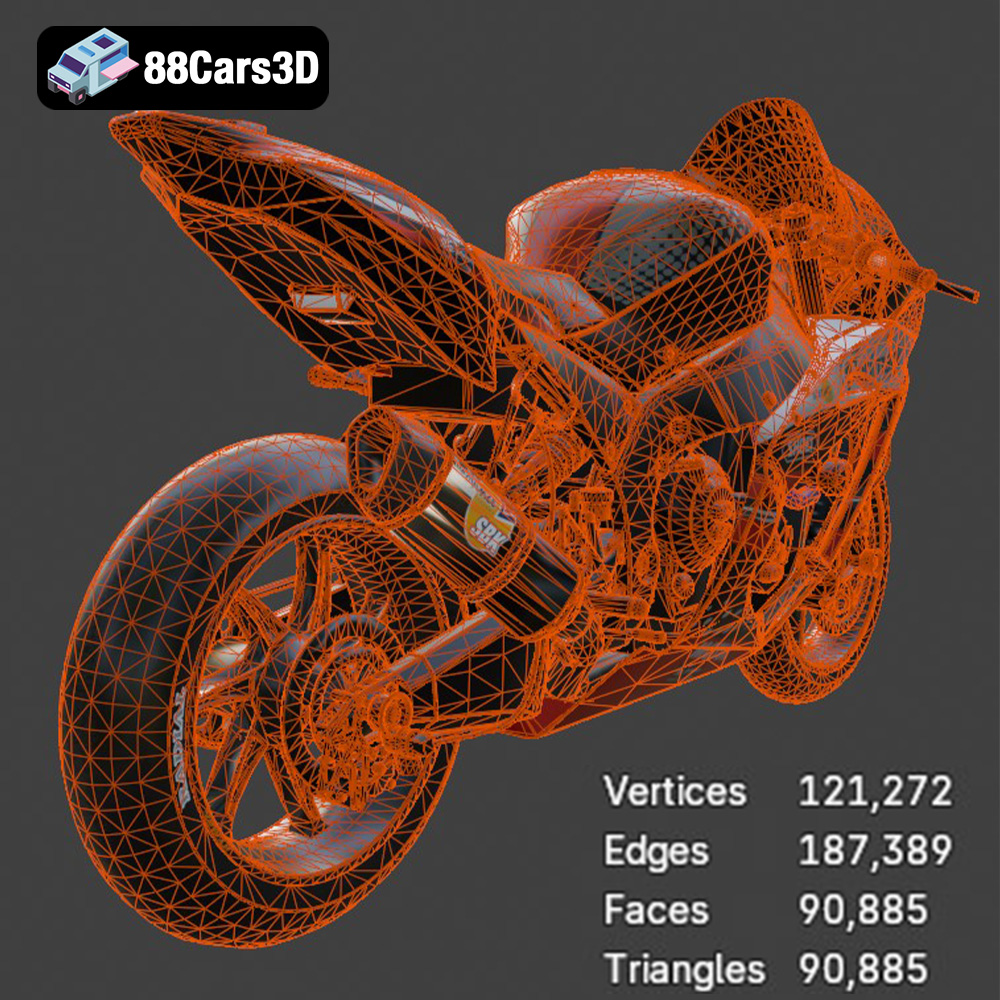
At the heart of any good 3D model is its geometry. The Kawasaki ZX-10R 3D Model boasts clean, optimized geometry, meaning it uses polygons efficiently to capture detail without unnecessary overhead. This is achieved through careful topology – the arrangement of polygons. Professional models utilize predominantly quad-based topology, which facilitates smooth deformation for animation, clean subdivision for high-detail rendering, and avoids common rendering artifacts. An “optimized polygon count” suggests that the model is balanced, detailed enough for close-up shots and high-resolution rendering, yet efficient enough for real-time applications like game engines. This balance is crucial for a 3D car model that needs to perform across various platforms.
Realism in 3D often comes down to materials and textures. The Kawasaki ZX-10R 3D Model features “realistic materials” and “expertly crafted textures.” This typically implies a Physically Based Rendering (PBR) workflow, where materials accurately mimic real-world properties like metallic, roughness, normal, and albedo maps. High-resolution textures capture minute surface details – the sheen of painted metal, the subtle grain of rubber, the reflections on clear plastic. The meticulous texturing ensures that, whether viewed in a static render or a dynamic game environment, the motorcycle’s surfaces react authentically to light, creating a truly photorealistic finish.
UV mapping is the invisible backbone of texturing. It’s the process of unfolding the 3D mesh into a 2D space, allowing textures to be applied accurately. The Kawasaki ZX-10R 3D Model’s description mentions “seamless integration,” which strongly implies clean, non-overlapping UVs. Proper UV mapping is essential for avoiding texture stretching or distortion and for allowing artists to easily apply and modify textures. Optimized UVs also contribute to better performance in real-time engines by making efficient use of texture memory. For complex models with many intricate parts like a superbike, well-executed UV mapping is a hallmark of professional quality.
The versatility of the Kawasaki ZX-10R 3D Model extends across a broad spectrum of professional applications, empowering artists and developers to achieve stunning results in diverse digital environments. Its high fidelity and various file formats make it an indispensable asset.
For high-impact visual content, such as commercials, product launch videos, or short films, the Kawasaki ZX-10R 3D Model excels in automotive rendering scenarios. Imagine a sleek camera pan revealing the superbike’s aerodynamic lines under dramatic studio lighting, or an action shot of it speeding through a digitally recreated urban landscape. Using software like 3ds Max with V-Ray or Corona Renderer, or Blender with Cycles, artists can leverage the model’s detailed geometry and PBR materials to produce photorealistic images and animations that are virtually indistinguishable from real footage. This level of detail is critical for creating compelling promotional media that truly captures the imagination.
The gaming industry thrives on realism and immersion. The Kawasaki ZX-10R 3D Model is an exceptional game asset for racing simulators, open-world games, or interactive showrooms. With its optimized polygon count and game-engine-ready formats like .fbx and .unreal, developers can integrate it directly into Unreal Engine or Unity. This allows for smooth frame rates even with multiple vehicles on screen, while still maintaining high visual quality. Players can experience the thrill of riding the ZX-10R with accurate physics, dynamic lighting, and realistic animations, enhancing the overall gaming experience significantly.
Augmented Reality (AR) and Virtual Reality (VR) are transforming how we interact with digital content, offering immersive experiences for training, product visualization, and entertainment. The .glb format included with the Kawasaki ZX-10R 3D Model is specifically tailored for these emerging technologies. Manufacturers could use it for interactive product configurators, allowing potential buyers to explore the bike in 3D using their smartphone, changing colors or components in real-time. For VR training simulations, engineers could interact with a virtual ZX-10R to understand its mechanics, providing a cost-effective and safe learning environment. The model’s optimized nature ensures smooth performance in these demanding real-time environments.
To truly appreciate the power of a high-quality 3D model, let’s explore hypothetical scenarios where the Kawasaki ZX-10R 3D Model would be an indispensable asset, demonstrating its practical utility in diverse professional contexts.
Consider “Apex Riders,” a next-generation motorcycle racing simulator in development. The studio needs highly detailed, performant game assets for their roster of superbikes. They acquire the Kawasaki ZX-10R 3D Model from 88cars3d.com, utilizing the .fbx and .unreal formats. The model’s optimized topology allows for seamless integration into Unreal Engine 5, maintaining a high frame rate even with several bikes on track. The PBR materials ensure realistic reflections on the fairings and the metallic sheen of the engine components, dynamically responding to the environment’s lighting. Furthermore, the clean geometry allows the developers to easily create accurate collision meshes and LOD (Level of Detail) models, ensuring optimal performance across different hardware configurations, truly bringing the ZX-10R to life on the digital racetrack.
A marketing agency is tasked with creating a stunning promotional animation for the launch of a new Kawasaki superbike model, needing to feature the iconic ZX-10R as a predecessor. They opt for the Kawasaki ZX-10R 3D Model in .max format for their 3ds Max and V-Ray workflow. The model’s intricate details, from the brake calipers to the exhaust system, allow for extreme close-up shots that highlight the engineering prowess. The animators rig the suspension and wheels to simulate realistic movement, while the rendering artists fine-tune the PBR materials to capture the exact paint finish and carbon fiber textures. The resulting animation, produced with unparalleled visual fidelity, captivates the audience and sets a high standard for automotive visualization, thanks to the quality of the base 3D car model.
A dealership wants to create an interactive AR experience for customers to explore a virtual Kawasaki ZX-10R without stepping into a physical showroom. They download the .glb version of the Kawasaki ZX-10R 3D Model. This optimized format allows their web developers to easily embed the 3D model into a web application, accessible directly through a browser on a smartphone or tablet. Customers can then view the superbike in their own environment, scale it, rotate it, and even change its color in real-time. The model’s “optimized for AR/VR” nature ensures smooth performance and quick loading times, providing an engaging and convenient way for potential buyers to interact with the product, demonstrating the cutting-edge capabilities of real-time visualization.
In the competitive landscape of digital content creation, access to high-quality assets is not just a luxury but a necessity. Platforms like 88cars3d.com serve as invaluable resources for professionals seeking top-tier 3D models that deliver on both aesthetic appeal and technical integrity. The Kawasaki ZX-10R 3D Model is a prime example of the caliber of assets available, representing a commitment to precision and versatility.
Investing in a professionally crafted 3D model translates directly into saving time, reducing development costs, and elevating the overall quality of your output. Rather than spending weeks modeling a complex vehicle from scratch, artists can immediately integrate a ready-to-use asset, focusing their creative energy on lighting, composition, and storytelling. For studios and freelancers alike, this efficiency is paramount. The meticulous detail and multi-format support of the Kawasaki ZX-10R 3D Model ensure it’s a valuable addition to any digital asset library, ready to be deployed across various projects and platforms.
While the Kawasaki ZX-10R 3D Model is a standout, 88cars3d.com offers an extensive collection of high-quality 3D car models and other vehicles. This broad selection means that regardless of your project’s specific needs – from vintage classics for historical renders to modern supercars for next-gen games – you can find assets that meet professional standards. Each model is curated to ensure clean geometry, realistic materials, and robust compatibility, providing a reliable source for all your automotive visualization and game development requirements. The platform is designed to be a go-to resource for anyone demanding excellence in automotive rendering and asset creation.
A reputable marketplace like 88cars3d.com understands the importance of support and seamless integration. The detailed descriptions and comprehensive file formats provided with products like the Kawasaki ZX-10R 3D Model reflect a commitment to customer success. This ensures that users, whether seasoned professionals or aspiring artists, can confidently acquire and implement these assets into their varied workflows without encountering unnecessary technical hurdles. The promise of “seamless integration” is a cornerstone of the offerings from 88cars3d.com.
The journey of crafting immersive digital experiences begins with a foundation of exceptional 3D assets. The Kawasaki ZX-10R 3D Model stands as a testament to this principle, offering a meticulously detailed, professionally optimized, and highly versatile asset for a multitude of applications. From cinematic automotive rendering to the demanding real-time environments of game development and interactive AR/VR experiences, its clean geometry, realistic materials, and comprehensive file format support ensure unparalleled visual fidelity and streamlined workflows. By leveraging such high-quality assets, creators can save valuable time, mitigate technical challenges, and ultimately produce more compelling and believable digital content. Whether you’re an industry veteran or an aspiring artist, integrating premium models like the Kawasaki ZX-10R from 88cars3d.com is a definitive step towards elevating your projects to a new standard of digital realism and excellence.
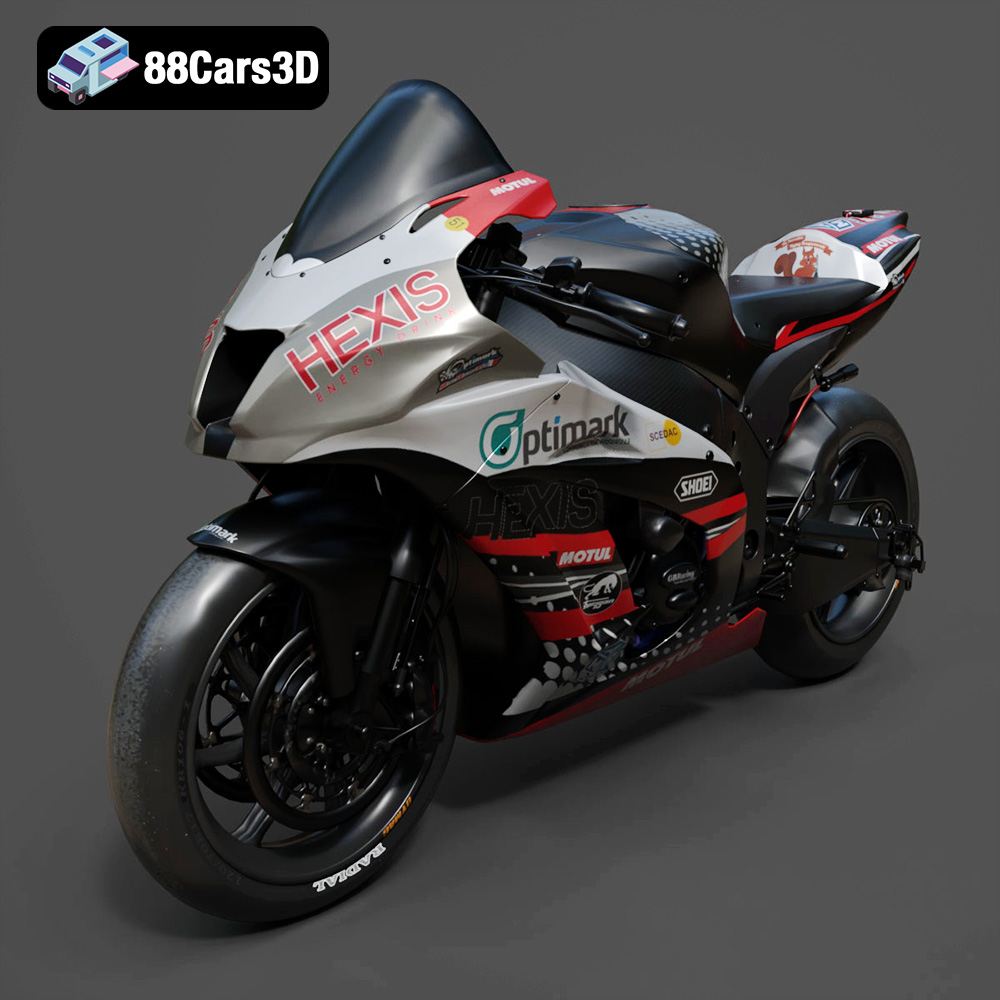
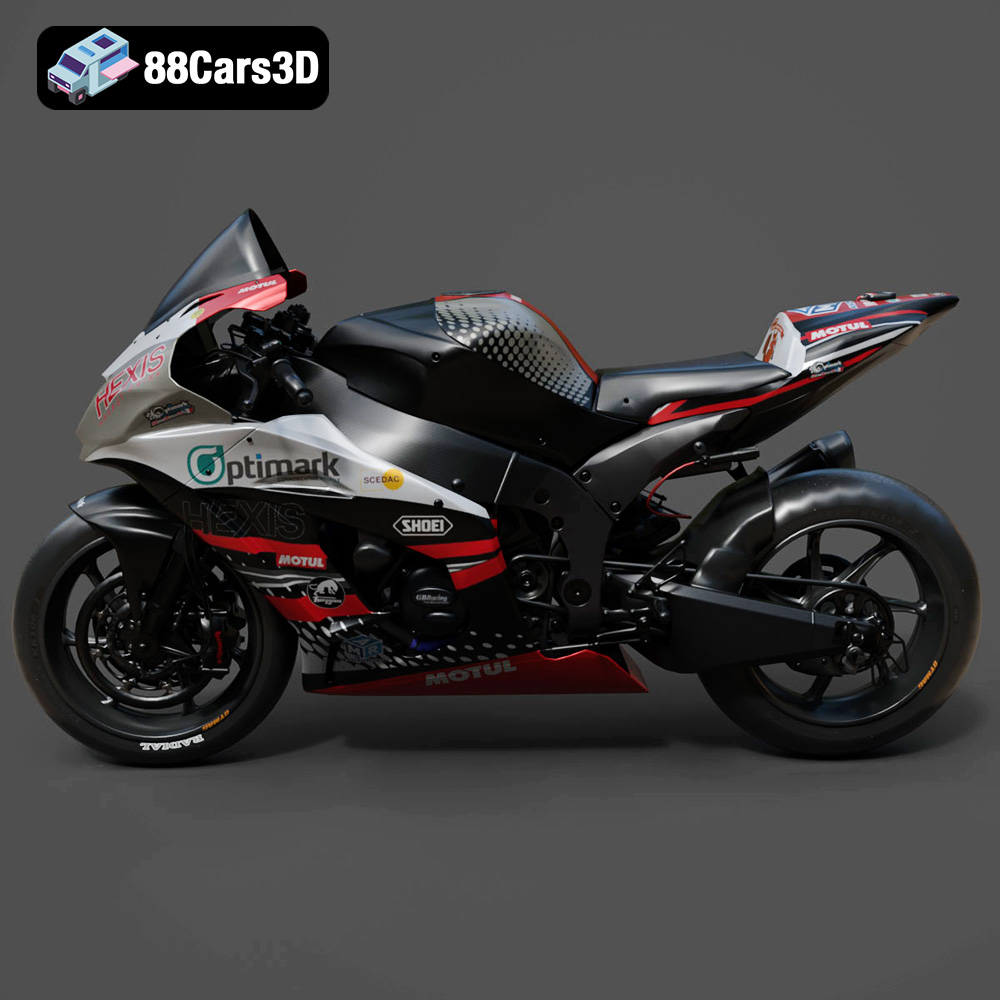
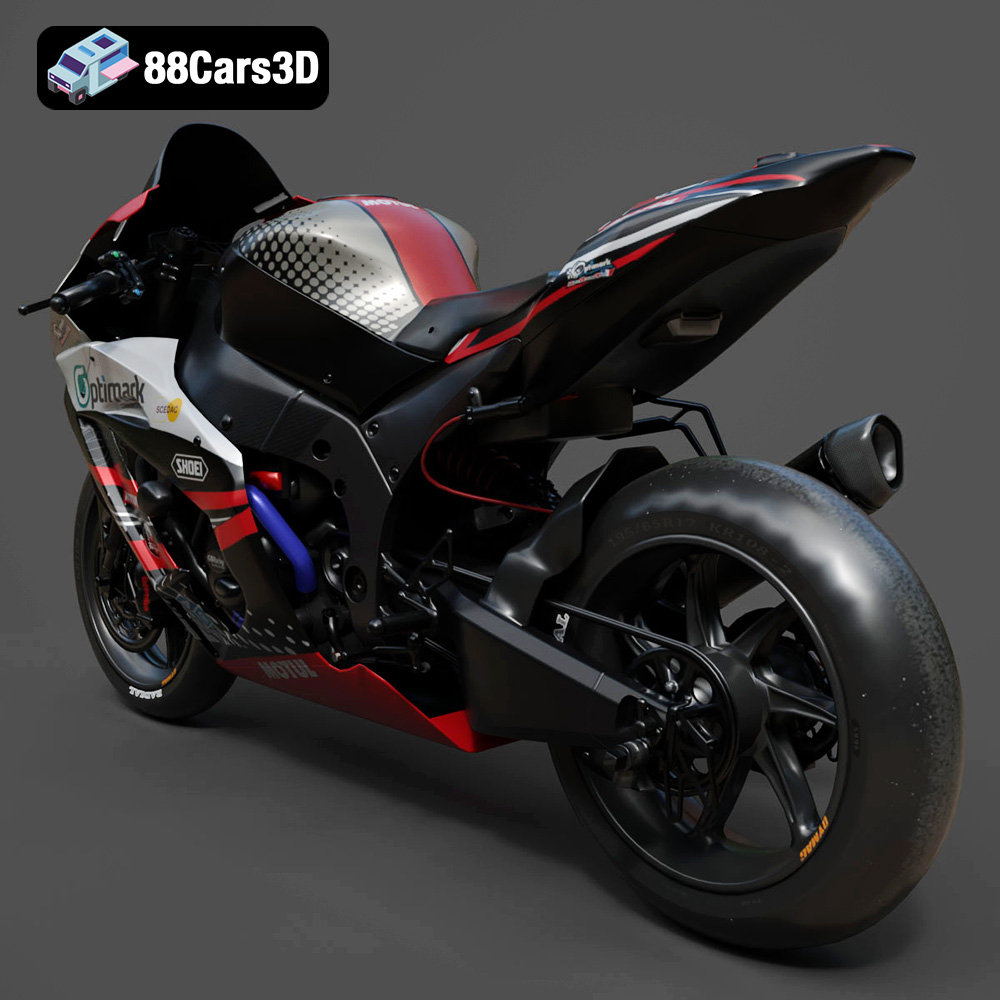
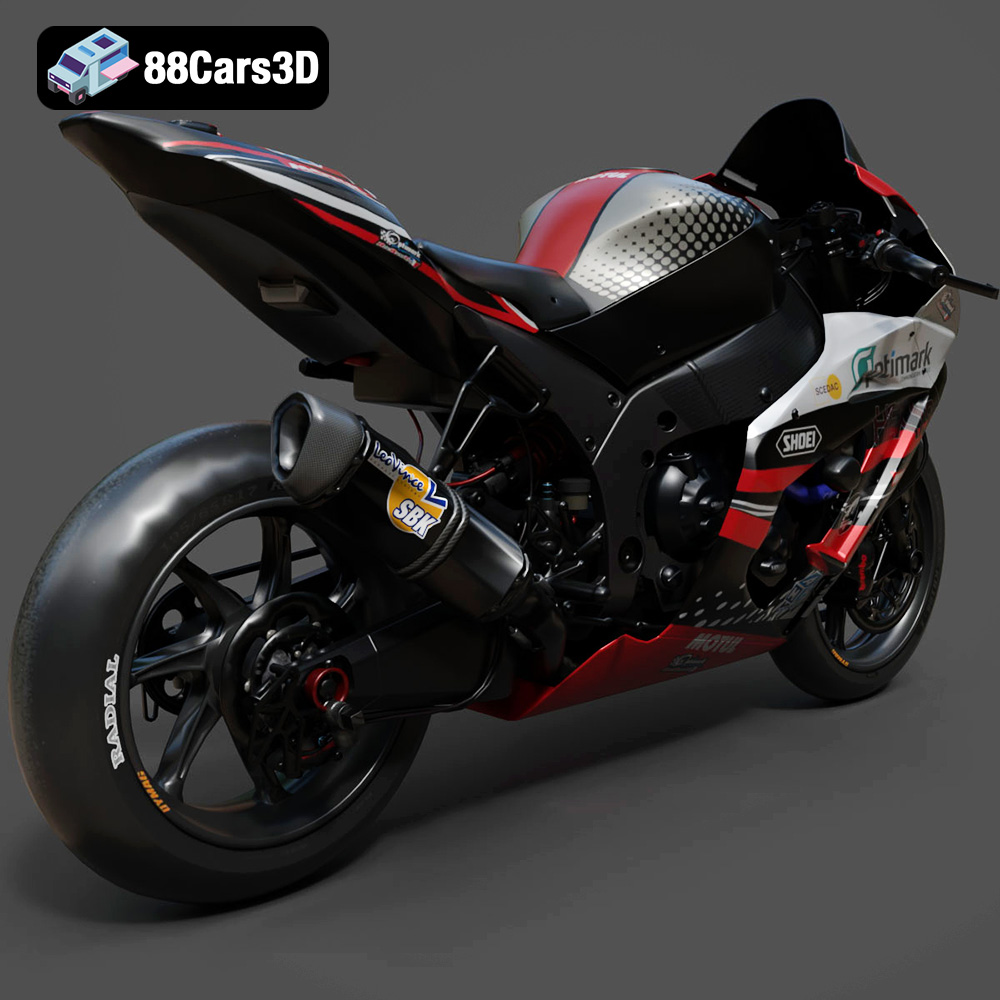
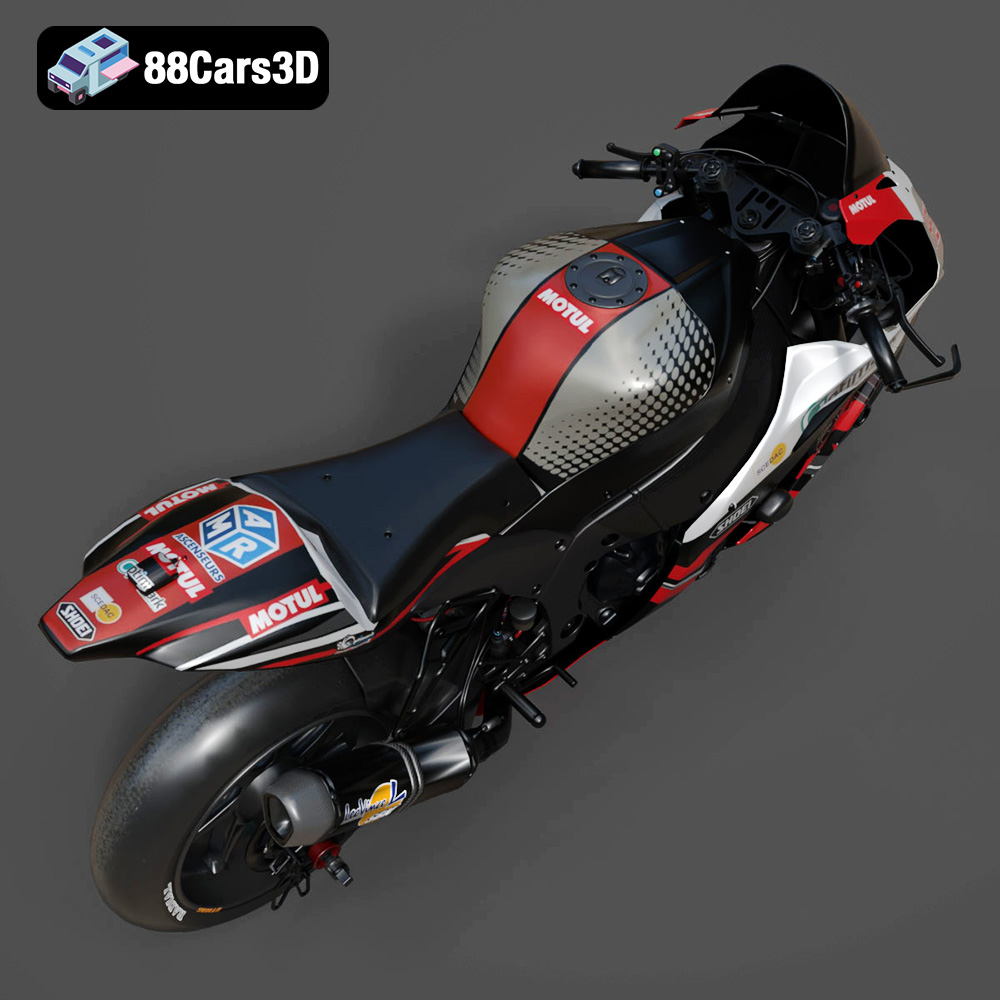
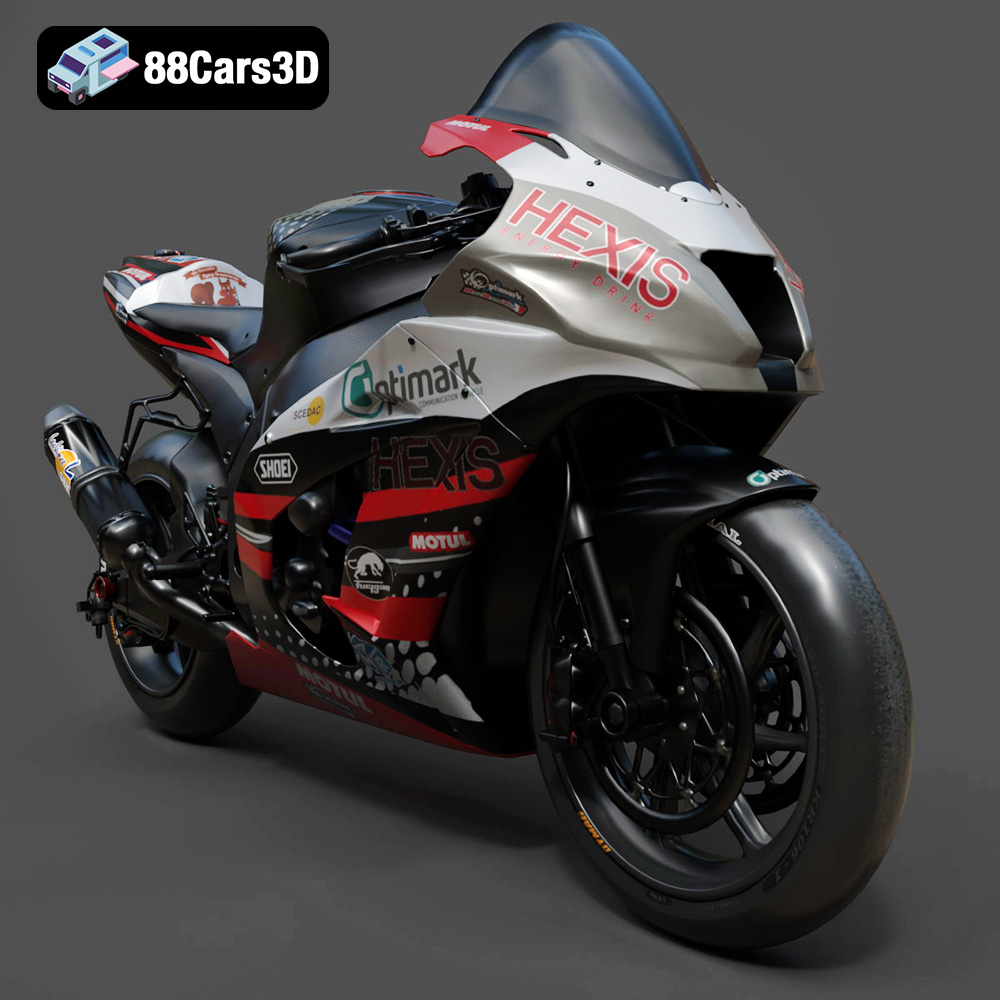
Bring dynamic realism to your digital projects with the Kawasaki ZX-10R 3D Model. This exceptionally detailed replica captures the aggressive styling, aerodynamic profile, and intricate mechanical components of the legendary superbike, making it an essential asset for digital environments requiring absolute precision. Built with professional quality in mind, this model features clean geometry, an optimized polygon count, and realistic materials. Every curve, chassis component, and texture is expertly crafted to provide a photorealistic finish, ensuring seamless integration into any scene. This versatile 3D model is perfect for a wide range of applications, including advanced game development, stunning cinematic rendering, interactive AR/VR experiences, and technical visualization. Whether used for racing simulators or promotional media, it delivers exceptional performance and visual fidelity. The package includes multiple industry-standard file formats to ensure maximum compatibility: .blend, .fbx, .obj, .glb, .stl, .ply, .unreal, .max
$39.99
.arvr
.blend
.car3dmodel
.fbx
.gameasset
.glb
.kawasaki
.max
.motorcycle
.obj
.ply
.rendering
.simulation
.sportbike
.stl
.superbike
.unreal
zx10r