Get 20% OFF All Premium 3D & STL Models!

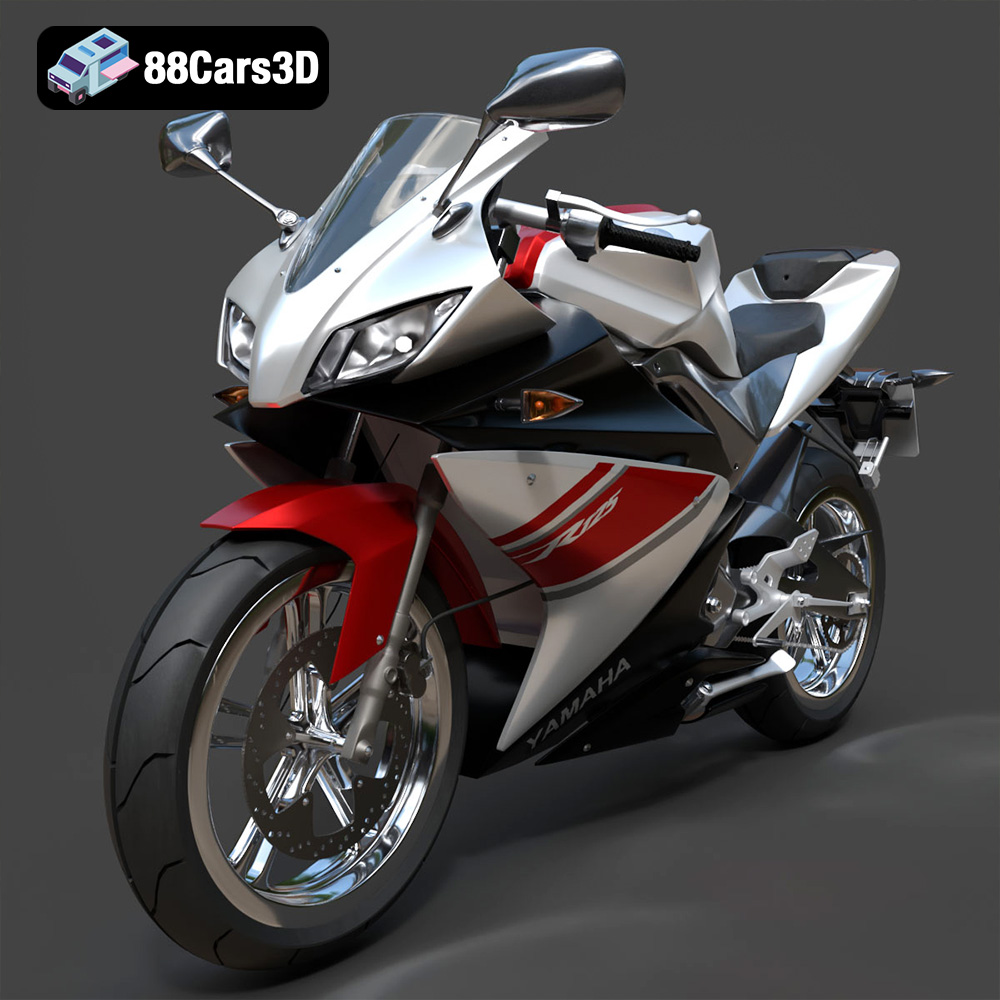
In the dynamic world of 3D visualization, game development, and immersive experiences, the fidelity and versatility of digital assets are paramount. Whether you’re crafting a hyper-realistic automotive advertisement, building an expansive open-world game, or designing an interactive AR configurator, the foundation of a compelling project often lies in exquisitely detailed 3D models. These aren’t just pretty pictures; they are complex data structures engineered for performance, precision, and aesthetic appeal. Today, we’re taking an in-depth look at how professional-grade 3D vehicle models, exemplified by assets like the exceptional Yamaha YZF-R125 EU 3D Model, elevate creative projects and streamline production workflows across various industries.
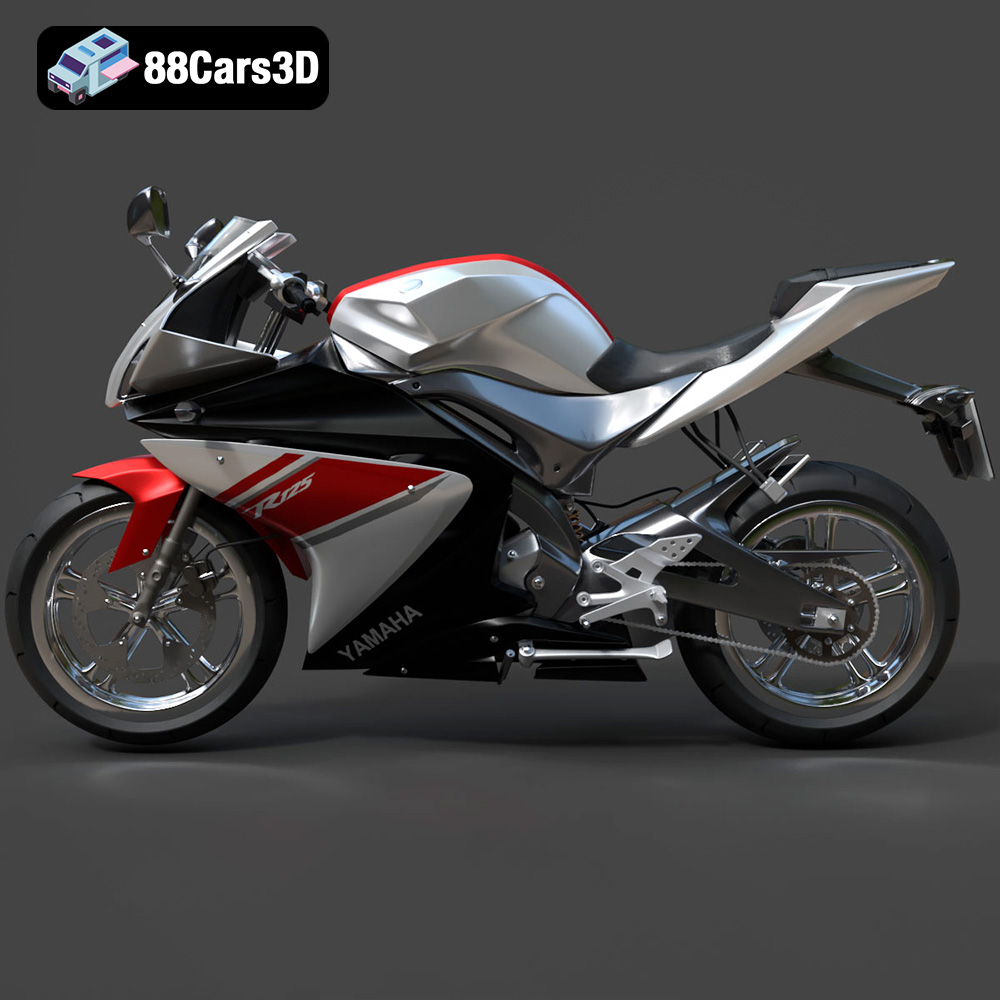
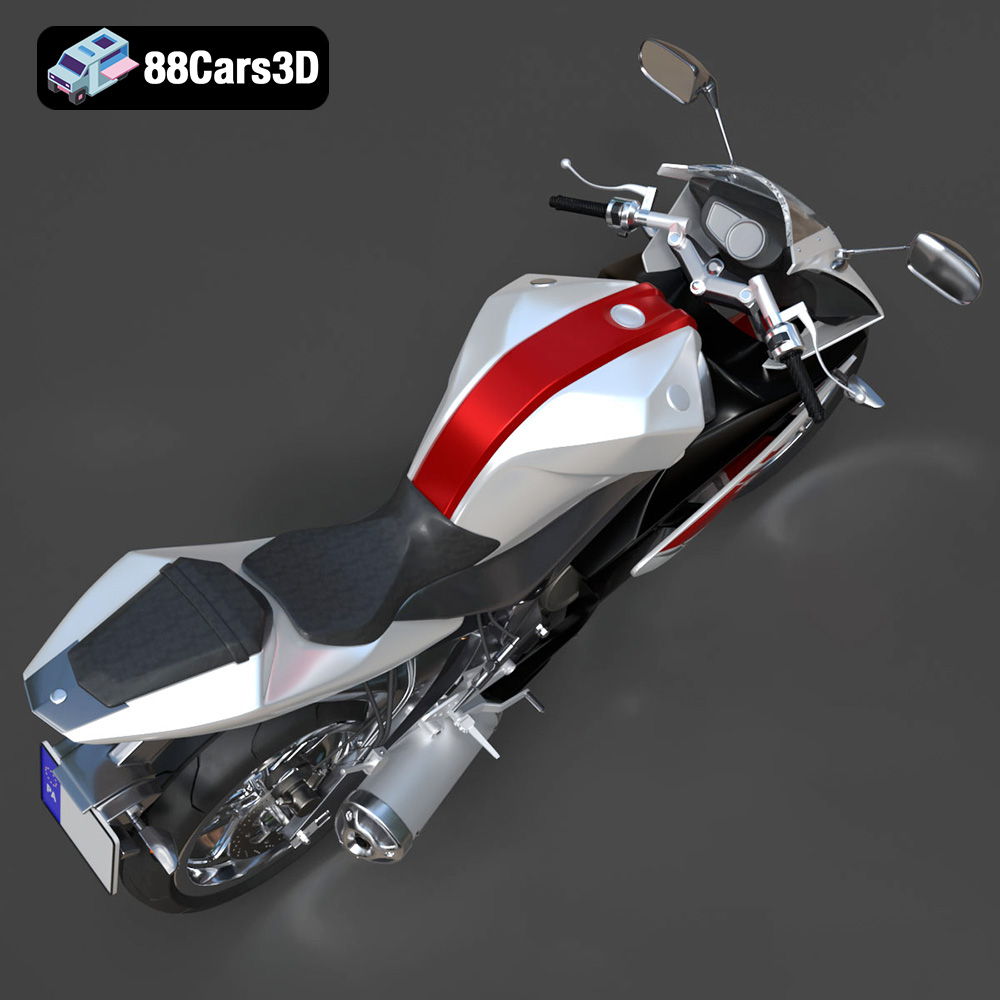
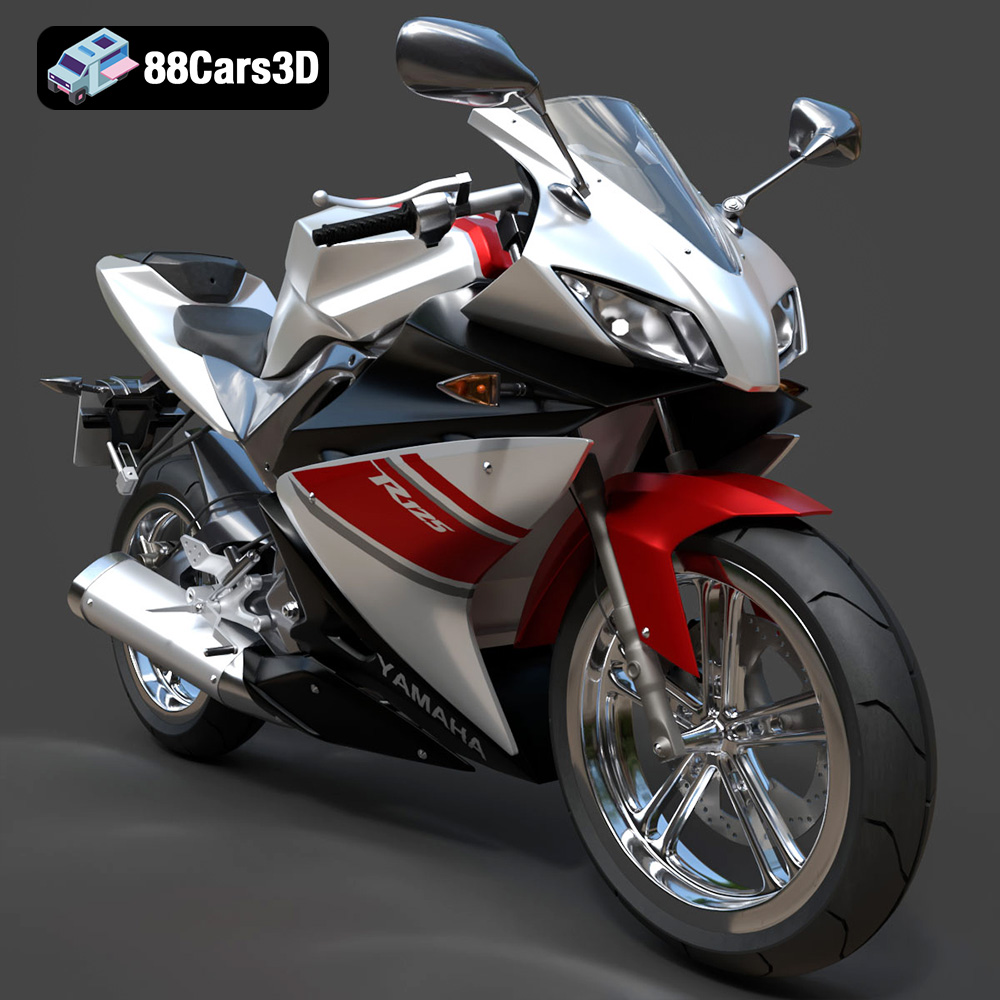
The Yamaha YZF-R125 EU is a testament to sophisticated engineering in the real world, embodying the aggressive styling and performance DNA of its larger R-Series siblings in a lightweight supersport package. Translating such an iconic vehicle into a digital asset requires meticulous attention to detail, accurate scaling, and an understanding of how these models will be utilized. A truly professional model, like the one available from 88cars3d.com, doesn’t just look good; it’s meticulously optimized for diverse applications, ensuring seamless integration into complex pipelines.
From the subtle curves of its aerodynamic fairing to the intricate details of its liquid-cooled engine and Deltabox frame, a premium 3D model captures the essence of the real machine. This article will explore the technical nuances, workflow considerations, and extensive applications that make such assets indispensable for professionals, providing insights into how a high-quality model like the Yamaha YZF-R125 EU can be a game-changer for your next project.
Creating a truly high-fidelity 3D vehicle model is a blend of artistic vision and rigorous technical execution. It goes far beyond simply replicating shapes; it involves understanding materials, physics, and the specific demands of various rendering and real-time environments. The goal is to produce an asset that is both visually stunning and technically robust.
Authenticity begins with accurate reference. For a model like the Yamaha YZF-R125 EU, this means studying every angle, every panel gap, and every component to ensure a faithful digital reproduction. This level of detail translates into accurate Deltabox frame geometry, precise aerodynamic fairing proportions, and even the intricate design of the 125cc liquid-cooled single-cylinder engine block. The dimensions must match real-world scale, a crucial factor for applications ranging from architectural visualization, where vehicles need to fit into specific environments, to AR/VR experiences, where scale perception is key to immersion.
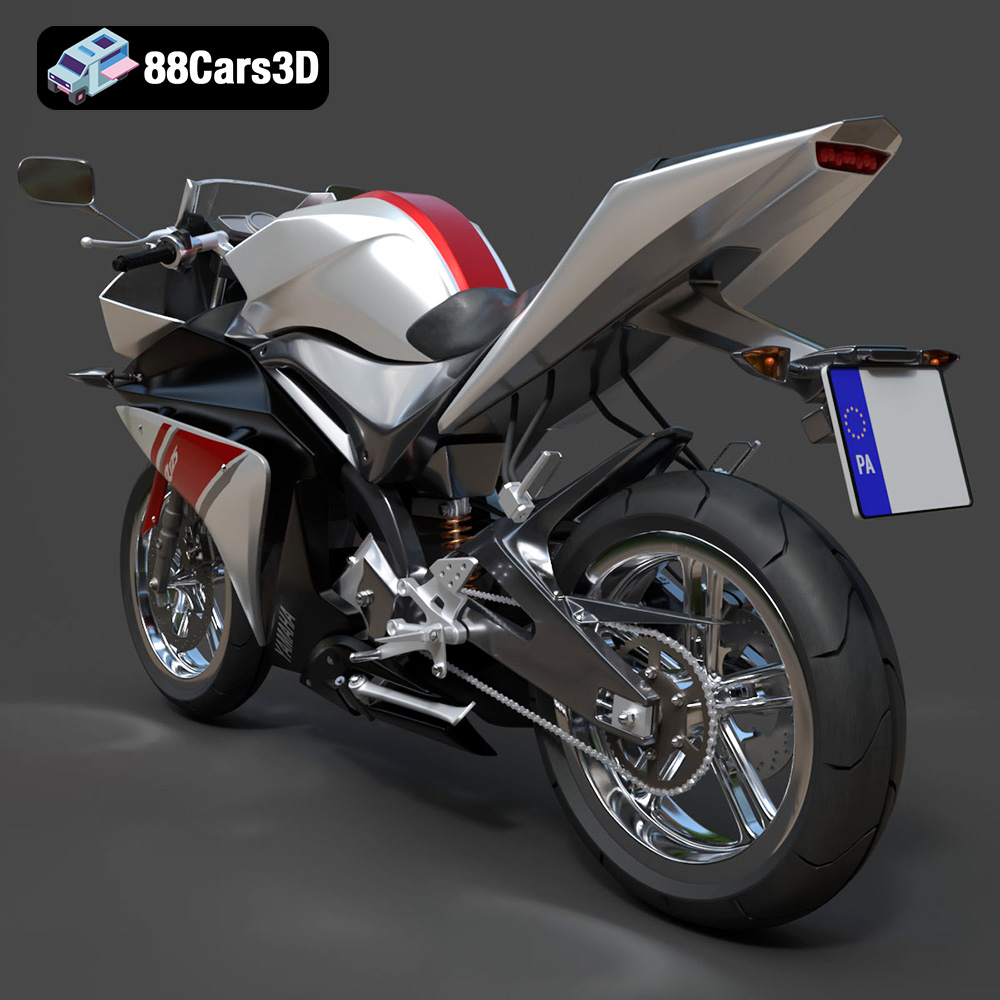
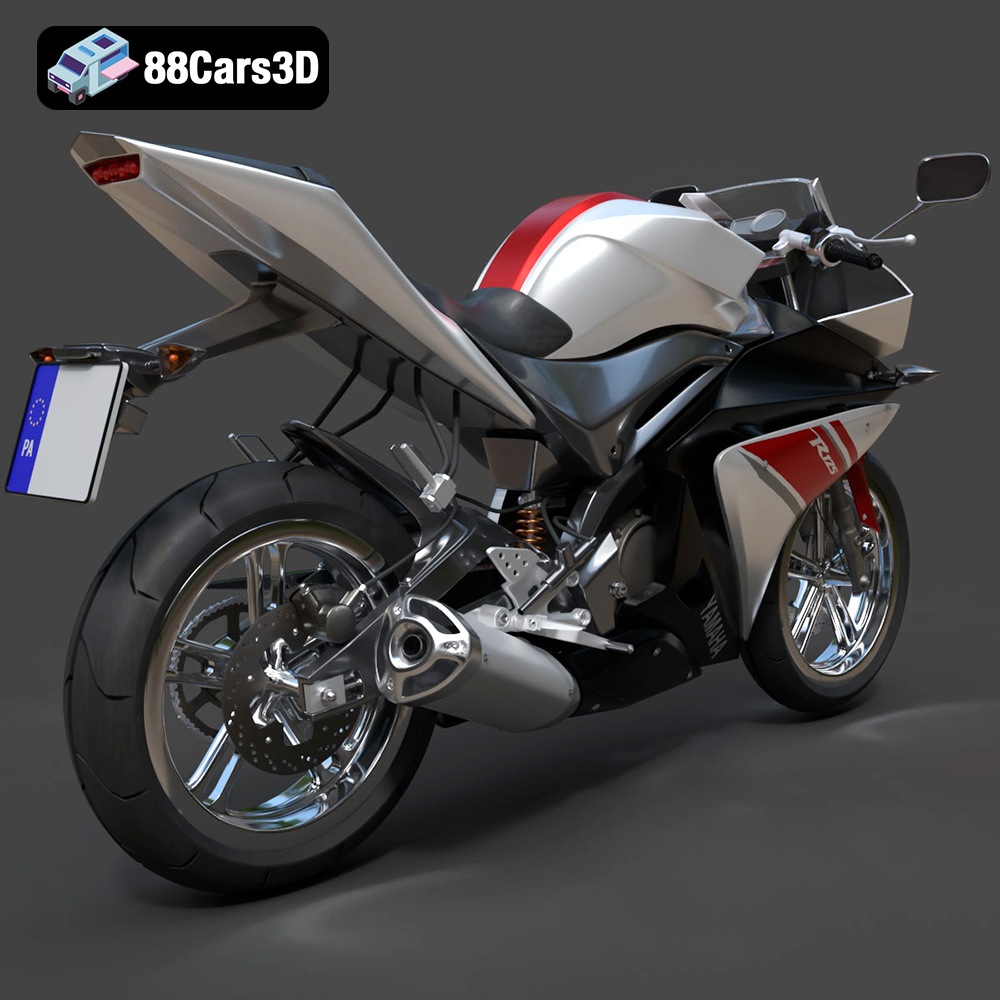
Beyond external forms, internal details like the R-Series inspired stepped split-seat, clip-on handlebars with highly detailed grips, and accurate digital LCD/TFT instrument clusters are all meticulously recreated. This dedication to detail extends to functional components such as separate wheels, suspension, and steering, all set up with proper pivots to facilitate realistic animation of movement, crucial for dynamic scenes or interactive simulations. It’s this comprehensive approach that allows the model to convey the true spirit of the Yamaha YZF-R125 EU.
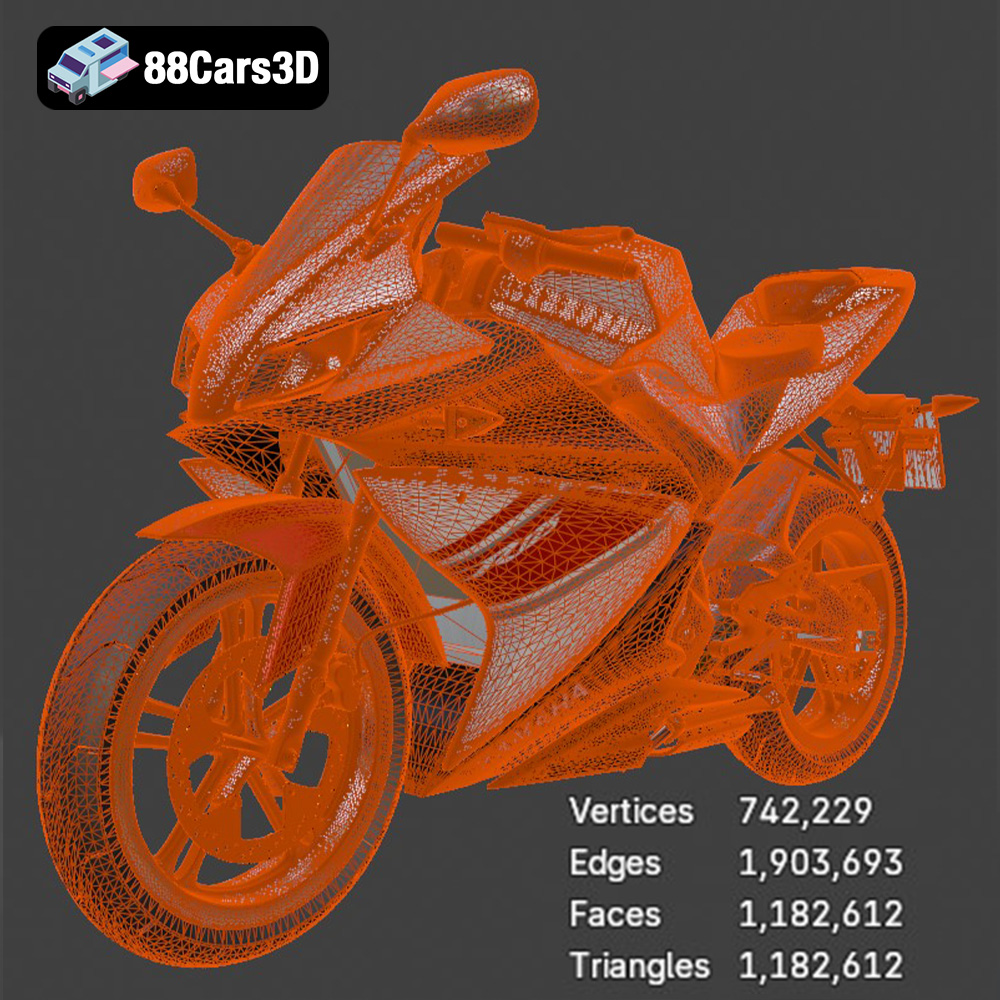
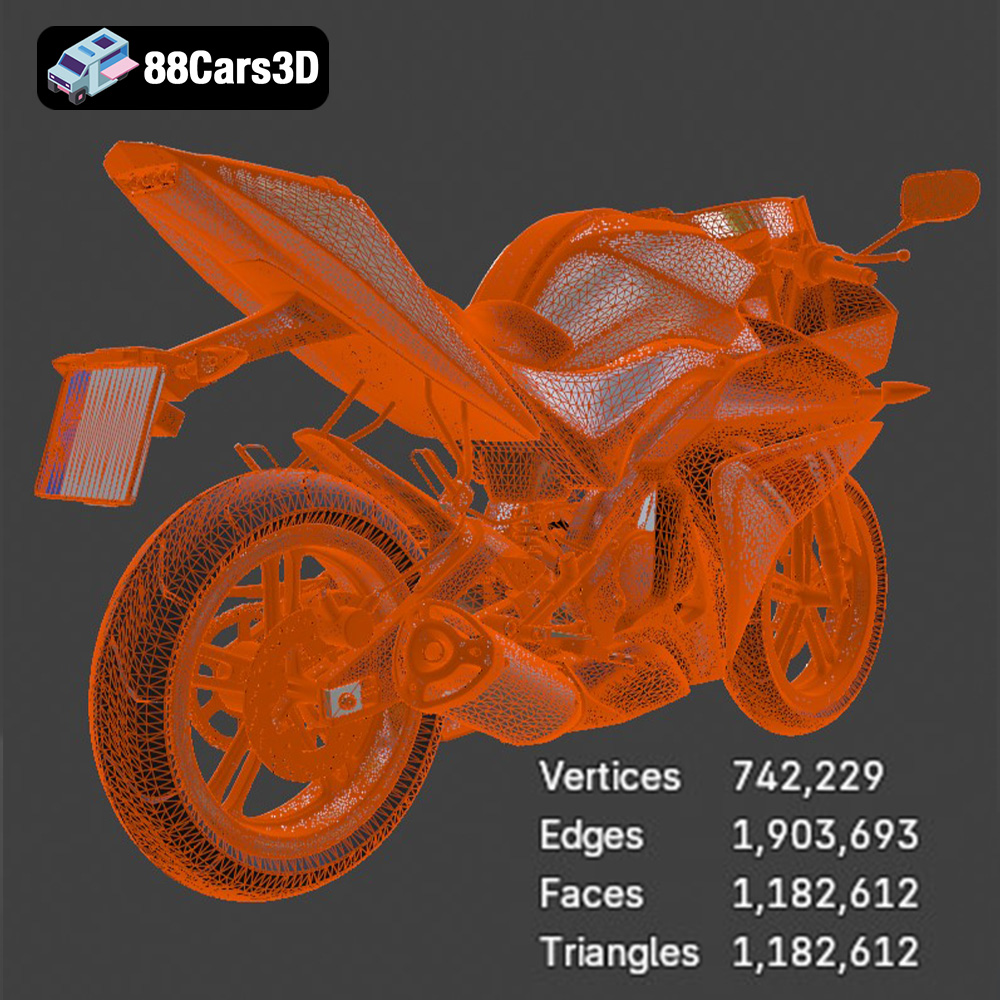
While detail is important, raw polygon count isn’t the sole indicator of quality. A truly professional 3D car model, or in this case, a motorcycle model, strikes a perfect balance between visual richness and technical efficiency. The Yamaha YZF-R125 EU 3D model, for instance, boasts approximately 100,000 triangles. This polycount is strategically chosen to offer high-end visual realism without overburdening real-time engines like Unreal or Unity. This “game-ready” optimization means that the mesh is intelligently structured, maximizing detail where it truly matters, such as the engine and cockpit, while keeping overall geometry efficient.
Optimized topology also ensures clean deformations during animation and efficient UV mapping for texture application. Clean edge loops, minimal n-gons, and appropriate triangulation are hallmarks of a well-constructed mesh. This optimization is particularly critical for game assets, where performance dictates frame rates, and for mobile AR/VR applications, which often have strict resource limitations. Such thoughtful construction means less work for developers and artists downstream, allowing them to focus on creative execution rather than troubleshooting mesh issues.
The versatility of a 3D model is often defined by the range of file formats it supports. Each format is designed with specific use cases and technical requirements in mind, offering different levels of compatibility, data retention, and optimization. Understanding these differences is crucial for any professional working with 3D assets, ensuring that the chosen format aligns perfectly with the project’s needs. The Yamaha YZF-R125 EU 3D model, a prime example of a comprehensive asset from 88cars3d.com, is offered in a wide array of formats, making it exceptionally adaptable.
The availability of the Yamaha YZF-R125 EU 3D model in these diverse formats highlights its adaptability, catering to virtually every professional workflow and ensuring that users can leverage this asset regardless of their preferred software or end-use application.
The true value of a high-quality 3D asset emerges when it’s integrated seamlessly into professional production pipelines. The Yamaha YZF-R125 EU 3D model is designed with this in mind, offering flexibility across various platforms and applications.
For game developers, the “game-ready” nature of the Yamaha YZF-R125 EU 3D model is a significant advantage. Using the .fbx or .unreal formats, developers can import the model directly into Unreal Engine or Unity. The optimized ~100,000 triangle polycount ensures excellent performance, while proper pivot setups for steering, wheel rotation, and suspension travel are pre-configured, drastically reducing setup time. Artists can then focus on integrating PBR (Physically Based Rendering) materials, applying textures, and setting up collision meshes.
In a racing simulator, for instance, the separate components allow for realistic animation of the forks compressing, the rear monoshock absorbing bumps, and the wheels spinning. For an open-world game, the model can be populated in urban environments or rural tracks, offering an authentic touch. Developers might add custom scripting for interactive elements, such as engine sounds, working headlights and taillights, or even damage models, all built upon the robust foundation of the provided 3D model.
When the goal is stunning photorealism, the .max and .blend formats offer maximum flexibility for advanced rendering. In 3ds Max, artists can import the .max file, leveraging its full editable scene to fine-tune materials with renderers like V-Ray or Corona. This involves adjusting reflections, refractions, and displacement maps to achieve ultra-realistic paint finishes, rubber textures, and metallic components. High-dynamic-range imaging (HDRI) environments can be used for realistic global illumination, creating breathtaking studio shots or contextual lifestyle renders of the Yamaha YZF-R125 EU in various settings.
Similarly, Blender users can open the .blend file, tapping into Cycles or Eevee render engines. They can refine the existing materials or build new ones using Blender’s powerful node-based shader system, adding intricate details like brake disc patterns or tire tread wear. This workflow is ideal for marketing campaigns, product showcases, or architectural visualizations where a realistic vehicle adds context and dynamism to a scene.
The immersive capabilities of AR/VR demand highly optimized assets that can run smoothly on a variety of devices. The .glb format is tailor-made for these applications. Developers can integrate the Yamaha YZF-R125 EU into virtual showrooms, allowing prospective buyers to explore the bike in 3D from any angle, or even place it in their living room using mobile AR apps. The optimized geometry and PBR materials within the .glb file ensure quick loading times and crisp visuals on platforms like Sketchfab, Babylon.js, or A-Frame.
For a virtual dealership, users could interact with the model, changing fairing colors, rotating the wheels, or activating lights, creating a dynamic and engaging experience. The compact nature of the .glb file also makes it perfect for sharing on social media or embedding directly into web pages, democratizing access to high-quality 3D content and significantly enhancing online product presentations.
A well-crafted 3D model serves as a powerful canvas for creativity. The Yamaha YZF-R125 EU 3D model provides extensive opportunities for customization, allowing artists and developers to tailor its appearance to perfectly fit their creative vision or specific project requirements.
The included material setups and intelligent mesh structure of the Yamaha YZF-R125 EU model allow for extensive aesthetic modifications. Artists can easily change the fairing colors to match iconic factory liveries like Icon Blue or Tech Black, or even create entirely custom racing liveries for a unique brand identity. Modifying tire textures from performance street variants to track-specific slicks can alter the entire character of the scene. Material finishes can be adjusted to showcase matte, gloss, or metallic looks, and adding carbon fiber accents can elevate the sense of premium performance.
Beyond surface properties, adapting the lighting for different environments dramatically changes the mood. Imagine the YZF-R125 EU bathed in the warm glow of a sunset for a lifestyle shot, or under stark, dramatic studio lighting for a high-tech product showcase. These customization options ensure that the same base model can serve a multitude of visual styles and project needs, providing immense value to artists.
The versatility of the Yamaha YZF-R125 EU 3D model extends to a wide array of practical applications:
The strategic design and comprehensive offerings of such a 3D model underscore its critical role as a foundational asset for diverse creative and commercial endeavors.
The journey of a 3D model doesn’t always end on a screen. For many, the desire to hold a physical representation of a digital creation is a powerful motivator. The Yamaha YZF-R125 EU 3D model, with its availability in .stl format, bridges this gap, offering a seamless transition from the virtual to the tangible.
Converting a high-detail rendering model into a successful 3D print requires specific considerations. The .stl format, while standard for 3D printing, simplifies the geometry into a raw mesh of triangles, stripping away textures and colors. This means that the underlying mesh integrity is paramount. For the Yamaha YZF-R125 EU, its optimized geometry ensures a clean, manifold mesh that is ready for slicing software without extensive repair work.
Scale is another critical factor. The model is recommended for scales like 1:12, 1:18, or 1:24, which are common for hobbyist models and offer a good balance of size and detail. For intricate parts like the exhaust system, mirrors, or handlebars, resin printing is often recommended over FDM (Fused Deposition Modeling) to capture the fine details with precision. This choice of printing technology significantly impacts the final quality and accuracy of the physical model.
Successful 3D printing often depends on meticulous preparation and careful post-processing. For complex parts of the Yamaha YZF-R125 EU, such as the engine or the delicate fairing, supports will be required during printing to prevent sagging and ensure structural integrity. Print orientation also plays a vital role; printing the main frame angled can improve its strength, while wheels might be printed separately to optimize detail and minimize support material usage.
Post-processing transforms a raw 3D print into a finished model. This typically involves removing supports, sanding to smooth out layer lines, applying a primer to prepare the surface, and then painting. For an authentic Yamaha YZF-R125 EU replica, hobbyists might use authentic factory colors with metallic finishes, meticulously hand-painting the details of the engine, wheels, and cockpit. The ability to produce such high-quality physical replicas from the digital model adds another dimension to its utility, making it appealing to model enthusiasts and collectors alike.
The journey from a real-world vehicle to a meticulously crafted 3D model, and then into diverse digital and even physical applications, highlights the incredible advancements in 3D technology and the artistry involved. High-quality 3D car models, and indeed all vehicle models, are far more than just digital representations; they are versatile, optimized assets that empower creators across industries.
The Yamaha YZF-R125 EU 3D Model exemplifies this technical excellence. Its game-ready optimization, real-world scale accuracy, and availability in a comprehensive range of file formats—from .blend and .max for full editability to .fbx for game engines, .glb for AR/VR, and .stl for 3D printing—make it an indispensable tool. Whether you’re a game developer aiming for immersive realism, a rendering artist creating stunning visualizations, or an AR/VR designer building interactive experiences, this model provides the robust foundation you need. Investing in such professional-grade assets from reputable sources like 88cars3d.com ensures that your projects benefit from unparalleled quality and efficiency, allowing your creative vision to truly flourish.
The Yamaha YZF-R125 EU is a lightweight supersport motorcycle that brings authentic R-Series DNA to the A1 license class. Renowned for its aggressive styling inspired by the iconic R1, this dynamic sportbike features a high-revving 125cc liquid-cooled engine with Variable Valve Actuation (VVA), a sculpted aerodynamic fairing, and a lightweight twin-spar Deltabox frame. Every aspect of this motorcycle is designed to deliver a thrilling, high-performance riding experience, making it a standout in the entry-level sportbike category. This high-quality 3D model features optimized game-ready topology, ensuring a perfect balance between high-end visual fidelity and real-time performance. Built to accurate real-world scale, the mesh is intelligently structured to maximize detail where it matters while keeping the triangle count efficient. It is an outstanding asset for game development, AR/VR experiences, high-fidelity animations, and photorealistic visualizations. Perfect for high-adrenaline racing simulators, urban environment street scenes, virtual dealership showrooms, and mobile AR configurators.
$19.99
.blend
.fbx
.glb
.max
.obj
.ply
.rendering
.stl
.supersport
.unreal
.yamaha
game asset
game-ready
low-poly
motorcycle-3d-model
optimized
sports-bike
VR/AR
yzf-r125
yzf-r125-eu