Get 20% OFF All Premium 3D & STL Models!

In the dynamic world of 3D visualization, automotive design, and real-time experiences, the quality of your digital assets is paramount. A truly exceptional 3D car model isn’t just a collection of polygons; it’s a meticulously crafted digital twin, capable of bringing breathtaking realism and unparalleled performance to a myriad of applications. From cinematic advertisements that captivate audiences to immersive virtual reality experiences that transport users, the demand for precision-engineered 3D car models has never been higher.
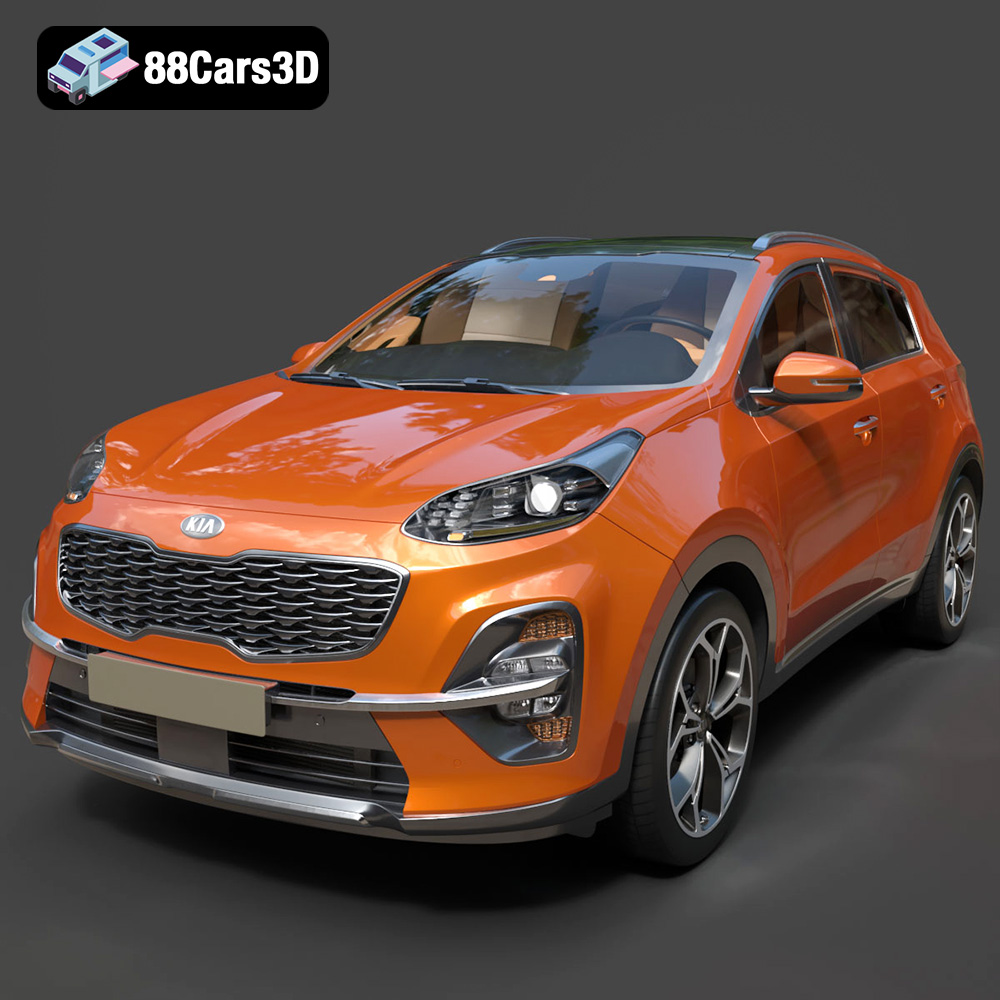
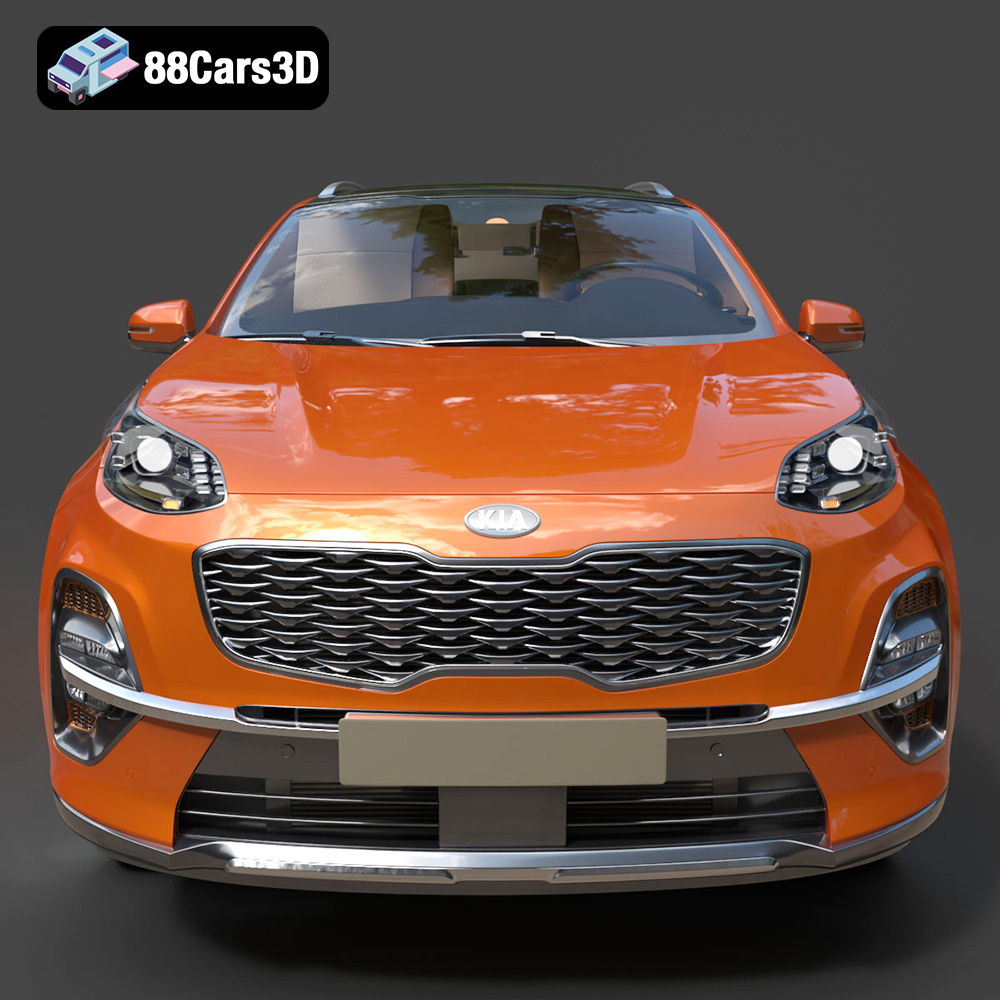
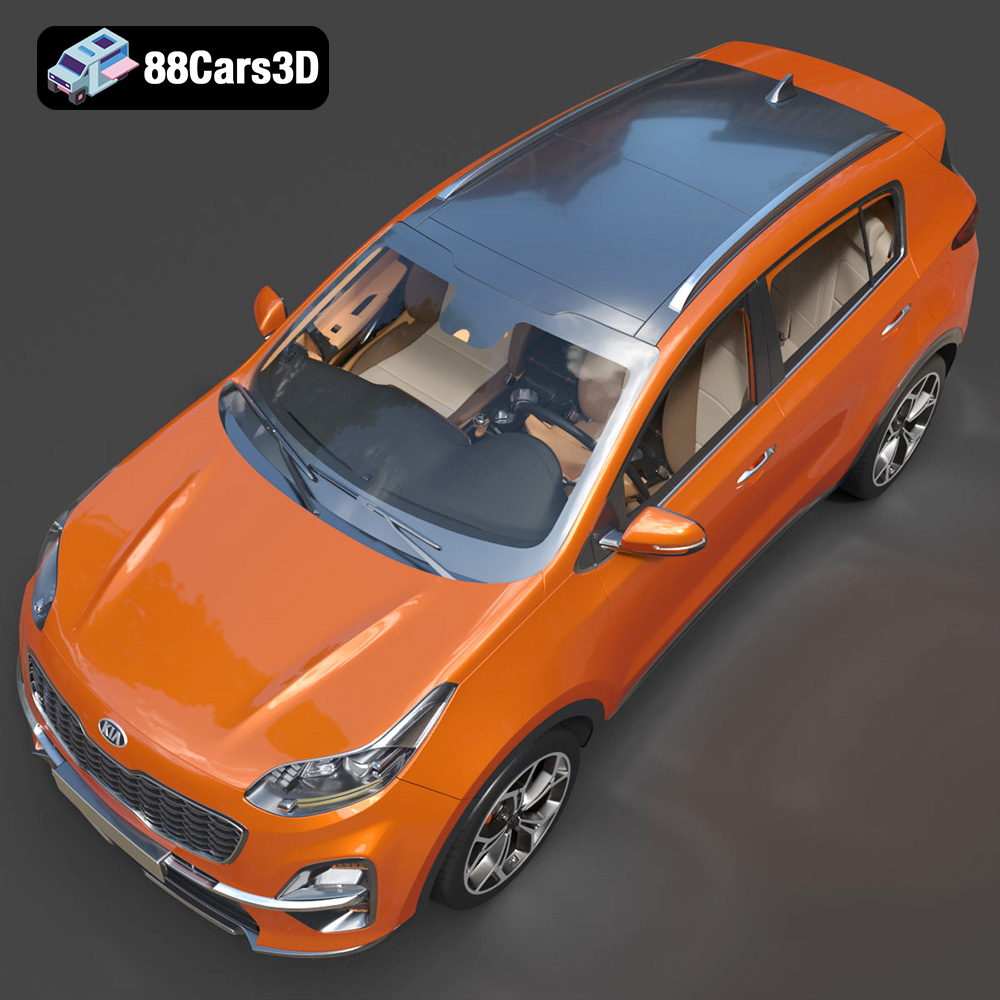
The journey from concept to a photorealistic or game-ready vehicle requires a deep understanding of modeling, texturing, optimization, and software integration. Professionals in film, gaming, architecture, and product design constantly seek assets that can stand up to the rigorous demands of their projects, requiring clean geometry, accurate proportions, and versatile file formats. This is where truly professional 3D car models shine, offering a foundation upon which incredible digital experiences are built. Among such standout assets, the Kia Sportage 2019 3D Model provides a prime example of high-fidelity craftsmanship, offering a fully replicated interior and exterior designed for absolute precision across diverse professional workflows.
Choosing the correct file format for your 3D car model is a critical decision that impacts workflow efficiency, compatibility, and the ultimate quality of your project. Each format is designed with specific use cases and software ecosystems in mind, and understanding their strengths and limitations is essential for any professional working with 3D assets. The Kia Sportage 2019 3D Model, available on 88cars3d.com, is offered in a comprehensive suite of formats, ensuring maximum compatibility and utility.
The .blend format is the native file type for Blender, a powerful open-source 3D creation suite. When you receive a .blend file, you’re getting a fully editable Blender scene, often complete with materials, lighting setups, and even animation rigs. This format is ideal for artists who primarily work within Blender, allowing for direct modification, retexturing, and scene integration without any conversion artifacts. Its strength lies in preserving all Blender-specific data, making it perfect for iterative design and deep customization within the Blender ecosystem.
.fbx (Filmbox) is arguably the most widely adopted interchange format in the 3D industry, especially favored for game development and real-time pipelines. Developed by Autodesk, FBX supports not only geometry but also materials, textures, animations, bones, and blend shapes, facilitating seamless data transfer between applications like Maya, 3ds Max, Blender, Unreal Engine, and Unity. Its robustness and widespread support make it an excellent choice for exporting assets like the Kia Sportage 2019 to various platforms, ensuring that your model arrives intact with most of its attributes.
The .obj (Wavefront OBJ) format is a universal standard for storing 3D geometry. While it primarily focuses on vertices, faces, UVs, and normals, it can reference external .mtl (material) files for basic material properties. OBJ is renowned for its high compatibility, making it a reliable choice for cross-software data exchange when you need to ensure basic geometric integrity. It’s less comprehensive than FBX in terms of animation or scene data but is an excellent fallback for getting clean mesh data into virtually any 3D software.
.glb (GLB or glTF Binary) is the binary version of the glTF (GL Transmission Format) standard, which is quickly becoming the “JPEG of 3D.” It’s designed for efficient transmission and loading of 3D scenes and models by web applications, AR/VR platforms, and other real-time environments. A .glb file encapsulates the model’s geometry, textures, materials, and animations into a single, compact file, making it incredibly convenient for sharing and deploying 3D content in browser-based viewers, AR experiences on mobile devices, or lightweight VR applications.
.stl (Stereolithography) is the most common file format used for 3D printing. It represents a 3D model as a series of connected triangles (a tessellation of the surface) without color, texture, or other complex attributes. While simple, its ubiquity in the additive manufacturing world makes it indispensable for prototyping, scale models, and direct physical output. The Kia Sportage 2019 as an .stl allows for physical prototypes to be printed, which can be invaluable in design verification or display.
The .ply (Polygon File Format or Stanford Triangle Format) is a versatile format capable of storing a wide range of properties, including color, transparency, surface normals, and texture coordinates, in addition to geometry. It’s often used for scanned 3D data, scientific visualization, and CAD/CAM applications where precise mesh data and attribute storage are crucial. PLY offers more flexibility than OBJ in terms of property storage, making it suitable for detailed analysis or when a model needs to carry more data than just basic geometry.
The .unreal format, or more accurately, an asset directly imported and configured within an Unreal Engine project, signifies an asset that is pre-configured for the specific demands of Epic Games’ powerful real-time engine. While not a standalone file type in the same sense as .fbx or .obj, providing a model “as .unreal” often means it comes with optimized materials, collision meshes, LODs (Levels of Detail), and potentially Blueprints for direct integration into an Unreal project. This dramatically accelerates development for games, architectural visualizations, and interactive experiences.
Finally, the .max format is the native project file for Autodesk 3ds Max. Similar to .blend, it contains the complete scene data, including geometry, materials, textures, lighting, cameras, animation, and scene settings. It’s essential for artists who use 3ds Max for high-end rendering, complex animation, or detailed modeling. Receiving a .max file for the Kia Sportage 2019 means full access to the original project structure, allowing for deep customization and seamless integration into existing 3ds Max workflows.
The provision of the Kia Sportage 2019 3D Model in these diverse formats by 88cars3d.com underscores its professional-grade versatility, catering to virtually any production pipeline and ensuring that artists and developers have the right tools for their specific needs.
Creating a high-quality 3D car model like the Kia Sportage 2019 is a sophisticated blend of artistic skill and technical precision. It goes far beyond simply replicating the exterior; it involves a meticulous process to ensure accuracy, performance, and aesthetic appeal across various digital platforms.
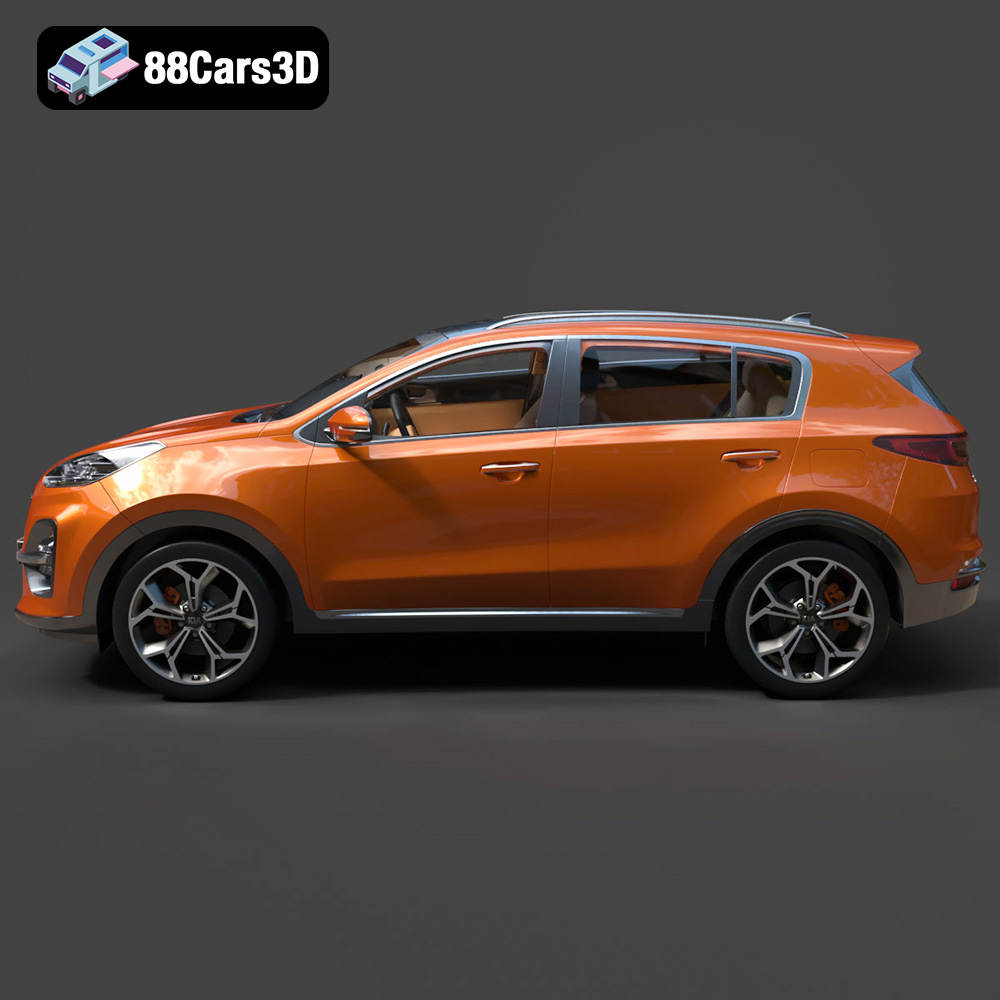
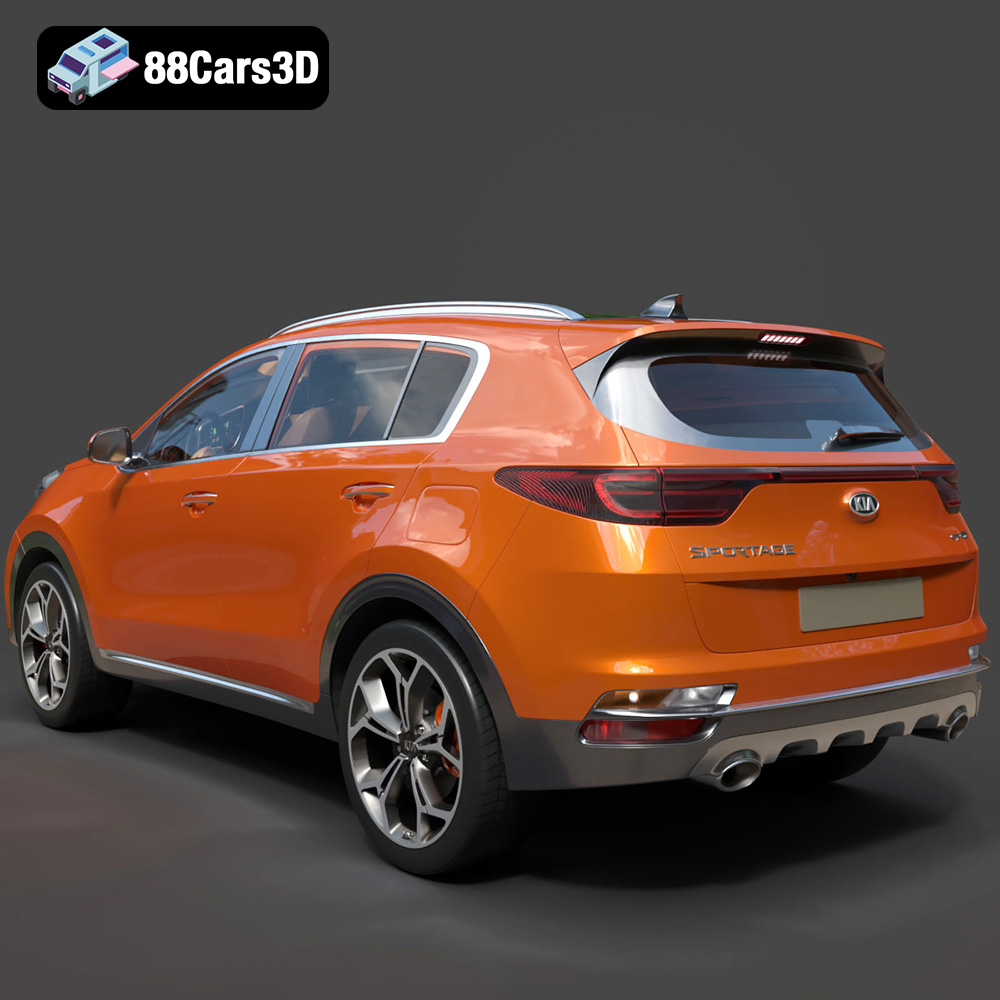
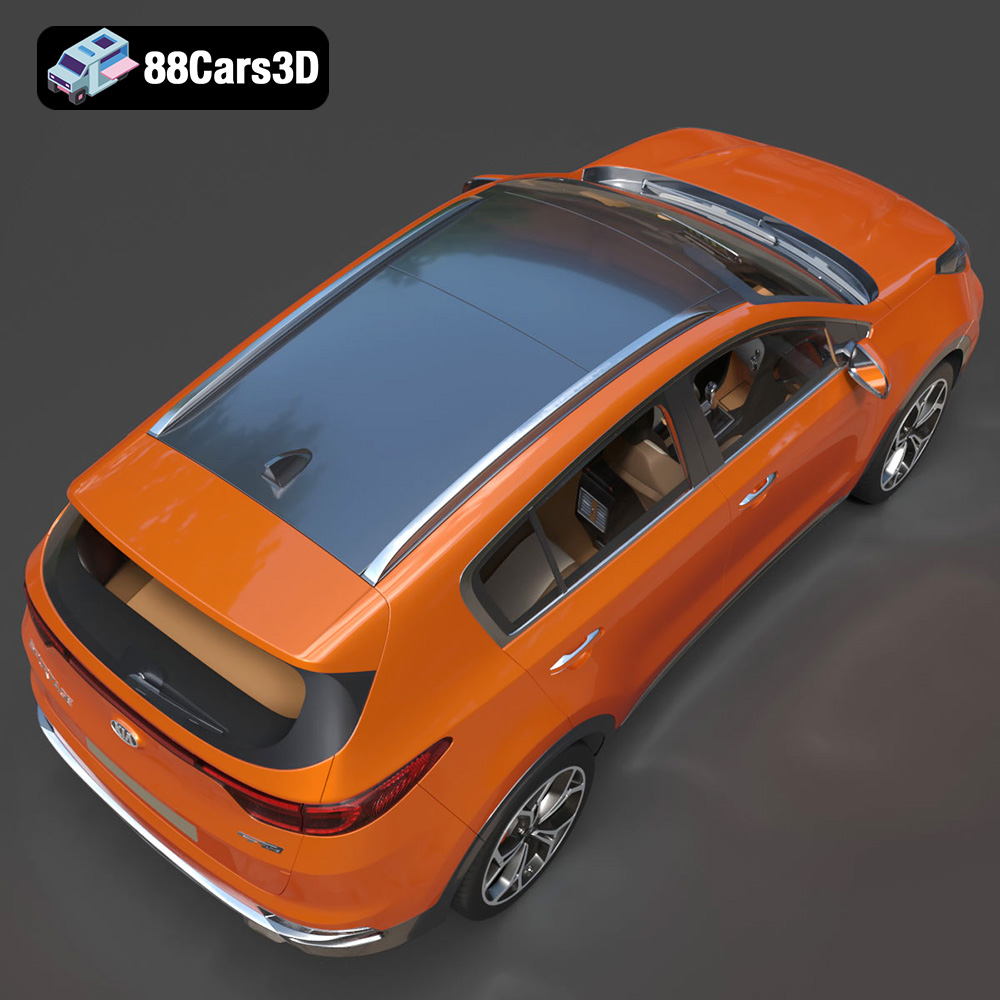
The first step in any professional automotive model is absolute fidelity to the real-world vehicle. This means capturing every curve, panel gap, and design element with millimeter precision. For the Kia Sportage 2019, this translates to accurately reflecting its signature crossover styling, from the distinctive grille and headlamp clusters to the intricate contours of its bodywork. Equally important, and often more challenging, is the interior. A “fully replicated interior” implies painstaking attention to detail, including dashboard layouts, seat upholstery textures, steering wheel controls, and even smaller elements like air vents and door panels. This level of detail is crucial for projects requiring close-up shots, virtual tours, or interactive cabin experiences.
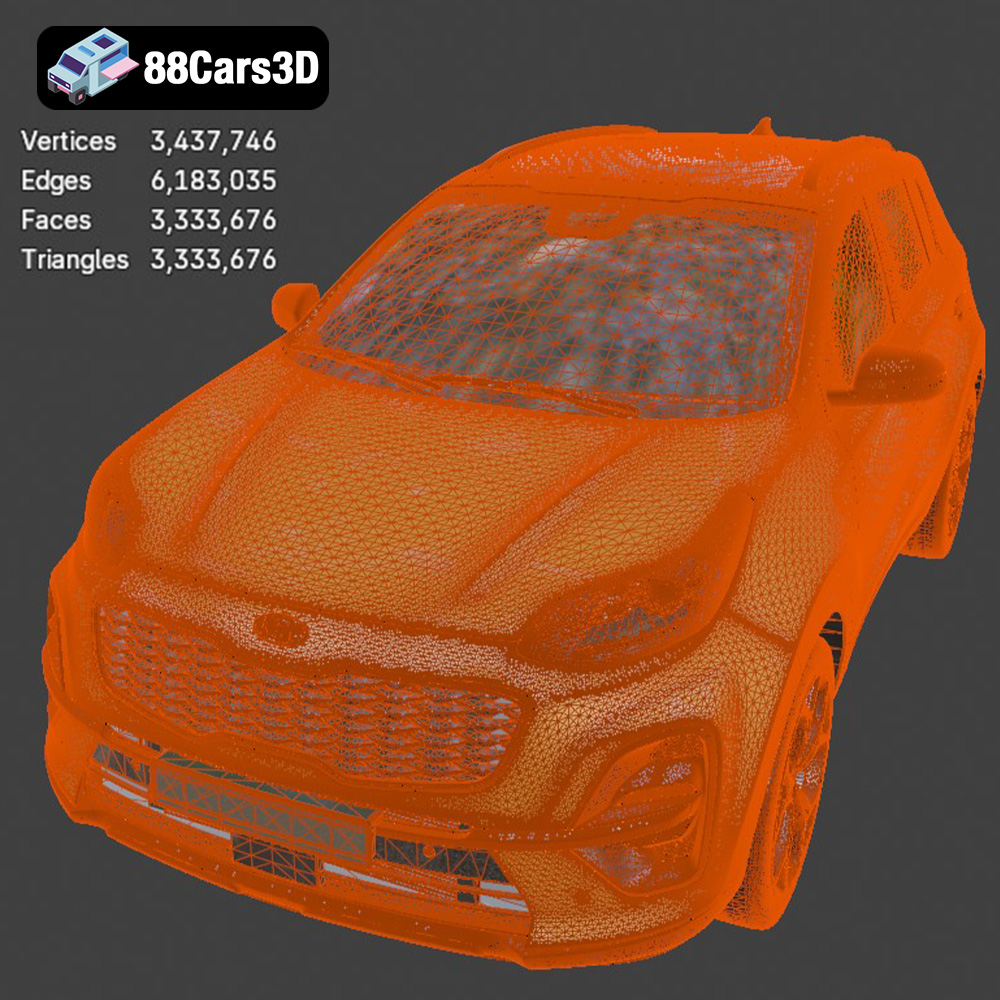
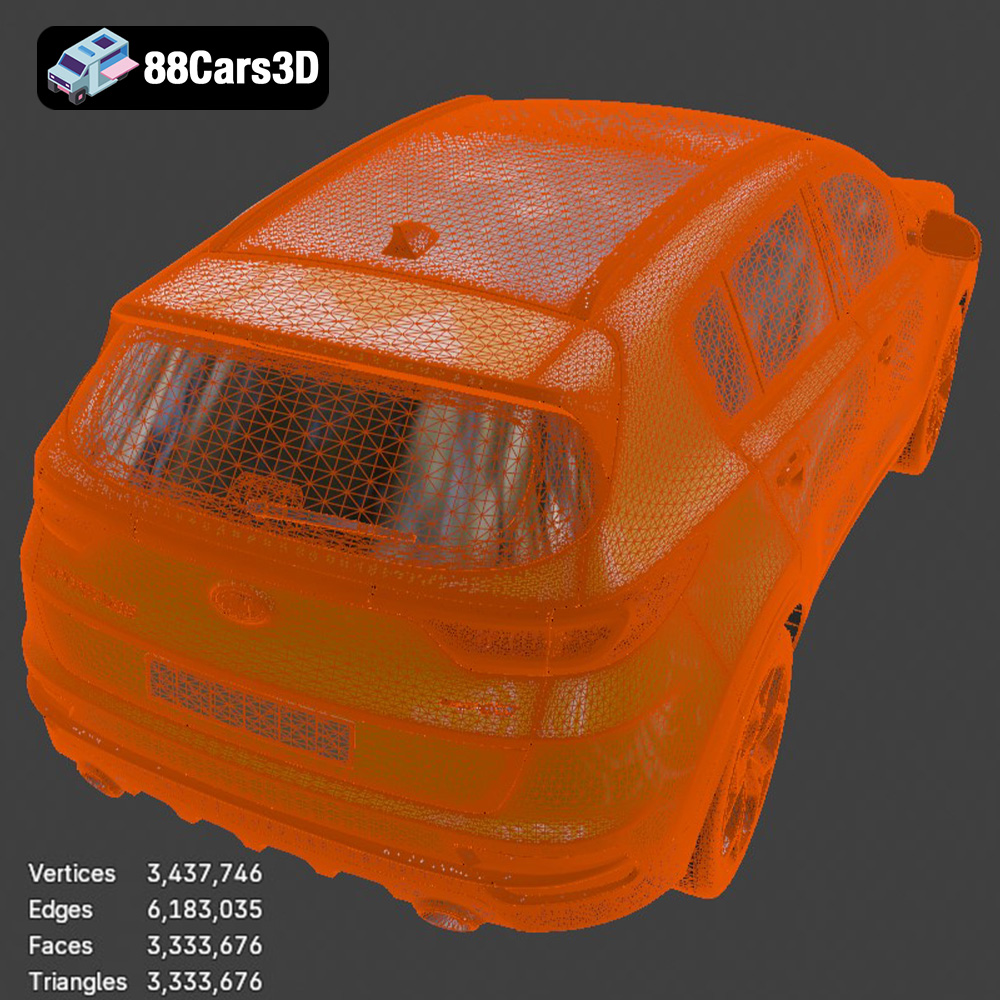
Beneath the surface realism lies the critical foundation of clean geometry and optimized topology. Good topology ensures that the polygons flow smoothly across the surface, crucial for maintaining curvature, facilitating deformation (if animated), and producing accurate reflections. “Optimized edge flow” means that polygons are strategically placed to minimize unnecessary complexity while preserving detail, which is vital for efficient rendering and real-time performance. Models with careful topology and clean geometry will perform better, render faster, and be easier to work with, especially when subdivision surfaces are applied. This attention to underlying structure is what elevates a model like the Kia Sportage 2019 from a basic asset to a professional-grade tool.
The visual appeal of any 3D model hinges on its materials and textures. For automotive models, this means accurately simulating everything from the glossy sheen of the paintwork and the metallic glint of chrome accents to the subtle textures of plastic trim and the intricate patterns of fabric or leather in the interior. Realistic materials are often achieved through physically based rendering (PBR) workflows, utilizing maps like albedo, roughness, metallic, normal, and ambient occlusion. These maps, combined with carefully crafted shaders, ensure that the Kia Sportage 2019 3D Model reacts authentically to light, delivering stunning photorealism in any rendering environment.
Game development places unique and demanding requirements on 3D assets. While realism is highly sought after, performance is king. A high-quality 3D car model like the Kia Sportage 2019, optimized for real-time engines, can significantly enhance a game’s visual fidelity and player immersion.
The Kia Sportage 2019 3D Model, available in .fbx and .unreal formats, is perfectly poised for integration into industry-leading game engines such as Unreal Engine and Unity. For Unreal Engine, a pre-configured .unreal asset can mean a drag-and-drop solution, complete with materials, UVs, and potentially LODs (Levels of Detail) already set up. This drastically reduces development time, allowing artists and developers to focus on gameplay and scene composition rather than asset preparation. For Unity, the .fbx format provides a robust pathway, allowing for the easy import of mesh, textures, and even basic animations, which can then be optimized and textured within Unity’s editor.
In game development, every polygon and every texture call counts. While the Kia Sportage 2019 is highly detailed, professional game asset creation involves strategic optimization. This can include generating multiple LODs, where lower-polygon versions of the model are automatically swapped in when the car is further from the camera, saving valuable rendering resources. Clean topology and efficient UV unwrapping are also crucial for optimal texture mapping and draw call reduction. Furthermore, well-organized material IDs and texture atlases can streamline rendering. A carefully constructed model ensures that it looks fantastic up close in a racing simulator or a driving game, while also performing efficiently within a bustling open-world environment.
Beyond interactive experiences, high-fidelity 3D car models are indispensable tools for producing breathtaking static renders and animated sequences for marketing, film, and architectural visualization. The Kia Sportage 2019 3D Model, with its clean geometry and realistic materials, is an ideal candidate for such tasks.
Whether you’re using Autodesk 3ds Max or Blender, the Kia Sportage 2019 model (provided in .max and .blend formats) offers a perfect starting point for creating photorealistic imagery. In 3ds Max, artists can leverage advanced rendering engines like V-Ray or Corona Renderer to achieve stunning levels of realism. This involves setting up complex lighting scenarios, environmental reflections, and volumetric effects. The model’s optimized edge flow ensures accurate reflections on the car’s body panels, a critical element for convincing automotive renders. Similarly, Blender users can harness Cycles or Eevee, utilizing the model’s PBR materials to produce equally impressive results, from showroom-style renders to dynamic action shots.
Integrating a realistic vehicle into an architectural rendering can bring a scene to life, adding a sense of scale and real-world context. Imagine the Kia Sportage 2019 placed within a proposed residential development or a new dealership showroom visualization. Its presence immediately grounds the scene, making it more relatable and engaging for clients. For product visualization, especially in the automotive aftermarket, having an accurate 3D model of a popular vehicle allows designers to showcase accessories, paint options, or custom modifications within a familiar context, greatly enhancing the presentation’s impact. The detailed interior, in particular, opens up possibilities for interactive configurators or virtual test drives for marketing purposes.
The rapidly expanding fields of Augmented Reality (AR) and Virtual Reality (VR) are transforming how we interact with digital content. High-quality 3D car models are central to these immersive experiences, and the Kia Sportage 2019 is designed to meet these evolving demands.
AR and VR applications require assets that are not only visually rich but also highly optimized for real-time performance on various devices, from powerful headsets to mobile phones. The .glb format, specifically provided with the Kia Sportage 2019 3D Model, is a testament to this optimization. GLB files are lightweight, contain all necessary data (geometry, materials, textures) in a single package, and are specifically designed for efficient streaming and rendering in web browsers and AR/VR viewers. This makes the model ideal for creating interactive virtual showrooms, automotive training simulations, or even AR apps that allow users to place the Kia Sportage in their driveway with their smartphone.
Imagine a customer using an AR app to see the Kia Sportage 2019 parked in their garage, rotating it, changing its paint color, or even peering inside the fully replicated interior, all before visiting a dealership. Or consider a VR experience where potential buyers can “sit” inside the car, explore the cabin, and interact with its features. These are powerful applications of 3D car models in AR/VR. The clean geometry and realistic materials of the Kia Sportage 2019 model ensure these experiences are visually compelling and smooth, providing an engaging way to showcase the vehicle’s features and design in an interactive, personalized manner.
While often associated with digital screens, 3D car models also bridge the gap to the physical world through 3D printing. This capability is invaluable for designers, engineers, and hobbyists alike.
The provision of the Kia Sportage 2019 3D Model in .stl format opens up exciting possibilities for physical prototyping. Engineers can print scale models for design reviews, aerodynamic testing (on smaller scales), or simply to visualize the vehicle’s ergonomics and aesthetics in a tangible form. For product designers working on aftermarket accessories, printing a physical model of the car allows for direct fitment testing of their prototypes, saving significant time and resources compared to traditional manufacturing methods. The .ply format also supports precision mesh data, useful for more detailed analysis or even generating tool paths for CNC milling, depending on the application.
Beyond professional prototyping, 3D printable car models serve excellent educational purposes. Students of automotive design or engineering can print and study the physical form of the Kia Sportage 2019, understanding its design language and structural elements. Enthusiasts can also print highly detailed display models, showcasing their passion for the vehicle. The accuracy of the digital model ensures that the printed output is a faithful representation, making it a versatile asset for both functional and aesthetic applications in the physical realm.
The true value of a premium 3D asset like the Kia Sportage 2019 3D Model lies in its ability to streamline and enhance professional workflows, allowing artists and developers to focus on creativity rather than basic asset creation.
Creating a highly detailed car model from scratch is an incredibly time-consuming and resource-intensive endeavor, often requiring hundreds of hours of expert modeling, texturing, and optimization. By investing in a pre-made, professionally crafted asset from a reputable source like 88cars3d.com, studios and individual artists can significantly cut down on production time and costs. The Kia Sportage 2019 3D Model arrives ready for immediate integration, minimizing the need for extensive cleanup or re-work, and accelerating project timelines considerably.
Sourcing high-quality 3D car models ensures a consistent level of detail and technical excellence across projects. The “clean geometry and realistic materials” and “optimized edge flow and careful topology” of the Kia Sportage 2019 are not merely descriptive terms; they represent the foundation of a robust asset that will perform predictably and flawlessly in various scenarios. This consistency is crucial for maintaining a high standard of visual fidelity in large-scale productions, whether it’s a fleet of vehicles in a game or a diverse array of cars in an architectural visualization.
The comprehensive range of file formats and the intrinsic quality of the Kia Sportage 2019 3D Model make it exceptionally versatile. It can transition seamlessly from a game asset to a cinematic prop, from an AR/VR experience element to a 3D print. This adaptability means a single investment can serve multiple departments or project requirements within an organization, maximizing its utility and return on investment. Professionals in advertising, film, gaming, automotive design, and even forensic animation can all find significant value in such a multi-faceted asset.
The landscape of 3D visualization is continually evolving, demanding ever-increasing levels of detail, realism, and performance from digital assets. High-fidelity 3D car models are at the forefront of this evolution, serving as indispensable tools across a broad spectrum of industries. The Kia Sportage 2019 3D Model exemplifies what a premium asset should be: meticulously detailed, expertly optimized, and versatile enough to meet the rigorous demands of professional workflows.
From powering immersive game environments and generating stunning photorealistic renders in 3ds Max or Blender, to enabling cutting-edge AR/VR experiences and facilitating physical prototyping through 3D printing, this model provides a robust foundation for creativity and innovation. Its comprehensive file format support ensures seamless integration into virtually any production pipeline, empowering artists and developers to achieve their vision with efficiency and unparalleled quality.
For those seeking to elevate their projects with truly exceptional 3D car models, exploring assets like the Kia Sportage 2019 on platforms such as 88cars3d.com offers a clear pathway to success. Investing in such quality means investing in a smoother workflow, superior visual outcomes, and the ability to push the boundaries of digital content creation.
Experience unparalleled realism with the meticulously detailed Kia Sportage 2019 3D Model, complete with a fully replicated interior. Engineered for absolute precision, this digital asset accurately represents the vehicle’s signature exterior design and intricate cabin elements. Built with professional standards in mind, this asset features clean geometry and realistic materials. The optimized edge flow and careful topology provide outstanding performance and accurate surface reflections, ensuring professional-grade visual fidelity. This versatile asset is ready for a multitude of demanding applications. From advanced game development and cinematic rendering to immersive AR/VR simulations and professional visualizations, the model adapts seamlessly to any project requirement. This package is provided in the following professional file formats for maximum compatibility: .blend – Editable Blender file with materials and lighting setup; .fbx – Game-engine ready format for Unreal Engine and Unity; .obj – Standard 3D model format compatible with all major software; .glb – Optimized for AR/VR and web-based visualization; .stl – Suitable for 3D printing and prototyping; .ply – Detailed polygon mesh for analysis and visualization; .unreal – Pre-configured for Unreal Engine use; .max – Editable 3ds Max file for rendering and animation.
$39.99
.arvr
.blend
.car3dmodel
.crossover
.fbx
.gameasset
.glb
.kia
.max
.obj
.ply
.rendering
.simulation
.sportage
.stl
.unreal
SUV