Get 20% OFF All Premium 3D & STL Models!

In the demanding world of digital content creation, where every pixel contributes to the overall immersive experience, the quest for realism is paramount. From blockbuster video games to cutting-edge architectural visualizations and cinematic spectacles, high-fidelity 3D car models are indispensable. They serve not merely as background elements but often as hero assets, demanding meticulous attention to detail, impeccable topology, and robust material setups. A truly exceptional 3D car model is a fusion of art and technical precision, designed to perform flawlessly across a spectrum of professional applications.
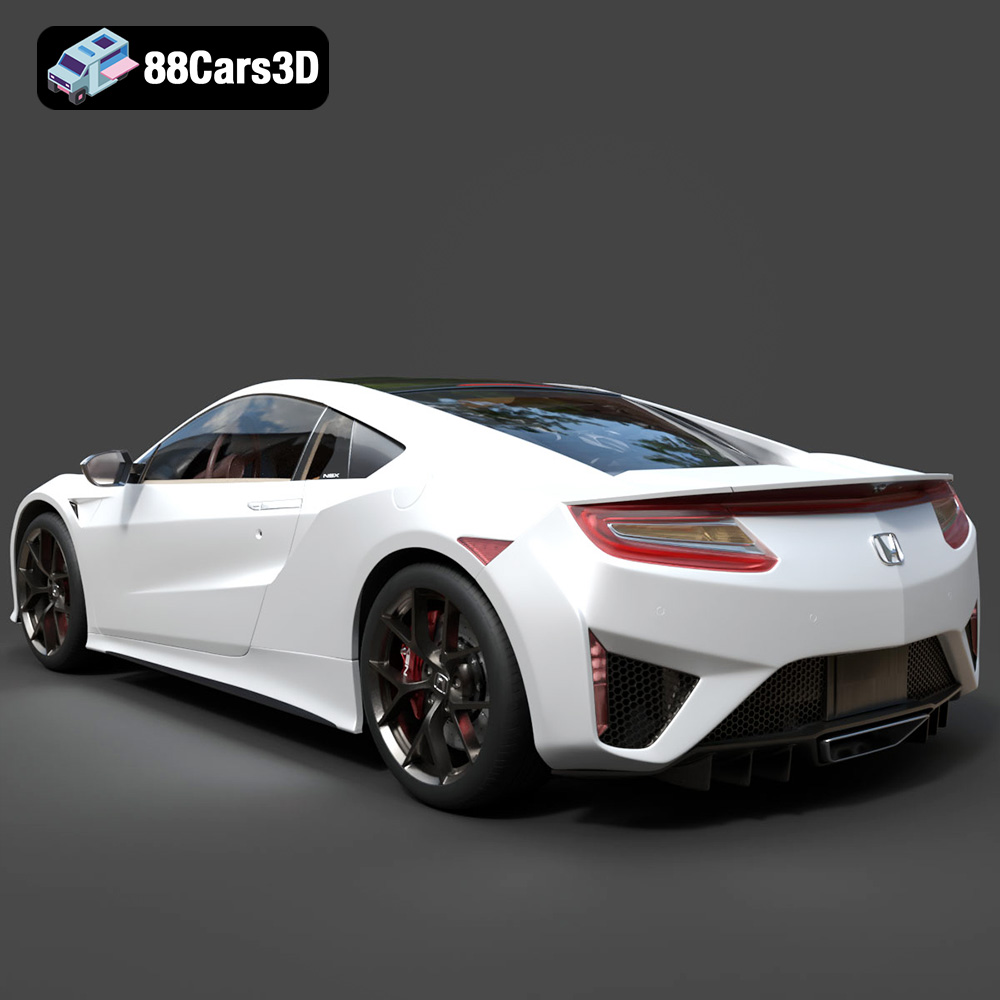
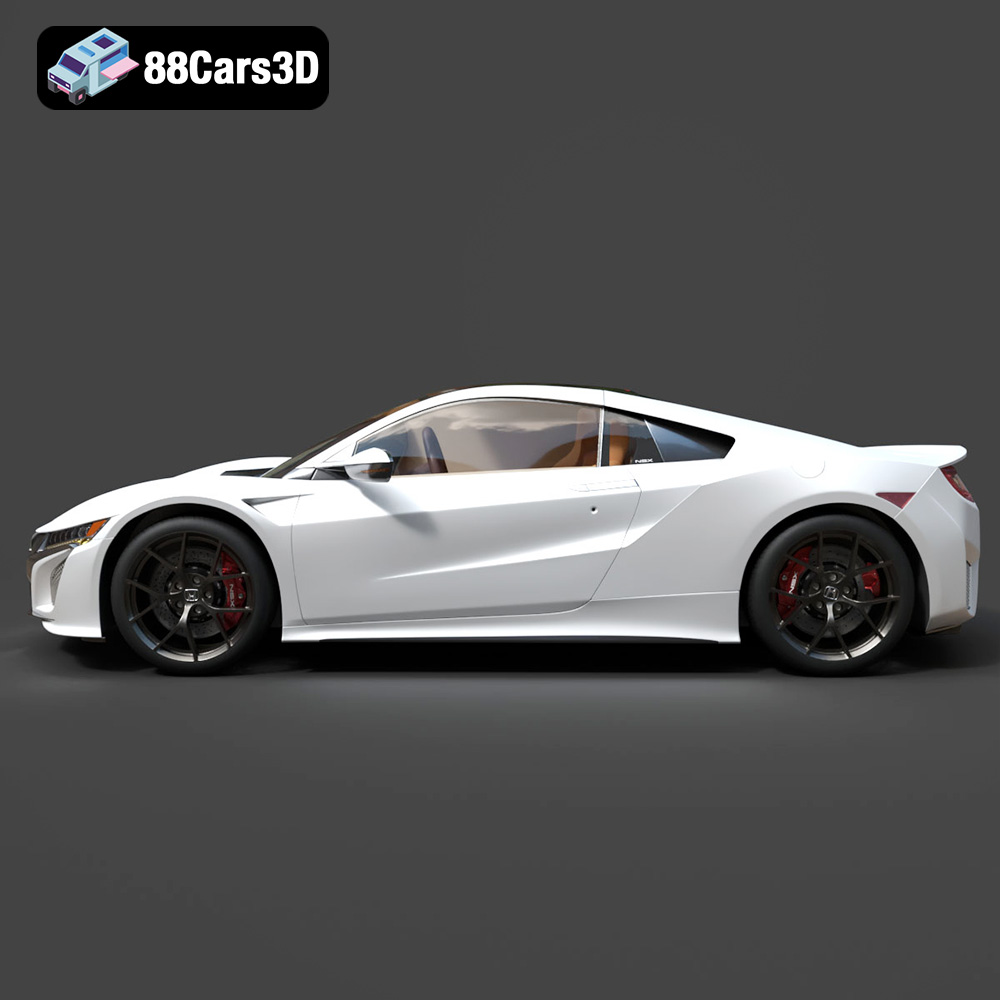
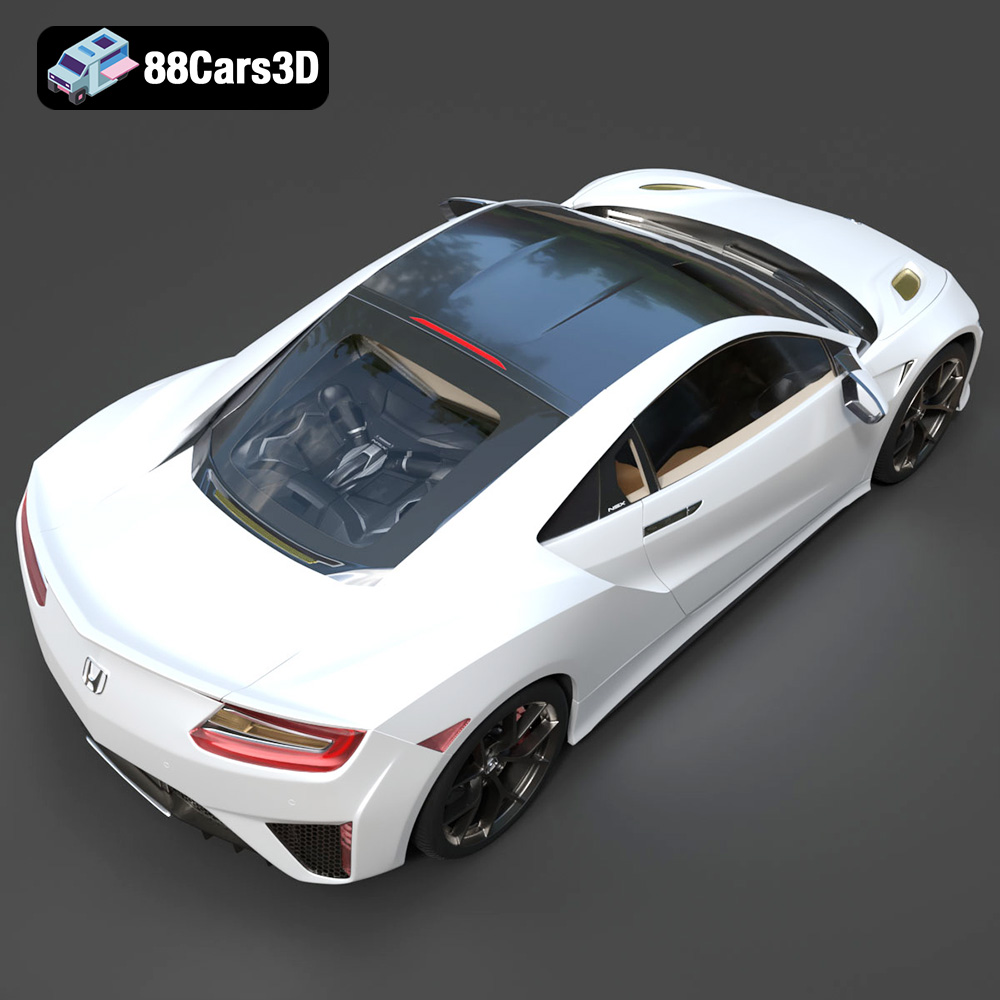
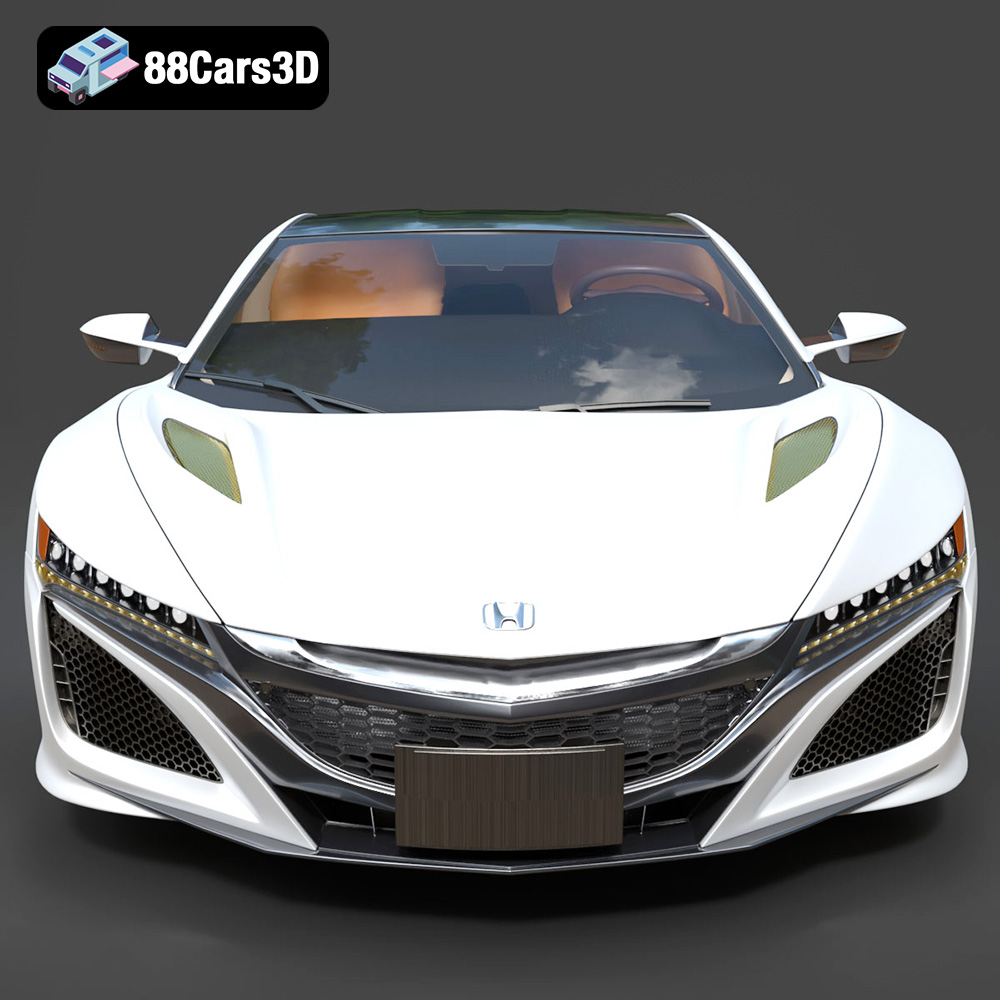
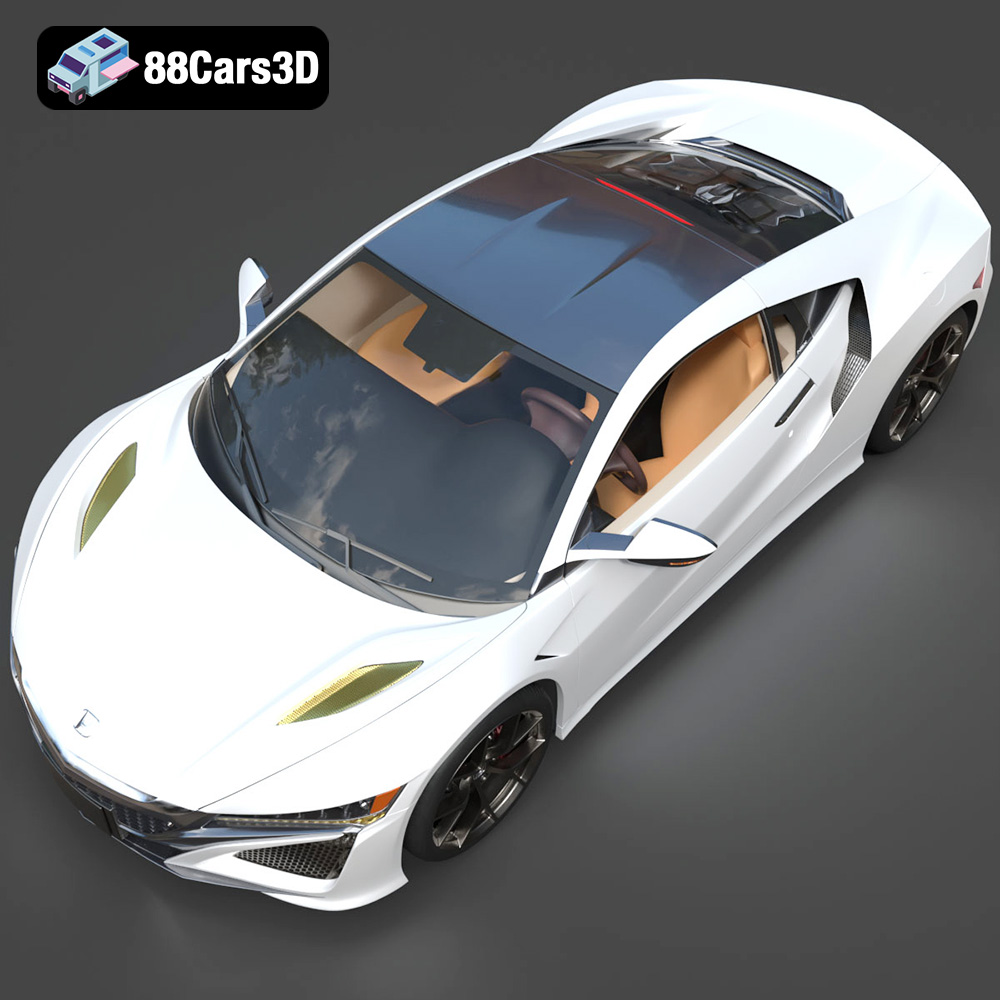
Consider the allure of a legendary vehicle like the Honda NSX 2017. Its aggressive yet elegant design, combined with its hybrid powertrain, represents a pinnacle of modern automotive engineering. To translate such a machine into a digital asset that honors its real-world counterpart requires an extraordinary level of skill and dedication. This is precisely what professional artists and developers seek when procuring 3D car models – not just a representation, but an accurate digital twin. The Honda NSX 2017 3D Model exemplifies this commitment to excellence, offering unparalleled realism and technical robustness for a myriad of digital projects. Whether you’re an automotive designer, a game developer, or a visualization specialist, integrating such a finely crafted asset can elevate your work to new heights, ensuring your final output resonates with authenticity and visual impact.
The foundation of any compelling digital scene lies in the quality of its individual assets. For 3D car models, “quality” is a multi-faceted term encompassing everything from polygon count and mesh topology to UV mapping and material PBR (Physically Based Rendering) properties. A low-quality model, despite its potential cost savings, often leads to countless hours of corrective work, texture issues, rendering artifacts, and ultimately, a compromised visual result. Conversely, investing in a professional-grade asset, such as those found on 88cars3d.com, provides a solid bedrock for any project, ensuring consistency and efficiency.
The impact of a premium 3D car model extends beyond aesthetics. It influences performance in real-time engines, the realism of rendered still images, and the fluidity of animations. Clean geometry ensures that the model deforms correctly if rigged for animation, and takes shaders beautifully without unsightly artifacts. Realistic materials, calibrated to PBR standards, react accurately to light, creating believable reflections, refractions, and surface characteristics. These are not minor details; they are critical factors that differentiate amateur work from professional productions. The Honda NSX 2017 3D Model, with its promise of clean geometry and realistic materials, offers precisely this level of professional-grade fidelity.
The versatility of a 3D model is often determined by the array of file formats it supports. Each format serves a specific purpose, optimized for different software, engines, or end-use scenarios. A truly comprehensive 3D car model, like the Honda NSX 2017 3D Model, comes equipped with multiple industry-standard formats, providing unparalleled flexibility for creators. Understanding these formats is crucial for seamless integration into diverse professional workflows.
The .blend format is Blender’s native file type, encapsulating an entire scene, including mesh data, materials, textures, lighting, cameras, animations, and even physics simulations. For Blender users, receiving a .blend file means instant access to a fully editable project, often with a pre-configured lighting and material setup, as is the case with the Honda NSX 2017 3D Model. This allows for direct manipulation, re-texturing, animation, and rendering within Blender’s powerful environment, making it a highly convenient starting point for any project developed within this open-source software.
Autodesk’s .fbx (Filmbox) format is arguably the most widely adopted interchange format in the 3D industry, especially prevalent in game development. It’s renowned for its robust support for mesh data, materials, textures, animations, skinning, and rigging. The .fbx format is ideal for exporting models to game engines like Unreal Engine and Unity due to its efficient handling of complex data structures and its ability to preserve animation data. When a model is described as “game-engine ready format for Unreal Engine and Unity” like our featured Honda NSX, it often implies a well-optimized .fbx file, potentially with LODs (Levels of Detail) and appropriate material assignments for real-time performance.
The .obj (Wavefront Object) format is a classic and highly universal 3D model format. It stores geometry data (vertices, normals, UVs) and references material libraries (.mtl files) for basic material properties and texture maps. While .obj files do not support animations or advanced material nodes, their simplicity makes them incredibly compatible with virtually all 3D software. For static meshes, or as a reliable fallback for cross-software compatibility, .obj remains a fundamental choice. It’s often used when the primary concern is the geometric shape of the model, prior to advanced shading or rigging.
.glb is the binary version of the glTF (Graphics Language Transmission Format) format, which is rapidly becoming the “JPEG of 3D.” Designed for efficient transmission and loading of 3D scenes and models by applications, it’s particularly optimized for AR (Augmented Reality), VR (Virtual Reality), and web-based display. A single .glb file can contain mesh data, textures, and animations, making it a compact and self-contained asset ideal for sharing across web platforms or integrating into mobile AR/VR experiences. Its optimization for real-time rendering makes it a go-to for interactive 3D viewers and emerging XR technologies.
The .stl (STereoLithography) format is the de-facto standard for 3D printing. It represents the surface geometry of a 3D object using a collection of interconnected triangles, without any color, texture, or material information. For designers looking to prototype or physically produce their digital assets, having an .stl version of a 3D car model is essential. It ensures that the model’s geometry is watertight and suitable for manufacturing, providing a direct pipeline from digital design to tangible product.
The .ply (Polygon File Format or Stanford Triangle Format) is another popular format for storing 3D data, particularly from 3D scanners. It can store a variety of data, including color, transparency, surface normals, and range data, alongside geometric information. While not as universally used as .fbx or .obj for general asset exchange, .ply is valued for its ability to store highly detailed and precise mesh data, making it useful in scientific, CAD, or reverse engineering applications where accuracy and additional vertex attributes are critical.
The .unreal designation often refers to a pre-packaged asset specifically structured and optimized for direct import into Unreal Engine. This might involve an .fbx file combined with specific material setups, texture channels, collision meshes, and sometimes even Blueprint integrations tailored for Unreal Engine’s architecture. This format option signifies that the model is not just compatible but truly “engine-ready,” minimizing setup time and ensuring optimal performance within the Unreal ecosystem, as is a key feature of the Honda NSX 2017 3D Model.
Similar to .blend for Blender, .max is the native file format for Autodesk 3ds Max. It contains all scene information, including geometry, modifiers, materials, textures, lighting, cameras, and animations, specific to 3ds Max. For users of this powerful animation and rendering software, a .max file provides the most comprehensive and editable version of the model, allowing for full artistic control and leveraging 3ds Max’s extensive feature set for high-end rendering and complex animation sequences.
The comprehensive range of formats supplied with the Honda NSX 2017 3D Model ensures that whether your project requires high-end cinematic rendering in 3ds Max, real-time interactivity in Unreal Engine, physical prototyping via 3D printing, or immersive AR/VR experiences, you have the exact file you need for a streamlined and efficient workflow. This multi-format approach is a hallmark of truly professional 3D car models available on platforms like 88cars3d.com.
Creating a high-quality 3D car model like the Honda NSX 2017 is a labor-intensive process that demands both artistic vision and technical mastery. It involves several critical stages, each contributing to the final model’s realism, performance, and versatility across different applications. Understanding these technical underpinnings reveals the value embedded in a professionally crafted asset.
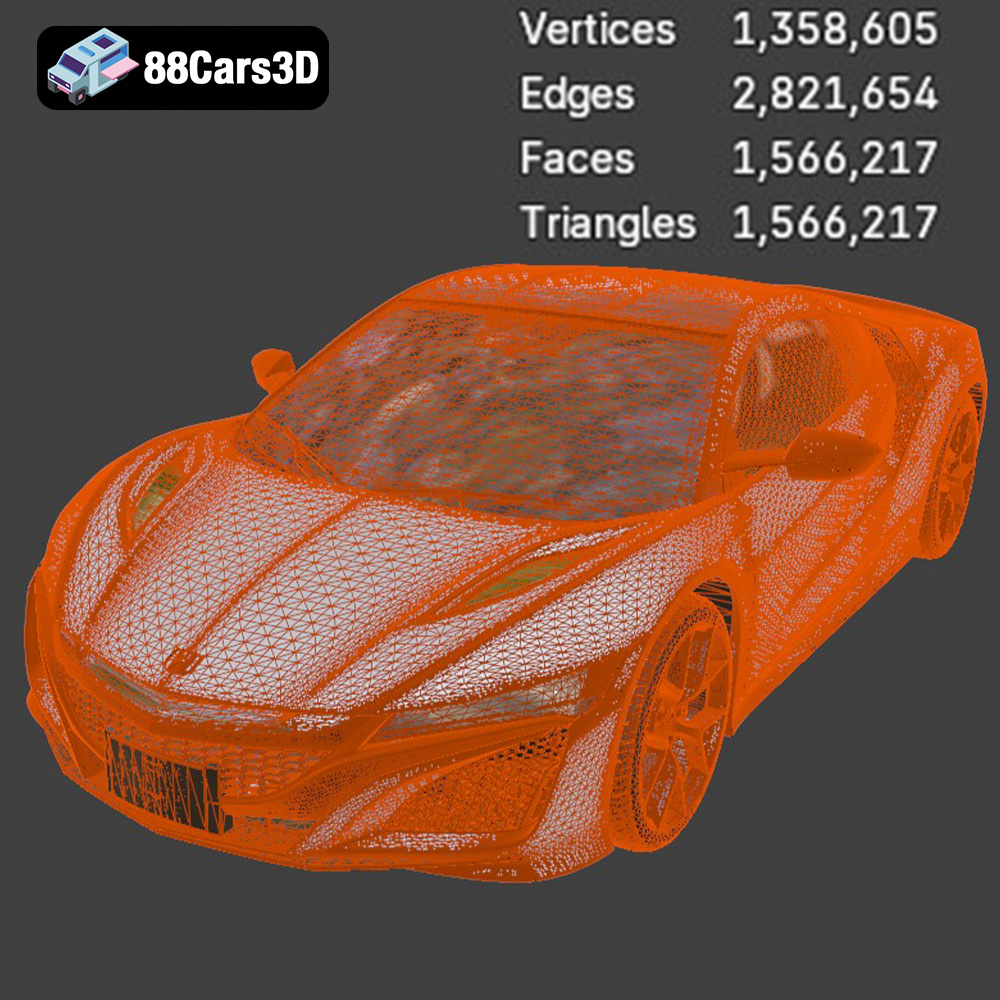
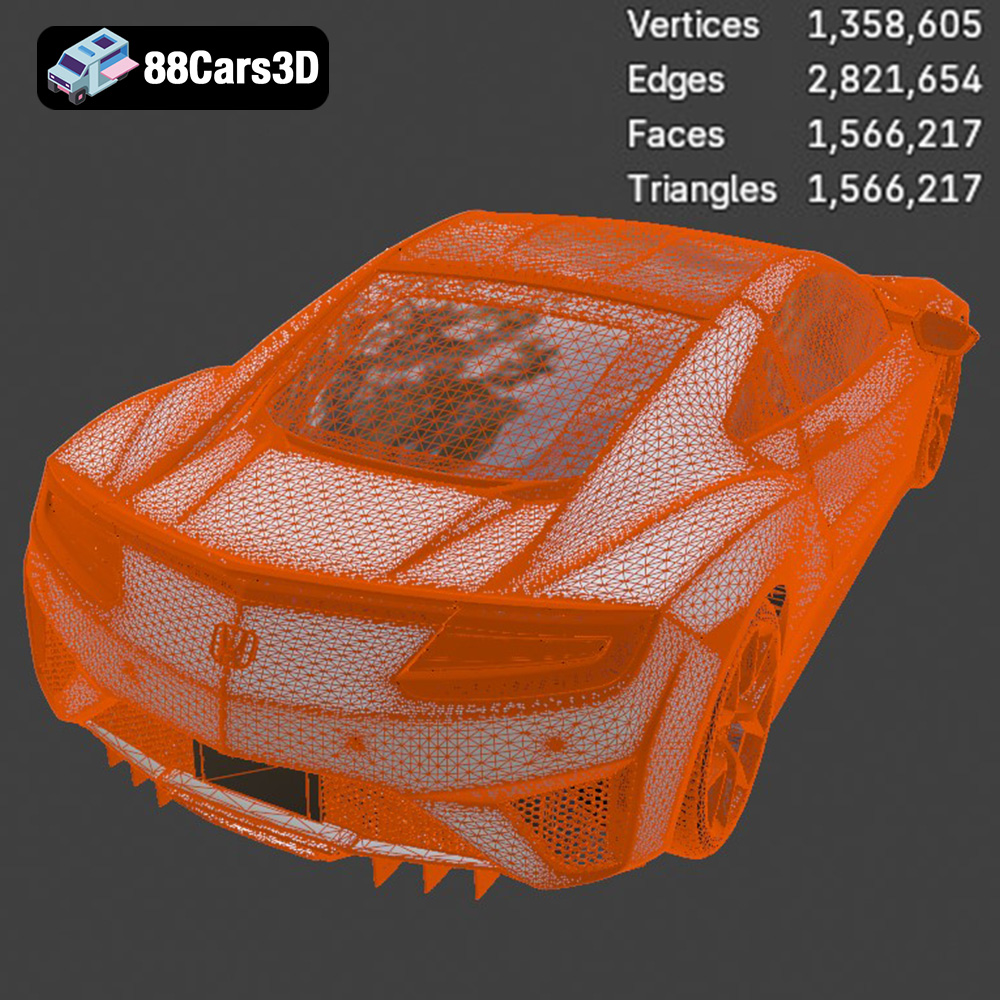
At the core of any excellent 3D model is its geometry. “Clean geometry” isn’t just a buzzword; it refers to a mesh constructed with optimal polygon distribution, primarily using quads (four-sided polygons) rather than triangles where possible. This ensures smooth surface deformation, especially critical for animation, and prevents shading artifacts. For a car model, this means every curve, panel gap, and hard edge must be represented accurately without unnecessary polygon density in flat areas, and sufficient detail in complex areas. Professional-grade polygon structures, as featured in the Honda NSX 2017 3D Model, are optimized for both visual fidelity and performance, offering a balance that allows for highly detailed renders without bogging down real-time engines.
Materials are what give a 3D model its surface properties, determining how it interacts with light. Modern rendering relies heavily on PBR (Physically Based Rendering) workflows, which mimic real-world light physics. This involves creating various texture maps such as Albedo/Base Color, Metallic, Roughness, Normal, and Ambient Occlusion. For an automotive model, achieving realistic reflections on paint, the subtle sheen of leather, or the precise refractive properties of glass requires meticulous attention to these PBR parameters. The “realistic materials” promised by the Honda NSX 2017 3D Model indicate that these PBR principles have been carefully applied, ensuring the car looks authentic under any lighting condition, from a studio render to dynamic outdoor environments.
UV mapping is the process of flattening the 3D surface of a model into a 2D space, allowing textures to be applied accurately. High-quality UVs are essential for preventing texture stretching, seams, and providing clear “maps” for artists to paint on. For a complex object like a car, with numerous distinct panels and intricate details, efficient and clean UV layouts are paramount. They ensure that custom liveries, decals, or detailed surface imperfections can be applied seamlessly. Professional models typically feature organized UV layouts, often split into multiple UV sets for different material types (e.g., body, interior, glass, wheels), which significantly aids texturing and material assignment processes.
A premium 3D car model isn’t just about static beauty; it’s about seamless integration into diverse professional pipelines. The Honda NSX 2017 3D Model is designed with this versatility in mind, providing a ready-to-use asset for various industry-standard software. Let’s explore how this model fits into typical professional workflows across different applications.
For high-end automotive rendering, 3ds Max remains a powerhouse, especially when paired with renderers like V-Ray or Corona. The provided .max file for the Honda NSX 2017 3D Model offers a direct entry point into this ecosystem. Users can expect the model to be grouped and layered logically, allowing for easy selection and manipulation of components. Material setups will likely be optimized for physically accurate rendering, requiring minimal tweaking to achieve photorealistic results. Artists can quickly adjust lighting, camera angles, and add environmental elements to create stunning marketing visuals, design presentations, or cinematic shots. The clean geometry ensures smooth subdivisions for close-up renders, and the realistic materials shine under ray-traced lighting, capturing every subtle reflection and surface imperfection of the iconic sports car.
In game development, performance is king. The .fbx and .unreal formats of the Honda NSX 2017 3D Model are specifically tailored for real-time environments like Unreal Engine. When importing the .fbx, developers can leverage Unreal’s DataSmith plugin for efficient scene import, or simply import the mesh and textures directly. The model’s optimized polygon structures mean it can be used effectively without overtaxing GPU resources. For a “game-engine ready” asset, one would expect pre-configured materials that utilize Unreal’s PBR workflow, potentially including multiple texture sets for different levels of detail (LODs) to further optimize performance at varying distances. Developers can then add physics assets, collision meshes, and even integrate custom Blueprint logic for interactive elements, vehicle dynamics, or damage systems, making the NSX a fully functional and immersive game asset.
Blender users benefit immensely from the dedicated .blend file. This provides a complete scene, often with pre-set materials for both Eevee (real-time renderer) and Cycles (path tracer), and potentially studio lighting. This allows artists to jump straight into creating animations, product visualizations, or integrating the NSX into larger architectural scenes. The editable nature of the .blend file means artists can easily modify paint colors, interior fabrics, or add custom decals directly within Blender. Its clean topology allows for easy application of modifiers (like subdivision surfaces) for even higher detail in close-up shots, and seamless rigging for complex animations such as door openings or wheel rotations. The comprehensive nature of the .blend file means less time on setup and more time on creative iteration.
The .glb format makes the Honda NSX 2017 3D Model perfectly suited for emerging technologies like AR/VR and web-based 3D viewers. Its optimized structure ensures quick loading times and smooth performance in real-time AR/VR applications, where every millisecond counts. Developers can easily embed the .glb model into web pages using libraries like Three.js or Babylon.js, allowing customers to interact with the car in a browser. For AR applications, the model can be placed in real-world environments via mobile devices, offering an immersive preview experience. This ability to deliver a high-quality, performant 3D model across these platforms broadens its utility significantly for interactive marketing, virtual showrooms, and educational content.
In an industry that constantly pushes the boundaries of visual fidelity and interactive experiences, the underlying assets are the bedrock of success. The decision to invest in premium 3D car models, such as the Honda NSX 2017 3D Model available at 88cars3d.com, is not merely a purchase; it’s a strategic investment in efficiency, quality, and creative potential.
Creating a 3D car model from scratch, especially one with the complexity and detail of a modern sports car like the NSX, is an incredibly time-consuming endeavor. It requires expert knowledge in modeling, texturing, UV mapping, and material setup. For individuals or studios with tight deadlines and limited resources, sourcing a pre-made, high-quality asset saves hundreds of hours of development time. This allows artists and developers to focus on the more creative aspects of their projects – scene composition, animation, game logic, or visual storytelling – rather than getting bogged down in foundational asset creation. The cost-effectiveness of a ready-to-use, production-grade model far outweighs the perceived savings of attempting to build it in-house without specialized expertise.
Professional 3D model marketplaces like 88cars3d.com are curated to offer assets that meet rigorous industry standards. This means consistent quality in terms of mesh topology, PBR material accuracy, and overall optimization. A model like the Honda NSX 2017 3D Model comes with the assurance of clean geometry and realistic materials that perform predictably across different rendering engines and real-time platforms. This consistency is vital for maintaining a high level of visual fidelity throughout a project, avoiding the technical inconsistencies that can arise from poorly constructed or disparate assets. Furthermore, the provision of multiple formats ensures that the model can be deployed seamlessly across various stages of a pipeline without significant conversion headaches or loss of detail.
With a robust and versatile 3D car model at their disposal, creators are free to experiment and innovate. Imagine rapidly prototyping a new game level, visualizing an architectural concept with a realistic vehicle, or producing a stunning automotive commercial without the overhead of asset creation. The Honda NSX 2017 3D Model empowers artists to bring their visions to life faster and with greater impact. Its adaptability across rendering, game development, AR/VR, and even 3D printing applications makes it an invaluable tool that supports a wide spectrum of creative endeavors, pushing the boundaries of what’s possible in digital visualization.
The digital landscape is continually evolving, demanding ever-increasing levels of realism and interactivity. For professionals working in automotive design, game development, cinematic rendering, or immersive AR/VR experiences, the quality of their 3D assets is a direct determinant of their project’s success. The Honda NSX 2017 3D Model stands as a testament to the meticulous craftsmanship and technical expertise required to meet these high standards.
With its clean geometry, realistic materials, and professional-grade polygon structures, this model provides an exceptional foundation for any digital project. Its availability in a comprehensive suite of industry-standard file formats—from .blend and .max for native software users to .fbx and .unreal for game engines, .glb for AR/VR, and .stl for 3D printing—ensures unparalleled compatibility and ease of integration into virtually any workflow. This versatility saves valuable time, streamlines production, and ultimately allows creators to focus on innovation and artistic expression.
Investing in high-fidelity 3D car models from trusted sources like 88cars3d.com is a smart strategic move for any serious professional. It guarantees access to assets that are not only visually stunning but also technically robust, optimized for performance, and ready to elevate your projects to the next level of realism and immersion. Embrace the power of premium 3D assets and drive your digital creations forward with confidence and unparalleled quality.
Experience unparalleled realism with the Honda NSX 2017 3D Model. Meticulously crafted to capture the sleek, aerodynamic lines and iconic stance of this legendary hybrid sports car, this model delivers exceptional detail for all your digital projects.
Key features include clean geometry, realistic materials, and professional-grade polygon structures. Every curve, panel, and interior element is designed to ensure seamless integration into any visual environment, providing true-to-life reflections and accurate proportions.
Perfect for a wide range of applications, this model excels in game development, architectural visualization, cinematic rendering, and AR/VR experiences. Whether used as a hero asset in an animation or an interactive vehicle in a virtual environment, it offers the fidelity required for professional production.
The model is delivered in multiple industry-standard file formats to ensure maximum compatibility:
.blend – Editable Blender file with materials and lighting setup
.fbx – Game-engine ready format for Unreal Engine and Unity
.obj – Standard 3D model format compatible with all major software
.glb – Optimized for AR/VR and web-based visualization
.stl – Suitable for 3D printing and prototyping
.ply – Detailed polygon mesh for analysis and visualization
.unreal – Pre-configured for Unreal Engine use
.max – Editable 3ds Max file for rendering and animation
Tags: .honda, .nsx, .sportscar, .supercar, .car3dmodel, .rendering, .simulation, .gameasset, .arvr, .blend, .fbx, .obj, .glb, .stl, .ply, .unreal, .max
$39.99
.arvr
.blend
.car3dmodel
.fbx
.gameasset
.glb
.honda
.max
.nsx
.obj
.ply
.rendering
.simulation
.sportsCar
.stl
.supercar
.unreal