Get 20% OFF All Premium 3D & STL Models!

In the dynamic world of 3D visualization, the demand for highly detailed and versatile automotive assets continues to grow. From blockbuster video games to cutting-edge augmented reality experiences and photorealistic architectural renders, a meticulously crafted vehicle model can be the linchpin of an entire project. We’re not just talking about any vehicle; we’re talking about models that embody power, precision, and an undeniable presence.
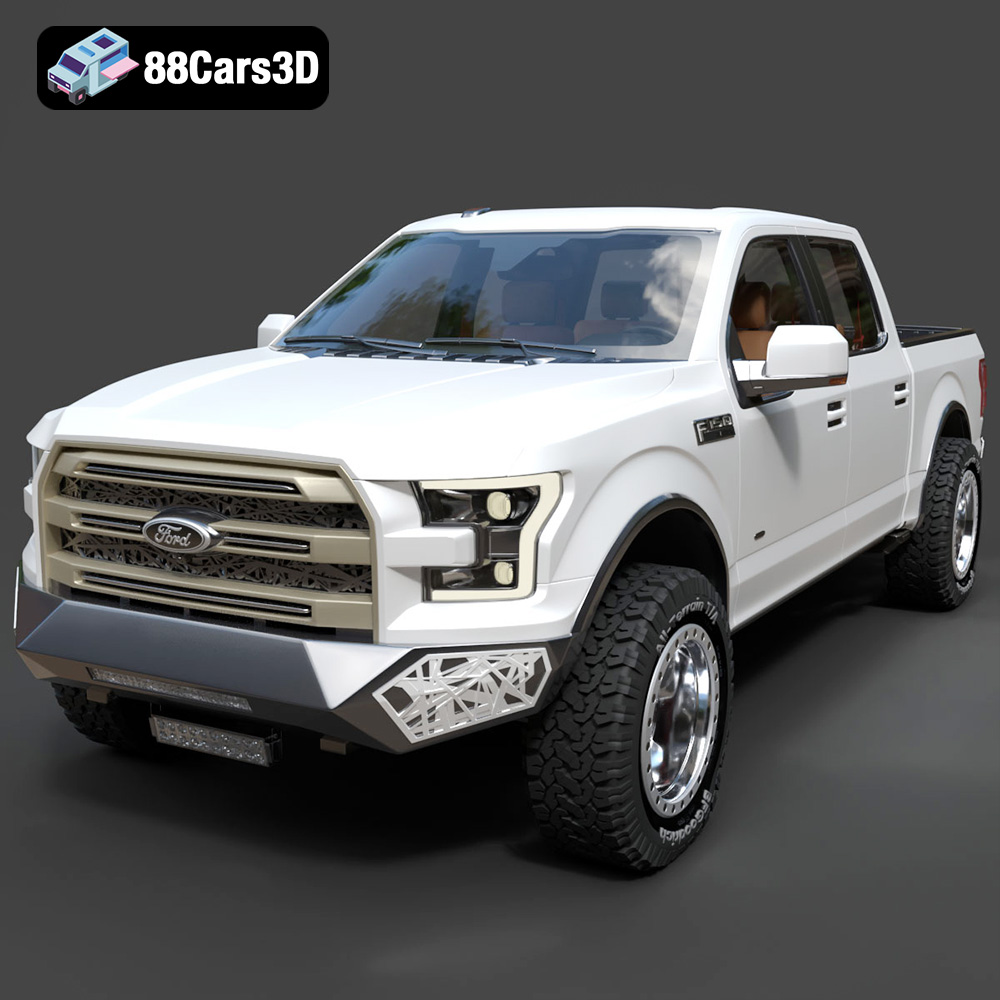
Today, we’re taking an in-depth look at a prime example of such an asset: the Ford F150 Raptor with Tuning from ARE 3D Model. This formidable off-road powerhouse, enhanced with ARE’s signature truck cap and rugged overland accessories, represents the pinnacle of high-quality 3D car models available for creative professionals. Its aggressive stance, detailed engineering, and game-ready optimization make it an exceptional focal point for any virtual environment. Whether you’re a game developer seeking authentic game assets, a visualization artist aiming for unparalleled automotive rendering, or a designer bringing concepts to life, understanding the technical nuances of such a model is crucial. Let’s explore how this digital beast can elevate your next project.
When acquiring a premium 3D asset like the Ford F150 Raptor with ARE Tuning model, understanding the various file formats included is paramount. Each format serves distinct purposes, offering different levels of compatibility, editability, and optimization for specific workflows. The Ford F150 Raptor model from 88cars3d.com exemplifies a commitment to versatility by providing a comprehensive suite of file types, ensuring it seamlessly integrates into virtually any professional pipeline.
The **.blend** file format is the native project file for Blender, the renowned open-source 3D creation suite. For artists and developers primarily working in Blender, this is often the most desirable format. It contains the complete scene data, including all mesh geometry, materials (with Cycles/Eevee node setups), textures, lighting, cameras, animations, modifiers, and even custom property data. Having the Ford F150 Raptor as a .blend file means full editability. Users can easily dissect the model, modify its topology, adjust materials, re-rig components, or animate it with Blender’s powerful toolset, making it ideal for deep customization and iteration within a Blender-centric pipeline.
.fbx (Filmbox) is arguably the most widely adopted proprietary file format for 3D content interchange, especially prevalent in game development. Developed by Autodesk, FBX supports geometry, materials, textures, animations, rigging, and even light and camera data. It’s the go-to format for transferring assets between different 3D software packages like 3ds Max, Maya, and Blender, and crucially, for importing into game engines like Unreal Engine and Unity. The Ford F150 Raptor’s .fbx file ensures that all its detailed geometry, UVs, and PBR-ready material assignments are preserved, making it ideal for real-time pipelines where consistent data transfer is critical for game assets.
The **.obj** (Wavefront OBJ) format is a universal standard for 3D geometry. It’s a simpler, text-based format that primarily stores mesh data (vertices, normals, texture coordinates, faces) and can reference an associated .mtl (material template library) file for basic material properties and texture maps. While it lacks support for advanced features like animation or complex rigging, its widespread compatibility across virtually all 3D software makes it incredibly robust for simple geometry transfer. For the Ford F150 Raptor, the .obj file offers a reliable fallback for cross-software compatibility or for projects that require only the fundamental mesh data, ready to be re-textured and shaded in any environment.
.glb (GL Transmission Format Binary) is a modern, royalty-free specification designed for efficient transmission and loading of 3D scenes and models in web and AR/VR applications. It’s a self-contained binary file that includes geometry, materials, textures, animations, and skeletal structures, all optimized for performance. Its compact size and single-file nature make it perfect for rapid deployment in mobile AR experiences, virtual showrooms, or browser-based configurators. The Ford F150 Raptor’s .glb format is specifically tailored to empower interactive web applications and immersive AR/VR experiences, ensuring smooth performance and visual fidelity on diverse platforms.
The **.stl** (Stereolithography) format is the de facto standard for 3D printing. It represents a 3D model as a collection of triangulated surfaces, defining only the geometry of the object without color, texture, or other material attributes. For hobbyists and professionals looking to bring the Ford F150 Raptor into the physical world, the .stl file is essential. It provides the clean, watertight mesh necessary for slicing software to prepare the model for additive manufacturing, allowing you to create a tangible replica of this impressive truck.
The **.ply** (Polygon File Format) is another format for storing 3D data, often used in applications requiring high precision, such as 3D scanning, scientific visualization, or CAD. PLY files can store a wide range of data, including vertices, faces, normals, color, and even transparency, often in a more structured manner than OBJ. While less common for typical game assets, its inclusion for the Ford F150 Raptor caters to niche applications where exact mesh representation and potential vertex-level data are critical, perhaps for engineering analysis or highly detailed rapid prototyping.
The **.unreal** format signifies a specific asset package or a version of the model pre-optimized and configured for direct import into Unreal Engine. This often means the asset has been properly scaled, pivot points set, materials configured with Unreal’s PBR pipeline, and potentially even collision meshes generated. For developers leveraging Unreal Engine, this provides the most streamlined workflow, minimizing import issues and accelerating the integration of the Ford F150 Raptor into their game or visualization project, delivering true engine-ready game assets.
Finally, the **.max** file is the native project file for Autodesk 3ds Max, a leading software for 3D modeling, animation, and rendering. Like .blend, this format contains the complete scene, including complex modifiers, intricate material setups (e.g., V-Ray, Corona), lighting, and animation data specific to 3ds Max. For professionals working in architectural visualization, automotive rendering, or film production who rely on 3ds Max, the .max file offers full control and access to the model’s highest fidelity state, allowing for advanced rendering techniques and intricate scene composition.
By offering this extensive range of formats, the Ford F150 Raptor 3D model from 88cars3d.com ensures that users across all disciplines can utilize it effectively, from initial concept to final deployment, making it a truly versatile and professional resource.
The Ford F150 Raptor is more than just a truck; it’s an icon of off-road prowess and a testament to American engineering. This particular 3D model takes that legacy a step further by integrating exclusive tuning components from ARE, creating a truly unique and highly sought-after asset. For those in automotive rendering and game development, the meticulous attention to detail in this 3D car model offers unparalleled value.
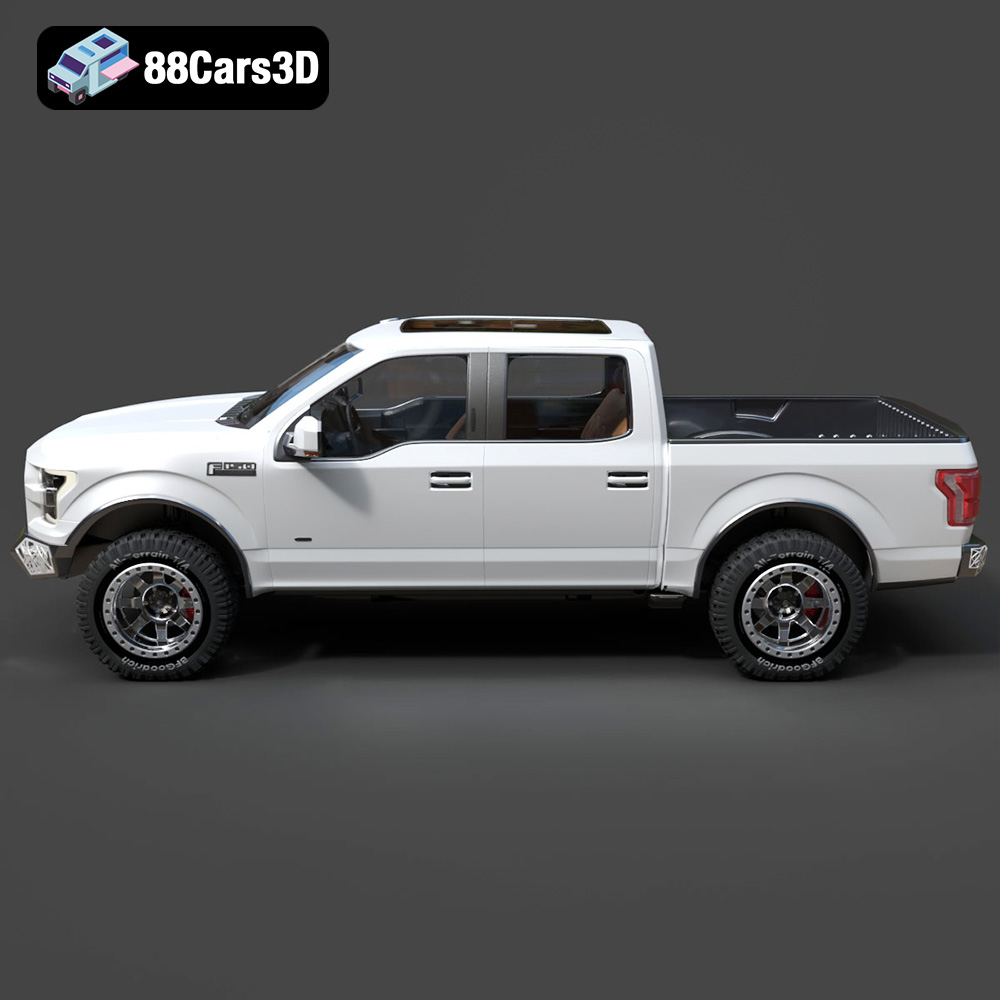
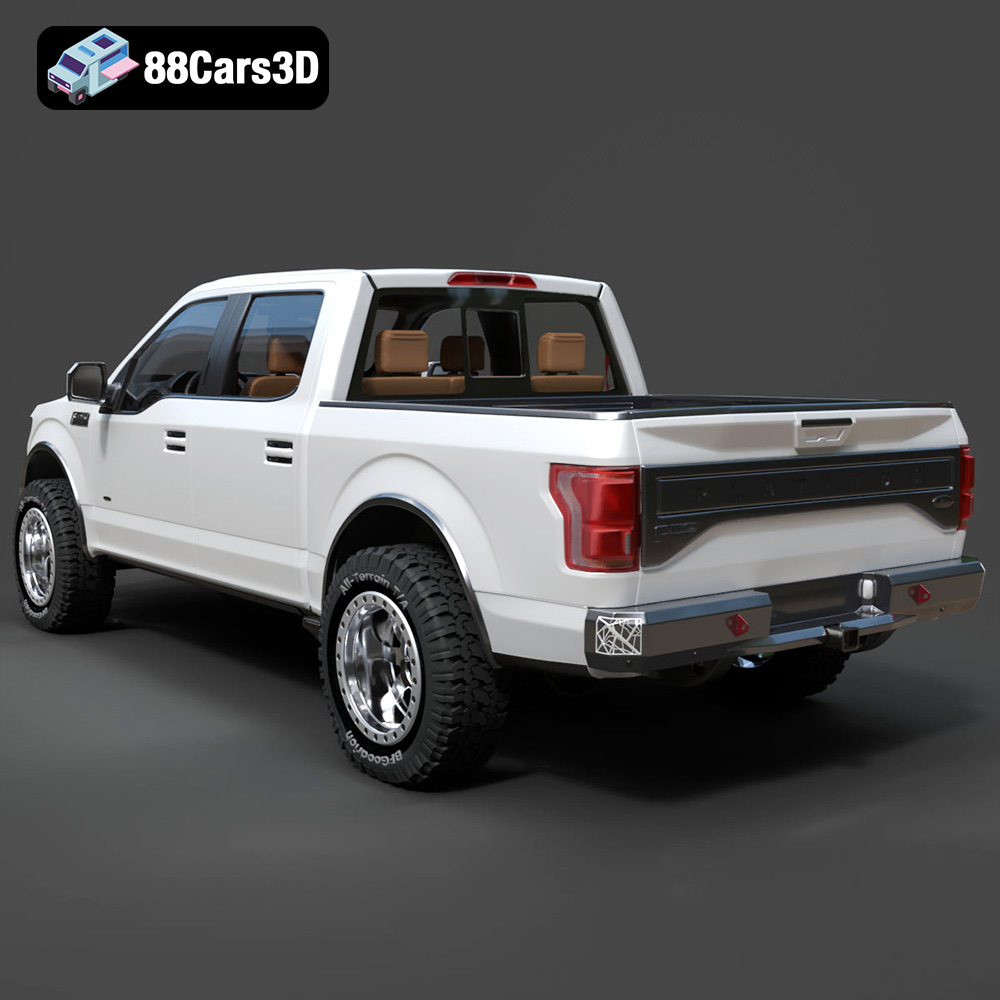
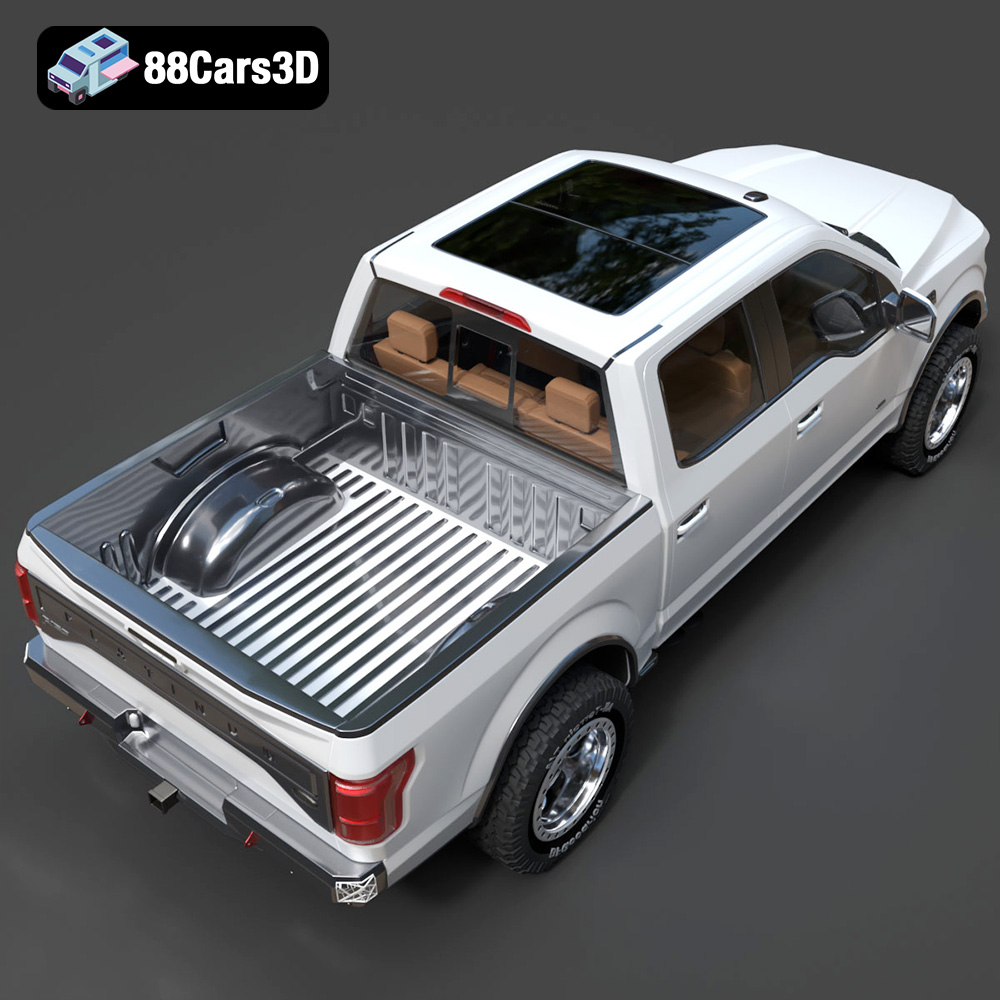
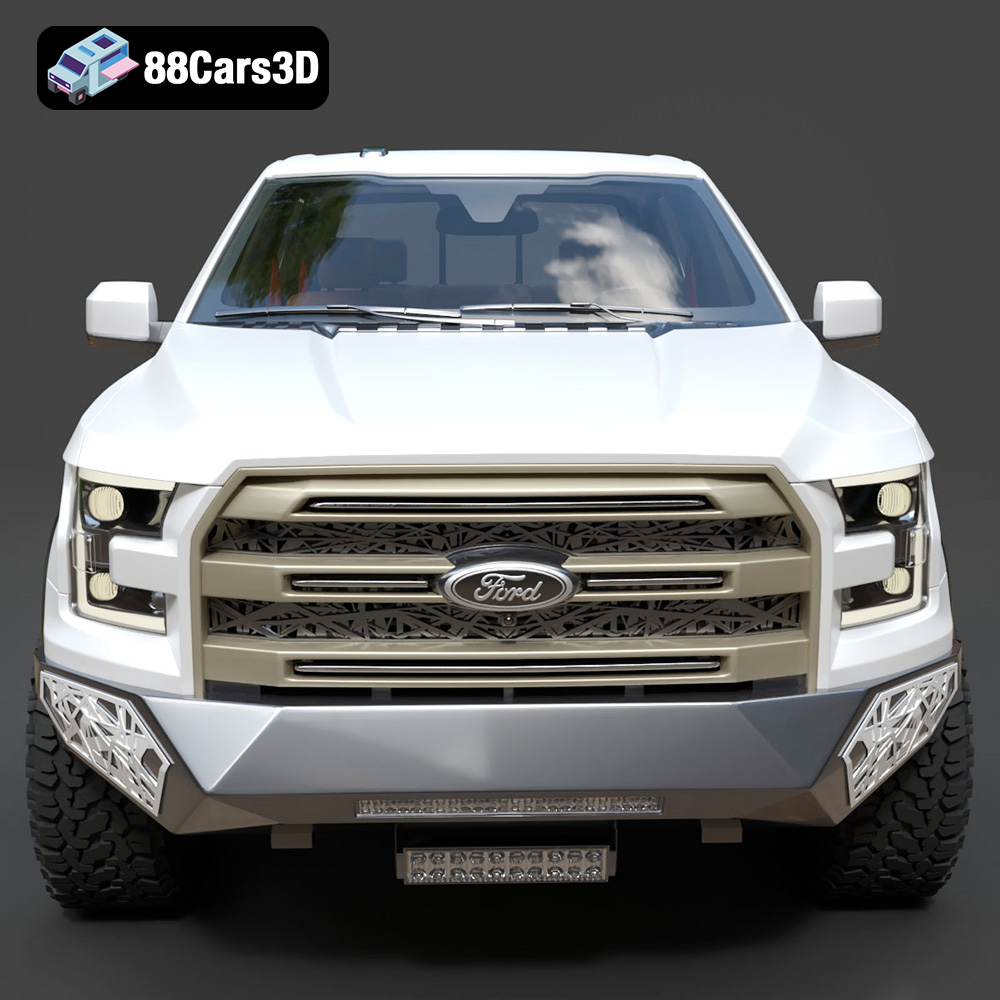
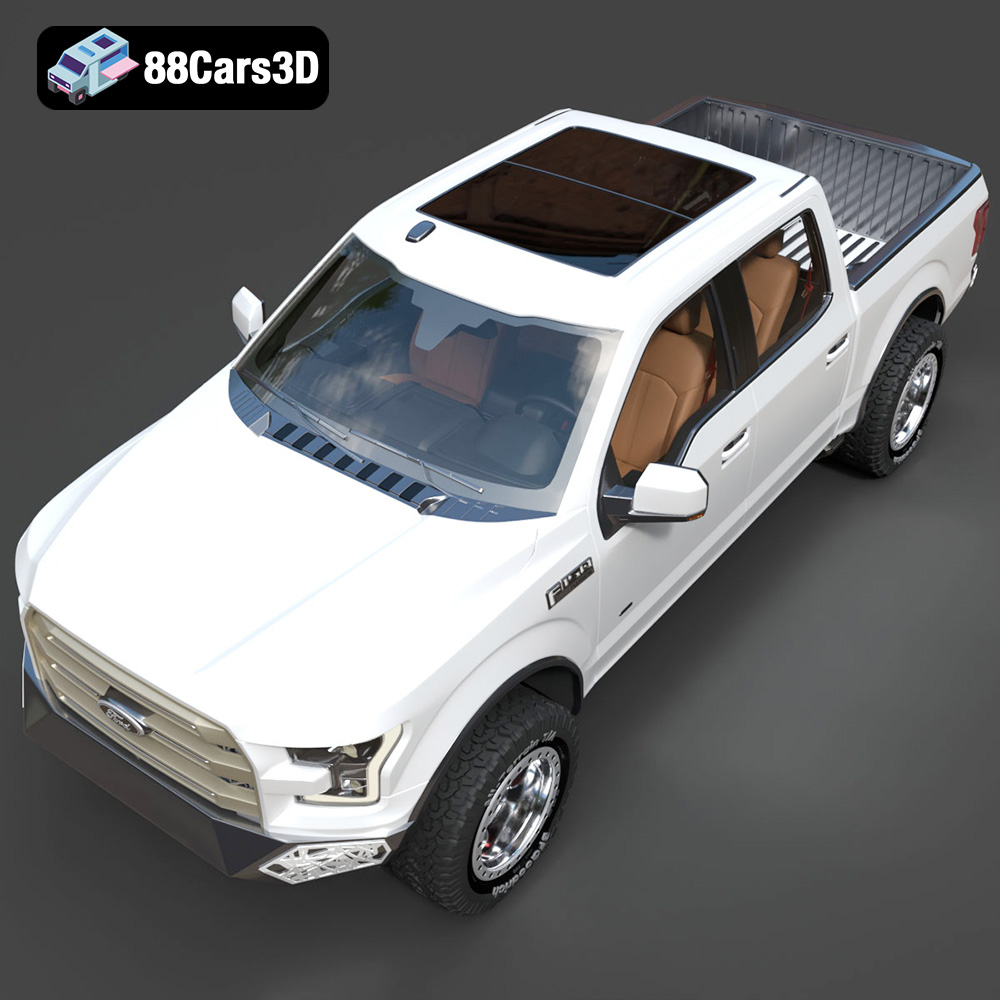
The strength of any high-quality 3D car model lies in its ability to faithfully reproduce the real-world counterpart, and this F150 Raptor excels. The model perfectly captures the imposing Ford grille, a symbol of the truck’s rugged identity, complete with the signature C-clamp LED headlights and integrated grille marker lights. The aggressive proportions, massive suspension travel, and flared fenders that define the Raptor’s Baja-conquering heritage are all precisely modeled. Even subtle yet critical details, such as the distinct high-output dual exhaust system with tuned off-road performance styling and the heavy-duty beadlock-capable wheels wrapped in rugged all-terrain tires, contribute to an authentic visual experience. What truly sets this model apart are the custom ARE tuning accessories, including a detailed truck cap and utility upgrades, adding a layer of unique character and functionality that makes it stand out among generic 3D car models. The simulation of Fox Racing shocks within the high-travel off-road suspension components further enhances its realism, providing a solid foundation for both static renders and dynamic animations.
A truly comprehensive 3D car model doesn’t stop at the exterior; the interior must be equally compelling, especially for applications like game development and AR/VR. This F150 Raptor model delivers with sport-bolstered Recaro-style seats featuring distinct Raptor texturing, conveying both comfort and performance. The aggressive multi-function steering wheel with paddle shifters, highly detailed digital instrument cluster, and center infotainment screen provide a rich interactive environment. Crucial control details like rugged pedals, the console shifter, and drive-mode selectors are accurately modeled, ensuring an immersive experience, particularly for first-person POV in gaming and virtual reality simulators. This level of interior optimization is vital for game assets where players will spend significant time within the cockpit, demanding both visual accuracy and smooth performance.
Creating professional 3D car models involves a delicate balance between visual fidelity and technical optimization. The Ford F150 Raptor with ARE Tuning model is engineered with this balance in mind, making it suitable for a broad spectrum of applications, from demanding real-time engines to high-end cinematic rendering.
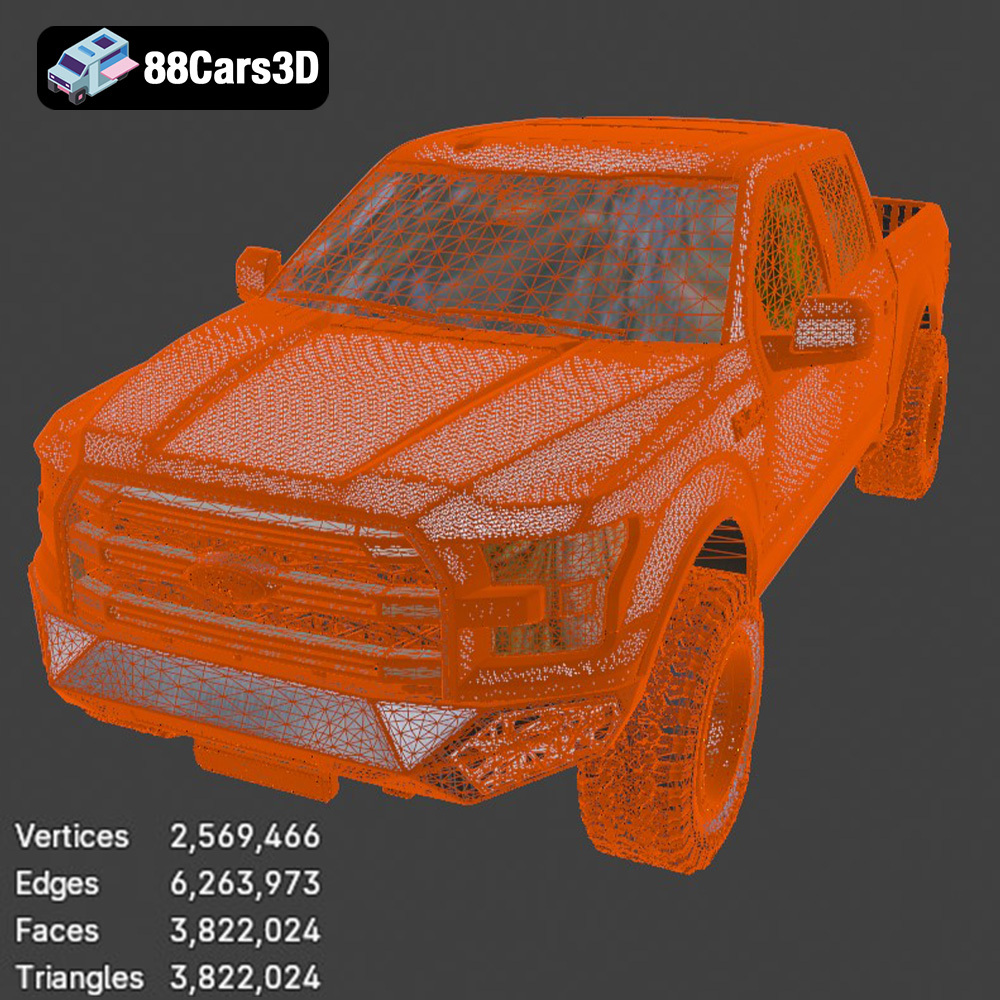
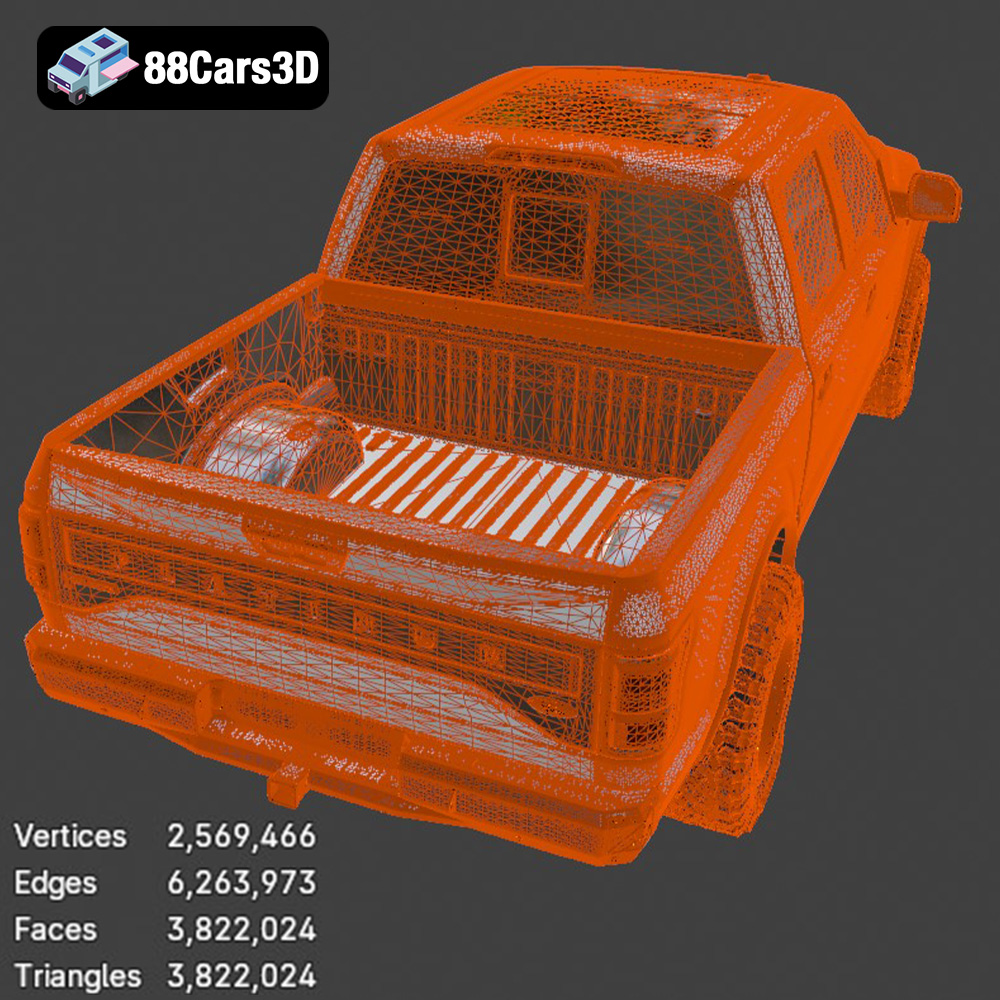
One of the most critical technical aspects of game assets is the polygon count. The Ford F150 Raptor model boasts an optimized triangle count of approximately 450,000. This figure is a testament to careful craftsmanship, as it strikes a perfect balance: it’s detailed enough to maintain high-end visual realism in close-up shots and renders, yet optimized for real-time engines like Unreal and Unity. Excessive polycounts can cripple game performance, while too few can result in blocky, unrealistic visuals. This model’s topology ensures efficiency without sacrificing visual quality, featuring distinct material zones, accurate edge loops, and high-resolution geometry precisely where it matters most, making it a benchmark for game-ready 3D car models.
Accuracy in 3D modeling extends beyond visual appeal to include real-world scale and functional rigging. This Ford F150 Raptor model adheres to real-world scale, based on actual F150 Raptor and ARE accessory chassis data. This is crucial for seamless integration into architectural scenes, automotive rendering, or virtual configurators where correct proportions are essential. Furthermore, the model features proper pivot setups for steering, wheel rotation, and suspension travel. This ‘animation readiness’ is invaluable for animators and game developers, allowing for straightforward rigging and dynamic simulations without extensive re-work. The separate wheels, suspension, and steering components are key to enabling complex animations, from driving sequences to off-road articulation, significantly reducing setup time for professional projects.
A truly versatile 3D car model provides ample room for creative customization. This Raptor model offers extensive options to tailor its appearance to specific project needs. Users can easily change body and tank colors to match factory specifications, custom ARE tuning finishes, or entirely new aesthetics. The ability to modify tire textures, perhaps swapping between mud-terrain and all-terrain variants, adds another layer of realism and scene specificity. Furthermore, adjusting material finishes – from matte and gloss to metallic and rugged bedliner textures – allows artists to fine-tune the truck’s visual impact. Adapting lighting for different environments further enhances its integration into any scene, proving its adaptability for diverse automotive rendering scenarios.
The true measure of a high-quality 3D car model lies in its seamless integration into various professional pipelines. The Ford F150 Raptor with ARE Tuning model is built for this purpose, offering versatile solutions for game developers, visualization artists, and AR/VR creators alike.
For game developers, the optimized nature of this model makes it a perfect game asset. Its approximately 450,000 triangle count strikes the ideal balance for performance within modern real-time engines. Developers can import the .fbx or, even better, the .unreal file directly into Unreal Engine or Unity. The workflow typically involves setting up Physically Based Rendering (PBR) materials using the provided textures, configuring collision meshes for realistic interaction, and integrating the pre-rigged components for steering, wheel rotation, and suspension into the vehicle’s physics system. This model is perfectly suited for open-world games where players demand high-fidelity vehicles, racing titles requiring dynamic suspension, and simulation games that benefit from accurate interior details for first-person views. The optimized geometry ensures smooth frame rates even in complex environments, reinforcing its value as a premium game asset.
When it comes to high-end automotive rendering for brand campaigns, product visualization, or cinematics, the Ford F150 Raptor model shines. Artists working in 3ds Max can utilize the .max file for full scene control, leveraging advanced renderers like V-Ray or Corona. The workflow involves setting up studio lighting, crafting realistic material shaders with reflections and refractions, and composing dynamic camera angles to highlight the truck’s aggressive design and ARE tuning elements. Similarly, Blender users can import the .blend file, taking advantage of Cycles or Eevee for stunning photorealistic or stylized renders. These detailed 3D car models are perfect for creating marketing visuals, lifestyle scenes, or even virtual photography for automotive brands, where precision and visual impact are paramount. The ability to customize colors and material finishes further enhances its utility for diverse rendering projects.
The immersive capabilities of AR/VR and the growing demand for interactive web content make the Ford F150 Raptor an invaluable asset. The inclusion of the .glb format is particularly significant here. This optimized, single-file format is ideal for rapid deployment in augmented reality applications like Apple ARKit or Google ARCore, allowing users to place a virtual Raptor in their real-world environment. For virtual reality, it can be integrated into immersive showrooms or configurators, letting users explore the truck’s interior and exterior in a fully interactive 3D space. Web developers can use the .glb file with libraries like Three.js or Babylon.js to create engaging, browser-based 3D viewers, perfect for online sales, interactive product showcases, or educational platforms. This versatility ensures that the model meets the demands of modern digital experiences.
The utility of high-quality 3D car models extends beyond digital screens into the realm of physical creation. The Ford F150 Raptor with ARE Tuning model provides an excellent foundation for 3D printing, allowing enthusiasts and professionals to create tangible replicas of this impressive vehicle.
The inclusion of the .stl format is specifically for 3D printing applications. This triangulated mesh format is universally compatible with 3D slicing software. To achieve the best results, specific print settings are recommended: ideal scales of 1:12, 1:18, or 1:24 capture sufficient detail without being overly challenging. A layer height between 0.04–0.12 mm is suggested, with resin printing often recommended for capturing the fine details of the ARE cap, exhaust, mirrors, and suspension components. Critical structural integrity is maintained with a wall thickness of 1.2–2.0 mm and an infill of 20–30%. Supports are required for overhangs and intricate parts, and printing the frame angled, with wheels printed separately, ensures optimal structural integrity and detail preservation during the printing process. This attention to 3D printability makes the Ford F150 Raptor a versatile asset for both digital and physical applications.
Once the 3D print is complete, the journey from digital asset to physical model enters the post-processing phase. This involves careful sanding to smooth out layer lines, followed by priming to create an even surface for paint. The most exciting part is often the painting, where authentic factory colors with metallic finishes can be applied to truly bring the miniature Raptor to life. Custom details, weathering, and additional accessories can further enhance the realism of the physical model. This capability demonstrates how quality 3D car models can bridge the gap between virtual design and tangible prototypes or collector’s items, offering a complete creative experience from 88cars3d.com.
The Ford F150 Raptor with Tuning from ARE 3D Model stands as a testament to what premium 3D car models should offer: unparalleled detail, technical optimization, and broad versatility across multiple platforms and applications. From its meticulously crafted exterior and interior to its game-ready polycount and diverse file format support, this asset empowers creators in every field. Whether you are developing the next hit video game, producing breathtaking automotive rendering, designing cutting-edge AR/VR experiences, or bringing models to life through 3D printing, this Raptor model provides a robust and flexible foundation.
Its comprehensive technical specifications, combined with thoughtful customization options and support for various professional workflows, ensure it’s not just an asset, but a catalyst for creativity and efficiency. For those seeking high-quality game assets or stunning visuals, exploring the extensive range of offerings at 88cars3d.com, including the exceptional Ford F150 Raptor with ARE Tuning model, is a step towards achieving truly outstanding results in your projects.
Experience the ultimate off-road powerhouse with the Ford F150 Raptor featuring exclusive tuning components from ARE. Known for its aggressive stance and Baja-conquering heritage, this F150 Raptor is elevated with ARE’s signature truck cap and rugged overland accessories. The model perfectly captures the imposing Ford grille, massive suspension travel, flared fenders, and the distinct high-output dual exhaust system, making it an exceptional focal point for any virtual environment. This 3D model boasts exceptional topology with an optimized triangle count, ensuring it is fully game-ready without sacrificing high-end visual fidelity. Carefully constructed to meet the demands of modern real-time engines, the model features distinct material zones, accurate edge loops, and high-resolution geometry where it matters most. It is an ideal asset for game development, AR/VR experiences, high-quality animation, and professional automotive visualization. Perfect for off-road racing games, open-world survival simulators, overland vehicle configurators, and high-end brand rendering campaigns.
$19.99
.4×4
.blend
.fbx
.ford
.glb
.max
.obj
.ply
.rendering
.stl
.unreal
are-tuning
car-3d-model
f150-raptor
game asset
game-ready
low-poly
off-road
optimized
pickup-truck
truck-3d-model
VR/AR