Get 20% OFF All Premium 3D & STL Models!

In the fast-paced world of digital creation, where photorealism and interactive experiences are paramount, the quality of your foundational assets can make or break a project. From cinematic automotive rendering to immersive game environments and precise engineering simulations, a meticulously crafted 3D car model is more than just a visual prop; it’s a complex digital sculpture engineered for performance and versatility. Imagine the impact of a vehicle that not only looks stunning but is also technically robust, ready to integrate seamlessly into any professional workflow.
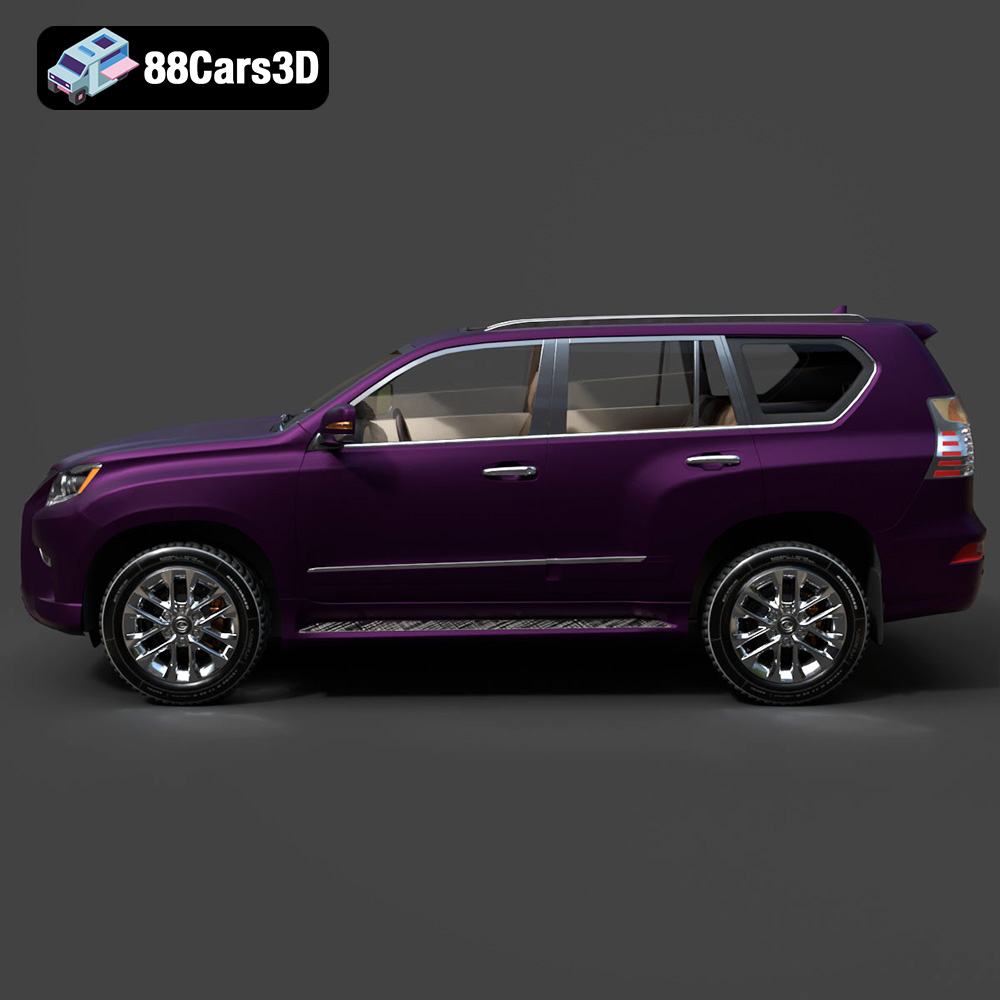
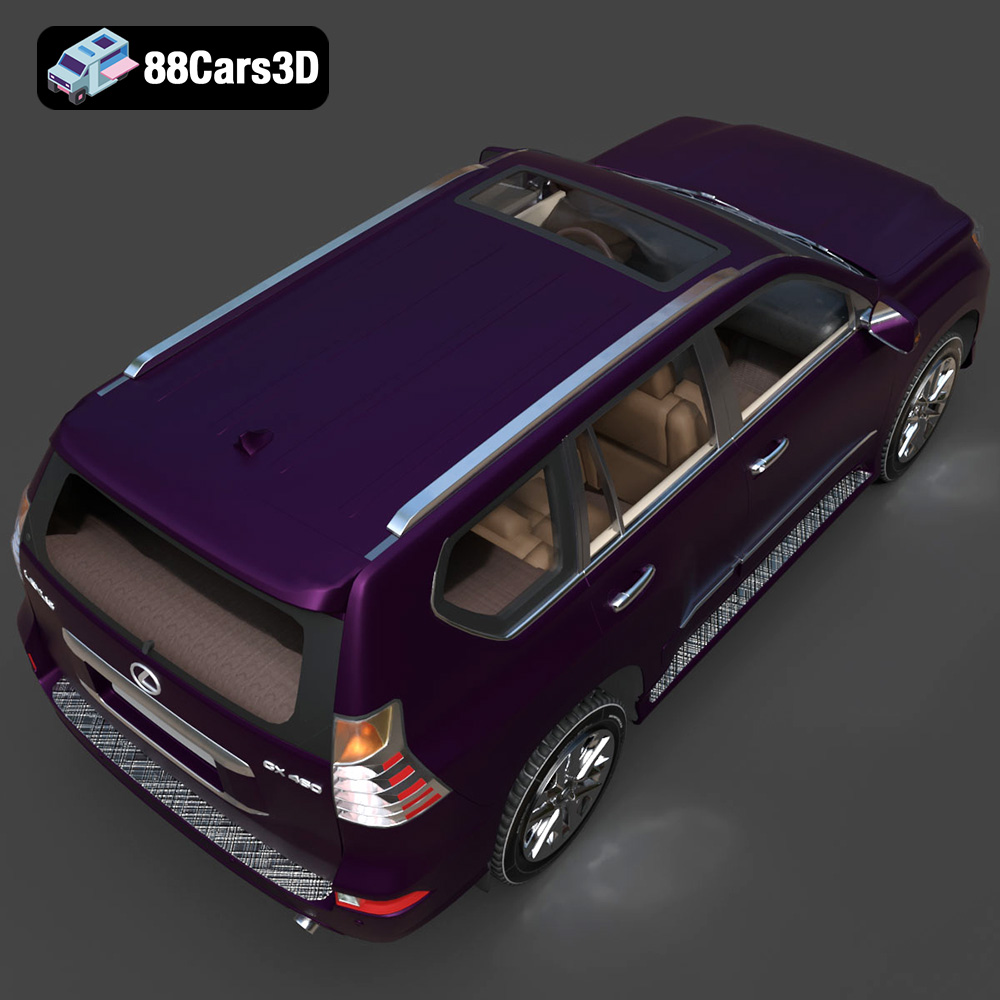
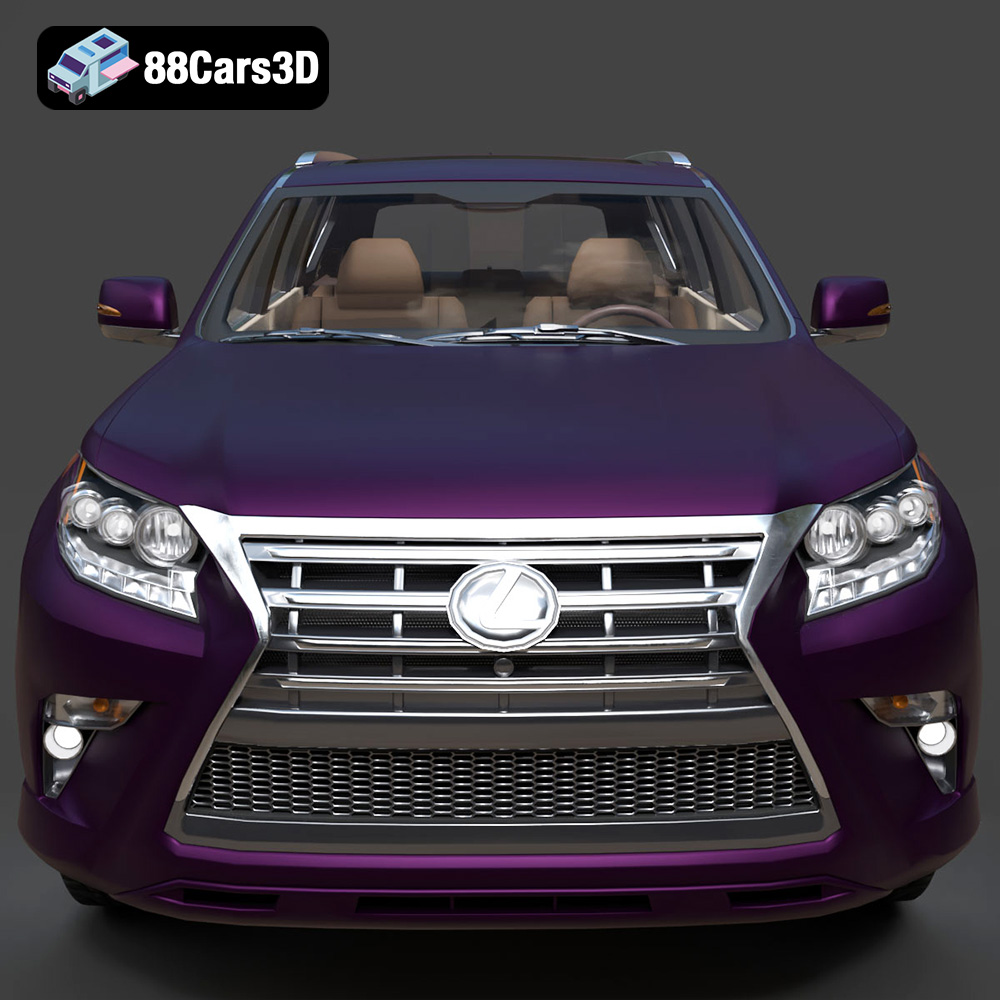
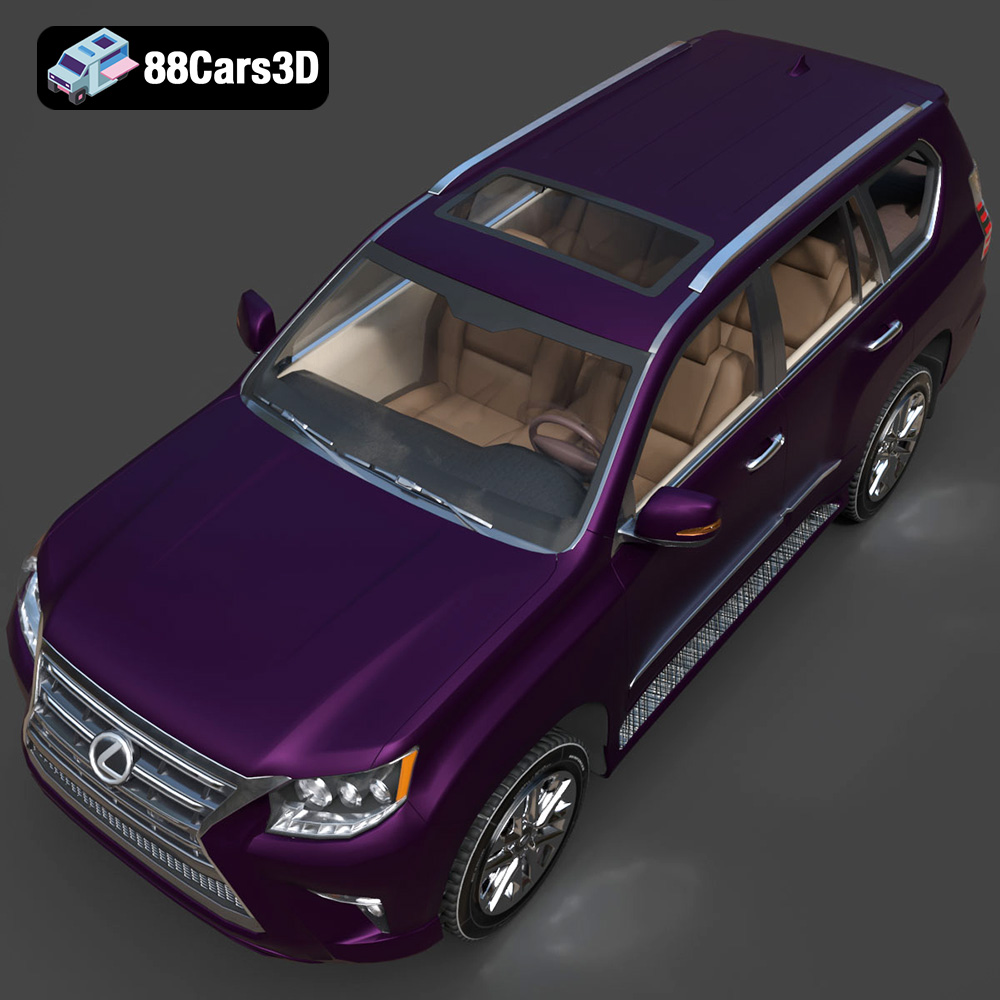
Today, we delve into the intricate world of premium 3D vehicle assets, highlighting why investing in quality is a cornerstone of success. Our journey will reveal the technical nuances, diverse applications, and workflow advantages offered by models like the Lexus GX460 2014 3D Model. This exceptional digital asset perfectly replicates the powerful stance and luxurious design of the iconic SUV, making it an outstanding addition to any digital library and a prime example of the precision available on platforms like 88cars3d.com.
A high-quality 3D car model is the bedrock upon which stunning visualizations, engaging interactive experiences, and accurate simulations are built. It’s not merely about having a car shape; it’s about the integrity of its geometry, the fidelity of its materials, and its optimization for diverse digital ecosystems. Professionals understand that cutting corners on asset quality can lead to significant rework, compromised visual integrity, and performance bottlenecks down the line.
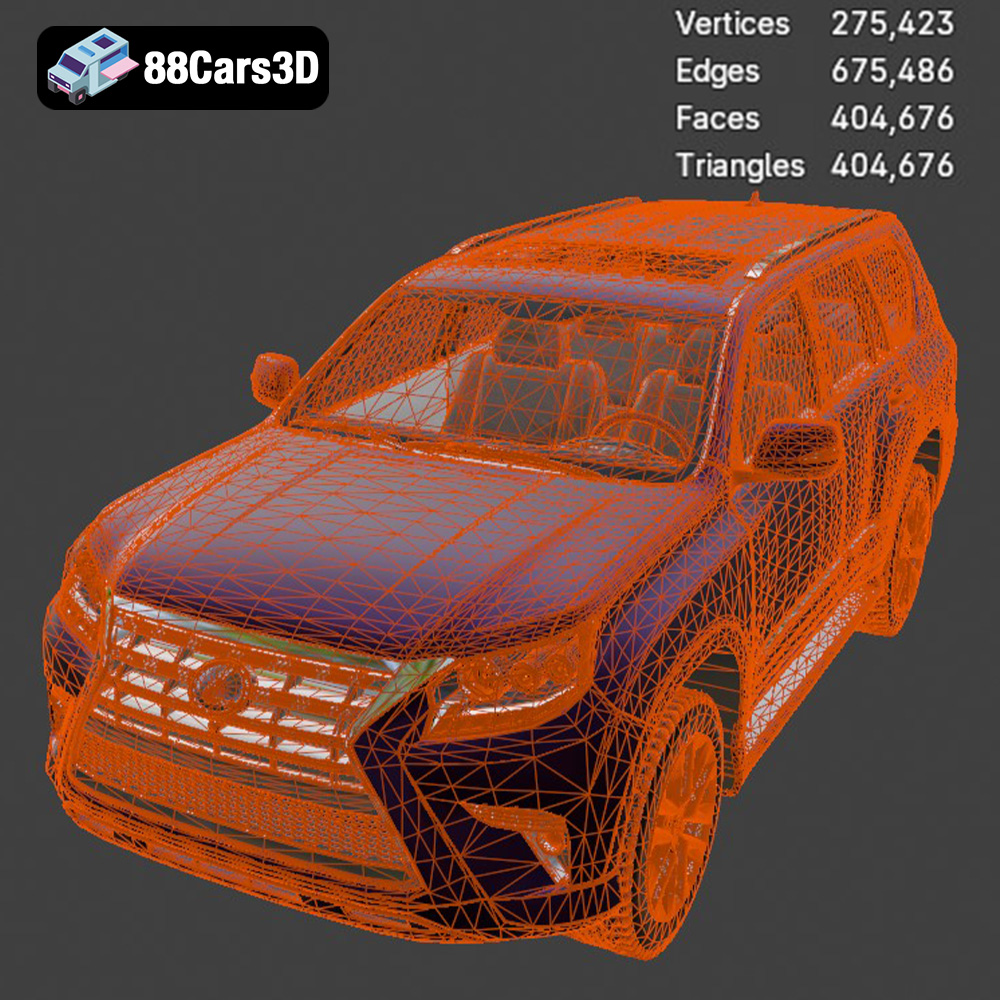
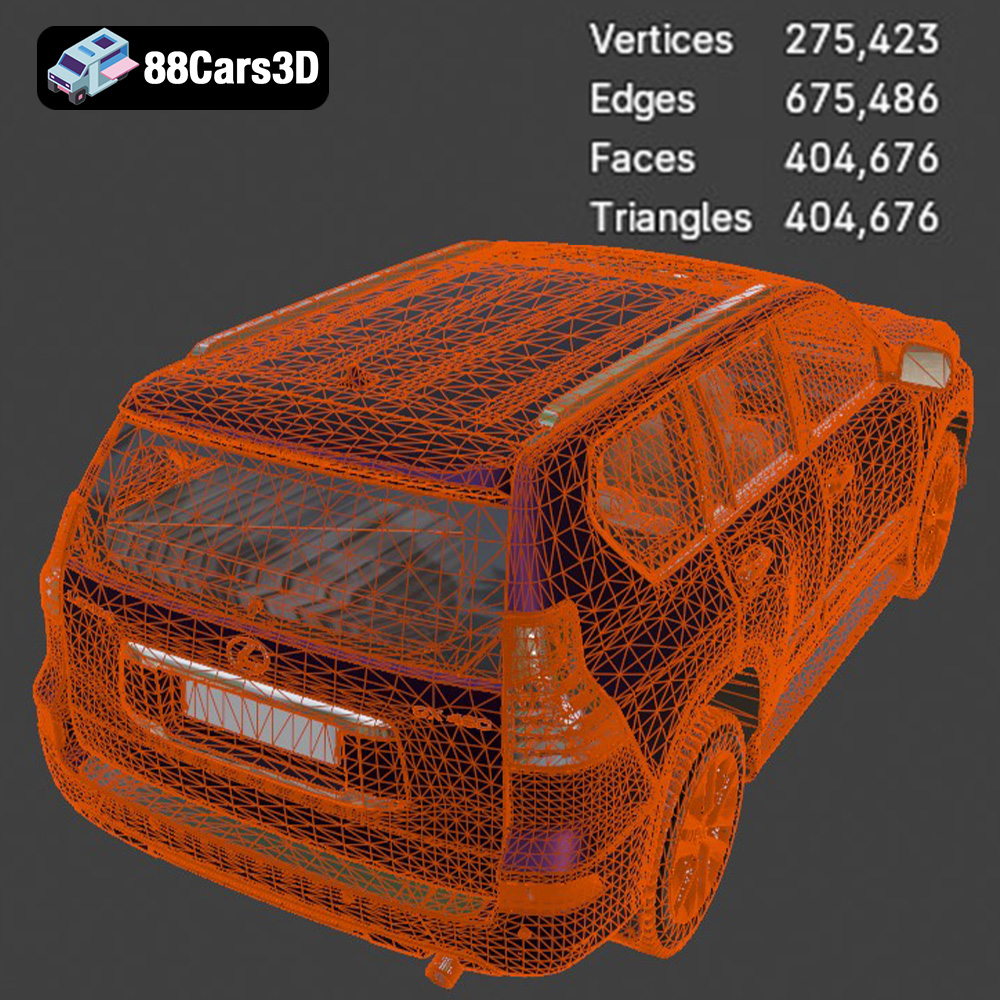
Achieving photorealism in automotive rendering requires more than just good lighting. It demands a 3D model with clean, optimized geometry, precise UV mapping, and thoughtfully applied PBR (Physically Based Rendering) materials. Every curve, every panel gap, and every minute detail contributes to the convincing illusion of a real vehicle. The Lexus GX460 2014 3D Model, for instance, is crafted with meticulous attention to detail, ensuring that its exterior curves and interior elements are modeled to deliver professional-quality results. This level of precision is crucial for close-up shots, detailed animations, and highly realistic renders that capture the essence of the vehicle’s design.
Beyond aesthetics, the underlying mesh topology plays a critical role. A clean quad-based mesh, free of n-gons or excessive triangles in critical areas, ensures smooth subdivisions, predictable deformations, and easier manipulation for animation or further detailing. This technical cleanliness minimizes artifacts and simplifies the texturing process, leading to a superior final product.
The versatility of a well-made 3D car model extends across numerous industries. In automotive design, these models are essential for concept visualization, marketing campaigns, and virtual showrooms. For game development, they serve as hero assets, populating open worlds or driving intense racing sequences. Architectural visualization leverages them to add a sense of scale and real-world context to rendered scenes. Furthermore, AR/VR experiences, product configurators, and even forensic simulations rely heavily on accurate 3D vehicle data. A comprehensive package like the Lexus GX460 2014 3D Model, with its multiple industry-standard file formats, is designed precisely for this broad spectrum of applications, adapting seamlessly to any demanding production environment.
The ability of a single asset to serve in such varied contexts underscores the importance of its inherent quality and adaptability. Whether you’re aiming for a static render, a real-time interactive experience, or a technical analysis, the core data must be robust and flexible.
Choosing the correct 3D model file format is a pivotal decision that impacts compatibility, workflow efficiency, and the ultimate utility of your digital asset. Each format serves a specific purpose, catering to different software ecosystems, project requirements, and output destinations. A professional 3D car model, such as the Lexus GX460 2014, often comes with a suite of formats to ensure maximum compatibility and flexibility across various pipelines. Understanding these distinctions is crucial for any digital artist or developer.
The 3D industry is characterized by a blend of open-source and proprietary software solutions, each with its preferred or native file format. This diversity necessitates a multi-format approach for commercially viable 3D assets. The Lexus GX460 2014 3D Model exemplifies this by offering formats tailored for both major proprietary packages and open-source alternatives, ensuring a wide user base can leverage its quality.
Beyond native software formats, general-purpose formats facilitate interchange between different applications and are often optimized for specific uses like real-time rendering or long-term archiving.
Some formats cater to highly specialized requirements, particularly for manufacturing, analysis, or very specific data representations.
The provision of this comprehensive suite of formats for the Lexus GX460 2014 3D Model ensures that whether your project involves high-fidelity rendering, real-time interactive experiences, or physical prototyping, you have the right tool for the job. This commitment to format diversity is a hallmark of professional-grade 3D car models available on platforms like 88cars3d.com.
Automotive rendering is a highly specialized discipline within 3D visualization, demanding a keen eye for detail, a deep understanding of light physics, and mastery of rendering software. The goal is to create images that are indistinguishable from photographs, effectively showcasing a vehicle’s design and appeal. A high-quality base model, such as the Lexus GX460 2014 3D Model, is fundamental to this process.
Effective lighting is the soul of photorealistic rendering. Automotive renders often utilize sophisticated lighting setups, combining HDRI (High Dynamic Range Image) environments for realistic global illumination with targeted area lights or spotlights to highlight specific design elements, reflections, and contours. The choice of an HDRI background, whether a studio setup or an outdoor environment, plays a crucial role in defining the mood and reflective properties of the car’s surface. Understanding how light interacts with different materials—from the high reflectivity of car paint to the subtle translucency of headlights—is key. Professionals meticulously adjust light sources, intensity, color temperature, and shadow properties to achieve the desired effect, leveraging the clean geometry of models like the Lexus GX460 2014 to ensure smooth, accurate light bounces and reflections.
Physically Based Rendering (PBR) has revolutionized material creation, enabling artists to define materials based on real-world properties. For automotive rendering, this means crafting PBR materials for paint (clear coat, base coat, flakes), glass (refraction, tint), rubber (roughness, subtle displacement), chrome (high reflectivity, Fresnel), and various interior fabrics or leathers. Each material requires careful calibration of parameters like albedo (base color), roughness, metallic, normal, and sometimes anisotropic reflections for car paint. The Lexus GX460 2014 3D Model is described as having “realistic materials,” implying a PBR-ready setup that allows artists to achieve accurate surface responses under any lighting condition, ensuring that the luxury SUV’s aesthetics are faithfully represented.
Complex shaders, especially for car paint, often involve multiple layers to simulate metallic flakes, clear coats, and subtle imperfections that add to the realism. Precise UV mapping, which the Lexus GX460 2014 model features, is critical for applying these detailed textures without distortion, ensuring that decals, badges, and panel lines appear sharp and accurate.
Both 3ds Max and Blender are powerhouses for automotive rendering, each offering robust toolsets.
In a **3ds Max** workflow, artists would typically import the .max file of the Lexus GX460 2014 3D Model, which often comes with pre-configured V-Ray or Corona Renderer materials. The process involves setting up a detailed lighting environment, perhaps using a V-Ray Dome Light with an HDRI. Materials are refined using a dedicated material editor, adjusting PBR values to perfectly mimic the real vehicle. Cameras are positioned for compelling angles, and depth of field, motion blur, and other post-processing effects are tuned within the renderer or external compositing software. The robust scene management in 3ds Max allows for intricate layering and control, essential for high-fidelity output.
For **Blender** users, the .blend file of the Lexus GX460 2014 offers an immediate starting point. With its integrated Cycles or Eevee render engines, Blender allows for powerful node-based material creation and a flexible lighting system. Artists can import the model, tweak the included materials or create new ones using Blender’s PBR shader nodes, and set up an HDRI environment or custom light sources. Blender’s comprehensive animation tools also make it ideal for creating dynamic vehicle showcases. The unified interface and open-source nature make it a highly accessible yet professional option for stunning automotive renders.
In both scenarios, the “clean geometry” and “realistic materials” of the Lexus GX460 2014 3D Model dramatically reduce the initial setup time, allowing artists to focus on the creative aspects of lighting, composition, and final adjustments rather than laborious model cleanup or material reconstruction.
The demand for realistic vehicles in interactive experiences, from blockbuster video games to real-time configurators, has never been higher. However, real-time environments impose strict technical constraints that differ significantly from offline rendering. Game developers and AR/VR creators require 3D car models that are not only visually impressive but also highly optimized for performance. The Lexus GX460 2014 3D Model, described as “game-engine ready,” addresses these critical needs.
A common pitfall in real-time development is using models with excessively high polygon counts, which can cripple frame rates. High-quality 3D car models intended for games or AR/VR must strike a balance between visual fidelity and computational efficiency. The Lexus GX460 2014 3D Model features an “optimized polygon count,” meaning its mesh has been carefully constructed to represent the vehicle accurately without unnecessary geometric complexity. This optimization is crucial for maintaining smooth performance across various hardware platforms.
Furthermore, professional game assets often incorporate multiple Levels of Detail (LODs). These are progressively simpler versions of the same model that swap in as the camera moves further away. This technique ensures that highly detailed models are only rendered when they are close to the viewer, saving significant processing power for distant objects. While not explicitly stated for the Lexus GX460 2014, “game-engine ready” often implies that the model’s structure facilitates the easy generation of LODs, or even includes them directly, for seamless integration into game engines.
Unreal Engine is a leading platform for game development, architectural visualization, and real-time cinematic production. Integrating a 3D car model like the Lexus GX460 2014 into Unreal Engine is a streamlined process thanks to specific file formats and optimized asset preparation.
Using the .fbx format, or even better, the “pre-configured for Unreal Engine use” .unreal asset, developers can import the model with its geometry, UVs, and PBR material assignments largely intact. Once imported, materials will need to be configured within Unreal’s powerful Material Editor, mapping the albedo, normal, roughness, metallic, and other PBR textures to appropriate nodes. The engine’s physically based lighting system then allows for dynamic illumination, adding realistic reflections and shadows. Developers can then add collision meshes, set up vehicle physics, and implement interactive elements such as opening doors or working lights. The clean topology and optimized UVs of the Lexus GX460 2014 3D Model simplify these steps, minimizing issues and accelerating the development cycle, allowing for quicker iteration and deployment.
Augmented Reality (AR) and Virtual Reality (VR) are transforming how we interact with digital content. For automotive applications, this means virtual showrooms, interactive driving experiences, and even remote vehicle inspections. Models optimized for AR/VR, particularly those in .glb format like the Lexus GX460 2014, are paramount. The .glb format is designed for lightweight, single-file distribution, making it ideal for rapid loading in AR/VR headsets or mobile AR applications. Its efficiency ensures smooth performance even on less powerful hardware, providing a truly immersive experience without lag or visual hitches.
Imagine being able to “walk around” the Lexus GX460 2014 in VR, inspect its interior details, or even place it realistically in your driveway using AR on a smartphone. The precision and realism of such a model are crucial for convincing and engaging AR/VR interactions. The availability of the Lexus GX460 2014 in a .glb format underscores its readiness for these cutting-edge interactive applications, making it a valuable asset for pioneers in the AR/VR space.
The utility of high-quality 3D car models extends far beyond just visual representation. In specialized fields, these digital assets serve as crucial components for rigorous simulation, analysis, and even physical manufacturing processes. The technical precision embedded in models like the Lexus GX460 2014 allows them to bridge the gap between digital design and real-world engineering and production.
Automotive simulations are critical in vehicle design and engineering, allowing manufacturers to test various aspects of a car’s performance virtually before physical prototypes are built. This includes aerodynamic studies, crash simulations, suspension dynamics, and even driver training simulators. For these applications, the 3D model needs more than just visual accuracy; it requires geometric integrity, precise dimensions, and often a simplified, clean mesh suitable for physics engines and computational fluid dynamics (CFD) software.
The “clean geometry” and “detailed polygon mesh” (especially if available in formats like .ply) of the Lexus GX460 2014 3D Model make it a strong candidate for such uses. While a purely visual model might have high levels of surface detail, a simulation-ready model focuses on accurate volume, mass distribution, and surface continuity to ensure correct physical interactions. Engineers can use such a model to run virtual wind tunnel tests, analyze drag coefficients, or simulate collision impacts, gaining invaluable insights that inform the design process and reduce the need for expensive physical testing.
3D printing has revolutionized prototyping and custom manufacturing, allowing designers to quickly turn digital concepts into tangible objects. For automotive enthusiasts, designers, or educators, having a 3D printable model of a specific vehicle offers immense possibilities, from creating scale models to custom accessories or display pieces.
The .stl format, which the Lexus GX460 2014 3D Model provides, is the industry standard for 3D printing. This format simplifies the complex polygonal mesh into a series of triangular facets, defining the exact surface geometry that a 3D printer can interpret. The precision of the original digital model directly translates to the accuracy of the printed output. Users can scale the Lexus GX460 2014 model to their desired size, prepare it in their slicer software, and then bring a physical representation of the iconic SUV to life. This capability is not just for hobbyists; it’s also invaluable for rapid prototyping in design studios, allowing for quick checks of form, proportion, and even basic ergonomic studies with a tangible object.
The ability to transition from a digital asset to a physical prototype or detailed model underscores the multifaceted value of a well-prepared 3D car model, demonstrating its utility in both virtual and tangible production pipelines.
In a competitive digital landscape, efficiency, quality, and adaptability are paramount. For professionals working with automotive assets, the decision to acquire a pre-made, high-quality 3D car model is often a strategic investment that pays dividends in multiple areas. Platforms like 88cars3d.com specialize in providing such assets, ensuring creators have access to the best tools for their vision.
Modeling a complex vehicle like the Lexus GX460 2014 from scratch is an incredibly time-consuming and resource-intensive endeavor. It requires specialized skills in CAD modeling, sculpting, retopology, UV unwrapping, and material authoring. For a studio or an individual artist, dedicating hundreds of hours to create a single asset diverts resources from other critical project components. By leveraging a ready-to-use, professional-grade 3D car model, artists can save significant time and allocate their efforts to more creative aspects like scene composition, lighting, animation, or interactive logic. This streamlined approach directly impacts project timelines and budget, enabling faster iteration and delivery.
In large-scale productions, consistency across assets is vital. Acquiring models from a reputable source like 88cars3d.com ensures a baseline of quality, technical integrity, and adherence to industry standards. This means consistent poly counts, clean topology, and standardized material setups that integrate smoothly into various pipelines. For a team working on multiple scenes or game levels, having a library of consistent, pre-optimized 3D car models like the Lexus GX460 2014 allows for scalable production without compromising visual fidelity or performance. The “fully textured” and “ready for immediate deployment” nature of such models reduces the risk of inconsistencies that can arise from varied asset creation methods.
The market for 3D models is vast, but discerning quality can be challenging. 88cars3d.com stands out by focusing on providing high-quality 3D car models that meet professional standards. When choosing an asset, consider not just the visual appeal but also the technical specifications: clean geometry, optimized polygon counts, proper UVs, PBR materials, and comprehensive file format support. The Lexus GX460 2014 3D Model embodies these qualities, offering a robust solution for a wide range of applications, from automotive rendering to game asset development and AR/VR experiences.
A reputable marketplace ensures that the assets have undergone quality checks, come with clear licensing, and are supported by a community or direct assistance. This not only safeguards your investment but also ensures that you’re acquiring reliable tools that genuinely enhance your creative capabilities.
The digital realm thrives on detail, realism, and efficiency, making high-quality 3D car models indispensable assets for any professional endeavor. We’ve explored the critical role these models play in achieving photorealistic renders, integrating into real-time game engines, enabling immersive AR/VR experiences, and even facilitating precise engineering simulations and 3D printing. The technical intricacies, from clean geometry and optimized poly counts to robust PBR materials and comprehensive file format support, all contribute to a model’s true value.
The Lexus GX460 2014 3D Model stands as a testament to this commitment to quality, offering exceptional realism and precision for a myriad of applications. Its versatility, coupled with an array of industry-standard file formats, ensures it’s not just a beautiful asset but a powerful tool ready for immediate deployment in your chosen software. For creators seeking to elevate their projects with premium digital automotive assets, exploring the curated selection on 88cars3d.com is a definitive step towards achieving unparalleled digital excellence.
Discover the exceptional realism and precision of the Lexus GX460 2014 3D Model. Crafted with meticulous attention to detail, this digital asset perfectly replicates the powerful stance and luxurious design of the iconic SUV, making it an outstanding addition to your digital library. Designed for optimal performance, this model features clean geometry, realistic materials, and an optimized polygon count. Every exterior curve and interior element has been modeled to deliver professional quality results. The asset is fully textured and ready for immediate deployment in your chosen software. Whether you are developing an immersive video game, creating photorealistic architectural visualizations, producing interactive AR/VR experiences, or conducting automotive simulations, this versatile 3D model adapts seamlessly to any demanding production environment. This comprehensive package includes multiple industry-standard file formats to ensure maximum compatibility: .blend – Editable Blender file with materials and lighting setup, .fbx – Game-engine ready format for Unreal Engine and Unity, .obj – Standard 3D model format compatible with all major software, .glb – Optimized for AR/VR and web-based visualization, .stl – Suitable for 3D printing and prototyping, .ply – Detailed polygon mesh for analysis and visualization, .unreal – Pre-configured for Unreal Engine use, .max – Editable 3ds Max file for rendering and animation.
$39.99
.arvr
.blend
.car3dmodel
.fbx
.gameasset
.glb
.gx460
.lexus
.luxury
.max
.obj
.offroad
.ply
.rendering
.simulation
.stl
.unreal
SUV