Get 20% OFF All Premium 3D & STL Models!

“`html
If you’re diving into the world of 3D printing, especially for intricate models like those available on 88cars3d.com, understanding the STL file format is crucial. STL, which stands for STereoLithography, is the most common file type used to represent 3D models for additive manufacturing. It defines the surface geometry of a 3D object using a collection of triangles. While seemingly simple, the underlying structure and characteristics of STL files have a profound impact on print quality, file size, and overall 3D printing success. This comprehensive guide will delve into the inner workings of STL files, exploring their mesh structure, triangle tessellation, precision considerations, and best practices for preparing them for optimal 3D printing results. We’ll cover everything from the basics of the STL format to advanced techniques for optimizing your files for specific printing scenarios. Whether you’re a beginner or an experienced 3D printing enthusiast, this deep dive will empower you to master the art of STL file manipulation and achieve stunning results with your 3D printer.
At its core, an STL file represents a 3D object as a collection of connected triangles. This approach allows for a relatively simple and universal way to describe complex geometries. However, the efficiency and accuracy of this representation depend heavily on the quality of the triangle mesh. Two primary formats are used for STL files: ASCII and Binary. ASCII files are human-readable, listing each triangle’s vertices and normal vectors explicitly. Binary files, on the other hand, store the same information in a more compact, machine-readable format, resulting in significantly smaller file sizes.
ASCII STL files are characterized by their plain text structure. Each triangle is defined by its three vertices (x, y, z coordinates) and a normal vector, which indicates the direction the triangle is facing. This human-readable format makes ASCII files easier to inspect and debug, but it also makes them much larger in size, especially for models with a high triangle count. Binary STL files, conversely, use a more efficient binary representation to store the same data. This results in smaller file sizes and faster loading times, which is crucial for large and complex models. For example, a detailed printable car model in ASCII format might be 100MB, while the same model in binary format could be just 20MB.
Normal vectors play a critical role in STL files. They define the orientation of each triangle, indicating which side is considered the “outside” of the object. This information is essential for slicing software to correctly interpret the model and generate appropriate toolpaths for the 3D printer. Incorrectly oriented or missing normals can lead to printing errors, such as inverted surfaces or hollow prints where solid objects are expected. Most 3D modeling and mesh repair software packages, such as Meshmixer or Netfabb, offer tools to automatically recalculate and correct normal orientations to ensure proper printability.
The quality of the triangle mesh, also known as tessellation, directly impacts the final appearance and accuracy of the 3D printed object. A finer tessellation (more triangles) results in a smoother surface and better representation of curves and fine details. However, it also increases file size and processing time. A coarser tessellation (fewer triangles) reduces file size but can lead to faceted surfaces and loss of detail. Finding the right balance between tessellation density and print quality is essential for achieving optimal results.
Chord height is a key parameter that controls the level of detail in the triangle mesh. It represents the maximum distance between the actual curved surface of the model and the flat surface of a triangle. Lowering the chord height increases the triangle count and reduces faceting, resulting in a smoother surface. However, it also increases the computational load during slicing. When preparing STL files, especially those downloaded from platforms like 88cars3d.com, consider the intended print size and level of detail required. For small, highly detailed models, a lower chord height is generally preferable, while for larger, less critical models, a higher chord height can be used to reduce file size and processing time. A typical chord height value for high-quality prints might be 0.01mm to 0.001mm.
Adaptive tessellation is a technique that optimizes triangle density based on the curvature of the model’s surface. Areas with high curvature, such as rounded edges and complex details, receive a finer tessellation, while flatter areas receive a coarser tessellation. This approach allows for a good balance between print quality and file size. Many 3D modeling software packages offer adaptive tessellation options, allowing you to control the level of detail in different areas of the model. Using adaptive tessellation can significantly improve the appearance of curved surfaces without unnecessarily increasing the overall triangle count.
Once you have a properly prepared STL file, the next crucial step is slicing. Slicing software takes the 3D model and converts it into a series of 2D layers that the 3D printer can understand. The slicing parameters you choose significantly affect the print quality, strength, and printing time. Key parameters include layer height, infill density, print speed, and support structures. Understanding how these parameters interact is essential for achieving optimal results.
Layer height determines the thickness of each individual layer printed by the 3D printer. Lower layer heights result in smoother surfaces and finer details, but they also increase printing time. Higher layer heights reduce printing time but can lead to visible layer lines and a loss of detail. For FDM printing, layer heights typically range from 0.05mm to 0.3mm. For resin printing, layer heights can be even lower, ranging from 0.01mm to 0.05mm. A common starting point for PLA printing is 0.2mm layer height. Experimenting with different layer heights is crucial to finding the optimal balance between print quality and printing time for your specific printer and material.
Infill density determines the amount of material used inside the 3D printed object. A higher infill density increases strength and rigidity but also increases printing time and material consumption. A lower infill density reduces printing time and material consumption but can compromise structural integrity. Common infill patterns include grid, honeycomb, and gyroid. The choice of infill pattern and density depends on the intended application of the 3D printed object. For purely aesthetic models, a low infill density (e.g., 10-15%) may be sufficient. For functional parts that require strength, a higher infill density (e.g., 50-100%) is recommended. The gyroid infill pattern is known for its excellent strength-to-weight ratio and is often used for demanding applications.
Support structures are temporary structures that are printed to support overhanging features of the 3D model. They are necessary to prevent these features from collapsing during printing. Generating appropriate support structures and removing them cleanly without damaging the model is a critical skill for 3D printing. Various support generation algorithms and removal techniques are available, each with its own advantages and disadvantages.
Common types of support structures include tree supports, linear supports, and grid supports. Tree supports are branching structures that provide support from a single base point, minimizing material consumption and print time. Linear supports are straight columns that provide strong support for overhanging features. Grid supports are a network of interconnected lines that provide widespread support. The choice of support type depends on the geometry of the model and the specific printing requirements. Tree supports are generally preferred for complex models with intricate overhangs, while linear supports are suitable for simpler overhangs. When dealing with detailed car models from 88cars3d.com, tree supports often provide the best balance of support and ease of removal.
Removing support structures can be a challenging task, especially for delicate models. Common removal techniques include using pliers, knives, and solvents. Carefully cutting the supports away from the model using pliers or a sharp knife is a common approach. Solvents, such as limonene, can be used to dissolve support structures made from specific materials, such as HIPS. For delicate models, it’s important to use caution and avoid applying excessive force, which can damage the model. Heating the support structures slightly with a heat gun or hair dryer can also make them easier to remove. Some filaments are designed as support material and dissolve in water. This eliminates the need to manually remove the supports.
Not all STL files are created equal. Many STL files, especially those sourced from online repositories or converted from other file formats, may contain errors that can lead to printing failures. Common errors include non-manifold edges, holes, and self-intersections. Mesh repair software, such as Meshmixer or Netfabb, can be used to identify and correct these errors, ensuring a flawless print.
Non-manifold edges are edges that are shared by more than two triangles, which violates the fundamental principle of a closed surface. Holes are gaps in the mesh that prevent it from being a watertight solid. Self-intersections occur when triangles intersect with each other, creating invalid geometry. These errors can cause slicing software to generate incorrect toolpaths, leading to printing errors such as missing sections, unexpected voids, or complete print failures. Most mesh repair software packages offer tools to automatically detect and highlight these errors.
Mesh repair software packages, such as Meshmixer and Netfabb, provide a range of tools to automatically fix common mesh errors. These tools can fill holes, remove non-manifold edges, and resolve self-intersections. In some cases, manual intervention may be required to correct complex errors. It’s generally recommended to run a mesh repair check on any STL file before slicing it, especially if the file was sourced from an unknown origin. A common workflow is to import the STL file into Meshmixer, run the “Make Solid” tool, and then export the repaired file. This process can often resolve most common mesh errors and ensure a successful print.
The choice of material and printer settings is crucial for achieving optimal results with STL files. Different materials have different printing requirements, and the printer settings must be adjusted accordingly. Factors to consider include printing temperature, bed adhesion, print speed, and cooling.
PLA (Polylactic Acid) is a biodegradable thermoplastic that is easy to print and widely used for hobbyist projects. Typical printing temperatures for PLA range from 190°C to 220°C, with a heated bed temperature of 60°C. PETG (Polyethylene Terephthalate Glycol) is a stronger and more flexible thermoplastic than PLA. It requires higher printing temperatures, typically between 220°C and 250°C, with a heated bed temperature of 70°C to 80°C. ABS (Acrylonitrile Butadiene Styrene) is a durable and heat-resistant thermoplastic that is commonly used for functional parts. It requires even higher printing temperatures, typically between 230°C and 260°C, with a heated bed temperature of 90°C to 110°C. Resin printing uses liquid photopolymers that are cured by UV light. Different resins have varying properties and require specific exposure times and layer heights. The manufacturer’s recommendations should always be followed for optimal results. Proper ventilation is essential when working with ABS and resins.
FDM (Fused Deposition Modeling) printing involves extruding molten filament through a nozzle to build the 3D object layer by layer. FDM printers are generally more affordable and versatile than resin printers, but they typically produce prints with lower resolution and layer lines. Resin printing, on the other hand, produces prints with extremely high resolution and smooth surfaces. However, resin printers are generally more expensive and require more post-processing, such as washing and curing. For highly detailed models, such as those offered on 88cars3d.com, resin printing may be the preferred choice, while FDM printing is suitable for larger, less detailed models. When downloading models from marketplaces such as 88cars3d.com, consider the intended printing technology and select a file format that is compatible with your printer.
Mastering the art of STL files is essential for anyone serious about 3D printing. Understanding the mesh structure, triangle tessellation, slicing parameters, support structures, mesh repair techniques, and material properties is crucial for achieving optimal results. By paying attention to these details and following the best practices outlined in this guide, you can overcome common printing challenges and unlock the full potential of your 3D printer. Whether you’re printing intricate car models from 88cars3d.com or creating your own designs, a solid understanding of STL files will empower you to achieve stunning results and bring your ideas to life. Take the time to experiment with different settings, learn from your mistakes, and continuously refine your workflow. The journey of 3D printing is a continuous learning process, and the more you understand the underlying principles, the more successful you will be.
“`

Texture: Yes | Material: Yes
Download the highly detailed, game-ready Ducati 1299 Panigale S 2017 3D Model. Features signature aerodynamic fairings, detailed Superquadro engine components, and aggressive Italian styling. Includes .blend, .fbx, .obj, .glb, .stl, .ply, .unreal, and .max formats for game development, AR/VR, and rendering.
Price: $19.99
Texture: Yes | Material: Yes
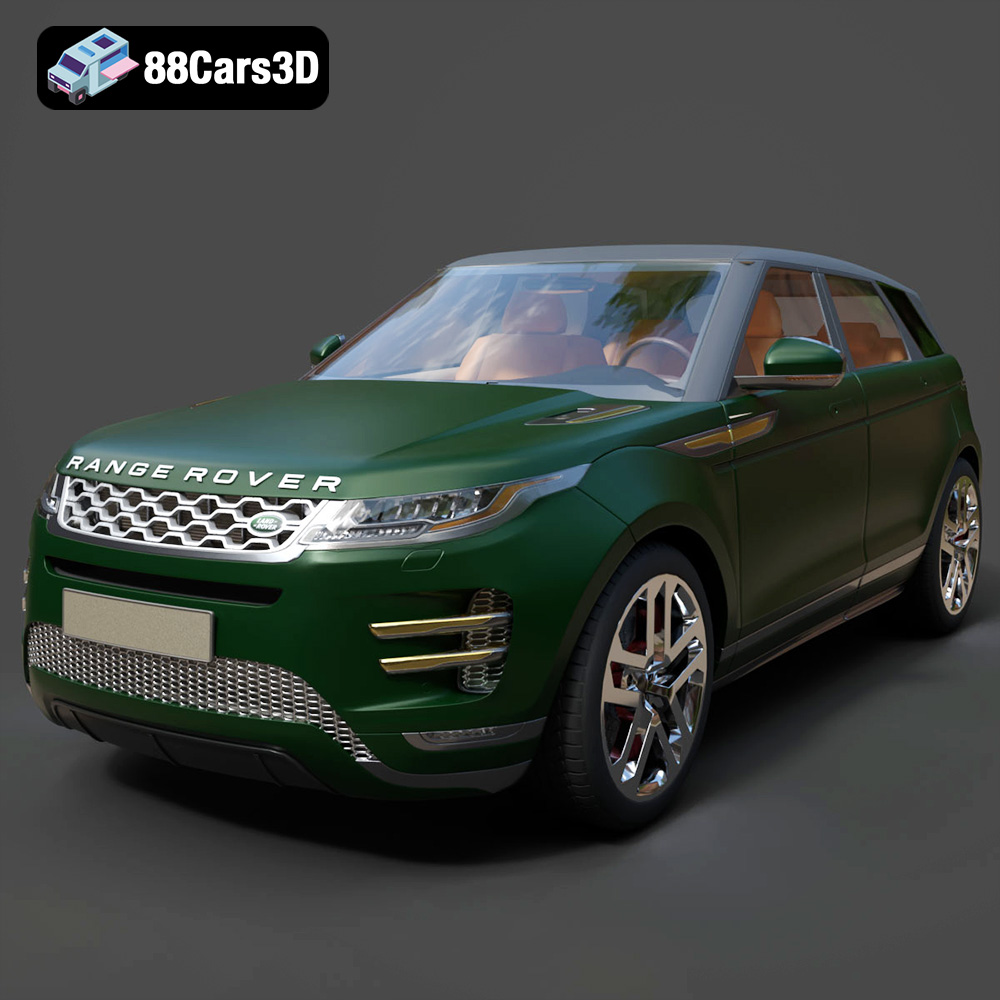
Download the highly detailed, game-ready Range Rover Evoque R-Dynamic 2019 3D Model. Features flush deployable door handles, Matrix LED headlights, and R-Dynamic styling. Includes .blend, .fbx, .obj, .glb, .stl, .ply, .unreal, and .max formats for game development, AR/VR, and rendering.
Price: $19.99

Texture: Yes | Material: Yes
Download the highly detailed, game-ready Ford Mustang Mach 40 3D Model. Features aggressive custom widebody styling, a mid-mounted V8 engine, and classic retro-futuristic design. Includes .blend, .fbx, .obj, .glb, .stl, .ply, .unreal, and .max formats for game development, AR/VR, and rendering.
Price: $19.99
Texture: Yes | Material: Yes
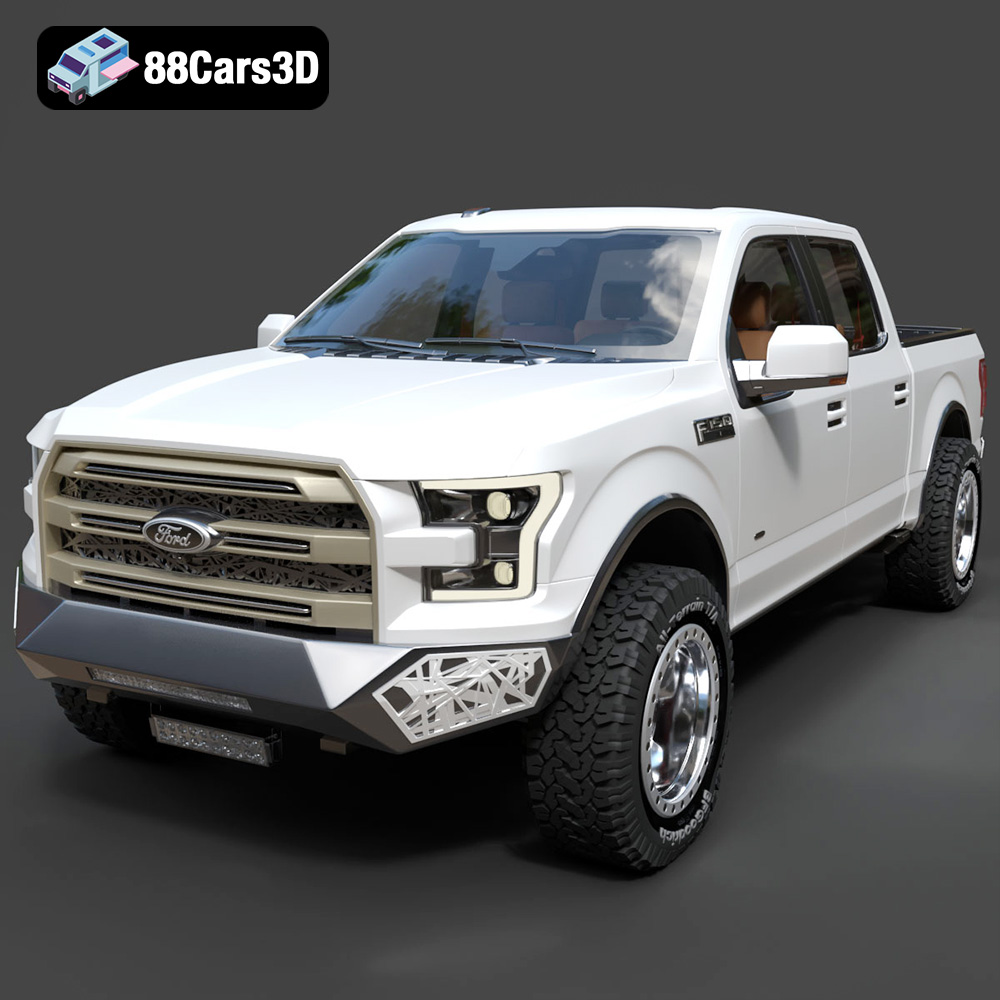
Download the highly detailed, game-ready Ford F150 Raptor With Tuning From ARE 3D Model. Features custom ARE tuning accessories, aggressive off-road suspension, and rugged beadlock wheels. Includes .blend, .fbx, .obj, .glb, .stl, .ply, .unreal, and .max formats for game development, AR/VR, and rendering.
Price: $19.99

Texture: Yes | Material: Yes
Download the highly detailed, game-ready Mercedes-Benz AMG GLE 63 2021 3D Model. Features the iconic Panamericana grille, aggressive aerodynamic body styling, and a meticulously detailed luxurious interior. Includes .blend, .fbx, .obj, .glb, .stl, .ply, .unreal, and .max formats for game development, AR/VR, and rendering.
Price: $19.99
Texture: Yes | Material: Yes
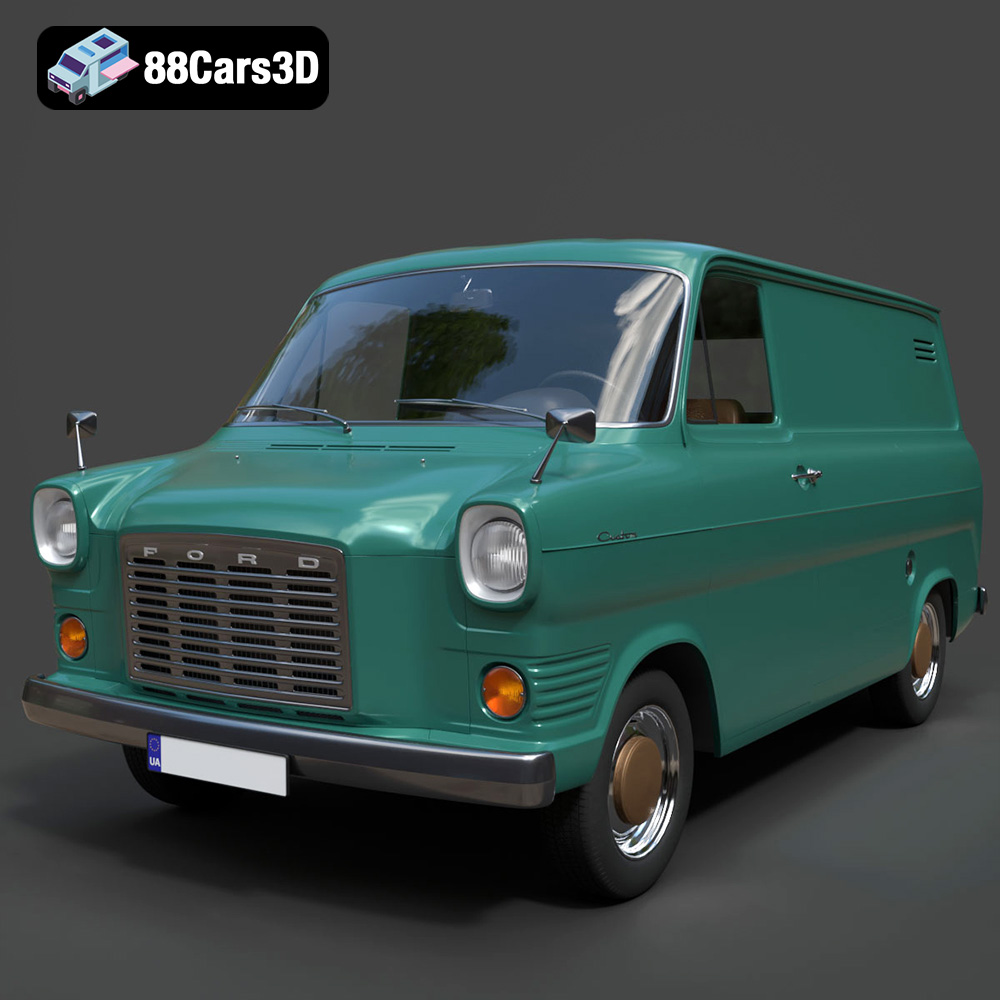
Download the highly detailed, game-ready Ford Transit Mk1 Panel Van 1965 3D Model. Features iconic flat-front styling, vintage steel wheels, and a period-correct cargo bay. Includes .blend, .fbx, .obj, .glb, .stl, .ply, .unreal, and .max formats for game development, AR/VR, and rendering.
Price: $19.99

Texture: Yes | Material: Yes
Download the highly detailed, game-ready BMW X3 2024 3D Model. Features the iconic kidney grille, dynamic SUV proportions, and precise lighting elements. Includes .blend, .fbx, .obj, .glb, .stl, .ply, .unreal, and .max formats for game development, AR/VR, and rendering.
Price: $19.99

Texture: Yes | Material: Yes
Download the highly detailed, game-ready Tesla Model S Plaid 2021 3D Model. Features sleek aerodynamic styling, signature LED lighting, and the revolutionary Yoke steering interior. Includes .blend, .fbx, .obj, .glb, .stl, .ply, .unreal, and .max formats for game development, AR/VR, and rendering.
Price: $19.99

Texture: Yes | Material: Yes
Download the highly detailed, game-ready Rolls-Royce Ghost EWB 2018 3D Model. Features the iconic Pantheon grille, elongated luxury chassis, and elegant exterior lines. Includes .blend, .fbx, .obj, .glb, .stl, .ply, .unreal, and .max formats for game development, AR/VR, and rendering.
Price: $19.99
Texture: Yes | Material: Yes
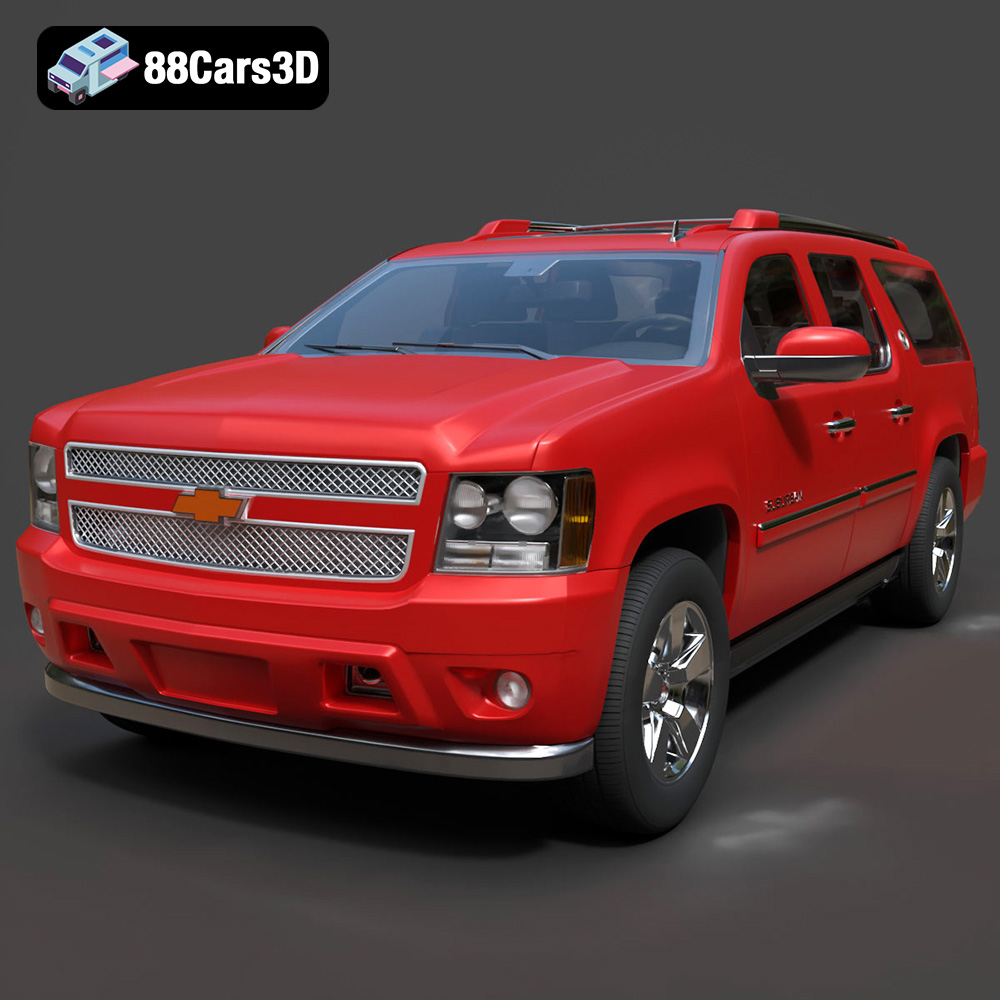
Download the highly detailed, game-ready Chevrolet Suburban 75th Diamond 3D Model. Features the iconic Diamond Edition styling, detailed interior, and accurate full-size SUV proportions. Includes .blend, .fbx, .obj, .glb, .stl, .ply, .unreal, and .max formats for game development, AR/VR, and rendering.
Price: $19.99

