Get 20% OFF All Premium 3D & STL Models!

“`html
The world of 3D printing offers incredible possibilities for automotive enthusiasts, model makers, and hobbyists. Platforms like 88cars3d.com provide a vast library of printable car models in STL format, ready to be brought to life. However, before hitting “print,” a crucial decision needs to be made: which 3D printing technology is best suited for your needs – Resin (SLA/DLP/LCD) or Fused Deposition Modeling (FDM)? This comprehensive guide will delve into the nuances of each method, exploring their strengths, weaknesses, and optimal applications specifically within the context of printing car STL files. We’ll cover everything from file preparation and printer settings to post-processing techniques, empowering you to make an informed choice and achieve stunning results.
In this article, we will compare resin and FDM printing, with the following topics covered:
FDM and resin printing represent two distinct approaches to additive manufacturing, each with its own set of advantages and limitations. Understanding these differences is paramount for selecting the right technology for printing your car STL files.
FDM, also known as Fused Filament Fabrication (FFF), works by melting and extruding a thermoplastic filament through a heated nozzle. This molten plastic is then deposited layer by layer onto a build platform, gradually forming the desired 3D object. The process is relatively straightforward and widely accessible, making FDM printers a popular choice for hobbyists and small businesses. Common materials used in FDM printing include PLA (Polylactic Acid), PETG (Polyethylene Terephthalate Glycol), and ABS (Acrylonitrile Butadiene Styrene). PLA is known for its ease of use and biodegradability, while PETG offers improved strength and chemical resistance. ABS, on the other hand, provides higher temperature resistance but requires a heated enclosure to prevent warping.
Resin printing, encompassing technologies like Stereolithography (SLA), Digital Light Processing (DLP), and Liquid Crystal Display (LCD), utilizes a liquid resin that cures when exposed to a specific wavelength of light. In SLA, a laser beam traces the shape of each layer onto the resin surface. DLP printers use a projector to cure an entire layer at once, while LCD printers employ an LCD screen to selectively block light, exposing only the desired areas of the resin. Resin printing excels at producing highly detailed parts with smooth surfaces, making it ideal for intricate designs and miniature models. Common resin types include standard resin, tough resin, flexible resin, and castable resin. Each resin type offers unique properties tailored to specific applications.
Regardless of whether you choose FDM or resin printing, proper STL file preparation is crucial for achieving optimal print quality. When downloading models from marketplaces such as 88cars3d.com, it’s important to ensure that the files are well-designed and optimized for 3D printing.
A manifold mesh is a closed, watertight surface that is essential for successful 3D printing. Non-manifold geometry, such as holes, overlapping faces, and disconnected edges, can cause slicing errors and print failures. Software like Meshmixer and Netfabb can be used to identify and repair non-manifold geometry. Meshmixer’s “Make Solid” tool is particularly useful for creating a watertight mesh from a non-manifold model. Netfabb offers more advanced repair features, including automatic surface repair and mesh healing.
The orientation of the model on the build platform can significantly impact print quality and support requirements. For FDM printing, orienting the model to minimize overhangs can reduce the need for support structures, which can be difficult to remove and leave behind unsightly marks. For resin printing, orienting the model at an angle (typically 30-45 degrees) can reduce the cross-sectional area of each layer, minimizing the peeling forces that can cause print failures. Support structures are generally necessary for both FDM and resin printing to support overhanging features. Software like Cura and PrusaSlicer offer automatic support generation tools, but manual adjustments may be needed to optimize support placement and minimize material usage. Simplify3D is also popular due to its advanced support placement functionality.
The ideal printer settings vary depending on the chosen printing technology, material, and desired level of detail. Experimentation and fine-tuning are often necessary to achieve optimal results when printing car STL files.
For FDM printing, key settings include layer height, print speed, infill density, and temperature. A lower layer height (e.g., 0.1mm – 0.15mm) will result in a smoother surface finish but will also increase print time. A higher layer height (e.g., 0.2mm – 0.3mm) will print faster but may result in more visible layer lines. Print speed should be adjusted based on the material and printer capabilities. A slower print speed (e.g., 40-60mm/s) can improve print quality and reduce the risk of warping or delamination. Infill density determines the internal strength and weight of the part. A higher infill density (e.g., 20-30%) will result in a stronger but heavier part, while a lower infill density (e.g., 10-15%) will save material and reduce print time. Temperature settings should be adjusted according to the manufacturer’s recommendations for the specific filament being used. For PLA, a nozzle temperature of 200-220°C and a bed temperature of 60-70°C are typically recommended. For PETG, a nozzle temperature of 230-250°C and a bed temperature of 70-80°C are common. ABS requires even higher temperatures and often an enclosed build chamber.
For resin printing, key settings include layer height, exposure time, and lift speed. A lower layer height (e.g., 0.025mm – 0.05mm) will result in finer details and smoother surfaces. Exposure time determines how long each layer is exposed to UV light. Longer exposure times can improve adhesion and reduce the risk of delamination, but can also lead to over-curing and loss of detail. Lift speed affects the speed at which the build platform raises between layers. A slower lift speed can reduce the peeling forces that can cause print failures, especially for larger or more complex models. Resin printers typically have a “burn-in” or “bottom layer” exposure setting that uses longer exposure times for the initial layers to ensure good adhesion to the build plate. Calibrating exposure times is crucial for resin printing. Consider using exposure test prints available on sites like Thingiverse to dial in the optimal settings for your resin.
Support structures are essential for printing overhanging features and preventing print failures. However, their removal can be challenging and may require careful techniques to avoid damaging the finished part.
For FDM printing, common support types include tree supports and linear supports. Tree supports are more efficient in terms of material usage and can be easier to remove than linear supports. However, linear supports may provide better support for certain geometries. The support density and angle can be adjusted to optimize support strength and ease of removal. Using a support interface layer can also improve adhesion between the support and the part, making removal cleaner. Consider using soluble support materials like PVA (Polyvinyl Alcohol) for complex geometries. PVA dissolves in water, leaving behind a clean, support-free print, though it requires a dual-extrusion printer.
For resin printing, support structures are typically generated using software like Chitubox, Lychee Slicer, or PrusaSlicer. These programs allow for precise control over support placement, size, and density. Angling the model properly to minimize suction forces during printing is key. The tips of the supports that contact the model are critical to minimize damage during removal. Experiment with different tip sizes and shapes. After printing, the supports should be carefully removed using flush cutters or a sharp hobby knife. Post-curing the model before removing supports can sometimes make them easier to snap off cleanly. Always wear gloves and eye protection when handling uncured resin.
Post-processing is an essential step for achieving a professional finish on your 3D printed car models. This involves removing support structures, sanding, filling, and painting.
Sanding is used to smooth out layer lines and remove imperfections. Start with a coarse grit sandpaper (e.g., 220 grit) and gradually work your way up to finer grits (e.g., 400, 600, 800 grit). Wet sanding can help to prevent clogging and produce a smoother finish. For FDM prints, filling may be necessary to fill in gaps and imperfections. Automotive body filler or epoxy putty can be used for this purpose. Apply the filler in thin layers and allow it to dry completely before sanding. For resin prints, sanding is often less necessary due to the smoother surface finish, but may still be required to remove support marks or minor imperfections.
Painting can transform a 3D printed car model into a stunning replica. Start by applying a primer coat to prepare the surface for paint. Use multiple thin coats of paint rather than one thick coat to avoid runs and drips. Automotive spray paint is a good option for achieving a durable and glossy finish. Clear coat can be applied to protect the paint and add extra shine. Decals and other details can be added to further enhance the realism of the model. For more intricate paint jobs, consider using an airbrush for greater control and precision.
Let’s consider a specific example: printing a detailed 1/24 scale model of a classic sports car. For this project, resin printing would be the preferred choice due to its ability to capture the fine details of the bodywork, wheels, and interior. Platforms like 88cars3d.com offer print-ready STL files specifically designed for such projects. The process would involve:
Choosing between resin and FDM for printing car STL files depends on the specific requirements of the project. Resin printing excels at producing highly detailed models with smooth surfaces, making it ideal for intricate designs and small-scale replicas. FDM printing offers a wider range of material options, larger build volumes, and lower initial cost, making it a good choice for larger models and functional prototypes. Ultimately, the best choice depends on your budget, desired level of detail, and experience with 3D printing. By understanding the strengths and weaknesses of each technology and carefully preparing your STL files, you can achieve stunning results regardless of which method you choose.
Next steps:
“`

Texture: Yes | Material: Yes
Download the highly detailed, game-ready Mercedes Benz CLS500 3D Model. Features sleek four-door coupe styling, detailed alloy wheels, and a premium interior. Includes .blend, .fbx, .obj, .glb, .stl, .ply, .unreal, and .max formats for game development, AR/VR, and rendering.
Price: $19.99

Texture: Yes | Material: Yes
Download the highly detailed, game-ready Ducati 1299 Panigale S 2017 3D Model. Features signature aerodynamic fairings, detailed Superquadro engine components, and aggressive Italian styling. Includes .blend, .fbx, .obj, .glb, .stl, .ply, .unreal, and .max formats for game development, AR/VR, and rendering.
Price: $19.99
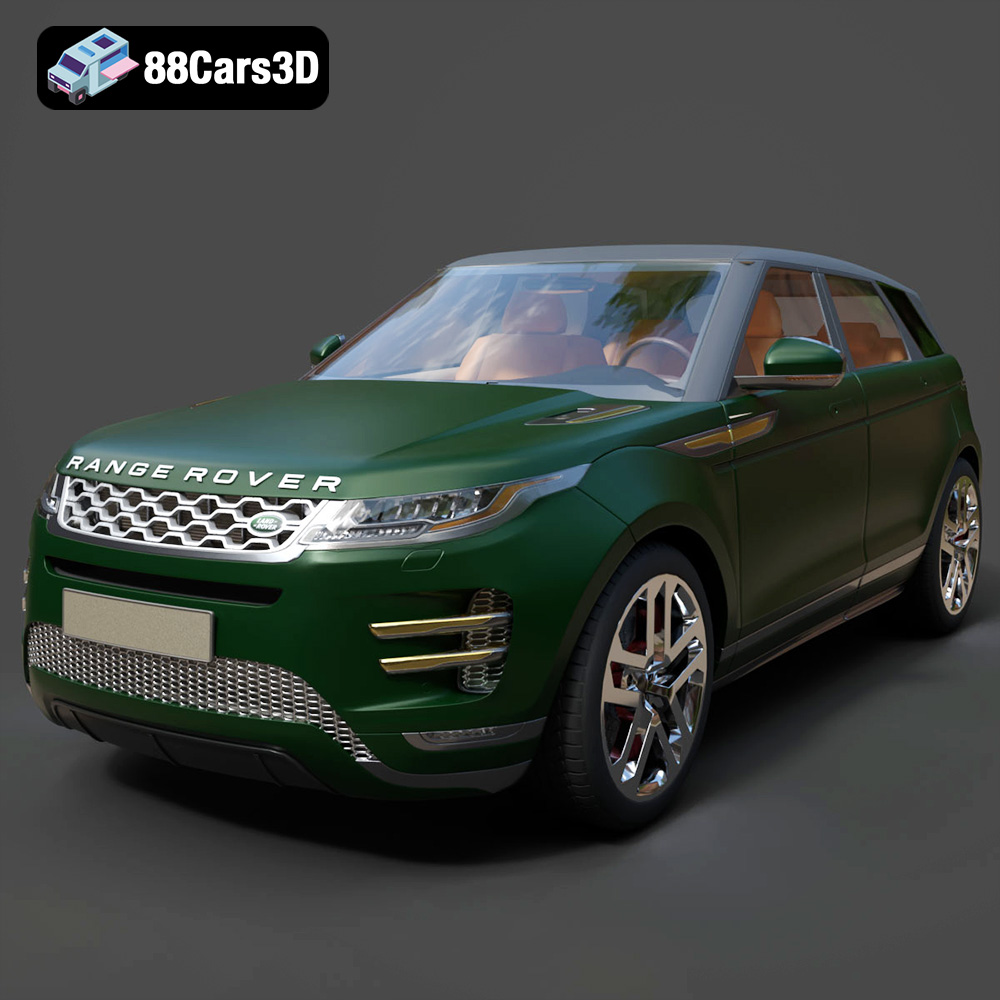
Texture: Yes | Material: Yes
Download the highly detailed, game-ready Range Rover Evoque R-Dynamic 2019 3D Model. Features flush deployable door handles, Matrix LED headlights, and R-Dynamic styling. Includes .blend, .fbx, .obj, .glb, .stl, .ply, .unreal, and .max formats for game development, AR/VR, and rendering.
Price: $19.99

Texture: Yes | Material: Yes
Download the highly detailed, game-ready Ford Mustang Mach 40 3D Model. Features aggressive custom widebody styling, a mid-mounted V8 engine, and classic retro-futuristic design. Includes .blend, .fbx, .obj, .glb, .stl, .ply, .unreal, and .max formats for game development, AR/VR, and rendering.
Price: $19.99
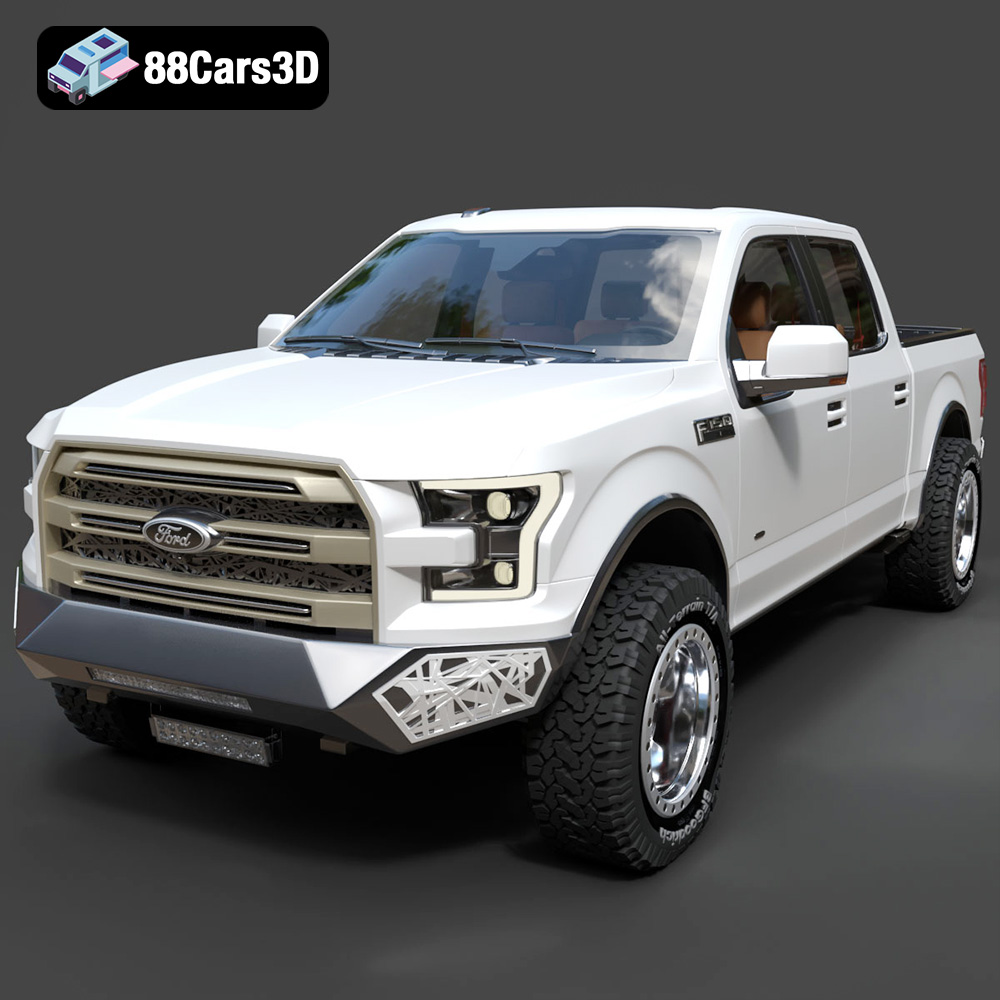
Texture: Yes | Material: Yes
Download the highly detailed, game-ready Ford F150 Raptor With Tuning From ARE 3D Model. Features custom ARE tuning accessories, aggressive off-road suspension, and rugged beadlock wheels. Includes .blend, .fbx, .obj, .glb, .stl, .ply, .unreal, and .max formats for game development, AR/VR, and rendering.
Price: $19.99

Texture: Yes | Material: Yes
Download the highly detailed, game-ready Mercedes-Benz AMG GLE 63 2021 3D Model. Features the iconic Panamericana grille, aggressive aerodynamic body styling, and a meticulously detailed luxurious interior. Includes .blend, .fbx, .obj, .glb, .stl, .ply, .unreal, and .max formats for game development, AR/VR, and rendering.
Price: $19.99
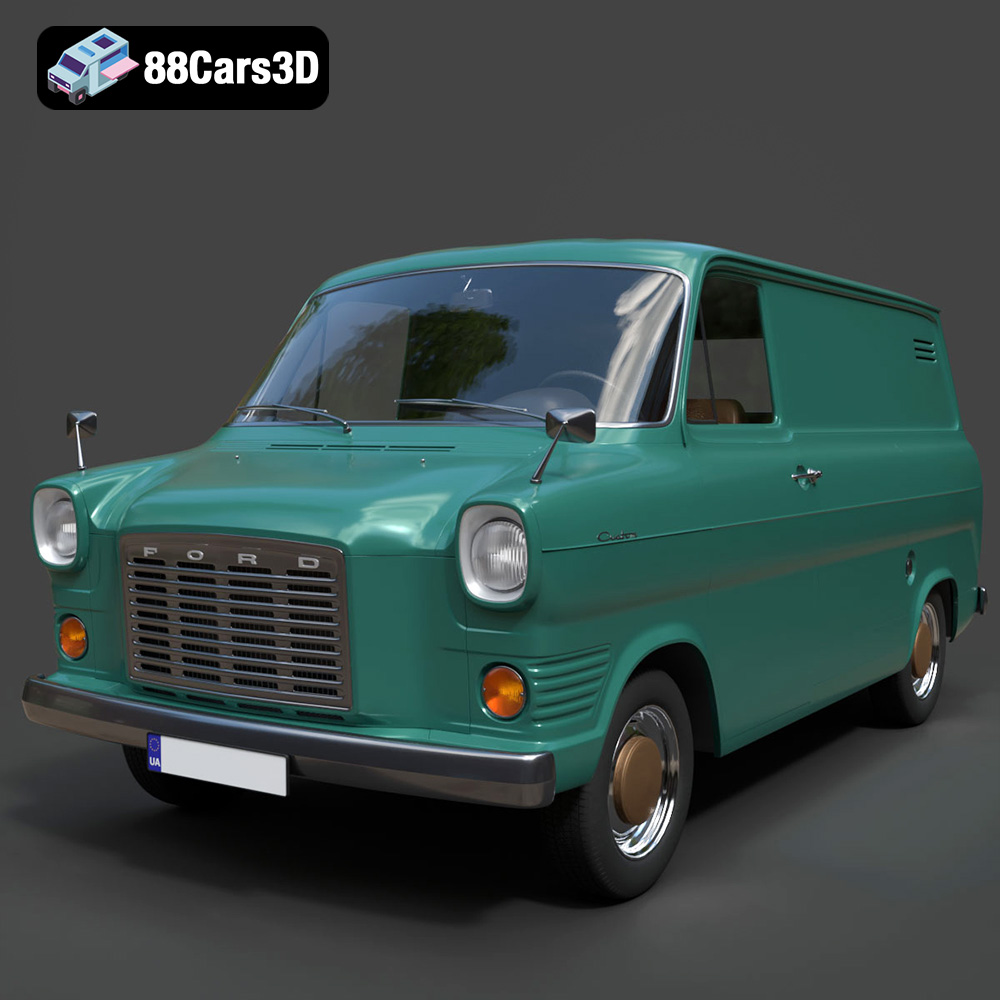
Texture: Yes | Material: Yes
Download the highly detailed, game-ready Ford Transit Mk1 Panel Van 1965 3D Model. Features iconic flat-front styling, vintage steel wheels, and a period-correct cargo bay. Includes .blend, .fbx, .obj, .glb, .stl, .ply, .unreal, and .max formats for game development, AR/VR, and rendering.
Price: $19.99

Texture: Yes | Material: Yes
Download the highly detailed, game-ready BMW X3 2024 3D Model. Features the iconic kidney grille, dynamic SUV proportions, and precise lighting elements. Includes .blend, .fbx, .obj, .glb, .stl, .ply, .unreal, and .max formats for game development, AR/VR, and rendering.
Price: $19.99

Texture: Yes | Material: Yes
Download the highly detailed, game-ready Tesla Model S Plaid 2021 3D Model. Features sleek aerodynamic styling, signature LED lighting, and the revolutionary Yoke steering interior. Includes .blend, .fbx, .obj, .glb, .stl, .ply, .unreal, and .max formats for game development, AR/VR, and rendering.
Price: $19.99

Texture: Yes | Material: Yes
Download the highly detailed, game-ready Rolls-Royce Ghost EWB 2018 3D Model. Features the iconic Pantheon grille, elongated luxury chassis, and elegant exterior lines. Includes .blend, .fbx, .obj, .glb, .stl, .ply, .unreal, and .max formats for game development, AR/VR, and rendering.
Price: $19.99

