Get 20% OFF All Premium 3D & STL Models!

“`html
For model makers, 3D printing has revolutionized the creation process, offering unparalleled design freedom and precision. But with a plethora of 3D printers available, choosing the right one can be daunting. The features that matter most depend on the specific types of models you create, the level of detail required, and your budget. This article will guide you through the crucial features to consider, ensuring you invest in a 3D printer that perfectly aligns with your model-making needs. From layer resolution to build volume and material compatibility, we’ll explore the technical specifications and practical considerations that separate a good 3D printer from a great one for model making. Whether you’re printing intricate car models downloaded from platforms like 88cars3d.com or designing your own creations, understanding these features is key to achieving exceptional results.
The first major decision is choosing between Fused Deposition Modeling (FDM) and Stereolithography (SLA) or resin-based printing. FDM printers use a thermoplastic filament that’s heated and extruded through a nozzle, building the model layer by layer. Resin printers, on the other hand, use a liquid resin that’s cured by a light source, typically a UV laser or an LCD screen.
FDM printers are generally more affordable and easier to use, making them a popular choice for beginners. They are also more versatile in terms of material compatibility, supporting a wide range of filaments like PLA, ABS, PETG, and even specialized materials like carbon fiber-reinforced filaments. However, FDM printers typically produce parts with lower resolution and visible layer lines. A typical FDM printer might use a 0.4mm nozzle, and while you can get smaller nozzles, this comes with its own set of challenges. For example, printing a car model in PLA on an FDM printer like the Creality Ender 3 requires careful consideration of layer height (typically 0.1mm to 0.2mm), infill density (15-20% for lightweight models), and print speed (40-60 mm/s). Support structures are almost always necessary for overhangs, and their removal can sometimes leave marks on the final model.
Resin printers excel at producing highly detailed models with smooth surfaces. The layer resolution is significantly higher than FDM, often reaching 25-50 microns (0.025-0.05 mm). This makes resin printing ideal for intricate details and complex geometries. For example, printing a miniature figurine or a highly detailed engine block from a 3D printable car model would be best suited for a resin printer like the Elegoo Mars 3 or Anycubic Photon Mono X. These printers utilize UV light to cure resin layer by layer, offering superior surface finish and accuracy compared to FDM. However, resin printers are more expensive, require more post-processing (washing and curing), and the resin itself can be more costly. Resin printing also produces fumes, so proper ventilation is essential. The choice depends heavily on the level of detail required for your models.
Resolution is a critical factor for model makers, directly impacting the level of detail and surface finish achievable. It refers to the smallest feature size that the printer can accurately reproduce. Layer height, on the other hand, is the thickness of each layer of material deposited during the printing process. Lower layer heights result in smoother surfaces and finer details, but also increase print time.
For FDM printing, the layer height is typically set between 0.1mm and 0.3mm. Lowering the layer height to 0.1mm or even 0.05mm (if your printer supports it and you’re using a smaller nozzle) can significantly improve the surface finish, especially on curved surfaces. However, this will also increase the print time, potentially doubling or tripling it. Slicing software like Cura or PrusaSlicer allows you to adjust the layer height dynamically, using a finer layer height for areas with intricate details and a coarser layer height for less critical areas. For instance, you could use adaptive layer height in PrusaSlicer to automatically adjust the layer height based on the model’s geometry. This is a good compromise between detail and print time. The nozzle size also plays a significant role; a smaller nozzle (e.g., 0.25mm) allows for finer details but requires more precise calibration and is more prone to clogging.
Resin printers inherently offer higher resolution than FDM printers. Layer heights typically range from 0.025mm to 0.05mm. This allows for incredibly detailed prints with minimal layer lines. The resolution of a resin printer is often described in terms of XY resolution (the resolution of the LCD screen or laser) and Z resolution (the layer height). A printer with an XY resolution of 50 microns can reproduce features as small as 50 microns in the X and Y axes. When printing with resin, selecting the correct exposure time is crucial. Too little exposure results in weak, under-cured layers, while too much exposure can lead to over-curing and loss of detail. Experimentation and calibration are key. Furthermore, using high-quality resin designed for detailed models is highly recommended. Many resin manufacturers offer specialized resins for specific applications, such as high-detail resins for miniatures or tough resins for functional parts.
Build volume refers to the maximum size of a model that can be printed in a single piece. For model makers, the required build volume depends on the size of the models you intend to create. If you plan to print large models, such as 1/10 scale car models or architectural models, you’ll need a printer with a larger build volume. However, if you primarily print smaller models, such as miniatures or individual components that can be assembled, a smaller build volume may suffice.
Printers with larger build volumes, like the Creality CR-10 series for FDM or the Anycubic Photon M3 Max for resin, allow you to print larger models in one go, reducing the need for splitting the model into multiple parts and assembling them later. This can save time and effort, and it also eliminates the potential for visible seams or inaccuracies in the assembly process. However, larger build volumes also come with certain challenges. The printer bed needs to be perfectly level and the printer itself needs to be more rigid to prevent warping or vibrations during printing. Additionally, printing large models can take significantly longer and consume more material, increasing the overall cost. When printing large STL files, ensure your slicing software and computer have enough processing power to handle the complex geometry and generate the G-code efficiently. Sometimes, simplifying the mesh in software like Blender can help reduce the file size and improve performance.
If you opt for a printer with a smaller build volume, such as the Prusa Mini+ or the Elegoo Mars 3, you can still print larger models by splitting them into multiple parts. Software like Meshmixer or Blender can be used to easily cut the model into smaller pieces that can be printed separately and then glued together. This approach also allows you to optimize the print orientation of each part individually, minimizing the need for support structures and improving the overall print quality. For example, when printing a car model from 88cars3d.com on a smaller printer, you could separate the body, chassis, wheels, and interior components into individual parts. After printing, you can use adhesive to assemble the parts into the complete model. When gluing parts together, use appropriate adhesives for the material (e.g., cyanoacrylate for PLA, epoxy for resin). Proper alignment and clamping are crucial to ensure a strong and seamless bond.
The materials you can print with are a significant factor. For FDM printers, common materials include PLA, ABS, PETG, TPU (flexible filament), and nylon. Each material has its own properties in terms of strength, flexibility, temperature resistance, and printability. Resin printers typically use various types of liquid resins, each with its own characteristics. Some resins are designed for high detail, while others are formulated for strength and durability.
PLA (Polylactic Acid) is a biodegradable thermoplastic derived from renewable resources, making it a more environmentally friendly option. It’s easy to print with, has good adhesion, and produces relatively strong parts. ABS (Acrylonitrile Butadiene Styrene) is a stronger and more heat-resistant material than PLA, but it requires higher printing temperatures and a heated bed to prevent warping. PETG (Polyethylene Terephthalate Glycol-modified) is a good compromise between PLA and ABS, offering good strength, flexibility, and ease of printing. TPU (Thermoplastic Polyurethane) is a flexible filament used for printing parts that need to bend or stretch. Nylon is a strong and durable material that’s resistant to wear and tear, but it requires high printing temperatures and a dry environment. When choosing a filament, consider the intended use of the model. For example, if you’re printing a functional part that needs to withstand stress, ABS or nylon would be better choices than PLA. Proper filament storage is crucial to prevent moisture absorption, which can lead to printing problems. Using a filament dryer or storing filaments in airtight containers with desiccant can help maintain their quality.
Standard resin is a general-purpose resin suitable for most model-making applications. It’s relatively inexpensive and produces good detail. Tough resin is formulated to be more durable and impact-resistant than standard resin. It’s ideal for printing parts that need to withstand stress or bending. Flexible resin is a rubber-like resin that can be used to print flexible parts, such as tires or gaskets. Water-washable resin can be cleaned with water instead of isopropyl alcohol (IPA), making it a more convenient and environmentally friendly option. However, it may be slightly more brittle than standard resin. When working with resin, always wear gloves and eye protection to prevent skin irritation or eye damage. Dispose of used resin properly, as it can be harmful to the environment. Curing resin parts under UV light after printing is essential to fully harden the resin and improve its mechanical properties. Post-curing also reduces the tackiness of the resin surface.
Slicing software is essential for preparing 3D models for printing. It converts the 3D model (typically in STL format) into a set of instructions (G-code) that the printer can understand. The slicing software allows you to adjust various printing parameters, such as layer height, infill density, support structures, and print speed. Choosing a slicer that is user-friendly, feature-rich, and compatible with your printer is crucial for achieving optimal results.
Cura is a free and open-source slicing software that’s widely used and compatible with most FDM printers. It offers a user-friendly interface and a wide range of adjustable settings. PrusaSlicer is another popular open-source slicer known for its advanced features and precise control over printing parameters. Simplify3D is a commercial slicing software that offers advanced features such as customizable support structures and optimized toolpaths. Chitubox is a popular slicing software specifically designed for resin printers. It offers features such as automatic support generation and hollowing tools. All these slicers accept STL files. When downloading models from marketplaces such as 88cars3d.com, you’ll typically receive STL files that can be directly imported into these slicers.
Properly configuring the slicing parameters is crucial for achieving optimal print quality. Layer height, as discussed earlier, affects the surface finish and print time. Infill density determines the amount of material used inside the model. Higher infill densities result in stronger but heavier models. Support structures are necessary for printing overhangs and complex geometries. Choosing the right support type (e.g., tree supports, linear supports) and optimizing their placement can minimize material usage and improve surface finish. Print speed affects the overall print time and the quality of the print. Printing too fast can lead to poor layer adhesion and dimensional inaccuracies. Bed adhesion is crucial for preventing warping or detachment during printing. Using a heated bed, applying adhesive (e.g., glue stick, hairspray), or using a brim or raft can improve bed adhesion. Experiment with different settings and observe the results to fine-tune your slicing parameters for each specific model and material.
A reliable 3D printer is essential for consistent and successful prints. Look for printers with robust construction, high-quality components, and good customer support. Regular maintenance is also crucial for keeping your printer in good working order. This includes cleaning the printer bed, lubricating moving parts, and replacing worn-out components.
Printer calibration is essential for achieving accurate and consistent prints. This includes leveling the bed, calibrating the extruder, and adjusting the Z-offset. Bed leveling ensures that the nozzle is at the correct distance from the bed at all points, preventing warping or detachment. Extruder calibration ensures that the printer is extruding the correct amount of filament. Z-offset adjustment fine-tunes the distance between the nozzle and the bed, ensuring good first-layer adhesion. Temperature control is crucial for preventing warping or cracking. Maintaining a consistent temperature in the printing environment can improve print quality. Vibration damping can reduce noise and improve print quality. Using vibration dampeners or placing the printer on a stable surface can minimize vibrations. Regular inspection of belts, pulleys, and bearings is crucial for identifying and addressing potential problems before they lead to print failures.
Cleaning the printer bed with isopropyl alcohol (IPA) after each print removes any residue or debris that could affect adhesion. Lubricating moving parts, such as lead screws and bearings, with appropriate grease or oil reduces friction and prevents wear. Replacing worn-out components, such as nozzles, belts, and bearings, ensures that the printer continues to function optimally. Firmware updates often include bug fixes, performance improvements, and new features. Keeping your printer’s firmware up-to-date can improve its overall reliability and performance. Maintaining a clean and organized workspace can prevent dust and debris from contaminating the printer and affecting print quality. Regularly checking and tightening screws and bolts can prevent loosening and maintain the printer’s structural integrity. Proper storage of filaments and resins is essential for maintaining their quality and preventing printing problems. For example, PLA filament should be stored in a dry environment to prevent moisture absorption, which can lead to stringing and poor layer adhesion.
Choosing the right 3D printer for model making involves carefully considering several factors, including print technology (FDM vs. resin), resolution, build volume, material compatibility, slicing software, and reliability. FDM printers are generally more affordable and versatile, while resin printers offer higher resolution and detail. The build volume should be appropriate for the size of the models you intend to create. Material compatibility depends on the desired properties of the final model. The slicing software should be user-friendly and offer the necessary features for optimizing print parameters. Finally, reliability and maintenance are crucial for consistent and successful prints. By understanding these features and considering your specific needs, you can make an informed decision and invest in a 3D printer that will enable you to create stunning and detailed models for years to come. Remember to explore platforms like 88cars3d.com for high-quality, print-ready STL files of automotive models to test your new printer and hone your skills.
“`

Texture: Yes | Material: Yes
Download the highly detailed, game-ready Mercedes Benz CLS500 3D Model. Features sleek four-door coupe styling, detailed alloy wheels, and a premium interior. Includes .blend, .fbx, .obj, .glb, .stl, .ply, .unreal, and .max formats for game development, AR/VR, and rendering.
Price: $19.99

Texture: Yes | Material: Yes
Download the highly detailed, game-ready Ducati 1299 Panigale S 2017 3D Model. Features signature aerodynamic fairings, detailed Superquadro engine components, and aggressive Italian styling. Includes .blend, .fbx, .obj, .glb, .stl, .ply, .unreal, and .max formats for game development, AR/VR, and rendering.
Price: $19.99
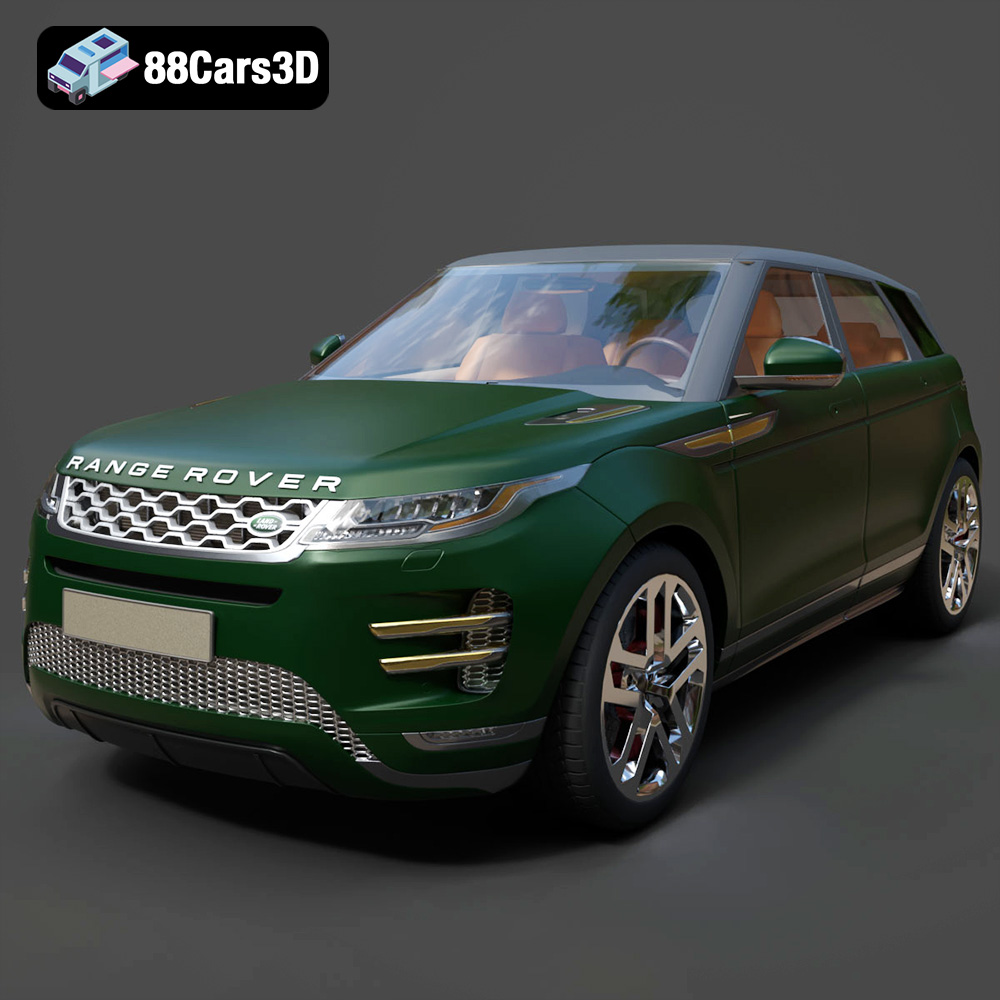
Texture: Yes | Material: Yes
Download the highly detailed, game-ready Range Rover Evoque R-Dynamic 2019 3D Model. Features flush deployable door handles, Matrix LED headlights, and R-Dynamic styling. Includes .blend, .fbx, .obj, .glb, .stl, .ply, .unreal, and .max formats for game development, AR/VR, and rendering.
Price: $19.99

Texture: Yes | Material: Yes
Download the highly detailed, game-ready Ford Mustang Mach 40 3D Model. Features aggressive custom widebody styling, a mid-mounted V8 engine, and classic retro-futuristic design. Includes .blend, .fbx, .obj, .glb, .stl, .ply, .unreal, and .max formats for game development, AR/VR, and rendering.
Price: $19.99
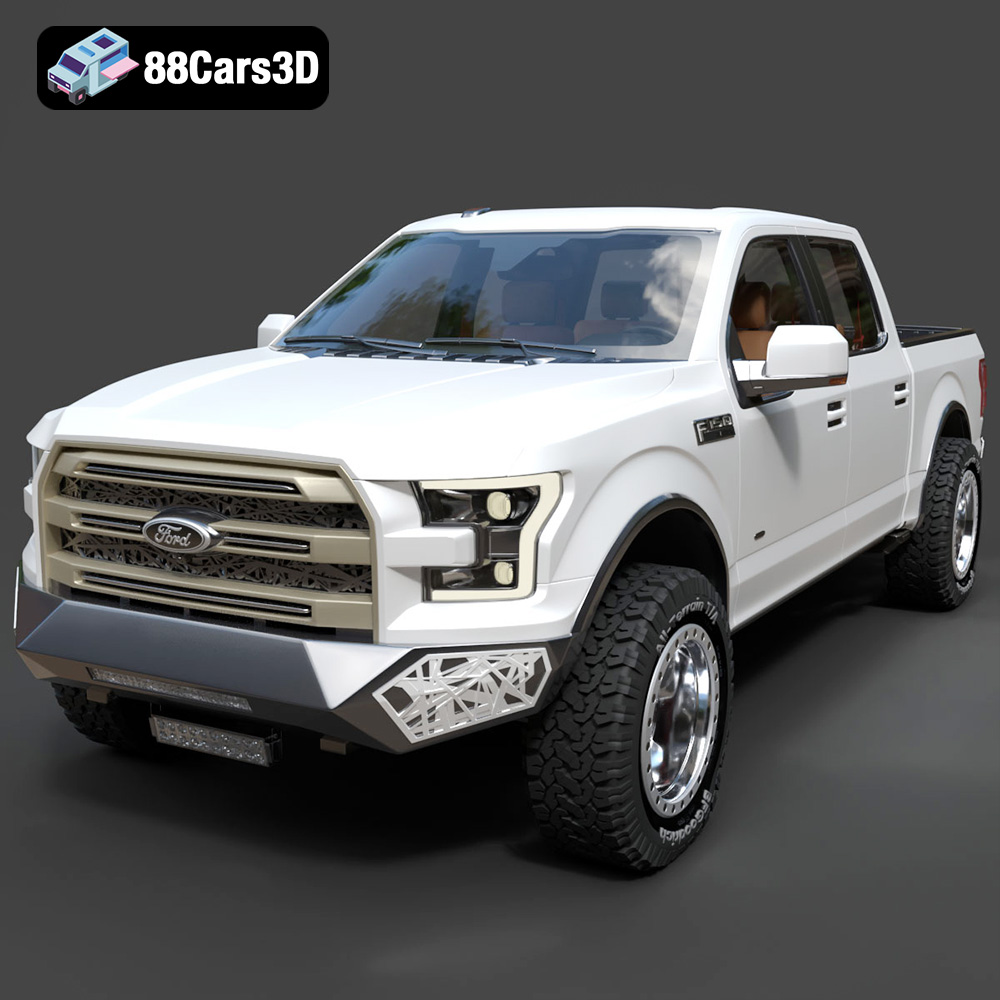
Texture: Yes | Material: Yes
Download the highly detailed, game-ready Ford F150 Raptor With Tuning From ARE 3D Model. Features custom ARE tuning accessories, aggressive off-road suspension, and rugged beadlock wheels. Includes .blend, .fbx, .obj, .glb, .stl, .ply, .unreal, and .max formats for game development, AR/VR, and rendering.
Price: $19.99

Texture: Yes | Material: Yes
Download the highly detailed, game-ready Mercedes-Benz AMG GLE 63 2021 3D Model. Features the iconic Panamericana grille, aggressive aerodynamic body styling, and a meticulously detailed luxurious interior. Includes .blend, .fbx, .obj, .glb, .stl, .ply, .unreal, and .max formats for game development, AR/VR, and rendering.
Price: $19.99
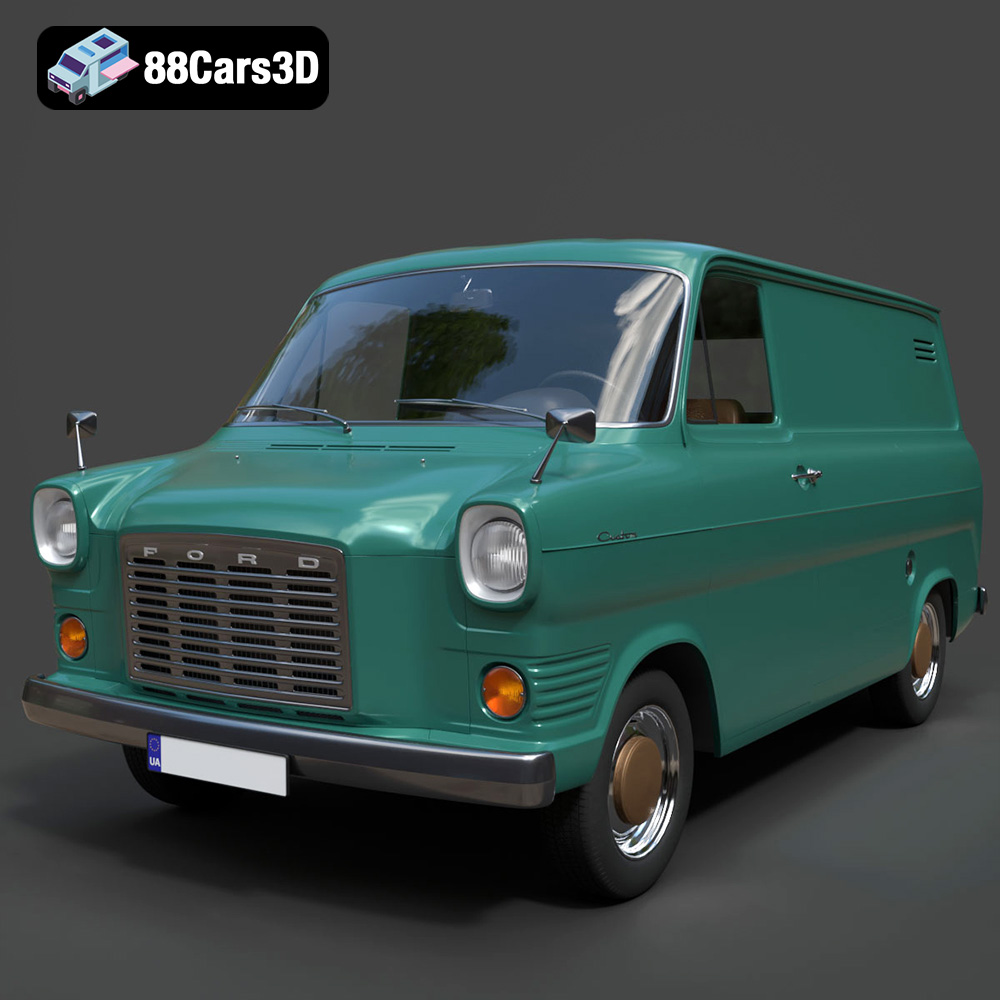
Texture: Yes | Material: Yes
Download the highly detailed, game-ready Ford Transit Mk1 Panel Van 1965 3D Model. Features iconic flat-front styling, vintage steel wheels, and a period-correct cargo bay. Includes .blend, .fbx, .obj, .glb, .stl, .ply, .unreal, and .max formats for game development, AR/VR, and rendering.
Price: $19.99

Texture: Yes | Material: Yes
Download the highly detailed, game-ready BMW X3 2024 3D Model. Features the iconic kidney grille, dynamic SUV proportions, and precise lighting elements. Includes .blend, .fbx, .obj, .glb, .stl, .ply, .unreal, and .max formats for game development, AR/VR, and rendering.
Price: $19.99

Texture: Yes | Material: Yes
Download the highly detailed, game-ready Tesla Model S Plaid 2021 3D Model. Features sleek aerodynamic styling, signature LED lighting, and the revolutionary Yoke steering interior. Includes .blend, .fbx, .obj, .glb, .stl, .ply, .unreal, and .max formats for game development, AR/VR, and rendering.
Price: $19.99

Texture: Yes | Material: Yes
Download the highly detailed, game-ready Rolls-Royce Ghost EWB 2018 3D Model. Features the iconic Pantheon grille, elongated luxury chassis, and elegant exterior lines. Includes .blend, .fbx, .obj, .glb, .stl, .ply, .unreal, and .max formats for game development, AR/VR, and rendering.
Price: $19.99

