Get 20% OFF All Premium 3D & STL Models!

“`html
The world of 3D printing has revolutionized model making, offering enthusiasts and professionals unprecedented freedom and precision. Whether you’re creating intricate architectural models, detailed figurines, or, of course, stunning printable car models from marketplaces like 88cars3d.com, the right 3D printer can make all the difference. But with a plethora of options available, choosing the ideal machine can feel daunting. This comprehensive guide will delve into the critical features that matter most when selecting a 3D printer specifically for model making, covering everything from printing technology to crucial software settings. We’ll explore the nuances of FDM and resin printing, discuss the importance of resolution and accuracy, and examine the post-processing techniques that elevate your models to a professional standard. By the end of this article, you’ll have a clear understanding of what to look for, enabling you to make an informed decision and unlock the full potential of 3D printing for your model-making endeavors.
The first crucial decision involves choosing between Fused Deposition Modeling (FDM) and resin-based 3D printing technologies, primarily Stereolithography (SLA) and Digital Light Processing (DLP). Each offers distinct advantages and disadvantages, influencing the final quality and application of your models.
FDM printers work by extruding molten thermoplastic filament layer by layer. This technology is widely accessible, relatively affordable, and supports a broad range of materials like PLA, ABS, PETG, and even specialized filaments with carbon fiber or metal inclusions. For larger models, FDM offers a cost-effective solution, and the variety of available filaments allows for experimentation with different colors and material properties. However, FDM prints generally exhibit visible layer lines, requiring post-processing for a smooth finish. Typical layer heights for FDM printing range from 0.1mm to 0.3mm, impacting the level of detail achievable. For example, printing a detailed printable car model from 88cars3d.com using FDM might require a layer height of 0.1mm for intricate details, while larger, less detailed parts could use a 0.2mm or 0.25mm layer height to save time. Infill percentage is another crucial parameter; a higher infill (e.g., 20-30%) increases strength, while a lower infill (e.g., 10-15%) reduces weight and material consumption.
Resin printers use liquid resin cured by UV light to create models. SLA printers use a laser to selectively cure the resin, while DLP printers use a projector to cure an entire layer at once. Resin printing excels in producing highly detailed models with smooth surfaces and intricate features. Layer heights as low as 0.025mm (25 microns) are achievable, resulting in nearly invisible layer lines. This makes resin printing ideal for miniatures, jewelry, and other applications where surface finish and fine details are paramount. However, resin printers are generally more expensive than FDM printers, and the resins themselves can be costly. Post-processing involves washing the printed part in isopropyl alcohol (IPA) to remove uncured resin and then curing it under UV light to fully harden the material. Resin printing also requires careful handling of the resin, as it can be toxic and requires proper ventilation. When printing car models, resin is excellent for creating small, highly detailed parts like emblems, dashboards, and intricate grills.
Resolution and accuracy are paramount when choosing a 3D printer for model making. Resolution refers to the smallest detail the printer can produce, while accuracy refers to how closely the printed model matches the intended design.
Layer height is a critical setting that directly impacts the resolution of your prints. As mentioned earlier, lower layer heights (e.g., 0.05mm or lower for FDM, and 0.025mm or lower for resin) result in smoother surfaces and finer details but increase print time. Higher layer heights (e.g., 0.2mm or higher for FDM) are faster but produce more visible layer lines. The optimal layer height depends on the specific model and the desired level of detail. For complex car models with many curves and intricate features, such as those found on platforms like 88cars3d.com, a lower layer height is generally recommended to capture the design accurately. Experimentation is key to finding the sweet spot between print speed and quality.
XY resolution refers to the smallest movement the print head or light source can make in the horizontal plane. For FDM printers, this is determined by the nozzle size, while for resin printers, it’s determined by the pixel size of the LCD screen or the laser spot size. A smaller nozzle size on an FDM printer (e.g., 0.25mm) allows for finer details but can increase print time and the risk of nozzle clogging. A smaller pixel size on a resin printer results in sharper details and more accurate prints. Consider the XY resolution alongside the layer height when evaluating a printer’s overall detail capabilities. For example, a resin printer with a 50-micron XY resolution and a 25-micron layer height will produce significantly more detailed prints than an FDM printer with a 0.4mm nozzle and a 0.2mm layer height.
The build volume and print bed significantly influence the size and complexity of models you can create. Consider your typical project size and the need to print multiple parts simultaneously when selecting a printer.
Build volume refers to the maximum dimensions of a print. A larger build volume allows you to print larger models in a single piece, reducing the need for assembly. However, larger printers can be more expensive and may require more space. Consider the size of the models you intend to print most frequently. For car models, a build volume of at least 200mm x 200mm x 200mm is often desirable to accommodate larger components. If you primarily print smaller parts, a smaller build volume may suffice. Remember that you can always split larger models into smaller parts for printing and then assemble them afterward.
Proper bed adhesion is crucial for successful printing. Poor bed adhesion can lead to warping, detachment, and failed prints. FDM printers often use heated beds to improve adhesion. Common bed surfaces include glass, PEI, and textured build plates. Using a bed adhesive, such as glue stick or hairspray, can further enhance adhesion. Resin printers typically use a build plate with a rough surface to provide better adhesion. Ensuring the build plate is properly leveled is also essential for consistent adhesion. First layer calibration is vital on FDM printers. You need to adjust the Z offset until the first layer is slightly squished onto the build plate. This creates a larger contact area and greater adhesion. For resin printing, proper exposure settings are key. If the first layer is not properly exposed, it will not adhere to the build plate. Some resins require longer exposure times than others, so always consult the manufacturer’s recommendations.
Slicing software is essential for converting your 3D models into instructions that the printer can understand. Choosing the right slicer and mastering its features is crucial for optimizing print quality and efficiency.
Several popular slicing software options are available, each with its own strengths and weaknesses. Cura is a free and open-source slicer widely used for FDM printing. It offers a user-friendly interface and a wide range of customizable settings. PrusaSlicer is another excellent option, known for its advanced features and precise control over print parameters. Simplify3D is a paid slicer offering advanced optimization tools and support for multiple printers. Chitubox and Lychee Slicer are popular choices for resin printing, offering features specifically tailored to resin printing workflows, such as automatic support generation and hollowing tools. When downloading models from marketplaces such as 88cars3d.com, ensure the files are compatible with your chosen slicer. Most slicers support STL files, which are the standard format for 3D printing.
Support structures are often necessary to print overhanging features. The slicer automatically generates these supports, providing a base for the overhanging parts. Choosing the right support settings is crucial to balance print quality and ease of removal. Too few supports can lead to sagging and deformation, while too many supports can be difficult to remove and leave behind blemishes. Consider using tree supports, which are more efficient and easier to remove than traditional linear supports. Optimize support density and placement to minimize material usage and improve surface finish. For resin printing, carefully consider the orientation of the model to minimize the need for supports and ensure proper drainage of resin. When generating supports, focus on areas with overhangs exceeding 45 degrees. The angle is a critical parameter when generating supports. Consider using support blockers to prevent supports from generating in certain areas. The goal is to balance support with minimal impact to the surface quality of the final print.
Choosing the right material is critical for achieving the desired properties in your finished model. Different materials offer varying levels of strength, flexibility, and heat resistance.
PLA (Polylactic Acid) is a biodegradable thermoplastic known for its ease of use and low printing temperature. It’s a great choice for beginners and general-purpose models. ABS (Acrylonitrile Butadiene Styrene) is a stronger and more heat-resistant material, often used for functional parts. However, ABS requires a heated bed and can be prone to warping. PETG (Polyethylene Terephthalate Glycol) combines the ease of printing of PLA with the strength and heat resistance of ABS. It’s a versatile material suitable for a wide range of applications. Other specialized filaments include TPU (Thermoplastic Polyurethane) for flexible parts, nylon for high-strength applications, and carbon fiber-filled filaments for increased stiffness. For example, if you’re 3D printing a model car chassis, ABS or PETG might be a better choice than PLA due to their higher strength and heat resistance. Use PLA for the body and cosmetic details.
Standard resin is a general-purpose resin suitable for most model-making applications. It offers good detail and a smooth surface finish. Tough resin is formulated to be more durable and impact-resistant, making it ideal for functional parts and models that will be handled frequently. Flexible resin offers elasticity and can be used to create parts that bend or compress. Other specialized resins include castable resin for creating molds for metal casting and high-temperature resin for applications requiring heat resistance. Choosing the right resin depends on the specific requirements of your model. For example, if you’re printing a miniature figurine, standard resin might be sufficient. However, if you’re printing a functional part that needs to withstand stress, tough resin is a better choice.
Proper printer calibration and maintenance are crucial for ensuring consistent print quality and prolonging the lifespan of your machine. Regular maintenance prevents unexpected issues and reduces the frequency of failed prints.
Bed leveling ensures that the print bed is perfectly parallel to the print head, which is crucial for proper bed adhesion and consistent layer height. Most modern printers offer automatic bed leveling, but manual leveling may be required for older models. Z-offset adjustment fine-tunes the distance between the nozzle and the print bed, ensuring that the first layer is properly squished. Regular bed leveling is essential, especially after moving the printer or making adjustments to the print bed. Before starting a print, always verify the bed level. The Z-offset should be adjusted until the first layer adheres to the bed without being too thin or too thick. A well-leveled bed is the foundation for successful prints.
Regular nozzle cleaning prevents clogs and ensures smooth filament extrusion. Use a nozzle cleaning needle or a cold pull technique to remove any debris from the nozzle. Proper filament management prevents tangling and ensures a smooth flow of filament to the extruder. Store filaments in a dry environment to prevent moisture absorption, which can lead to printing issues. Regularly inspect the nozzle for wear and tear and replace it as needed. Keep filaments organized on spools to avoid tangling. Use a desiccant to absorb moisture if storing filaments in humid environments. A clean nozzle and properly managed filament are essential for consistent and reliable printing.
Post-processing is often necessary to achieve a professional finish on your 3D printed models. These steps enhance the surface quality and overall appearance of your creations.
Careful support removal is essential to avoid damaging the model. Use appropriate tools, such as pliers, cutters, and sandpaper, to remove supports without leaving behind blemishes. Surface smoothing techniques, such as sanding, filling, and priming, can further improve the surface finish. Start with coarse-grit sandpaper and gradually move to finer grits to achieve a smooth surface. Use filler to fill in any gaps or imperfections. Apply a primer to create a uniform surface for painting. Take your time when removing supports to avoid damaging fine details. Use a sharp blade or hobby knife to carefully cut away supports. Consider using chemical smoothing techniques, such as vapor smoothing with acetone, to achieve an even smoother surface on ABS prints. After sanding, wash the model with soap and water to remove any dust or debris.
Painting can bring your 3D printed models to life, adding color, detail, and realism. Use acrylic paints or specialized model paints for best results. Apply multiple thin coats of paint to avoid runs and drips. Assembly may be required for multi-part models. Use super glue or epoxy to join the parts together. Take your time and carefully align the parts to ensure a seamless fit. Consider using masking tape to protect areas that you don’t want to paint. Use an airbrush to achieve a smooth and even finish. Apply a clear coat to protect the paint and add a glossy or matte finish. Before gluing parts, test the fit. Clamp the parts together while the glue dries.
Choosing the right 3D printer for model making involves careful consideration of several key features. The choice between FDM and resin printing depends on your specific needs and priorities, with FDM offering versatility and affordability, while resin excels in detail and surface finish. Resolution, accuracy, build volume, and slicing software are also crucial factors that influence the quality and capabilities of your prints. Proper material selection, printer calibration, and post-processing techniques are essential for achieving professional results. By understanding these key features and applying the tips outlined in this guide, you can make an informed decision and unlock the full potential of 3D printing for your model-making endeavors. Platforms like 88cars3d.com offer a fantastic starting point for finding high-quality printable car models and other designs to bring your 3D printing journey to life. Now it’s time to explore the possibilities and start creating!
“`

Texture: Yes | Material: Yes
Download the highly detailed, game-ready Mercedes Benz CLS500 3D Model. Features sleek four-door coupe styling, detailed alloy wheels, and a premium interior. Includes .blend, .fbx, .obj, .glb, .stl, .ply, .unreal, and .max formats for game development, AR/VR, and rendering.
Price: $19.99

Texture: Yes | Material: Yes
Download the highly detailed, game-ready Ducati 1299 Panigale S 2017 3D Model. Features signature aerodynamic fairings, detailed Superquadro engine components, and aggressive Italian styling. Includes .blend, .fbx, .obj, .glb, .stl, .ply, .unreal, and .max formats for game development, AR/VR, and rendering.
Price: $19.99
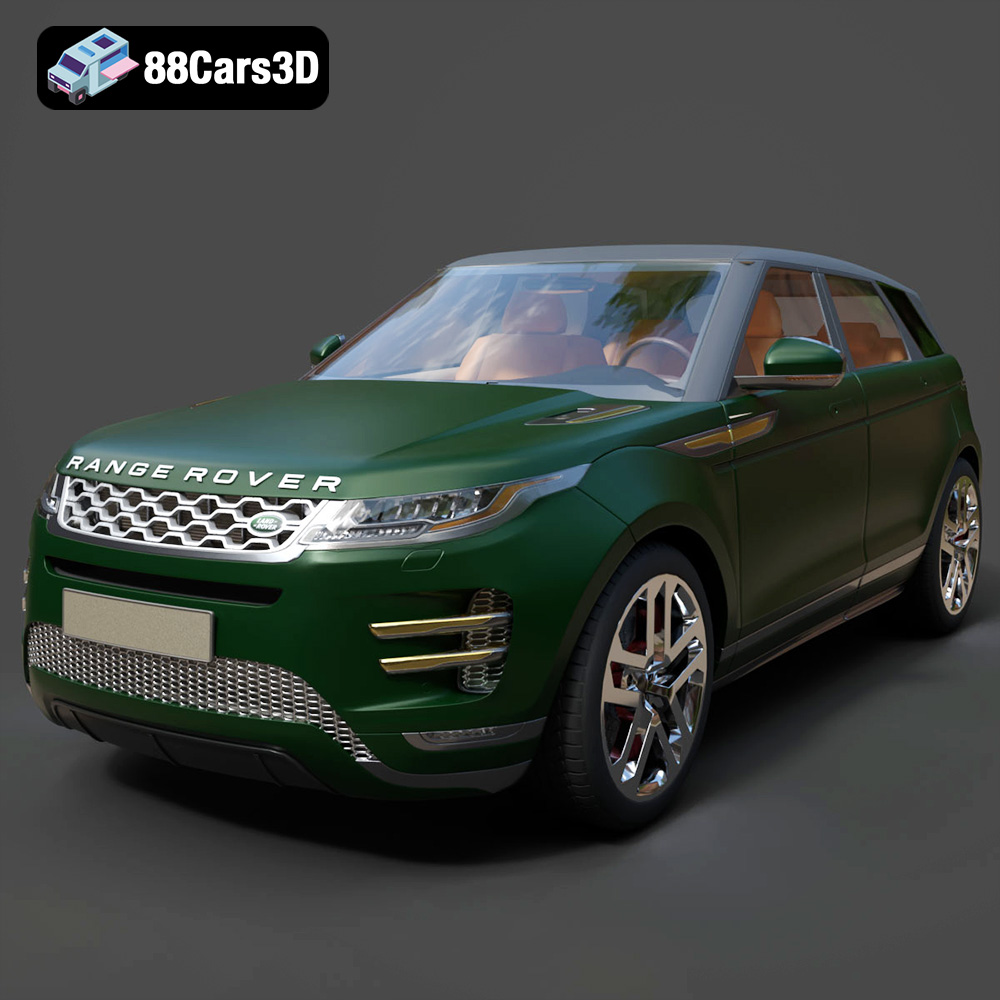
Texture: Yes | Material: Yes
Download the highly detailed, game-ready Range Rover Evoque R-Dynamic 2019 3D Model. Features flush deployable door handles, Matrix LED headlights, and R-Dynamic styling. Includes .blend, .fbx, .obj, .glb, .stl, .ply, .unreal, and .max formats for game development, AR/VR, and rendering.
Price: $19.99

Texture: Yes | Material: Yes
Download the highly detailed, game-ready Ford Mustang Mach 40 3D Model. Features aggressive custom widebody styling, a mid-mounted V8 engine, and classic retro-futuristic design. Includes .blend, .fbx, .obj, .glb, .stl, .ply, .unreal, and .max formats for game development, AR/VR, and rendering.
Price: $19.99
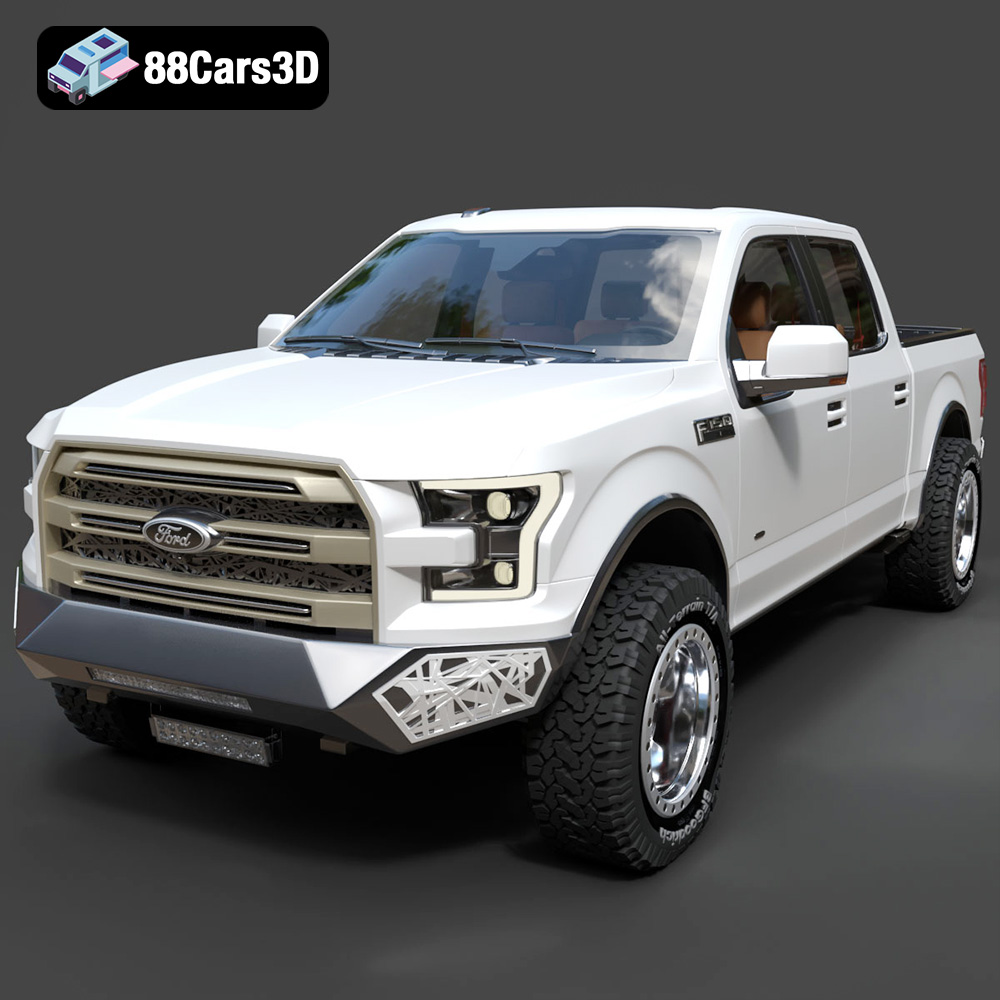
Texture: Yes | Material: Yes
Download the highly detailed, game-ready Ford F150 Raptor With Tuning From ARE 3D Model. Features custom ARE tuning accessories, aggressive off-road suspension, and rugged beadlock wheels. Includes .blend, .fbx, .obj, .glb, .stl, .ply, .unreal, and .max formats for game development, AR/VR, and rendering.
Price: $19.99

Texture: Yes | Material: Yes
Download the highly detailed, game-ready Mercedes-Benz AMG GLE 63 2021 3D Model. Features the iconic Panamericana grille, aggressive aerodynamic body styling, and a meticulously detailed luxurious interior. Includes .blend, .fbx, .obj, .glb, .stl, .ply, .unreal, and .max formats for game development, AR/VR, and rendering.
Price: $19.99
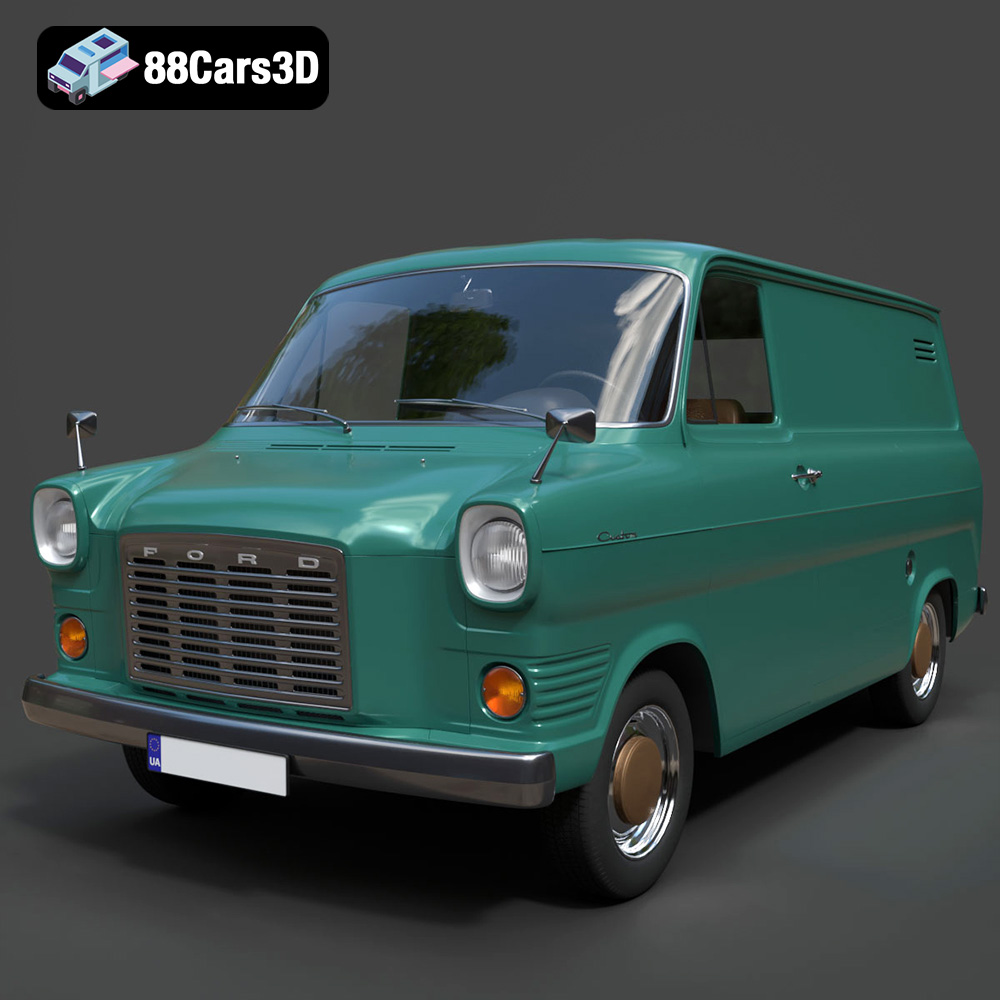
Texture: Yes | Material: Yes
Download the highly detailed, game-ready Ford Transit Mk1 Panel Van 1965 3D Model. Features iconic flat-front styling, vintage steel wheels, and a period-correct cargo bay. Includes .blend, .fbx, .obj, .glb, .stl, .ply, .unreal, and .max formats for game development, AR/VR, and rendering.
Price: $19.99
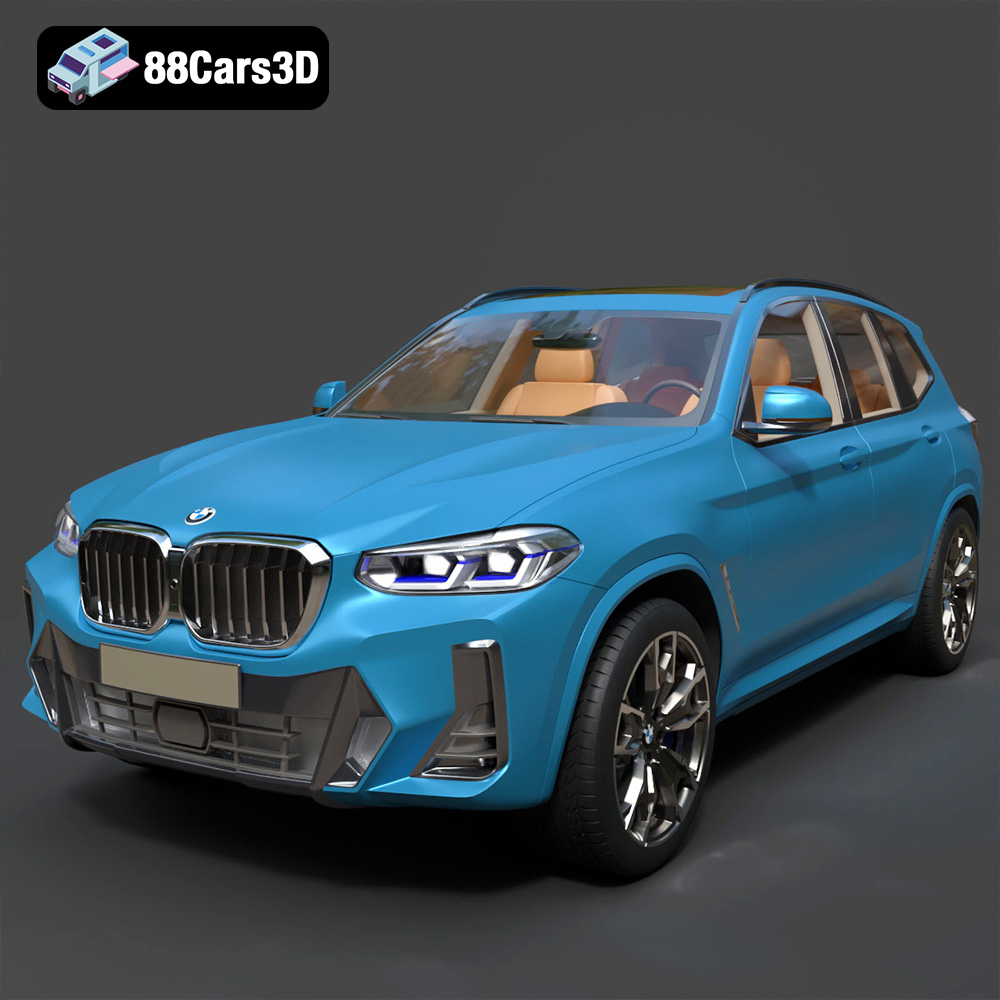
Texture: Yes | Material: Yes
Download the highly detailed, game-ready BMW X3 2024 3D Model. Features the iconic kidney grille, dynamic SUV proportions, and precise lighting elements. Includes .blend, .fbx, .obj, .glb, .stl, .ply, .unreal, and .max formats for game development, AR/VR, and rendering.
Price: $19.99

Texture: Yes | Material: Yes
Download the highly detailed, game-ready Tesla Model S Plaid 2021 3D Model. Features sleek aerodynamic styling, signature LED lighting, and the revolutionary Yoke steering interior. Includes .blend, .fbx, .obj, .glb, .stl, .ply, .unreal, and .max formats for game development, AR/VR, and rendering.
Price: $19.99
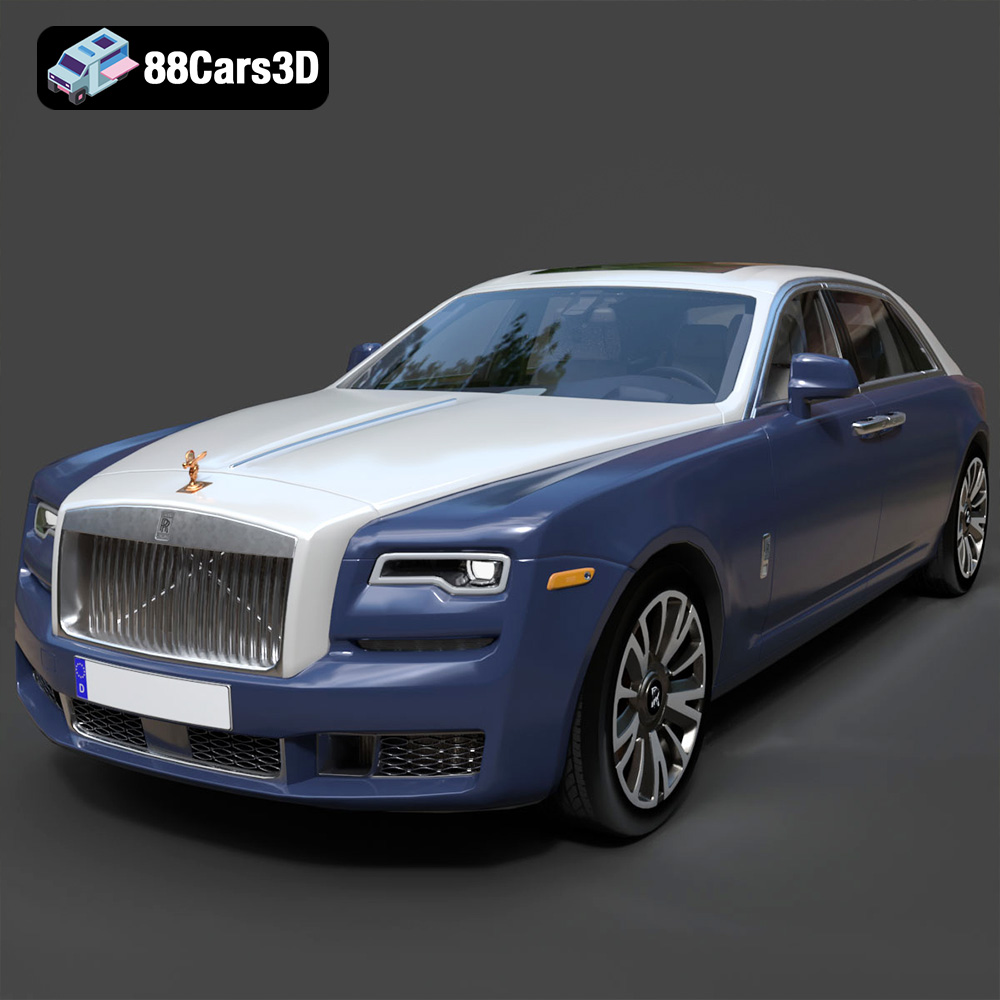
Texture: Yes | Material: Yes
Download the highly detailed, game-ready Rolls-Royce Ghost EWB 2018 3D Model. Features the iconic Pantheon grille, elongated luxury chassis, and elegant exterior lines. Includes .blend, .fbx, .obj, .glb, .stl, .ply, .unreal, and .max formats for game development, AR/VR, and rendering.
Price: $19.99

