Get 20% OFF All Premium 3D & STL Models!

In the exhilarating world of automotive design and digital content creation, the line between imagination and reality constantly blurs. From hyper-realistic game environments to stunning marketing visualizations, the demand for high-fidelity 3D models of iconic vehicles is ever-present. Among the myriad of digital assets, a truly exceptional piece stands out: the Yamaha XV950 Racer 3D Model. This digital masterpiece captures the soul of a motorcycle that effortlessly fuses classic cafe-racer aesthetics with modern V-twin cruiser power, offering artists, developers, and designers an unparalleled foundation for their creative endeavors.
The real Yamaha XV950 Racer is celebrated for its aggressive posture, minimalist design, and the raw appeal of its 942cc air-cooled engine. It’s a bike that speaks to a culture of custom builders and open-road adventurers. Translating this essence into a 3D model requires not just skill, but an deep understanding of topology, materials, and real-world mechanics. The Yamaha XV950 Racer 3D Model achieves this balance, delivering a “game-ready” asset optimized for performance without sacrificing visual fidelity. Whether you’re a game developer crafting the next urban street-racing simulator, an architect visualizing a lifestyle scene, or a product designer creating an immersive AR/VR configurator, this model provides the intricate detail and technical precision needed to bring your vision to life.
As we delve into the technical intricacies and versatile applications of such an asset, we’ll explore how this premium 3D model from 88cars3d.com empowers professionals across various industries, from automotive rendering to cutting-edge game asset development.
Navigating the diverse landscape of 3D software and engines requires a thorough understanding of various file formats. Each format serves specific purposes, offering unique advantages for different stages of a project, from initial modeling to final rendering or real-time deployment. The Yamaha XV950 Racer 3D Model, available on 88cars3d.com, is provided in a comprehensive array of formats, ensuring maximum compatibility and flexibility for any professional workflow.
The .blend file format is native to Blender, the powerful open-source 3D creation suite. When you download a .blend file, you’re not just getting the mesh; you’re getting a fully editable Blender scene. This includes all materials, textures, lighting setups, cameras, and any modifiers or rigging applied to the model. For users deeply integrated into the Blender ecosystem, this format offers the most direct and uncompromised access to the model’s structure, allowing for easy customization, animation, and rendering within Blender itself. It’s ideal for artists who want full control over every aspect of the asset.
.fbx (Filmbox) is arguably the most widely used proprietary 3D file format for exchanging models and animation data between different software applications. Developed by Autodesk, it’s an ideal choice for pipelines involving multiple software packages, such as 3ds Max, Maya, Blender, and game engines like Unreal Engine and Unity. An .fbx file can carry not only mesh data but also materials, textures, rigging, skinning, and animation sequences. Its robustness makes it indispensable for real-time applications where complex animated 3D car models are essential. The .fbx version of the XV950 Racer is perfectly suited for immediate import into game engines, maintaining proper hierarchies and pivot points for animation.
The .obj (Wavefront Object) format is a simple, open standard that has been around for decades. It’s a universal format for storing 3D geometry, including vertex positions, UV coordinates, normals, and face definitions. While it doesn’t typically store animation or rigging information directly, it’s highly compatible across virtually all 3D software. For static renders or as a reliable fallback for importing geometry, .obj is a solid choice. The Yamaha XV950 Racer in .obj format provides a clean, raw mesh that can be easily imported and re-textured in any 3D application.
.glb (GL Transmission Format) is an increasingly popular format optimized for efficient transmission and loading of 3D scenes and models in web and real-time applications, especially for Augmented Reality (AR) and Virtual Reality (VR). It’s a binary version of glTF, embedding textures and other data directly into a single file, making it incredibly portable. For developers building immersive virtual showrooms, product configurators, or mobile AR experiences with the XV950 Racer, the .glb format offers excellent performance and ease of integration into browser-based or mobile platforms.
.stl (Stereolithography) is the de facto standard format for 3D printing. It represents a 3D model as a series of connected triangles, describing only the surface geometry of the object. While it lacks color, texture, or material information, its simplicity makes it universally compatible with 3D printers and slicing software. The XV950 Racer 3D Model’s availability in .stl format means enthusiasts and designers can bring the digital motorcycle into the physical realm, creating scale models for display or prototyping. Details on recommended print settings are crucial for a successful physical output.
The .ply (Polygon File Format) is a flexible format for storing 3D data, often used with 3D scanners, scientific applications, and CAD software. It can store a variety of properties including color, transparency, and normals, making it suitable for more precise data representation or for models derived from real-world scans. For specific engineering analyses or when maximum fidelity in mesh data is required for the XV950 Racer, the .ply format can be particularly useful.
The .unreal format typically refers to an Unreal Engine-ready asset, often a .uasset file or a folder structure containing all necessary components pre-configured for direct import and use within the Unreal Engine. This often means the model has been optimized, has proper collision meshes, material instances, and even LODs (Levels of Detail) already set up. For game developers working with Unreal Engine, having the XV950 Racer available in this format significantly streamlines the workflow, reducing setup time and ensuring optimal performance in a real-time environment.
Finally, the .max format is the native file format for Autodesk 3ds Max, a leading 3D modeling, animation, rendering, and compositing software. Similar to .blend, a .max file contains the entire scene data, including geometry, lights, cameras, materials, textures, and animation data specific to 3ds Max. For professionals working primarily in 3ds Max, this format provides complete flexibility for advanced rendering, complex rigging, and integration into existing 3ds Max projects, allowing for full customization of the Yamaha XV950 Racer 3D Model.
The extensive range of formats offered for the Yamaha XV950 Racer 3D Model underscores its versatility and the commitment of 88cars3d.com to provide assets that seamlessly integrate into any professional pipeline.
Automotive rendering is an intricate discipline, demanding a keen eye for detail, mastery of lighting, and a profound understanding of materials. The Yamaha XV950 Racer 3D Model provides an ideal canvas for achieving stunning visual fidelity in rendering projects, whether for marketing, concept art, or film.
Photorealism is the holy grail of architectural and automotive visualization. With the Yamaha XV950 Racer 3D Model, the journey begins with its meticulously crafted geometry. The accurate frame geometry, detailed 942cc V-twin engine block with sculpted cooling fins, and authentic exhaust system provide a strong foundation. To push for photorealism, artists leverage advanced rendering engines like V-Ray, Corona Renderer, Arnold, or Cycles (in Blender). These engines can simulate the complex interplay of light with surfaces, accounting for reflections, refractions, and global illumination. The clean topology of the XV950 Racer model ensures smooth subdivision and accurate light bounces, crucial for eliminating artifacts and achieving a polished look.
Proper lighting is paramount for compelling automotive renders. For studio shots of the Yamaha XV950 Racer, controlled lighting setups using virtual softboxes, spotlights, and area lights can highlight its aggressive lines and material finishes. Mimicking real-world studio photography techniques, artists can emphasize the bike’s chrome accents, metallic paint, and rubber textures. For dynamic, outdoor scenes, High Dynamic Range Images (HDRIs) are indispensable. An HDRI wraps a full 360-degree environment around the model, providing realistic sky, ambient light, and reflections. This technique can instantly place the XV950 Racer in a bustling city street, a serene mountain pass, or a sunny coastal road, creating immersive and believable scene compositions.
The realism of a render often hinges on the quality of its materials. The XV950 Racer 3D Model allows for extensive customization of its material finishes. This involves setting up physically-based rendering (PBR) materials, which accurately represent how light interacts with different surfaces. For instance, the V-twin engine block would require a blend of brushed metal and matte paint shaders, while the exhaust system would demand polished chrome or a heat-stained metallic texture. Tires need detailed normal maps for tread patterns and subtle roughness variations. Artists can easily change body and tank colors to factory specifications or experiment with custom finishes like matte, gloss, or metallic paints, giving the bike a personalized touch. This granular control over materials ensures that every render of the Yamaha XV950 Racer is visually striking and authentic.
In the realm of game development, 3D car models aren’t just visual assets; they are interactive characters that define gameplay, physics, and immersion. The Yamaha XV950 Racer 3D Model is specifically designed to meet the rigorous demands of modern game engines, making it an exceptional game asset for real-time applications.
The “game-ready” designation of the XV950 Racer 3D Model signifies its careful optimization for real-time performance. With approximately 130,000 triangles, it strikes an optimal balance between visual fidelity and polycount efficiency. This tri-count is low enough to ensure smooth frame rates in demanding game engines like Unreal Engine and Unity, yet high enough to maintain the intricate details of the motorcycle. Furthermore, a clean, well-structured mesh is crucial for efficient rendering and collision detection. Game developers can easily implement LODs (Levels of Detail) to further optimize performance, automatically swapping to simpler versions of the model when the bike is far from the player camera. The proper pivot setup for steering, wheel rotation, and suspension travel is also pre-configured, drastically reducing development time for in-game mechanics.
A static model, no matter how beautiful, holds limited value in a dynamic game environment. The Yamaha XV950 Racer 3D Model comes with separate wheels, suspension, and steering components, making it ideal for seamless animation. Developers can easily rig the motorcycle for realistic physics-based driving, allowing wheels to spin, suspension to compress, and handlebars to turn in response to player input. This modularity extends to the cockpit, with optimized geometry for first-person POV, enabling developers to create immersive riding experiences where players feel directly connected to the bike. From aggressive lean angles in turns to subtle vibrations of the V-twin engine, the model facilitates a broad range of interactive animations.
The XV950 Racer isn’t just a vehicle; it’s a character that enhances the narrative and aesthetic of a game world. Its distinctive cafe-racer proportions and muscular engine make it perfect for urban street-racing games, where it can navigate winding cityscapes or participate in high-speed pursuits. In open-world titles, the XV950 Racer can serve as a primary player vehicle or an AI-controlled element, populating the digital landscape. Its ability to adapt material finishes and lighting allows for consistent integration into diverse environmental conditions, whether it’s reflecting the neon glow of a cyberpunk city or the dusty sun of a post-apocalyptic wasteland. Using a high-quality game asset like this from 88cars3d.com elevates the overall visual quality and immersion of any game project.
The utility of high-quality 3D models extends far beyond traditional screen-based rendering and gaming. Emerging technologies like Augmented Reality (AR) and Virtual Reality (VR), alongside the tangible possibilities of 3D printing, offer exciting new avenues for interaction with digital assets like the Yamaha XV950 Racer 3D Model.
AR and VR are transforming how we interact with products and environments. The XV950 Racer 3D Model is perfectly suited for immersive virtual showrooms, configurators, and mobile AR experiences. Imagine a customer exploring the Yamaha XV950 Racer in full 3D detail through a VR headset, walking around it, inspecting the 942cc engine, and even sitting on the sporty solo saddle. In AR, the model can be projected into a real-world space via a smartphone or tablet, allowing potential buyers to visualize the bike in their driveway or garage, adjusting colors and finishes in real-time. The optimized geometry and .glb file format are particularly beneficial here, ensuring smooth performance and rapid loading times even on mobile devices. This capability is invaluable for automotive brands looking to offer cutting-edge digital sales and marketing tools.
The ability to convert a digital model into a physical object via 3D printing is a testament to its meticulous design. The Yamaha XV950 Racer 3D Model’s availability in .stl format opens the door for hobbyists, collectors, and designers to produce display-scale replicas. To ensure a successful print, specific considerations are vital. Recommended scales typically range from 1:12 to 1:24, offering a good balance between detail and print size. For fine details, resin printing is often recommended over FDM, allowing for layer heights as low as 0.04-0.12 mm. Proper support structures are essential for intricate parts like the exhaust, mirrors, and handlebars, while careful print orientation (e.g., printing the frame angled) enhances structural integrity. Post-processing, including sanding, priming, and painting with authentic factory colors and metallic finishes, transforms the raw print into a stunning miniature replica. This bridge between the digital and physical realms adds another layer of versatility to this premium asset.
The true value of a professional 3D asset lies not just in its visual appeal but in its underlying technical excellence. The Yamaha XV950 Racer 3D Model exemplifies this, boasting specifications engineered for peak performance across various applications.
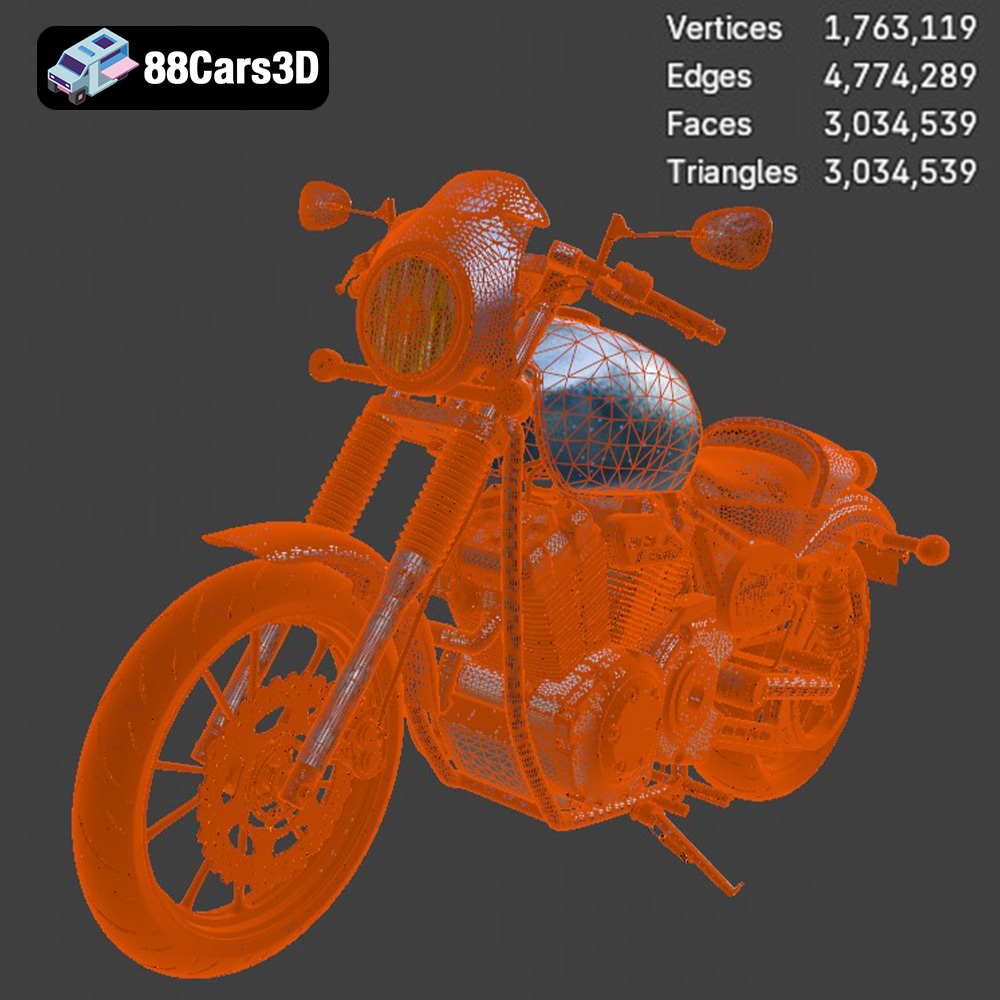
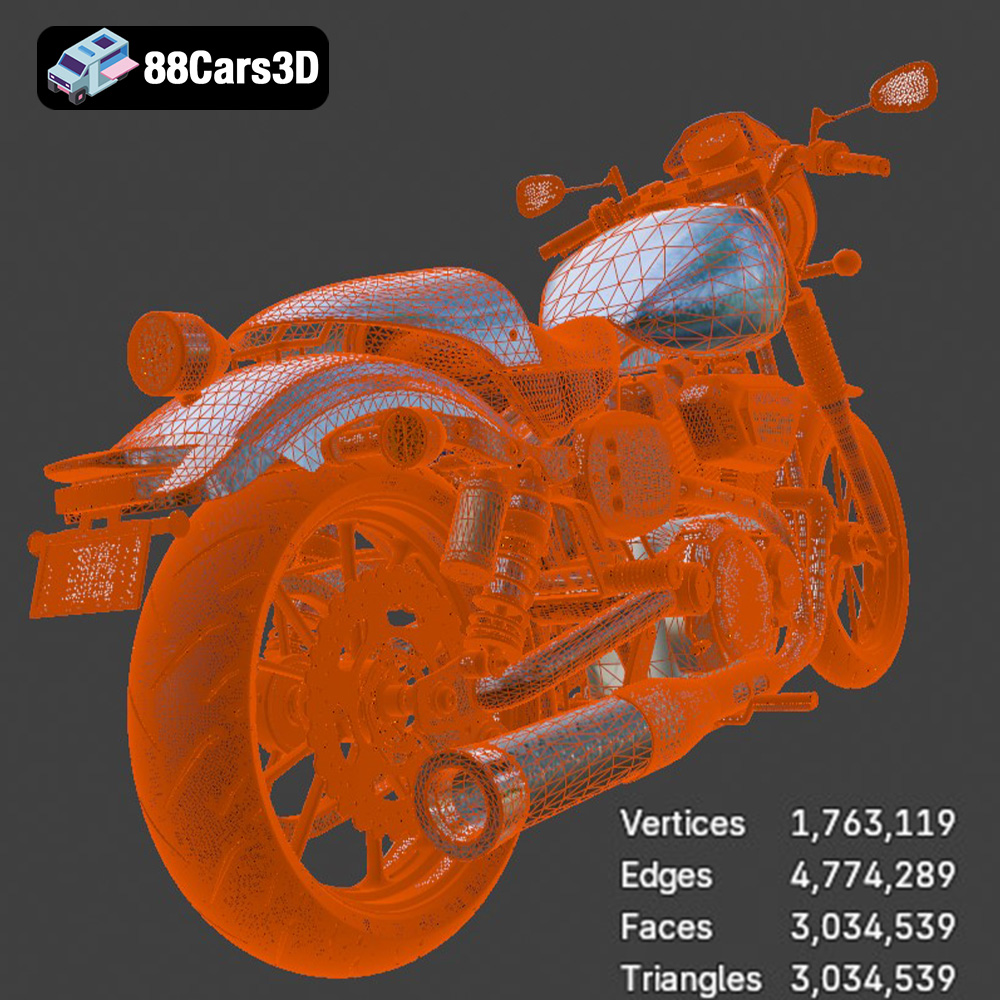
The core of any 3D model is its geometry and topology. The XV950 Racer 3D Model features “highly optimized topology,” meaning its polygons are efficiently arranged to define shapes with minimal visual distortion and maximum rendering efficiency. This clean geometry prevents shading artifacts and allows for smooth subdivision if higher detail is needed for close-up renders. The stated “~130,000 triangle count” hits a crucial sweet spot. For game development, this is lean enough to allow multiple instances of the bike (and other game assets) to render smoothly without taxing the GPU. For high-end rendering, it provides sufficient detail for most purposes, with options for further subdivision if extreme close-ups require it. This balance is a hallmark of truly professional 3D car models.
Accuracy in 3D modeling is paramount, especially for visualization and simulation. The Yamaha XV950 Racer model adheres to “real-world scale accuracy,” ensuring that it integrates seamlessly into scenes without requiring tedious scaling adjustments. This is critical for architectural visualizations, virtual showrooms, and precise game physics. Furthermore, the design prioritizes animation. The inclusion of “separate wheels, suspension, and steering components” with a “proper pivot setup” means that these parts can be individually animated with ease. Wheels can rotate on their correct axes, suspension components can compress and extend realistically, and the steering can articulate naturally. This modularity significantly accelerates the animation process, making the model ideal for dynamic scenes in games, cinematic sequences, or interactive configurators.
A “game-ready” asset is more than just a low-poly model; it’s a model prepared for immediate deployment in a real-time engine. This includes clean geometry, optimized UV mapping (though not explicitly stated, it’s implied by “game-ready” for proper texture application), and a logical hierarchy of components. The XV950 Racer’s designation as game-ready means developers save countless hours typically spent cleaning up meshes, fixing normals, or re-structuring the model for animation. From its detailed 942cc air-cooled V-twin engine block to its authentic dual-shotgun style exhaust system, every element is designed to perform. This level of preparation is a significant advantage, reducing iteration times and allowing creative teams to focus on gameplay and visual polish rather than technical hurdles. This commitment to quality is evident in the selection of 3D car models available on 88cars3d.com.
High-quality 3D assets like the Yamaha XV950 Racer 3D Model are not just tools; they are force multipliers for professional studios and individual artists, significantly enhancing efficiency and output quality across diverse projects.
For advertising agencies, architectural visualization studios, and game development houses, time is money. Developing a highly detailed 3D motorcycle from scratch can take weeks or even months of an experienced artist’s time. By leveraging a pre-made, game-ready asset like the Yamaha XV950 Racer, studios can drastically cut down on production schedules. Imagine an advertising campaign requiring a sleek motorcycle for a lifestyle shot – instead of commissioning a custom model, an artist can download this asset, drop it into their scene, and focus on lighting, composition, and effects. This efficiency translates directly into cost savings and the ability to take on more projects. The versatility of file formats also means easier integration into existing pipelines, whether that’s 3ds Max for rendering, Blender for concept work, or Unreal Engine for interactive experiences.
While the Yamaha XV950 Racer 3D Model is highly detailed out-of-the-box, its structure allows for extensive customization. This is crucial for projects requiring unique branding or variations. A client might request a specific paint scheme, different tire textures (e.g., off-road vs. street variants), or alternative material finishes (matte, gloss, metallic). The model’s clean topology and material setup enable artists to quickly iterate on these changes without breaking the model. Designers can easily adjust individual components, swap out parts, or even integrate custom modifications, maintaining the bike’s core integrity while adapting it to specific project needs. This flexibility ensures the asset remains relevant and adaptable across multiple client engagements or game updates.
The foundation of any successful 3D project is the quality of its assets. Low-quality models can lead to endless headaches: messy topology, broken UVs, incorrect scaling, and poor performance. The Yamaha XV950 Racer 3D Model, along with other 3D car models from 88cars3d.com, represents a commitment to professional-grade assets. These models are not just visually appealing; they are technically sound, optimized, and designed with real-world applications in mind. Investing in such high-quality assets ensures a smooth workflow, reduces post-production issues, and ultimately allows artists and developers to achieve superior results faster. For anyone serious about automotive rendering, game development, AR/VR, or 3D printing, a reliable source of meticulously crafted 3D models is an invaluable resource.
The journey through the digital realm of the Yamaha XV950 Racer 3D Model reveals a meticulously crafted asset, purpose-built for the demands of modern 3D production. From its robust, game-ready topology and optimal polycount to its extensive range of file formats, this model stands as a testament to the seamless integration of classic design with cutting-edge digital engineering. We’ve explored how it elevates automotive rendering with photorealistic potential, drives immersive game development with its optimized performance, and expands creative horizons into AR/VR and 3D printing.
The thoughtful inclusion of formats like .blend, .fbx, .obj, .glb, .stl, .ply, .unreal, and .max ensures unparalleled compatibility across diverse professional workflows. This versatility means whether you’re a seasoned professional seeking to accelerate production or an aspiring artist honing your craft, the Yamaha XV950 Racer provides a rock-solid foundation. It’s more than just a 3D model; it’s a strategic asset designed to inspire creativity and deliver exceptional results.
For those ready to harness the power of such a high-fidelity asset, the Yamaha XV950 Racer 3D Model is available now. Explore this exceptional creation and a curated collection of other premium 3D car models at 88cars3d.com, your premier destination for game-ready assets and stunning visualization tools. Unleash your creativity and bring your automotive visions to spectacular life.
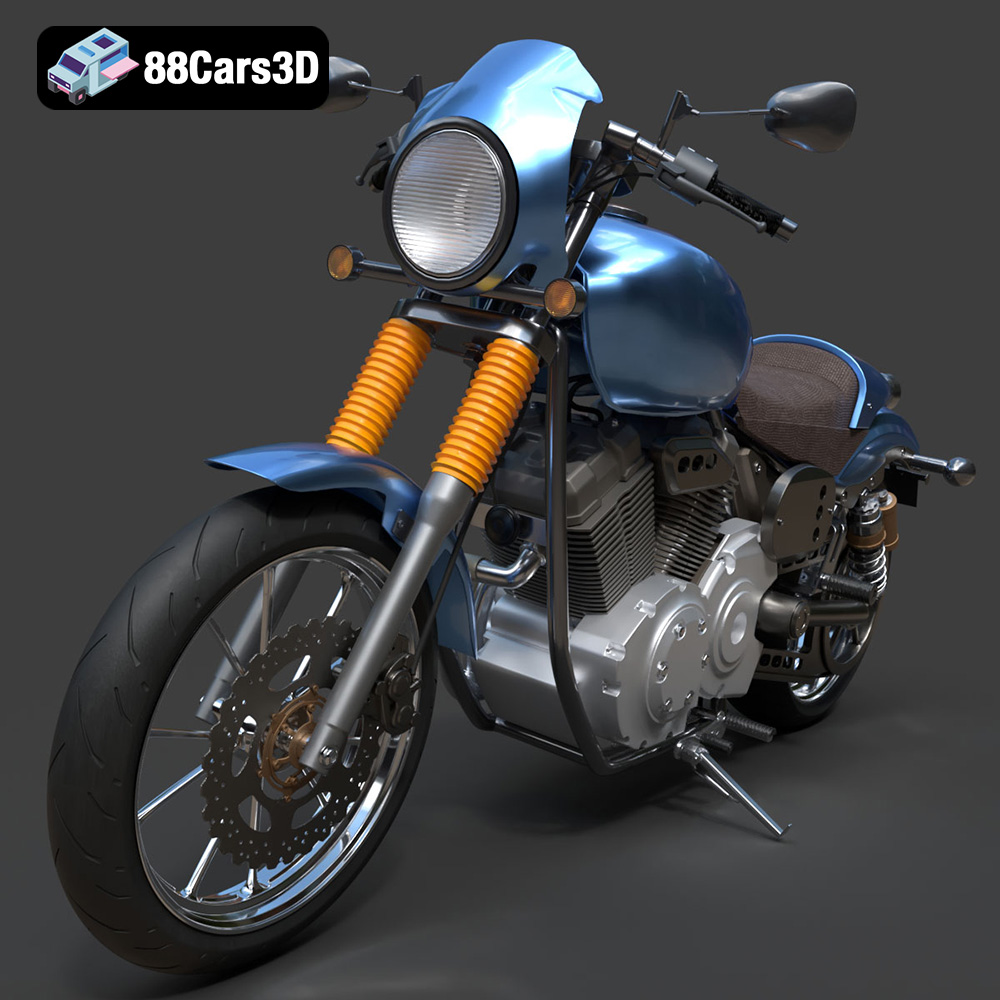
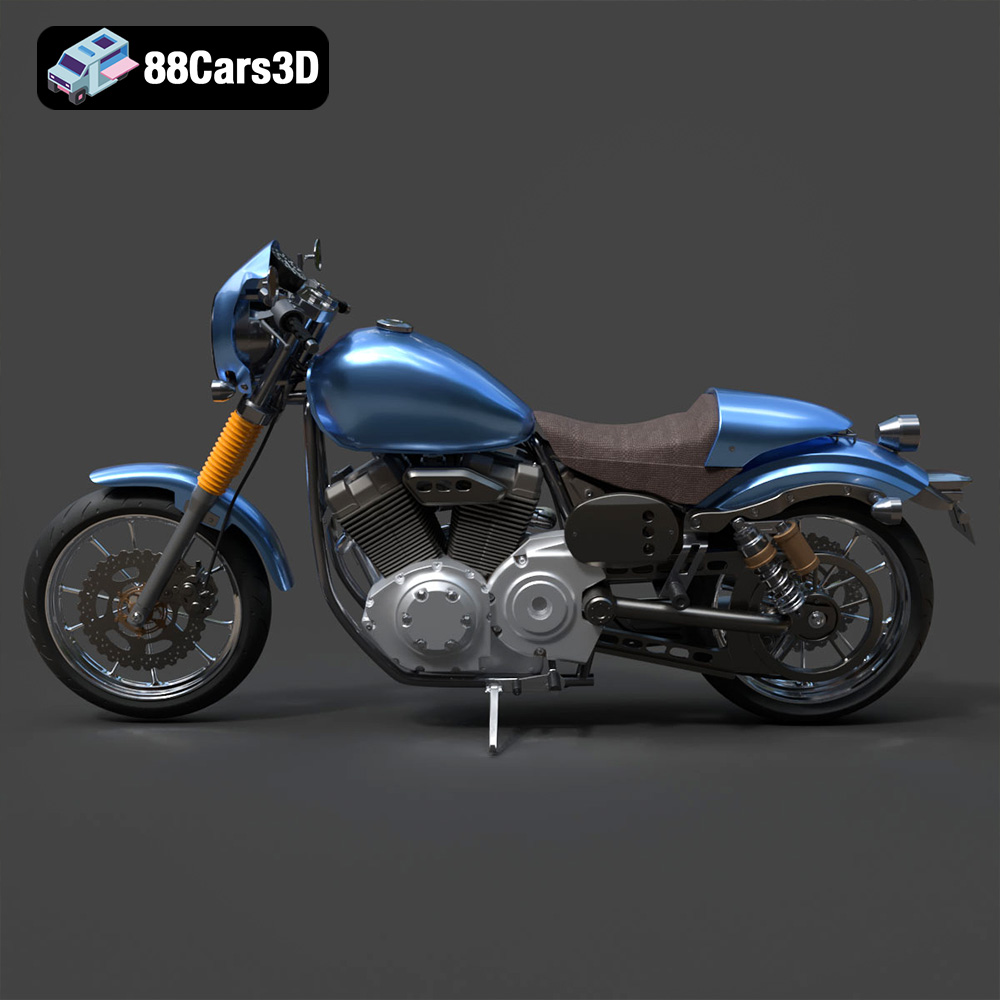
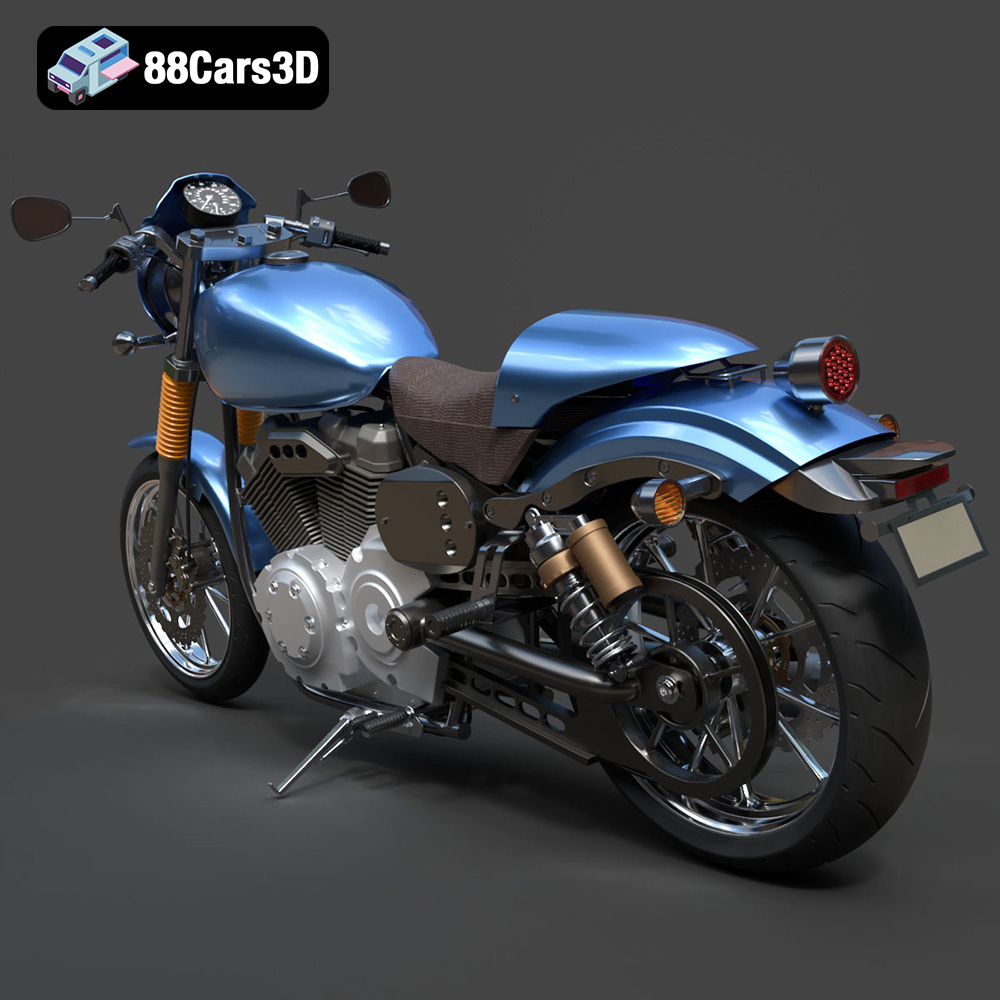
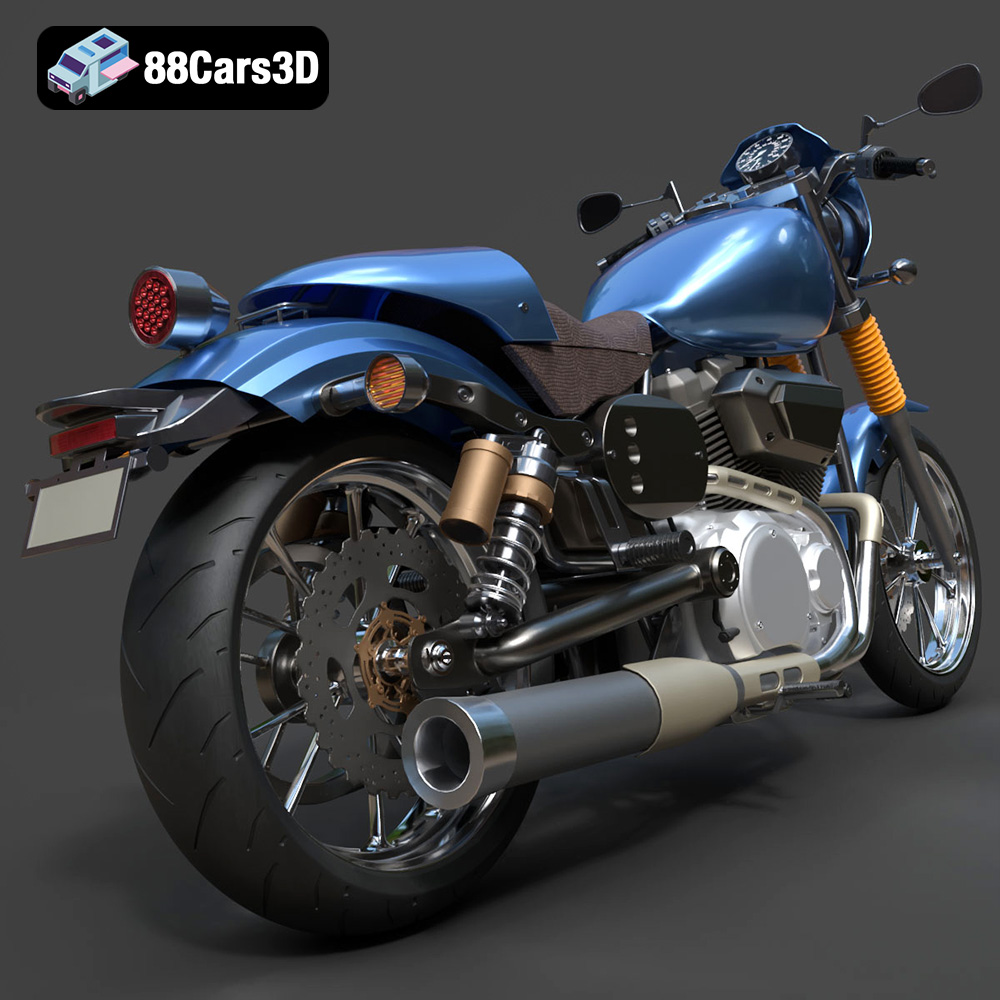
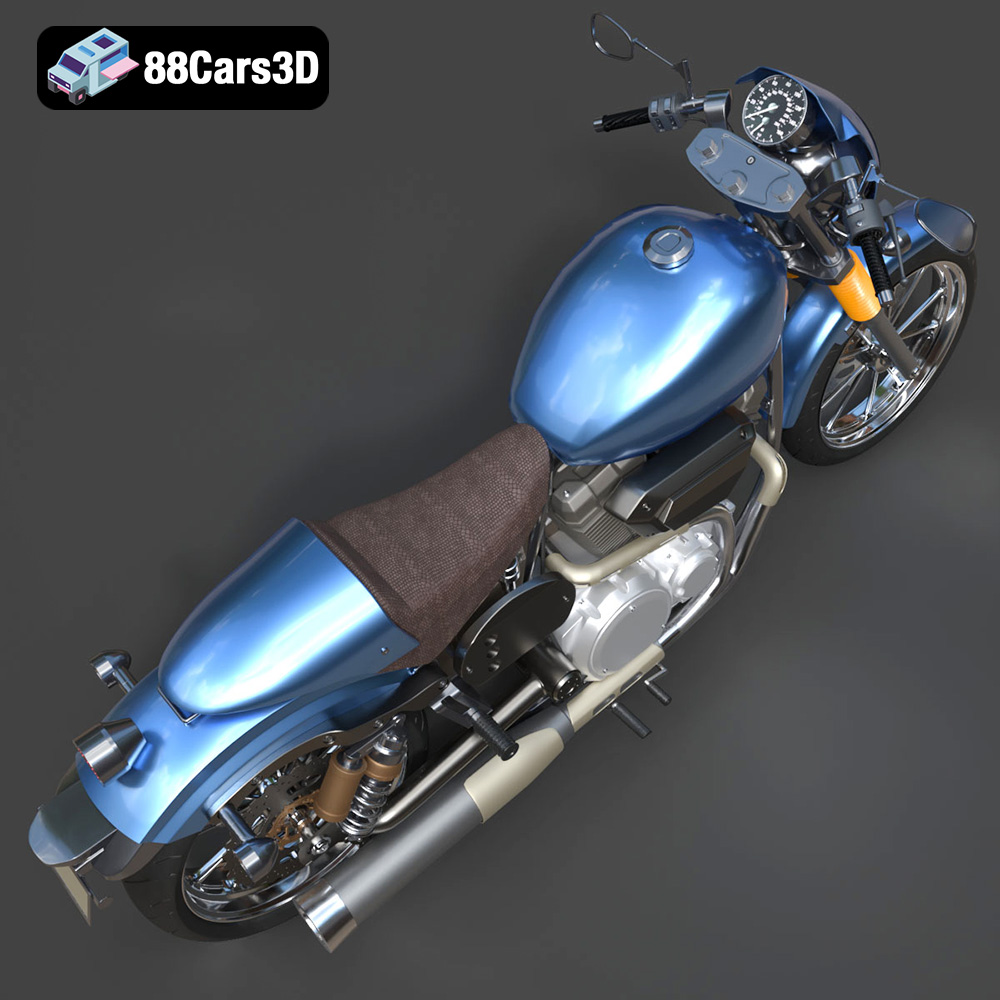
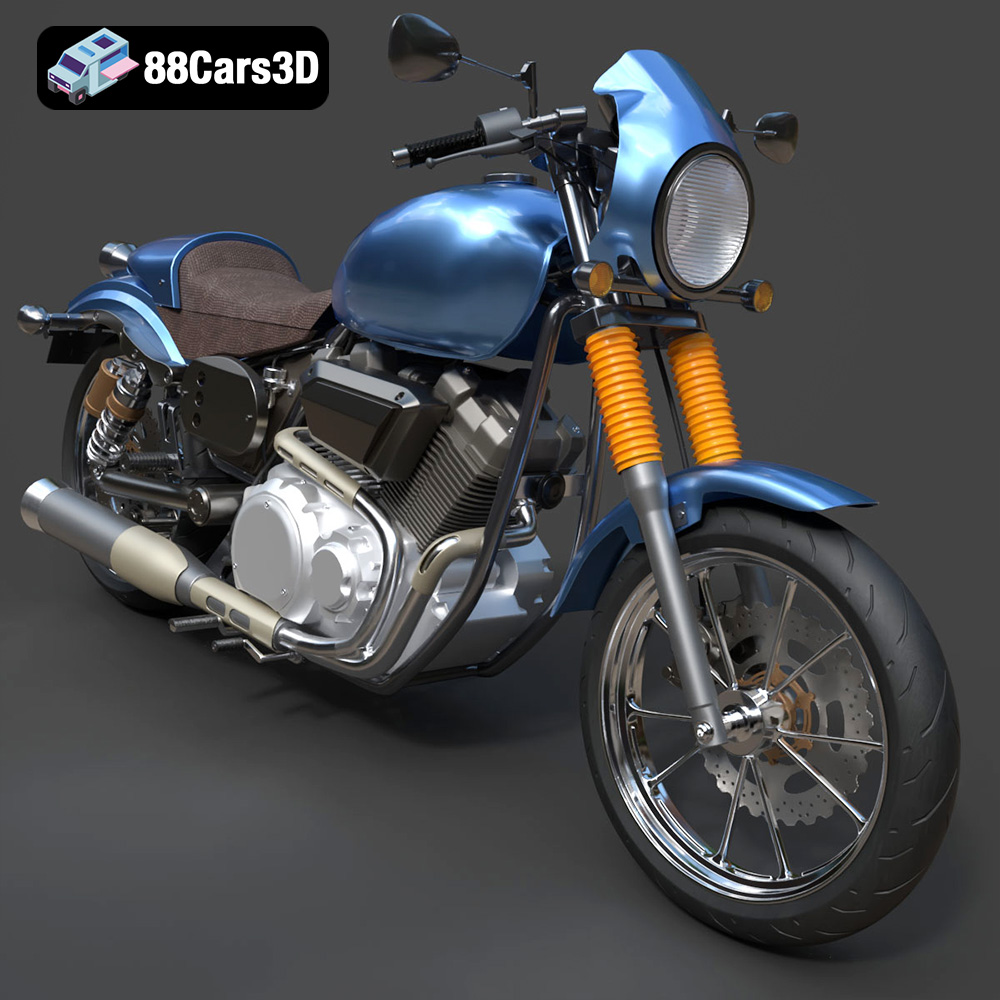
The Yamaha XV950 Racer is a stunning motorcycle that beautifully merges classic cafe-racer heritage with modern V-twin cruiser performance. Known for its aggressive riding posture and stripped-down aesthetic, this bike boasts a muscular 942cc air-cooled engine, a distinctive front mini-cowl, and swept-back exhaust lines that capture the essence of retro-modern custom culture. This premium 3D model is meticulously crafted with highly optimized topology, striking the perfect balance between high-end visual fidelity and real-time performance. Designed to be fully game-ready, it features clean geometry and a polycount tailored for modern game engines, making it an exceptional asset for interactive applications, AR/VR experiences, and professional CGI rendering. Perfect for urban street-racing games, custom motorcycle configurators, realistic virtual showrooms, and lifestyle rendering scenes.
$19.99
.blend
.cruiser
.fbx
.glb
.max
.motorcycle
.obj
.ply
.rendering
.stl
.unreal
.yamaha
cafe-racer
game asset
game-ready
low-poly
motorcycle-3d-model
optimized
VR/AR
xv950-racer