Get 20% OFF All Premium 3D & STL Models!

In the vibrant landscape of digital creation, the demand for high-quality, meticulously crafted 3D assets has never been higher. From the exhilarating realism of modern video games to the immersive experiences of virtual reality, and from stunning architectural visualizations to compelling brand campaigns, accurate 3D models form the backbone of these digital worlds. Automotive design, in particular, relies heavily on these assets, demanding precision, versatility, and optimized performance across diverse platforms.
Enter the realm of premium 3D car models, where every curve, every detail, and every technical specification is painstakingly engineered for perfection. Professionals in game development, automotive rendering, and visualization understand that a superior foundation is critical for achieving exceptional results. It’s not just about aesthetics; it’s about robust geometry, intelligent material setup, and seamless integration into complex workflows. This is precisely where assets like the Toyota RAV4 LE 2019 3D Model shine, offering a comprehensive solution for a multitude of creative and technical applications.
This post will delve into the technical intricacies and creative potential that a high-fidelity 3D car model brings to the table. We’ll explore the critical aspects of model construction, discuss the array of file formats necessary for a truly versatile asset, and examine real-world applications across industries. Whether you’re a seasoned game developer seeking a game-ready vehicle, an architectural visualizer needing a realistic car to populate your scenes, or an AR/VR innovator crafting immersive experiences, understanding the depth of these assets is paramount. Let’s uncover how such a model can elevate your projects and streamline your workflow.
One of the most crucial aspects of acquiring a professional 3D car model like the Toyota RAV4 LE 2019 is the availability of multiple file formats. Each format serves a specific purpose, catering to different software ecosystems, project requirements, and optimization needs. A versatile asset package ensures maximum compatibility and efficiency, allowing artists and developers to integrate the model seamlessly into their preferred pipeline. Here’s a detailed look at the formats included with the Toyota RAV4 LE 2019 3D Model and their respective applications:
The .blend format is the native file type for Blender, a powerful open-source 3D creation suite. When you download the Toyota RAV4 LE 2019 3D Model in .blend format, you receive a fully editable Blender scene. This means not only the mesh data but also all materials, textures, lighting, cameras, and even potential animation rigs are preserved within the file. For Blender users, this is invaluable, as it allows for direct modification, material adjustments, scene setup, and rendering without any import/export issues. It’s ideal for artists who want to delve into the model’s construction, make custom alterations, or render directly within Blender’s Cycles or Eevee engines.
.fbx (Filmbox) is an industry-standard proprietary file format developed by Autodesk, widely adopted for its excellent interoperability between various 3D applications and real-time engines. An FBX file can encapsulate geometry (meshes), UV maps, textures, material definitions, skeletal animations, and even camera and light data. For game development, particularly with Unreal Engine and Unity, FBX is the go-to format for importing 3D car models. Its ability to carry complex data reliably makes it perfect for game-ready assets that require animation (e.g., wheel rotation, suspension travel, steering) and robust material assignments. The Toyota RAV4 LE 2019’s optimized geometry and pivot setups are perfectly translated through FBX for real-time applications.
.obj (Wavefront OBJ) is one of the oldest and most universally supported 3D file formats. It’s a simple, text-based format primarily used to exchange geometric data, including vertex positions, UV coordinates, normals, and references to external material files (.mtl). While OBJ doesn’t typically store advanced features like animation or rigging, its widespread compatibility makes it an excellent choice for cross-software transfers when you primarily need the raw mesh and basic material assignments. It’s a robust fallback for virtually any 3D software, ensuring that the core geometry of the Toyota RAV4 LE 2019 is accessible everywhere.
.glb (GLB format for glTF) is a relatively newer, but rapidly growing standard, particularly optimized for web-based 3D, augmented reality (AR), and virtual reality (VR) applications. GLB files are a binary version of the glTF (GL Transmission Format) standard, which means they embed textures and other assets directly into a single file, making them highly efficient for transmission and loading. They are designed to be compact and fast to parse, making them ideal for interactive 3D viewers on websites, mobile AR experiences, and performance-critical VR environments. The Toyota RAV4 LE 2019 in GLB format is perfectly suited for virtual showrooms or online configurators.
.stl (STereoLithography) is the most common file format for 3D printing. It represents a 3D model as a series of connected triangles (a tessellation of the surface) without any color, texture, or material information. The simplicity of STL makes it universally compatible with 3D printers and slicing software. When preparing the Toyota RAV4 LE 2019 3D Model for physical output, converting it to STL ensures that the printer can accurately interpret the geometry for fabrication. It’s crucial for hobbyists, model makers, or designers looking to create display models or prototypes.
.ply (Polygon File Format) is a file format for storing three-dimensional data from 3D scanners. It can store a wider range of information than STL, including color, transparency, surface normals, and even confidence values. While less common for general artistic exchange than FBX or OBJ, PLY is valuable in specific engineering, CAD, or scientific visualization pipelines where precise mesh data, often originating from scan data or complex geometric analysis, needs to be preserved. For specialized applications involving the Toyota RAV4 LE 2019, PLY offers a robust data foundation.
The .unreal format typically refers to assets packaged specifically for Unreal Engine projects, often optimized and prepared for direct import or even as part of an Unreal project file. This might include pre-configured static meshes, skeletal meshes, materials, and even blueprints. While often an FBX import is the initial step, a .unreal file implies a highly streamlined and ready-to-use asset within the Unreal ecosystem, potentially saving significant setup time. For developers, this means the Toyota RAV4 LE 2019 3D Model can drop straight into a scene with minimal fuss, materials and collisions already tuned for performance.
Similar to .blend for Blender, the .max format is the native file type for Autodesk 3ds Max, another industry-leading 3D modeling, animation, and rendering software. A .max file contains the complete scene data, including geometry, materials, lighting, cameras, animation keyframes, and modifiers. For 3ds Max users, this format offers the highest level of control and editability. It’s perfect for high-end automotive rendering, detailed animation sequences, or integrating the Toyota RAV4 LE 2019 into complex architectural visualization projects where 3ds Max is the primary tool.
The availability of such a comprehensive suite of file formats for the Toyota RAV4 LE 2019 3D Model underscores its professional-grade versatility, making it a truly adaptable asset for any 3D production pipeline.
Creating a truly authentic 3D car model is an intricate blend of artistic skill and technical precision. It goes far beyond simply mimicking the shape of a vehicle; it involves capturing its essence, its engineering, and its character through meticulously crafted digital geometry. The Toyota RAV4 LE 2019 3D Model exemplifies this dedication to detail, delivering a level of realism that elevates any project.
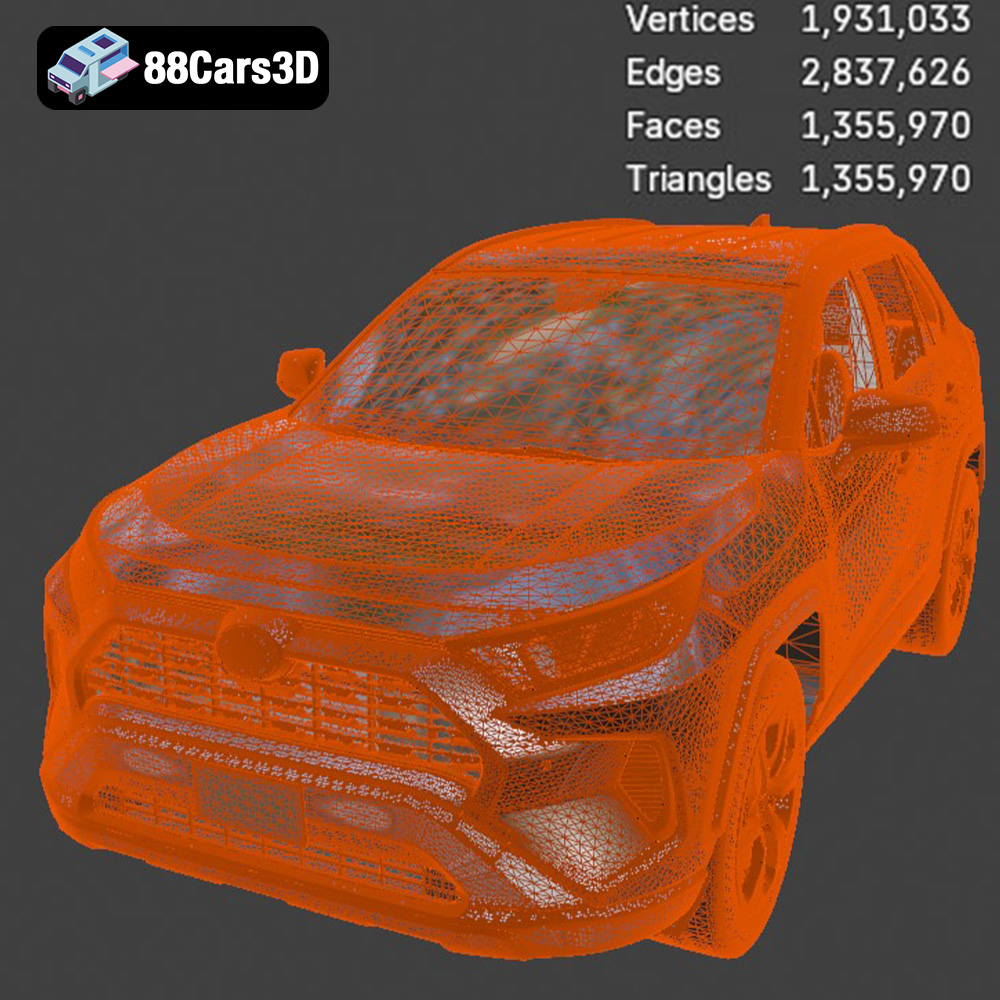
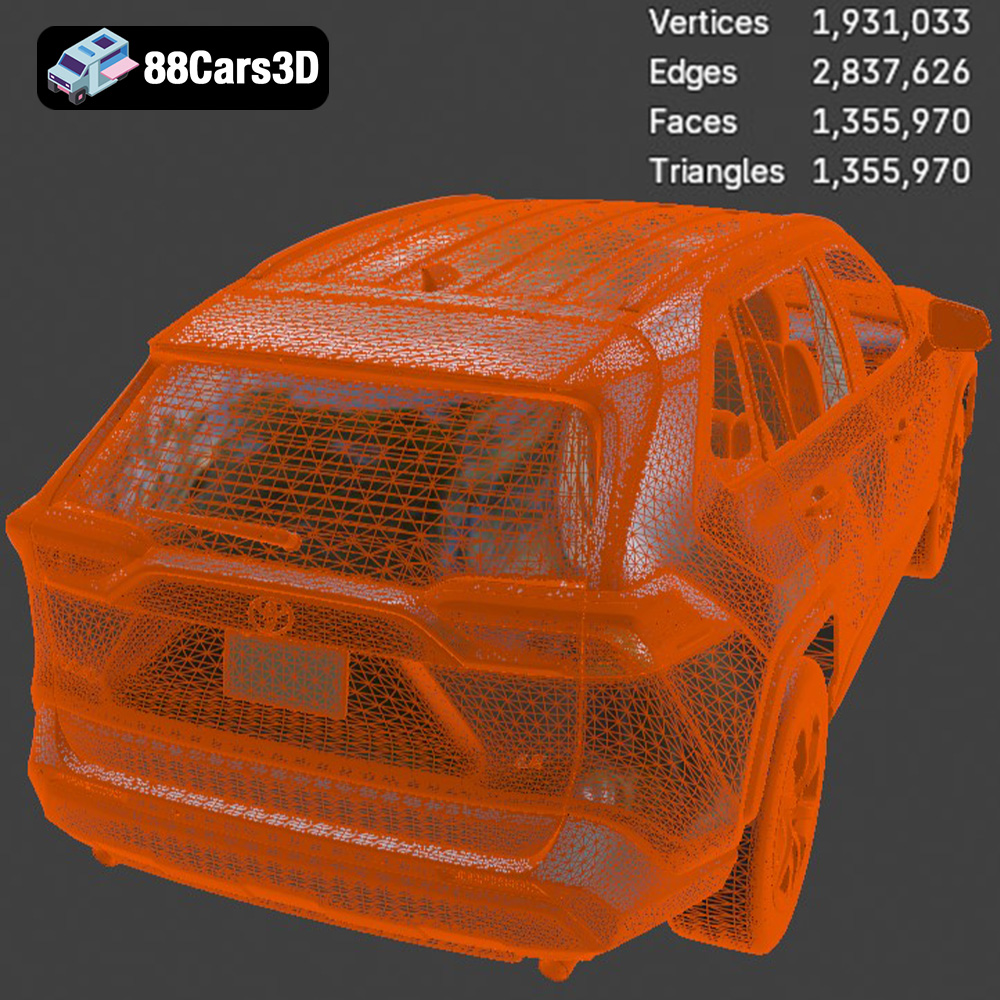
The foundation of any high-quality automotive 3D model lies in its geometric accuracy. The Toyota RAV4 LE 2019 model is built with real-world scale accuracy, replicating the actual vehicle chassis and dimensions. This is critical for visual consistency in simulations, architectural visualizations, and even game environments where vehicles interact with their surroundings. The model boasts excellent topology, meaning the underlying mesh structure is clean, efficient, and optimized. This ensures smooth deformations during animation and clean subdivisions for high-resolution renders. An optimized triangle count, hovering around 200k, strikes a perfect balance, making it game-ready for real-time engines while retaining the visual fidelity required for high-end rendering. This balance is a hallmark of truly professional 3D car models.
Furthermore, the model meticulously recreates the RAV4’s distinct rugged styling. From the accurate frame geometry and proportions to the detailed engine block, designed after the 2.5L Dynamic Force 4-cylinder engine, every component reflects extensive research and careful modeling. The independent MacPherson strut front suspension is accurately represented, and crucial elements like the dual exhaust styling and undercarriage detailing are present, adding layers of realism that are often overlooked in lesser models.
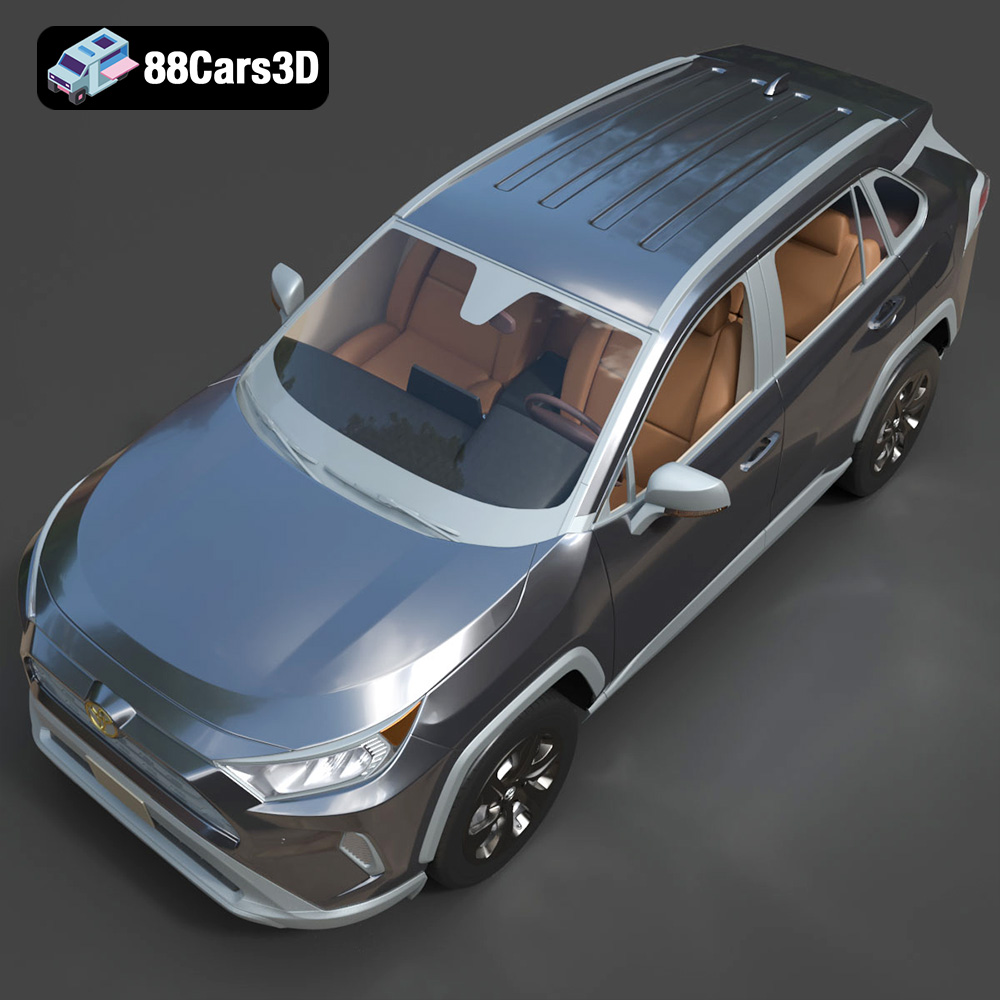
A truly immersive 3D car model doesn’t just look good from the outside; it invites closer inspection, both inside and out. The Toyota RAV4 LE 2019 3D Model delivers on this front with a wealth of intricate details:
Such comprehensive detailing ensures that whether your project demands a distant environmental prop or a close-up hero shot, the Toyota RAV4 LE 2019 3D Model provides the necessary visual richness. This focus on both broad strokes and minute elements is what separates professional automotive 3D models from generic alternatives, offering unparalleled quality for automotive rendering and beyond.
The paradigm shift towards real-time rendering has revolutionized industries from gaming to product visualization. For these dynamic applications, 3D car models must not only look superb but also perform flawlessly. The Toyota RAV4 LE 2019 3D Model is engineered with this demanding environment in mind, providing an optimized asset for immediate integration.
At the heart of modern game development, performance is paramount. The Toyota RAV4 LE 2019 3D Model is specifically crafted to be “game-ready & optimized.” With an approximate 200k triangle count, it achieves a perfect balance between visual realism and real-time engine efficiency. This polycount ensures that multiple instances of the vehicle can populate vast open worlds or appear in racing titles without crippling frame rates.
For workflows in engines like Unreal Engine and Unity, the included .fbx and .unreal formats are invaluable. Developers can easily import the FBX, which typically includes the mesh, UVs, and basic material assignments, into their chosen engine. From there, the process involves setting up advanced PBR (Physically Based Rendering) materials, creating collision meshes for realistic interactions, and establishing levels of detail (LODs) to optimize performance based on distance from the camera. Crucially, the model features a proper pivot setup for steering, wheel rotation, and suspension travel. This means animators and developers don’t have to spend precious time re-rigging the vehicle, allowing for immediate implementation of realistic driving dynamics. Whether for an urban driving simulation or an immersive racing game, this 3D car model offers a robust foundation.
Augmented Reality (AR) and Virtual Reality (VR) represent the next frontier of interactive experiences, and high-quality 3D assets are central to their success. The Toyota RAV4 LE 2019 3D Model is ideally suited for these cutting-edge applications, thanks to its optimized geometry and the inclusion of the .glb format.
In AR/VR, performance is even more critical due to the high frame rate requirements for comfortable immersion. The RAV4’s optimized polycount ensures it can be rendered smoothly on mobile AR devices or within demanding VR headsets without causing latency or visual stutter. The .glb format is specifically designed for quick loading and efficient display in web-based 3D, AR, and VR contexts. This makes it perfect for creating interactive virtual showrooms where customers can explore the vehicle in 3D, customize colors and finishes in real-time, or even place the car in their real-world environment using mobile AR. Imagine a client browsing 88cars3d.com, selecting this model, and instantly viewing it on their driveway via an AR app. This direct visualization capability significantly enhances engagement and aids decision-making in vehicle configurators and marketing campaigns, making the Toyota RAV4 LE 2019 a powerful asset for virtual experiences.
Beyond real-time applications, the Toyota RAV4 LE 2019 3D Model truly shines in the realm of high-end rendering and static visualization. For brand campaigns, product launches, or architectural integration, photorealism is the ultimate goal, and this model provides the intricate details and clean structure necessary to achieve it.
Professional automotive rendering demands control over every pixel, from material reflections to nuanced lighting. With the Toyota RAV4 LE 2019 3D Model available in .max and .blend formats, artists gain full editability within industry-leading software like 3ds Max and Blender. This allows for the creation of breathtaking studio shots or dynamic action sequences that rival professional photography.
Artists can leverage advanced PBR (Physically Based Rendering) workflows to recreate realistic car paint, metallic finishes, glass, and rubber textures. The model’s clean UV mapping (a common feature of high-quality 3D car models) ensures that custom textures and decals can be applied precisely. Setting up sophisticated studio lighting, often involving HDRI (High Dynamic Range Image) environments for realistic reflections and a multitude of area lights to sculpt the vehicle’s form, becomes a seamless process. The customization options are extensive: easily change body colors to match factory palettes or apply custom finishes (matte, gloss, metallic), modify tire textures for off-road versus street variants, and adapt lighting for different environmental moods. These capabilities are crucial for producing compelling brand campaigns, product advertisements, and lifestyle scenes that showcase the RAV4 in its best light. A high-quality render of this model could be the centerpiece of a new car brochure or an impactful digital advertisement.
Architectural visualization (ArchViz) and lifestyle renderings often require realistic vehicles to add context, scale, and dynamism to static scenes. Placing a generic car model can break the immersion, but a detailed 3D car model like the Toyota RAV4 LE 2019 enhances the realism exponentially. Its accurate proportions and intricate detailing make it perfect for populating urban streetscapes, suburban driveways, or even conceptual architectural renders.
Visualizers can integrate the RAV4 model into various environments, from a bustling city street to a tranquil residential setting. By carefully matching the vehicle’s materials and lighting to the ambient conditions of the architectural scene, they can achieve seamless integration. The ability to modify colors and finishes allows the car to blend aesthetically with any design palette. Whether the goal is to show a new housing development with a family car in the driveway or a corporate building with executive vehicles parked outside, the RAV4 model adds a layer of authenticity and relatability. It helps tell a story within the visualization, transforming a static image into a believable snapshot of life, making it an indispensable asset for many visualization studios.
While digital visualization is powerful, there’s a unique satisfaction in holding a physical representation of a 3D model. The ability to translate a digital asset into a tangible object opens up new avenues for hobbyists, designers, and even small-scale prototyping. The Toyota RAV4 LE 2019 3D Model provides this capability, offering a pathway from screen to tangible form.
The inclusion of the .stl file format specifically caters to 3D printing applications, enabling enthusiasts and professionals to create physical replicas of the Toyota RAV4 LE 2019. Converting a detailed 3D model into a print-ready STL requires careful consideration to ensure structural integrity and capture fine details during the printing process.
The product details recommend specific print settings, which are crucial for success. Recommended scales such as 1:12, 1:18, or 1:24 allow for various display sizes. A layer height of 0.04–0.12 mm is suggested, with resin printing (SLA/DLP) often preferred for its ability to achieve exceptionally fine details, which are critical for intricate parts like headlights, grilles, and interior elements. Wall thickness recommendations (1.2–2.0 mm) ensure the model is robust enough not to be brittle, while an infill of 20–30% provides internal support without excessive material usage. Supports are required for detailed overhangs like the exhaust, mirrors, and handles, and careful print orientation (e.g., the frame printed angled, wheels separately) optimizes for strength and surface quality. This technical guidance is invaluable for anyone venturing into 3D printing the model.
Once printed, the physical model enters the post-processing phase, where it truly comes to life. This typically involves several steps: sanding to remove layer lines or support marks, applying primer to create a smooth, even surface, and finally, painting with authentic factory colors and metallic finishes to match the original vehicle. This process allows hobbyists to recreate a museum-quality display piece of the Toyota RAV4 LE 2019, showcasing their modeling and finishing skills.
Beyond hobbyist models, 3D printed versions of automotive assets can serve as valuable small-scale prototypes for design review, educational tools, or even unique promotional items. Imagine a miniature RAV4 model for a dealer showroom, or a custom-painted version commemorating a special event. The precision of the digital model, combined with the capabilities of modern 3D printing, unlocks a new dimension of creativity and application, extending the utility of premium 3D car models far beyond digital screens.
In the dynamic and ever-evolving world of 3D content creation, the bedrock of success is built upon high-quality assets. The Toyota RAV4 LE 2019 3D Model stands as a prime example of what a professional-grade automotive asset should embody: meticulous detail, robust optimization, and unparalleled versatility across a myriad of applications. From crafting visually stunning automotive rendering for marketing campaigns to developing immersive game assets for real-time engines, and from populating architectural visualizations to enabling physical 3D prints, this model caters to a diverse range of creative and technical needs.
Its comprehensive package, including multiple industry-standard file formats like .blend, .fbx, .obj, .glb, .stl, .ply, .unreal, and .max, ensures seamless integration into virtually any professional workflow. This commitment to flexibility and technical excellence makes it an invaluable resource for artists, developers, and designers aiming for the pinnacle of realism and performance. Whether you are building the next big open-world game, designing a virtual showroom for AR/VR, or producing breathtaking promotional imagery, investing in such a high-fidelity 3D car model provides a significant advantage.
For those seeking premium 3D car models that deliver on every promise of quality, detail, and versatility, look no further than curated marketplaces. The Toyota RAV4 LE 2019 3D Model, available at 88cars3d.com, is more than just a digital file; it’s a gateway to unlocking new creative possibilities and pushing the boundaries of what’s achievable in 3D. Elevate your projects and bring your visions to life with assets that truly stand out.
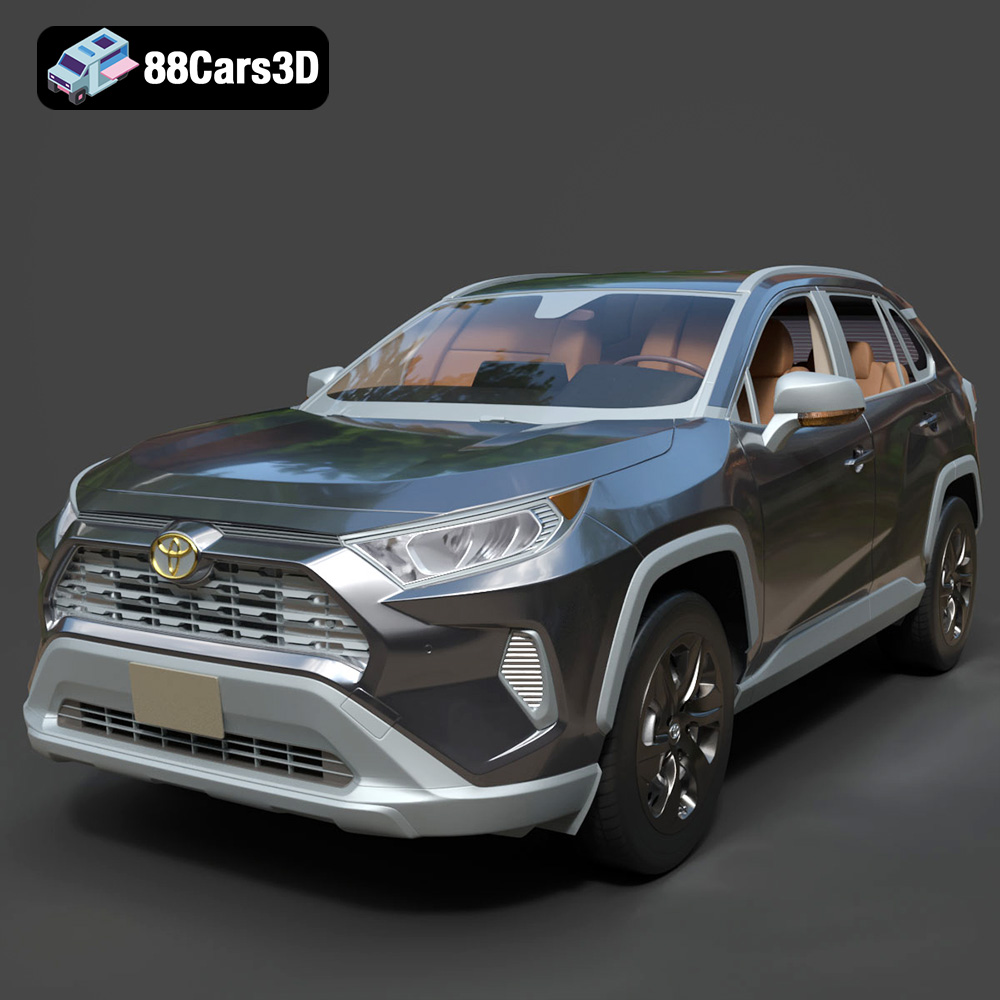
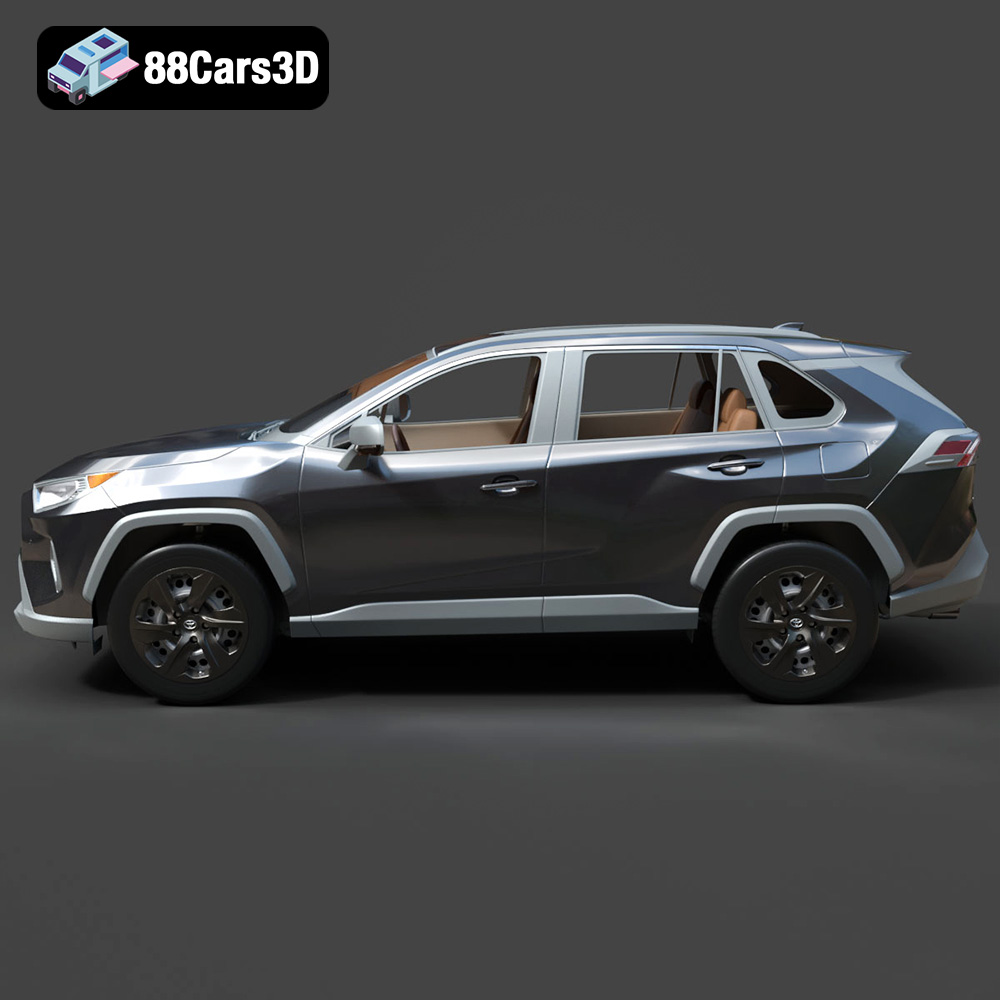
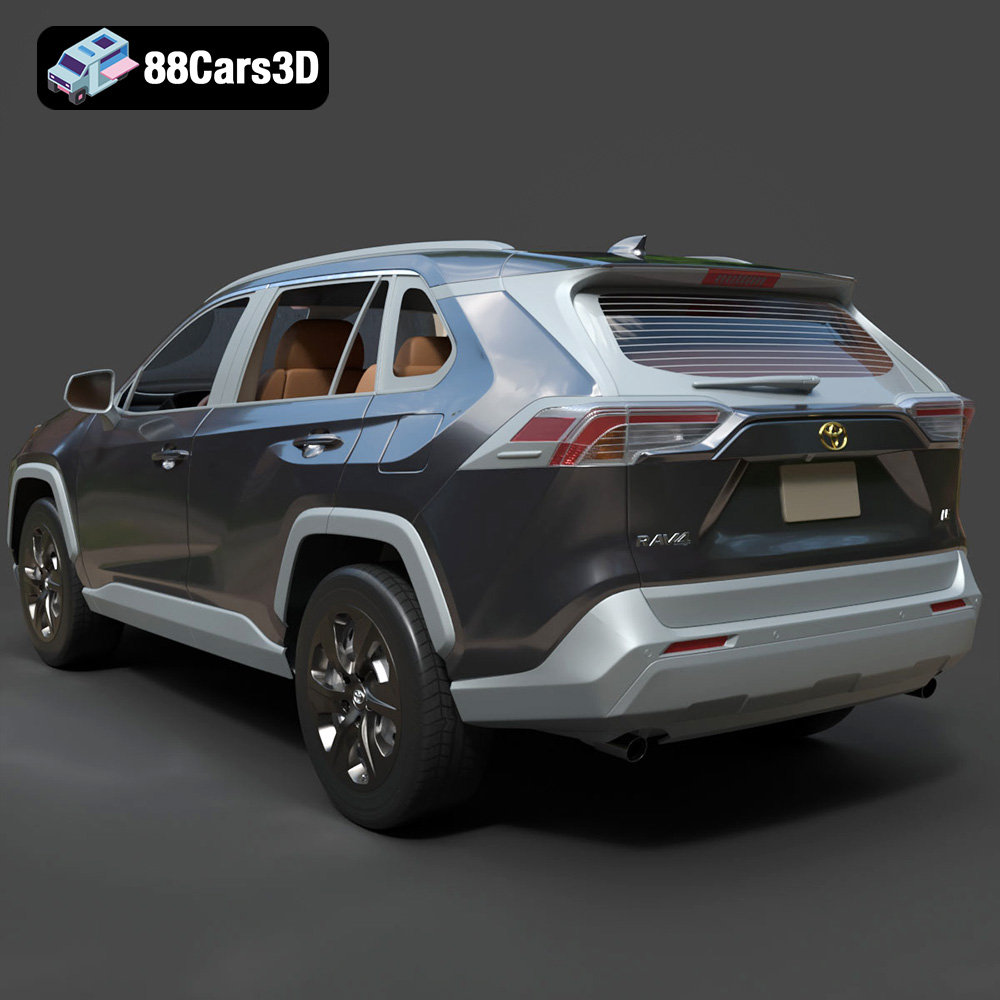
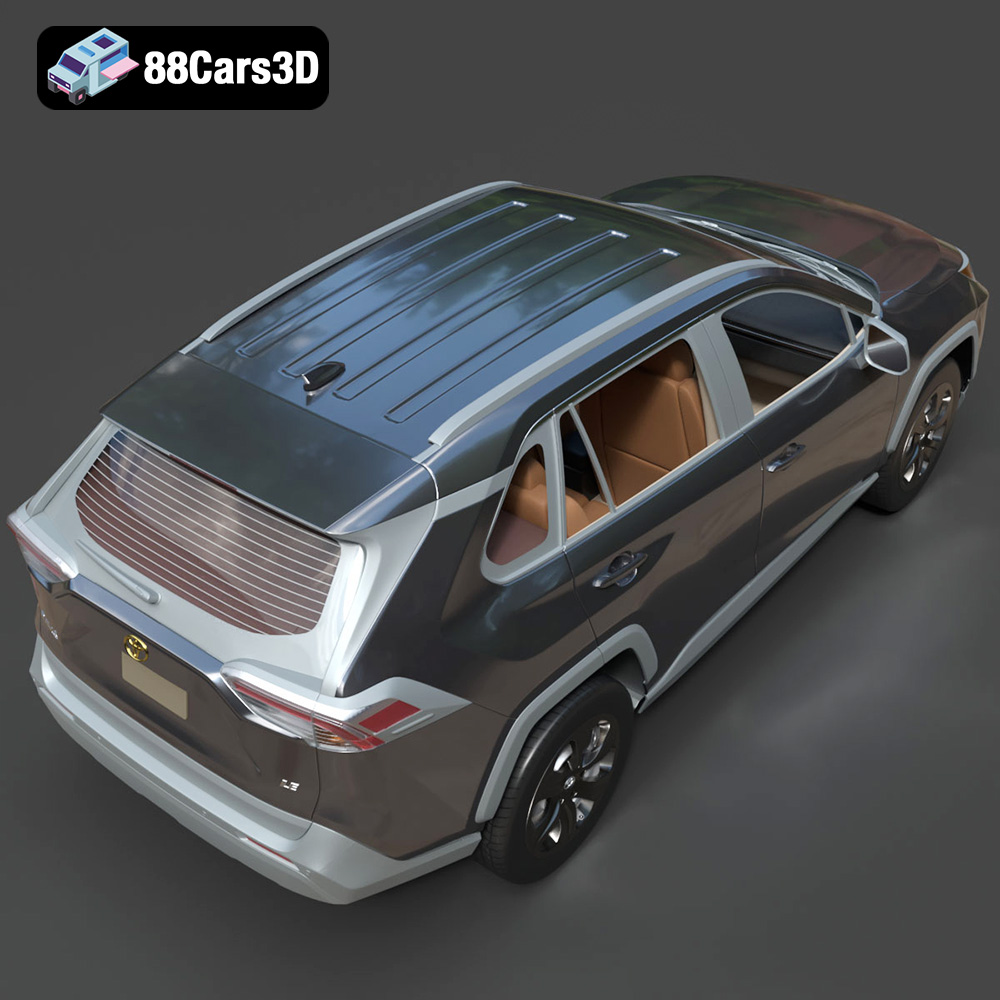
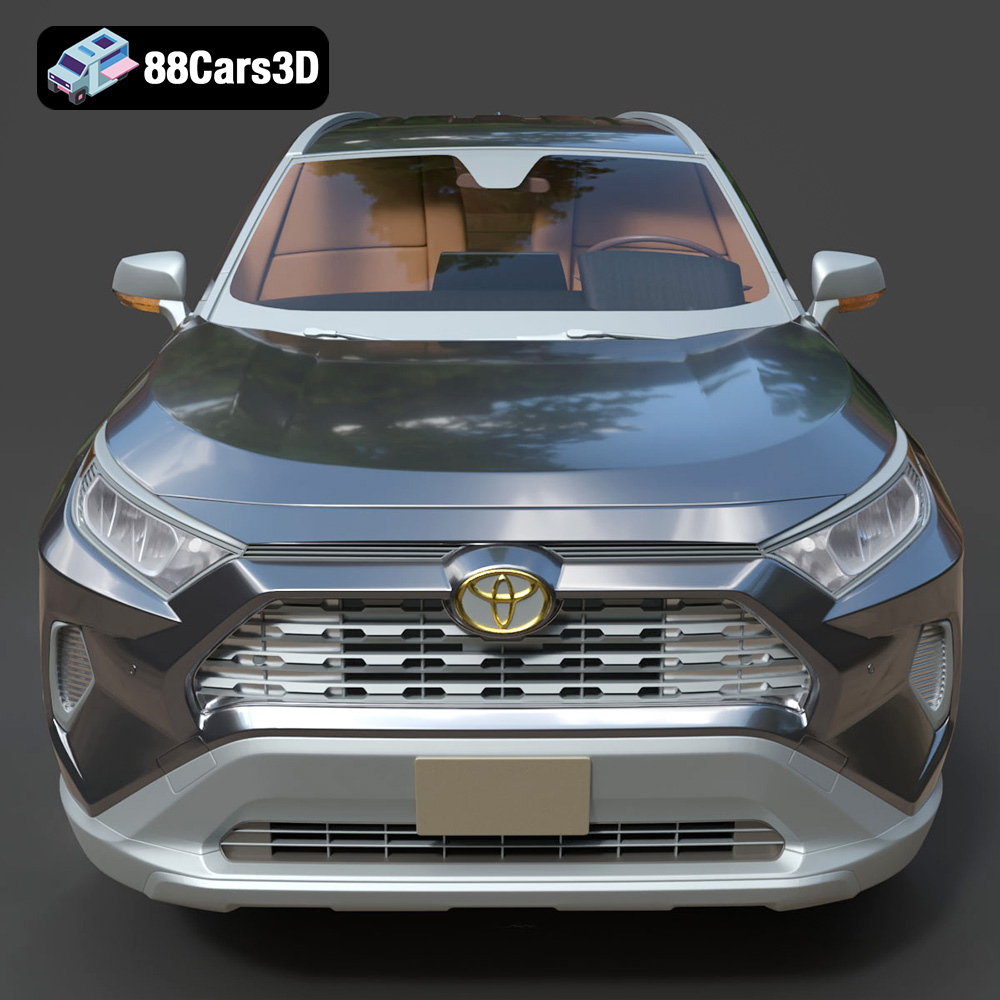
The Toyota RAV4 LE 2019 represents a bold, dynamic shift in the compact SUV segment. Known for its rugged, chiseled styling inspired by Toyota’s off-road heritage, this 3D model captures the essence of the LE trim with its distinctive front grille, striking LED headlights, and aerodynamic profile. Crafted with precision, this high-quality 3D model features excellent topology with an optimized triangle count, ensuring game-ready performance without compromising visual fidelity. It is perfectly suited for use in real-time engines, game development, AR/VR experiences, and high-end architectural or lifestyle visualizations.
$39.99
.blend
.fbx
.glb
.max
.obj
.ply
.rendering
.stl
.toyota
.unreal
car-3d-model
compact-suv
game asset
game-ready
low-poly
optimized
rav4
rav4-le-2019
SUV
VR/AR