Get 20% OFF All Premium 3D & STL Models!

In the exhilarating world of 3D visualization, automotive design, and game development, the pursuit of photorealism and performance optimization is a constant drive. Enthusiasts and professionals alike understand the immense value of a meticulously crafted 3D model that not only captures the essence of a real-world machine but also integrates seamlessly into diverse pipelines. Today, we’re diving deep into an exceptional asset that embodies these qualities: the Yamaha R1 3D Model, available for download on 88cars3d.com. This isn’t just any model; it’s a gateway to creating breathtaking renders, immersive game experiences, and cutting-edge AR/VR applications, offering an unparalleled blend of detail and efficiency.
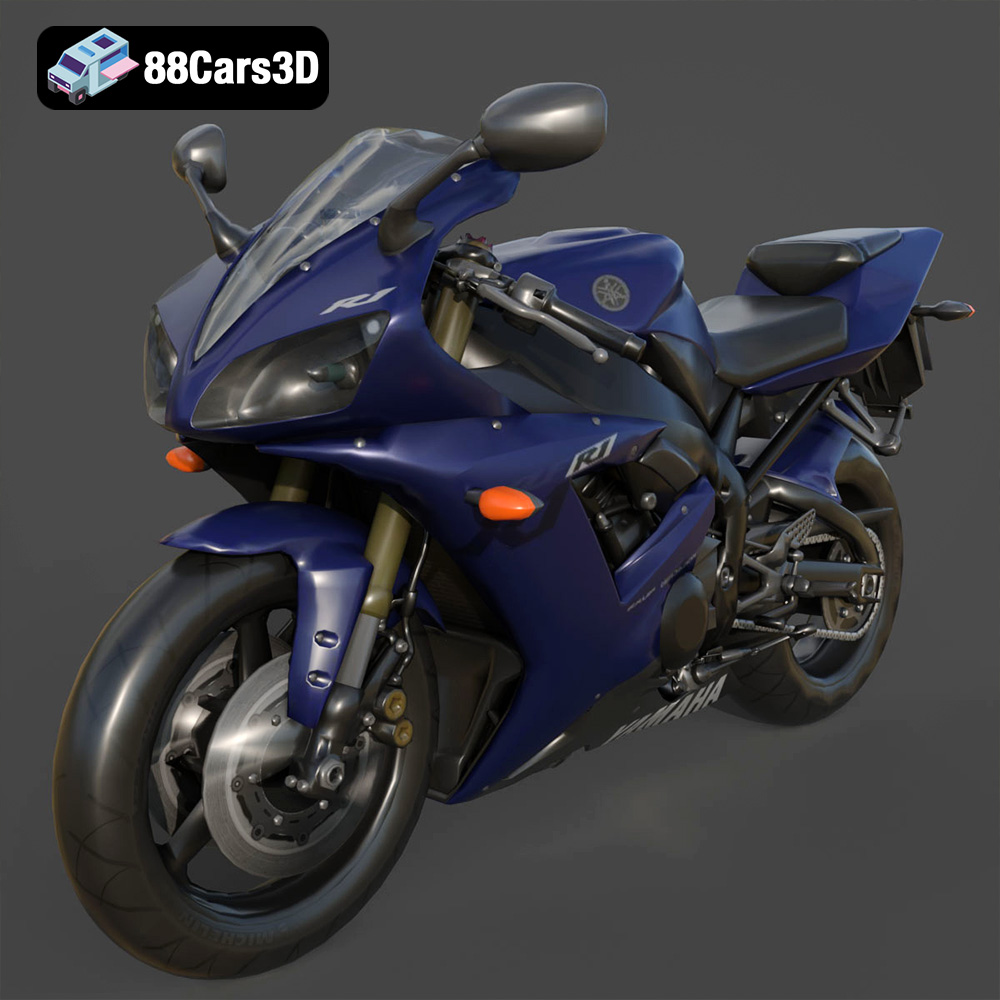
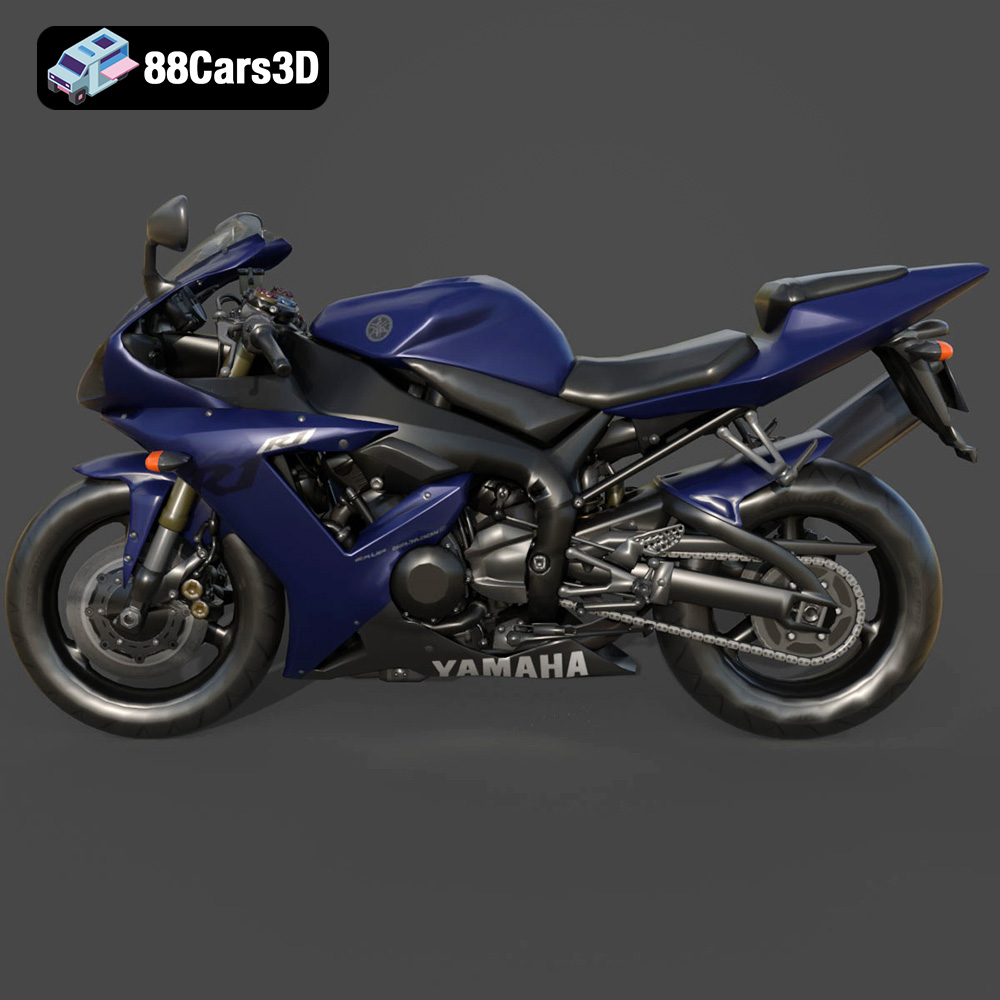
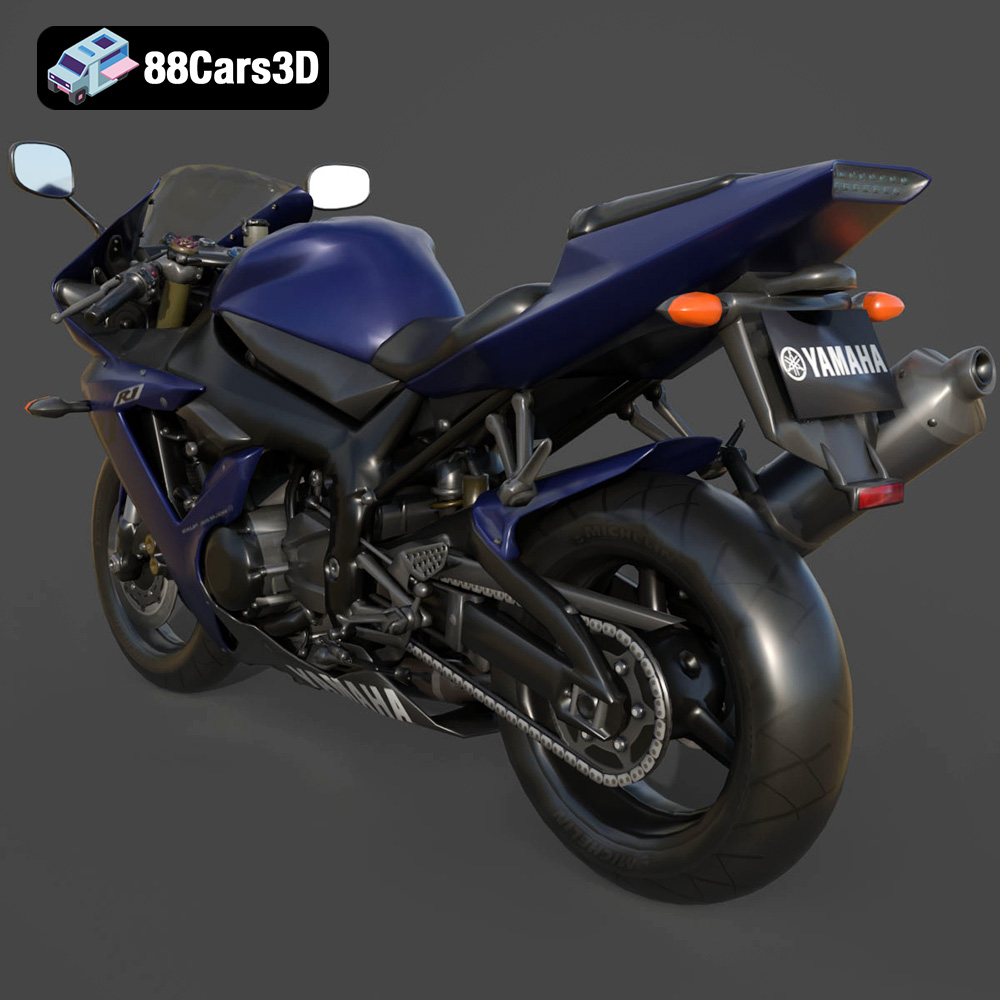
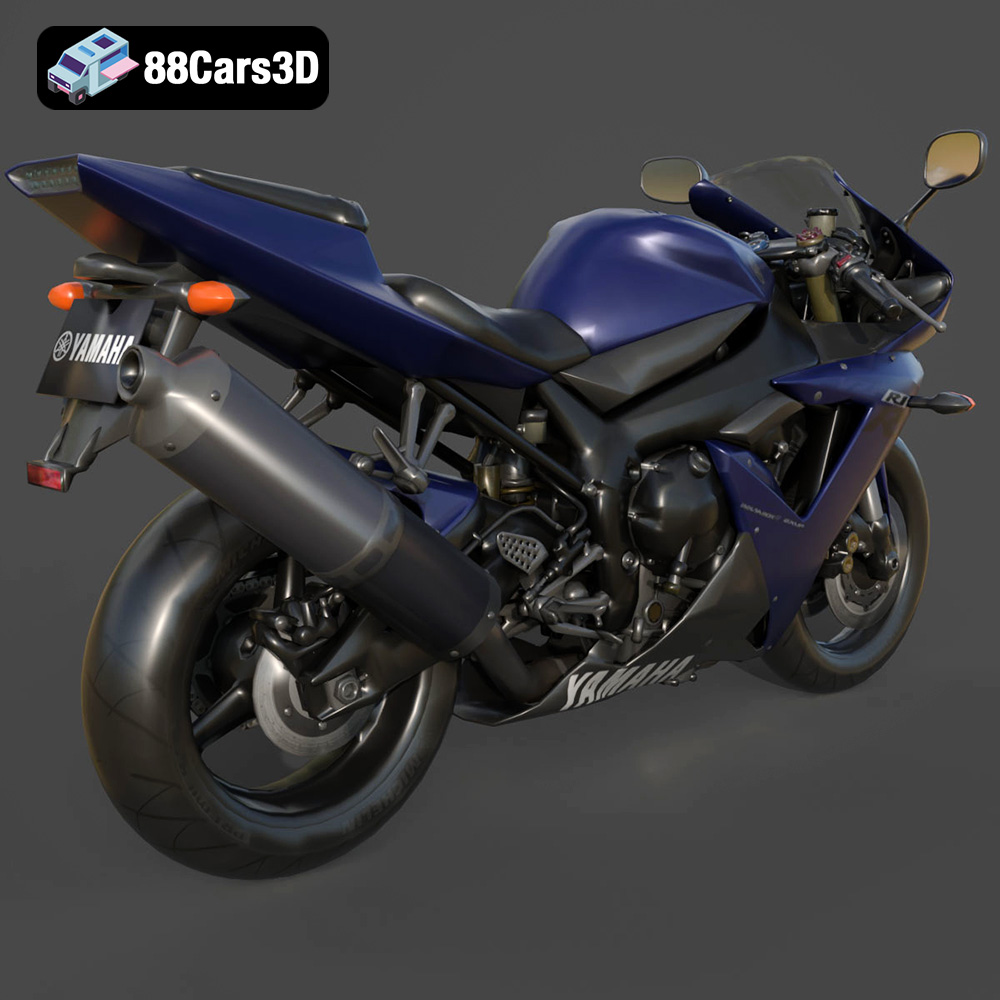
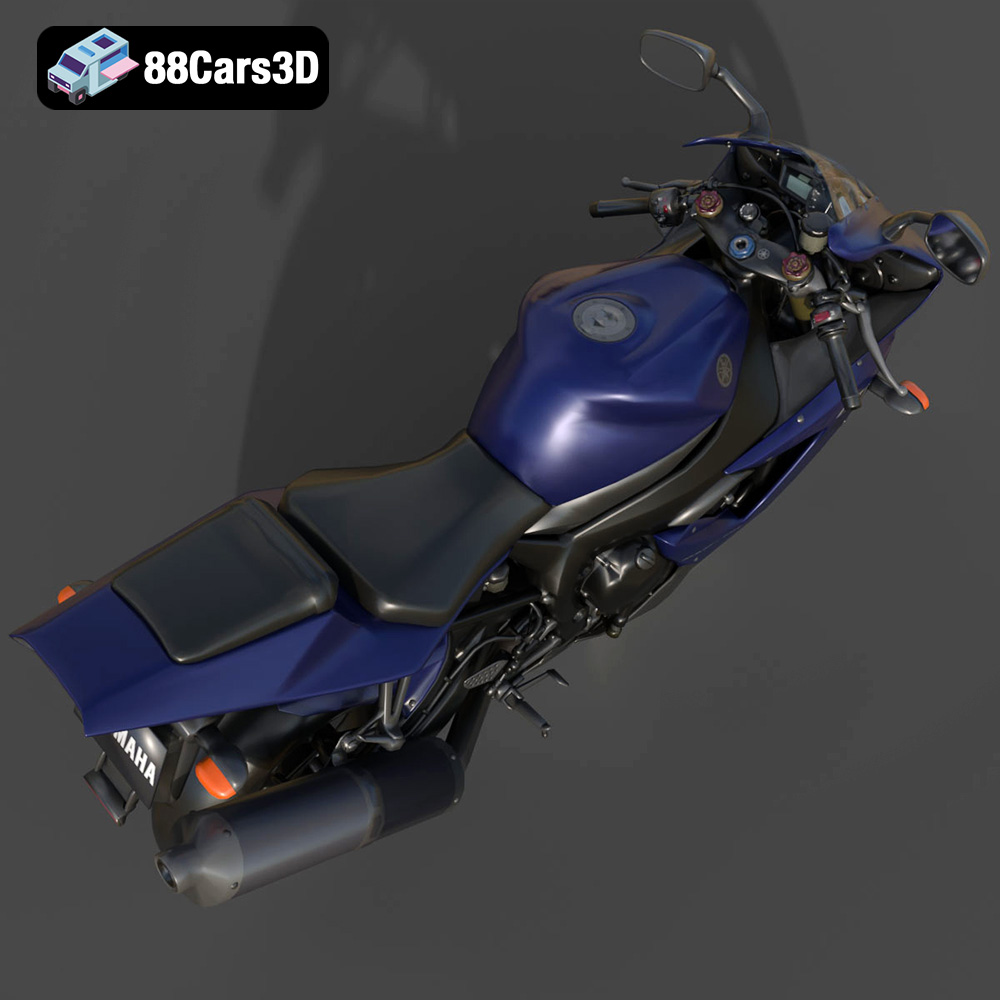
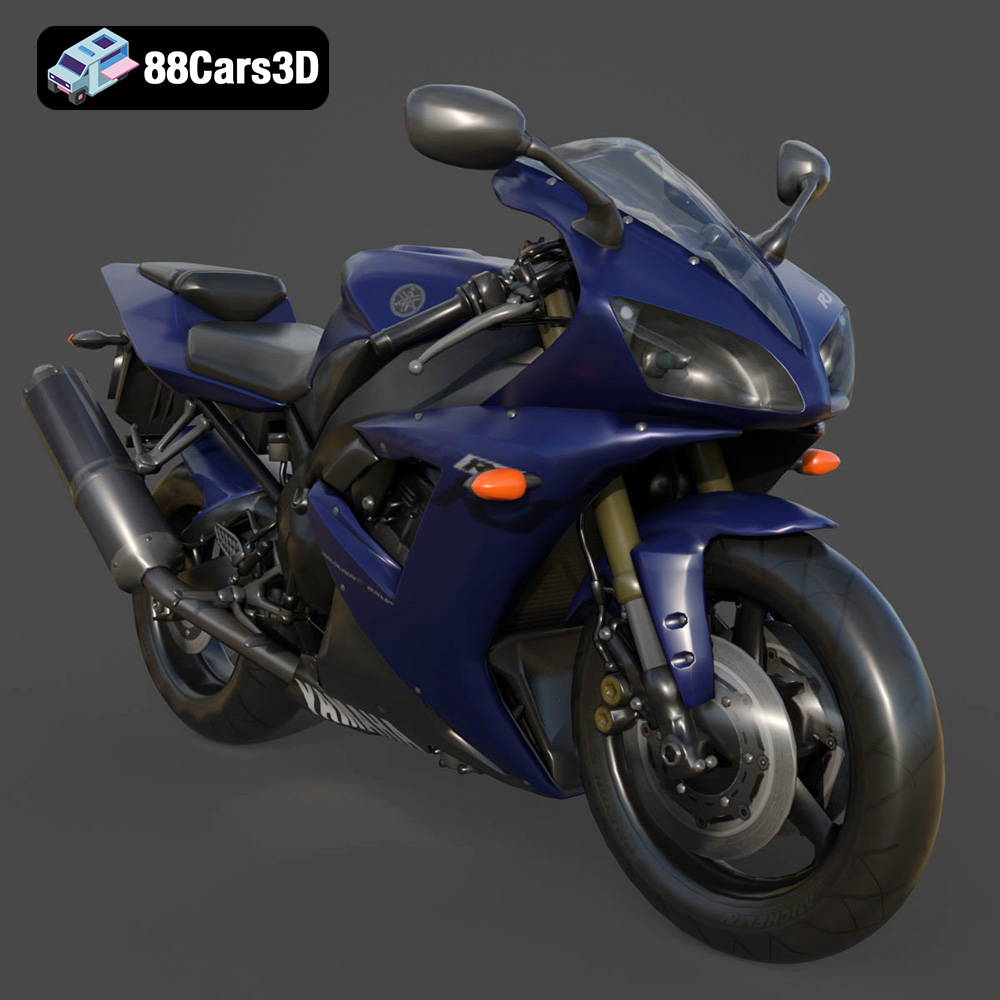
The Yamaha R1 is more than a motorcycle; it’s an icon of superbike performance, a machine engineered for the track with a heritage steeped in racing glory. Its aggressive aerodynamic styling, commanding Deltabox frame, and the legendary 998cc inline-4 crossplane engine are design hallmarks that command attention. Recreating such a masterpiece in three dimensions requires precision, artistry, and a deep understanding of digital asset creation. This specific 3D model captures every critical visual element, from the distinctive twin-eye LED headlights and dynamic fairing vents to the high-performance exhaust system, bringing the raw power and sleek aesthetics of the R1 to your digital projects with stunning fidelity.
For rendering artists and visualization specialists, the goal is often photorealism that blurs the line between digital and reality. The Yamaha R1 3D model provides an outstanding foundation for achieving just that, thanks to its clean topology and detailed textures. Whether you’re showcasing it in a gleaming studio setup or integrating it into a dynamic street scene, the model’s inherent quality shines through, making it an indispensable asset for automotive rendering projects.
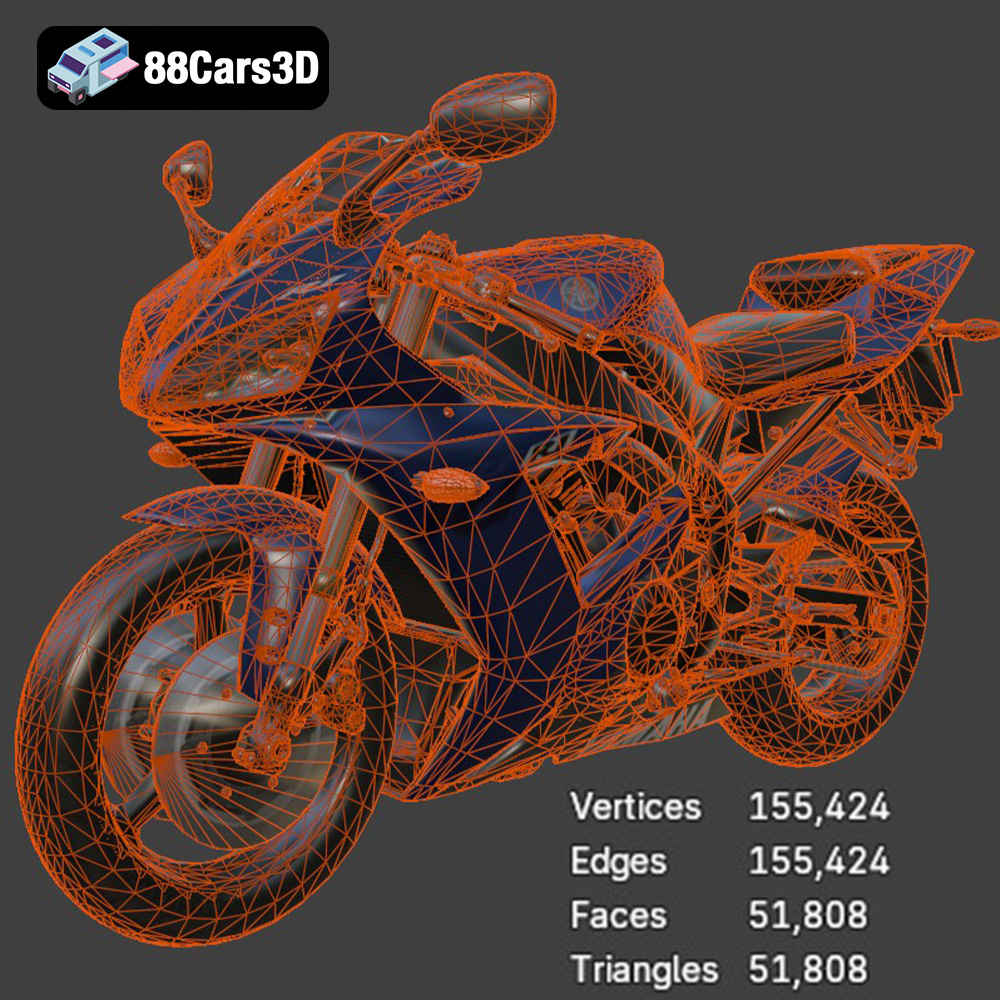
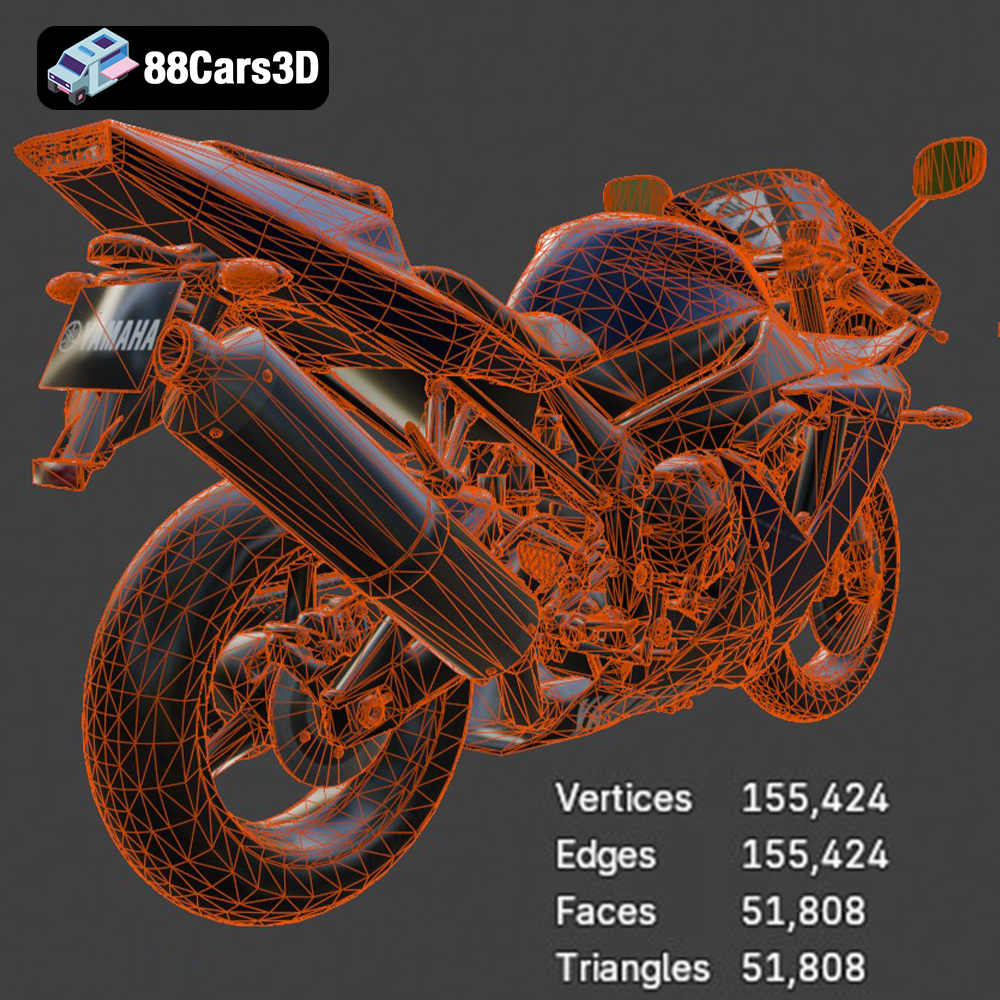
When working in industry-standard software like Autodesk 3ds Max, combined with powerful renderers such as V-Ray or Corona Renderer, the quality of your source model dictates the final output. The Yamaha R1 3D model, provided in an editable .max format, allows for complete control. Its optimized mesh, approximately 180,000 triangles, is detailed enough for extreme close-ups without being overly heavy for rendering. Artists can leverage V-Ray’s physically-based materials or Corona’s intuitive material system to recreate the R1’s various surfaces—the metallic gleam of the frame, the subtle texture of the tires, the reflective properties of the fairings, and the intricate details of the engine block. The model’s real-world scale accuracy ensures that lighting and camera setups behave as they would with a physical object, leading to more believable results. Setting up complex light rigs—from HDRIs for environmental lighting to targeted area lights for highlighting specific features like the iconic LED headlights or the precision-modeled titanium-style exhaust system—becomes a straightforward process when starting with such a well-prepared asset.
Brand visualization demands not just realism, but also aesthetic appeal that highlights a product’s best features. The Yamaha R1 3D model excels here, offering customization options to tailor its appearance. Imagine presenting the R1 in various factory colors, experimenting with matte, gloss, or metallic finishes, or even custom liveries to match a specific brand identity. In a virtual studio environment, careful placement of key lights, fill lights, and rim lights can sculpt the R1’s aggressive lines and muscular form, emphasizing its Deltabox frame geometry and proportions. Material adjustments, such as modifying tire textures for off-road versus street variants, allow for scenario-specific presentations. This flexibility, coupled with the model’s inherent detail, makes it perfect for high-end cinematic renders, product launches, or interactive configurators where clients can explore every angle and customization option.
The choice of a 3D model file format can significantly impact your workflow, compatibility, and the final application of your asset. The Yamaha R1 3D model thoughtfully includes a comprehensive suite of formats, ensuring its adaptability across virtually any professional pipeline. Understanding each of these is crucial for maximizing efficiency and achieving your project goals.
The .blend format is native to Blender, the powerful open-source 3D creation suite. When you download the Yamaha R1 in .blend format, you’re getting a fully editable Blender scene, complete with materials, textures, and potentially lighting setups. This is the ideal choice for users deeply entrenched in the Blender ecosystem, offering the most comprehensive access to the model’s underlying structure. Artists can easily modify geometry, adjust UVs, fine-tune shaders, set up complex animations, or even sculpt additional details directly within Blender. It’s perfect for detailed customization, re-texturing, or integrating the R1 into existing Blender projects with minimal effort, maintaining all scene data and relationships.
.fbx (Filmbox) is arguably the most prevalent interchange format in the 3D industry, particularly for game development and real-time applications like Unreal Engine and Unity. It efficiently bundles geometry, materials, textures, animations, and skeletal data into a single file. The Yamaha R1’s .fbx export is optimized for this purpose, ensuring clean mesh data and proper pivot setups for features like steering, wheel rotation, and suspension travel. This makes it a direct drag-and-drop solution for game developers. The .unreal format takes this a step further, providing an engine-ready asset specifically packaged for Unreal Engine. This might include pre-configured materials, collision meshes, or even basic blueprints, significantly accelerating the integration process for real-time environments. Finally, .glb (GL Transmission Format Binary) is gaining immense traction for web-based 3D, AR, and VR experiences. It’s a binary version of glTF, bundling all necessary assets (model, textures, animations) into a single, compact file, optimized for fast loading and display in browsers or mobile AR applications. For developers creating virtual showrooms or mobile configurators for the Yamaha R1, .glb is an excellent choice due to its efficiency and broad support across modern platforms.
.obj (Wavefront OBJ) is a universal, widely supported format known for its simplicity and robustness. It primarily stores geometric data (vertices, faces, normals, UV coordinates) and can reference external .mtl (material) files for basic material properties. While it doesn’t store animation or skeletal data, its ubiquity makes it an excellent choice for cross-software compatibility. If you need to import the Yamaha R1 into niche 3D applications or older software, .obj is often the safest bet. .ply (Polygon File Format) is another precision mesh format, often used for storing 3D scanner data or for applications requiring high geometric accuracy, such as CAD or analysis. It can store various properties like color, transparency, and normals per vertex or face. For technical analysis or specialized engineering visualizations of the R1, .ply offers a precise representation. Lastly, .max is the native file format for Autodesk 3ds Max. As mentioned, this provides the most comprehensive access to the original project file within 3ds Max, including scene hierarchy, modifiers, cameras, lights, and rendering settings. It’s invaluable for artists whose primary workflow revolves around 3ds Max for complex animation, rigging, or high-end rendering projects.
The .stl (Stereolithography) format is the industry standard for 3D printing. It represents a 3D model as a series of connected triangles (a tessellated surface) without any color or texture information. For hobbyists or professionals looking to produce a physical replica of the Yamaha R1, the .stl file is essential. The model’s optimized geometry ensures a clean, watertight mesh suitable for conversion to G-code for 3D printers. The provision of specific 3D print settings further guides users in achieving successful physical outputs, from recommended scales and layer heights to support requirements and post-processing tips.
By offering this diverse range of formats, the Yamaha R1 3D model ensures that artists, developers, and engineers can seamlessly integrate this high-quality asset into their preferred tools and workflows, making it a truly versatile and future-proof investment for any project. You can find this comprehensive package and more high-quality 3D car models (and motorcycles!) on 88cars3d.com.
The demands of game development are unique, balancing visual fidelity with performance constraints. A game-ready asset must be optimized, efficient, and versatile. The Yamaha R1 3D model is specifically engineered to meet these rigorous requirements, making it an ideal candidate for next-gen racing titles, open-world adventures, and immersive simulation games.
With approximately 180,000 triangles, the Yamaha R1 strikes an excellent balance for real-time engines like Unreal Engine and Unity. This polycount is detailed enough to appear visually stunning in high-definition environments while remaining performant enough to be replicated multiple times in a scene without significant frame rate drops. When imported into Unreal Engine, for instance, the .fbx or even the dedicated .unreal format allows for quick setup. Developers can leverage Unreal’s material editor to create realistic shaders for the metallic frame, glossy fairings, and rubber tires, utilizing PBR (Physically Based Rendering) workflows for consistent lighting across diverse environments. The model’s proper pivot setup for steering, wheel rotation, and suspension travel is crucial for animation rigging, enabling dynamic and realistic vehicle physics. Similarly, in Unity, the model’s clean mesh facilitates efficient batching and instancing, vital for large-scale open-world games. Collision meshes can be automatically generated or custom-crafted to ensure accurate interaction with the game world, enhancing the player’s driving experience.
A static model, no matter how detailed, isn’t enough for a dynamic game. The Yamaha R1 3D model is designed with animation in mind. Its separate wheels, suspension, and steering components allow for independent rigging, a fundamental step for creating realistic in-game physics and animations. Imagine the wheels rotating authentically, the suspension compressing over bumps, and the handlebars turning with rider input. For first-person POV in gaming, the cockpit and interior features—including the detailed clip-on handlebars, high-resolution digital TFT instrument cluster representation, and precision-modeled rearset footpegs—are optimized for close-up viewing, enhancing player immersion. Game developers can rig the model to a physics system, allowing players to experience the R1’s superbike handling characteristics, from high-speed cornering to aggressive acceleration, all brought to life by the model’s accurate geometry and separated components.
The versatility of a premium 3D asset extends far beyond traditional rendering and gaming. The Yamaha R1 3D model is uniquely positioned to bridge the gap between digital and physical realms, empowering experiences in augmented reality (AR), virtual reality (VR), and even tangible 3D prints.
AR/VR applications demand optimized assets that render smoothly in real-time, often on less powerful mobile hardware for AR or specialized headsets for VR. The Yamaha R1’s game-ready polycount (~180,000 triangles) and its availability in .glb format make it an outstanding choice for these platforms. Developers can create immersive virtual showrooms where potential buyers can walk around, examine every detail of the R1, change body colors, or even sit virtually on the bike, experiencing its ergonomic track-focused rider saddle. In an augmented reality configurator, users could place a life-size R1 on their driveway, experimenting with different material finishes—matte, gloss, metallic—or modifying tire textures with a simple tap on their smartphone screen. The model’s real-world scale accuracy is critical here, ensuring a believable sense of presence whether viewed through a headset or superimposed onto the real world via a mobile device. This interactive potential transforms a static product image into a dynamic, engaging experience, perfect for brand visualization and next-gen marketing.
For enthusiasts and collectors, the desire to hold a physical representation of their favorite superbike is strong. The Yamaha R1 3D model caters directly to this with its inclusion of an .stl file and detailed 3D print settings. Converting a complex digital model into a successful physical print requires careful consideration, and the provided guidelines are invaluable. Recommending resin printing for fine details, for instance, acknowledges the intricate nature of the R1’s engine block, suspension assembly, and exhaust system. Specific advice on layer height (0.04–0.12 mm), wall thickness (1.2–2.0 mm), infill (20–30%), and the necessity of supports for delicate parts ensures structural integrity and detail preservation. The suggestion to print the frame angled and wheels separately further optimizes the printing process, minimizing warping and maximizing quality. Post-processing recommendations—sanding, primer, and authentic factory colors with metallic finishes—guide hobbyists towards achieving a museum-quality display model of the iconic R1. This capability to transition from a digital asset to a tangible object showcases the comprehensive utility of this 3D motorcycle model.
Behind every high-quality 3D asset lies a meticulous process of technical craftsmanship. The Yamaha R1 3D model is a testament to this, blending artistic precision with engineering considerations to deliver a product that is both beautiful and functional across diverse professional applications.
The “game-ready” label isn’t just a marketing term; it speaks to the underlying technical excellence of the model. With approximately 180,000 triangles, the topology is highly optimized, ensuring clean edge flow and efficient mesh deformation when animated. This ‘clean mesh structure’ is crucial for professional workflows, preventing artifacts during rendering and simplifying UV mapping for texture artists. The model boasts detailed textures that capture the various material qualities of the R1, from the aggressive twin-eye LED headlights to the sleek muffler and lightweight magnesium-style multi-spoke wheels. Furthermore, the model’s real-world scale accuracy, based on the actual vehicle chassis, is fundamental. It ensures that proportions are correct, allowing for accurate lighting simulations, camera lens effects, and seamless integration into scenes where other real-world scale objects are present. This attention to detail extends to functional components like the highly detailed inverted front fork suspension and rear monoshock assembly, which are not just visually present but modeled with a precision that allows for realistic movement.
One of the most significant advantages of a well-constructed 3D asset like the Yamaha R1 model is its inherent versatility. The ability to easily change body and tank colors—whether to replicate factory finishes, explore custom paint jobs, or match specific branding—provides immense creative freedom. Artists can adapt material finishes, experimenting with matte, gloss, or metallic looks to suit different moods or presentation styles. Modifying tire textures, perhaps switching between high-grip track tires and street variants, allows for scenario-specific storytelling. Moreover, adapting lighting for different environments is a core strength; the clean geometry and well-defined materials respond realistically to various lighting setups, from bright outdoor scenes to moody studio vignettes. This level of customization ensures that the Yamaha R1 3D model is not a one-off solution but a foundational asset that can be iteratively adapted for a multitude of projects, reinforcing its value as a premier 3D motorcycle model.
The digital realm offers unprecedented opportunities for artists, designers, and developers to bring their visions to life, and the quality of their assets forms the bedrock of their success. The Yamaha R1 3D Model stands out as an exceptional example of a meticulously crafted, highly optimized, and incredibly versatile asset. From stunning automotive rendering and immersive game development to groundbreaking AR/VR experiences and even tangible 3D prints, this model provides the foundation for excellence.
Its precise geometry, game-ready optimization, comprehensive file format support, and thoughtful attention to real-world detail make it an indispensable tool for professionals across various industries. Whether you’re aiming for photorealistic cinematic renders in 3ds Max, building a high-octane racing simulator in Unreal Engine, or crafting an interactive virtual showroom, the Yamaha R1 3D model delivers unparalleled performance and visual fidelity. It truly captures the essence of the legendary superbike, allowing you to focus on creativity while resting assured of technical robustness.
To elevate your next project with this top-tier 3D motorcycle model and explore a vast collection of other high-quality automotive 3D models, visit 88cars3d.com. The Yamaha R1 3D Model is ready to accelerate your creative journey.
Experience the thrill of the track with this meticulously crafted 3D model of the legendary Yamaha R1. Known for its superbike heritage and uncompromising performance, the R1 features aggressive aerodynamic styling, a commanding Deltabox frame, and the iconic 998cc inline-4 crossplane engine. This model perfectly captures the essence of the real-world machine, highlighting key visual elements like the distinctive twin-eye LED headlights, dynamic fairing vents, and a high-performance exhaust system. Engineered with exceptional attention to detail, this 3D model boasts a highly optimized topology of approximately 180,000 triangles, making it fully game-ready without sacrificing visual fidelity. The clean mesh structure and detailed textures ensure seamless integration into real-time rendering engines and complex animation pipelines. Whether you are developing a high-speed racing simulation, an immersive virtual showroom, or a high-end cinematic render, this asset delivers unparalleled realism and performance. Perfect for next-gen racing games, mobile AR configurators, brand visualizations, and high-fidelity studio rendering.
$19.99
.blend
.fbx
.glb
.max
.motorcycle
.obj
.ply
.rendering
.sportbike
.stl
.superbike
.unreal
.yamaha
game asset
game-ready
low-poly
motorcycle-3d-model
optimized
r1
VR/AR
yamaha-r1