Get 20% OFF All Premium 3D & STL Models!

In the realm of digital content creation, the fusion of breathtaking design and technical precision is paramount. Automotive visualization, game development, and AR/VR experiences demand assets that not only captivate visually but also perform flawlessly across diverse platforms. Few vehicles embody this confluence of luxury and futuristic vision quite like the Mercedes-Maybach Vision 6. Originally conceived as a stunning electric concept car, its physical grandeur has now been meticulously translated into a versatile digital asset.
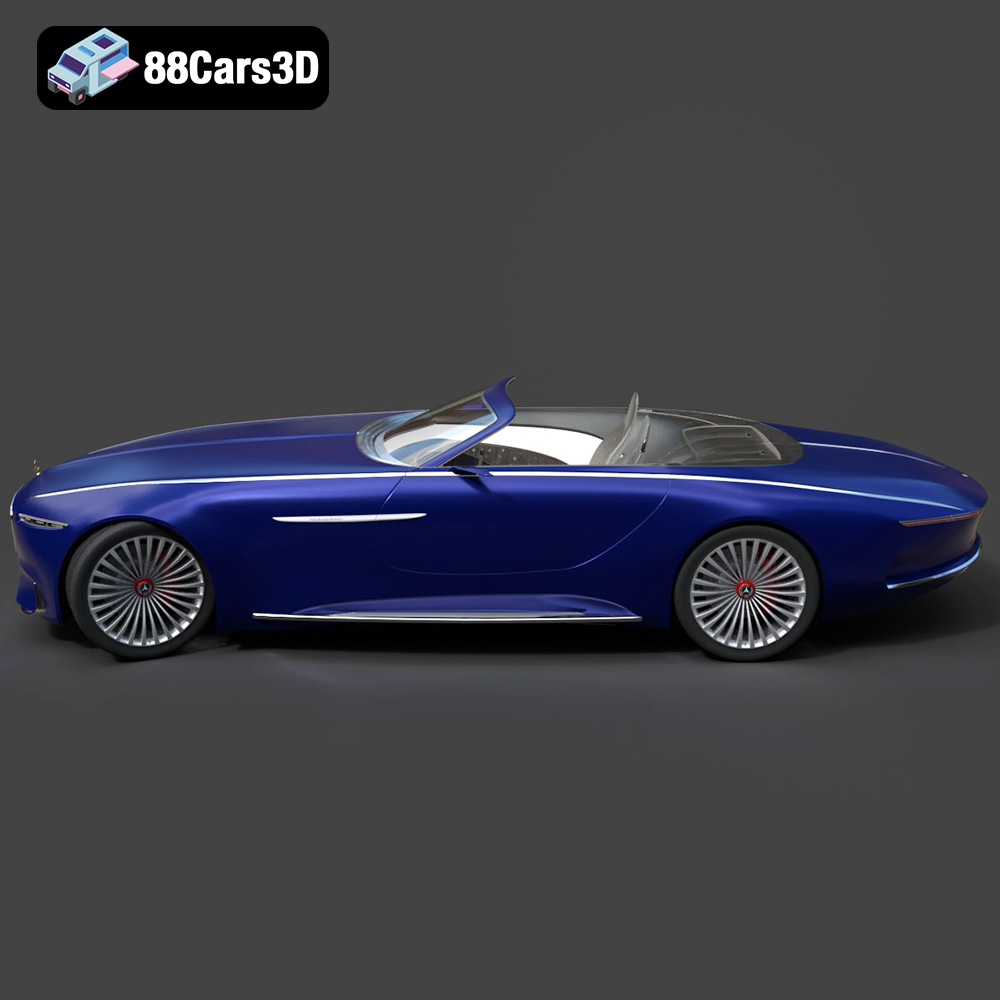
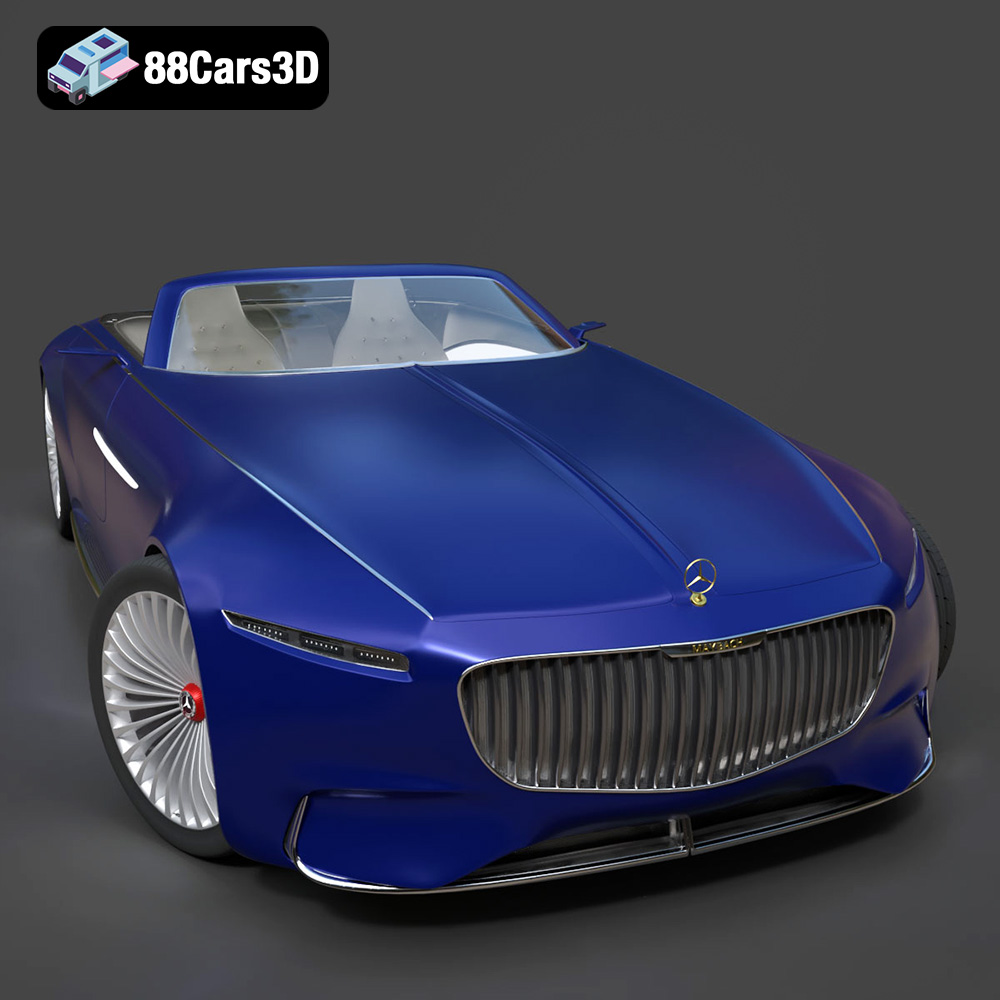
The Mercedes-Maybach Vision 6 2018 is a masterclass in automotive aesthetics, paying a glorious homage to the aero coupes of yesteryear while boldly gazing into the future. Its digital counterpart, available on 88cars3d.com, encapsulates every dramatic proportion, from the massively elongated hood and sweeping low roofline to the iconic vertical strut grille. This 3D model is not merely a static representation; it’s a dynamic tool engineered for demanding professional workflows, delivering a perfect balance between high visual fidelity and game-ready performance.
Whether your goal is to populate a next-generation racing game, build an interactive luxury showroom in augmented reality, or produce cinematic animations that push the boundaries of realism, this comprehensive 3D car model provides pristine detailing without compromising rendering speeds. Let’s embark on a technical journey to explore how this exceptional asset empowers creators across various industries.
Translating a visionary concept car like the Mercedes-Maybach Vision 6 into a high-quality 3D model is an intricate process that demands both artistic sensibility and technical mastery. The aim is to preserve the original design intent while optimizing the model for various digital applications. This particular 3D car model excels in this delicate balance, making it an invaluable asset for anyone involved in automotive rendering or game asset development.
The Mercedes-Maybach Vision 6 draws heavily on the timeless elegance of classic aero coupes, reinterpreting them with a distinctly modern, electric twist. The elongated silhouette, the streamlined rear, and the dramatic proportions all speak to a legacy of automotive artistry. In its 3D form, this heritage is meticulously preserved. Artists leveraging this model can appreciate the accurate geometry that defines its sweeping lines, its aerodynamic boat-tail rear design with a split rear window, and the pronounced wheel arches framing massive 24-inch aerodynamically optimized wheels. These details are crucial for authenticity, allowing creators to convey the same sense of grandeur and historical reverence found in the real-world concept.
Beyond the overarching design, the value of a premium 3D car model lies in its intricate details. This Mercedes-Maybach Vision 6 3D model boasts an array of meticulously crafted features. The iconic vertical strut front grille, inspired by a pinstriped suit, is rendered with precision, as are the ultra-narrow LED headlight and taillight strips that contribute to its futuristic aesthetic. Crucially, the model includes accurate gullwing door geometry, set up for easy animation, and separate components for the wheels, suspension, and steering. This modularity is a critical technical advantage, empowering animators and developers to bring the vehicle to life with realistic movement and interaction, whether for a cinematic sequence or real-time gameplay. The attention to detail extends to the tires, ensuring every aspect contributes to the model’s high visual fidelity.
The versatility of a 3D car model is significantly enhanced by the range of file formats it supports. Each format is designed with specific use cases, compatibility, and technical advantages in mind. The Mercedes-Maybach Vision 6 2018 3D Model, available on 88cars3d.com, offers an impressive array of formats, ensuring seamless integration into virtually any professional workflow. Understanding these formats is crucial for optimizing your project and leveraging the full potential of your 3D assets.
The availability of such a diverse array of formats for the Mercedes-Maybach Vision 6 2018 3D Model underscores its adaptability and value, ensuring that no matter your software or project requirements, you have an optimized solution at hand.
The demands of real-time environments, particularly in game development and interactive AR/VR experiences, are unique. Assets must be visually stunning yet incredibly efficient. The Mercedes-Maybach Vision 6 2018 3D Model has been engineered precisely with these requirements in mind, making it an ideal choice for next-gen projects. Its optimized topology and careful preparation ensure it performs seamlessly, whether driving through an open-world game or being explored in a virtual showroom.
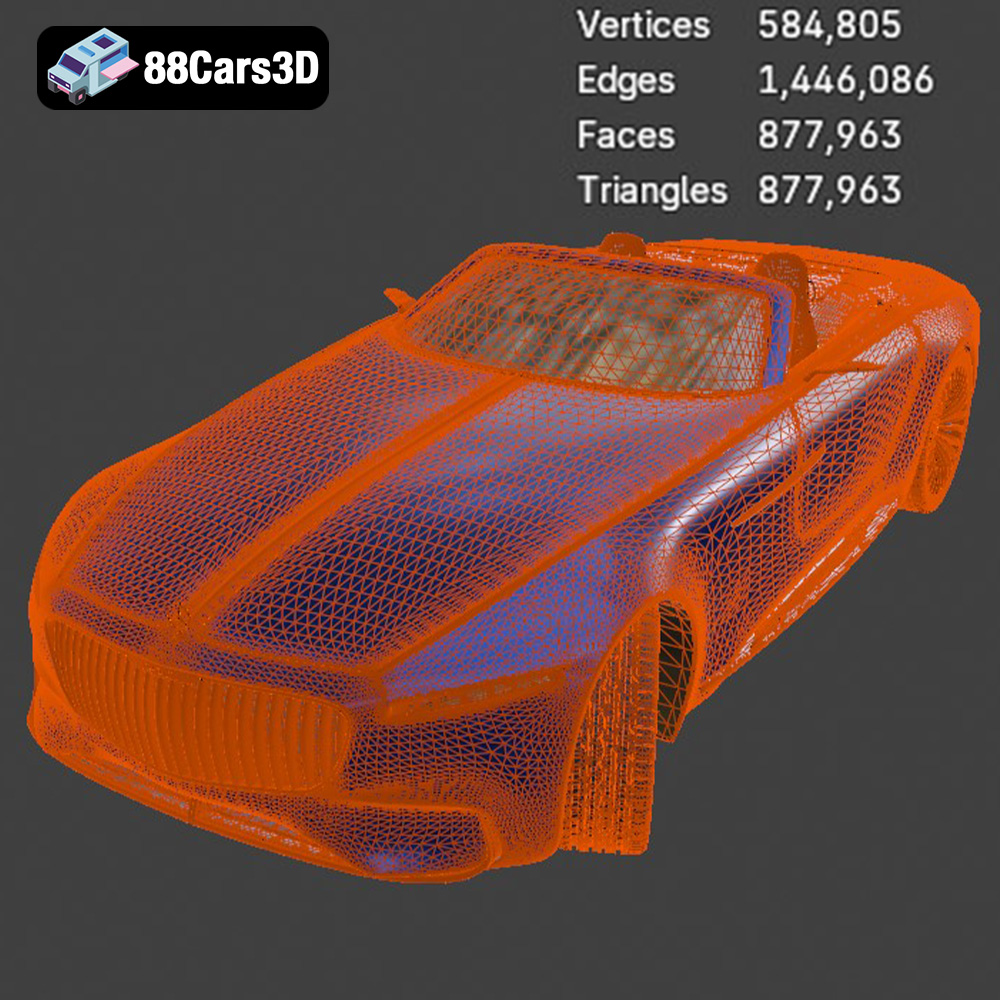
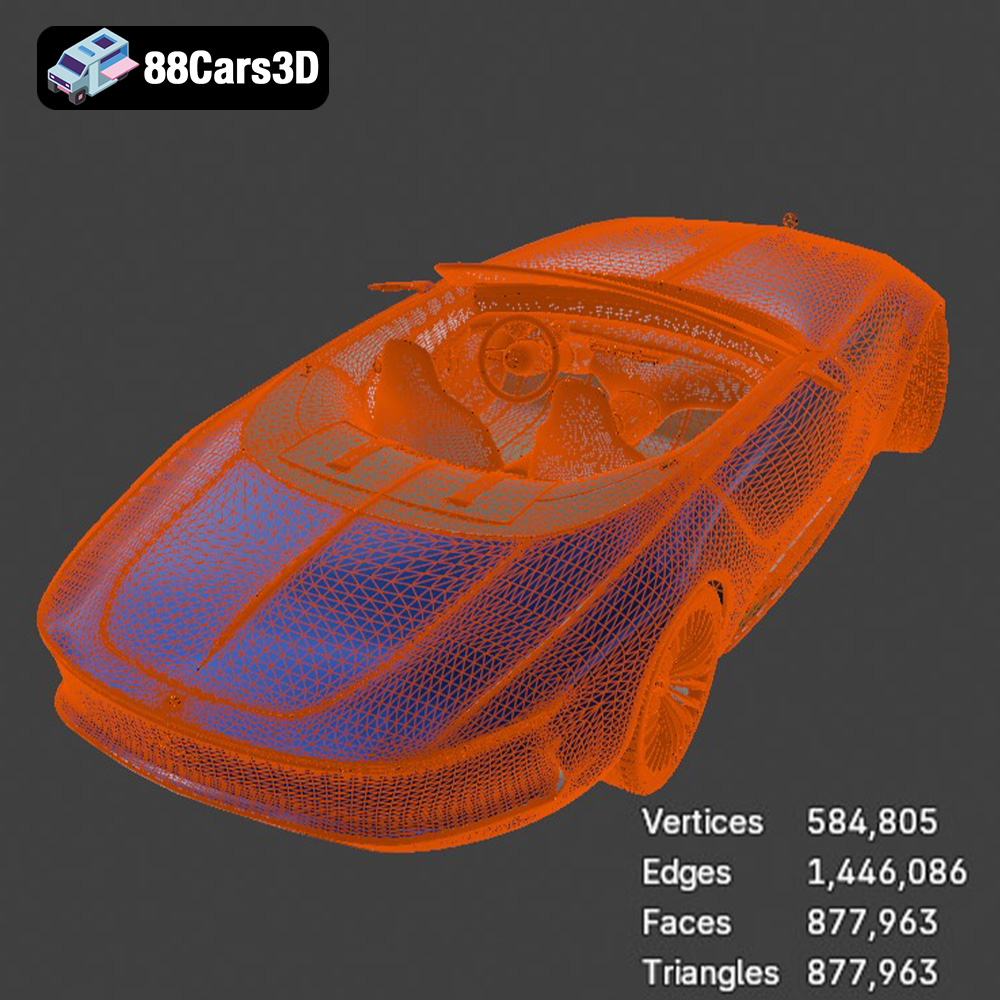
A critical technical specification for any game asset is its polycount. The Mercedes-Maybach Vision 6 3D model boasts an optimized topology with approximately 250,000 triangles. This figure represents a sweet spot: it’s high enough to maintain an exceptional level of visual realism, capturing the sleek curves and sharp details of the concept car, yet low enough to ensure efficient rendering in real-time engines like Unreal Engine and Unity. This careful optimization means developers can integrate the model without significantly impacting frame rates, a common challenge with high-fidelity 3D car models. It allows for rich, detailed visuals without sacrificing the smooth, responsive experience crucial for immersive gameplay and interactive applications.
Beyond static beauty, the ability to animate a vehicle realistically is paramount for games and interactive simulations. This 3D model delivers on this front with proper pivot setups for key animated components. The wheels are ready for rotation, the suspension components are separated for realistic travel and bounce, and the iconic gullwing doors are structured for easy animation. This attention to mechanical detail saves countless hours of setup time for animators and technical artists. For game developers, this means faster integration of driveable vehicles; for AR/VR experiences, it allows for engaging interactions, such as opening doors to explore the luxurious interior, enhancing immersion and user engagement.
Imagine a high-end virtual showroom where potential clients can explore the Mercedes-Maybach Vision 6 in exquisite detail from the comfort of their homes. Using Unreal Engine, a developer could leverage the .unreal or .fbx version of this 3D model. The optimized polycount ensures smooth navigation through a beautifully lit virtual environment. Thanks to the accurate geometry and separate animated parts, users could virtually “walk around” the car, inspect its unique grille, open the gullwing doors, and even rotate the wheels. The model’s interior features, including the 360-degree lounge-like design, futuristic minimalist steering wheel, and continuous digital display, are optimized for first-person POV, making it perfect for an immersive interior exploration. Advanced materials, which can be easily adapted within Unreal, would highlight the car’s luxurious finishes and transparent elements, creating a truly compelling and interactive brand experience. This scenario perfectly illustrates the model’s suitability for high-end AR/VR visualization and marketing.
While game-ready optimization is a significant advantage, the Mercedes-Maybach Vision 6 2018 3D Model is equally adept at producing stunning, photorealistic renders for advertising, film, and architectural visualization. For projects where absolute visual fidelity and dramatic presentation are key, this model provides the necessary foundation.
Achieving cinematic realism requires not only an accurate mesh but also sophisticated material and lighting setups. The high-quality geometry of the Vision 6 model is an excellent starting point for applying advanced PBR materials within renderers like V-Ray, Corona, Arnold, or Cycles. Users can easily define metallic flake paints, reflective chrome elements, transparent glass for the wheels and windows, and the unique fiber optic styling of the interior’s transparent center tunnel. The capability to adjust material finishes—from matte to gloss to metallic—allows for precise control over the car’s aesthetic, ensuring it perfectly matches the desired mood and brand identity of a render. This level of detail makes the model from 88cars3d.com a powerful tool for professional automotive rendering artists.
For brand campaigns and lifestyle renders, the Mercedes-Maybach Vision 6 3D model offers extensive customization options. Artists can easily change body colors to match specific branding palettes or explore custom concept finishes. Modifying tire textures and adjusting wheel transparencies allows for diverse visual expressions, from sleek and understated to bold and futuristic. Furthermore, the interior fiber-optic lighting can be adapted to create different ambiances, perfectly complementing various environmental settings, from a sun-drenched coastal road to a neon-lit urban landscape. These customization capabilities ensure that the model can be seamlessly integrated into a wide range of marketing visuals, making it a versatile asset for any agency or in-house design team looking to create compelling automotive content.
Beyond purely digital applications, the Mercedes-Maybach Vision 6 2018 3D Model also bridges the gap into the physical world through 3D printing. The availability of an .stl format opens up exciting possibilities for hobbyists, collectors, and design professionals to create tangible replicas of this extraordinary concept car. This feature adds another layer of versatility to the 3D car model, enabling users to experience its design in a new, tactile way.
Converting a complex digital asset like the Vision 6 into a print-ready model requires careful consideration of scaling, wall thickness, and structural integrity. The provided 3D print settings offer excellent guidance: recommended scales (1:12, 1:18, 1:24) cater to different display preferences, while layer height suggestions (0.04–0.12 mm) emphasize the need for fine detail, especially for resin printing. Critical parameters like wall thickness (1.2–2.0 mm) and infill (20–30%) are specified to ensure the print is robust yet material-efficient. Furthermore, the necessity for supports for delicate parts like mirrors, the steering wheel, and aero elements highlights the intricate nature of the design. Strategic print orientation, such as printing the frame angled and wheels separately, is also crucial for maximizing structural integrity and print quality. These detailed instructions streamline the 3D printing workflow, making it accessible even for those with moderate 3D printing experience.
Printing is only the first step in creating a high-quality physical model. The guide also touches upon essential post-processing techniques, including sanding, priming, and applying authentic factory colors with metallic finishes. These steps are vital for achieving a smooth, professional-grade surface that accurately reflects the luxury and finish of the original concept car. By carefully following these recommendations, users can transform the raw 3D print into a collector-quality replica that proudly showcases the Mercedes-Maybach Vision 6’s iconic design. This hands-on approach offers a unique way to engage with the 3D car model, providing a tangible output for personal collections or presentation purposes.
The true value of a premium 3D asset lies not just in its initial quality but also in its adaptability and ease of use across various professional workflows. The Mercedes-Maybach Vision 6 2018 3D Model from 88cars3d.com is designed to be a flexible foundation, empowering creators with extensive customization options and seamless integration capabilities.
The ability to customize a 3D car model is paramount for artists and designers who need to tailor assets to specific project requirements or creative visions. This stunning Vision 6 model offers a wealth of customization options:
These options ensure that the Mercedes-Maybach Vision 6 3D model can be endlessly reinterpreted, making it suitable for a diverse range of projects without requiring extensive re-modeling efforts.
The comprehensive range of included file formats (.blend, .fbx, .obj, .glb, .stl, .ply, .unreal, .max) is a testament to the model’s commitment to broad compatibility. This means that whether you are working in 3ds Max for architectural visualization, Blender for independent animation, Unreal Engine for game development, or need to export for AR/VR platforms, the Mercedes-Maybach Vision 6 2018 3D Model integrates effortlessly. This cross-platform support significantly reduces pipeline friction, allowing artists and developers to focus on creativity rather than wrestling with conversion issues. The optimization and detailed pivot setups ensure that the asset is not just compatible but truly functional, ready to be animated, rendered, or deployed immediately.
The Mercedes-Maybach Vision 6 2018 is more than just a concept car; it’s a statement of automotive luxury and future-forward design. Its digital counterpart, meticulously crafted and available on 88cars3d.com, translates this vision into a highly versatile, technically robust 3D model. From its optimized ~250,000 triangle count perfect for game development and AR/VR, to its animation-ready components and extensive customization options for cinematic rendering, this asset truly excels across the digital landscape.
Whether you are a game developer needing high-fidelity game assets, an automotive designer requiring detailed models for visualization, or an enthusiast looking to 3D print a stunning replica, the Mercedes-Maybach Vision 6 2018 3D Model offers unparalleled quality and flexibility. Its comprehensive file format support ensures seamless integration into virtually any professional workflow, making it an indispensable tool for creators aiming for digital excellence. Explore this exceptional 3D car model today and elevate your projects to the next level of realism and immersion.
The Mercedes-Maybach Vision 6 2018 is a breathtaking electric concept car that pays a stunning homage to the glorious age of the aero coupes. It features dramatic, extreme proportions with a massively elongated hood, a sweeping low roofline, and an iconic vertical strut grille inspired by a pinstriped suit. Key visual elements include the striking gullwing doors, ultra-slim LED headlights, an aerodynamic boat-tail rear design, and massive 24-inch transparent aerodynamically optimized wheels. This 3D model boasts exceptional quality with optimized topology (approximately 250,000 triangles), delivering a perfect balance between high visual fidelity and game-ready performance. Whether you are developing a next-gen racing game, creating an interactive AR/VR luxury showroom, or producing cinematic animations, this model provides pristine detailing without compromising rendering speeds. Perfect for luxury car showcases, cinematic rendering, futuristic game environments, and high-end VR configurators.
$39.99
.2018
.blend
.fbx
.glb
.max
.obj
.ply
.rendering
.stl
.unreal
car-3d-model
concept-car
game asset
game-ready
low-poly
luxury car
mercedes-maybach
optimized
vision-6
VR/AR