Get 20% OFF All Premium 3D & STL Models!

In the dynamic realm of 3D modeling, where imagination meets technical precision, the demand for high-quality, meticulously crafted assets is ever-growing. From powering the next generation of immersive video games to creating breathtaking architectural visualizations and advanced automotive configurators, 3D models serve as the fundamental building blocks. Among the most sought-after assets are 3D car models, which require an exceptional blend of artistic flair and technical expertise to accurately capture the intricate details of their real-world counterparts. Today, we delve into the sophisticated process behind creating such assets, focusing on a prime example: the Lexus LS 500 2018 3D Model.
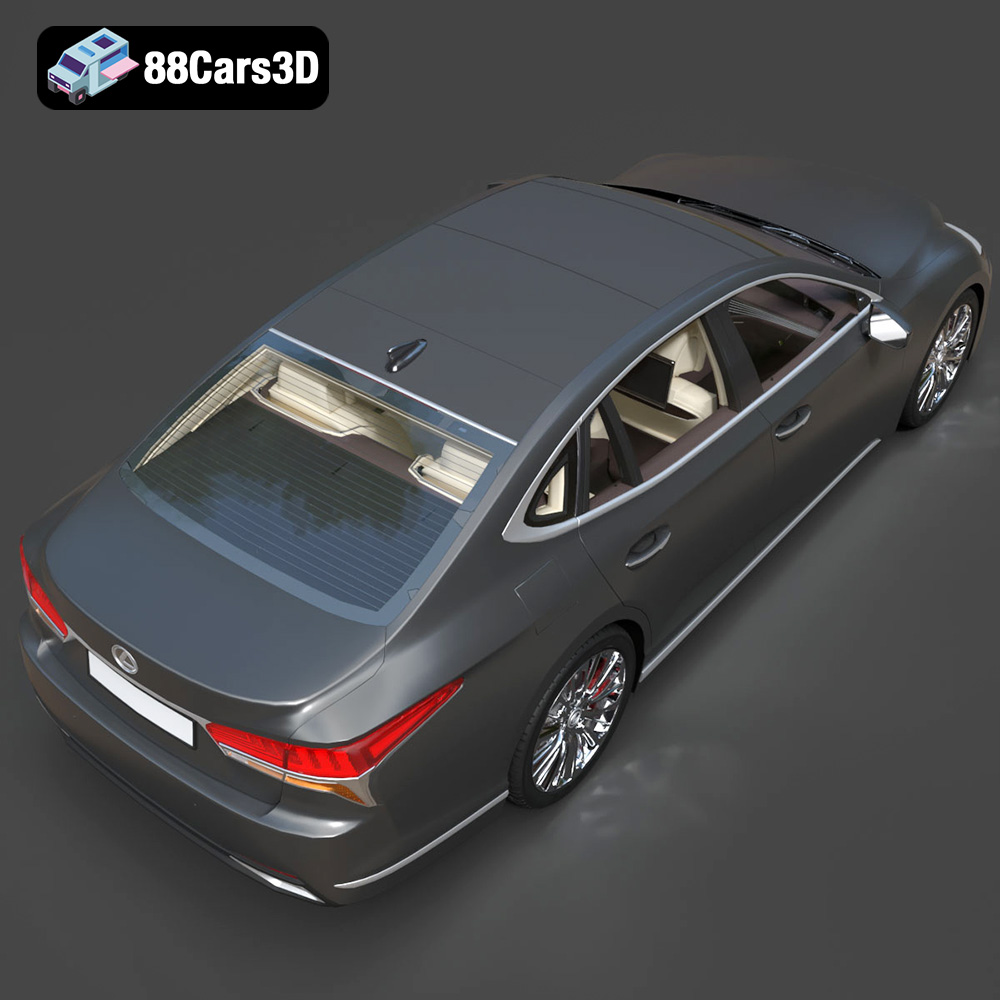
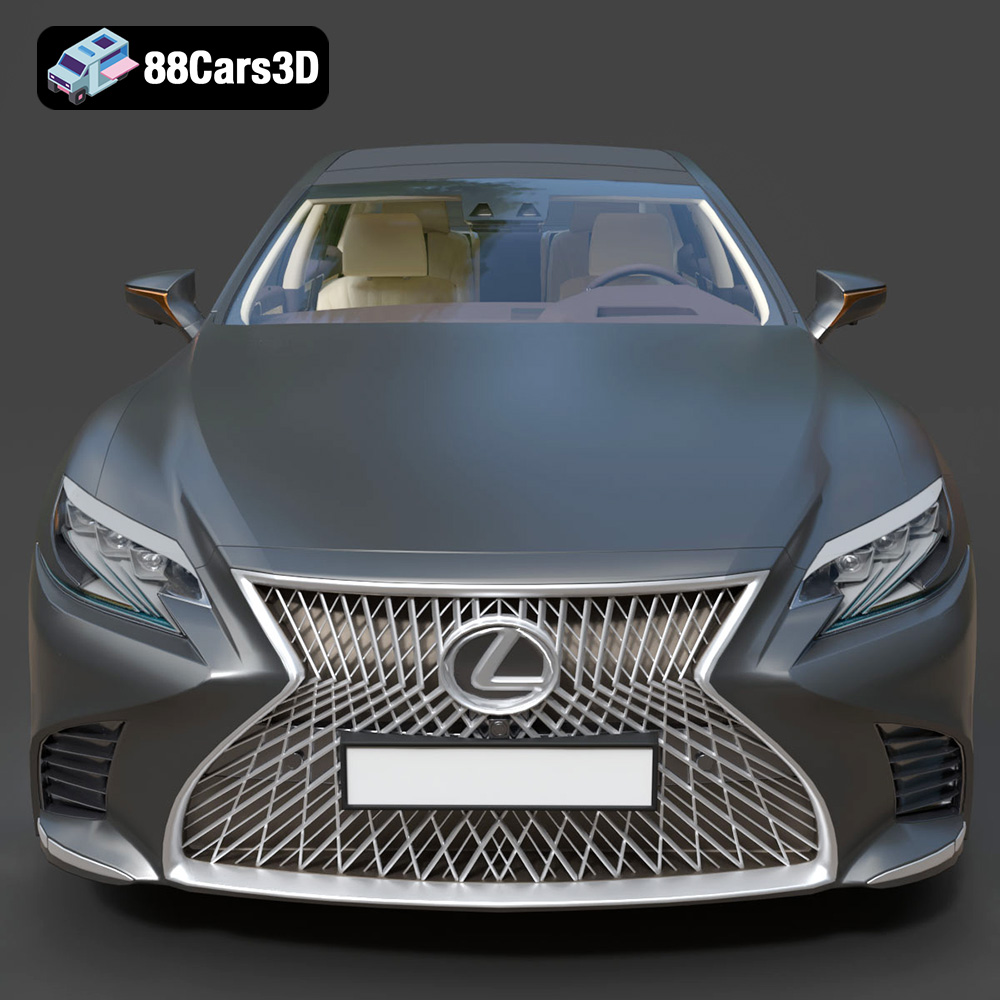
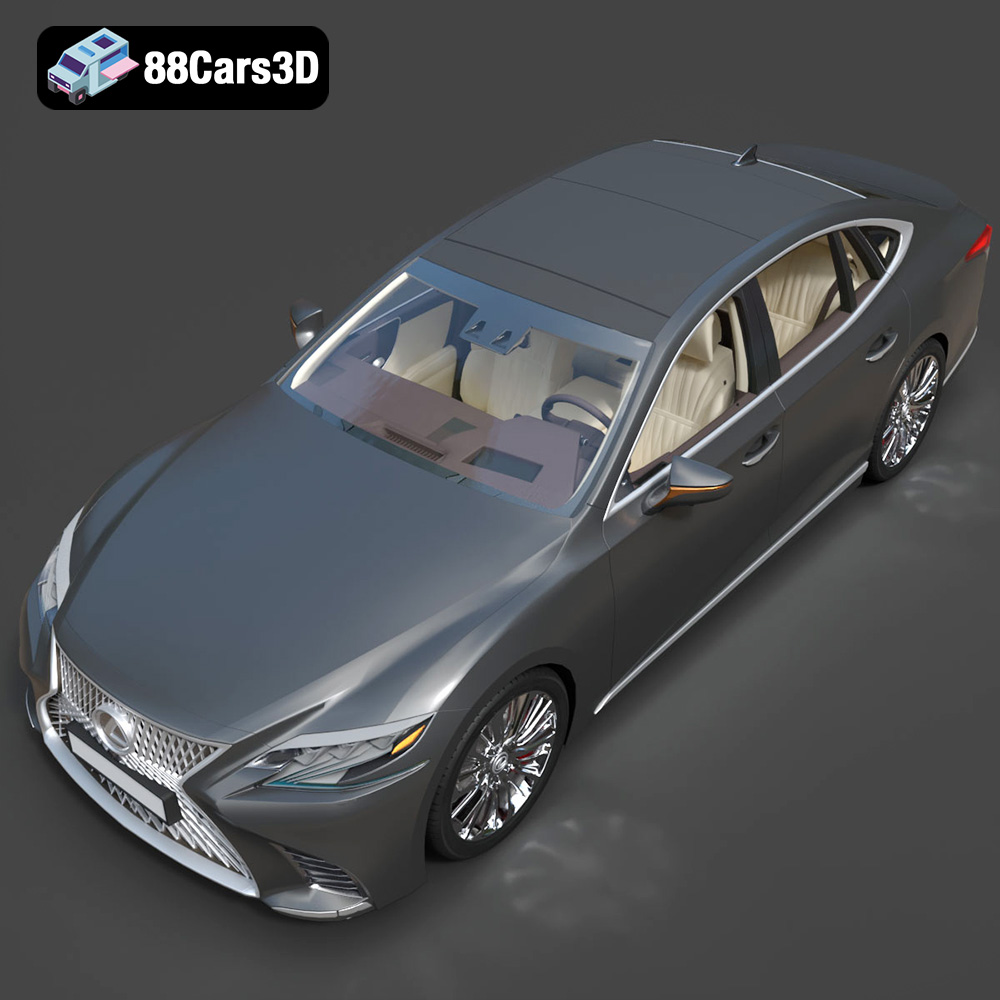
The 2018 Lexus LS 500 itself is a masterpiece of Japanese luxury, a vehicle renowned for its striking spindle grille, elegant coupe-like silhouette, and a driving experience defined by its potent twin-turbo V6 and whisper-quiet ride. Its aggressive yet refined styling, coupled with meticulous Takumi craftsmanship, makes it a captivating subject for digital recreation. Capturing this essence in a 3D model means translating every curve, every reflection, and every interior detail into a digital format that is both visually stunning and functionally optimized for diverse applications. The Lexus LS 500 2018 3D Model stands as a testament to this blend, designed not just for photorealistic automotive rendering but also as a highly efficient game asset, ready for integration into various professional pipelines.
Creating a truly premium 3D car model is an endeavor that fuses artistic vision with rigorous technical standards. It’s about more than just replicating a shape; it’s about understanding the design philosophy of the original vehicle and translating that into a digital form that performs flawlessly across different platforms.
The journey of a 3D car model like the Lexus LS 500 2018 begins long before any polygons are laid down. It starts with comprehensive research, gathering blueprints, high-resolution photographs, and detailed measurements of the actual vehicle. This foundational data ensures accuracy in scale and proportion. Modelers then use this information to build a precise base mesh in software like 3ds Max or Blender. For the Lexus LS 500, capturing its signature spindle grille, which is a complex geometric array, requires meticulous attention. Every vent, every panel gap, and the flowing lines of its coupe-like sedan proportions must be painstakingly recreated to maintain the car’s dynamic presence.
The modeling process typically involves techniques such as subdivision surface modeling, where a low-polygon base mesh is smoothed and refined, adding detail without excessively increasing polycount. Clean geometry, primarily composed of quads, is crucial for smooth deformations and ease of UV unwrapping. The Lexus LS 500 2018 3D Model, with its accurately modeled multi-link suspension components, detailed Z-shaped LED headlights, and integrated dual exhaust finishers, showcases this level of detail. Even components like the authentic 19-inch/20-inch alloy wheels with low-profile tires and detailed brake calipers are individually modeled and optimized.
Once the geometry is established, the next critical step is to apply textures and materials that bring the model to life. This is where physically based rendering (PBR) workflows become indispensable. PBR materials accurately simulate how light interacts with surfaces in the real world, accounting for properties like roughness, metallicness, and normal maps for fine surface details. For the Lexus LS 500, this means replicating the deep, reflective luster of its factory paint finishes, the subtle sheen of chrome detailing on the exhaust, and the luxurious texture of leather-trimmed seating with intricate quilting and stitching in the interior.
High-resolution textures are essential for conveying realism, especially for close-up shots or first-person perspectives in games. The digital instrument cluster and center infotainment display screen, along with the detailed steering wheel and center console controls, all benefit from crisp, detailed textures. Proper UV unwrapping ensures that these textures map seamlessly onto the 3D mesh without stretching or distortion. The goal is to achieve photorealistic results, making the digital model indistinguishable from its physical counterpart in the right rendering environment.
The utility and compatibility of a 3D model are heavily dependent on its file format. Different formats are optimized for specific purposes, workflows, and software. Understanding these distinctions is crucial for anyone working with 3D assets, whether for rendering, game development, AR/VR, or 3D printing. The Lexus LS 500 2018 3D Model, for instance, is offered in a comprehensive suite of formats, ensuring its versatility across virtually any professional application.
Here’s a detailed look at the key file formats provided and their typical use cases:
By providing the Lexus LS 500 2018 3D Model in such a diverse array of formats, 88cars3d.com ensures that creative professionals can seamlessly integrate this high-quality asset into their preferred workflows, maximizing its potential across rendering, game development, and interactive experiences.
The true mark of a professional 3D car model lies in its ability to deliver both stunning visuals and excellent performance. This balance is particularly crucial for real-time applications like video games and AR/VR experiences, where every polygon and texture byte counts.
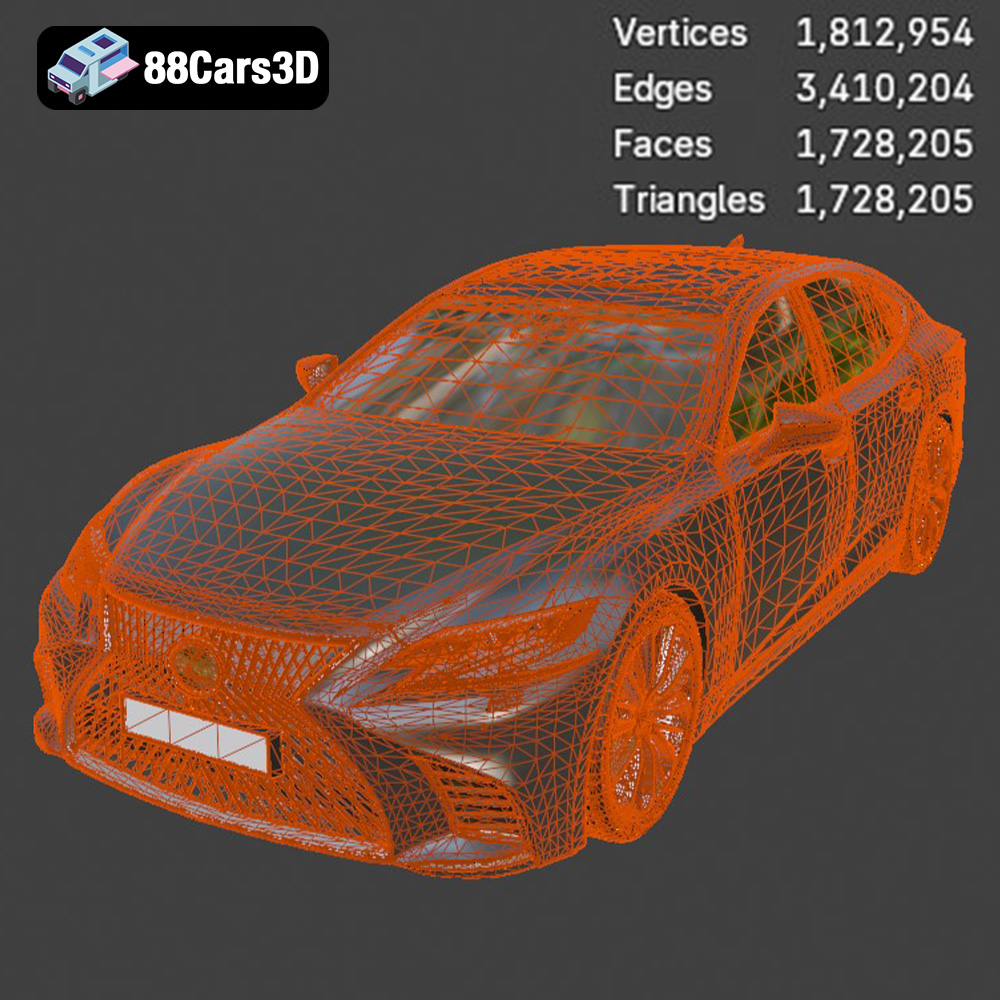
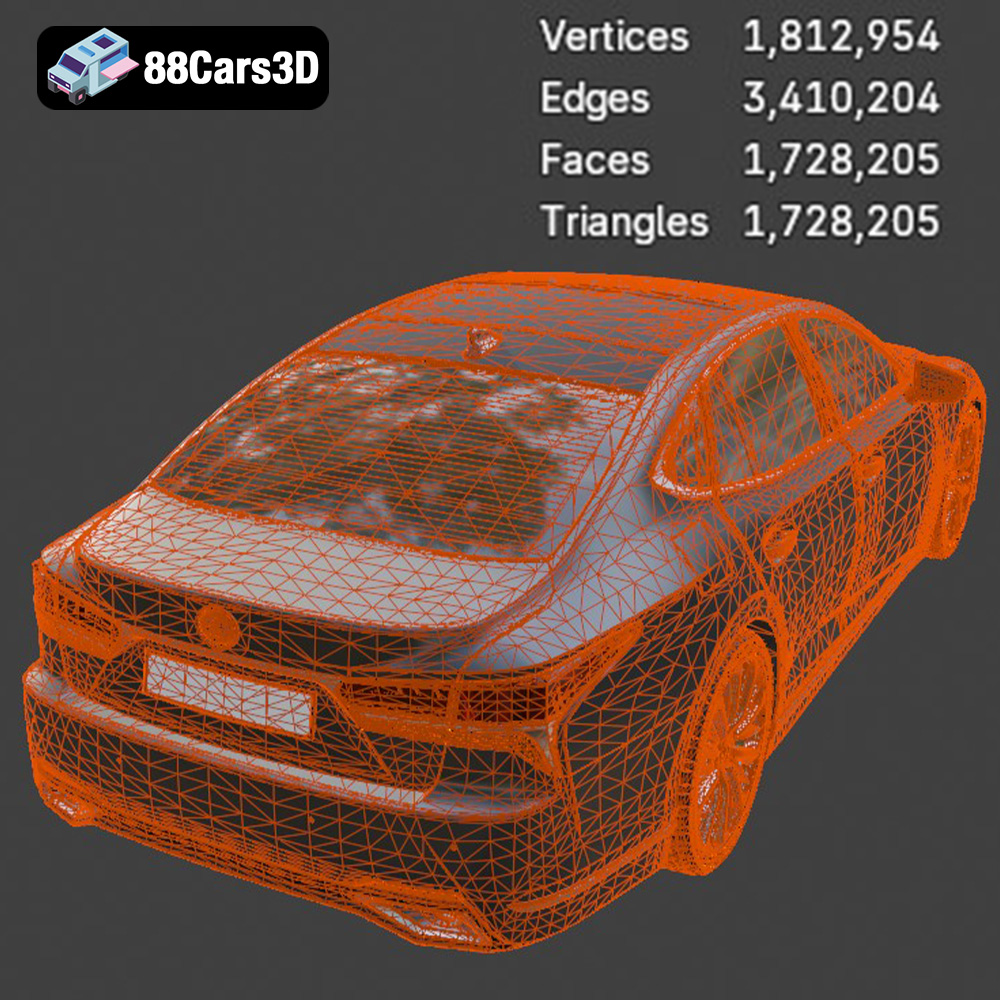
The Lexus LS 500 2018 3D Model strikes an impressive balance, boasting approximately 200,000 triangles. This polycount is considered “game-ready” because it’s high enough to capture the intricate details of a luxury vehicle – from the intricate grille patterns to the interior cockpit features and detailed brake calipers – without overwhelming a game engine’s rendering capabilities. Excessive polycount can lead to performance bottlenecks, especially on lower-end hardware or mobile devices. However, too few polygons result in a blocky, unrealistic appearance. The ~200,000 triangle count is a sweet spot, ensuring top-tier visual fidelity while maintaining smooth frame rates.
Beyond the sheer number of polygons, the quality of the topology is equally vital. Clean geometry, primarily composed of quads, allows for smooth subdivision and distortion, which is critical for realistic animations and rendering. The model’s optimized topology ensures that it maintains its elegant coupe-like silhouette and accurate frame geometry without exhibiting visual artifacts or performance drops.
For game assets, optimization goes beyond just polycount. A truly “game-ready” asset is designed for seamless integration and dynamic interaction within engines like Unreal Engine and Unity. The Lexus LS 500 2018 3D Model excels here with several key technical advantages:
The inclusion of an .unreal format option further streamlines the workflow for Unreal Engine users, indicating that the asset is likely pre-configured with materials and possibly even blueprints for common functionalities, ready to be dropped into a project.
While game development demands performance optimization, automotive rendering and visualization prioritize absolute visual fidelity, often pushing the boundaries of realism for marketing, architectural, and cinematic purposes. The Lexus LS 500 2018 3D Model is equally adept at these tasks.
Software like 3ds Max and Blender, especially when paired with advanced renderers such as V-Ray, Corona Renderer, or Cycles, can produce images that are virtually indistinguishable from photographs. The Lexus LS 500 3D Model, with its high-resolution textures and accurate PBR materials, forms an excellent foundation for such renders. Artists can leverage these tools to:
The detailed signature spindle grille, Z-shaped LED headlights, and intricate interior details all contribute to this cinematic quality, allowing for extreme close-ups without loss of realism. The .max and .blend file formats provide the highest level of control for these demanding rendering tasks.
The burgeoning fields of Augmented Reality (AR) and Virtual Reality (VR) offer new avenues for experiencing 3D content. The Lexus LS 500 2018 3D Model is perfectly suited for these immersive applications, thanks to its optimized geometry and support for efficient formats like .glb.
These applications provide powerful tools for sales, marketing, and design review, allowing customers and stakeholders to interact with products in ways never before possible, fostering a deeper connection and understanding of the vehicle.
The versatility of a high-quality 3D model extends beyond digital screens. With advancements in 3D printing technology, these digital assets can be transformed into tangible physical objects, opening up new possibilities for prototyping, display, and even hobbyist models.
The Lexus LS 500 2018 3D Model is designed to be convertible to the .stl format, making it suitable for 3D printing. This allows designers, engineers, and enthusiasts to produce display-scale models of the luxury sedan. For such detailed automotive forms, resin printing is often recommended due to its ability to achieve very fine layer heights (0.04–0.12 mm), which is crucial for capturing the intricate lines of the vehicle, the delicate mesh of the grille, and the sharp edges of the headlights.
Specific considerations for 3D printing the Lexus LS 500 include:
3D printing bridges the gap between the digital design and physical reality, allowing for tactile interaction with the vehicle’s form in a way that screen-based models cannot provide.
Once printed, the physical Lexus LS 500 model can be further customized and refined through post-processing techniques. This typically involves:
The customization options mentioned for the digital model (changing body colors, tire textures, material finishes) can also inspire the physical finishing process, allowing hobbyists to create unique, personalized replicas. This interplay between digital customization and physical execution truly showcases the depth of utility offered by high-quality 3D car models.
The true value of a versatile 3D asset, such as the Lexus LS 500 2018 3D Model from 88cars3d.com, lies in its ability to seamlessly integrate into and enhance various professional workflows. Time is money in creative industries, and ready-made, high-quality models significantly reduce development cycles and costs.
Consider a scenario where a game studio is developing an open-world racing title set in a vibrant urban environment. The game requires a diverse fleet of vehicles, from everyday cars to luxurious sedans. Developing each car model from scratch can be incredibly time-consuming, potentially taking weeks or even months per vehicle for modeling, texturing, rigging, and optimization. By leveraging a game-ready asset like the Lexus LS 500 2018 3D Model, the studio can:
The ability to quickly integrate such a detailed and optimized vehicle allows studios to populate their game worlds more efficiently and effectively.
In architectural visualization, the presence of realistic vehicles can dramatically elevate a scene, transforming a static building render into a vibrant, lived-in environment. Imagine an architectural firm pitching a luxury residential project with a sprawling driveway and an expansive garage. Placing the Lexus LS 500 3D Model within these scenes adds a layer of aspirational realism:
The precise real-world scale and customizable material finishes of the model ensure it integrates seamlessly into various lighting conditions and aesthetic styles, from sleek modern environments to classic luxury settings.
The world of 3D modeling is continually evolving, driven by the relentless pursuit of realism and efficiency across diverse applications. High-quality 3D car models, like the Lexus LS 500 2018 3D Model, are indispensable assets for professionals in game development, automotive rendering, AR/VR, and even 3D printing.
From the meticulous process of modeling every curve and detail, to the strategic optimization for performance, and the thoughtful provision of multiple file formats for universal compatibility, every aspect is designed to empower creators. The Lexus LS 500 2018 3D Model stands as a prime example of an asset that perfectly balances visual fidelity with technical functionality, ready to bring any digital vision to life. Whether you’re crafting an immersive game world, rendering a cinematic advertisement, or designing an interactive virtual showroom, a well-engineered 3D vehicle model can elevate your project to new heights. Explore this exceptional model and more at 88cars3d.com to accelerate your creative endeavors with premium, game-ready assets.
The 2018 Lexus LS 500 is the pinnacle of Japanese luxury, featuring a striking spindle grille, elegant coupe-like silhouette, and a powerful twin-turbo V6 engine. Known for its meticulous Takumi craftsmanship, whisper-quiet ride, and aggressive yet refined styling, the LS 500 represents the intersection of executive comfort and cutting-edge automotive design. From its complex front fascia to the dual exhaust outlets, every curve is captured to convey its dynamic road presence. This highly detailed, game-ready 3D model boasts optimized topology (approximately 200,000 triangles), ensuring top-tier visual fidelity without sacrificing real-time performance. Designed with clean geometry and high-resolution textures, it delivers photorealistic results ideal for modern game development, immersive AR/VR experiences, high-end animation, and architectural visualization. Perfect for luxury car configurators, urban open-world games, cinematic architectural renderings, and high-end brand showcases.
$39.99
.2018
.blend
.fbx
.glb
.lexus
.max
.obj
.ply
.rendering
.stl
.unreal
car-3d-model
executive-car
game asset
game-ready
low-poly
ls-500
luxury-sedan
optimized
VR/AR