Get 20% OFF All Premium 3D & STL Models!

In the vibrant world of digital creation, where automotive design meets cutting-edge technology, the demand for high-fidelity 3D assets has never been more critical. From the sleek lines of a supercar gracing a cinematic advertisement to the intricate mechanics of a vehicle navigating a virtual landscape, realistic 3D car models are the bedrock of immersive experiences. These assets are not merely visual placeholders; they are the result of meticulous craftsmanship, embodying engineering precision and artistic flair. They serve as the foundational elements for everything from photorealistic renders to interactive game environments, AR/VR applications, and even physical prototypes through 3D printing.
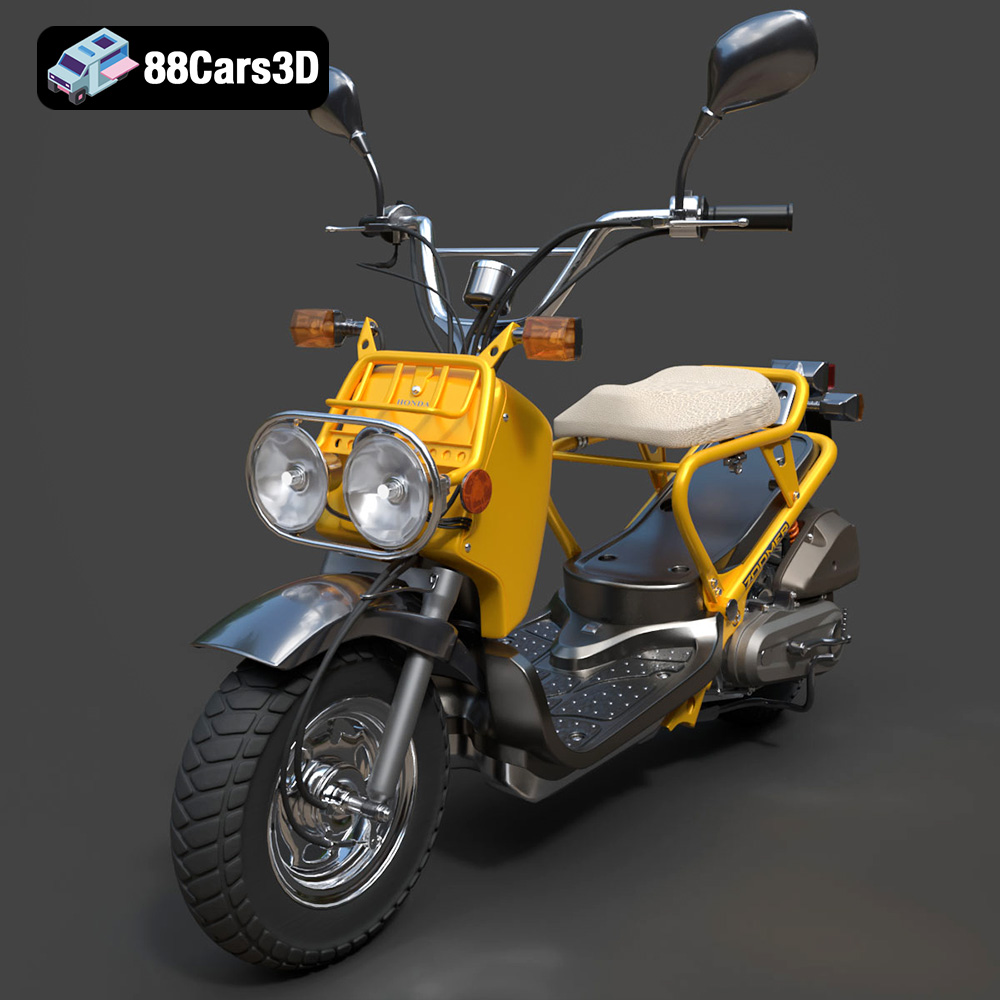
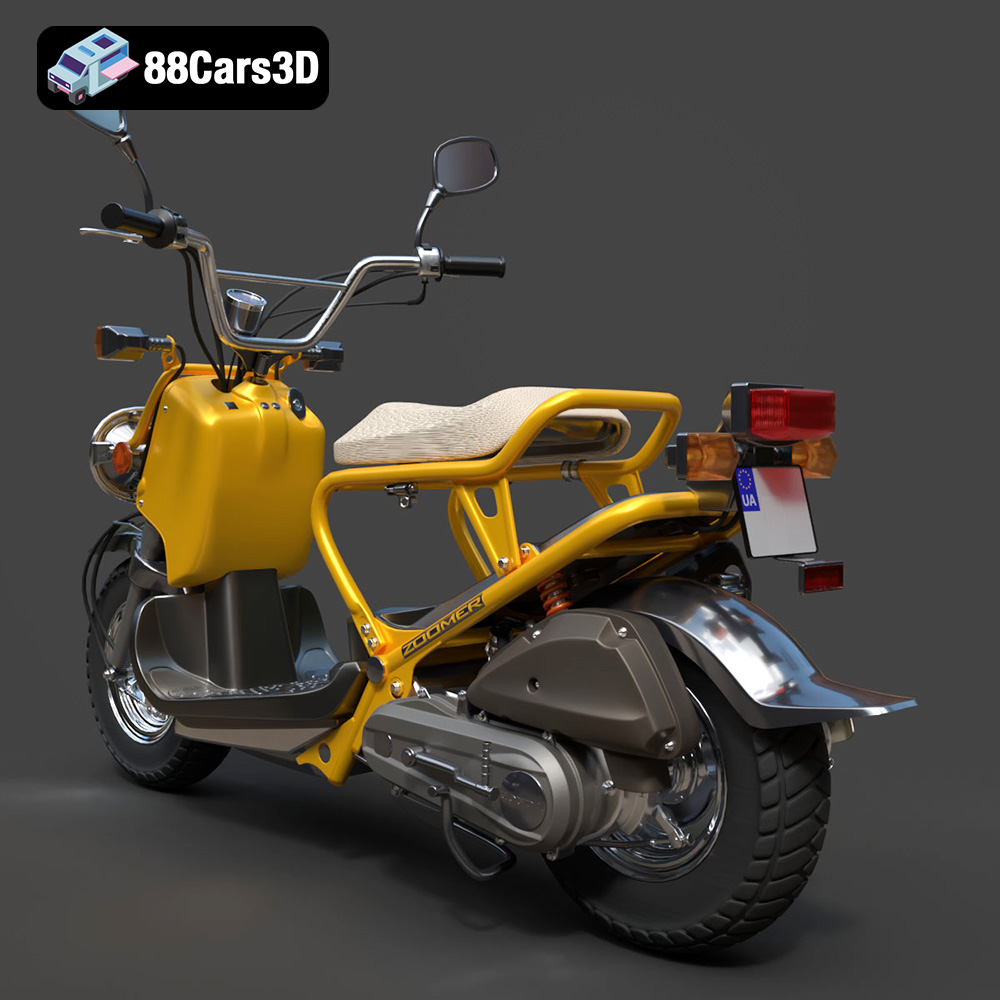
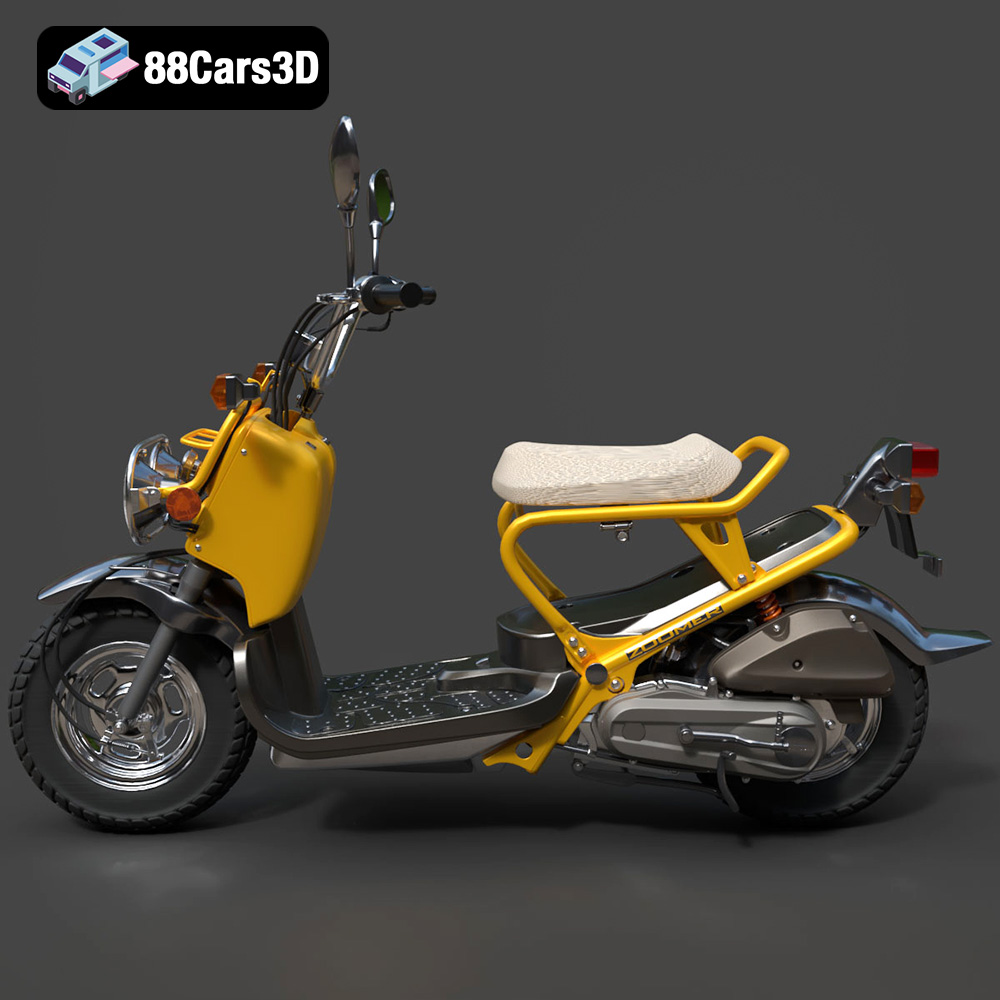
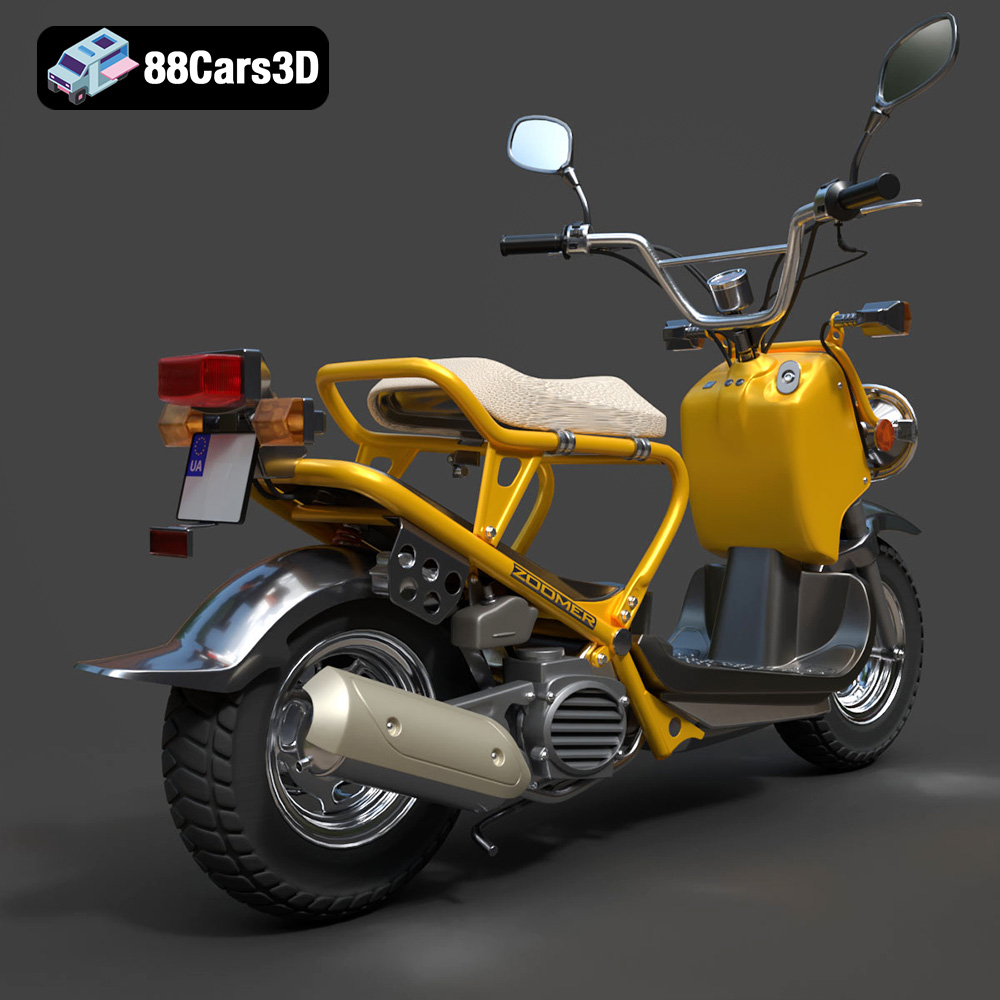
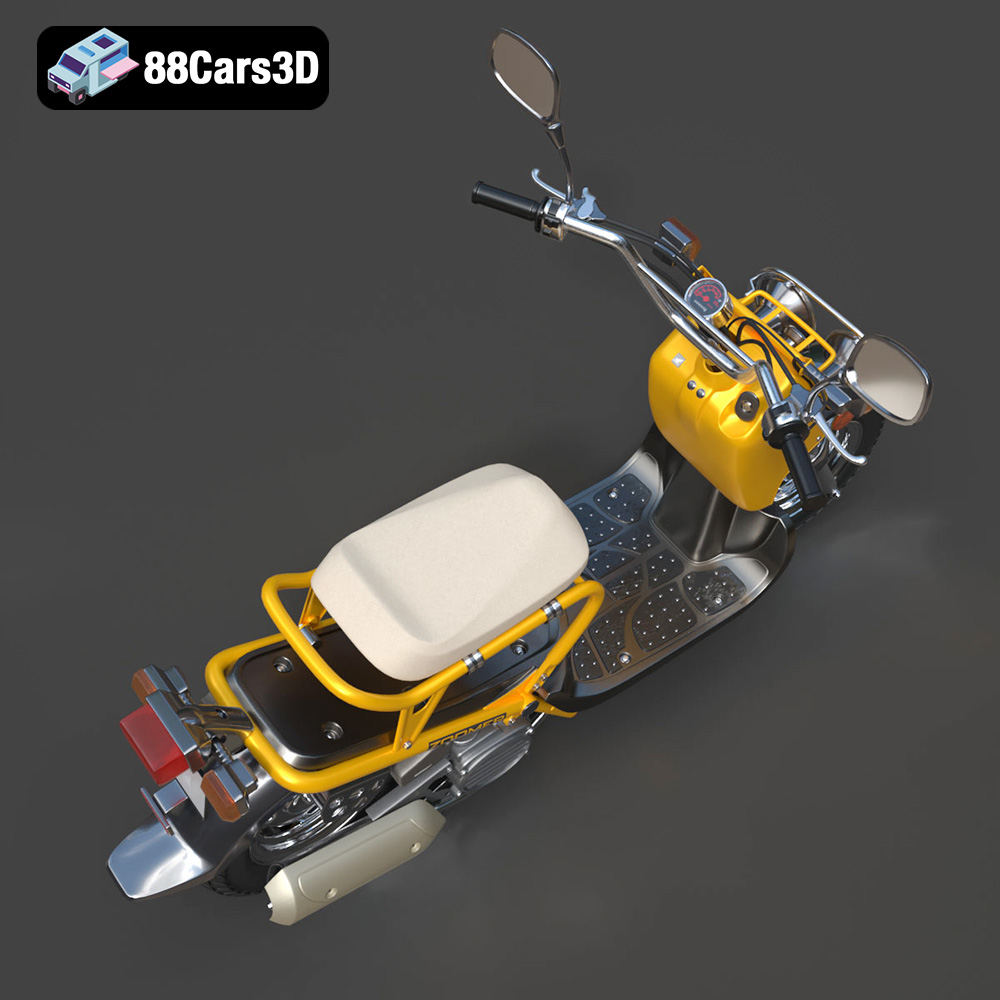
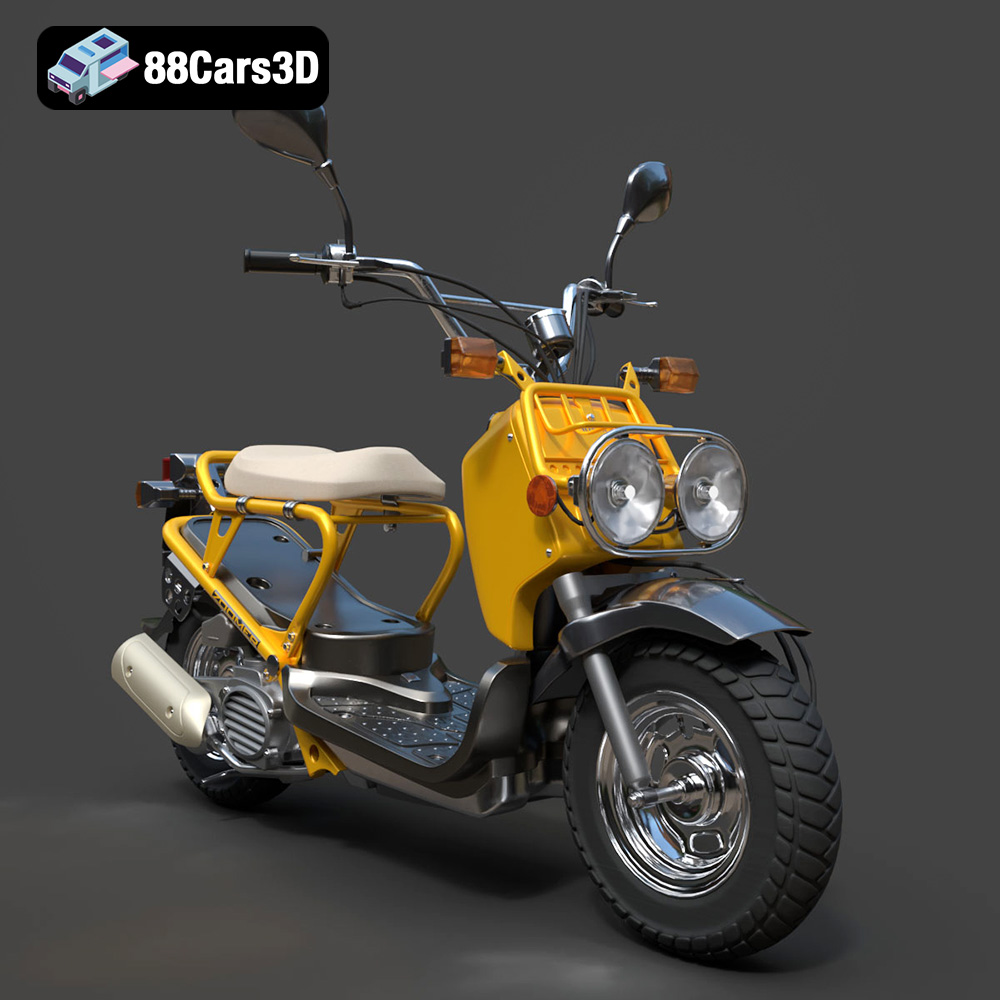
The journey from concept to a fully realized digital vehicle requires an understanding of complex geometry, material science, and the specific demands of various software ecosystems. This is where a resource like 88cars3d.com becomes invaluable, providing designers and developers with pre-built, production-ready assets that save countless hours of development time. Imagine needing a classic, reliable urban scooter for a street scene, a game environment, or a product visualization. The Honda Zoomer 50 2005 3D Model exemplifies the kind of asset that perfectly bridges this gap. Meticulously crafted with clean geometry and realistic materials, it offers unparalleled precision for detailed visualizations and dynamic projects, making it an excellent choice for a wide array of professional applications.
Navigating the complex landscape of 3D production often begins with understanding the various file formats available. Each format serves a specific purpose, catering to different software, workflows, and output requirements. Choosing the right format is crucial for maintaining model integrity, optimizing performance, and ensuring seamless integration across diverse pipelines. The Honda Zoomer 50 2005 3D Model, for instance, is offered in a comprehensive suite of formats, demonstrating its versatility and readiness for professional use cases.
The .blend file format is Blender’s native project file. It encapsulates an entire Blender scene, including all 3D models, textures, materials, lighting setups, cameras, animations, and even scripts. This makes it an incredibly powerful and self-contained format for Blender users. When you download a .blend file like that for the Honda Zoomer 50 2005 3D Model, you’re not just getting the geometry; you’re getting a fully editable scene, often with pre-configured materials, lighting, and possibly even a render-ready setup. Its primary advantage lies in preserving all scene data, allowing for intricate adjustments, animation, and rendering directly within Blender. It’s ideal for artists who primarily work within the Blender ecosystem and require full control over every aspect of the asset.
.fbx (Filmbox) is a proprietary file format developed by Autodesk, widely regarded as the industry standard for interoperability between 3D applications, especially for animation and game development. It can store 3D models, animation data, cameras, lights, and even blend shapes, making it incredibly versatile. Its robust support for animations and skeletal data makes the .fbx format for the Honda Zoomer 50 2005 3D Model an excellent choice for game engines like Unreal Engine and Unity, or for transferring models with complex rigging to other DCC (Digital Content Creation) software. However, due to its proprietary nature, full feature support can sometimes vary between applications.
.obj (Wavefront OBJ) is perhaps the most universal 3D model format, known for its simplicity and wide compatibility. It stores only geometry (vertices, normals, texture coordinates, and faces) and can reference external material files (.mtl) for basic shading information. While it doesn’t support animation or complex scene data, its widespread adoption makes it an excellent “lowest common denominator” for transferring static 3D models between virtually any 3D software. For the Honda Zoomer 50 2005 3D Model, the .obj version ensures that the core geometry is accessible to artists using any major 3D package, providing a reliable fallback for cross-software compatibility.
.glb (GL Transmission Format Binary) is a modern, open-standard 3D file format optimized for web-based applications, AR/VR experiences, and efficient transmission. It’s a binary container format that includes models, textures, animations, and PBR (Physically Based Rendering) materials within a single file. This self-contained nature and optimization for real-time rendering make the .glb version of the Honda Zoomer 50 2005 3D Model perfect for displaying interactive 3D content directly in browsers, integrating into augmented reality apps, or use in virtual reality environments without extensive pre-processing. It’s quickly becoming the standard for lightweight, shareable 3D assets.
The .unreal format, or more accurately, assets pre-configured for Unreal Engine, typically refers to a collection of files (like .fbx for geometry, along with textures and material setups) organized and optimized specifically for direct import and use within Unreal Engine. This means materials are often set up with Unreal’s PBR workflow in mind, textures are correctly packed, and collisions might already be defined. For a game asset like the Honda Zoomer 50 2005 3D Model, having an “.unreal” option significantly streamlines the workflow for game developers, reducing the time spent on manual setup and ensuring immediate engine compatibility and visual fidelity.
.stl (Stereolithography) is predominantly used for 3D printing and rapid prototyping. It describes only the surface geometry of a 3D object using a collection of triangular facets. While it doesn’t store color, texture, or material information, its simplicity and direct relevance to additive manufacturing make it indispensable for creating physical prototypes. The .stl version of the Honda Zoomer 50 2005 3D Model allows designers to quickly convert the digital asset into a tangible object, useful for scale models, ergonomic studies, or promotional items.
.ply (Polygon File Format or Stanford Triangle Format) is another format for storing 3D data, particularly useful for scanned data and high-precision meshes. It can store not only geometry but also color, transparency, normals, texture coordinates, and other properties associated with vertices or faces. While less common for general animation, its ability to store detailed mesh data makes it suitable for scientific visualization, CAD applications, or situations where highly accurate surface information is critical. For the Honda Zoomer 50 2005 3D Model, the .ply format offers a robust solution for detailed analysis or specific rendering pipelines requiring precise polygon data.
Similar to Blender’s .blend, the .max file is the native scene file for Autodesk 3ds Max. It contains all the scene data, including models, materials, textures, lighting, cameras, animation, and modifiers specific to 3ds Max. This format provides the most comprehensive control for users within the 3ds Max environment, allowing for complex modeling, advanced rendering with V-Ray or Corona, and intricate animation sequences. The .max format for the Honda Zoomer 50 2005 3D Model ensures that 3ds Max users can access the model with all its intended settings, ready for high-end automotive rendering or integration into larger architectural visualization projects.
The availability of such a wide range of formats for a single product, like the Honda Zoomer 50 2005 3D Model, highlights the commitment of platforms like 88cars3d.com to provide maximum flexibility and utility to professionals across various industries. This extensive format support is a testament to the model’s professional quality and its readiness for diverse technical applications.
Automotive rendering is more than just making a 3D model look good; it’s about crafting an illusion of reality, often indistinguishable from a photograph. This discipline requires a deep understanding of light, materials, and composition, all while leveraging powerful software and high-quality 3D car models. The Honda Zoomer 50 2005 3D Model, with its clean geometry and realistic materials, provides an exceptional foundation for achieving stunning photorealistic results, whether for marketing, product showcases, or architectural visualization.
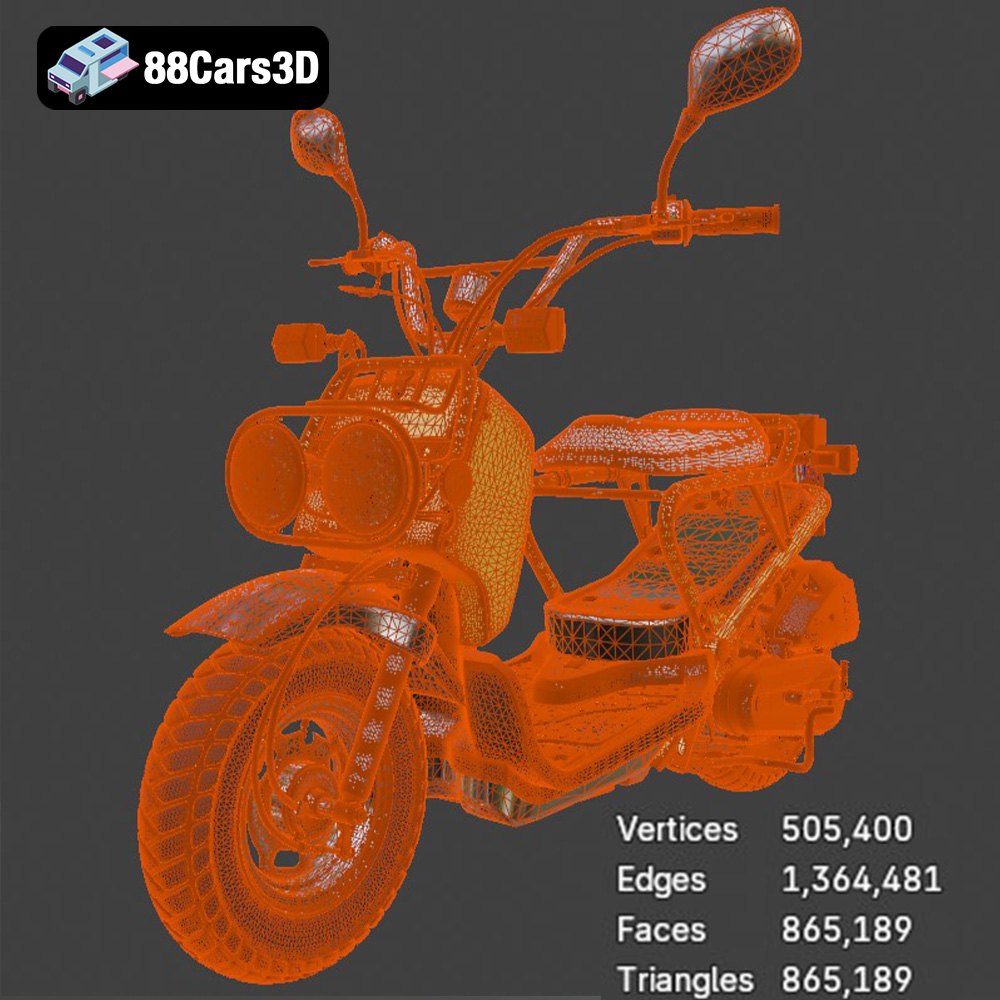
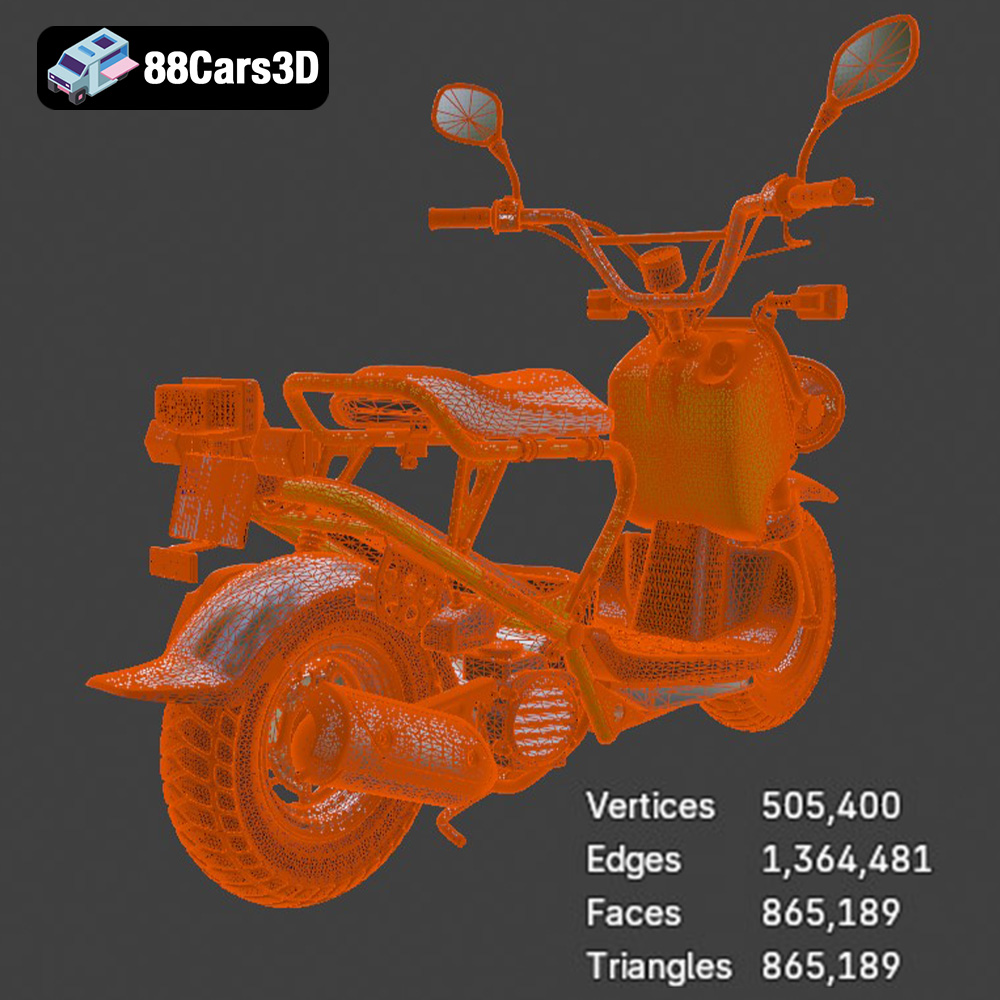
For product showcases, a common workflow involves creating a “studio render” setup. This typically includes a controlled lighting environment, often using HDRIs (High Dynamic Range Images) or a carefully placed array of virtual lights to mimic a professional photo studio. Using a 3D model like the Honda Zoomer 50 2005, artists can focus on material refinement—adjusting reflections, clear coat, tire rubber texture, and chrome finishes—to achieve a pristine, advertising-grade image. Software like 3ds Max with V-Ray or Corona Renderer, or Blender’s Cycles and Eevee engines, are prime choices for this. The model’s “clean geometry” is paramount here, as it ensures smooth surfaces and accurate reflections without artifacts, a critical aspect of high-end automotive rendering.
Beyond isolated studio shots, integrating 3D car models into existing environmental scenes elevates the storytelling. This could be placing the Honda Zoomer 50 2005 into a bustling city street, a serene countryside road, or even a futuristic landscape. The challenge lies in matching the lighting, perspective, and material interaction between the 3D model and the background environment. Techniques involve camera matching, projected textures for shadows, and careful light sampling to ensure the scooter feels grounded and part of the scene, not just pasted onto it. The “seamless integration into varied environments” promised by the Honda Zoomer 50 2005 3D Model description is crucial for this, ensuring that its scale, proportions, and material properties behave predictably under different lighting conditions.
Achieving realism is heavily dependent on the quality of materials and textures. PBR (Physically Based Rendering) workflows have become the standard, accurately simulating how light interacts with surfaces based on real-world physics. This involves maps for albedo (color), roughness, metallic, normal, and displacement. For the Honda Zoomer 50 2005 3D Model, its “realistic materials” suggest that these PBR principles have been applied, allowing artists to easily adjust and customize its appearance within any modern rendering engine. This level of detail in material definition ensures that subtleties like paint sheen, rubber wear, and metal reflections are accurately portrayed, enhancing the overall visual impact of any automotive rendering project.
The interactive nature of video games places unique demands on 3D assets, balancing visual fidelity with performance efficiency. Game assets must be optimized for real-time rendering, possess clean UV maps for texturing, and often come equipped with specific configurations for game engines. High-quality 3D car models are vital game assets, providing the realism and detail players expect. The Honda Zoomer 50 2005 3D Model is an excellent example of an asset designed with game development in mind, offering formats like .fbx and .unreal for direct engine integration.
Game assets, unlike those for static rendering, must be optimized to render efficiently at high frame rates. This often involves judicious poly count management – reducing the number of polygons without sacrificing visual detail, often through techniques like normal mapping. The Honda Zoomer 50 2005 3D Model, intended for “game development,” would typically have a balanced poly count suitable for modern game engines, possibly with LODs (Levels of Detail) to swap out lower-poly versions at a distance. Furthermore, efficient UV mapping is critical for applying textures without distortion and for optimizing texture memory usage. Clean geometry ensures that automatic LOD generation and collision mesh creation are straightforward processes.
For developers using Unreal Engine, the availability of a “.unreal” format for the Honda Zoomer 50 2005 3D Model is a significant advantage. This implies the model is pre-configured for Unreal’s specific asset pipeline. This might include:
This “game-engine ready” status significantly reduces the setup time, allowing developers to quickly integrate the scooter into their virtual environments, whether it’s for a racing game, an open-world exploration title, or an interactive simulation.
Beyond technical optimization, the visual quality of game assets directly impacts player immersion. A realistically modeled and textured vehicle like the Honda Zoomer 50 2005 can significantly enhance the sense of presence in a virtual world. When players see a familiar, well-detailed vehicle, it grounds their experience in a believable reality. Furthermore, professional quality construction means fewer visual glitches, better shading, and more accurate reflections, all contributing to a more polished and engaging game environment. Whether it’s a background prop or a drivable vehicle, the quality of 3D car models elevates the overall game experience.
The utility of high-quality 3D models extends far beyond traditional screen-based rendering and gaming. Augmented Reality (AR), Virtual Reality (VR), and 3D printing represent emerging frontiers where meticulously crafted digital assets are crucial for creating interactive, immersive, and tangible experiences. The Honda Zoomer 50 2005 3D Model is particularly well-suited for these diverse applications, thanks to its robust construction and format flexibility.
AR and VR environments demand 3D models that are not only visually appealing but also highly optimized for real-time interaction and low latency. The .glb format, offered for the Honda Zoomer 50 2005 3D Model, is a prime example of an asset optimized for this space. Its compact, self-contained nature allows for efficient loading and rendering in AR/VR applications, whether it’s viewing a virtual scooter in a real-world setting via AR on a smartphone, or exploring a fully immersive VR showroom. The “clean geometry” ensures that the model renders smoothly and predictably across various AR/VR platforms, providing users with a seamless and believable interactive experience. For automotive designers, this means the ability to review vehicle concepts in a lifelike, spatial context, enabling better decision-making and collaborative review.
While digital models are crucial for visualization, the ability to translate them into physical objects offers a powerful dimension to product development and design. The .stl format, included with the Honda Zoomer 50 2005 3D Model, makes it immediately suitable for 3D printing. This allows engineers and designers to quickly create physical prototypes or scale models of the scooter. These physical models can be invaluable for:
The “structural components modeled with strict attention to detail” means that even when printed, the Honda Zoomer 50 2005 model will maintain its fidelity and accurate proportions, making it a reliable source for both digital and physical manifestations.
The true value of a professional-grade 3D asset lies in its adaptability and how effectively it can integrate into diverse industry-standard workflows. For creative professionals, time is money, and starting with a high-quality, pre-optimized 3D model like the Honda Zoomer 50 2005 from 88cars3d.com significantly accelerates production across various disciplines. Its comprehensive file format support ensures that artists, designers, and developers can pick up the model and run with it, regardless of their preferred software.
Blender, a powerful open-source 3D suite, is a favorite among indie developers and large studios alike. With the .blend file for the Honda Zoomer 50 2005, Blender artists gain immediate access to an editable scene. This allows for extensive customization—retexturing the body, adding custom decals, modifying accessories, or even animating suspension and wheels for a dynamic scene. Its clean geometry is a massive benefit, ensuring that subdivision surfaces, sculpting, or rigging for animation will yield predictable and high-quality results. Whether creating a short film featuring urban transport or building a detailed virtual garage, the Blender file provides a flexible starting point.
Autodesk 3ds Max remains a cornerstone in architectural visualization (ArchViz), product rendering, and cinematic animation. The .max file for the Honda Zoomer 50 2005 3D Model delivers the scooter directly into the 3ds Max environment with all its components, materials, and potential scene setup intact. This is ideal for artists integrating the scooter into realistic street scenes alongside buildings, or for product advertisers creating high-resolution, photorealistic imagery for marketing campaigns. The model’s “professional quality construction” ensures it stands up to the scrutiny of high-fidelity ray-traced renders, perfectly complementing V-Ray or Corona Renderer workflows for stunning visual output.
For game developers, efficient asset pipelines are crucial. The .fbx and .unreal formats of the Honda Zoomer 50 2005 3D Model are game-changers. An Unreal Engine developer can directly import the pre-configured .unreal asset, often saving hours of work on material setup, scaling, and collision mesh creation. This allows immediate focus on gameplay mechanics, environmental design, and level building. Similarly, Unity users can leverage the .fbx file with minimal adjustments, confident that the model’s clean topology and UVs will facilitate smooth animation and texturing. This “game-engine ready” approach means less technical overhead and more creative freedom, empowering studios to quickly populate their virtual worlds with high-quality 3D car models like this iconic scooter.
In the rapidly evolving landscape of 3D content creation, the bedrock of any successful project is the quality of its foundational assets. Whether the goal is to produce breathtaking automotive rendering, develop immersive game assets, create interactive AR/VR experiences, or prototype physical models, precision, adaptability, and technical robustness are paramount. The Honda Zoomer 50 2005 3D Model stands as a prime example of an asset that embodies these qualities, offering meticulously crafted details, realistic materials, and a comprehensive suite of file formats to meet the diverse demands of modern professional workflows.
From the seamless integration into Blender and 3ds Max for animation and photorealistic visualization to its optimized readiness for Unreal Engine and Unity, and its versatile applications in AR/VR and 3D printing, this model proves to be an indispensable tool. It significantly reduces development time and elevates the visual fidelity of any project it becomes a part of. For professionals seeking high-quality 3D car models that offer both creative freedom and technical reliability, resources like 88cars3d.com provide a trusted source for assets that truly perform. Investing in such quality ensures that your digital creations not only look exceptional but also function flawlessly across all desired platforms and applications.
Discover the realistic Honda Zoomer 50 2005 3D Model, meticulously crafted to represent the iconic rugged scooter. This model delivers unparalleled precision, making it an excellent choice for detailed visualizations and dynamic projects. Key features include clean geometry, realistic materials, and professional quality construction. The structural components are modeled with strict attention to detail, ensuring seamless integration into varied environments. This 3D model is perfect for diverse applications, including game development, rendering, AR/VR experiences, and visualization. Whether used in a street scene simulation or a dedicated showcase, it provides exceptional results.
$39.99
.arvr
.blend
.car3dmodel
.fbx
.gameasset
.glb
.honda
.max
.moped
.motorcycle
.obj
.ply
.rendering
.scooter
.simulation
.stl
.unreal
.zoomer50