Get 20% OFF All Premium 3D & STL Models!

In the rapidly evolving landscape of digital visualization, the demand for authentic and high-quality 3D assets has never been greater. From cinematic automotive renders that capture the essence of a vehicle’s design to immersive game environments that put players behind the wheel, 3D car models are the fundamental building blocks of countless projects. Professionals across industries – game development, architectural visualization, film production, AR/VR experiences, and industrial design – rely on these assets to bring their visions to life with precision and realism.
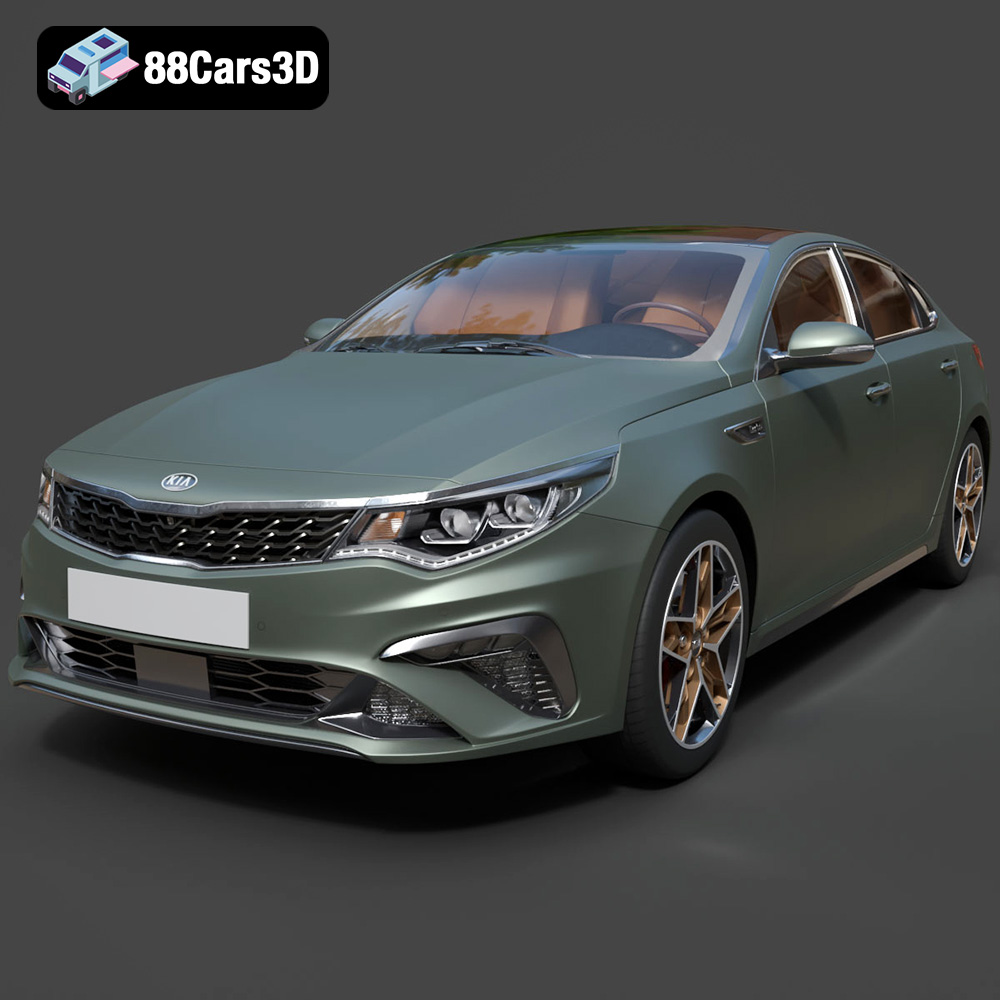
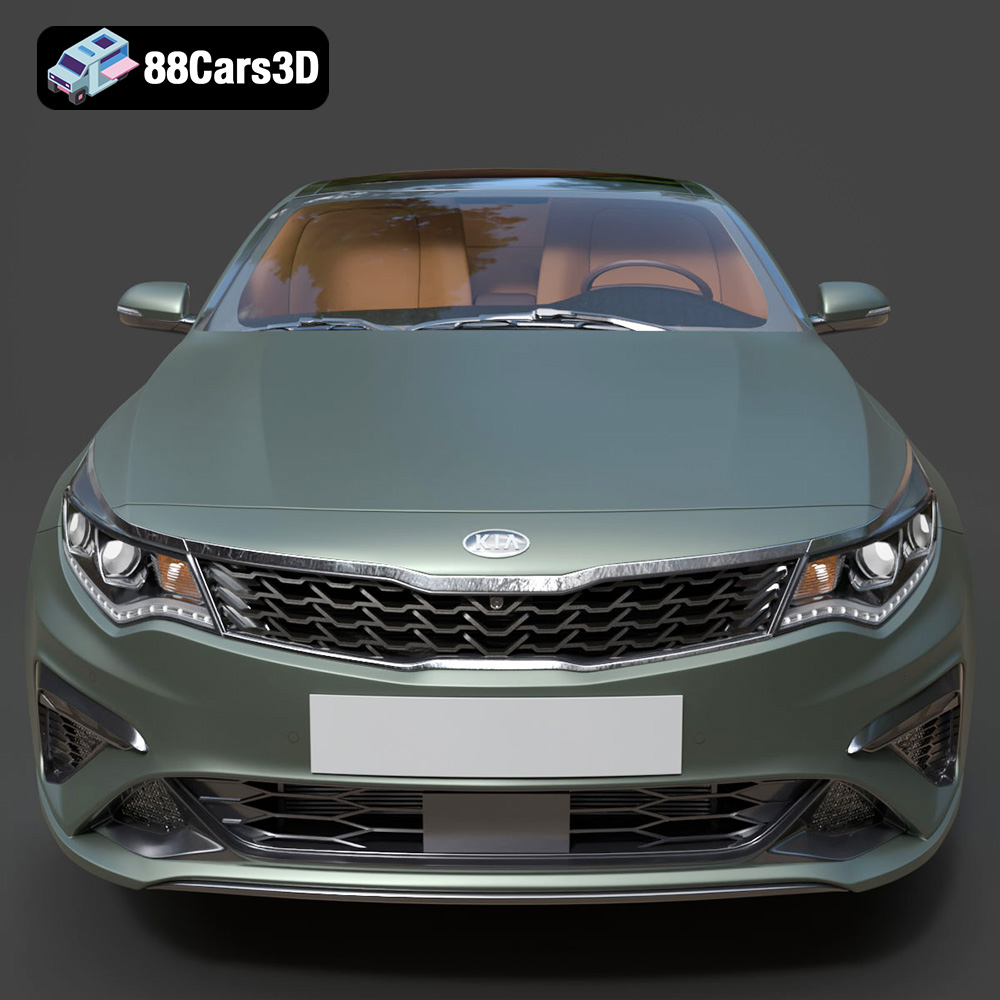
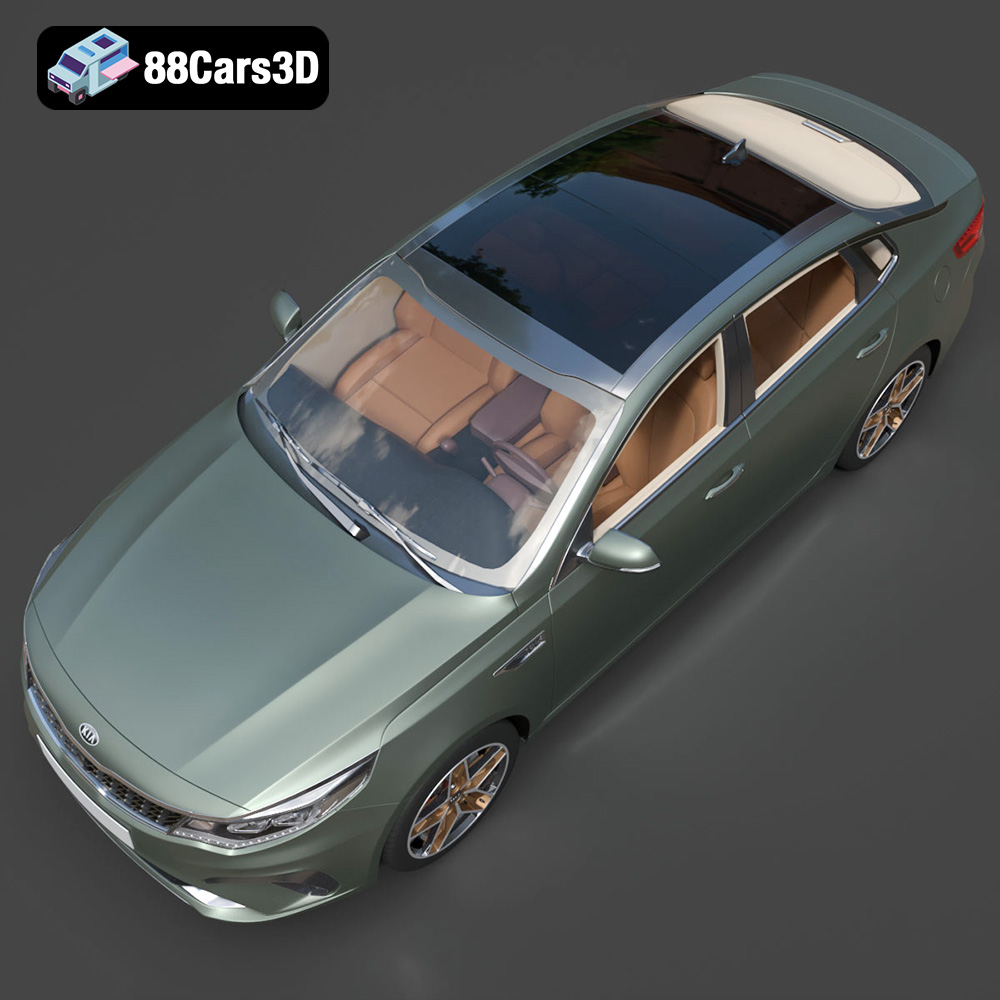
The challenge often lies in finding models that not only look good but are also technically sound, optimized for performance, and compatible with a wide array of software and pipelines. This is where a meticulously crafted 3D car model becomes an indispensable tool, saving countless hours of modeling and texturing while delivering a professional-grade foundation. Take, for instance, the Kia Optima 2019 3D Model available on 88cars3d.com. It exemplifies the blend of aesthetic accuracy and technical robustness that modern workflows demand, providing a versatile asset ready for immediate deployment.
This article will delve into the technical intricacies of working with 3D car models, exploring file formats, professional workflows, and diverse applications. We will highlight how a high-quality model, like the Kia Optima 2019, can significantly enhance your projects, ensuring realism, performance, and compatibility across the digital spectrum.
The choice of a 3D model file format is a critical decision that impacts compatibility, feature retention, and overall workflow efficiency. Each format is designed with specific use cases and software ecosystems in mind, making it essential for artists and developers to understand their strengths and limitations. The Kia Optima 2019 3D model, for instance, offers a comprehensive suite of formats, ensuring maximum flexibility for any professional project.
The .blend format is the native file type for Blender, a powerful open-source 3D creation suite. A .blend file typically includes not just the mesh data but also materials, textures, lighting setups, animation data, cameras, and even custom scripts or add-ons used within the Blender project. For users whose primary workflow revolves around Blender, this format offers the highest fidelity, ensuring that all aspects of the original scene – from PBR materials and node-based shaders to precise lighting conditions – are perfectly preserved. It’s fully editable, allowing for deep customization, adjustments to topology, modifications of materials, or integration into existing Blender scenes. This makes it ideal for iterative design, detailed rendering with Cycles or Eevee, and leveraging Blender’s expansive toolset.
.fbx (Filmbox) is arguably one of the most widely adopted 3D file formats for interchange between different software applications. Developed by Autodesk, it excels at carrying comprehensive scene data, including geometry (meshes), materials, textures, animations, skinning, and camera information, across a broad range of 3D software and game engines. Its robustness and widespread support make it the default choice for exporting assets from DCC (Digital Content Creation) tools like Maya, 3ds Max, or Blender, into game engines such as Unreal Engine and Unity. When working with game assets or complex animated scenes, .fbx ensures that the asset arrives largely intact, minimizing conversion issues and streamlining the pipeline.
The .obj (Wavefront OBJ) format is a venerable and highly compatible 3D data format primarily focused on geometry. It stores vertex positions, UV coordinates, normals, and face information, often accompanied by an .mtl (material template library) file for basic material properties like color and texture maps. While it doesn’t support complex features like animation or rigging, its simplicity and universal support across virtually every 3D application make it an excellent choice for basic mesh interchange. For simple static assets or when you need maximum compatibility without the overhead of advanced features, .obj is a reliable fallback, ensuring that the Kia Optima 2019 3D model can be opened and worked with in almost any software.
.glb (GL Transmission Format Binary) is the binary version of the glTF format, designed for efficient transmission and loading of 3D scenes and models in web and AR/VR applications. It’s a “single-file” format that bundles geometry, textures, materials, and animations into one self-contained package. This optimization makes .glb incredibly fast to load and display in browsers, mobile AR apps, and VR environments, making it ideal for interactive product viewers, virtual showrooms, and augmented reality experiences. Its PBR material support ensures consistent visual fidelity across different platforms.
The .stl (STereoLithography) format is the de facto standard for 3D printing. It represents 3D surfaces as a collection of unconnected triangular facets, without any color or texture information. While simple, this format is universally understood by 3D printers and slicing software, which convert the mesh into toolpaths for physical fabrication. For prototyping, scale models, or custom parts, an .stl version of a 3D car model like the Kia Optima 2019 is crucial, allowing designers to move from digital concept to physical object seamlessly.
.ply (Polygon File Format) is a versatile format often used for storing 3D data from 3D scanners, CAD software, and other precision modeling applications. It can store a wide range of properties, including color, transparency, normals, texture coordinates, and even reliability information for each vertex and face. This makes .ply particularly useful for scientific data, engineering analysis, and situations where detailed mesh information beyond basic geometry is required. It offers more flexibility than .obj in terms of additional data attributes.
The .unreal designation, while not a universal file extension in the same vein as .fbx or .obj, signifies an asset specifically packaged or optimized for Unreal Engine. This could refer to a .uasset file or an .fbx import with pre-configured materials, textures, and blueprints that ensure a “drop-in” ready asset for Unreal Engine users. Such assets often come with proper scale, collision meshes, LODs (Levels of Detail), and PBR material instances already set up, significantly accelerating development for real-time environments. The Kia Optima 2019 3D model’s .unreal offering ensures that developers can integrate it into their projects with minimal setup, maximizing efficiency.
Similar to .blend, .max is the native project file format for Autodesk 3ds Max, a leading software for 3D modeling, animation, and rendering. A .max file contains all scene data, including geometry, materials (especially V-Ray or Corona materials), lighting, cameras, animation timelines, and rendering settings. For professionals operating within the 3ds Max ecosystem, this format provides full editability and preserves all proprietary features and render-specific configurations, making it invaluable for high-end automotive rendering and detailed scene construction.
Achieving photorealistic automotive renderings is a blend of artistic vision and technical mastery. The foundation of any stunning render is a high-quality 3D car model, and assets like the Kia Optima 2019 from 88cars3d.com provide an exceptional starting point. With clean geometry, accurate proportions, and meticulously prepared materials, these models empower artists to create captivating visuals for marketing, design reviews, and virtual showrooms.
Physically Based Rendering (PBR) has revolutionized the way digital materials interact with light, leading to significantly more believable results. A premium 3D car model comes equipped with PBR-ready materials, typically including maps for Albedo (Base Color), Metallic, Roughness, Normal, and sometimes Ambient Occlusion. These maps accurately simulate how light reflects and refracts off different surfaces, from the glossy sheen of the car paint to the subtle texture of plastic trim and the reflective qualities of chrome. When rendering the Kia Optima 2019, understanding how to fine-tune these parameters in software like 3ds Max (using V-Ray or Corona Renderer) or Blender (with Cycles) is crucial. Adjusting roughness for varying levels of polish on the paint or configuring the metallic map for the perfect chrome accent will dramatically elevate the render’s realism.
Lighting is paramount in automotive rendering, shaping the vehicle’s form and highlighting its design features. Professional workflows often combine several lighting techniques to achieve desired effects:
Careful positioning and intensity adjustment of these lights are critical to sculpt the car’s form and evoke a specific mood.
While a strong render is the goal, post-processing in applications like Adobe Photoshop or Affinity Photo adds the final layer of polish. This stage allows artists to refine colors, adjust contrast, add subtle atmospheric effects, and integrate the rendered car into a composite background. Common techniques include:
These post-production steps transform a good render of the Kia Optima 2019 into an outstanding marketing image or visual presentation.
Game development places unique demands on 3D assets, balancing visual fidelity with strict performance requirements. High-quality 3D car models are essential for creating immersive and believable driving experiences, but they must be optimized for real-time rendering. The Kia Optima 2019 3D model, with its optimized topology and game-engine-ready formats, is a prime example of an asset built for this purpose.
Achieving smooth frame rates in a game environment requires careful optimization of 3D assets. Key strategies include:
These techniques ensure that the Kia Optima 2019 can be integrated into large open-world games without compromising performance.
Unreal Engine is a dominant force in game development, offering powerful tools for creating realistic environments and interactive experiences. Integrating a 3D car model like the Kia Optima 2019 into Unreal Engine involves several steps:
These steps transform a static model into a fully functional and interactive vehicle within the game world.
Beyond traditional games, 3D car models are pivotal in advanced driving simulators and interactive training applications. These simulations demand not only visual accuracy but also realistic physics and real-time interaction. The high-fidelity Kia Optima 2019 model can be used to:
The versatility of assets from 88cars3d.com facilitates these cutting-edge applications.
The utility of high-quality 3D car models extends far beyond traditional rendering and game development. Augmented Reality (AR), Virtual Reality (VR), and 3D printing represent emerging frontiers where accurate digital assets are driving innovation and transforming industries. The multi-format availability of the Kia Optima 2019 3D model positions it perfectly for these diverse applications.
AR and VR are rapidly changing how we interact with digital content, offering immersive experiences that blend the virtual with the real or create entirely new realities. For automotive applications, 3D car models are central to these technologies:
The .glb format, optimized for web and mobile performance, is particularly crucial for delivering seamless AR/VR experiences, ensuring the Kia Optima 2019 renders beautifully across devices.
3D printing has revolutionized product development, enabling rapid prototyping, custom manufacturing, and the creation of complex geometries. A well-prepared 3D car model, provided in formats like .stl or .ply, opens up a world of possibilities for physical output:
The transition from a digital asset to a tangible object underscores the versatility and value of high-quality 3D car models.
In the competitive creative industries, the quality of your assets directly impacts the quality of your output, your efficiency, and ultimately, your professional reputation. Investing in professional-grade 3D car models from reputable sources like 88cars3d.com is not merely a convenience; it’s a strategic decision that provides a significant professional edge.
Creating a detailed, accurate 3D car model from scratch is an incredibly time-consuming and skill-intensive process. It involves extensive blueprint research, precise modeling of complex curves and intricate interior components, meticulous UV unwrapping, and the creation of realistic PBR materials. For most projects, the time and cost involved in this process are prohibitive. By utilizing a pre-made, high-quality asset like the Kia Optima 2019 3D model, professionals can bypass hundreds of hours of work, immediately jumping into rendering, scene setup, or game integration. This allows teams to meet tighter deadlines, allocate resources to other critical project areas, and deliver exceptional results within budget.
For automotive marketing, visualization, or even historical preservation, accuracy is paramount. An imprecise model can undermine the authenticity of an entire project. Professional 3D car models are crafted to replicate authentic proportions and dynamic styling, ensuring that every curve and detail matches the real-world vehicle. This is particularly important for brands showcasing their products or for projects where photorealism is the ultimate goal. The Kia Optima 2019 model is designed with this exacting precision, guaranteeing that it accurately represents the actual vehicle, thus maintaining brand consistency and visual integrity in any application.
The digital landscape is constantly evolving, with new software versions, rendering technologies, and hardware capabilities emerging regularly. A well-structured, clean 3D model with optimized topology and standard PBR materials is inherently more adaptable and “future-proof.” Such assets are easier to convert between formats, update for new rendering engines, or repurpose for different applications (e.g., from a high-poly render asset to a game-ready LOD). The clean geometry and optimized topology of models available on 88cars3d.com, including the Kia Optima 2019, mean they can seamlessly integrate into current and future pipelines, protecting your investment and ensuring long-term utility.
The journey from concept to captivating visual is paved with high-quality assets, and 3D car models stand as pivotal components in this creative expedition. We’ve explored the critical role of understanding diverse file formats, from the editable depths of .blend and .max to the universal compatibility of .fbx and .obj, and the specialized applications of .glb, .stl, .ply, and .unreal. Each format serves a distinct purpose, empowering artists and developers to navigate the complexities of automotive rendering, game development, and the burgeoning fields of AR/VR and 3D printing.
A premium asset like the Kia Optima 2019 3D Model from 88cars3d.com isn’t just a digital representation; it’s a meticulously crafted foundation that significantly accelerates professional workflows, ensures unparalleled realism, and offers unparalleled versatility. By providing clean geometry, accurate proportions, and a comprehensive selection of optimized formats, such models empower professionals to achieve stunning results efficiently and consistently.
Whether you are producing a cinematic commercial, building an immersive game world, developing an innovative AR configurator, or prototyping with 3D print, the quality of your core assets is non-negotiable. Investing in professional-grade 3D car models is an investment in efficiency, accuracy, and the boundless potential of your creative projects. Explore the range of high-quality 3D car models on 88cars3d.com to find the perfect assets that will drive your next project to success.
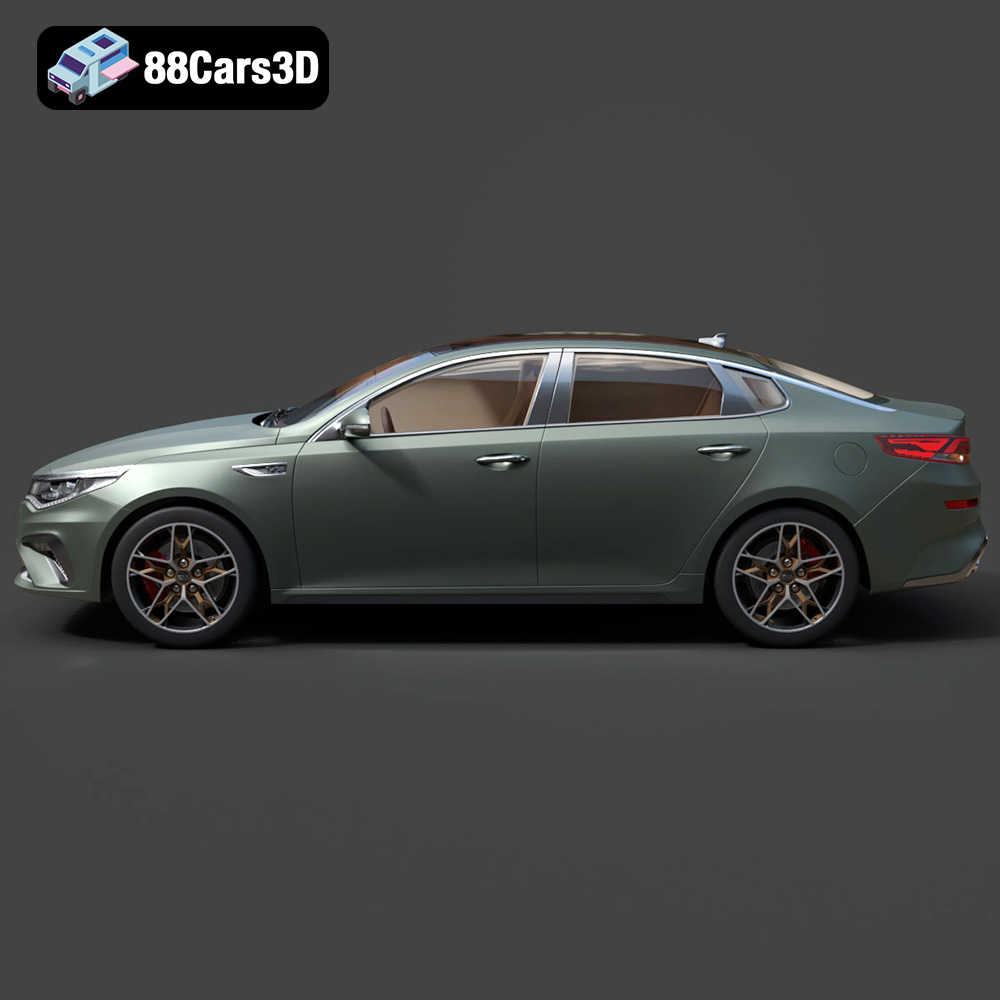
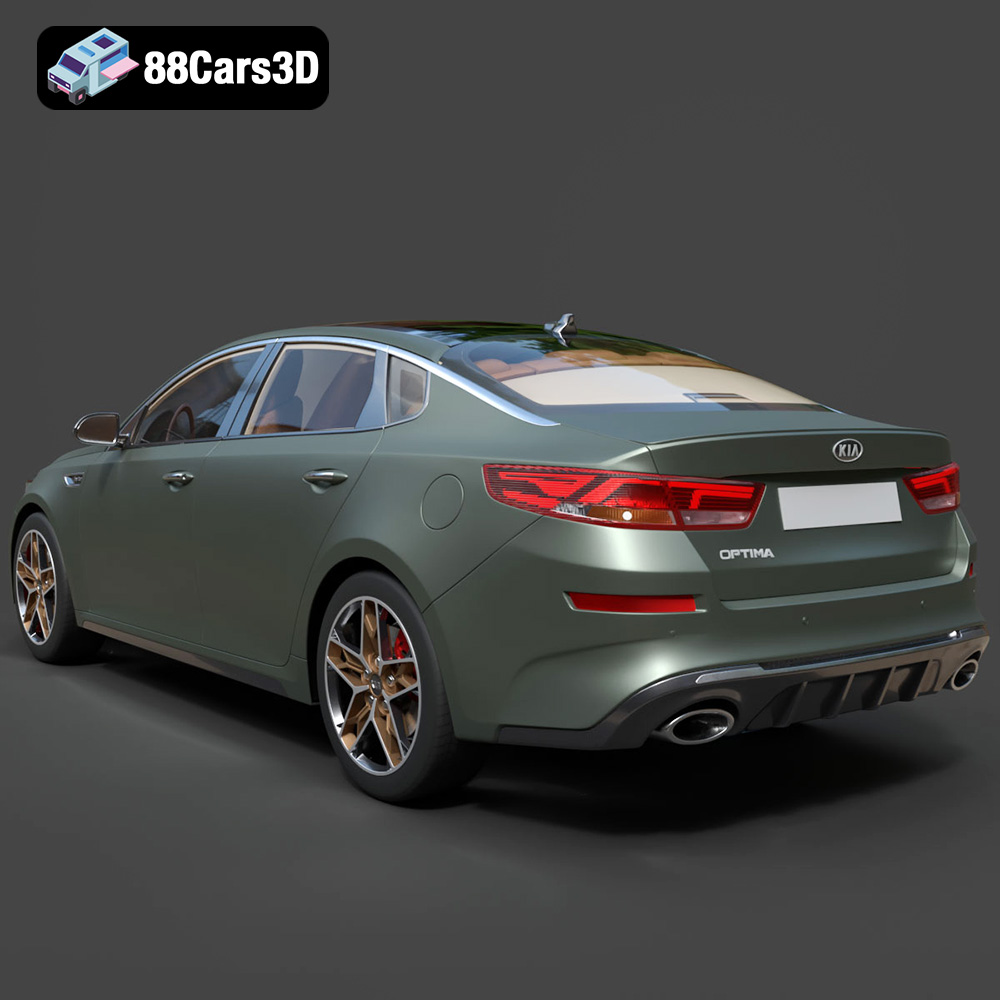
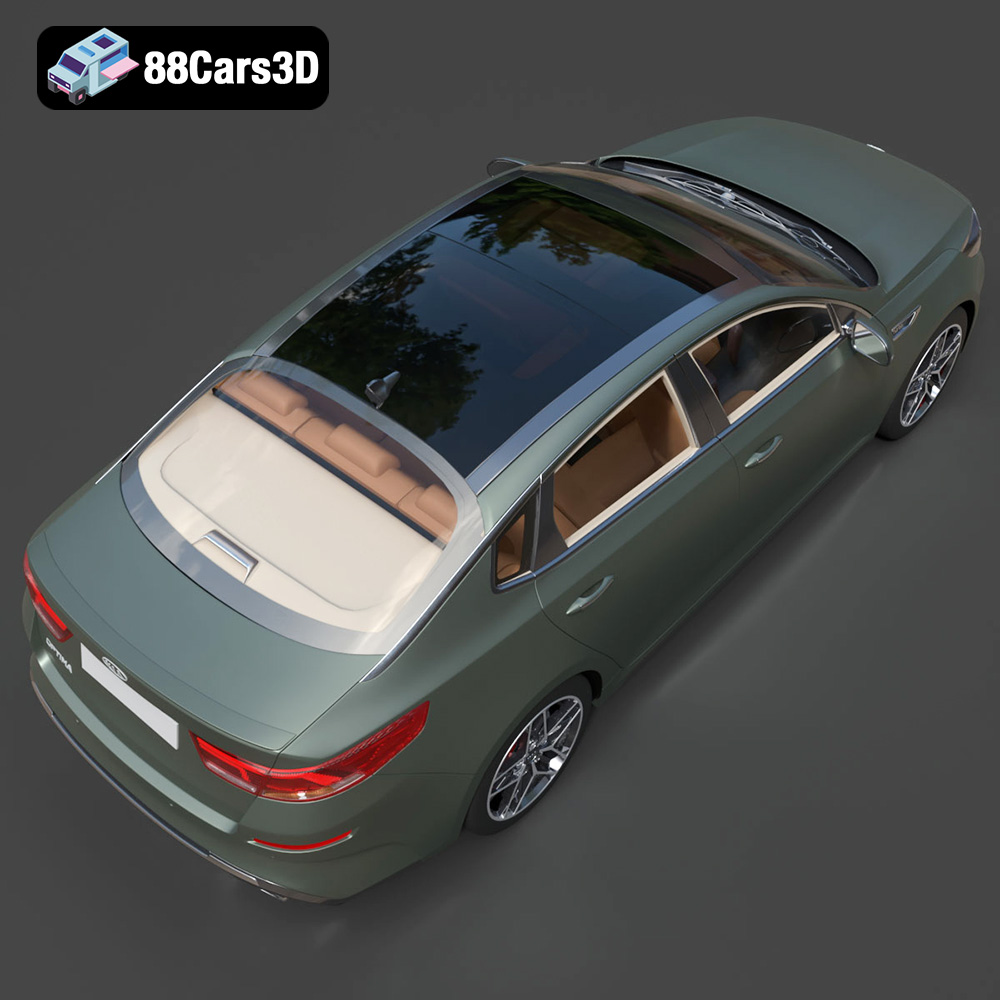
Experience precision and realism with the Kia Optima 2019 3D model. Designed to replicate the authentic proportions and dynamic styling of the actual vehicle, this model provides exceptional accuracy for various professional projects.
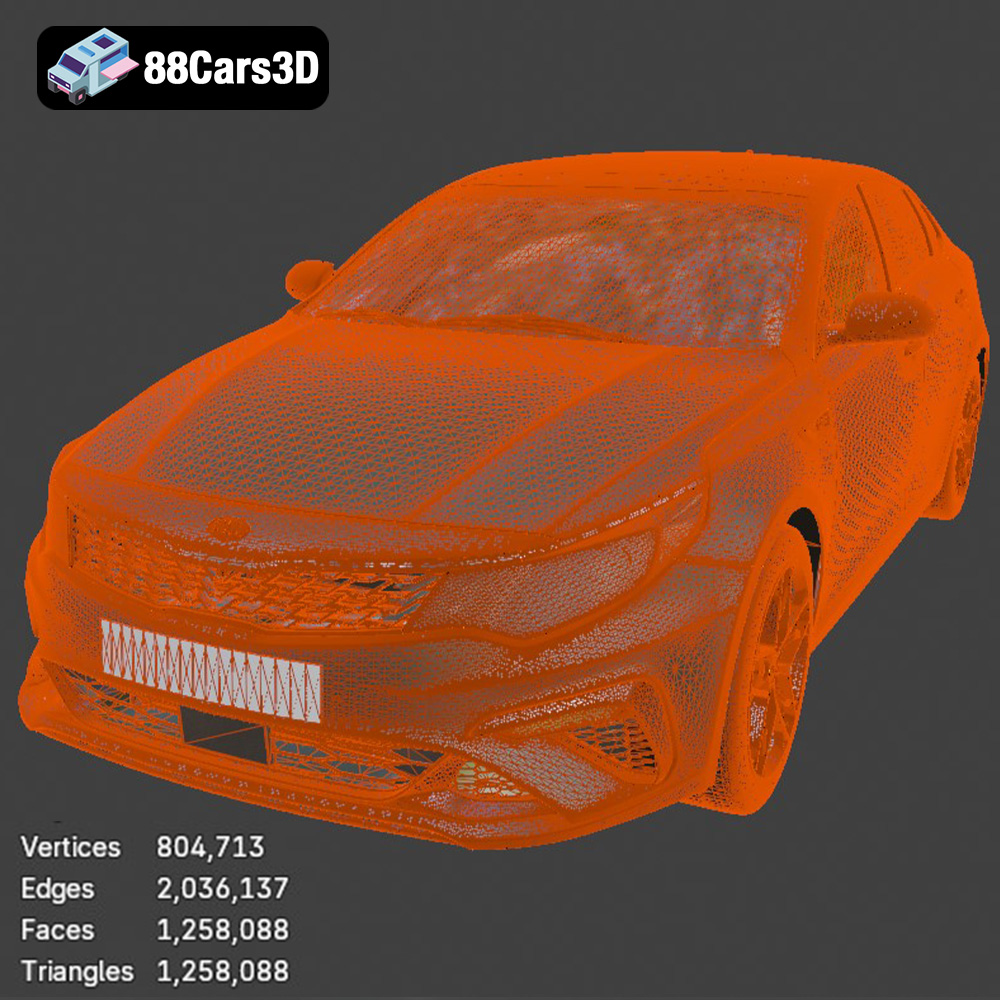
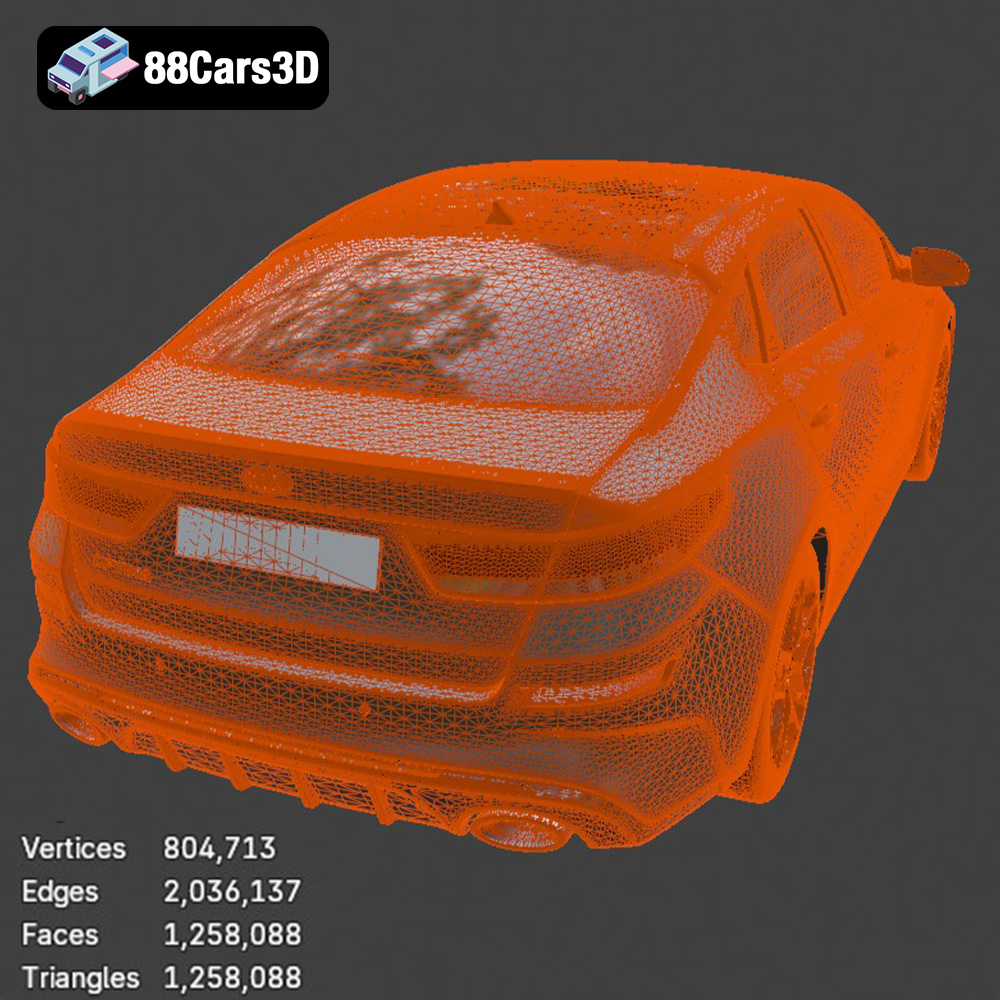
This model boasts clean geometry, realistic materials, and an optimized topology that ensures seamless integration into your workflow. It is meticulously crafted to meet industry standards with professional-grade surfacing.
Perfect for a wide range of applications, the Kia Optima 2019 3D model is ready to be utilized in game development, architectural rendering, AR/VR experiences, film production, and automotive visualization.
Available in multiple versatile file formats to ensure maximum compatibility:
Tags: .kia, .optima, .sedan, .familycar, .car3dmodel, .rendering, .simulation, .gameasset, .arvr, .blend, .fbx, .obj, .glb, .stl, .ply, .unreal, .max
$39.99
.arvr
.blend
.car3dmodel
.familycar
.fbx
.gameasset
.glb
.kia
.max
.obj
.optima
.ply
.rendering
.sedan
.simulation
.stl
.unreal