Get 20% OFF All Premium 3D & STL Models!

In the rapidly evolving landscape of digital content creation, the demand for exceptionally detailed and versatile 3D models continues to soar. From blockbuster video games and cinematic automotive advertisements to immersive virtual reality experiences and precision 3D printing, the quality of a 3D asset forms the bedrock of any successful project. For professionals in automotive design, visualization, and game development, access to meticulously crafted 3D car models isn’t just a convenience; it’s a critical component for delivering stunning, realistic, and performant results.
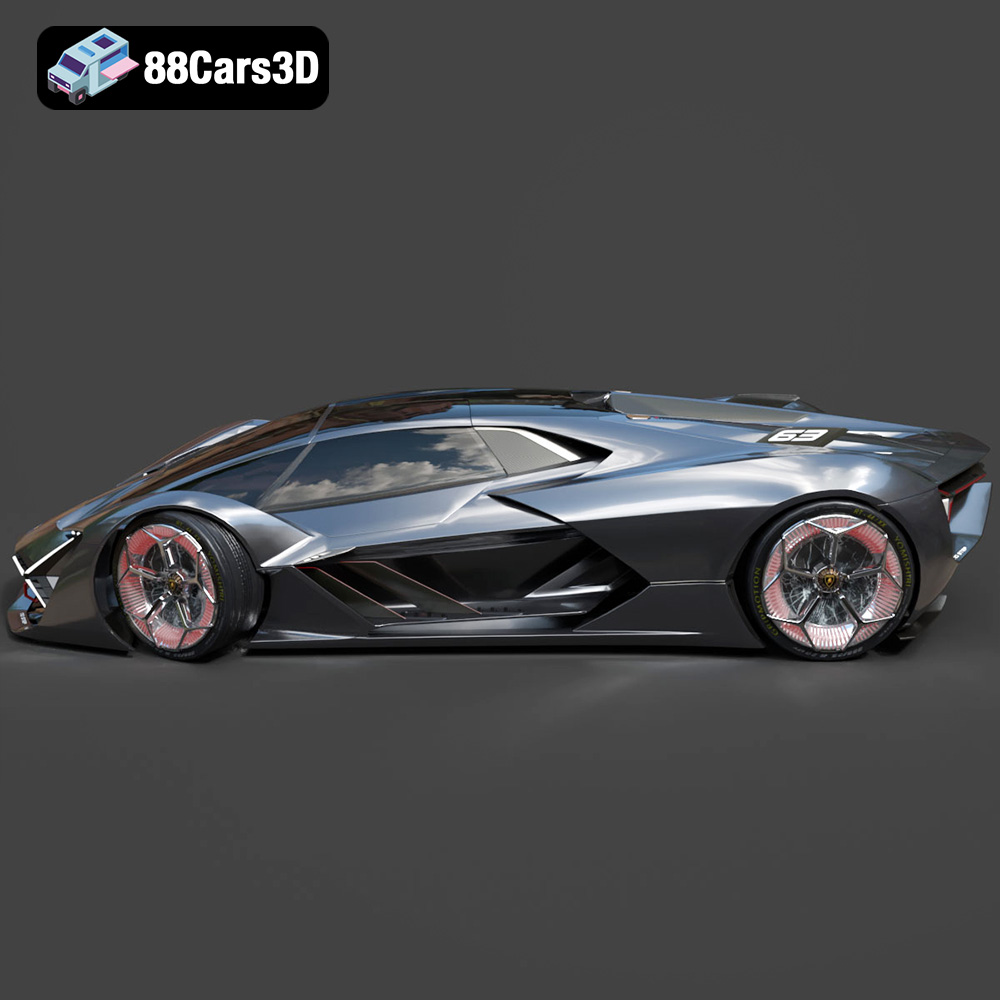
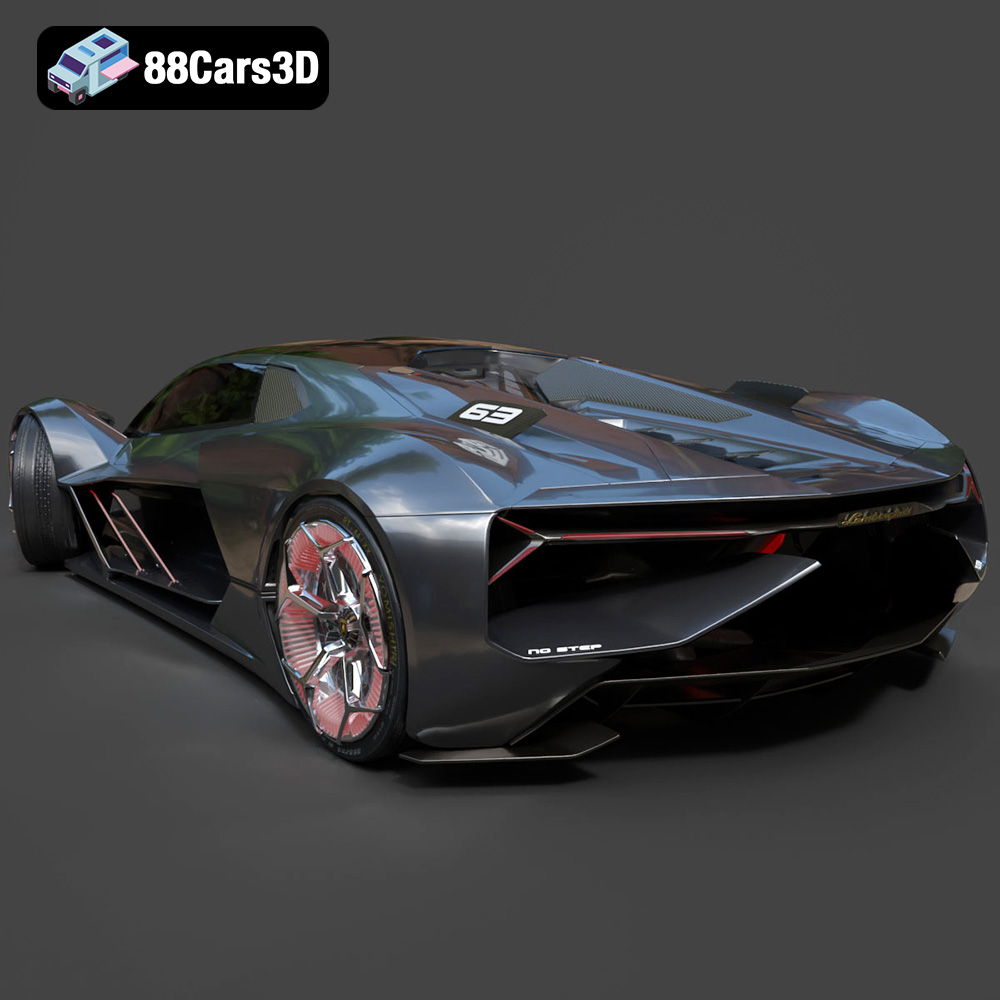
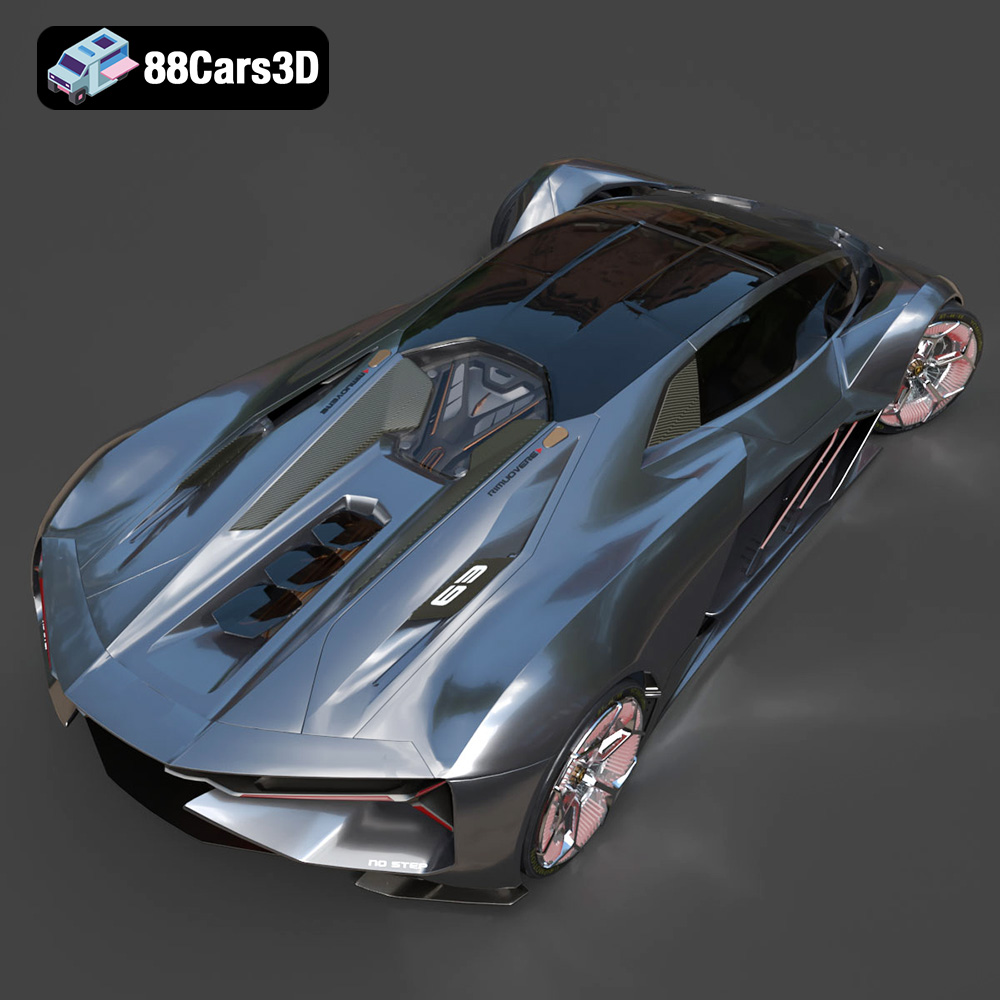
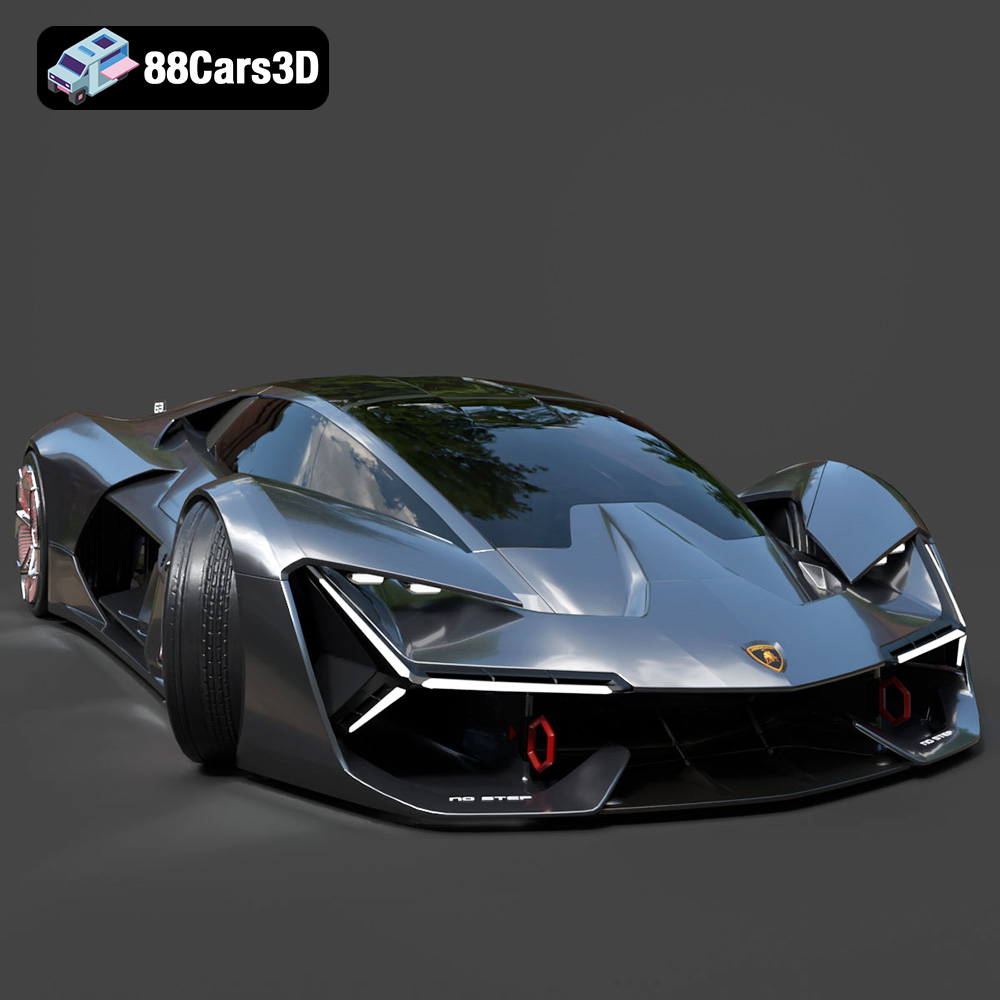
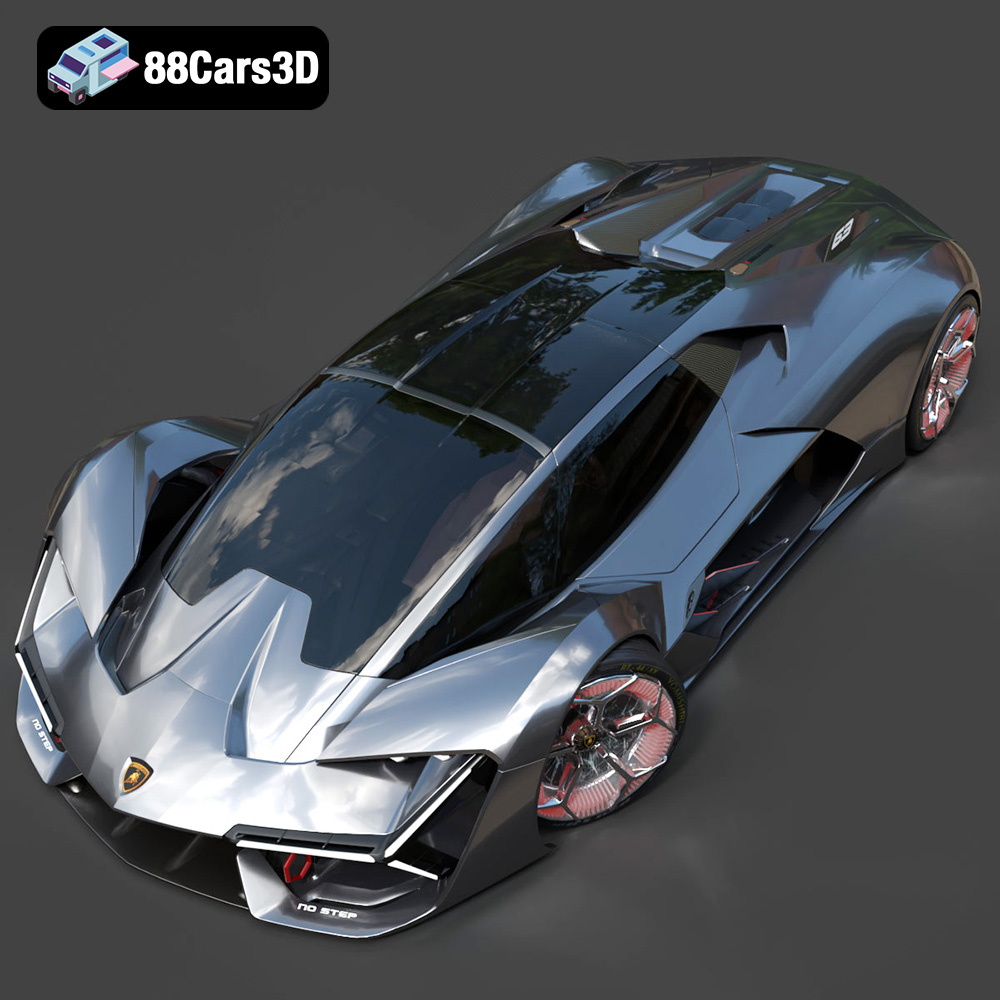
The art and science of creating compelling digital vehicles require a blend of artistic vision and technical mastery. It involves understanding complex surface topology, material PBR workflows, optimization for real-time engines, and adaptability across various software platforms. When a model captures the essence of a visionary design, such as the breathtaking Lamborghini Terzo Millenio 2017, it transcends mere geometry to become an inspiration for innovation. This particular model, available on 88cars3d.com, exemplifies the fusion of artistic detail and technical optimization, making it an indispensable asset for a wide range of professional applications.
This comprehensive guide delves into the technical intricacies of working with premium 3D car models, exploring the essential file formats, advanced rendering techniques, optimization for interactive experiences, and the strategic role these assets play in modern digital pipelines. We’ll examine how a high-quality asset like the Lamborghini Terzo Millenio from 88cars3d.com can elevate your projects, from initial concept visualization to final product delivery.
The choice of file format is paramount in the world of 3D modeling, dictating compatibility, feature support, and overall workflow efficiency. Professionals must navigate a diverse ecosystem of formats, each optimized for specific use cases, from fully editable scene files to lightweight real-time assets. The Lamborghini Terzo Millenio 2017 3D model is supplied in an extensive array of formats, ensuring maximum versatility across different software and pipelines. Understanding these formats is crucial for any serious 3D artist or developer.
The .blend format is Blender’s native file type, offering a complete and editable scene. When you download the Lamborghini Terzo Millenio in .blend format, you gain access to the raw project file, including all mesh data, materials, textures, lighting setups, cameras, animations, and even rigging information if present. This is ideal for artists who primarily work within Blender and require full control over the model’s structure, shaders, and scene elements. It allows for direct modifications, material tweaking, and seamless integration into existing Blender projects without any loss of data that might occur during conversion.
FBX (Filmbox) is a proprietary file format owned by Autodesk, widely regarded as the industry standard for exchanging 3D data between various software applications. Its robust support for mesh, materials, textures, skeletal animation, and blend shapes makes it invaluable. For game developers working with Unreal Engine or Unity, the .fbx version of the Terzo Millenio is often the preferred choice due to its efficient handling of complex hierarchies, smooth animation transfer, and reliable import into real-time pipelines. Technical details include support for embedded media, allowing textures to be packaged with the model, streamlining asset management.
The .obj (Wavefront OBJ) format is one of the oldest and most universally supported 3D file formats. It’s a simple, text-based format primarily used for geometry and UV data, with accompanying .mtl (material) files for basic material properties and texture references. While it doesn’t support animation or complex scene data, its widespread compatibility makes it a safe bet for cross-software transfers when only the mesh and basic texturing are needed. The .obj version of the Lamborghini Terzo Millenio is excellent for artists who need a clean mesh to start with, especially when importing into CAD software or non-animation-focused rendering engines.
.glb (GL Transmission Format Binary) is a relatively newer format designed for the efficient transmission and loading of 3D scenes and models in web and immersive applications. It’s a binary version of glTF, bundling all assets (geometry, materials, textures, animations) into a single file. The .glb format for the Terzo Millenio is perfect for showcasing the model in augmented reality (AR) apps, virtual reality (VR) environments, or directly within a web browser without requiring extensive loading times or complex external dependencies. Its compact nature and optimization for real-time rendering make it a go-to for interactive experiences.
.stl (STereoLithography) is the de facto standard file format for 3D printing. It represents a 3D model as a collection of unconnected triangles (a tessellated surface) that describe the outer surface geometry of an object. The .stl version of the Lamborghini Terzo Millenio is crucial for hobbyists and professionals looking to bring the digital design into the physical world. While it lacks color or texture information, its focus on manifold geometry and watertight meshes ensures printability. The model is prepared for this, with recommendations for scale and support structures, making it suitable for display-scale models.
.ply (Polygon File Format) is a versatile format capable of storing a wide range of 3D data, including polygons, vertices, normals, and even color per vertex. It’s often used in scientific and engineering applications, particularly for scanned data or models requiring precise mesh information beyond simple geometry. The .ply format for the Terzo Millenio would be beneficial for users who might integrate the model into CAD software for further engineering analysis, or for applications requiring a high level of geometric detail and attribute storage.
While not a standalone “file format” in the same vein as .fbx or .obj, the inclusion of “.unreal” typically implies an asset that has been specifically packaged, optimized, and configured for direct import into Unreal Engine. This often means the asset includes pre-setup materials, textures, and perhaps even collision meshes and LODs (Levels of Detail) that adhere to Unreal Engine’s best practices. For the Lamborghini Terzo Millenio, having an “.unreal” version significantly streamlines the integration process, reducing the setup time for game developers and real-time visualization artists.
The .max format is the native file format for Autodesk 3ds Max, a powerful 3D modeling, animation, and rendering software. Similar to .blend for Blender, the .max file contains the entire scene data, including geometry, materials, lighting, cameras, animation, and scene settings. For users deeply integrated into the 3ds Max ecosystem, the .max version of the Terzo Millenio offers the highest level of editability and direct compatibility with 3ds Max’s extensive toolset, making it ideal for high-end automotive rendering and complex animation projects.
Automotive rendering stands at the pinnacle of digital visualization, demanding impeccable detail, realistic lighting, and sophisticated material properties. The Lamborghini Terzo Millenio 2017 3D model provides an exceptional foundation for creating breathtaking visuals, thanks to its accurate geometry and optimized topology. Leveraging this asset in rendering applications like 3ds Max or Blender requires a deep understanding of PBR workflows and lighting principles.
Photorealism in modern rendering relies heavily on Physically Based Rendering (PBR) workflows. PBR materials simulate how light interacts with surfaces in the real world, ensuring consistent and believable results under various lighting conditions. For a hypercar like the Terzo Millenio, this means meticulously crafting materials for its aggressive carbon-fiber monocoque, glowing LED elements, metallic accents, and futuristic glass. The provided model on 88cars3d.com includes optimized geometry, allowing artists to focus on developing these complex PBR shaders. Artists would typically utilize maps such as Albedo/Base Color, Metallic, Roughness, Normal, and Ambient Occlusion. The subtle sheen of exposed carbon fiber, the reflectivity of its unique Y-shaped LED headlights, and the deep, glossy paint finishes all require precise PBR values to truly come alive in a render.
Lighting is arguably the most critical element in automotive rendering, capable of making or breaking a scene. For a concept car with such radical geometry, strategic lighting can emphasize its extreme proportions and massive air channels. Professional workflows often involve a combination of HDRI (High Dynamic Range Image) environment maps for realistic global illumination and targeted area lights or spotlights to highlight specific design features. Studio lighting setups, using softboxes and reflectors, can dramatically showcase the car’s sculpted bodywork and aerodynamic lines. Furthermore, integrating emissive materials for the Terzo Millenio’s signature glowing elements requires careful light mixing to achieve a dynamic and futuristic aesthetic. Artists working with this model can experiment with various environments, from a stark, futuristic showroom to a dramatic, sci-fi cityscape, to evoke different moods and storytelling.
The transition from high-fidelity rendering to real-time game engines presents a unique set of challenges, primarily focused on optimization without sacrificing visual quality. The Lamborghini Terzo Millenio 2017 3D model is specifically designed to be game-ready, striking an impressive balance between detail and performance, making it an invaluable game asset for titles built on Unreal Engine or Unity.
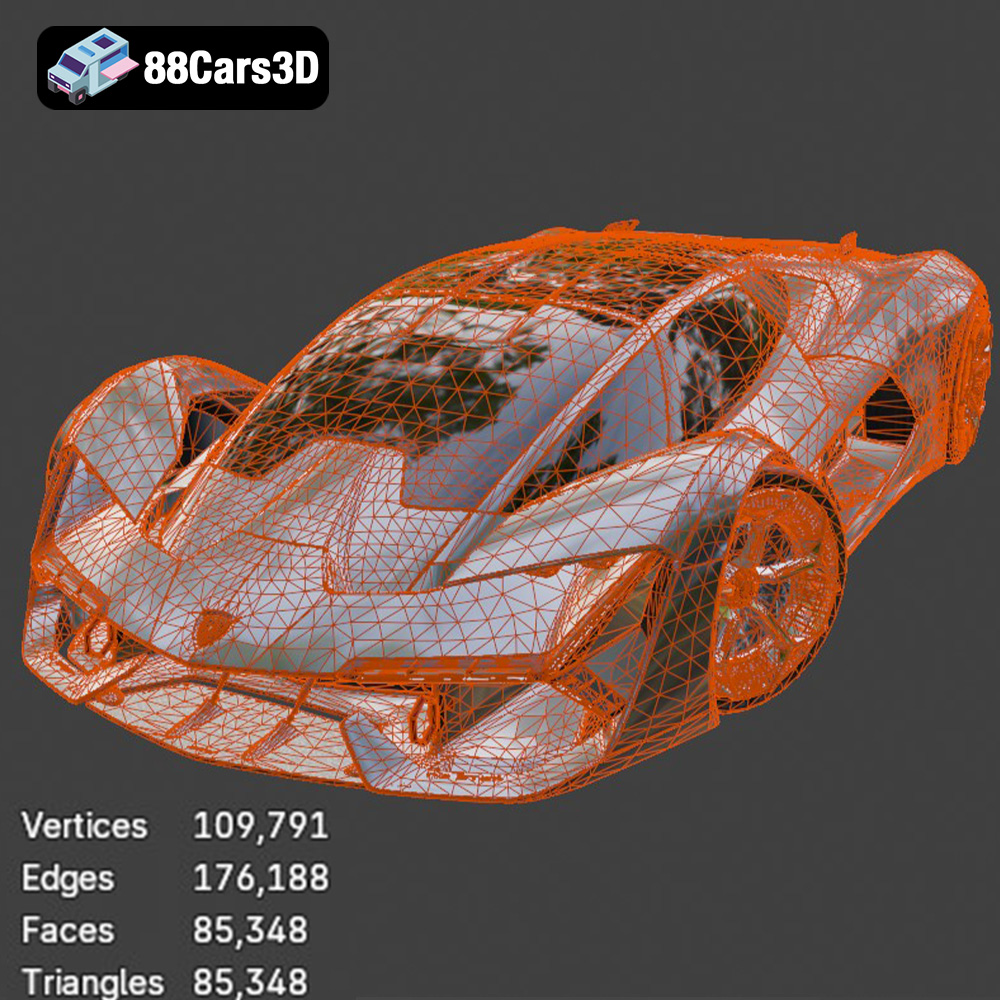
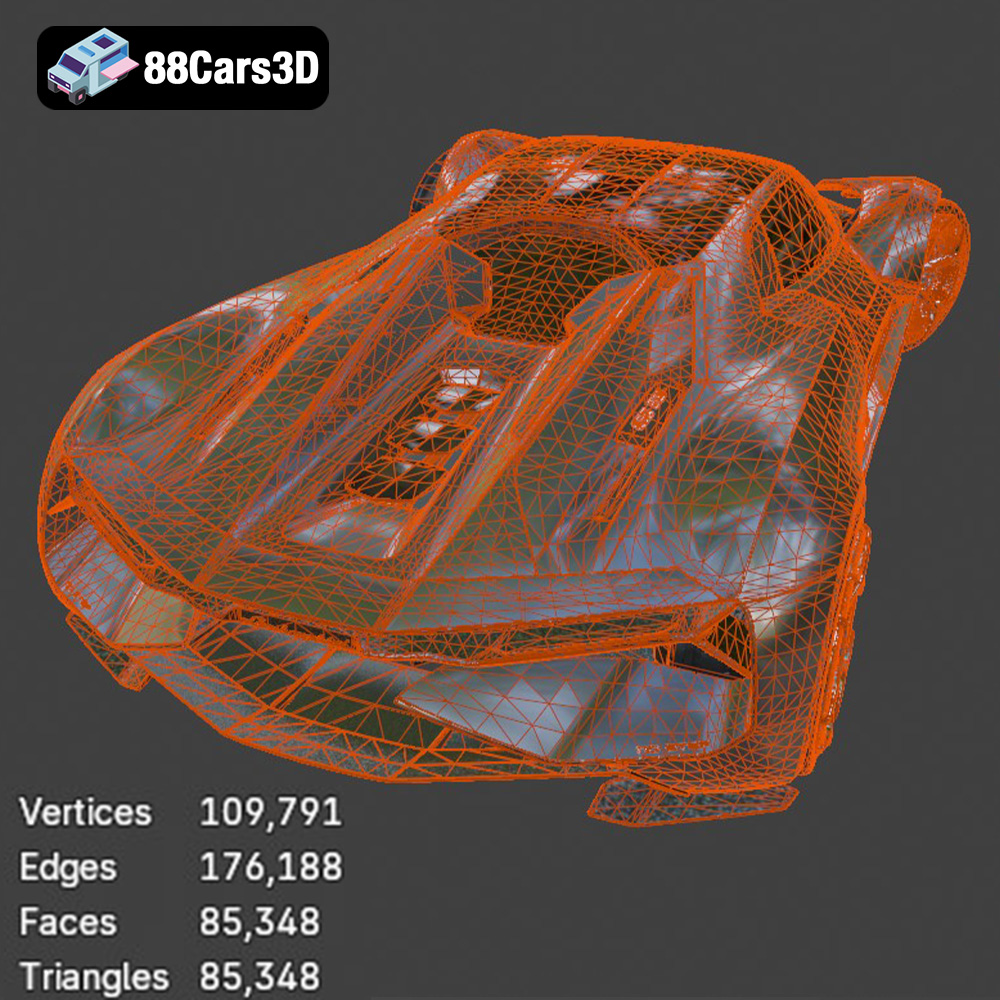
A core technical advantage of this model is its optimized triangle count of approximately 350,000. This poly count is a sweet spot for real-time engines: high enough to maintain the complex, radical geometry of the concept car, yet low enough to ensure smooth frame rates in demanding game environments. Beyond raw poly count, proper mesh topology is critical. The Terzo Millenio model boasts exceptional topology, which is essential for clean deformations, efficient rendering, and accurate collision detection. Equally important are optimized UV layouts. Clean UV mapping ensures textures are applied without distortion, maximizing texture resolution and minimizing draw calls, which is crucial for real-time performance. For game assets, multiple UV channels are often utilized: one for base textures, another for lightmaps, and potentially a third for unique effects like decals or dirt maps. The ‘separate wheels, suspension, and steering components for animation’ feature further enhances its game-readiness, allowing for realistic vehicle physics and interactive elements.
The inclusion of .fbx and .unreal file formats makes the Lamborghini Terzo Millenio 3D model exceptionally well-suited for direct import into Unreal Engine and Unity. Once imported, game developers can leverage the model’s proper pivot setup for steering, wheel rotation, and suspension travel to easily configure vehicle blueprints or scripts. This allows for immediate implementation into racing games, open-world environments, or even interactive automotive configurators. Materials can be quickly converted to engine-specific shaders, with PBR textures applied to achieve visually stunning results even in real-time. Developers often implement LODs (Levels of Detail) for such high-detail models, ensuring that simplified versions of the car are rendered at a distance, further boosting performance without visible degradation to the player.
The utility of a high-quality 3D car model extends far beyond traditional screen-based rendering and gaming. With formats like .stl and .glb, the Lamborghini Terzo Millenio model opens doors to tangible creations through 3D printing and immersive interactive experiences in augmented and virtual reality.
The .stl format, specifically included for 3D printing, allows enthusiasts and professionals to transform the digital vision of the Terzo Millenio into a physical display piece. The detailed product description even provides specific 3D print settings, including recommended scales (1:12 / 1:18 / 1:24), layer height (0.04–0.12 mm for resin printing), wall thickness, infill, and crucial support requirements for intricate parts like the aggressive rear diffuser or exposed active aerodynamic elements. This level of preparation ensures that the complex, radical geometry of the concept car can be accurately reproduced. Post-processing, such as sanding and applying authentic factory colors with metallic finishes, can then elevate the printed model to a museum-quality collectible, showcasing the intricate design details in a tactile format.
For cutting-edge applications in AR (Augmented Reality) and VR (Virtual Reality), the .glb format is indispensable. This highly optimized format is designed for efficient transmission and rendering in interactive, real-time environments. Imagine a prospective buyer exploring the Lamborghini Terzo Millenio in a virtual showroom, walking around it, inspecting its detailed exterior, and even stepping inside its futuristic cockpit using a VR headset. Or, picture an AR application that places the Terzo Millenio directly onto a user’s driveway via their smartphone, allowing them to visualize its scale and presence in a real-world setting. The model’s optimized geometry and textures ensure these experiences are fluid and visually rich, providing unparalleled engagement. The ‘futuristic two-seater racing shell seats’ and ‘F1-style racing steering yolk and interface’ are crucial interior details that enhance first-person POV immersion in these virtual environments.
For design studios, marketing agencies, and game development teams, time is a precious commodity. Sourcing pre-made, high-quality 3D car models like the Lamborghini Terzo Millenio 2017 from marketplaces such as 88cars3d.com can dramatically accelerate project timelines and elevate the final output. These assets are not just models; they are foundations for innovative solutions.
In the automotive industry, concept visualization is a critical early stage. Design studios often iterate rapidly through numerous concepts before settling on a final direction. Having a meticulously detailed 3D model of a cutting-edge concept like the Terzo Millenio allows designers to instantly drop it into virtual environments, experiment with lighting, materials, and even simulate interactive elements. Instead of spending weeks modeling from scratch, a team can focus on artistic direction, environmental design, and showcasing innovative features. For instance, a studio could use the .max or .blend version to integrate the Terzo Millenio into a proposed futuristic city design, evaluating its aesthetic impact and aerodynamic flow within a simulated urban landscape, offering clients a comprehensive pre-visualization experience.
Modern marketing demands engaging, interactive content. Automotive brands, particularly those in the luxury or concept car segment, can leverage the Terzo Millenio model to create compelling digital campaigns. A marketing agency might use the .fbx or .unreal version to build a dynamic web configurator where potential customers can customize the car’s body colors, modify tire textures, or adjust material finishes (matte, gloss, metallic) in real-time. These interactive experiences not only captivate audiences but also provide valuable data on customer preferences. Furthermore, high-resolution renders created from the model can be used for print ads, digital banners, and cinematic video spots, showcasing the car’s “ultra-aerodynamic, aggressive carbon-fiber monocoque” and “glowing LED Y-shaped signature headlights” in a way that static imagery simply cannot.
The true value of a premium 3D car model, particularly one as uniquely designed and technically robust as the Lamborghini Terzo Millenio, lies in its versatility and adaptability. It’s an investment that pays dividends across multiple projects and platforms, serving as a cornerstone for diverse creative endeavors.
Beyond its out-of-the-box readiness, a high-quality model offers extensive customization options. The Terzo Millenio model allows for simple modifications like changing body colors (from factory hues to custom finishes), swapping tire textures (e.g., street vs. racing variants), and fine-tuning material properties. This adaptability means that artists are not limited to a single look or application. A game developer can easily re-texture it for a specific in-game faction, while an architectural visualization artist can integrate it into a luxury garage scene, matching its aesthetics to the surrounding environment. The inherent flexibility ensures that the asset remains relevant and powerful across a spectrum of creative demands, proving its worth far beyond a single-use scenario.
As technology continues to advance, the demand for high-quality, optimized 3D assets will only grow. Investing in a robust model like the Lamborghini Terzo Millenio ensures that your asset library is equipped for future projects, whether they involve next-generation game engines, emerging AR/VR platforms, or advanced rendering techniques. The foresight in providing multiple, optimized file formats (from .blend to .unreal to .glb) future-proofs the asset, allowing it to seamlessly integrate into evolving pipelines. This model is not just about today’s projects; it’s about building a solid foundation for tomorrow’s innovations in automotive rendering, game development, and interactive visualization.
In the competitive realm of digital content creation, the availability of high-quality 3D car models is a game-changer. The Lamborghini Terzo Millenio 2017 3D model stands as a testament to what’s possible when meticulous artistic detail meets rigorous technical optimization. Its availability across a wide range of industry-standard file formats – from .blend for comprehensive scene editing to .fbx for real-time engine integration, .stl for physical fabrication, and .glb for immersive web experiences – ensures unparalleled versatility for professionals across various sectors.
Whether you are an automotive designer visualizing future concepts, a game developer crafting the next-generation racing title, an architect populating a luxurious virtual scene, or a marketer creating engaging interactive campaigns, this model provides the foundation for exceptional results. It embodies the speed, precision, and forward-thinking design required in today’s demanding digital landscape. Elevate your projects and streamline your workflows by choosing premium assets designed for performance and aesthetic excellence. For this and many other professionally crafted 3D car models, visit 88cars3d.com and unlock your creative potential.
The Lamborghini Terzo Millenio is a futuristic electric concept car representing the pinnacle of hypercar design and innovation. Developed in collaboration with MIT, this visionary masterpiece features an ultra-aerodynamic, aggressive carbon-fiber monocoque, glowing LED Y-shaped signature headlights, and exposed active aerodynamic elements. Its design is characterized by extreme, low-slung proportions and massive air channels sculpted directly into the bodywork to generate unprecedented downforce. This meticulously crafted 3D model features exceptional topology and an optimized triangle count, ensuring it is fully game-ready without sacrificing visual fidelity. The model captures the complex, radical geometry of the concept car, making it the perfect asset for high-end rendering, interactive configurators, and real-time engines. Perfect for futuristic racing games, high-end automotive visualizations, sci-fi cyberpunk environments, and virtual reality showrooms.
$19.99
.blend
.fbx
.glb
.hypercar
.lamborghini
.max
.obj
.ply
.rendering
.stl
.supercar
.unreal
car-3d-model
concept-car
electric-car
game asset
game-ready
low-poly
optimized
terzo-millenio
VR/AR