Get 20% OFF All Premium 3D & STL Models!

The roar of an engine, the gleam of chrome, the timeless silhouette – classic cars hold a unique place in our collective imagination. For designers, game developers, animators, and visualization artists, recreating this automotive heritage in the digital realm presents both a challenge and an immense opportunity. High-quality 3D car models are not just static representations; they are dynamic assets that can bring historical accuracy, aesthetic beauty, and unparalleled realism to a vast array of projects, from thrilling racing simulations to immersive virtual experiences and stunning architectural visualizations.
In this comprehensive guide, we’ll delve into the intricate world of professional 3D car model integration, exploring the technical nuances, workflow considerations, and creative possibilities that these assets unlock. We’ll specifically examine the exquisite Ford Fairlin 3D Model, a prime example of a meticulously crafted asset that embodies the golden age of American motoring and is engineered for diverse, demanding applications. Understanding how such a model is built, optimized, and utilized across different software and platforms is crucial for anyone aiming to elevate their digital automotive projects.
Recreating a classic vehicle like the Ford Fairlin in three dimensions is an intricate dance between historical accuracy and technical precision. It’s about more than just replicating a shape; it’s about capturing the essence, the spirit, and the distinctive details that make a car iconic. A truly exceptional 3D model brings the past to life with fidelity that stands up to close scrutiny in any modern digital environment.
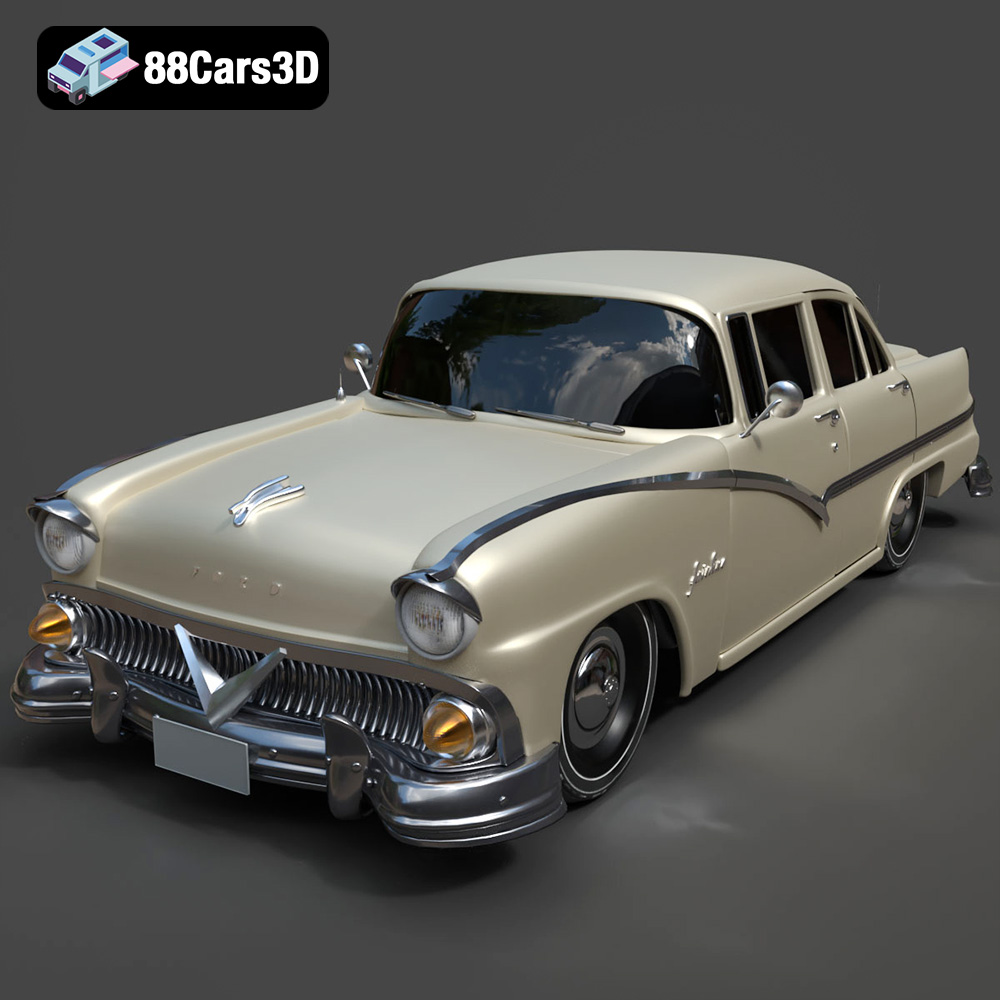
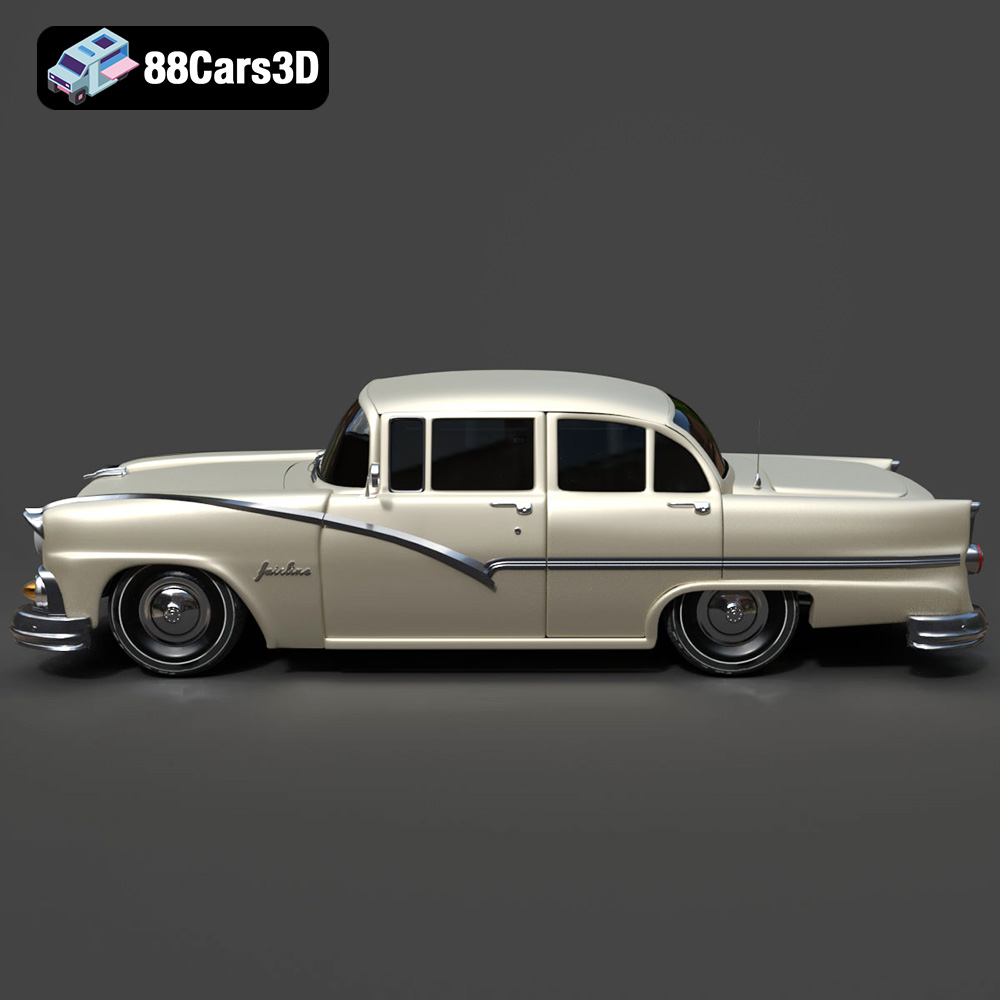
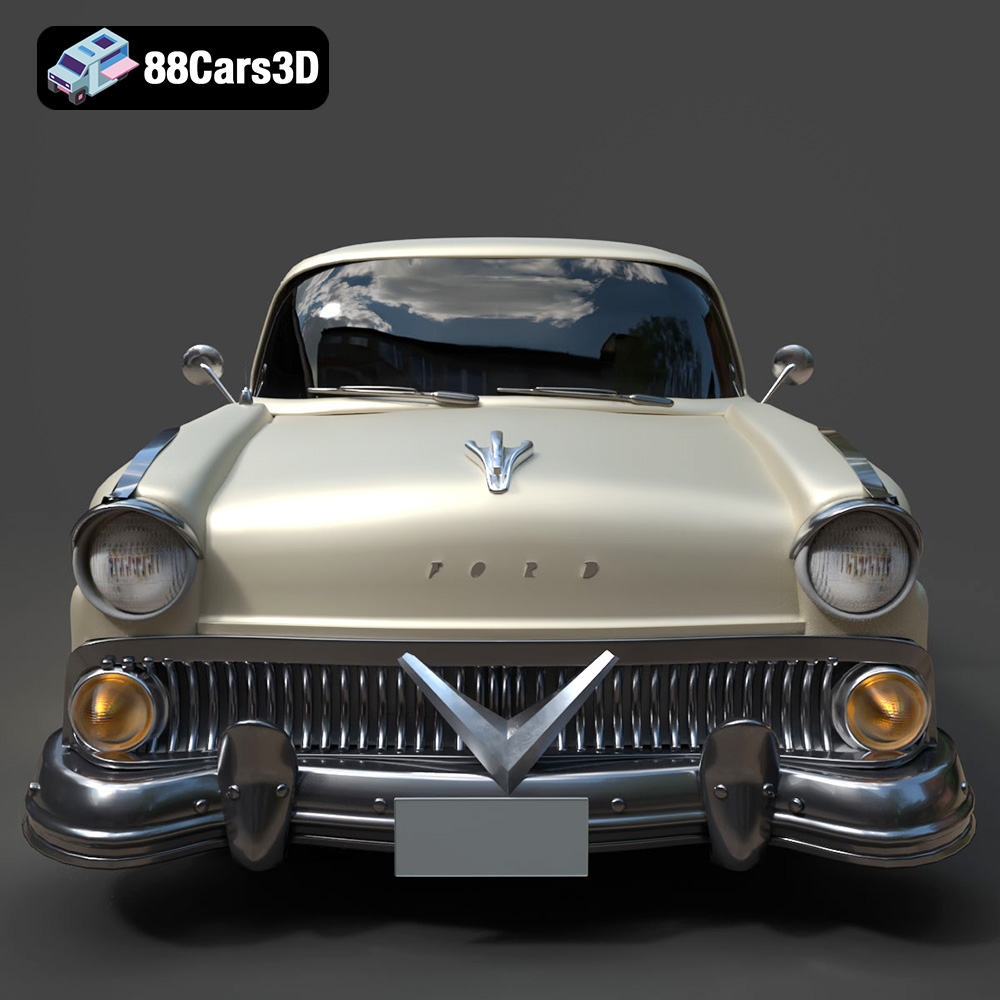
The journey begins with an exhaustive study of the real-world vehicle. For the Ford Fairlin, this means poring over blueprints, historical photographs, and reference materials to understand its signature styling cues. We’re talking about the expansive chrome bumpers that defined an era, the sweeping bodyline that exuded elegance, and the unmistakable V8-inspired front grille that promised power and performance. Every curve, every panel gap, every rivet contributes to the overall authenticity. The challenge lies in translating these real-world imperfections and design philosophies into a clean, optimized digital mesh, ensuring that the model resonates with the nostalgic appeal of classic American motoring.
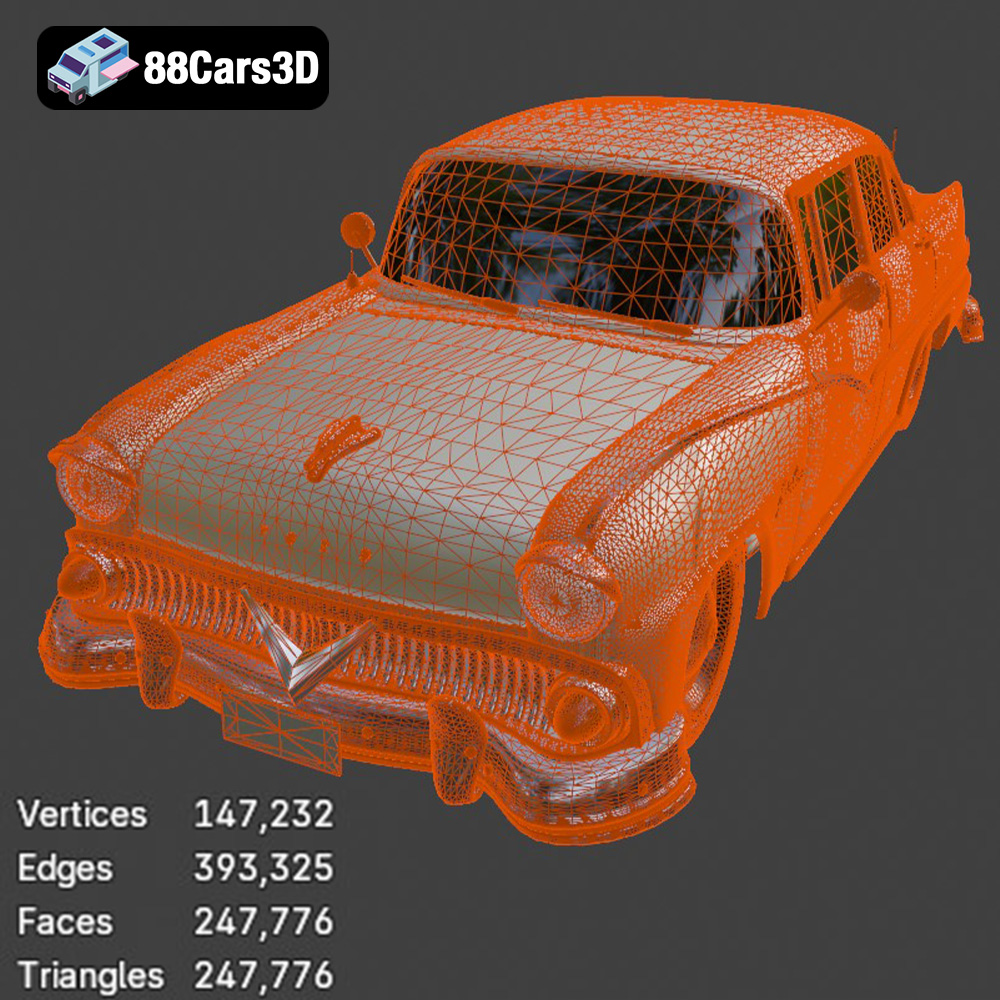
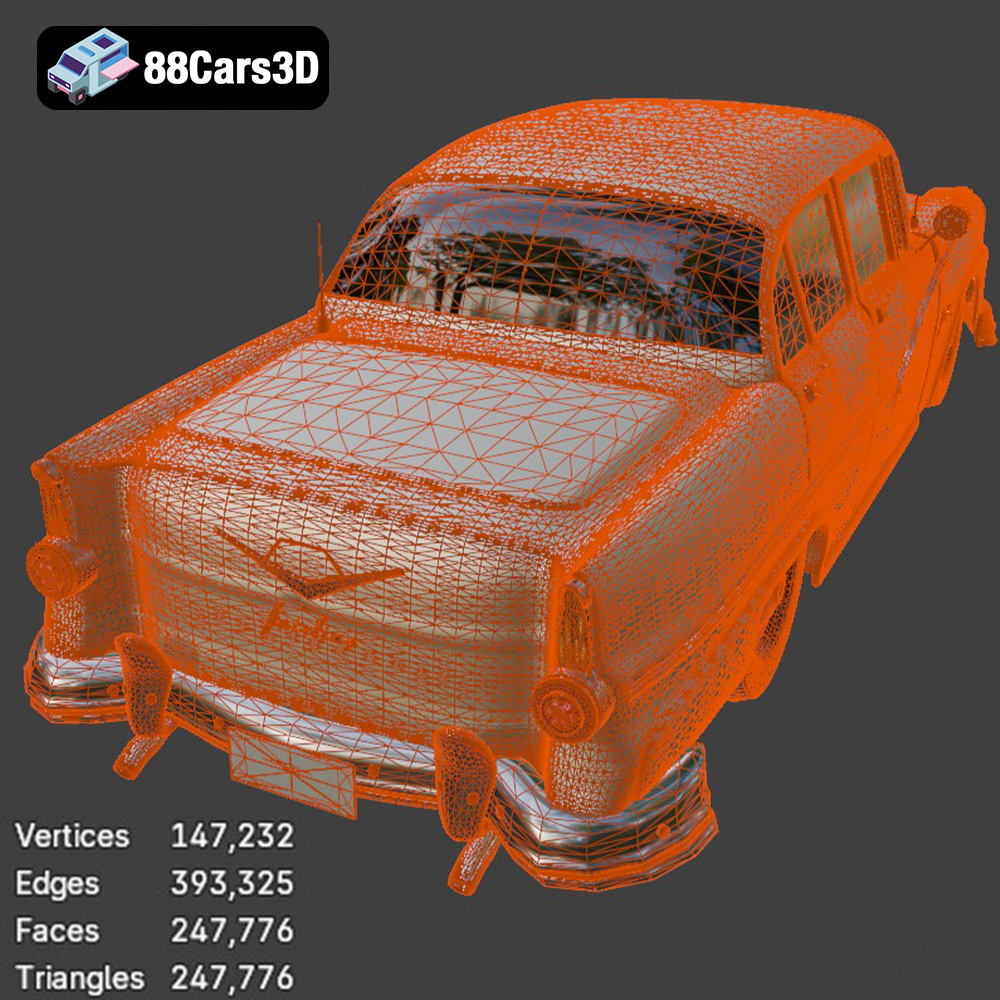
Professional modelers meticulously craft the base mesh, paying close attention to topology – the arrangement of vertices, edges, and faces. Good topology is fundamental for smooth deformations during animation, efficient UV mapping, and clean subdivisional surfacing. This foundational work ensures that the model is not just visually appealing but also technically robust, capable of performing flawlessly in real-time engines and high-fidelity rendering pipelines.
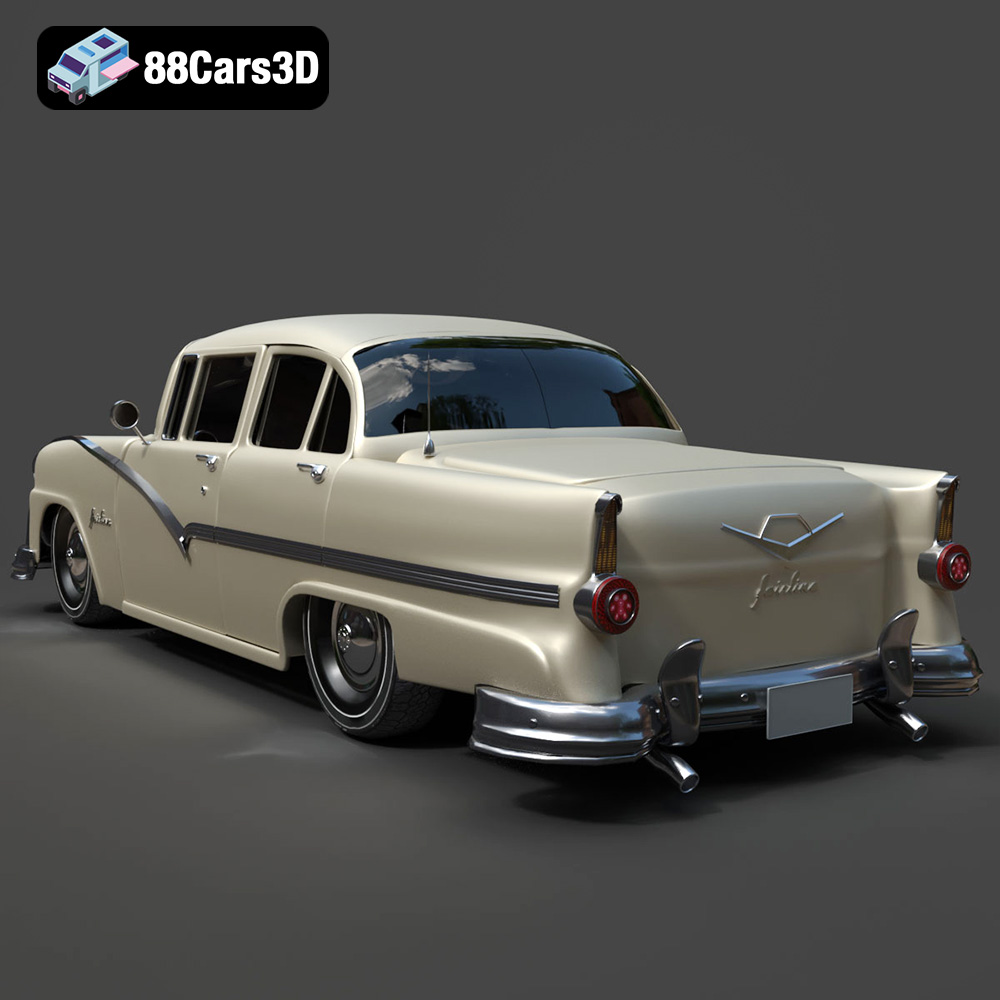
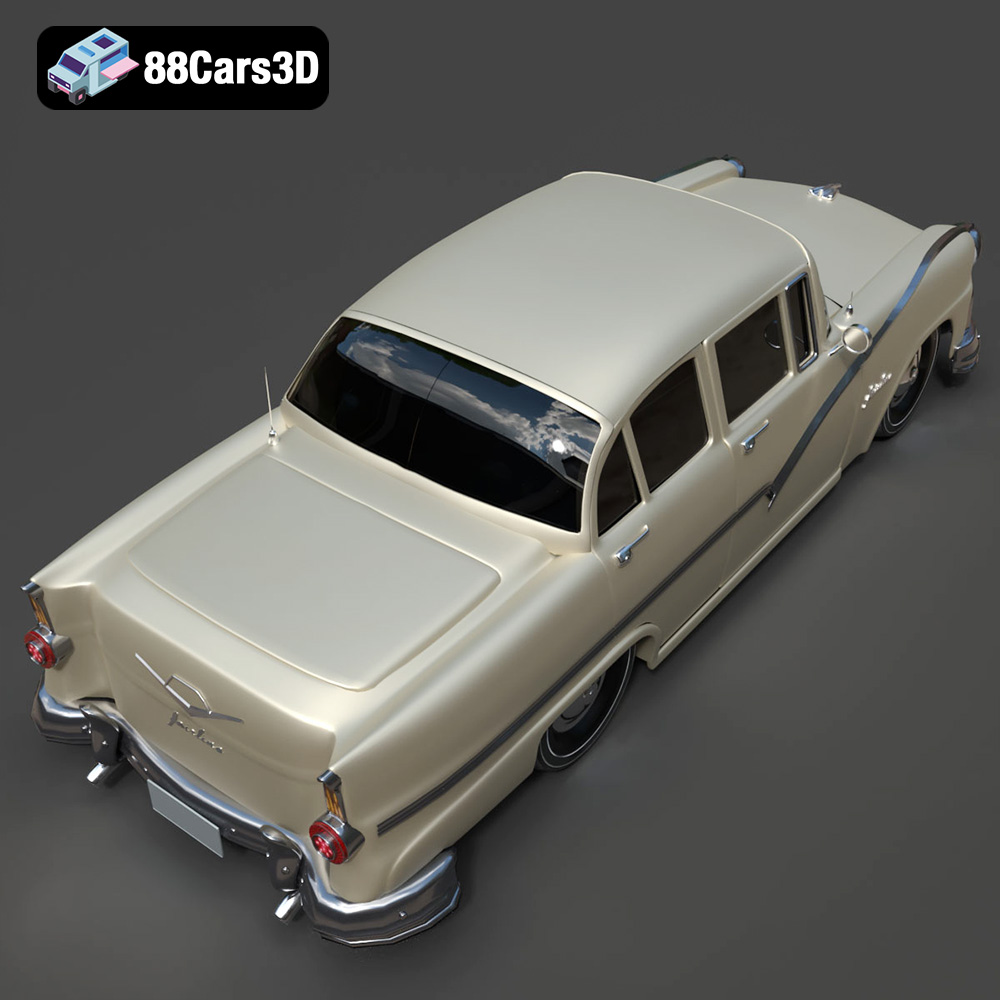
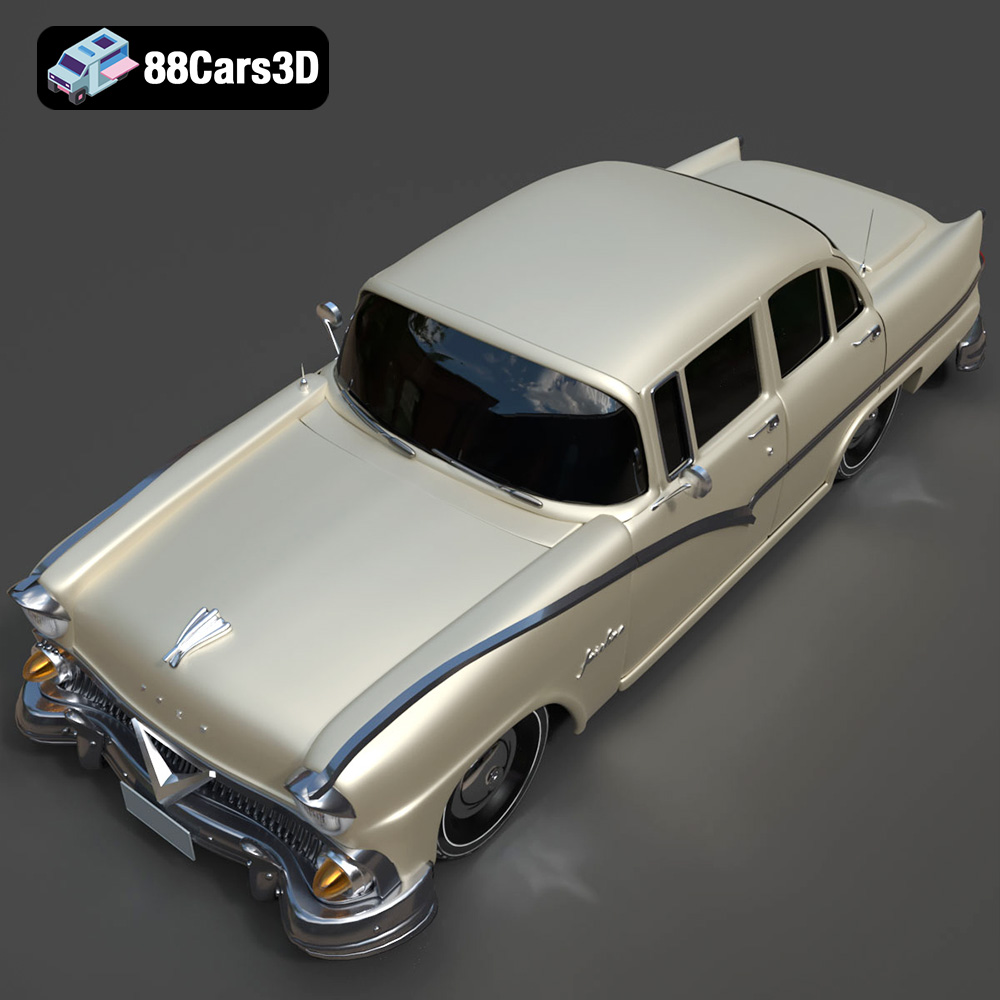
The Ford Fairlin 3D Model stands out as a testament to this meticulous approach. Its detailed exterior boasts accurate frame geometry and classic proportions, faithfully reproducing the vehicle’s vintage appeal. Key exterior features include a detailed engine block representing the iconic V8 powerplant, an authentic dual exhaust system with polished chrome tailpipes, and period-correct lighting with classic round headlights and signature taillights. Even the vintage-style steel wheels with classic whitewall tire detailing and the intricate undercarriage and suspension setup are meticulously recreated.
Beyond the external beauty, the model provides an optimized interior, featuring an authentic vintage bench seat with highly detailed upholstery, a classic thin-rimmed steering wheel with a chrome horn ring, and a retro analog instrument cluster. This level of detail, combined with an optimized triangle count of approximately 150,000, ensures that the model achieves maximum visual fidelity without compromising game-ready performance. This balance is critical, making it suitable for a wide range of applications from real-time gaming to cinematic renders.
Navigating the world of 3D modeling often means grappling with an array of file formats, each designed for specific purposes and workflows. Choosing the correct format is paramount for seamless integration, optimal performance, and preserving the integrity of your 3D assets. High-quality 3D car models, especially from reputable sources like 88cars3d.com, typically come in multiple formats to ensure maximum compatibility.
The .blend format is the native file type for Blender, the popular open-source 3D creation suite. When you download a .blend file, you’re getting a fully editable Blender scene, complete with all its associated data: meshes, materials, textures, lighting, cameras, animations, physics simulations, and even scene settings. This format is ideal for users who work primarily in Blender, offering the most flexibility for customization, rigging, animation, and further development within the Blender ecosystem. For the Ford Fairlin 3D model, the .blend file provides a complete project, allowing users to dive deep into its construction and adapt it to their specific needs without losing any information.
.fbx (Filmbox) is arguably the most widely adopted proprietary 3D interchange format, developed by Autodesk. It excels at transferring 3D model data between different software applications, especially those used in game development (Unreal Engine, Unity), animation, and visual effects. An .fbx file can encapsulate geometry, materials, textures, bones, animations, and even camera data. Its robust nature makes it the go-to format for exporting game assets and ensuring that complex scenes with animations translate accurately across platforms. The Ford Fairlin in .fbx format is perfectly suited for importing into game engines or other DCC (Digital Content Creation) tools, ready for real-time pipelines.
.obj (Wavefront Object) is one of the oldest and most universally supported 3D formats. It’s a simple, text-based format that primarily stores geometric data (vertices, normals, texture coordinates, and faces) along with references to external material files (.mtl). While it doesn’t support animation or rigging, its simplicity and widespread compatibility make it an excellent choice for basic mesh exchange between virtually any 3D software. For the Ford Fairlin, an .obj file guarantees that the core mesh can be opened and worked with, regardless of your primary 3D application, serving as a reliable fallback or a starting point for complex material setups.
.glb (GL Transmission Format Binary) is the binary version of glTF, a royalty-free specification for the efficient transmission and loading of 3D scenes and models by applications. Often dubbed the “JPEG of 3D,” .glb files are highly optimized for web-based 3D, AR (Augmented Reality), and VR (Virtual Reality) applications. They package geometry, textures, and materials into a single, compact file, making them ideal for quick loading and display in browsers, mobile AR apps, and metaverse platforms. For showcasing the Ford Fairlin in an interactive virtual showroom or integrating it into a mobile AR experience, the .glb format is indispensable due to its efficiency and PBR (Physically Based Rendering) material support.
.stl (Stereolithography) is the standard file format for 3D printing. It represents a 3D model as a series of connected triangles, defining only the surface geometry of an object without color, texture, or other CAD attributes. While simple, its ubiquity in additive manufacturing means it’s the required format for translating digital models into physical objects. The Ford Fairlin 3D Model’s availability in .stl format allows hobbyists and professionals alike to convert the digital asset into a tangible display-scale model, ready for meticulous physical post-processing.
.ply (Polygon File Format, or Stanford Triangle Format) is another format used to store 3D data, particularly from 3D scanners. It can store a wider range of properties than .obj, including color, transparency, and sometimes even confidence values for each point. While less common for general 3D model distribution, it’s valuable in scientific visualization, reverse engineering, and CAD applications where precise mesh data, often derived from real-world scans, is crucial. For specialized analyses or specific CAD workflows involving the Ford Fairlin, the .ply format offers enhanced data integrity.
While not a standalone file extension in the traditional sense, “.unreal” typically refers to an asset that has been specifically prepared and configured for direct import and optimal performance within Unreal Engine. This often means the model has undergone specific material setups, LOD (Level of Detail) generation, collision mesh creation, and proper pivot and scaling configurations native to Unreal. Having an “engine-ready asset” like the Ford Fairlin in an .unreal variant significantly reduces integration time and ensures it functions as intended in real-time environments, leveraging Unreal’s advanced rendering capabilities out of the box.
The .max format is the native file type for Autodesk 3ds Max, a powerful 3D modeling, animation, rendering, and compositing software. Similar to .blend, a .max file contains the entire scene data, including all objects, modifiers, materials, lights, cameras, and animations specific to 3ds Max. This format is invaluable for users who rely on 3ds Max for its robust modeling tools, parametric workflows, and industry-standard rendering engines like V-Ray or Corona. The Ford Fairlin available as a .max file allows for complete creative control and integration into existing 3ds Max projects, from fine-tuning the model’s geometry to setting up complex rendering scenarios.
A high-quality 3D car model is more than just a pretty face; it’s a versatile tool designed to integrate seamlessly into diverse professional pipelines. The Ford Fairlin 3D Model, with its optimized geometry and multi-format availability, exemplifies this adaptability, making it an invaluable asset for various industries.
In the fast-paced world of game development, balancing visual fidelity with real-time performance is paramount. The Ford Fairlin, with its approximate 150,000 triangle count, hits a sweet spot. This polycount is optimized for real-time engines like Unreal Engine and Unity, allowing for stunning visual realism without bogging down the game’s framerate. Crucially, the model boasts proper pivot setups for steering, wheel rotation, and suspension travel, meaning it’s ready for immediate rigging and animation within a game engine. The separation of wheels, suspension, and steering components allows developers to animate individual parts, simulating realistic driving dynamics and damage models. This level of preparation significantly accelerates the development process, enabling studios to integrate a classic car asset with minimal fuss, whether for a period-accurate racing title or an open-world environment.
For architectural visualization, product showcases, or brand campaigns, photorealistic rendering is the ultimate goal. The Ford Fairlin 3D Model provides the ideal foundation. Its accurate geometry and meticulous detailing, from the chrome accents to the V8 engine block, lend themselves perfectly to studio lighting setups and advanced material shaders in software like 3ds Max or Blender. Artists can apply physically based rendering (PBR) materials, fine-tuning reflections, refractions, and surface imperfections to achieve breathtakingly realistic visuals. Imagine the Fairlin parked majestically outside a contemporary home in an arch-viz scene, or dramatically lit for a lifestyle advertisement. The model’s inherent quality ensures that it will hold up under extreme close-ups and high-resolution output, making it excellent for showcasing the timeless elegance of classic vehicles in marketing materials or cinematic sequences.
Augmented Reality (AR) and Virtual Reality (VR) demand highly optimized assets to maintain smooth frame rates and immersive experiences. The Ford Fairlin’s optimized geometry and its availability in formats like .glb make it perfect for these cutting-edge applications. Developers can use it to create interactive virtual showrooms where users can explore the car in 360 degrees, or in VR garage configurators where paint schemes and accessories can be swapped in real-time. In AR, the model can be projected into a real-world environment, allowing users to “park” a classic Fairlin in their driveway using just a smartphone. The attention to detail in the cockpit and interior features, coupled with optimized geometry, is particularly beneficial for first-person POV in VR, providing an authentic and engaging user experience.
The true value of a professional 3D car model lies not just in its initial appearance, but in its underlying technical structure and the flexibility it offers for adaptation and expansion. The Ford Fairlin 3D Model demonstrates a considered balance between visual fidelity, performance optimization, and creative freedom.
Achieving the perfect balance between high visual detail and efficient performance is a cornerstone of professional 3D asset creation. The Ford Fairlin’s approximate 150,000 triangle count is a carefully chosen figure. For high-end cinematic renders, this provides ample detail for smooth curves and intricate components. Simultaneously, it remains lean enough for real-time applications like games and AR/VR, where every polygon impacts frame rate. Complementing this, the model is built to real-world scale accuracy, ensuring that it fits correctly into any scene or simulation without requiring manual resizing, which can introduce errors. While not explicitly detailed in the product description, a model of this caliber would undoubtedly feature professional UV mapping – the process of flattening the 3D surface into a 2D space for texture application. Clean UVs are crucial for crisp, undistorted textures and efficient texture atlas packing, further contributing to both visual quality and performance.
No two projects are identical, and the ability to customize a 3D asset is invaluable. The Ford Fairlin offers extensive customization options, allowing artists and developers to adapt it to their specific creative vision. Users can easily change body colors, applying anything from authentic factory finishes to bespoke metallic paint jobs. Tire textures can be modified to reflect different scenarios, switching between classic whitewalls, racing slicks, or even off-road variants. Material finishes, such as matte, gloss, or metallic properties, can be adjusted to achieve desired aesthetic effects and match specific lighting conditions. Furthermore, the model’s design with separate wheels, suspension, and steering components provides the foundational elements for advanced animation and dynamic simulations, empowering artists to create lifelike movement and interactions. This level of customizability ensures that the Fairlin isn’t just a static prop but a dynamic, adaptable component of any digital project.
Beyond digital screens, the Ford Fairlin 3D Model also bridges the gap to the physical world through 3D printing. Its availability in .stl format makes it readily convertible for additive manufacturing. The provided 3D print settings are critical for hobbyists and professionals looking to create a tangible replica. Recommended scales (1:12, 1:18, 1:24) cater to various display sizes, while specific layer height recommendations (0.04–0.12 mm) for resin printing suggest optimal settings for capturing fine details like the exhaust system or chrome trim. Wall thickness guidelines (1.2–2.0 mm) ensure structural integrity, and infill percentages (20–30%) balance material usage with strength. Crucially, the mention of required supports for detailed parts and specific print orientations (frame angled, wheels separately) highlights a practical understanding of 3D printing best practices, aiming for successful prints and minimizing post-processing. After printing, sanding, priming, and painting with authentic factory colors and metallic finishes can transform the printed model into a stunning physical representation of this classic automobile.
To truly appreciate the versatility and impact of a high-quality 3D asset like the Ford Fairlin, it’s helpful to consider its application in real-world scenarios across different industries. These case studies illustrate how 88cars3d.com provides assets that empower creators.
Imagine a new racing simulator aiming to capture the golden age of motorsport. The development team needs a fleet of historically accurate vehicles, each optimized for intense real-time physics and detailed visual damage. Integrating the Ford Fairlin 3D Model would be a streamlined process. Its game-ready optimization, with a sensible polygon count and pre-setup pivots for wheels and steering, means fewer hours spent on re-topology or rigging. The separate components allow for immediate implementation of suspension travel, tire deformation, and even realistic crash dynamics. With high-resolution PBR textures applied, the Fairlin can be driven on virtual tracks, its chrome glinting under the digital sun, providing players with an authentic and thrilling experience of classic American muscle.
An automotive museum wants to create an interactive virtual exhibition where visitors can explore iconic vehicles up close, regardless of their physical location. Leveraging the Ford Fairlin 3D Model, the museum can develop an immersive VR experience. Using the .glb format, the model loads quickly in a web browser or a dedicated VR application. Visitors could “walk” around the Fairlin, admiring its sweeping bodylines and chrome details. They could open the virtual doors to inspect the meticulously recreated interior, from the vintage bench seats to the retro instrument cluster. With additional interactive elements, users might even be able to cycle through historical paint options or hear the rumble of its V8 engine. This provides an engaging, accessible, and deeply educational experience that transcends traditional museum limitations.
A film production company is shooting a period drama set in the 1960s, requiring a scene with a classic American car driving through a picturesque landscape. Instead of sourcing and transporting a real, expensive vintage vehicle, the visual effects team can integrate the Ford Fairlin 3D Model into the digital environment. Using the .max or .blend file, animators can precisely place the car, choreograph its movement, and light it to match the live-action footage. The model’s high detail allows for extreme close-ups on the chrome, the tires, and the interior, holding up to the demands of a large screen. Its robust topology means it can be rigged for complex camera tracking and environmental interactions, adding an authentic, cost-effective, and flexible element to the cinematic narrative without the logistical headaches of real-world props.
The world of 3D modeling continues to evolve, but the demand for high-quality, meticulously crafted assets remains constant. Whether for game development, high-end rendering, or immersive AR/VR experiences, a well-engineered 3D car model is an indispensable component of modern digital content creation. The Ford Fairlin 3D Model stands as a testament to the power of combining historical accuracy with technical optimization, offering a versatile asset ready to drive your next project forward.
Its comprehensive file format support, from editable .blend and .max scenes to game-ready .fbx and web-optimized .glb, ensures seamless integration into virtually any professional workflow. The attention to detail, optimized polygon count, and inherent customization options provide both visual fidelity and practical flexibility. As creators continue to push the boundaries of digital realism and interactive experiences, access to premium 3D car models like the Ford Fairlin from trusted marketplaces such as 88cars3d.com becomes not just a convenience, but a critical factor in achieving excellence.
Embrace the fusion of automotive heritage and digital innovation, and let high-quality 3D models unlock new possibilities for your creative endeavors.
Experience the timeless elegance and power of the classic Ford Fairlin, a stunning representation of mid-century automotive design. Known for its heritage and iconic presence, this vehicle features signature styling cues including expansive chrome bumpers, a sweeping bodyline, and a classic V8-inspired front grille. Its vintage appeal is highlighted by perfectly proportioned exterior lines and a meticulously recreated exhaust system that captures the essence of classic American motoring. This premium 3D model boasts exceptional topology with an optimized triangle count of approximately 150,000, ensuring maximum visual fidelity without compromising game-ready performance. It is expertly crafted for a variety of demanding applications, providing flawless geometry and stunning realism for game development, AR/VR applications, high-end animation, and architectural visualization. Perfect for classic car showcases, period-accurate racing games, VR garage configurators, and cinematic renders.
$19.99
.blend
.fairlane
.fbx
.ford
.glb
.max
.obj
.ply
.rendering
.retro
.stl
.unreal
car-3d-model
classic-car
fairlin
game asset
game-ready
low-poly
optimized
vintage-car
VR/AR