Get 20% OFF All Premium 3D & STL Models!

The Ford Mustang GT stands as an undisputed titan of American automotive engineering, a symbol of raw power, distinctive style, and an enduring legacy. Its aggressive stance, thunderous V8 engine, and iconic design elements have captivated enthusiasts for decades. In the world of 3D modeling and digital content creation, bringing such a revered vehicle to life demands precision, optimization, and versatility. Whether you’re an automotive designer, a game developer, a visualization artist, or an AR/VR innovator, having access to a high-fidelity, meticulously crafted 3D model of the Mustang GT can be a game-changer for your projects.
This article dives deep into the technical considerations, creative applications, and workflow advantages of incorporating premium 3D car models like the Ford Mustang GT 3D model into professional pipelines. We’ll explore everything from essential file formats to advanced rendering techniques and real-time integration, demonstrating how a well-engineered asset can elevate your work. The Ford Mustang GT 3D model, available at 88cars3d.com, is engineered to meet the stringent demands of modern digital production, offering optimized geometry, intricate details, and broad compatibility for an array of uses from cinematic renders to immersive virtual experiences.
Navigating the landscape of 3D content creation requires a firm grasp of various file formats, each tailored for specific purposes and software environments. The choice of format can significantly impact a project’s flexibility, performance, and compatibility. The Ford Mustang GT 3D model offers a comprehensive suite of formats, ensuring seamless integration into virtually any workflow.
The .blend format is native to Blender, the powerful open-source 3D creation suite. When you download a .blend file, you’re not just getting a mesh; you’re receiving a fully editable Blender scene. This includes not only the geometry of the Ford Mustang GT but also its materials, textures, lighting setups, camera positions, and even animation data if present. For artists working primarily in Blender, this is the most flexible format, allowing for immediate customization, material adjustments using Blender’s node-based shader editor, and rapid iteration without import/export issues. It’s ideal for those who want full control over every aspect of the model within a familiar environment.
.fbx (Filmbox) is arguably the most widely adopted proprietary file format for 3D data interchange. Developed by Autodesk, it’s a robust format that supports not only mesh geometry but also materials (though often simplified upon export), textures, animation, rigging, and even entire scene hierarchies. Its strength lies in its ability to transfer complex 3D scenes between different applications like 3ds Max, Maya, Blender, Unreal Engine, and Unity with a high degree of fidelity. For game development and real-time pipelines, .fbx is often the go-to choice due to its excellent support for animation and instances, making it perfect for integrating the Mustang GT into dynamic game environments.
.obj (Wavefront Object) is one of the oldest and most universally supported 3D file formats. While it primarily stores geometric data (vertices, normals, texture coordinates, and faces), it can reference external material definition files (.mtl) for basic material properties and texture paths. Its simplicity is its strength, offering unparalleled cross-software compatibility. Almost every 3D application can open and save .obj files. While it doesn’t support advanced features like animation or scene hierarchy, it’s an excellent choice for straightforward mesh transfer, especially when detailed material setup will be done from scratch in the target software. It ensures the core geometry of the Ford Mustang GT is accessible everywhere.
.glb (GL Transmission Format Binary) is the binary version of glTF (GL Transmission Format), a relatively new open standard designed for the efficient transmission and loading of 3D scenes and models by engines and applications. glTF, often referred to as the “JPEG of 3D,” is gaining immense popularity, especially in AR/VR and web-based 3D applications. The .glb format packages all necessary data—geometry, materials, textures, animations—into a single, compact binary file, making it incredibly efficient for delivery and rendering. For showcasing the Mustang GT in an interactive web viewer or an augmented reality app, .glb provides an optimized, fast-loading experience.
.stl (STereoLithography) is the de facto standard file format for 3D printing. It represents a 3D model as a collection of unconnected triangular facets, defining only the surface geometry of an object without color, texture, or material information. While simplistic, its widespread adoption ensures compatibility with almost every 3D printer and slicing software. When preparing the Ford Mustang GT for physical fabrication, converting it to .stl is a crucial step. The model’s clean topology ensures a smooth transition to a printable mesh, allowing hobbyists and professionals to bring the digital muscle car into the physical world.
.ply (Polygon File Format) is a versatile format capable of storing a wide range of properties beyond just geometry, including color, transparency, texture coordinates, normals, and even confidence values. It’s often used in academic and research settings, particularly for storing data from 3D scanners, CAD applications, or for scientific visualization and analysis. While less common in everyday creative workflows than .fbx or .obj, its ability to store detailed mesh properties can be valuable for niche applications or when precise mesh data of the Mustang GT is required for engineering or reverse-engineering tasks.
The .unreal file type, or rather, the asset types and pipeline specifically optimized for Unreal Engine, implies a model prepared to take full advantage of the engine’s features. This often means the model comes with proper material setups, collision meshes, LODs (Levels of Detail), and pivot points configured for direct use within Unreal Engine projects. While not a standalone file extension in the same way as .fbx or .obj (Unreal primarily uses its own internal UAsset format after import), its inclusion in the product offering means the Ford Mustang GT 3D model has been specifically tested and optimized for this powerful real-time engine, saving developers significant time on asset preparation and integration for projects like racing games or virtual showrooms.
Lastly, the .max format is the native scene file for Autodesk 3ds Max, a leading 3D modeling, animation, and rendering software. Similar to .blend, a .max file contains the complete scene, including geometry, materials, textures, lights, cameras, animations, and modifiers. For 3ds Max users, this provides the highest level of editability and allows access to all the original model’s properties and hierarchies. It’s ideal for those who plan to integrate the Mustang GT into complex architectural visualizations, detailed animations, or customize it extensively within the 3ds Max environment, leveraging its robust modeling and rendering capabilities.
Automotive rendering and visualization are about more than just showing a car; they’re about evoking emotion, conveying design intent, and creating a believable, aspirational experience. High-quality 3D car models are the cornerstone of this art form, and the Ford Mustang GT 3D model serves as an exceptional foundation.
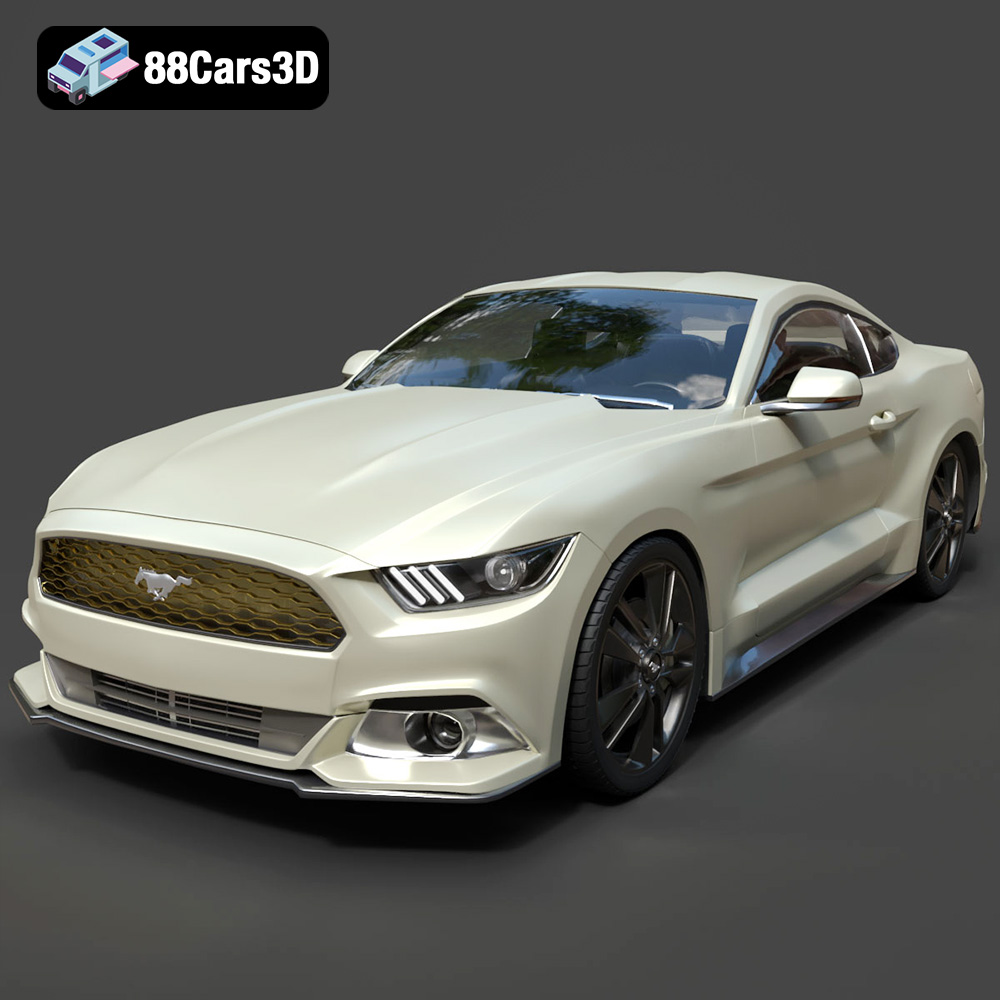
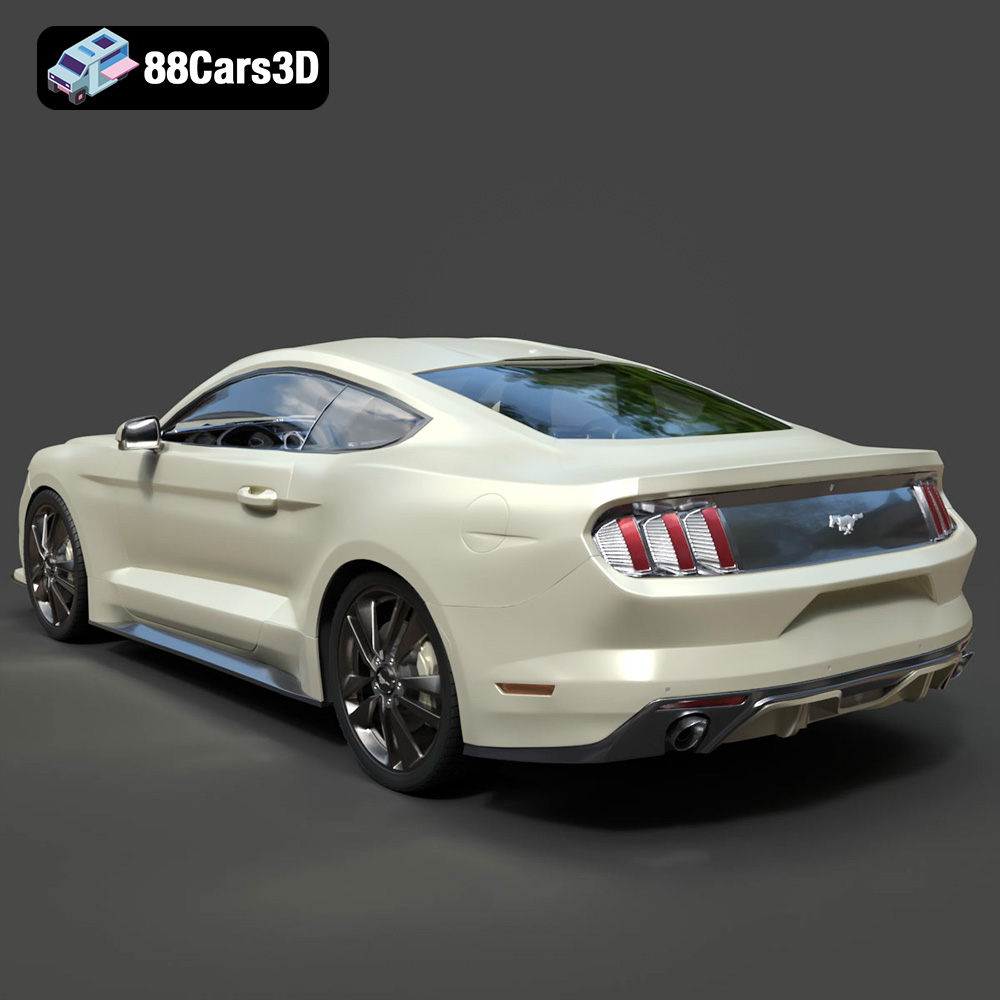
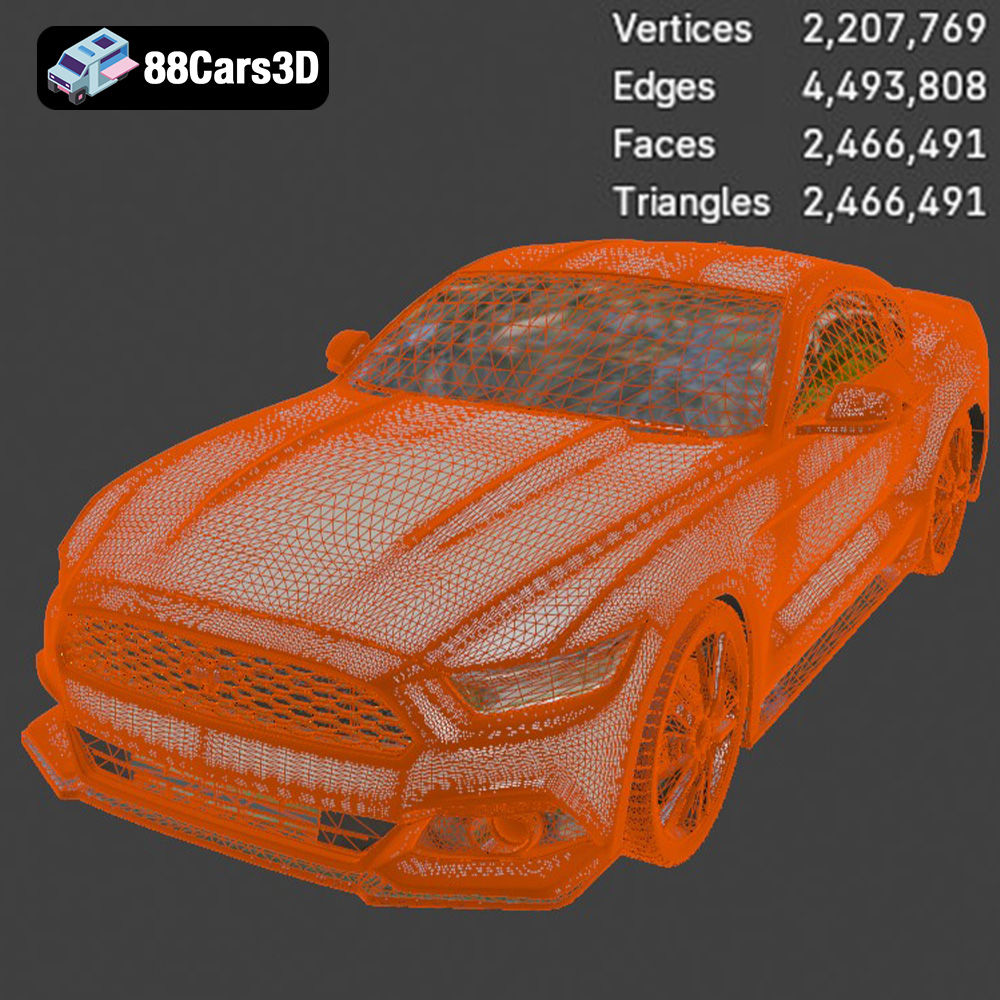
Achieving photorealistic renders requires attention to detail across multiple domains. The Ford Mustang GT model’s optimized topology of ~200,000 triangles provides a perfect balance. This polycount is dense enough to hold intricate details like the car’s aggressive rear diffuser, quad-tip exhaust, and the iconic tri-bar LED headlights, yet optimized to prevent unwieldy file sizes that can bog down rendering engines. For cinematic sequences or high-resolution marketing imagery, artists can leverage software like 3ds Max or Blender with rendering engines such as V-Ray, Corona, or Cycles. The model’s accurate real-world scale and proper pivot setups for steering and wheel rotation are crucial for realistic animations, allowing for believable driving sequences or sophisticated studio turntable shots. The included detailed engine block representing the 5.0L V8 and interior features like sport bucket seats and a digital instrument cluster further enhance the realism for close-up shots.
The magic of visualization often lies in the interplay of materials and lighting. With the Ford Mustang GT model, artists can experiment with a vast array of material finishes—from factory gloss paints and metallic flakes to matte wraps and carbon fiber textures. The separated components, such as wheels, suspension, and steering, allow for individual material assignments and easier texturing. For example, high-performance alloy wheels can receive a brushed metal shader, while brake calipers can sport a vibrant, painted finish. Lighting plays an equally critical role. Studio lighting setups can highlight design lines, while environmental lighting (HDRI maps) can place the Mustang GT in a realistic outdoor scene, reflecting accurate sky and surroundings. The model’s clean UV mapping (implied by “game-ready” optimization) ensures that applied textures align perfectly, providing realistic wear, dirt, or custom decals, essential for creating compelling automotive rendering.
A truly professional 3D car model is a fusion of artistic fidelity and technical optimization. The Ford Mustang GT 3D model from 88cars3d.com exemplifies this balance, meticulously engineered to serve a wide array of demanding applications.
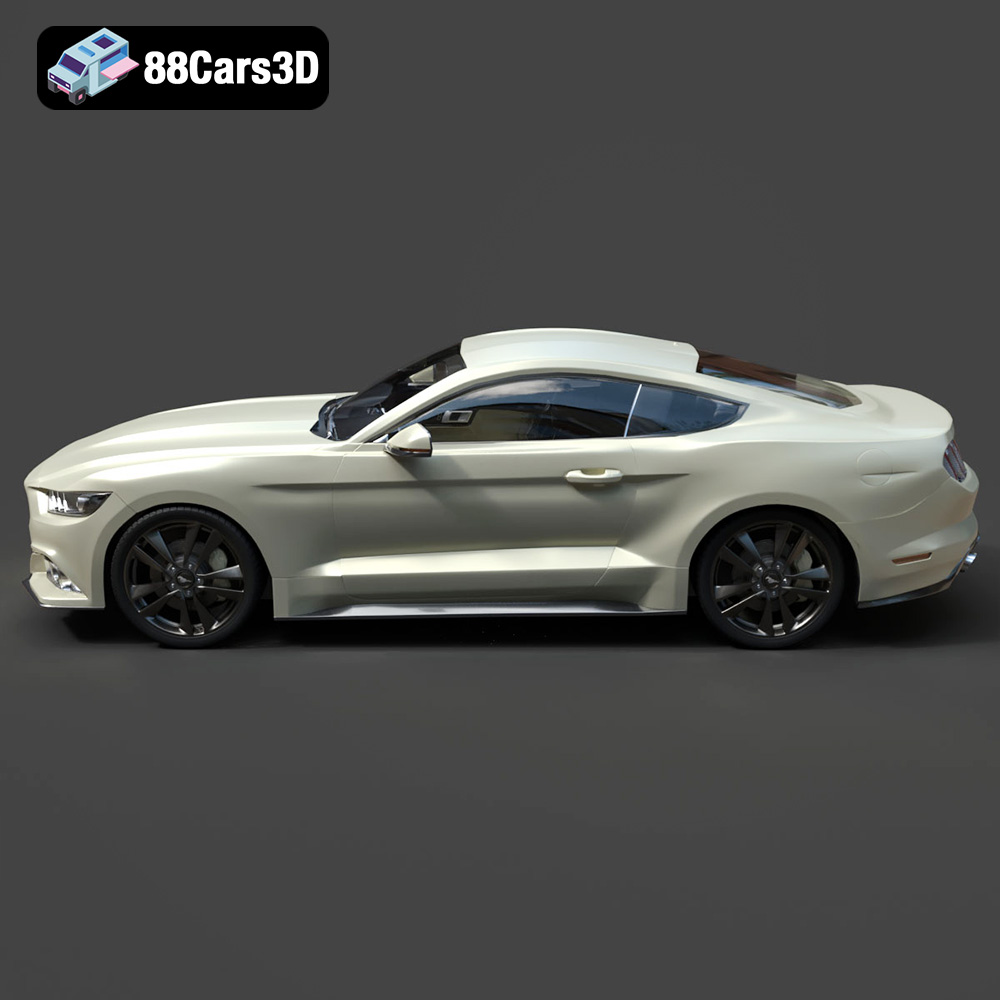
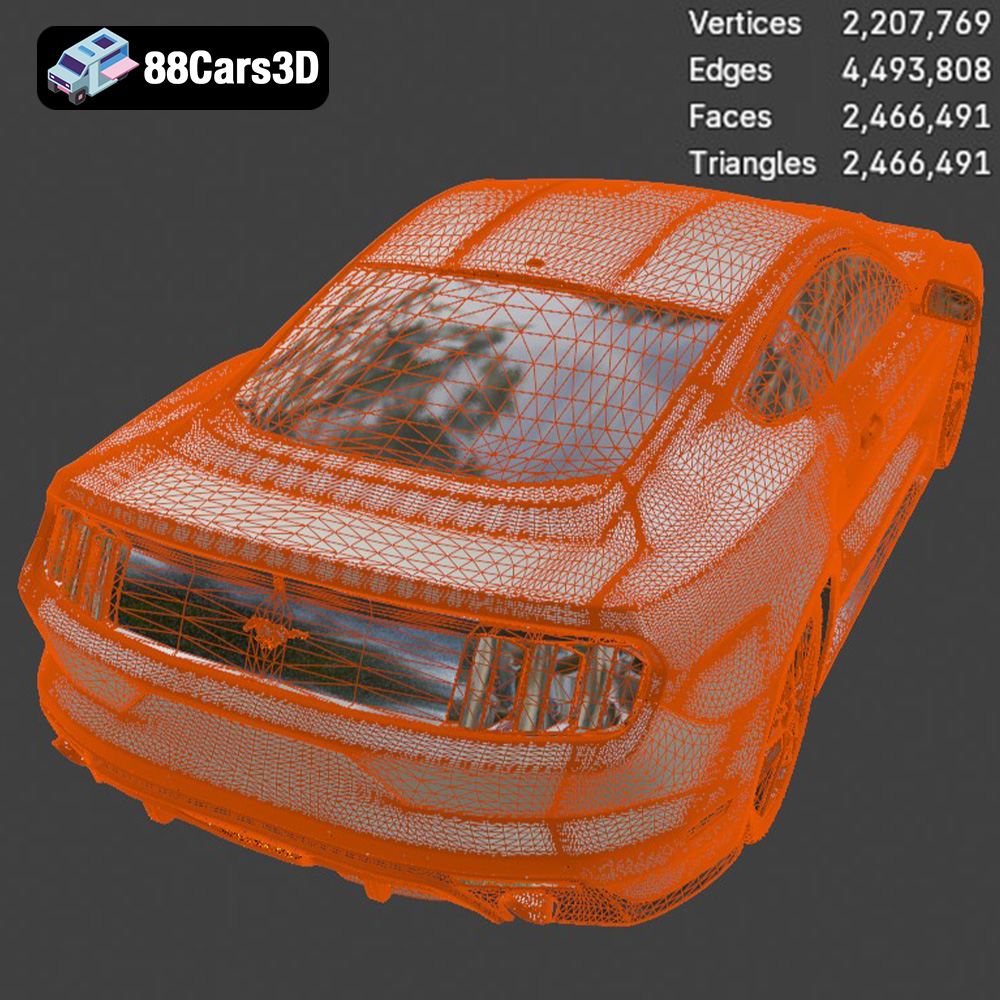
The core of this model’s versatility lies in its optimized topology. With approximately 200,000 triangles, it strikes a critical balance: detailed enough to maintain the Mustang GT’s distinctive aesthetic and intricate components, yet lightweight enough for efficient real-time performance. This polycount is a sweet spot, making it “game-ready” for demanding engines like Unreal and Unity without sacrificing the visual realism required for high-end rendering. Every curve of the fastback roofline, every vent on the imposing front grille, and even the subtle contours of the interior sport seats are captured with precision, ensuring the model scales gracefully across different fidelity requirements. The clean geometry also facilitates easier UV unwrapping and texture application, a fundamental aspect of any 3D asset pipeline.
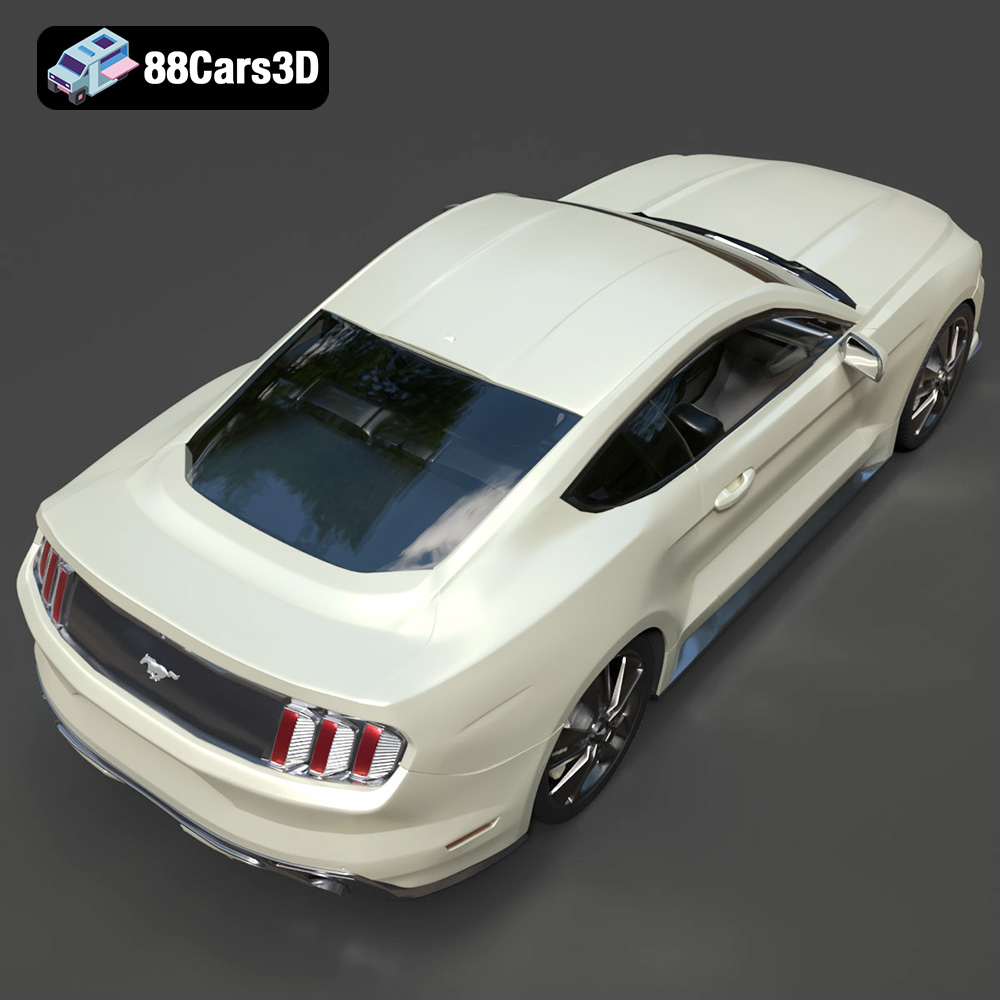
The level of detail infused into this Mustang GT model is remarkable. On the exterior, accurate frame geometry and proportions ensure the vehicle looks correct from every angle. Key features like the aggressive rear diffuser, authentic quad-tip performance exhaust system, and signature tri-bar LED headlights are meticulously replicated. Even the underlying mechanical components, such as detailed brake calipers, rotors, and performance suspension components, are modeled. Crucially, the wheels, suspension, and steering components are separated, enabling precise animation for simulations or cinematic sequences. Inside the cockpit, the attention to detail continues with highly detailed sport bucket seats, a leather-wrapped multifunction steering wheel, and accurate representations of the digital instrument cluster, infotainment screen, and center console. This interior fidelity is particularly beneficial for first-person perspective (POV) applications in gaming or immersive VR experiences, ensuring a convincing and complete environment.
For game developers, the Ford Mustang GT 3D model offers a ready-made solution for creating compelling racing titles, open-world adventures, or realistic driving simulators. Its “game-ready” status means significant time savings in the asset pipeline.
The optimized geometry and multiple file formats (especially .fbx and .unreal specific optimizations) make this Mustang GT model a dream for integration into Unreal Engine and Unity. When importing into Unreal, for instance, the model can be brought in with correct scale, pivot points, and even initial material setups. Developers can then quickly apply their PBR (Physically Based Rendering) materials, set up collision meshes, and configure Levels of Detail (LODs) to ensure optimal performance across various platforms. The accurate pivot setup for steering and wheel rotation drastically reduces animation setup time, allowing developers to focus on gameplay mechanics and physics simulations. Imagine creating a high-octane racing game where players can customize their Mustang GT, or a virtual car showroom where they can explore every detail in real-time, all built on a solid, performant asset.
In game development, every triangle counts. The ~200,000 triangle count of this Ford Mustang GT 3D model hits the sweet spot for a hero vehicle in most modern games, providing visual richness without crippling frame rates. For AR/VR experiences, this optimization is even more critical, as sustained high frame rates are essential to prevent motion sickness. The model’s structure also allows for extensive customization, crucial for player engagement. Game developers can implement systems to change body colors, modify tire textures (e.g., track vs. street variants), adjust material finishes (matte, gloss, metallic), or adapt lighting dynamically for day/night cycles or different environments. This flexibility ensures the Mustang GT can be tailored to fit any game’s aesthetic and interactive requirements, providing an immersive and personalized experience for players.
The utility of high-quality 3D car models extends beyond digital screens, offering tangible outputs through 3D printing. The Ford Mustang GT 3D model is designed to make this transition seamless for hobbyists and professionals alike.
The inclusion of the .stl format, specifically designed for 3D printing, is a significant advantage. The model’s clean geometry and optimized topology provide an excellent base for slicing software. When preparing the Mustang GT for printing, crucial considerations come into play. The recommended scales (1:12, 1:18, 1:24) offer a good balance between detail retention and print time. For hobbyists, converting a digital asset into a physical collectible is a rewarding process, and the model’s design ensures a high level of detail translates well. For architectural firms or automotive designers, 3D printed scale models can serve as tangible prototypes or presentation pieces, providing a physical representation of digital designs.
To achieve the best results when 3D printing the Ford Mustang GT, specific settings are recommended. A layer height of 0.04–0.12 mm is suggested, with resin printing being highly recommended for capturing the fine details like the exhaust tips, side mirrors, and aerodynamic splitters. Proper wall thickness (1.2–2.0 mm) and infill (20–30%) ensure structural integrity. Supports are indeed required for overhangs and intricate parts, and careful print orientation (e.g., the frame printed angled, wheels separately) optimizes strength and reduces support material. Post-processing is where the model truly comes to life in the physical world. Sanding, priming, and applying authentic factory colors with metallic finishes can transform a raw print into a stunning miniature replica. This hands-on process connects the digital artistry with traditional model-making, resulting in a unique collectible.
Investing in a premium 3D car model like the Ford Mustang GT from 88cars3d.com isn’t just about getting a single asset; it’s about acquiring a versatile tool that can be adapted and customized for countless projects, extending its value far beyond its initial use.
The detailed and well-structured nature of the Ford Mustang GT 3D model opens up a wealth of customization possibilities. Beyond simply changing body colors to match factory palettes or custom finishes, artists can dive deeper. Imagine modifying tire textures to switch between track-focused slicks and street-legal treads, or adjusting material finishes to explore a matte-black aggressive look versus a gleaming, showroom-ready metallic sheen. The model’s robust topology also allows for further geometric modifications by experienced 3D artists, such as adding custom body kits, spoilers, or even creating unique wheel designs. This inherent flexibility means the Mustang GT isn’t a static asset, but a dynamic base for creative exploration, whether for a client project requiring specific branding or a personal endeavor pushing the boundaries of design.
The breadth of applications for this Ford Mustang GT 3D model is truly impressive. For game development, its optimized polycount and real-world scale make it ideal for open-world racing games, arcade titles, and high-fidelity simulators. In AR/VR, it becomes the centerpiece for immersive virtual showrooms, enabling potential buyers to explore the car in a realistic, interactive environment, or for engaging mobile AR experiences where a digital Mustang can appear in your driveway. For traditional rendering and visualization, it’s a powerhouse for brand campaigns, lifestyle scenes, and studio lighting setups, capable of producing breathtaking photorealistic imagery for marketing and advertising. Even for 3D printing, it offers a pathway to physical collectibles. This multi-faceted utility ensures that whether you’re working in entertainment, marketing, or design, this model remains a highly relevant and valuable asset in your digital toolkit.
In the dynamic world of 3D content creation, the difference between a good project and a great one often lies in the quality and versatility of its assets. The Ford Mustang GT 3D model stands as a testament to this principle, offering an exceptionally detailed, optimized, and flexible solution for a wide range of creative and technical applications. From its meticulously crafted exterior and interior details to its game-ready topology and broad file format compatibility, it’s designed to empower artists and developers to achieve stunning results.
Whether you’re rendering photorealistic stills, developing the next hit racing game, creating immersive AR/VR experiences, or bringing a digital design to life through 3D printing, this Mustang GT model provides the robust foundation you need. It encapsulates the essence of American muscle in a format ready for modern digital pipelines, saving valuable production time while delivering unparalleled fidelity. For those seeking premium 3D car models that meet professional standards, this Ford Mustang GT model from 88cars3d.com is an invaluable addition to any digital arsenal.
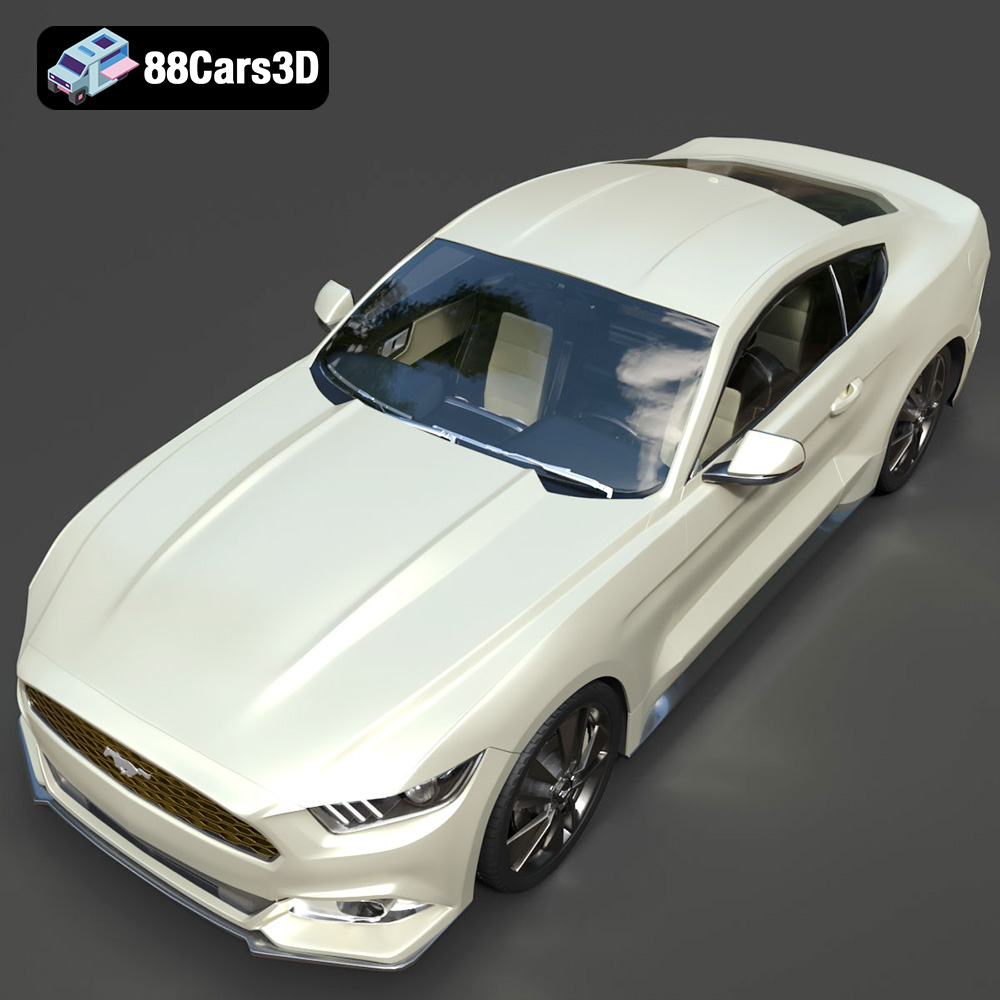
The Ford Mustang GT is an enduring icon of American muscle, celebrated for its aggressive aesthetic, legendary heritage, and raw power. This incredibly detailed 3D model captures the unmistakable styling cues of the modern Mustang GT, from its signature long hood and fastback roofline to the imposing front grille, quad-tip exhaust system, and raw 5.0L V8 engine bay details. Engineered for premium digital performance, this model features an optimized topology with approximately 200,000 triangles, delivering exceptional game-ready performance without sacrificing visual fidelity. The meticulously crafted geometry ensures seamless integration into game development workflows, high-end AR/VR experiences, cinematic animations, and professional automotive visualization.
$19.99
.blend
.fbx
.ford
.glb
.max
.obj
.ply
.rendering
.sports car
.stl
.unreal
car-3d-model
game asset
game-ready
low-poly
muscle-car
mustang-gt
optimized
VR/AR