Get 20% OFF All Premium 3D & STL Models!

The world of 3D modeling for automotive design, game development, and visualization is a dynamic landscape, constantly pushing the boundaries of realism and efficiency. At the heart of this innovation lies the need for high-quality, meticulously crafted 3D car models that can seamlessly integrate into diverse projects. Whether you’re an indie game developer building a historical simulation, an architect visualizing a period scene, or a marketing professional crafting a stunning automotive rendering, the foundational asset – the 3D model itself – dictates the success and visual fidelity of your work.
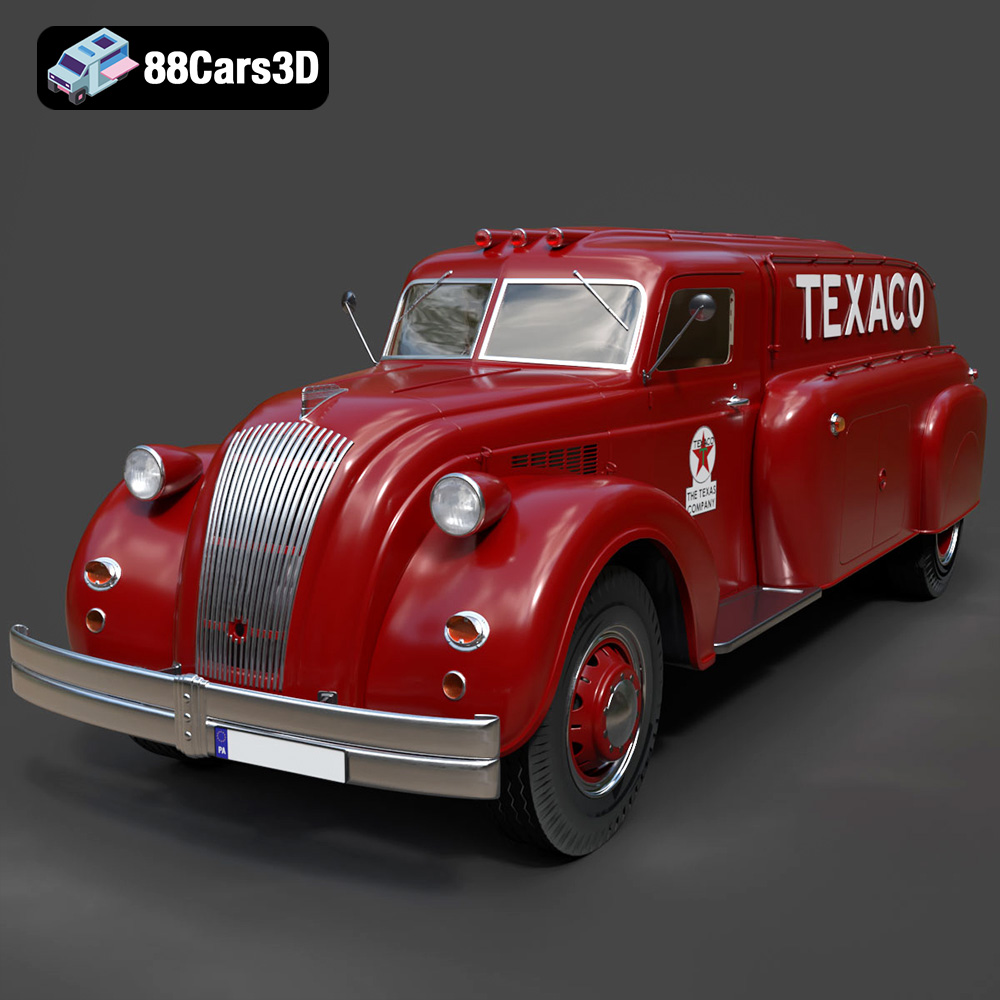
Few vehicles embody the blend of utility and iconic design quite like the 1938 Dodge Airflow Tank Truck. A true Art Deco masterpiece, this vehicle represents a pivotal moment in commercial automotive history, where form began to merge with function in a striking, aerodynamic package. For digital artists and developers, recreating such a distinctive piece of history requires a 3D model that not only captures its visual essence but also adheres to rigorous technical standards. This is precisely where a meticulously crafted asset like the Dodge Airflow Tank Truck 1938 3D Model available on 88cars3d.com becomes invaluable.
This comprehensive guide will delve into the intricacies of professional 3D car models, using the 1938 Dodge Airflow Tank Truck as our prime example. We’ll explore the technical specifications that make a model truly “game-ready” or “render-ready,” discuss the critical role of file formats, and illustrate how such a detailed asset can elevate projects across game development, cinematic rendering, AR/VR experiences, and even 3D printing. Join us as we uncover the artistry and engineering behind bringing this automotive legend into the digital realm.
The choice of a 3D model’s file format is far from trivial; it dictates compatibility, feature preservation, and workflow efficiency. Professional 3D car models often come in a variety of formats, each optimized for specific software, engines, or applications. Understanding these distinctions is crucial for anyone working with digital assets. The Dodge Airflow Tank Truck 1938 3D Model provides a fantastic example by offering a comprehensive suite of file formats, ensuring maximum flexibility for artists and developers.
The .blend format is Blender’s native file type. It encapsulates an entire Blender scene, including meshes, materials, textures, animations, cameras, lighting, and modifiers. For Blender users, this format is the most robust, offering full editability without any data loss during export/import processes. It’s ideal for projects where Blender is the primary DCC (Digital Content Creation) tool, allowing for advanced material node setups, procedural textures, and complex rigging. When you download a .blend file, you’re essentially getting the raw project file, ready for deep customization and manipulation within Blender’s ecosystem.
.fbx (Filmbox) is arguably the most widely adopted interchange format in the 3D industry, particularly for game development pipelines like Unreal Engine and Unity. Developed by Autodesk, .fbx excels at storing complex scene data, including meshes, materials (often simplified to basic PBR values), animations, skinning, cameras, and lights. Its strength lies in its ability to transfer data between different software packages while preserving essential hierarchies and transformations. For real-time applications, .fbx is the go-to because it’s optimized for efficient loading and processing by game engines. When preparing assets for Unreal, an .fbx export ensures all crucial components like pivot points, scale, and skeletal meshes are accurately maintained.
.obj (Wavefront OBJ) is a foundational and universal 3D geometry definition file format. It’s incredibly simple, storing primarily mesh data (vertices, normals, UV coordinates, and faces). Materials are referenced in a separate .mtl (material template library) file. While it doesn’t support animations, rigging, or scene hierarchies as robustly as .fbx, its simplicity makes it highly compatible across virtually all 3D software. It’s an excellent choice for static mesh exchange, 3D printing preparation (though .stl is more common), and as a fallback when other formats encounter issues. The .obj format is a reliable workhorse for pure geometry transfer.
.glb (GLB – GL Transmission Format Binary) is the binary version of glTF, a royalty-free specification for the efficient transmission and loading of 3D scenes and models by applications. .glb packages all assets (geometry, textures, animations, materials) into a single file, making it incredibly easy to share and deploy. It’s optimized for modern web browsers, AR (Augmented Reality), and VR (Virtual Reality) experiences due to its compact size and quick parsing. For immersive applications and interactive web content, .glb is becoming the preferred format, offering a streamlined way to present high-quality 3D car models in real-time environments.
.stl (Stereolithography) is the de facto standard file format for 3D printing. It represents a 3D model as a series of connected triangles, defining only the surface geometry of an object without any color, texture, or material information. Its simplicity makes it universally readable by 3D slicing software. When preparing the Dodge Airflow Tank Truck for a physical print, the .stl format is essential. It ensures the model is watertight and manifold, crucial properties for successful additive manufacturing. Hobbyists and professionals alike rely on .stl for its direct translation of digital geometry into physical form.
.ply (Polygon File Format, or Stanford Triangle Format) is a versatile file format for storing 3D data, particularly useful for scanned data, CAD models, and scientific applications. Like .obj, it stores geometry (vertices, faces), but it can also include additional properties like color, transparency, normals, texture coordinates, and even reliability information for each vertex. It supports both ASCII and binary representations. While less common for general game or rendering pipelines, .ply is valuable in fields requiring precise mesh data and complex attribute storage, such as reverse engineering or detailed technical analysis of components.
While not a universal file format in the same vein as FBX or OBJ, the inclusion of a .unreal specific file often signifies an asset specifically pre-processed and configured for direct import into Unreal Engine. This might be an .fbx file that has been optimized with specific settings for Unreal’s coordinate system, scale, and material setup, or even a pre-packaged asset folder containing the mesh, textures, and a basic Unreal material setup ready to drop into a project. This format streamlines the workflow for Unreal users, minimizing the need for manual adjustments after import and ensuring the model behaves as intended within the engine’s environment, complete with proper pivots and collision meshes. This makes the Dodge Airflow Tank Truck 1938 3D Model particularly appealing for Unreal developers.
The .max format is the native scene file for Autodesk 3ds Max. Similar to .blend for Blender, a .max file contains all elements of a 3ds Max project: geometry, materials (with all their complex shader graphs), textures, lights, cameras, animations, rigging, and modifiers. For 3ds Max users, this provides the highest level of editability and ensures all original scene data is preserved. It’s essential for advanced automotive rendering, animation, and architectural visualization projects where 3ds Max is the primary tool, allowing for seamless integration with renderers like V-Ray or Corona and robust animation workflows.
The 1938 Dodge Airflow Tank Truck is more than just a commercial vehicle; it’s a rolling sculpture from the Art Deco era, a testament to a time when industrial design embraced sweeping curves and aerodynamic efficiency. Recreating such a distinctive machine in 3D demands an extraordinary level of attention to detail and a deep understanding of its historical context. The Dodge Airflow Tank Truck 1938 3D Model delivers on all fronts, providing an exceptional asset for bringing this piece of history to life in digital projects.
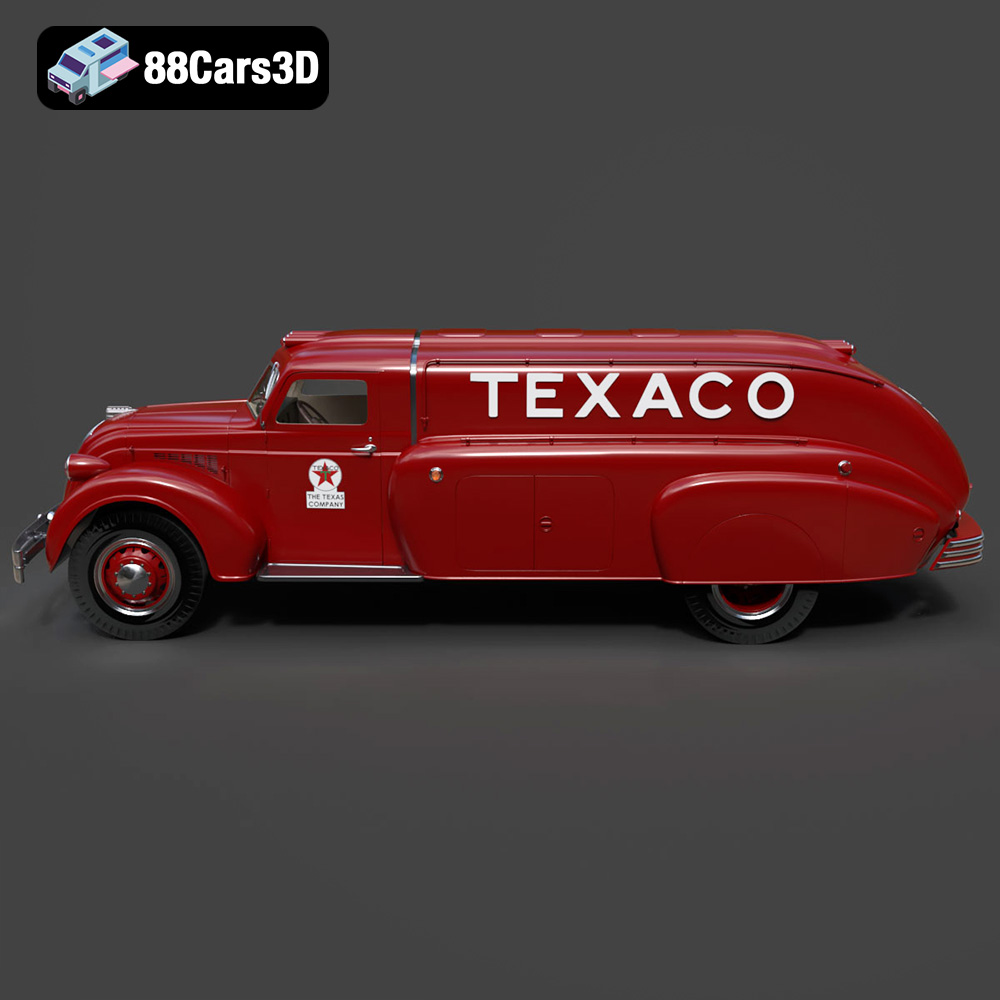
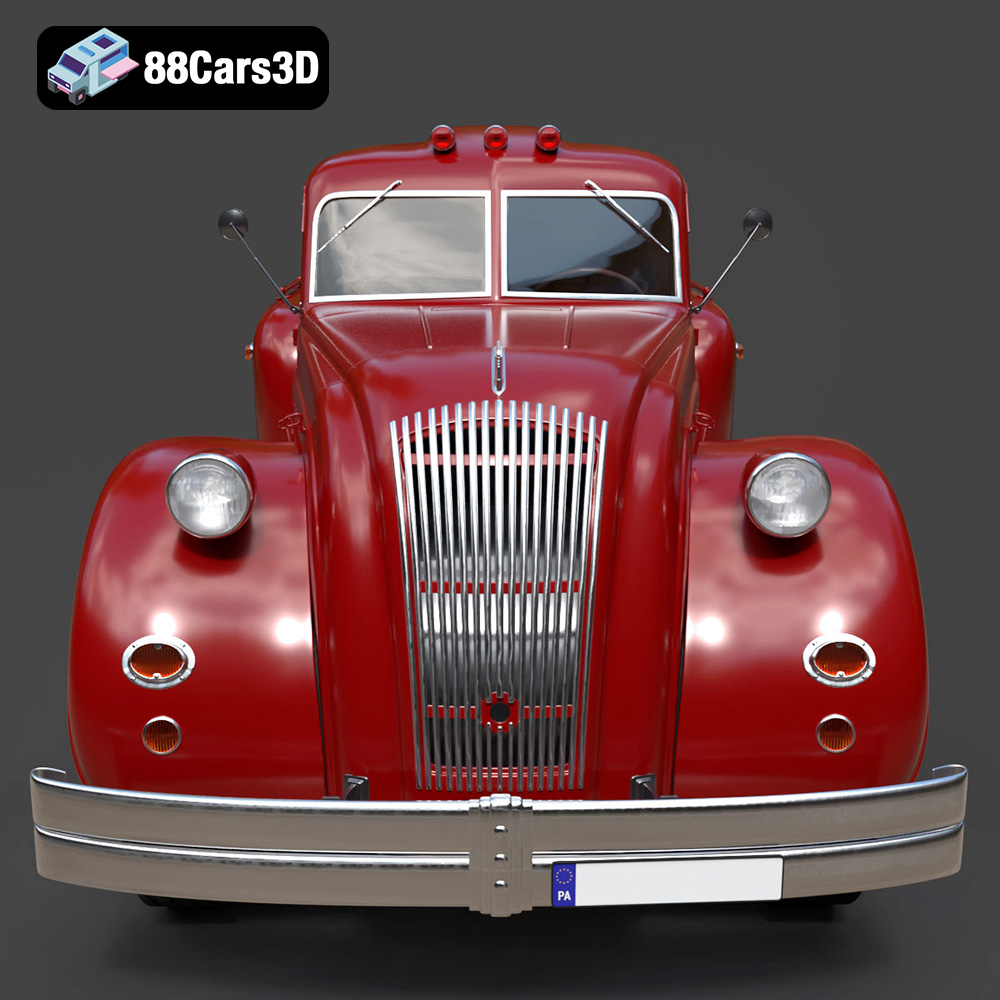
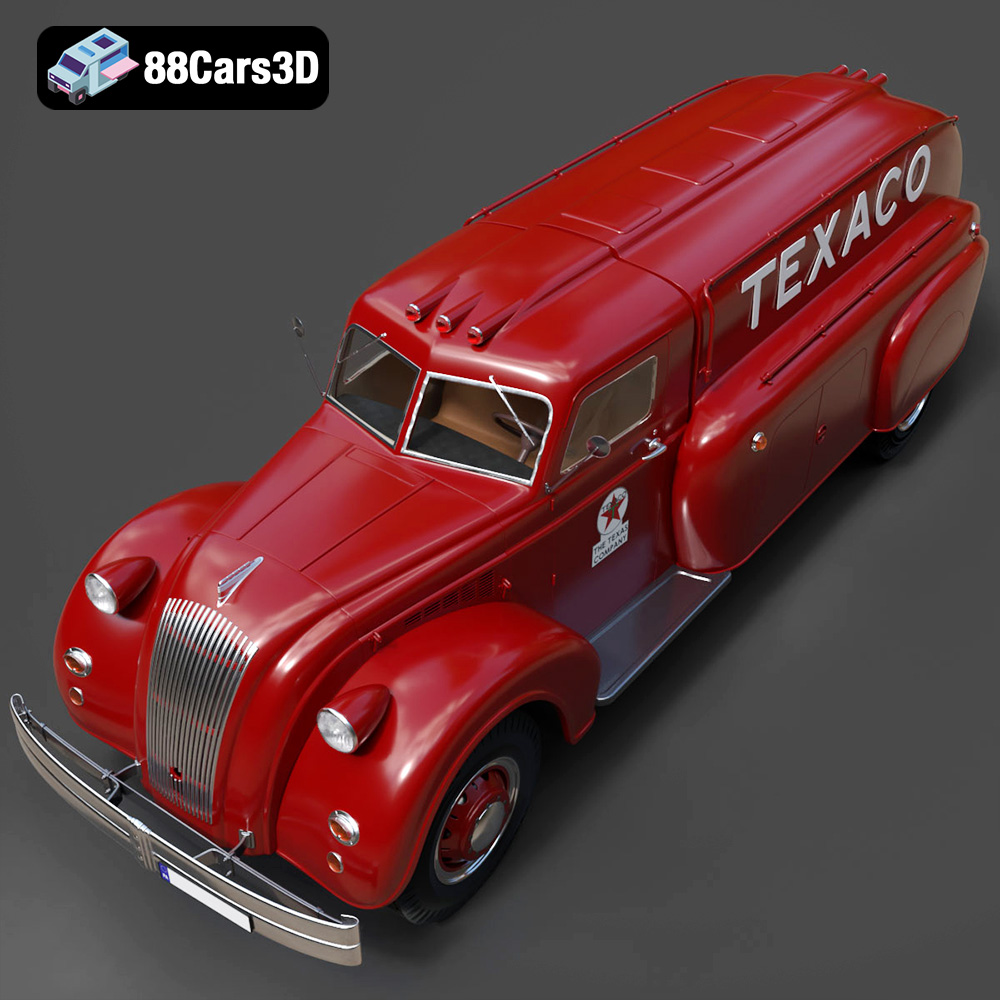
The Airflow series, originally launched by Chrysler (Dodge’s parent company) in the mid-1930s, challenged conventional automotive styling. Its commercial truck variants, particularly the tank truck, pushed this radical design even further. Commissioned by major oil companies, these trucks were designed for efficiency and visual impact. The model captures the iconic sloping front grille, integrated fenders, and the seamless transition from the cab to the tanker body. This wasn’t just about aesthetics; the aerodynamic lines promised better fuel efficiency and stability, even if popular perception at the time took a while to catch up. For any project aiming for period-accurate historical simulations or a touch of dieselpunk artistry, understanding this design philosophy is key, and the model faithfully represents it.
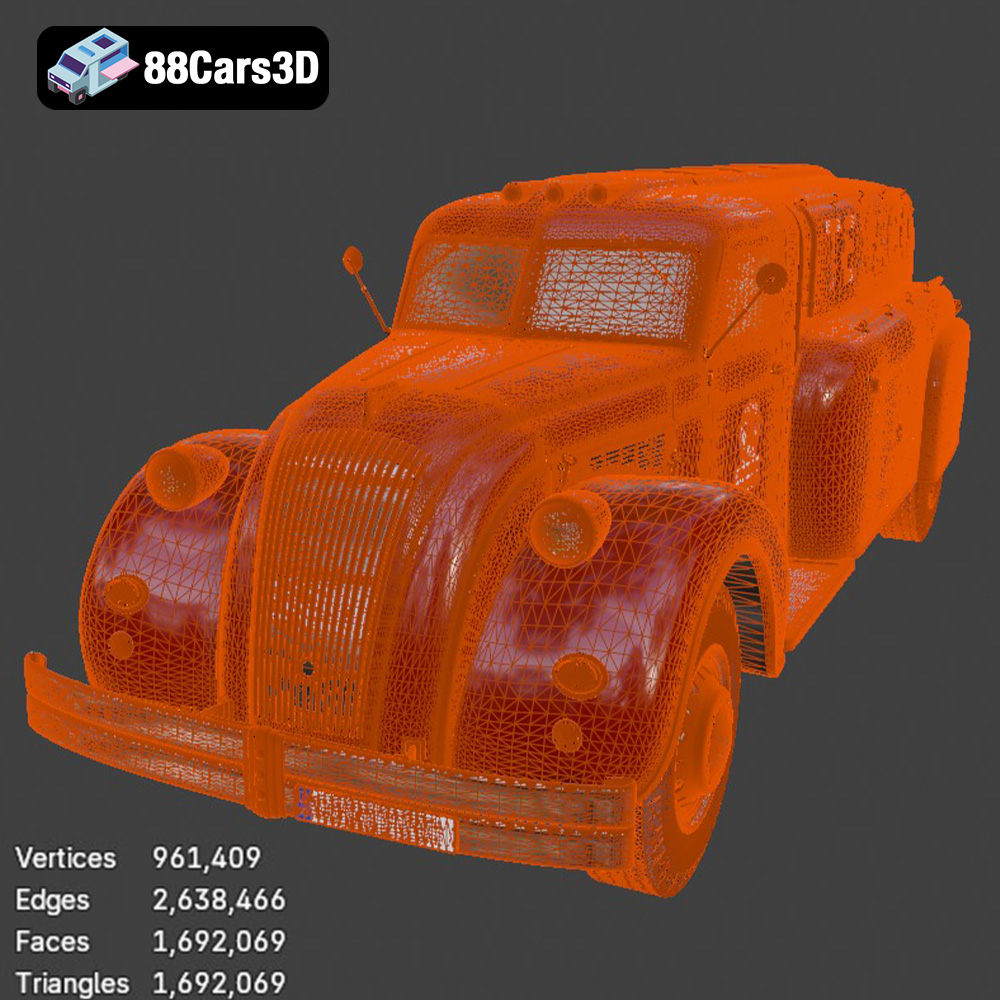
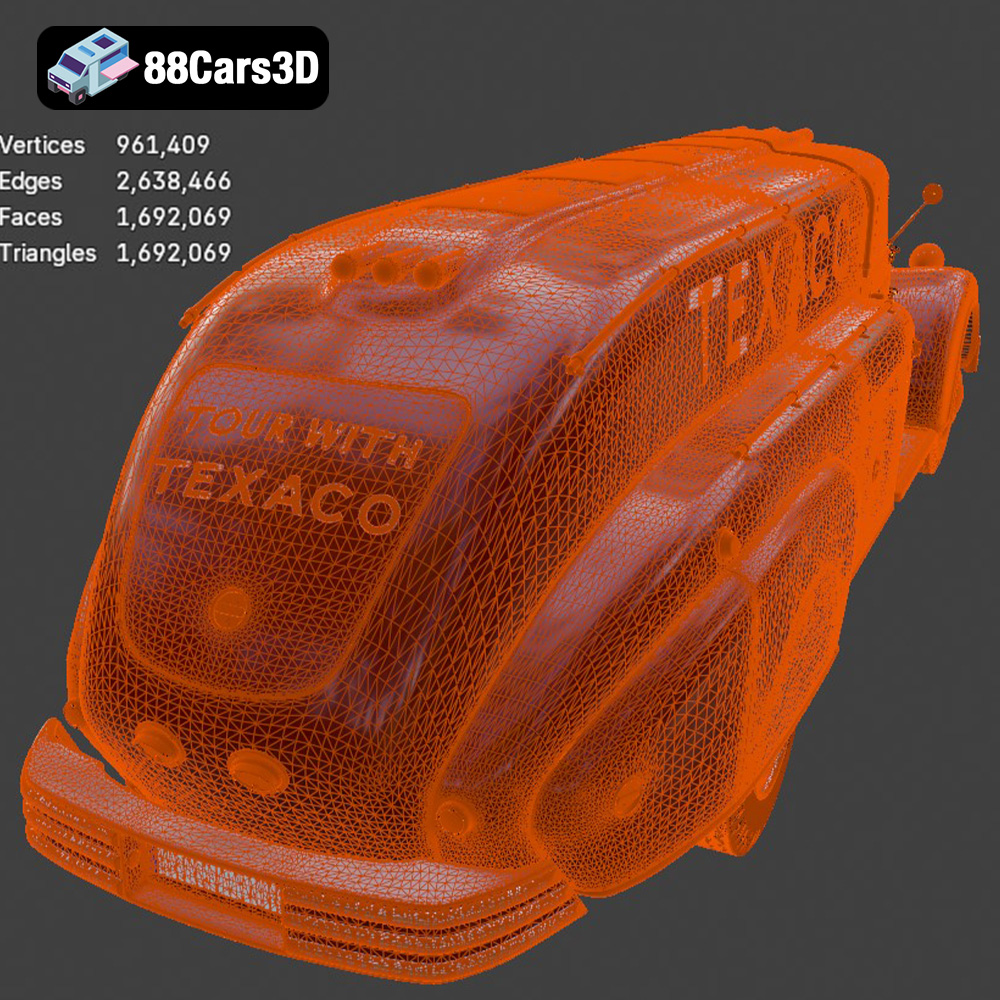
The quality of a 3D car model is often measured by its attention to the minutiae, and the Dodge Airflow model excels here. The product description highlights a “meticulously balanced topology of approximately 180,000 triangles,” which is an optimal polycount for game engines like Unreal and Unity. This ensures excellent visual fidelity without bogging down real-time performance. For automotive rendering, this level of detail allows for stunning close-ups.
A high-quality 3D model is only as good as its ability to integrate smoothly into diverse professional pipelines. The Dodge Airflow Tank Truck 1938 3D Model is designed with this versatility in mind, offering features that make it a robust asset for both real-time game development and high-fidelity automotive rendering.
Game developers constantly balance visual quality with performance. The approximately 180,000 triangles of the Dodge Airflow model strike this balance perfectly, making it “game-ready.” For Unreal Engine and Unity, an optimized model like this is a significant time-saver.
.fbx and .unreal formats simplifies the import process into these engines. Developers can typically drag and drop the asset, and the engine will handle mesh, material, and texture import. For further optimization, especially in open-world games, implementing Levels of Detail (LODs) is crucial. While not explicitly mentioned as included, the clean base mesh allows for easy generation of lower LODs.For cinematic renders and architectural visualizations, fidelity is paramount. The Dodge Airflow Tank Truck 1938 3D Model, with its detailed geometry and robust file formats like .max and .blend, provides an excellent foundation.
.max and .blend files offer full editability, enabling artists to create custom animations, rig complex interactions, or integrate the truck into elaborate scenes. Imagine the Airflow driving through a meticulously crafted Art Deco city or parked at a vintage gas station. The separate components and clean topology simplify this integration, allowing for dynamic camera movements and environmental storytelling.The utility of a robust 3D car model extends far beyond traditional screens. Immersive technologies like Augmented Reality (AR) and Virtual Reality (VR), alongside the tangible output of 3D printing, open up entirely new dimensions for interaction and display. The Dodge Airflow Tank Truck 1938 3D Model is perfectly equipped for these cutting-edge applications.
AR and VR are transforming how we interact with digital content, offering unparalleled levels of immersion. For automotive assets, this means virtual showrooms, interactive museums, or even mobile AR experiences where a virtual truck can be placed in your real-world environment.
.glb format is a game-changer for AR/VR. This single-file format packages geometry, textures, and material data efficiently, making it ideal for web-based AR viewers (like those found on e-commerce sites) or for deployment in mobile AR apps. Imagine viewing the Dodge Airflow Tank Truck in 3D directly from your browser or placing it virtually in your driveway using your smartphone.The ability to transform a digital model into a physical object is a fascinating application, especially for collectors, hobbyists, or those wanting a tangible display piece. The Dodge Airflow Tank Truck 1938 3D Model supports this with its .stl format and explicit 3D print settings.
.stl format is the universal language of 3D printers. The product description’s recommendation for “Resin printing recommended for fine details” is sound advice, as resin printers can achieve much higher precision and smoother surfaces compared to FDM (Fused Deposition Modeling) printers, which is critical for intricate vintage details like the grille and interior elements.Even the most detailed 3D car model gains immense value from its adaptability. Professional projects rarely use an asset “as is”; instead, they require the flexibility to customize and integrate it seamlessly into a unique artistic vision. The Dodge Airflow Tank Truck 1938 3D Model provides a robust foundation for extensive customization, allowing artists to truly make it their own.
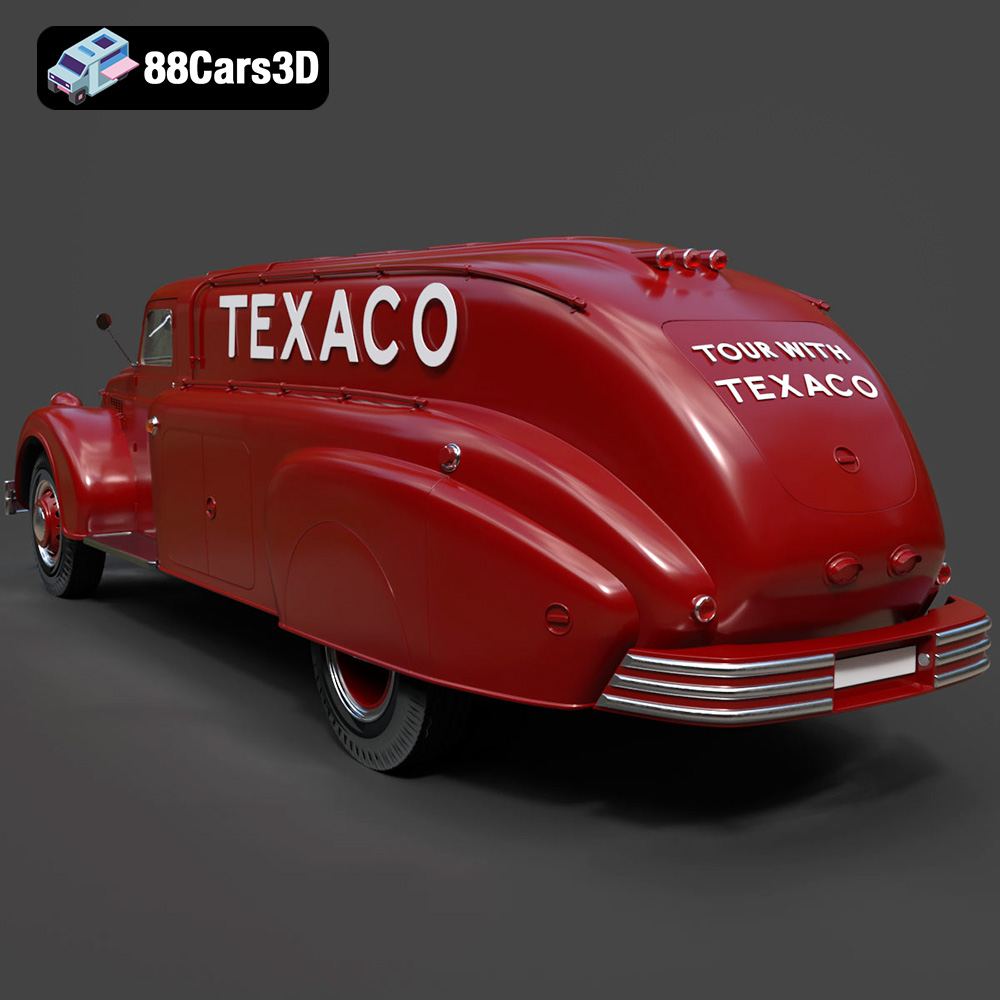
The 1938 Dodge Airflow Tank Truck was famously used by oil companies like Texaco and Standard Oil. While the model provides a historically accurate base, its design allows for endless creative possibilities when it comes to visual branding.
A 3D model truly comes to life when integrated into a carefully constructed environment with appropriate lighting. The clean geometry and well-defined materials of the Dodge Airflow make it an excellent subject for dynamic scene composition.
In the competitive digital landscape, the difference between a good project and a great one often comes down to the quality of its foundational assets. For automotive visualization, game development, and immersive experiences, investing in premium 3D car models is a strategic decision that pays dividends in both visual fidelity and workflow efficiency. The Dodge Airflow Tank Truck 1938 3D Model exemplifies the standard of excellence you can expect from a dedicated marketplace like 88cars3d.com.
Creating a 3D model of the complexity and accuracy of the 1938 Dodge Airflow Tank Truck is a labor-intensive process, requiring specialized skills in modeling, texturing, and optimization. By sourcing such assets from a reputable marketplace like 88cars3d.com, you bypass countless hours of development time. You gain immediate access to:
.blend, .fbx, .obj, .glb, .stl, .ply, .unreal, .max) means the model is compatible with virtually any professional workflow. This eliminates the headache of format conversions and potential data loss, allowing artists to focus on creativity rather than technical hurdles.The digital asset market is constantly evolving, but timeless, high-quality assets remain valuable. By incorporating well-crafted 3D car models into your asset library, you are building a collection that can be reused and repurposed across numerous projects and technologies.
In conclusion, when embarking on a project that demands visual excellence and technical reliability, choosing your 3D assets wisely is crucial. 88cars3d.com provides a curated selection of high-quality 3D car models, ensuring that artists and developers have access to the best tools to realize their vision.
The journey through the intricacies of 3D car models, exemplified by the stunning Dodge Airflow Tank Truck 1938 3D Model, underscores a fundamental truth in digital content creation: quality assets are the bedrock of exceptional projects. We’ve explored how a meticulous balance of historical accuracy, optimized geometry, and versatile file formats transforms a digital mesh into a powerful tool for artists and developers across diverse fields.
From understanding the nuanced utility of formats like .blend for deep editing, .fbx for seamless engine integration, .glb for immersive AR/VR, and .stl for tangible 3D prints, it’s clear that a comprehensive asset package empowers creators. The Dodge Airflow model stands out as a testament to this, with its Art Deco elegance beautifully preserved in a game-ready, render-ready package that breathes life into historical simulations, cinematic visualizations, and interactive experiences.
Whether you’re crafting period-accurate game environments, rendering evocative marketing materials, or developing cutting-edge AR/VR applications, the technical specifications, attention to detail in the exterior and interior, and the sheer adaptability of this model make it an invaluable addition to any digital asset library. By choosing professionally crafted 3D car models from trusted sources like 88cars3d.com, you’re not just acquiring data; you’re investing in efficiency, authenticity, and the unparalleled visual fidelity that will set your projects apart. Embrace the power of expertly designed 3D assets and bring your creative visions to their fullest potential.
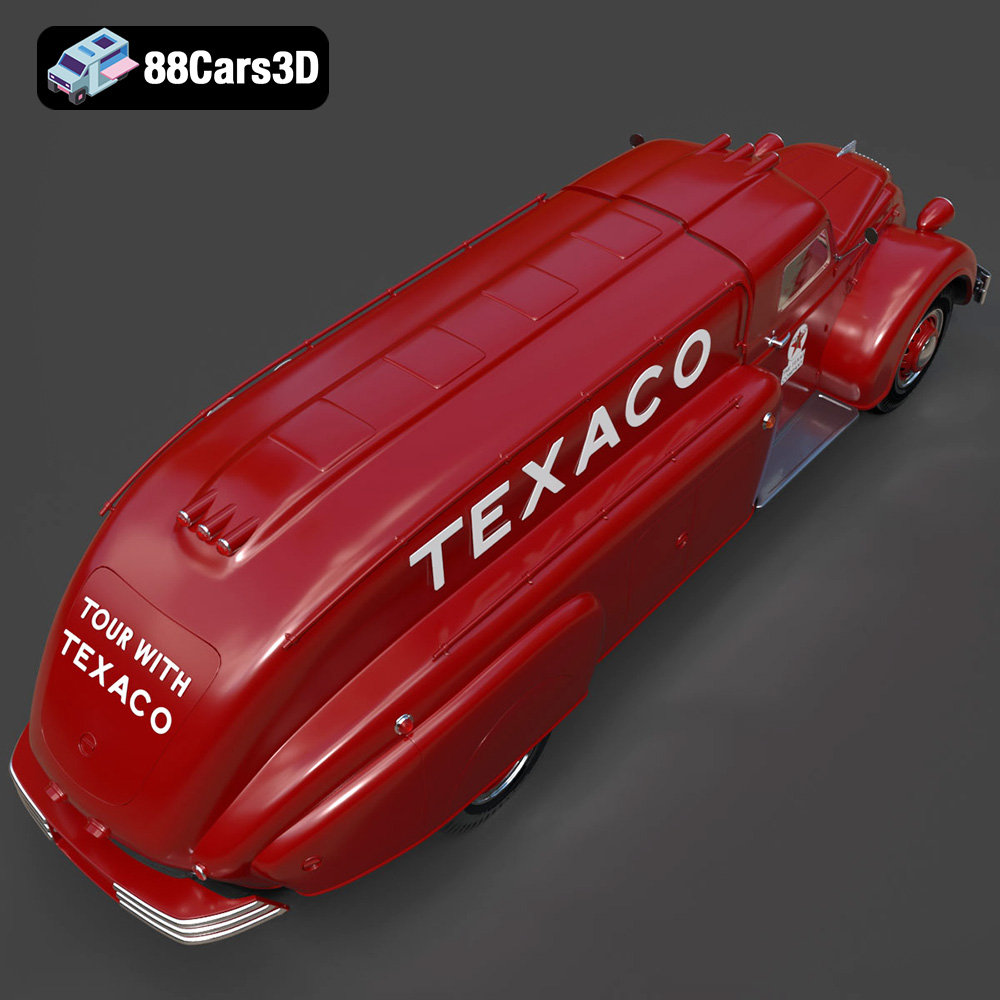
The 1938 Dodge Airflow Tank Truck is a masterclass in Art Deco automotive design, representing a radical departure from traditional commercial vehicles of its era. Commissioned primarily by oil companies like Texaco and Standard Oil, this streamlined marvel features sweeping curves, integrated fenders, and an iconic sloping front grille that makes it instantly recognizable. The aerodynamic styling showcased the forward-thinking engineering of the late 1930s, complete with a beautifully integrated tanker body that flows seamlessly from the driver’s cab. This high-quality 3D model features a meticulously balanced topology of approximately 180,000 triangles, optimized for game engines without sacrificing high-end visual fidelity. The model captures the smooth, flowing lines of the aerodynamic tanker body, the intricate vintage front fascia, and the heavy-duty commercial chassis underneath. It serves as an exceptional asset for historical game development, vintage vehicle collections in AR/VR, and stunning architectural or cinematic visualizations. Perfect for period-accurate historical simulations, vintage transport and driving games, dieselpunk-inspired digital art scenes, and classic commercial vehicle rendering projects.
$19.99
.blend
.dodge
.fbx
.glb
.max
.obj
.ply
.rendering
.stl
.unreal
1938
airflow
art-deco
car-3d-model
classic-truck
commercial-vehicle
game asset
game-ready
low-poly
optimized
tank-truck
truck-3d-model
vintage-truck
VR/AR