Get 20% OFF All Premium 3D & STL Models!

There’s an undeniable allure to classic automobiles, a blend of timeless design, engineering marvel, and a rich history that evokes nostalgia and admiration. Capturing this essence in the digital realm presents a unique challenge, one that demands precision, artistry, and technical prowess. From the sweeping bodylines of an iconic muscle car to the intricate details of its V8 engine, every curve and component must be meticulously recreated to truly bring these legends back to life. This level of dedication is crucial for projects ranging from photorealistic automotive rendering to immersive game development and captivating virtual reality experiences.
Today, the demand for high-quality, game-ready 3D car models is higher than ever, driven by rapidly evolving digital platforms. Whether you’re an independent game developer crafting a period-accurate racing title, a visualization artist producing a compelling brand campaign, or an AR/VR designer building an interactive showroom, having access to expertly crafted assets can significantly elevate your work. It’s about more than just aesthetics; it’s about performance, compatibility, and the sheer authenticity that can only come from a model built with an understanding of both automotive design and 3D optimization.
In this comprehensive guide, we’ll delve into the intricate world of premium 3D car models, exploring the technical considerations, diverse applications, and the transformative impact they have across industries. We’ll specifically highlight the exquisite Ford Fairlin 3D Model from 88cars3d.com, an exemplary asset that embodies the fusion of historical accuracy and modern technical optimization, showcasing how such a model can become the cornerstone of your next digital masterpiece.
The journey of a 3D model often begins with its creation, but its true utility is defined by the file formats it supports. Different formats are optimized for specific purposes, software, and pipelines, making the choice of format a critical technical decision. Understanding these distinctions is paramount for any professional working with 3D assets, ensuring smooth integration and optimal performance. The Ford Fairlin 3D Model, for instance, comes equipped with a versatile array of formats, providing unparalleled flexibility.
The .blend format is native to Blender, the powerful open-source 3D creation suite. When you receive a .blend file, you’re getting a fully editable Blender scene, complete with materials, textures, lighting, cameras, and even animation data. This format is ideal for artists who primarily work within Blender, allowing for direct access to modifiers, node-based materials, rigging, and all the non-destructive workflows Blender offers. It’s perfect for making intricate adjustments, re-texturing, or integrating the model into existing Blender projects without any loss of data fidelity.
.fbx (Filmbox) stands as one of the most widely adopted proprietary file formats for 3D content exchange, especially in game development and animation. Developed by Autodesk, FBX excels at storing not just mesh data, but also complex animation, skeletal rigs, morph targets, lights, cameras, and material assignments. Its robust nature makes it ideal for transferring assets between various 3D applications like 3ds Max, Maya, Blender, and directly into game engines like Unreal Engine and Unity. For a game-ready asset like the Ford Fairlin 3D Model, an FBX ensures all proper pivot setups for steering, wheel rotation, and suspension travel are preserved, crucial for interactive experiences.
The .obj (Wavefront OBJ) format is a venerable, universally recognized format primarily used for exchanging 3D geometry data. It’s a simpler format compared to FBX, typically storing only mesh data (vertices, normals, UV coordinates) and material references, usually accompanied by a separate .mtl (material) file. OBJ is revered for its compatibility, making it an excellent choice for cross-software transfers when you need a static mesh without complex animations or rigs. It’s a reliable fallback when other formats encounter issues and is widely supported across virtually all 3D software.
.glb (GLB format for GL Transmission Format) is an efficient, compact format designed specifically for the transmission and loading of 3D scenes and models in web and AR/VR applications. It’s a self-contained file, embedding all textures, animations, and PBR material data directly within a single binary file. This makes .glb incredibly fast to load and display in browsers, mobile AR apps, and VR environments, making it perfect for immersive virtual showrooms or configurators featuring models like the Ford Fairlin.
.stl (STereoLithography) is the de facto standard format for 3D printing. It represents a 3D model as a series of connected triangles, essentially describing the surface geometry of the object. While it doesn’t store color, texture, or material information, its simplicity and widespread support by 3D printers and slicing software make it indispensable for physical prototyping. The Ford Fairlin 3D Model’s availability in STL means enthusiasts can bring a tangible piece of automotive history to their desks, allowing for physical display models at recommended scales like 1:12 or 1:18.
The .ply (Polygon File Format) is often used for storing 3D data from 3D scanners, CAD software, and other applications requiring precision mesh data. It can store a variety of properties including color, transparency, normals, texture coordinates, and even specific data for each vertex and face. While less common for general animation, PLY offers a robust format for scientific visualization, reverse engineering, and applications where detailed mesh attributes are crucial, often bridging the gap between raw scan data and usable 3D models.
The inclusion of a dedicated .unreal or Unreal-specific asset implies an asset that is pre-configured and optimized for direct integration into Unreal Engine. This often means pre-applied materials, collision meshes, LODs (Levels of Detail), and sometimes even basic blueprints. For developers working with Unreal, this format drastically reduces setup time, allowing the Ford Fairlin 3D Model to be dropped straight into a project with minimal adjustments, accelerating game development and real-time visualization pipelines.
Finally, the .max format is the native file type for Autodesk 3ds Max, one of the leading 3D modeling, animation, and rendering software packages. Like .blend, it contains the complete scene, including all models, modifiers, cameras, lights, materials, and animation data. For users of 3ds Max, having the Ford Fairlin 3D Model in .max format ensures full editability and access to all the original scene components, making it ideal for high-end rendering, complex animation sequences, and integration into existing architectural visualization projects.
The provision of such a comprehensive range of formats, as seen with the Ford Fairlin 3D Model on 88cars3d.com, underscores a commitment to flexibility and professional utility, allowing artists and developers to pick the perfect format for their specific needs.
Recreating a classic vehicle like the Ford Fairlin in 3D is a meticulous process that combines artistic skill with technical understanding. It’s not just about replicating a shape; it’s about embodying the vehicle’s character, its historical context, and ensuring its digital counterpart is as functional as it is beautiful. The Ford Fairlin 3D Model stands out as a prime example of this synthesis, offering a deep dive into mid-century American automotive design.
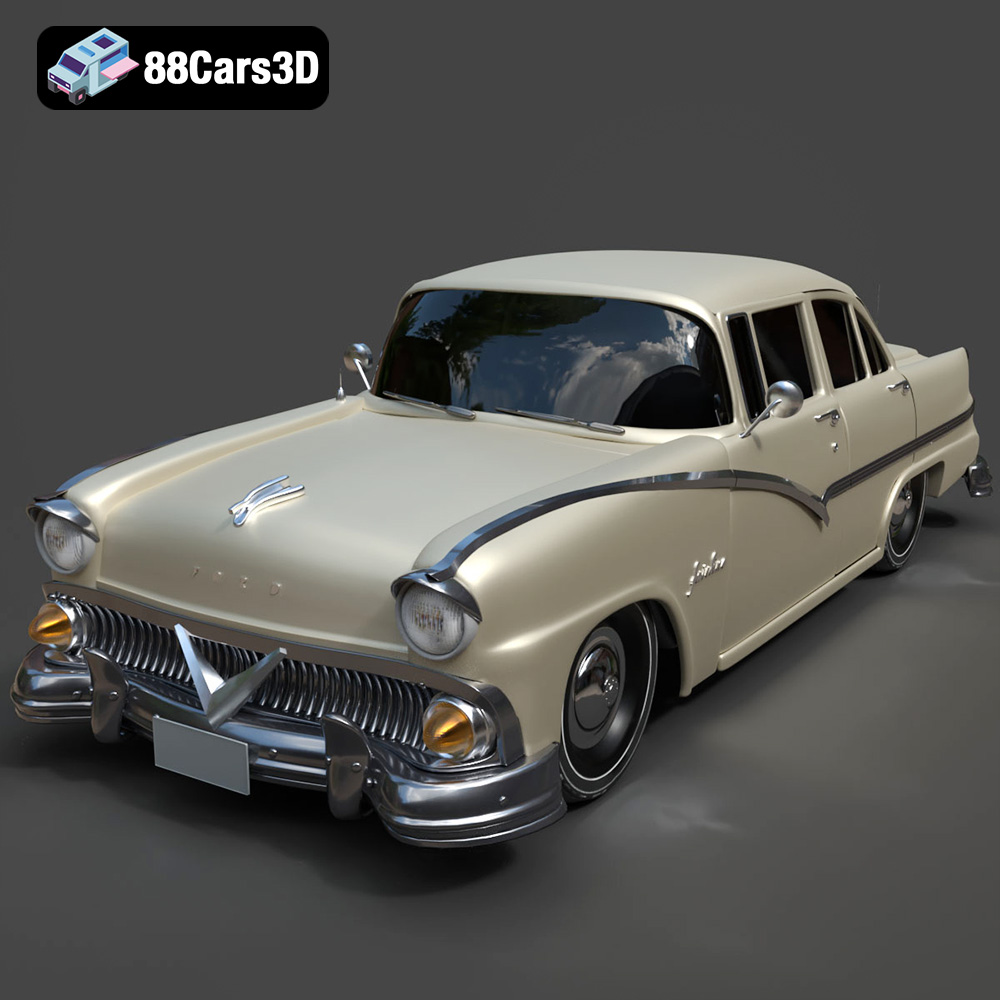
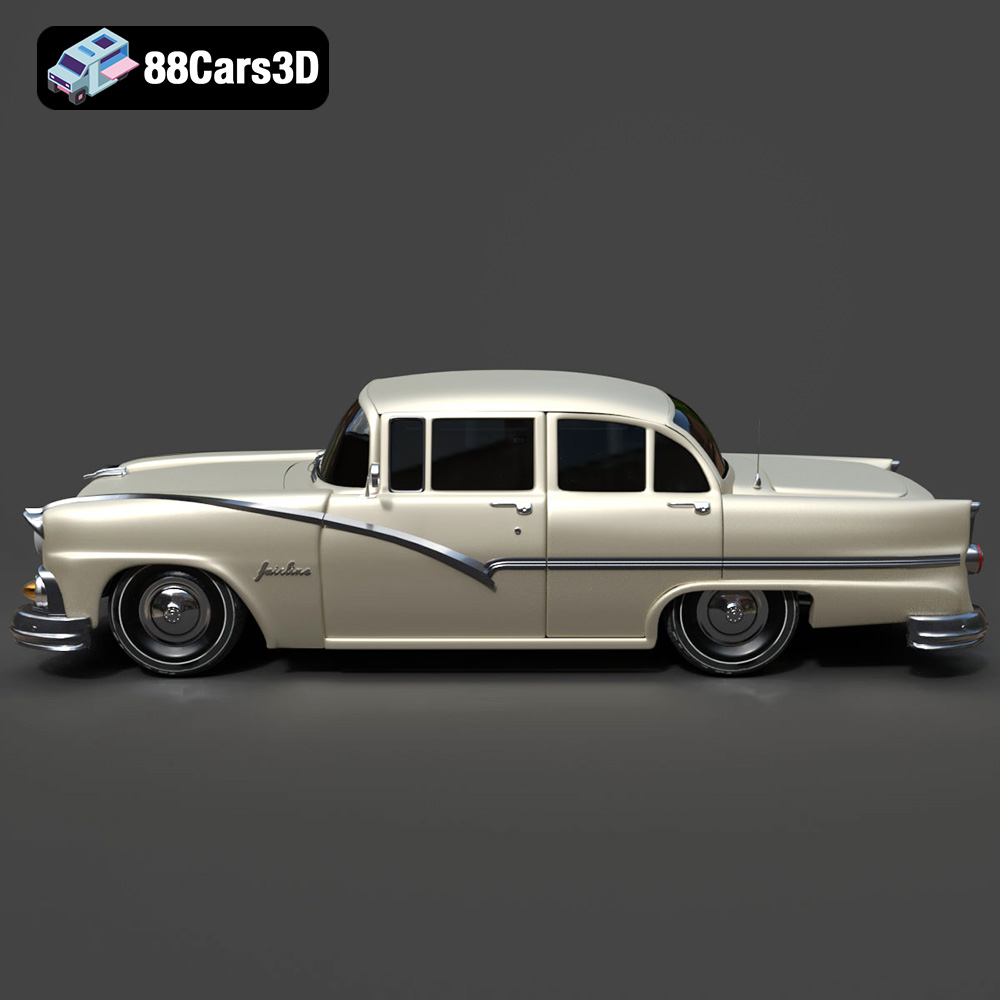
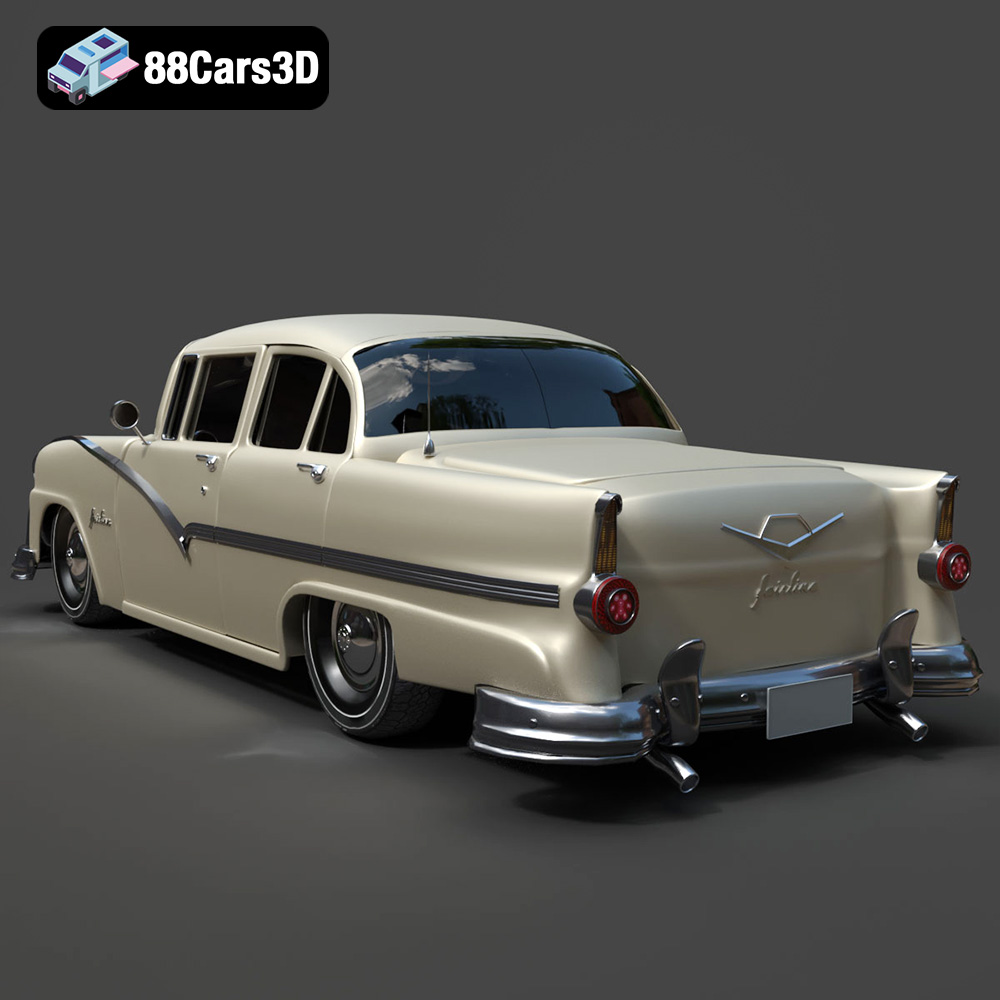
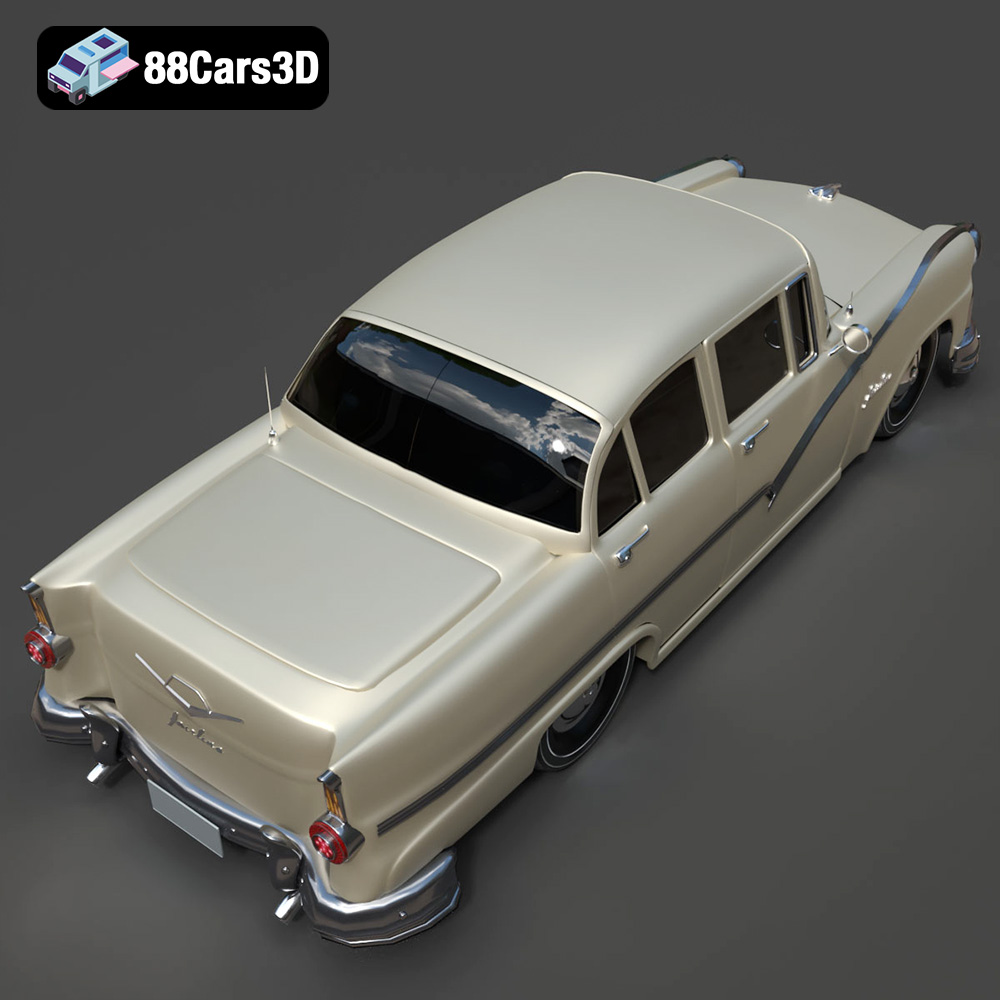
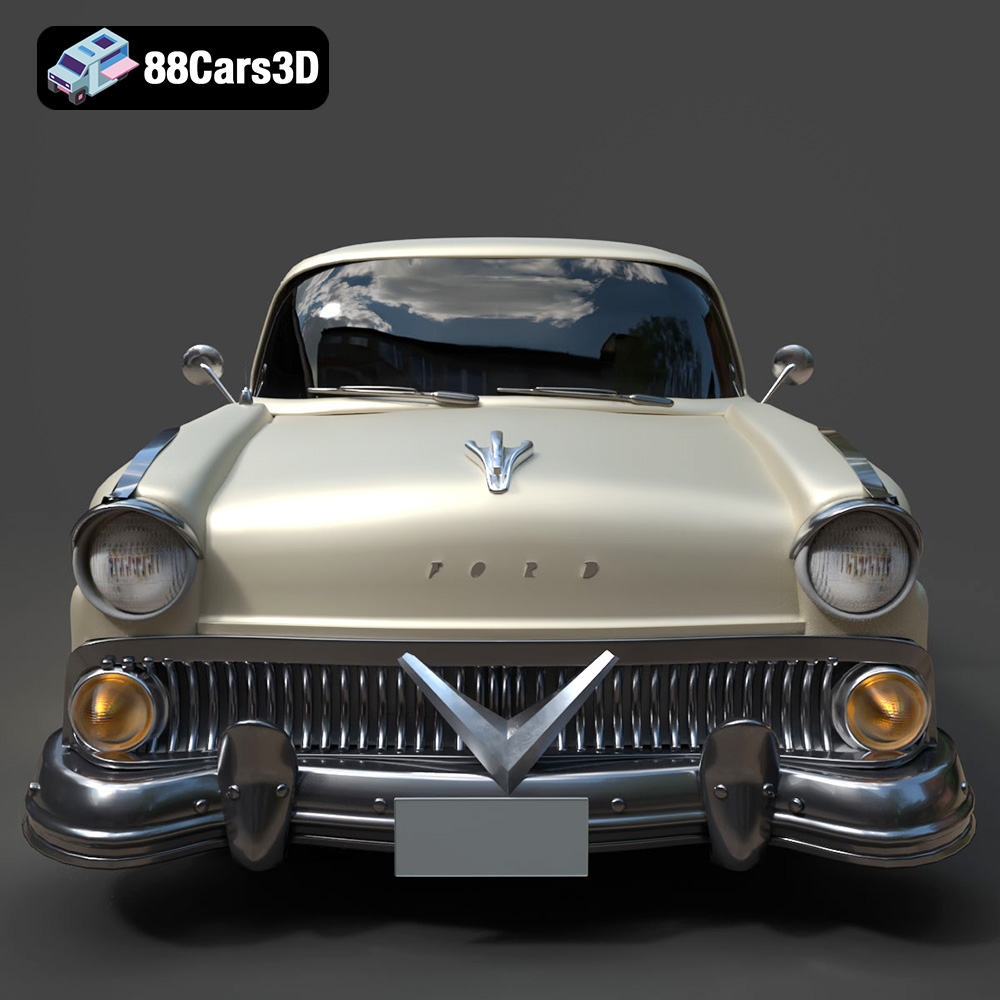
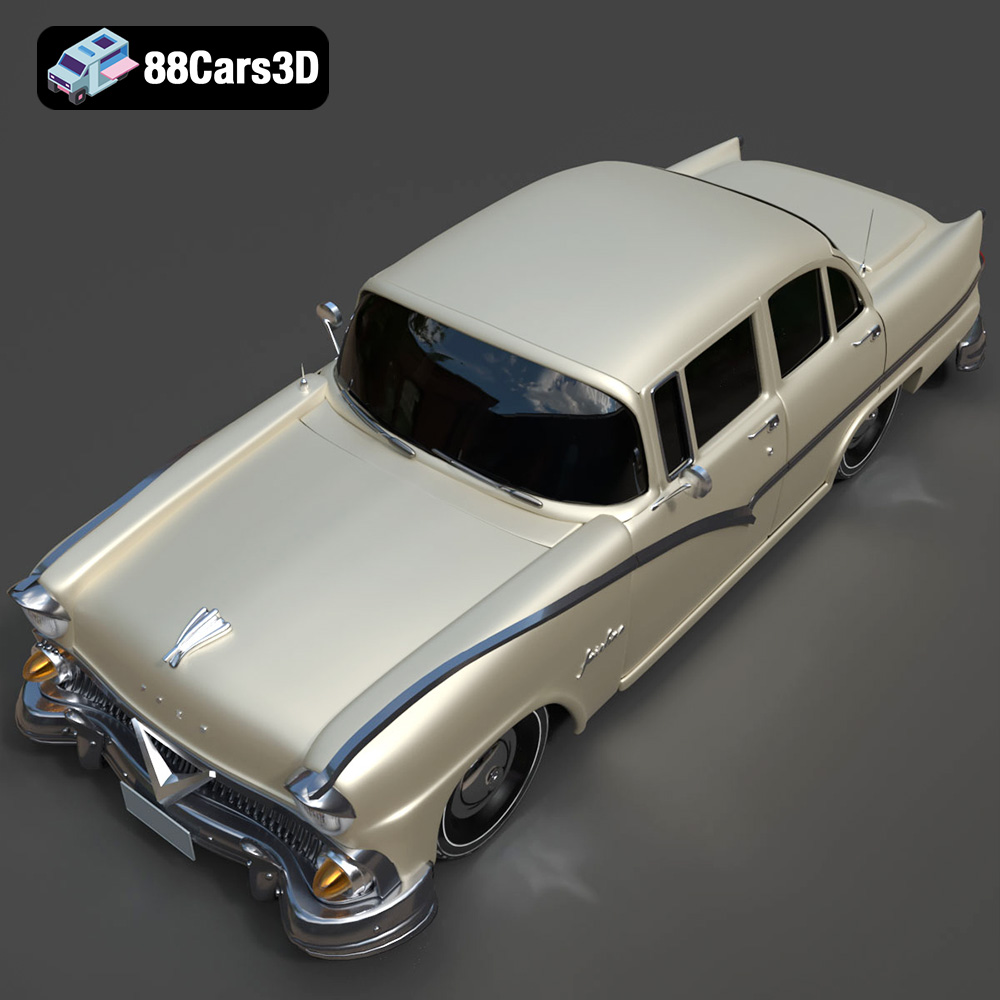
The essence of the Ford Fairlin lies in its signature styling cues: expansive chrome bumpers, a sweeping bodyline that defined an era, and a classic V8-inspired front grille that exudes power. This 3D model meticulously recreates these elements, ensuring accurate Ford Fairlin frame geometry and classic proportions. Every detail, from the period-correct lighting featuring classic round headlights and signature taillights to the vintage-style steel wheels with classic whitewall tire detailing, has been considered. The aim is to deliver an asset that doesn’t just look like the Fairlin, but feels like it, capturing its iconic presence and vintage appeal through flawless geometry.
Beyond its stunning visual accuracy, a premium 3D model must also be technically robust and optimized for diverse applications. The Ford Fairlin 3D Model achieves an exceptional balance between visual fidelity and performance, a crucial factor for game developers and real-time artists.
The versatility of a high-quality 3D asset is best demonstrated by its seamless integration into various professional pipelines. The Ford Fairlin 3D Model is engineered to be a flexible foundation for a multitude of creative and technical endeavors. Let’s explore how this model fits into industry-standard workflows across rendering, game development, and immersive experiences.
For artists focused on photorealistic rendering, the Ford Fairlin 3D Model provides an excellent starting point. In 3ds Max, artists can leverage the provided .max file, allowing full access to scene data, materials, and light setups. The detailed exterior and interior can be enhanced with advanced V-Ray or Corona renders, showcasing intricate reflections on chrome, the subtle sheen of paint, and realistic material definitions for upholstery and rubber. The separated components for suspension and steering allow for dynamic studio shots, perhaps depicting the car mid-turn or with adjustable ride height for different visual presentations.
Blender users, with the native .blend file, gain access to the model’s structure within a familiar environment. They can utilize Blender’s Eevee for real-time rendering previews or Cycles for physically accurate results. The model’s optimized geometry lends itself well to adding custom PBR (Physically Based Rendering) textures, fine-tuning shaders, and incorporating the vehicle into complex scenes, such as architectural visualization of a period-correct garage or a lifestyle advertisement set against a scenic backdrop.
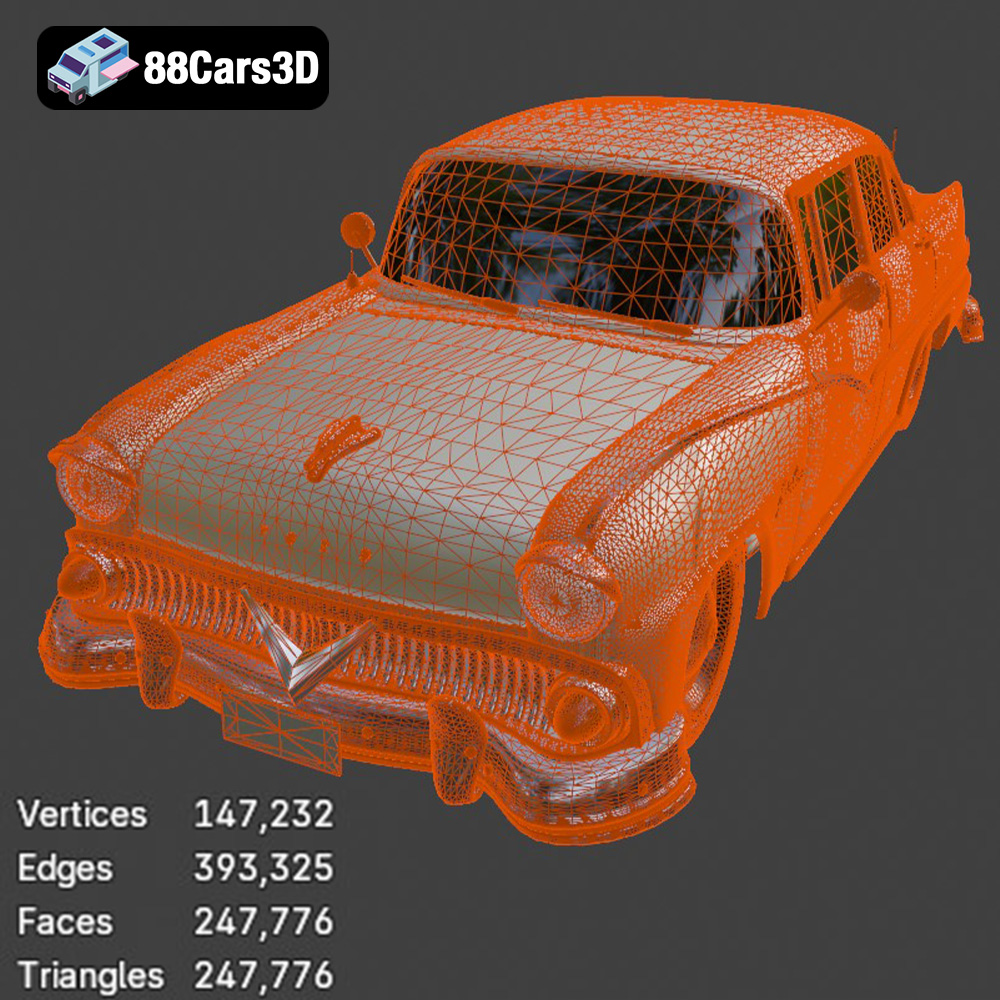
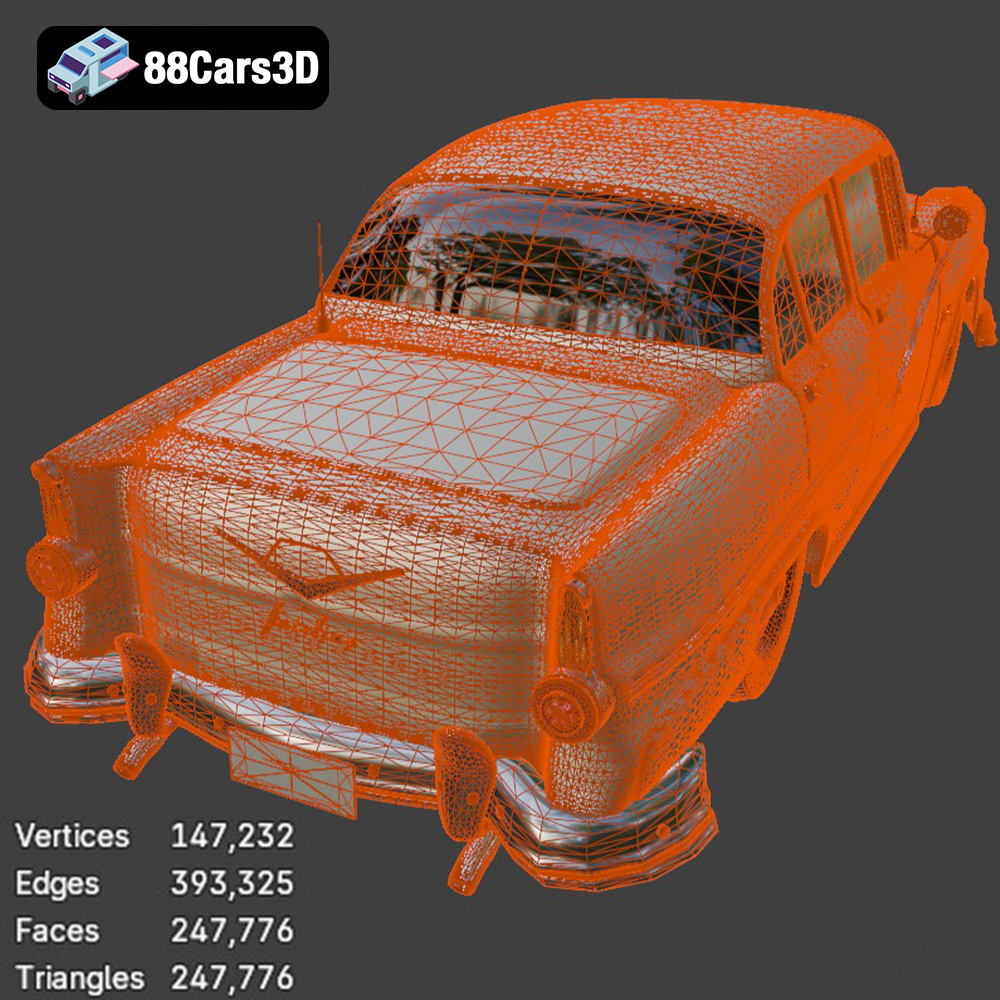
The “game-ready” label of the Ford Fairlin 3D Model is not merely a marketing term; it reflects a core design philosophy focused on performance and integration. With approximately 150,000 triangles, it strikes an optimal balance for modern game engines.
The availability of the .glb format makes the Ford Fairlin 3D Model an exceptional asset for AR/VR applications. This format is highly efficient for web-based AR experiences, allowing users to virtually place the car in their driveway via their smartphone or explore it in a VR showroom. The optimized geometry ensures smooth performance on mobile devices and VR headsets, making it ideal for interactive product showcases or educational tools. For developers looking to create immersive virtual showrooms, this model provides a highly detailed, yet performant, center piece.
For enthusiasts and model makers, the .stl format is a game-changer. It allows for the 3D printing of the Ford Fairlin, transforming a digital asset into a tangible collectible. Recommended scales (1:12, 1:18, 1:24) and print settings (layer height, infill, supports) are provided, guiding users to achieve optimal results. This capability opens up avenues for custom display models, prototyping, or even creating unique pieces of automotive art.
The true measure of a versatile 3D asset lies in its diverse practical applications. The Ford Fairlin 3D Model, with its blend of historical accuracy and technical optimization, offers a broad spectrum of uses across various professional fields. Let’s explore how this classic automotive model can be leveraged in real-world scenarios.
Imagine a period-accurate racing game set in the American heartland of the 1950s or 60s. The Ford Fairlin 3D Model becomes an invaluable asset here. Its optimized polycount (~150,000 triangles) means it can be readily integrated into game engines without heavy performance overhead, allowing for a grid full of these classic beauties. Developers can use its separate wheels, suspension, and steering components to create highly realistic vehicle physics and animation, making every turn and acceleration feel authentic. For open-world titles, the model can serve as a detailed NPC vehicle, a player-driven car, or even a collectible item, adding rich detail and historical flavor to the game world. The detailed interior is perfect for first-person driving cameras, offering players an immersive cockpit view.
In the rapidly expanding world of Augmented and Virtual Reality, the Ford Fairlin 3D Model shines as an ideal candidate for immersive experiences. Consider a virtual classic car museum where visitors can walk around, inspect, and even sit inside the Ford Fairlin in a VR environment. The model’s realism and optimized geometry ensure a smooth, high-fidelity experience. For an AR application, a user could project the Fairlin into their garage or driveway, examining its chrome accents and sweeping lines as if it were truly there. Furthermore, the provided customization options—changing body colors, adjusting material finishes, or modifying tire textures—make it perfect for interactive configurators, allowing enthusiasts to visualize their dream classic car.
For advertising campaigns, historical documentaries, or even personal portfolio pieces, the Ford Fairlin 3D Model offers immense value for cinematic rendering. Visualization studios can place this model in high-resolution renders for print or video, showcasing its timeless elegance. Imagine a luxury watch advertisement featuring the Fairlin cruising down a scenic coastal highway, or a product launch where the classic car embodies the heritage of a brand. The meticulous detailing of the exhaust system, the V8 engine block, and the vintage interior provides ample opportunity for close-up shots that convey premium quality and a sense of history. With access to the .max or .blend files, artists can achieve incredibly photorealistic results using advanced renderers like V-Ray, Corona, or Cycles, complete with realistic lighting and reflections.
Beyond the digital screen, the Ford Fairlin 3D Model also caters to the growing community of 3D printing enthusiasts. By converting the model to .stl format, hobbyists can print physical replicas of this iconic vehicle. This opens up possibilities for creating bespoke scale models (e.g., 1:12, 1:18, or 1:24), dioramas, or even custom display pieces. The provided print settings and recommendations for resin printing ensure that fine details like the exhaust and interior can be accurately reproduced. Post-processing, sanding, and painting can then transform the print into an authentic miniature, a tangible tribute to classic American motoring.
The utility of a high-quality 3D car model extends beyond its initial form. It serves as a foundation, a canvas for further innovation and customization. As digital experiences become increasingly interactive and personalized, the ability to adapt and modify assets like the Ford Fairlin 3D Model becomes paramount. This forward-thinking approach is what truly defines a premium asset.
The Ford Fairlin 3D Model offers significant customization options, which is a critical advantage in today’s dynamic creative landscape. Artists and developers are not confined to a single look; they can:
This level of adaptability ensures that the Ford Fairlin 3D Model remains relevant and reusable across multiple projects, providing excellent long-term value for any creative professional.
In a world saturated with digital assets, the importance of sourcing high-quality, technically sound 3D models from reputable marketplaces cannot be overstated. Platforms like 88cars3d.com specialize in delivering assets that meet professional standards—models that are not only visually appealing but also optimized, accurately scaled, and compatible with industry-standard software and engines. This eliminates the guesswork and potential headaches associated with poorly constructed models, saving valuable development time and resources.
Investing in a premium asset like the Ford Fairlin 3D Model from a trusted source means acquiring a meticulously crafted piece of digital art that is ready to integrate into your workflow, perform flawlessly, and elevate the overall quality of your final output. It’s an investment in efficiency, quality, and the seamless execution of your creative vision.
The journey through the intricate world of 3D car models reveals a fascinating intersection of art, engineering, and digital innovation. From the meticulous recreation of classic automotive heritage to the rigorous technical optimization for real-time performance, every aspect contributes to creating assets that are not just visually stunning but also incredibly versatile and functional. Understanding the nuances of various file formats and their specific use cases further empowers artists and developers to make informed decisions that streamline their workflows and enhance their final products.
The Ford Fairlin 3D Model stands as a testament to what can be achieved when passion for automotive design meets expert 3D craftsmanship. Its accurate representation of a mid-century classic, coupled with game-ready optimization and comprehensive file format support, makes it an indispensable tool for a wide array of applications—be it captivating automotive rendering, immersive game development, interactive AR/VR experiences, or even tangible 3D prints. Its adaptability and the sheer depth of its detail make it a prime example of a premium 3D asset that truly empowers creative professionals.
As the digital landscape continues to evolve, the demand for such high-fidelity, performance-optimized 3D car models will only grow. By choosing expertly crafted assets like the Ford Fairlin 3D Model available at 88cars3d.com, you’re not just acquiring a digital object; you’re investing in quality, efficiency, and the power to bring your most ambitious digital visions to life. Drive your projects forward with assets that truly deliver excellence.
Experience the timeless elegance and power of the classic Ford Fairlin, a stunning representation of mid-century automotive design. Known for its heritage and iconic presence, this vehicle features signature styling cues including expansive chrome bumpers, a sweeping bodyline, and a classic V8-inspired front grille. Its vintage appeal is highlighted by perfectly proportioned exterior lines and a meticulously recreated exhaust system that captures the essence of classic American motoring. This premium 3D model boasts exceptional topology with an optimized triangle count of approximately 150,000, ensuring maximum visual fidelity without compromising game-ready performance. It is expertly crafted for a variety of demanding applications, providing flawless geometry and stunning realism for game development, AR/VR applications, high-end animation, and architectural visualization. Perfect for classic car showcases, period-accurate racing games, VR garage configurators, and cinematic renders.
$19.99
.blend
.fairlane
.fbx
.ford
.glb
.max
.obj
.ply
.rendering
.retro
.stl
.unreal
car-3d-model
classic-car
fairlin
game asset
game-ready
low-poly
optimized
vintage-car
VR/AR