Get 20% OFF All Premium 3D & STL Models!

In the vast landscape of automotive history, certain vehicles transcend mere transportation to become cultural touchstones. The 1959 Chevrolet Apache pickup truck is undeniably one such icon. With its distinctive “cat’s eye” dual headlamps, prominent grille, and rugged yet elegant lines, the Apache embodies the spirit of mid-century American design and durability. For automotive enthusiasts, designers, game developers, and visualization artists, recreating such a classic in the digital realm presents both a challenge and an immense opportunity. This is where high-quality 3D models become indispensable, bridging the gap between historical authenticity and modern digital applications.
Imagine integrating this timeless classic into a vintage racing game, populating a retro-themed virtual environment, or showcasing its pristine form in a high-resolution render for an automotive brand campaign. The precision and detail required for such endeavors are paramount. Thankfully, resources like 88cars3d.com specialize in providing meticulously crafted 3D car models that meet these exacting standards. Today, we’ll dive deep into the technical prowess and versatile applications of a truly remarkable asset: the Chevrolet Apache 1959 3D Model, a comprehensive package designed to empower creators across various digital disciplines.
The world of 3D modeling is incredibly diverse, and one of the most fundamental aspects of working with digital assets is understanding the various file formats available. Each format serves specific purposes, offering different levels of compatibility, optimization, and feature retention across software and platforms. For a versatile asset like the Chevrolet Apache 1959 3D Model, having a wide array of formats included ensures maximum utility for any project. Let’s explore the key formats provided and their ideal use cases:
The .blend file format is the native format for Blender, the powerful open-source 3D creation suite. When you receive a .blend file, you’re essentially getting the fully editable Blender scene, complete with the model’s geometry, materials, textures, lighting setups, and even animation rigs if present. This format is ideal for users who primarily work in Blender, allowing for direct editing, customization, and scene integration without any data loss or conversion issues. It offers the most flexibility for artists who wish to dissect the model, understand its construction, or make significant modifications to its topology, materials, or UV layouts.
Autodesk’s .fbx (Filmbox) format is arguably the most widely adopted proprietary 3D file format for exchanging models, animation, and scene data between different 3D software applications and game engines. It’s renowned for its robust support of complex data, including meshes, materials, textures, bones, skinning, and animation. For real-time pipelines like Unreal Engine and Unity, .fbx is the go-to format due to its efficiency in handling hierarchical data and its ability to preserve animation data critical for game development. Its broad compatibility makes it indispensable for collaborative workflows and asset transfer.
The .obj (Wavefront OBJ) format is a widely supported, open-standard geometric data file format. While it’s older and simpler than .fbx, it remains a universal choice for exchanging raw mesh data (vertices, normals, texture coordinates) between virtually any 3D software. It stores geometry very efficiently and is excellent for static models where complex animation or rigging data isn’t required. Its plain-text nature makes it easy to parse and understand, making it a reliable fallback for cross-software compatibility when other formats might encounter issues. Materials are typically defined in a separate .mtl file.
.glb (GL Transmission Format Binary) is the binary version of the .gltf format, a royalty-free specification for the efficient transmission and loading of 3D scenes and models by applications. .glb packs all assets (geometry, materials, textures, animations) into a single file, making it incredibly efficient for web-based 3D, augmented reality (AR), and virtual reality (VR) applications. It’s highly optimized for runtime performance and is gaining significant traction in environments where quick loading and broad browser compatibility are crucial, such as virtual showrooms or online product configurators.
The .stl (Standard Tessellation Language or Stereolithography) format is the ubiquitous standard for 3D printing. It represents a 3D model as a series of connected triangles (a tessellation) that define the surface geometry of an object without color, texture, or other CAD attributes. For hobbyists and professionals looking to physically manifest the Chevrolet Apache 1959, an .stl file is essential. It’s directly compatible with most slicer software used to prepare models for FDM, SLA, or DLP 3D printers.
The .ply (Polygon File Format or Stanford Triangle Format) is a versatile file format for storing 3D data, particularly useful for high-resolution scanned data and scientific applications. It supports both triangular meshes and point clouds, and can store a variety of properties including color, transparency, surface normals, and texture coordinates. While less common for general 3D asset exchange than .fbx or .obj, it’s valuable for precision modeling, CAD workflows, or when detailed analytical data derived from the mesh is required.
The .unreal format, or more accurately, assets packaged for Unreal Engine, implies that the model has been specifically prepared and potentially integrated into an Unreal Engine project structure. This could mean it comes with optimized materials, collision meshes, LODs (Levels of Detail), and blueprint setups, making it a true drag-and-drop solution for developers working within Unreal Engine. This format streamlines the import process significantly, minimizing setup time and ensuring optimal performance within the engine’s real-time environment.
Similar to .blend for Blender, the .max file is the native project file format for Autodesk 3ds Max. This format retains all the intricate details of a 3ds Max scene, including geometry, modifiers, materials, textures, lighting, cameras, and animation keyframes. For professional studios and individual artists heavily invested in the 3ds Max ecosystem for architectural visualization, animation, or rendering, the .max file offers complete control and editability of the original asset within its native environment.
The inclusion of such a comprehensive suite of file formats for the Chevrolet Apache 1959 3D Model underscores its commitment to versatility and compatibility, ensuring that creators, regardless of their preferred software or application, can seamlessly integrate this iconic vehicle into their projects.
Recreating a classic vehicle like the 1959 Chevrolet Apache in 3D is a meticulous process that demands a deep understanding of automotive design, historical accuracy, and 3D modeling best practices. This particular 3D model stands out due to its dedication to authenticity and detailed craftsmanship, providing a highly accurate digital twin of the beloved pickup truck. It’s more than just a mesh; it’s a digital homage to an automotive legend.
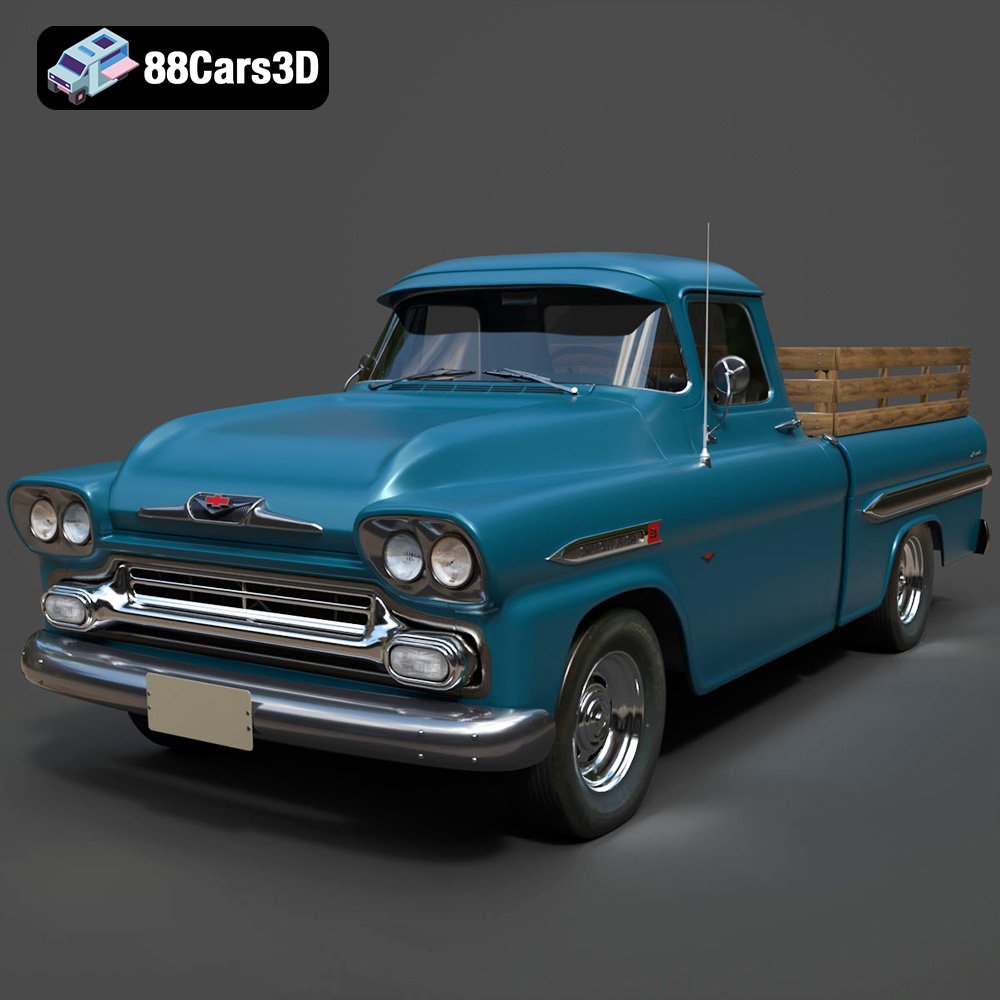
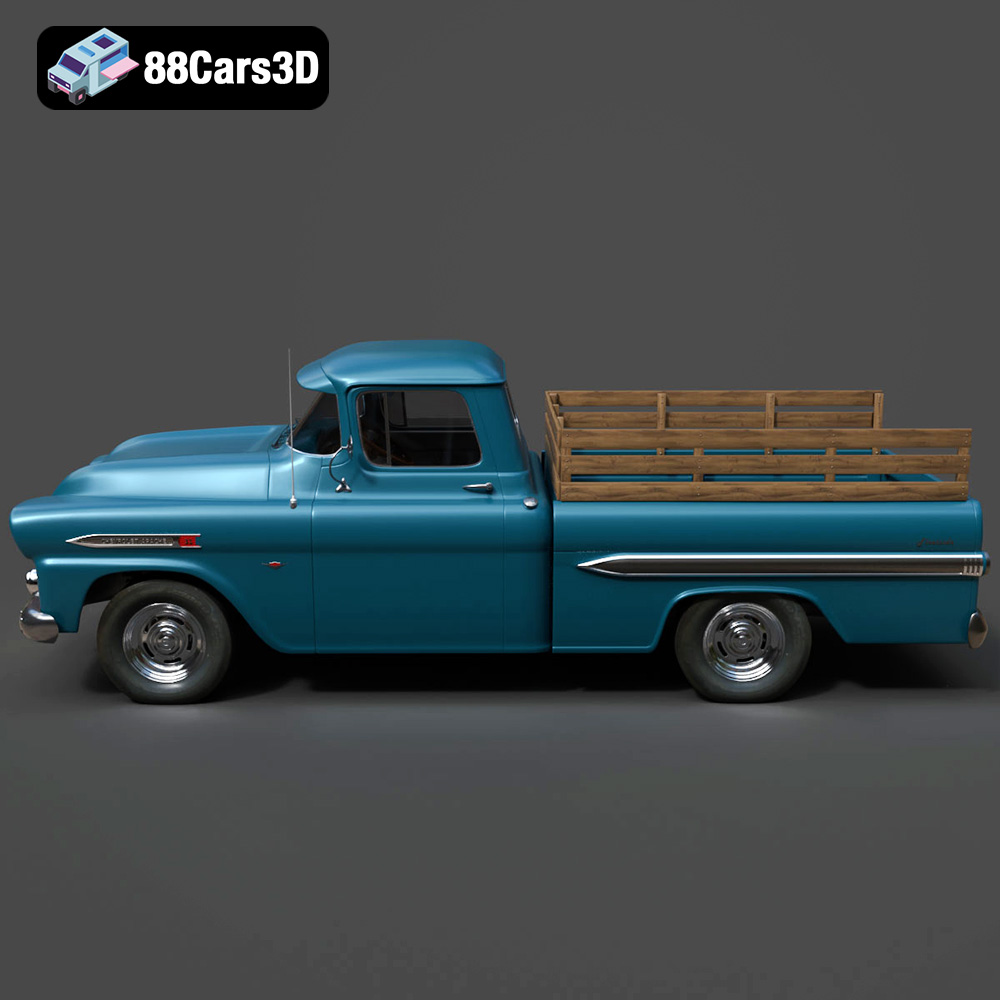
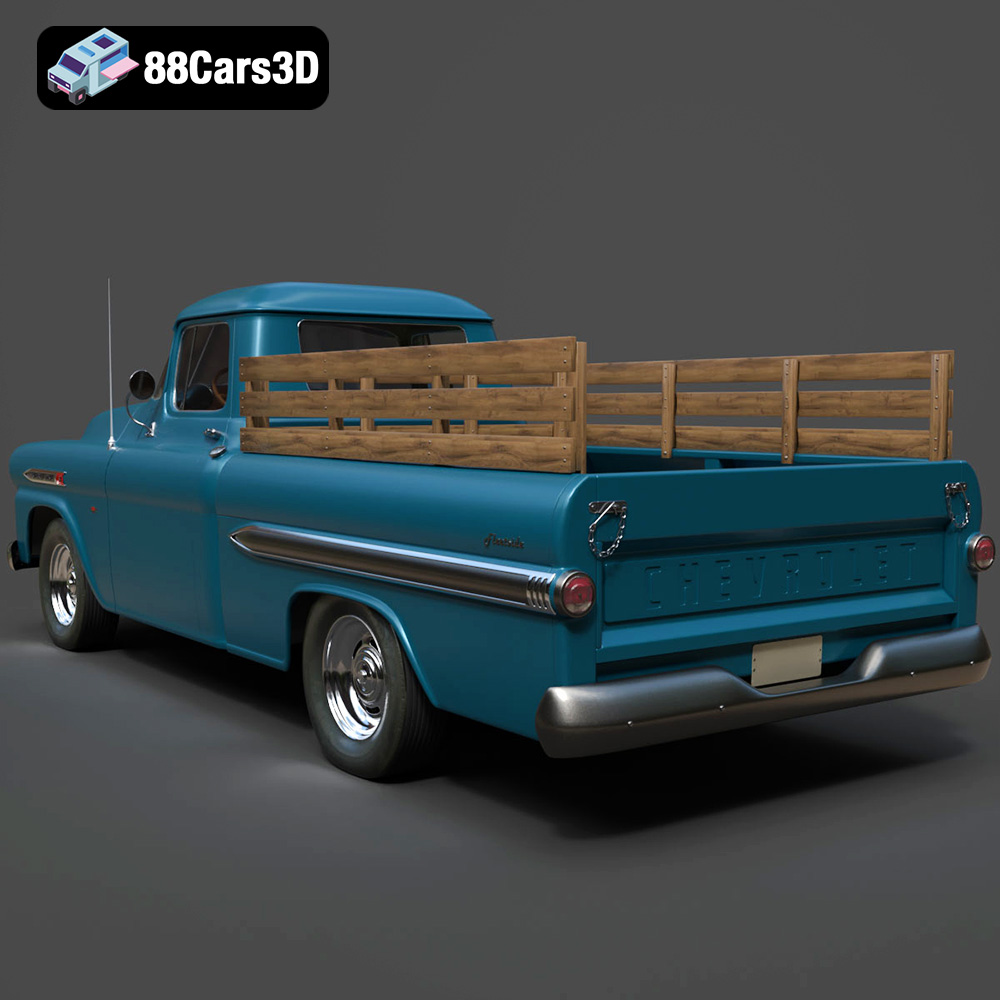
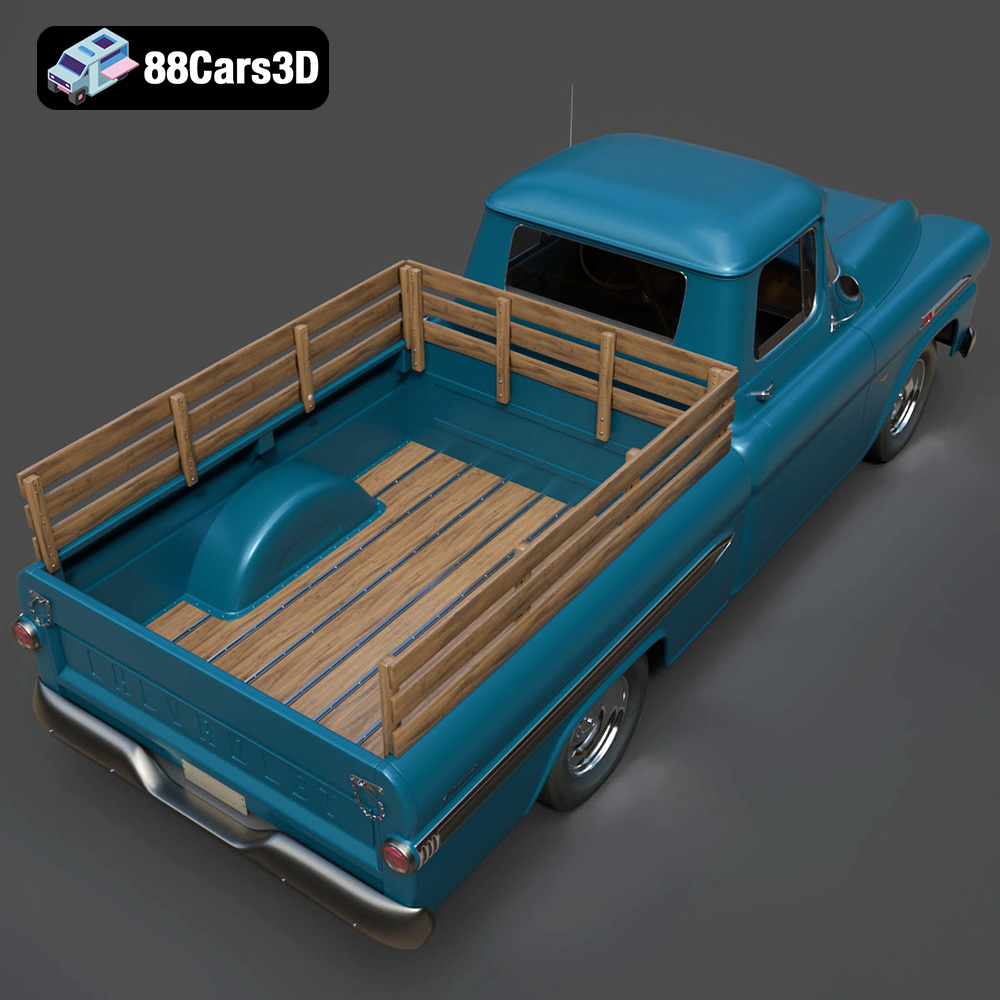
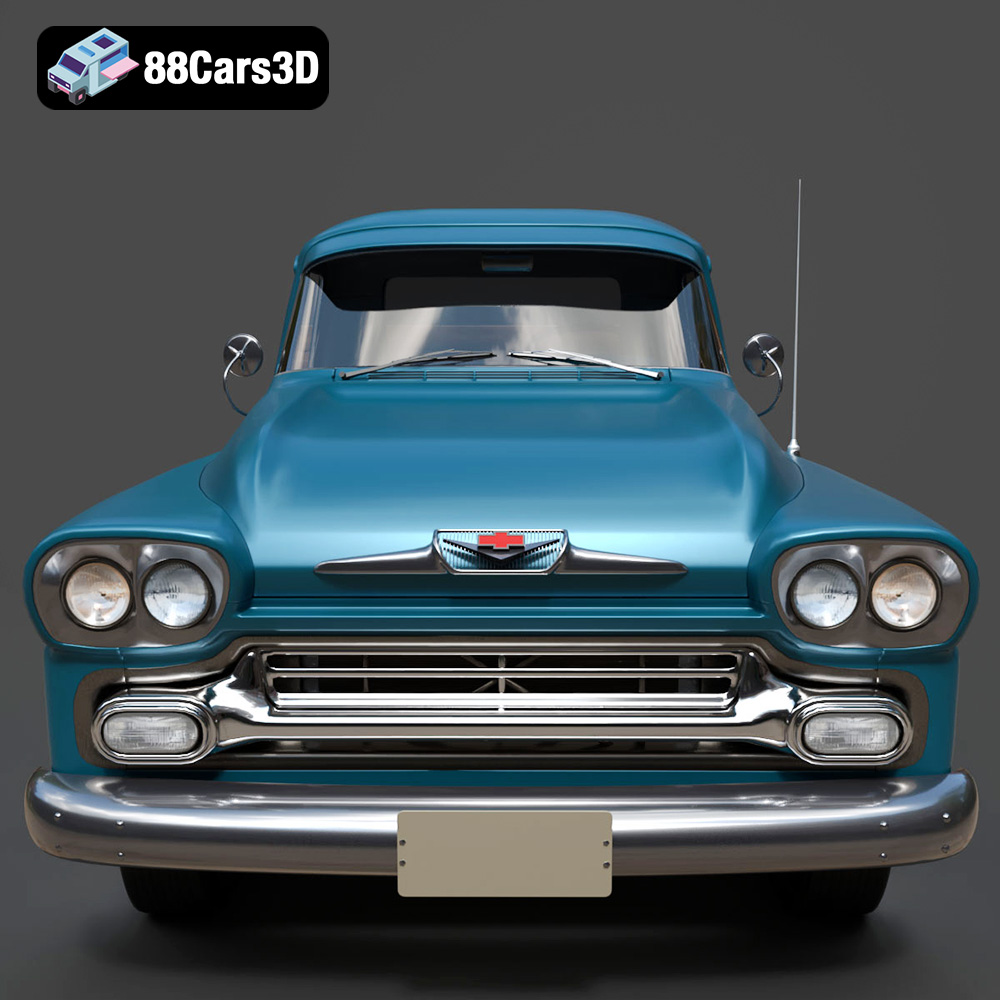
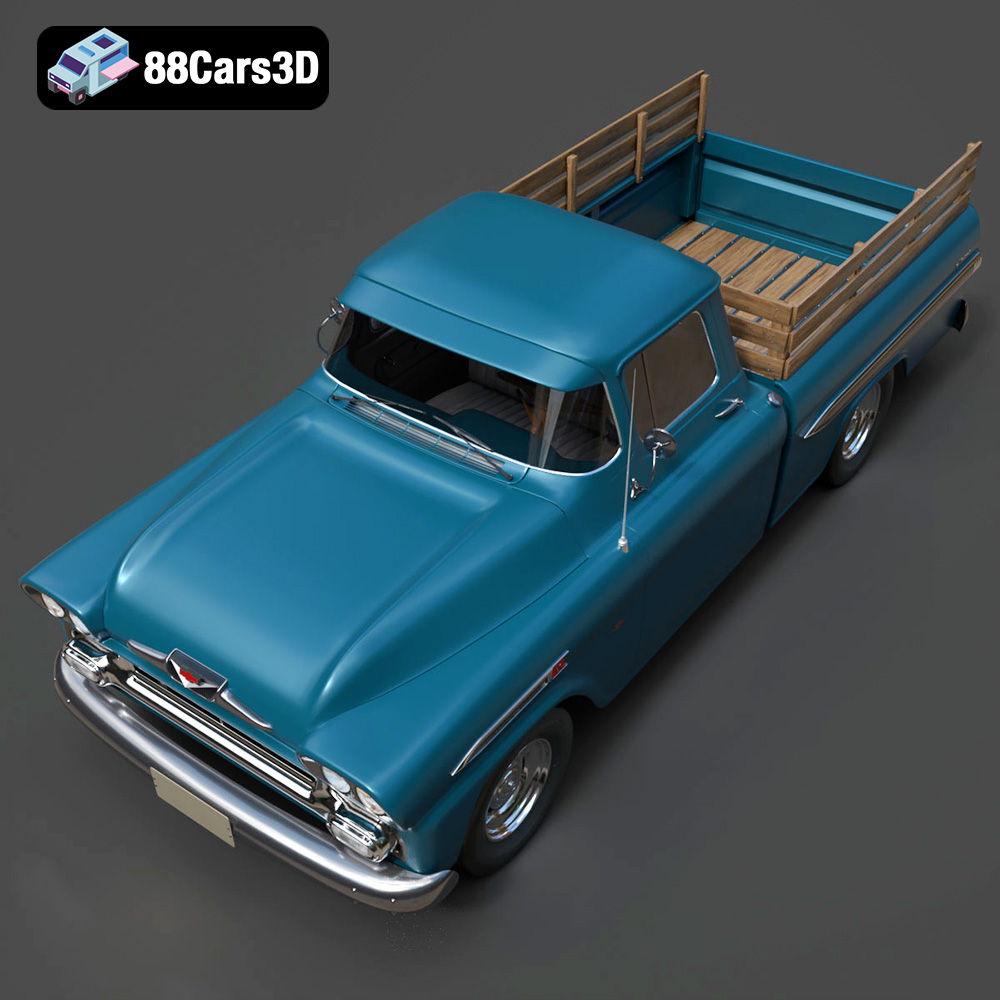
The first impression of any vehicle is its silhouette and body lines. The Chevrolet Apache 1959 3D Model meticulously captures the iconic frame geometry and classic body proportions that made the original truck so distinctive. From the prominent, dual-headlamp front fascia with its signature chrome grille to the elegantly wrapped windshield, every curve and panel has been carefully sculpted. The period-correct steel wheels, complete with chrome hubcaps and whitewall tires, further enhance its vintage appeal. Even the taillight assemblies are beautifully recreated, ensuring that the model looks accurate from every angle, crucial for high-end rendering and detailed animations where fidelity is key.
Beyond the impressive exterior, the interior of a vehicle plays a vital role in creating a believable and immersive experience, especially for first-person viewpoints in gaming or virtual reality. This model doesn’t disappoint, featuring an authentic vintage vinyl bench seat, complete with realistic stitching and material details. The classic large-diameter steering wheel, adorned with its chrome horn ring, is a focal point, inviting interaction. The period-correct instrument cluster boasts detailed gauges and dials, giving the cockpit a sense of functional realism. An accurate manual shifter and authentic pedal layout round out the interior, making it optimized for first-person POV in gaming, allowing players or viewers to truly feel like they are inside this classic machine.
For true automotive enthusiasts, the heart of any vehicle is its engine. This Chevrolet Apache 3D Model goes the extra mile by including a detailed V8 engine bay, complete with vintage engine components. This level of detail extends beneath the vehicle, where an authentic single-exit exhaust system and accurate leaf-spring suspension and rugged chassis details are present. The thoughtful inclusion of separate wheels, suspension, and steering components is not just for visual accuracy, but also provides critical flexibility for animators and game developers who need to simulate realistic movement and vehicle dynamics. Such detailed mechanical components significantly elevate the model’s value for simulations, close-up renders, and educational visualizations.
A stunning visual model is only truly valuable if it’s technically sound and optimized for its intended use. The Chevrolet Apache 1959 3D Model excels in this regard, striking a delicate balance between visual fidelity and real-time performance. This makes it an incredibly versatile asset, suitable for everything from cinematic pre-renders to demanding interactive experiences.
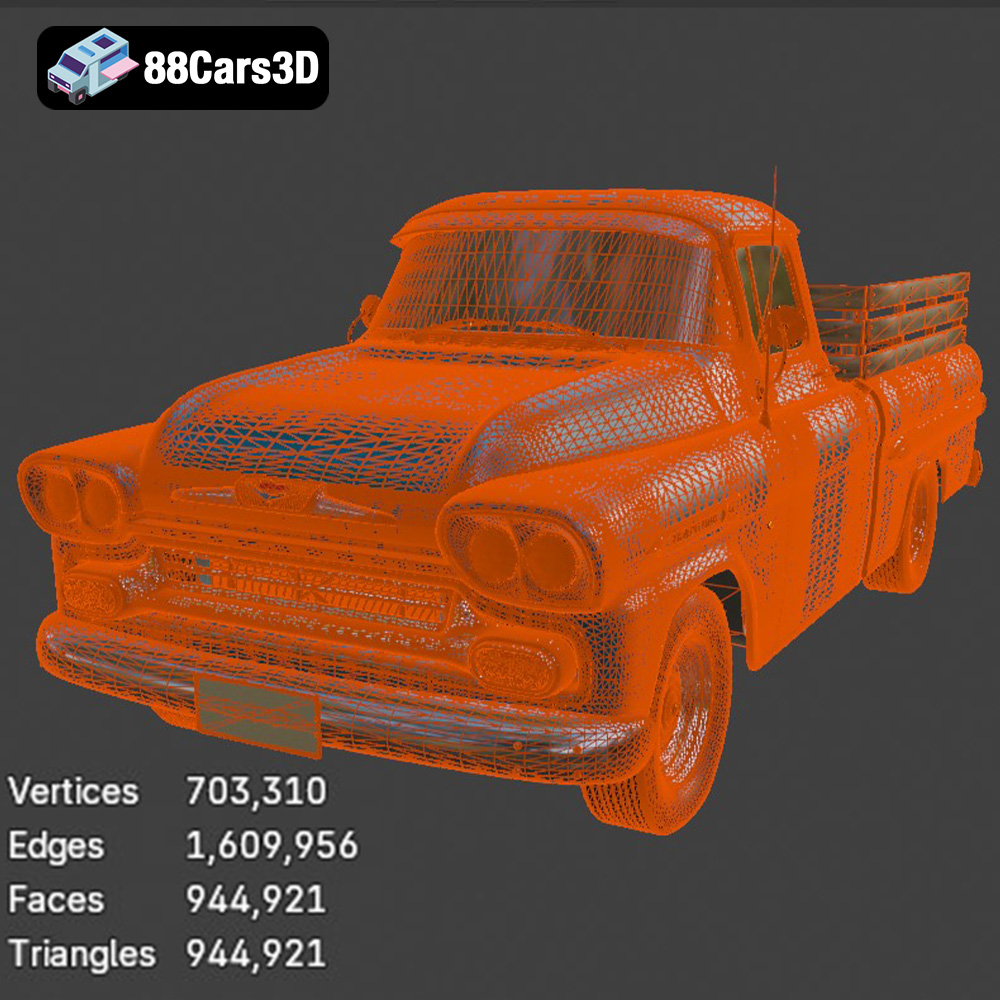
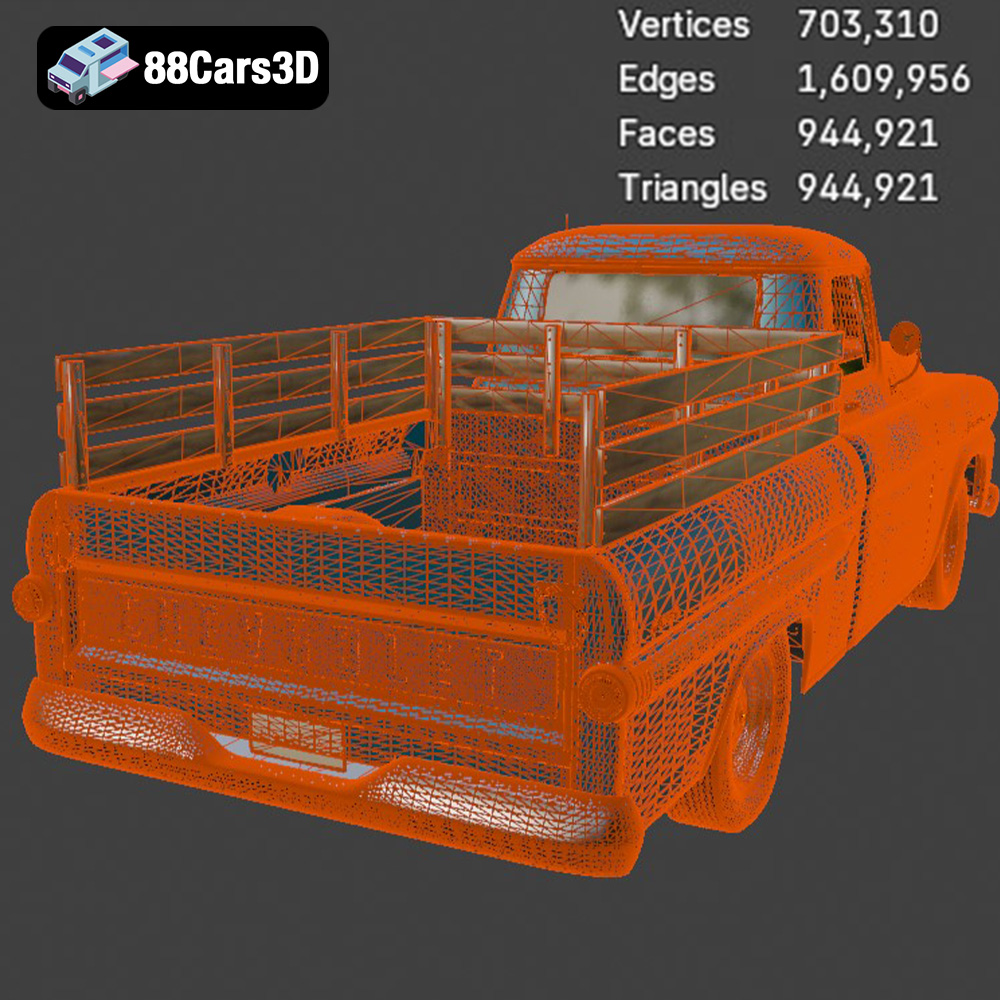
One of the most critical technical specifications for any 3D model, especially for real-time applications, is its polygon count. With approximately 500,000 triangles, this Chevrolet Apache 3D model hits a perfect sweet spot. This count is high enough to guarantee incredible visual fidelity, capturing all the subtle curves and details of the Apache without sacrificing performance. For modern game engines like Unreal Engine and Unity, this optimized polycount is ideal. It allows for rich, detailed environments without crippling frame rates, ensuring a smooth and immersive experience. For high-end animation and architectural visualizations, this level of detail holds up exceptionally well under close-up shots and complex lighting scenarios, providing a foundation for stunning renders.
Accuracy extends beyond just visual appearance. The model is constructed with real-world scale accuracy, based on actual vehicle chassis dimensions. This is crucial for integrating the model into existing scenes, environments, or simulations without having to constantly resize and adjust. Furthermore, the proper pivot setup for steering, wheel rotation, and suspension travel is a testament to its engineering. This means that animators and developers can effortlessly rig and animate the vehicle’s functional parts, creating realistic driving dynamics, turning maneuvers, and suspension compression, which is essential for racing games or vehicle simulators. The forethought put into these technical elements significantly reduces production time and effort for users.
The value of a 3D asset is often amplified by its compatibility. This Chevrolet Apache 1959 3D Model is designed to be compatible with major 3D software platforms and real-time rendering engines. The inclusion of various file formats like .blend, .fbx, .obj, .glb, .stl, .ply, .unreal, and .max ensures that whether you’re working in Blender, 3ds Max, Maya, Cinema 4D, or developing in Unreal Engine or Unity, you’ll have a ready-to-use asset. This broad compatibility lowers the barrier to entry for diverse creative teams and individual artists, making the Apache an incredibly versatile and future-proof investment for any digital project.
The versatility and technical excellence of this 3D model open up a plethora of applications across various industries. From entertainment to engineering, the Chevrolet Apache 1959 is ready to roll into diverse digital landscapes.
For game developers, the Chevrolet Apache 1959 3D Model is a treasure. Its optimized polycount of 500,000 triangles makes it perfectly suited for open-world games, racing titles, and vehicle simulators. Imagine cruising through a meticulously recreated 1950s American town or tearing down a dirt track in a vintage off-road racing game. The detailed exterior and interior, coupled with proper pivot setups for animation, allow for realistic driving physics and immersive first-person cockpit views. Game designers can easily integrate this model, populate scenes, and even customize it with different textures and damage states to enhance gameplay narratives. Assets of this quality, readily available on marketplaces like 88cars3d.com, significantly accelerate development cycles for studios seeking authentic vehicle models.
Augmented Reality (AR) and Virtual Reality (VR) are transforming how we interact with digital content. This 3D model is perfect for creating immersive virtual showrooms, interactive configurators, and mobile AR experiences. Imagine a customer exploring the 1959 Apache in full 3D from their living room via AR, or a museum offering a VR experience where visitors can “step inside” and examine the historical vehicle up close. The .glb format, specifically optimized for web, AR, and VR, ensures smooth performance and quick loading times in these demanding environments, making it an excellent tool for educational, marketing, and experiential applications.
When it comes to brand campaigns, lifestyle scenes, and studio lighting setups, visual realism is paramount. The Chevrolet Apache 1959 3D Model excels in rendering and visualization contexts. Its high visual fidelity and accurate detailing mean it can stand up to close-up shots and be rendered with photorealistic quality. Advertising agencies can use it to create stunning visuals for print and digital media, filmmakers can integrate it into CGI scenes for period pieces, and automotive designers can use it for historical context or stylistic inspiration. The ability to change body colors, modify tire textures, and adjust material finishes provides immense creative control for artists aiming for specific aesthetic outcomes.
Beyond the digital screen, the Chevrolet Apache 1959 3D Model offers the unique opportunity to bring this classic into the physical world through 3D printing. This functionality caters to hobbyists, collectors, and model makers who appreciate tactile representations of digital assets.
Converting the model to .stl format unlocks its potential for 3D printing. The provided guidelines recommend scales of 1:12, 1:18, or 1:24, offering flexibility for various display sizes. For optimal detail, especially for the intricate features of a vintage vehicle, resin printing (SLA/DLP) is highly recommended over FDM, allowing for finer layer heights (0.04–0.12 mm). Specific instructions for wall thickness (1.2–2.0 mm), infill (20–30%), and the necessity of supports for complex parts like the exhaust and mirrors ensure successful prints. The guidance on print orientation, such as printing the frame angled for structural integrity and wheels separately, highlights the practical considerations taken into account for a robust physical model.
3D printing is often just the first step. The recommendation for post-processing—sanding, priming, and applying authentic factory colors with metallic finishes—allows creators to transform a raw print into a museum-quality display piece. This attention to detail empowers users to truly customize their physical model, matching the paint schemes of the original vehicles or exploring unique customizations. This fusion of digital design with physical craftsmanship offers a deeply satisfying creative process, allowing enthusiasts to own a tangible piece of automotive history derived from a high-quality 3D model.
A truly versatile 3D model empowers creators to not just use it as-is, but to adapt and customize it to suit their specific vision. The Chevrolet Apache 1959 3D Model provides ample opportunities for personalization, enabling artists and developers to inject their unique creative flair.
The ability to change body and tank colors is fundamental for any vehicle model. Users can easily experiment with authentic factory colors, giving the Apache a period-correct look, or venture into custom finishes to create something entirely unique. Modifying tire textures, for instance, allows for quick transformation between street variants with classic whitewalls and rugged off-road tires, dramatically altering the truck’s character. Furthermore, adjusting material finishes – from matte and gloss to various metallic shaders – can significantly impact the perceived age, condition, and overall aesthetic of the vehicle, providing endless possibilities for visual storytelling.
Beyond surface aesthetics, the model’s design facilitates adaptation to different environments and narratives. Artists can adjust lighting setups to create specific moods, whether it’s a sunny afternoon cruising scene or a gritty, dimly lit industrial backdrop. The animatable components (wheels, suspension, steering) allow for dynamic poses and complex motion sequences. This flexibility means the Chevrolet Apache 1959 can be a pristine showroom piece, a weathered workhorse, or a star in an action-packed game, all from the same foundational asset. Such extensive customization options extend the lifespan and utility of the model across countless projects, making it a truly valuable asset for any digital library.
The 1959 Chevrolet Apache stands as a testament to timeless American design, and its digital rendition as a high-quality 3D model is a powerful tool for modern creators. From its meticulously recreated exterior and interior details to its technically optimized geometry and extensive file format support, this asset provides an unparalleled foundation for a vast array of digital and even physical projects. Whether you’re a game developer seeking authentic vehicles, an AR/VR artist building immersive experiences, a rendering specialist crafting cinematic visuals, or a hobbyist eager to 3D print a piece of history, this Chevrolet Apache 1959 3D Model delivers on all fronts.
Its balance of visual fidelity and game-readiness, coupled with flexible customization options, makes it an indispensable addition to any professional’s toolkit. By understanding the nuances of different file formats and leveraging the model’s technical specifications, creators can unlock its full potential, bringing this iconic truck to life in new and exciting ways. Explore the possibilities and enhance your projects with premium assets available at 88cars3d.com, where quality meets versatility. This Chevrolet Apache model isn’t just a 3D asset; it’s a gateway to recreating and reimagining a piece of automotive legend.
The 1959 Chevrolet Apache is a legendary icon of American automotive history, representing the pinnacle of the renowned Task Force series of pickup trucks. Famous for its rugged durability, distinctive dual-headlamp front fascia, prominent chrome grille, and wrapped windshield, the Apache remains a beloved classic among truck enthusiasts and collectors. This 3D model meticulously captures its utilitarian yet beautifully sculpted design, featuring accurate body lines, a detailed V8 engine bay, and period-correct exhaust system styling. Constructed with an optimized topology of approximately 500,000 triangles, this Chevrolet Apache 3D model guarantees incredible visual fidelity while remaining exceptionally game-ready. The geometry has been engineered to support real-time rendering and complex lighting scenarios, making it an incredibly versatile asset for modern game development, immersive AR/VR applications, high-end animation, and architectural visualizations.
$19.99
.blend
.chevrolet
.fbx
.glb
.max
.obj
.ply
.rendering
.stl
.unreal
apache-1959
car-3d-model
classic-truck
game asset
game-ready
low-poly
optimized
pickup-truck
vintage-car
VR/AR