Get 20% OFF All Premium 3D & STL Models!

In the rapidly evolving world of digital content creation, high-quality 3D assets are no longer just a luxury; they are a fundamental necessity. From photorealistic automotive rendering to immersive game development and groundbreaking AR/VR experiences, the demand for precise, optimized, and versatile 3D car models continues to surge. These digital vehicles serve as the backbone for countless projects, enabling designers, artists, and developers to bring their visions to life with unparalleled realism and efficiency.
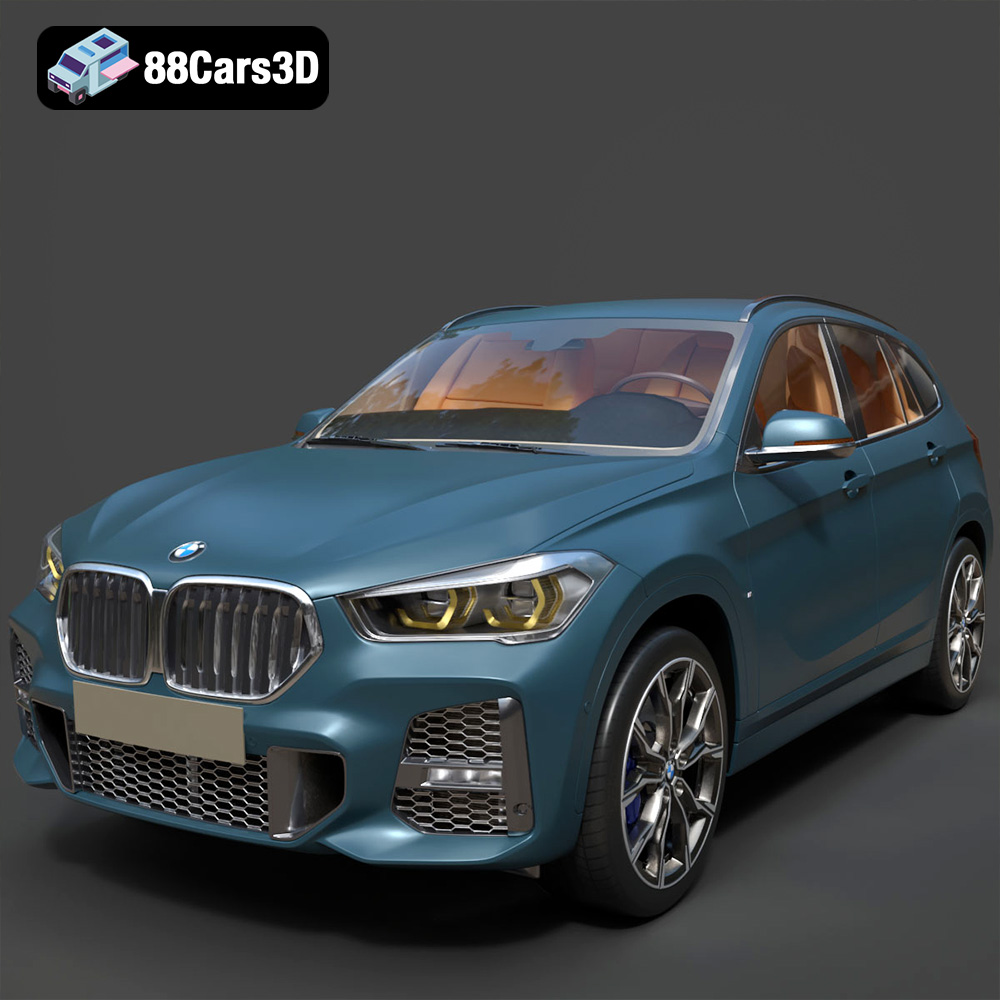
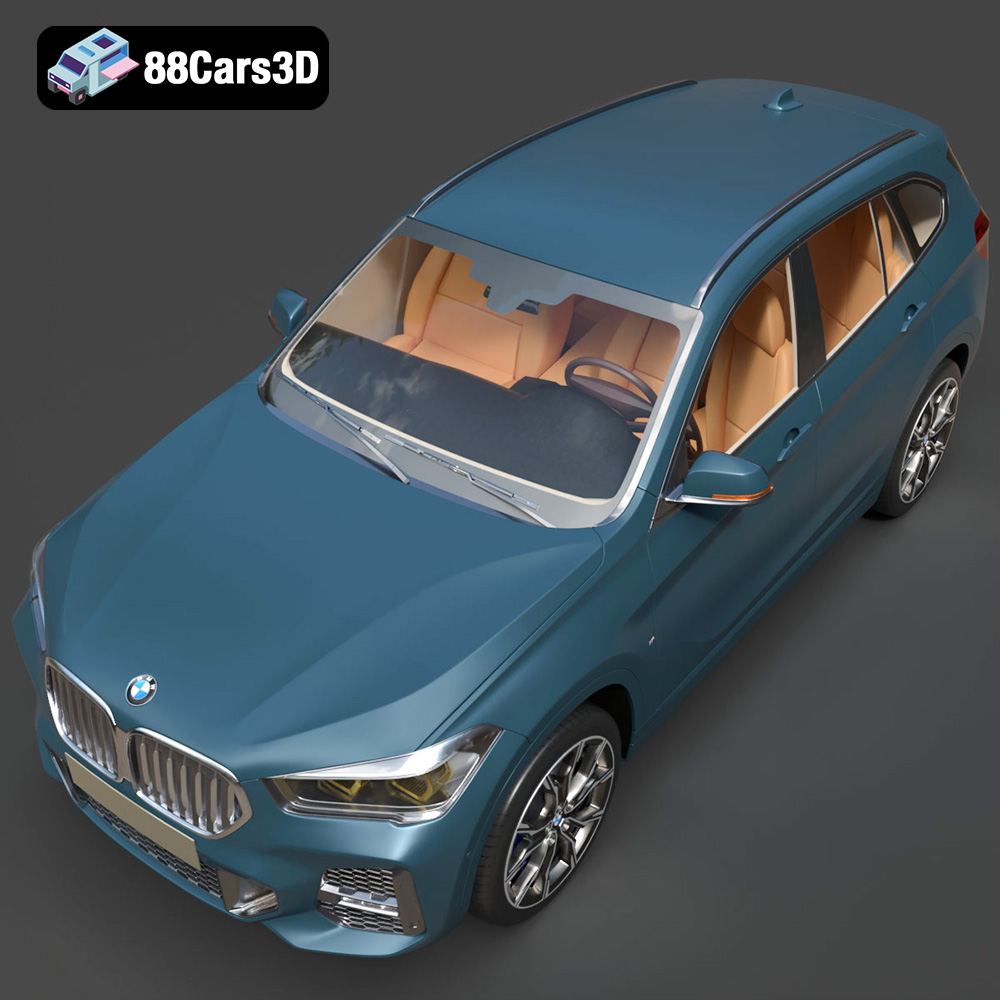
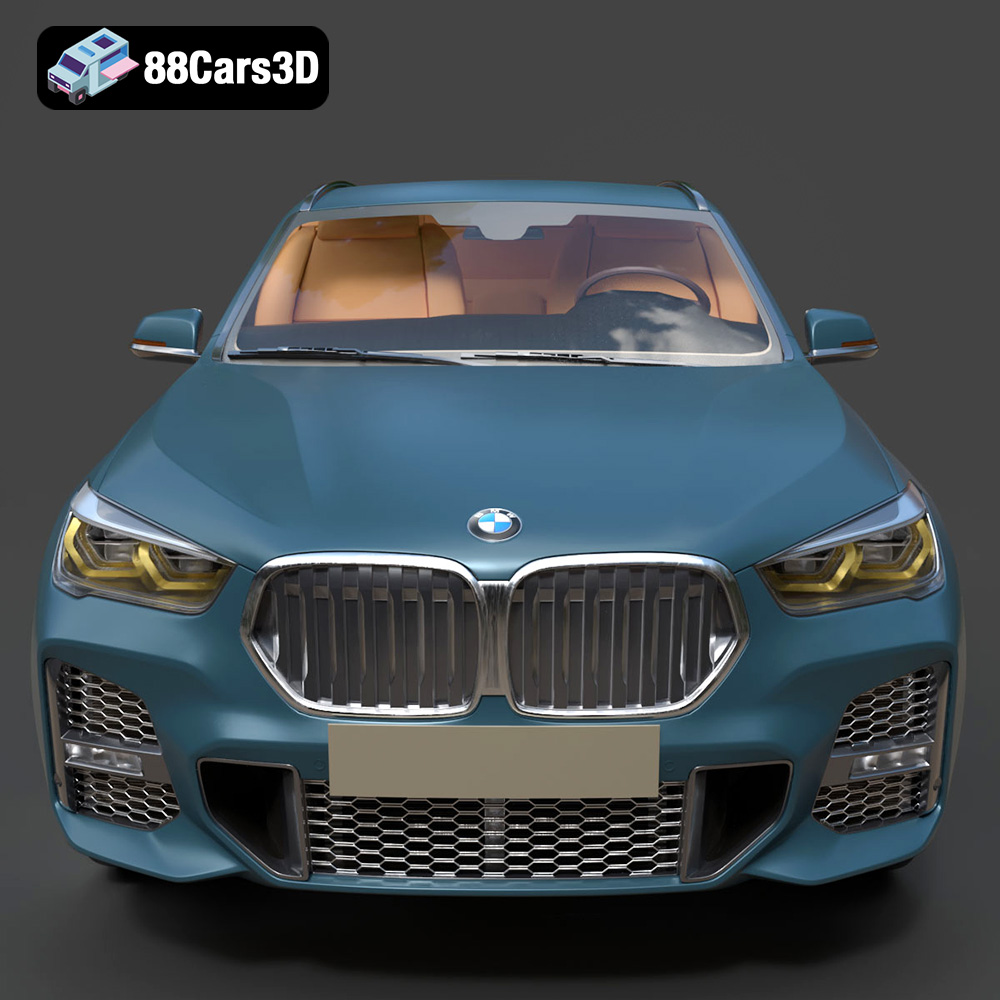
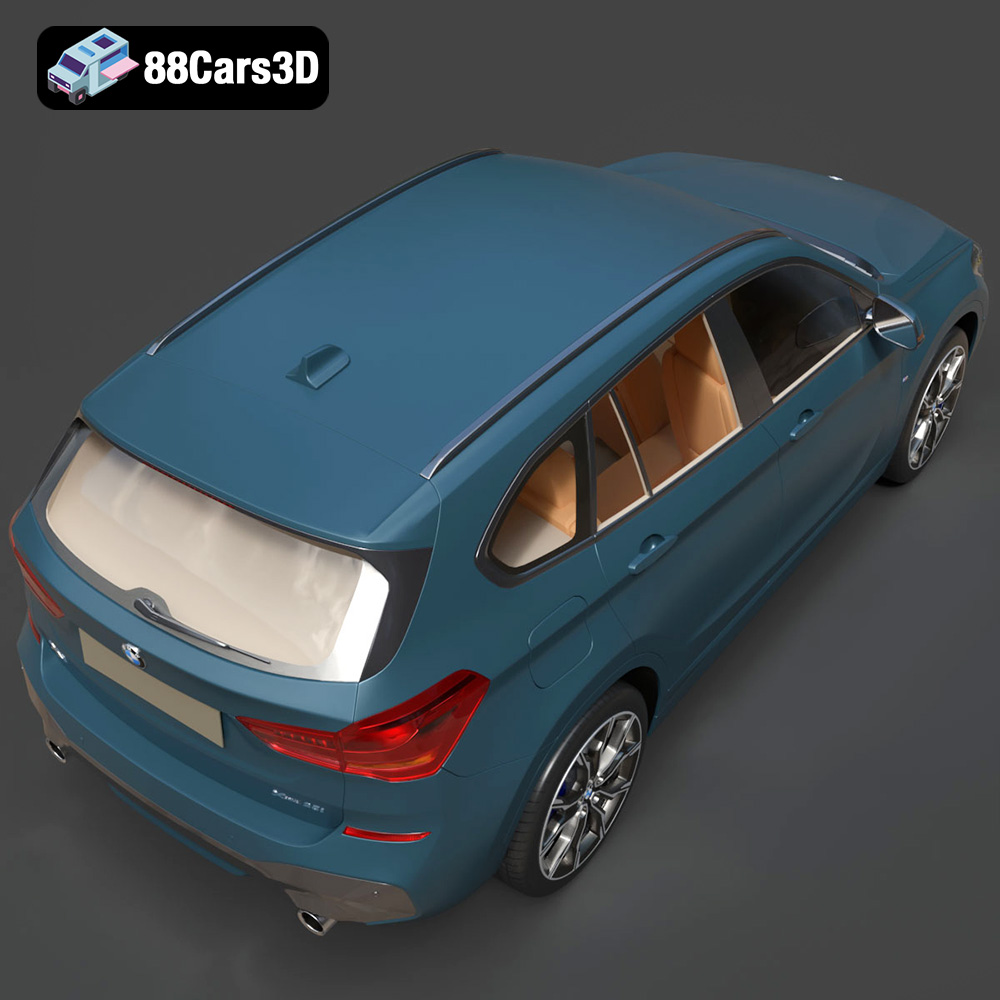
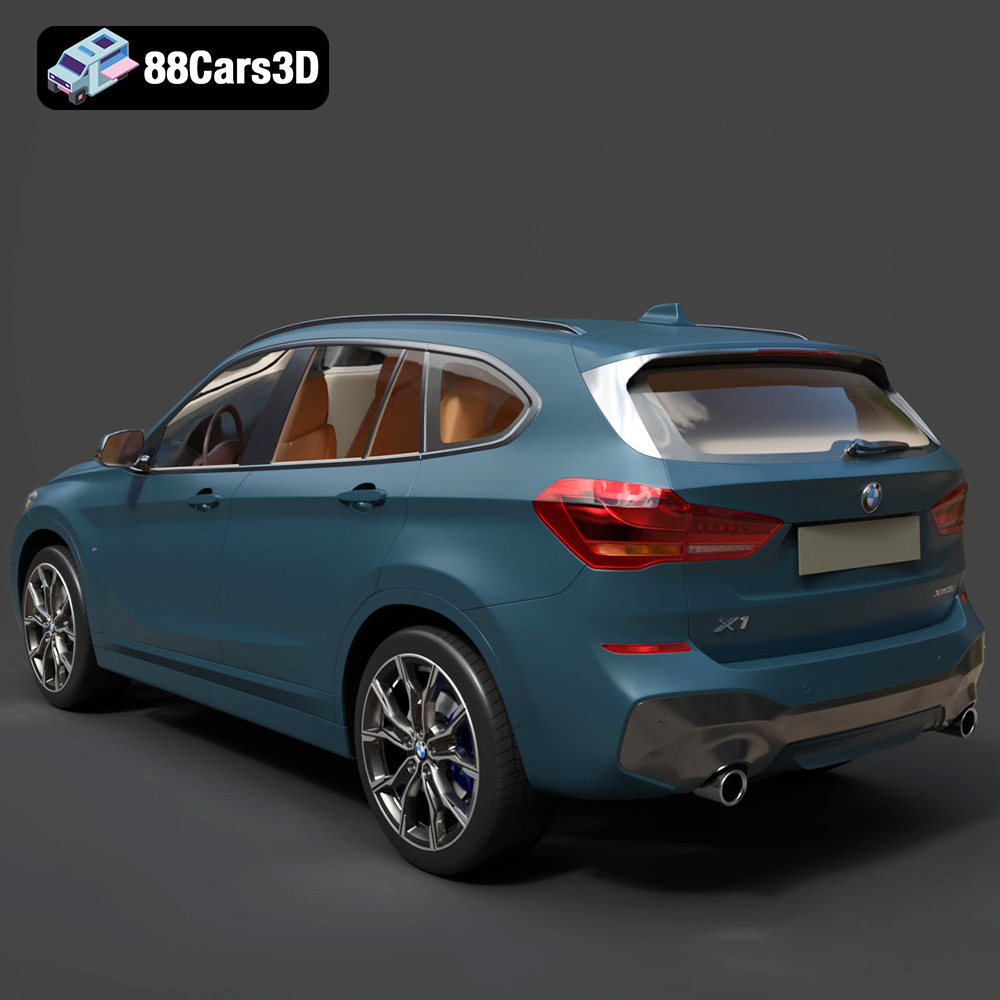
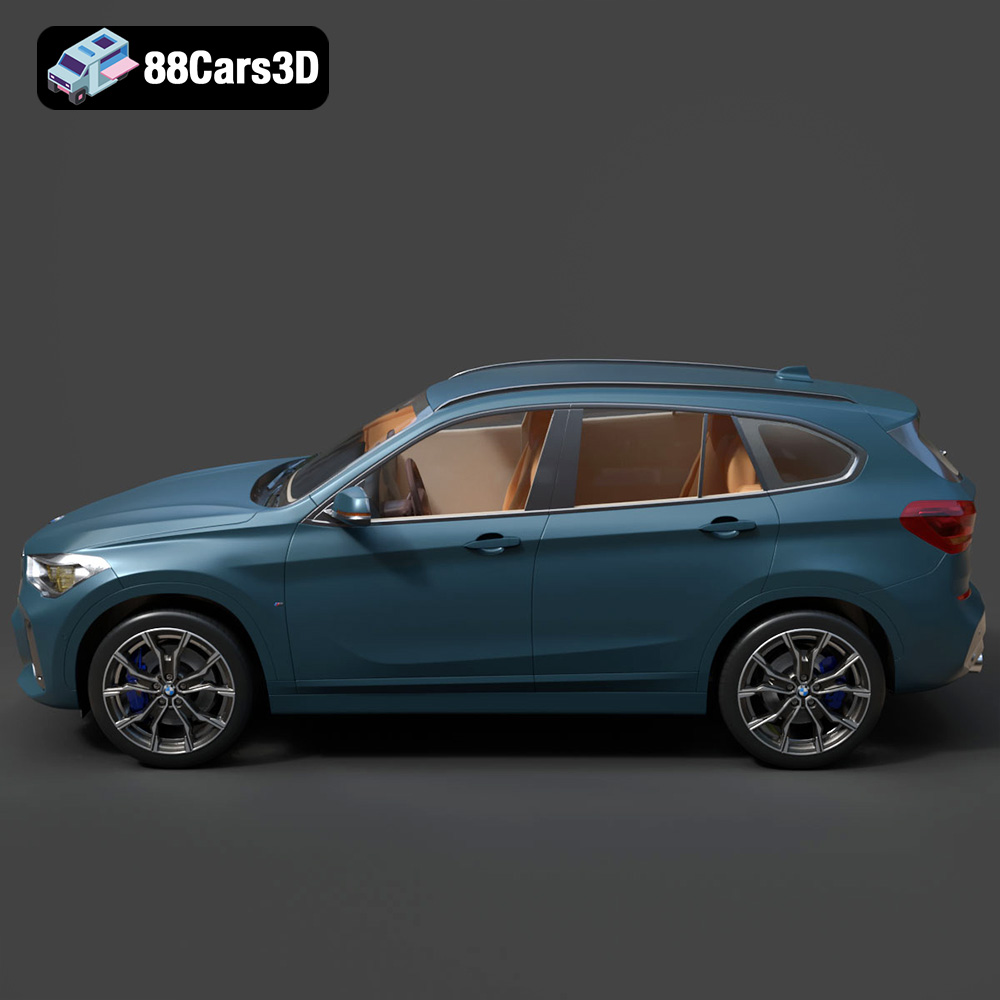
Today, we’re taking a closer look at a prime example of such an asset: the BMW X1 M-Sport 2020 3D Model, available for download on 88cars3d.com. This premium compact SUV model embodies the perfect blend of practical design and athletic performance, faithfully translated into a meticulously crafted digital form. Its aggressive M-Sport aerodynamic package, bold kidney grille, and sharp LED headlight styling are all rendered with exceptional visual fidelity, making it an invaluable resource for any project demanding a top-tier luxury crossover.
Throughout this comprehensive guide, we’ll explore the technical intricacies behind creating and utilizing such sophisticated 3D car models. We’ll delve into the critical aspects of file formats, discuss professional workflows in popular software like 3ds Max, Blender, and Unreal Engine, and highlight how a high-quality asset like the BMW X1 M-Sport 2020 can elevate your projects across various industries. Whether you’re a seasoned professional or an aspiring artist, understanding the nuances of these digital tools is key to achieving stunning results.
The choice of file format is often as critical as the model itself, dictating compatibility, functionality, and optimization across different software and platforms. The BMW X1 M-Sport 2020 3D Model comes with a robust selection of formats, each serving distinct purposes. Understanding these formats is crucial for any professional working with 3D car models.
The .blend format is Blender’s native file type. It’s an all-encompassing archive, storing not just the mesh data but also materials, textures, lighting setups, cameras, animations, physics simulations, and even custom scripts. When you download a .blend file, you’re getting a complete, editable scene. This is invaluable for artists who use Blender as their primary DCC (Digital Content Creation) tool, offering maximum flexibility for modifications, re-texturing, rigging, or animation. The BMW X1 M-Sport in .blend format provides a ready-to-render scene, often pre-configured with Cycles or Eevee materials, allowing for immediate iteration and customization without complex setup.
.fbx (Filmbox) is arguably the most widely adopted proprietary 3D interchange format, developed by Autodesk. It’s the industry standard for transferring 3D data between various software applications and is exceptionally well-suited for real-time engines like Unreal Engine and Unity. FBX files can carry a rich dataset including geometry (meshes), materials, textures, animations, skinning, camera, and light data. Its robust support for animation makes it indispensable for game assets. For the BMW X1 M-Sport, the .fbx version ensures seamless import into game engines, preserving the pivot setups for wheels, steering, and suspension, which is critical for interactive vehicle dynamics.
.obj (Wavefront Object) is one of the oldest and most universally supported 3D file formats. It’s a simple, text-based format primarily used to store 3D geometry data (vertices, normals, texture coordinates, and faces). While it lacks support for animation or advanced material properties within the file itself (textures are typically linked via an accompanying .mtl file), its widespread compatibility makes it a safe bet for basic mesh transfer between virtually any 3D software. The .obj version of the BMW X1 M-Sport is perfect for users needing a clean mesh for sculpting, retopology, or integrating into specialized rendering pipelines where simple geometry is preferred.
.glb (GL Transmission Format Binary) is the binary version of glTF, a royalty-free specification for the efficient transmission and loading of 3D scenes and models by applications. It’s rapidly becoming the “JPEG of 3D” due to its optimization for web, AR, and VR applications. A .glb file contains all necessary data—geometry, materials, textures, animations—in a single, self-contained binary file, making it incredibly easy to share and embed. For immersive virtual showrooms or mobile AR experiences featuring the BMW X1 M-Sport, the .glb format offers excellent performance and visual quality in a lightweight package.
.stl (STereoLithography) is the de facto standard file format for 3D printing. It represents a 3D model as a series of connected triangles, describing only the surface geometry of an object without color, texture, or other CAD attributes. While it’s simple, its ubiquity in manufacturing and rapid prototyping is unmatched. The BMW X1 M-Sport 3D Model’s availability in .stl format means hobbyists and professionals can directly output a physical replica, perfect for display-scale models after some preparation and post-processing.
.ply (Polygon File Format) is another format that describes a 3D object as a collection of polygons. It’s often used for scanned 3D data, capable of storing color per vertex, normal information, and other properties. While less common for general 3D asset exchange than FBX or OBJ, it’s highly valued in specific niches like scientific research, reverse engineering, and CAD applications where precise mesh data, including point clouds, is paramount. The .ply option for the BMW X1 M-Sport caters to technical applications requiring detailed surface analysis or integration with specialized CAD software.
The .unreal designation often refers to assets that are packaged or specifically prepared for direct import and optimal performance within Unreal Engine. This isn’t a standalone file format in the same way .fbx or .obj are, but rather a descriptor that the included FBX (or sometimes native Unreal Engine asset packages) has been thoroughly vetted and optimized for the engine. This means correct material setup, collision meshes, LODs (Levels of Detail), and blueprint configurations are often either included or easily achievable, ensuring the BMW X1 M-Sport 2020 is truly “game-ready” for immediate use in interactive environments.
Finally, the .max format is the native file type for Autodesk 3ds Max. Similar to .blend, it saves an entire 3ds Max scene, including geometry, modifiers, materials, textures, lighting, cameras, animation tracks, and render settings. For professionals operating within the 3ds Max ecosystem, having the BMW X1 M-Sport model in .max format provides the ultimate level of control and flexibility. It allows for direct manipulation, application of complex modifiers, integration with advanced rendering engines like V-Ray or Corona, and seamless animation workflows within a familiar environment.
Creating a premium 3D car model like the BMW X1 M-Sport 2020 involves a delicate balance of artistic skill and technical precision. It’s not just about replicating shapes; it’s about capturing the essence of the design, ensuring technical integrity, and optimizing for diverse applications.
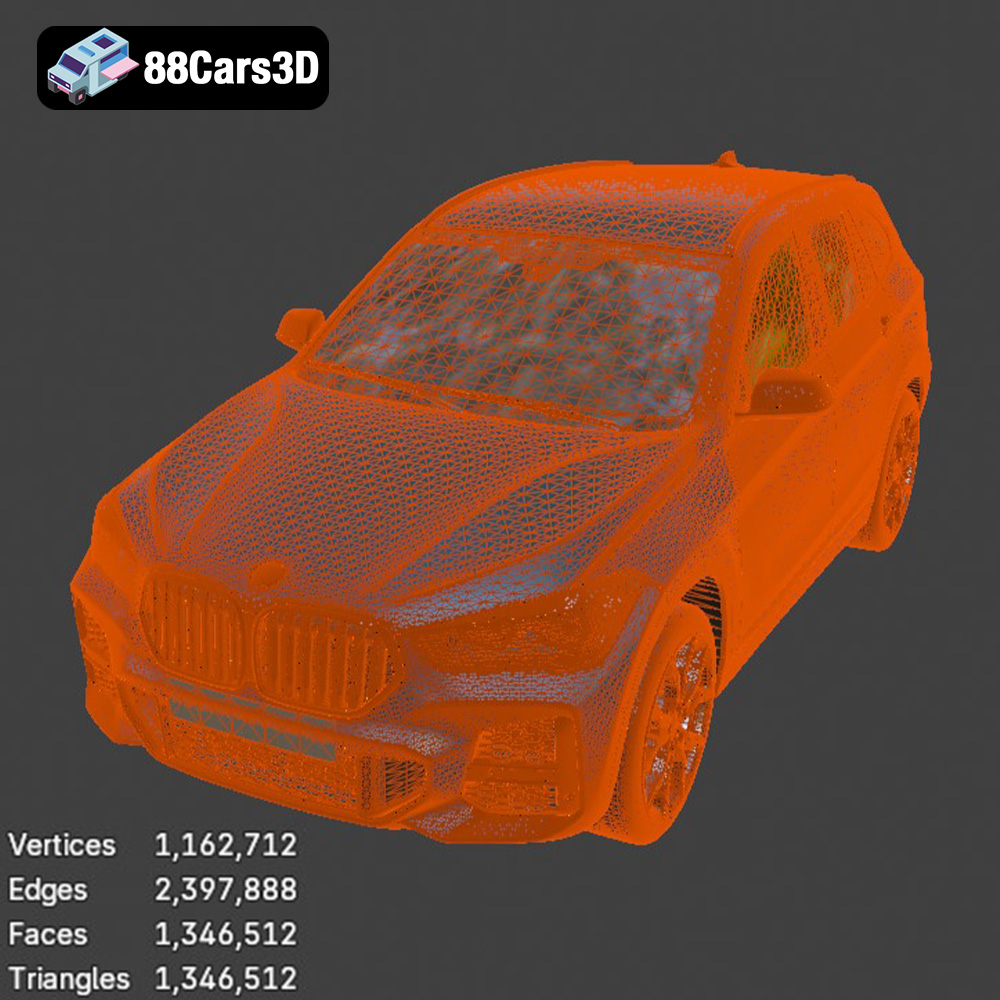
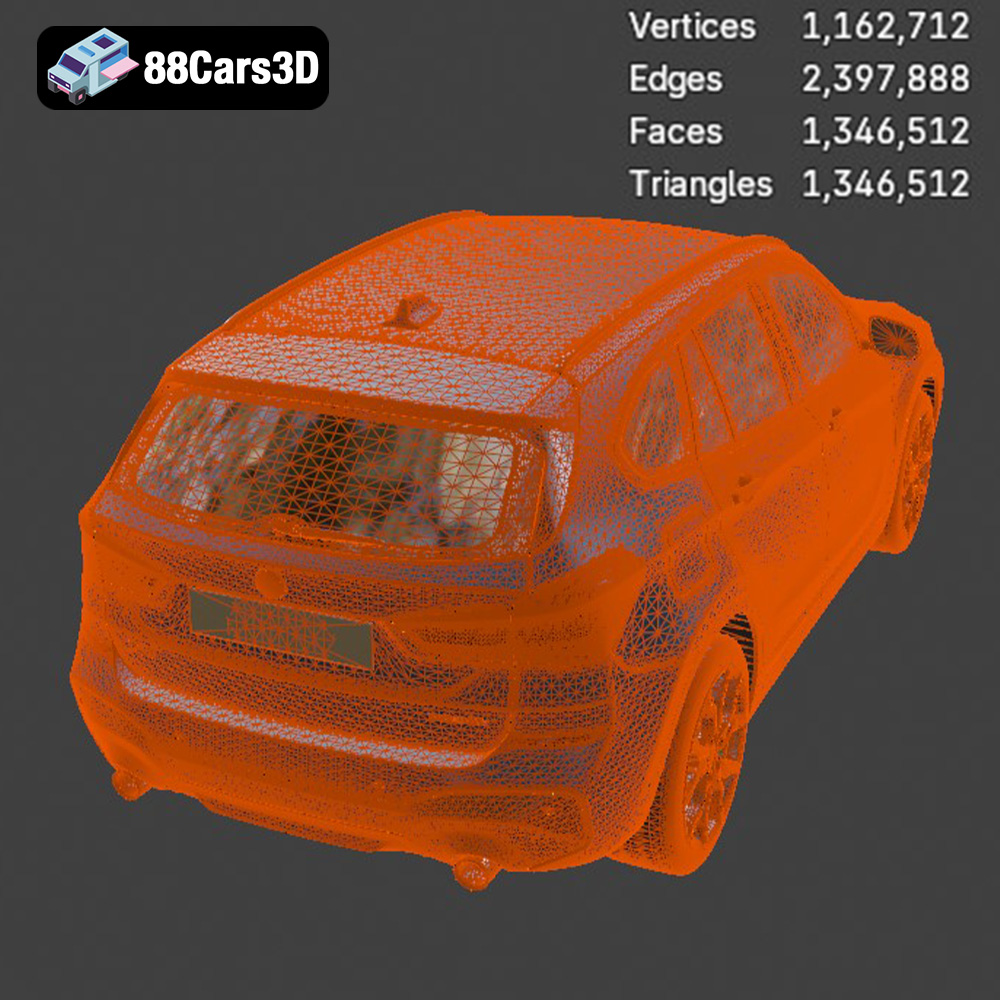
The foundation of any high-quality 3D model lies in its geometry and topology. For the BMW X1 M-Sport 2020, this means meticulously modeled surfaces that accurately reflect the vehicle’s unique contours and design language. With approximately 500,000 triangles, this model strikes an ideal balance. This poly count is high enough to capture intricate details, ensuring smooth reflections and accurate shading that contribute to a photorealistic appearance. Yet, it’s optimized enough to be considered “game-ready,” preventing unnecessary performance overhead in real-time environments.
Clean topology, characterized by organized edge loops and quad-based meshes, is crucial for deformation, subdivision, and efficient UV mapping. This ensures that the model not only looks good but also performs well when animated or integrated into complex scenes.
A truly professional 3D car model doesn’t stop at the exterior. The BMW X1 M-Sport 2020 model demonstrates this commitment to detail with its comprehensive feature set:
The challenge with automotive 3D models is often balancing visual realism with performance, especially for real-time applications. The BMW X1 M-Sport 2020 model excels here:
The true value of a versatile 3D asset like the BMW X1 M-Sport 2020 lies in its seamless integration into various professional workflows. Whether you’re a rendering artist, a game developer, or an AR/VR content creator, this model is designed to enhance efficiency and elevate visual quality.
For high-end marketing visuals, product showcases, or architectural visualizations, professional rendering engines are indispensable. The BMW X1 M-Sport 2020 3D Model, with its detailed geometry and clean topology, is an ideal candidate for these applications.
The “game-ready” nature of the BMW X1 M-Sport 2020 3D Model makes it a powerful asset for interactive experiences. Its optimization is key for maintaining high frame rates and responsiveness.
The demand for immersive content is growing, and high-quality 3D car models are central to this trend.
While rendering and game development are primary uses, the versatility of a well-crafted 3D model extends far beyond these traditional applications. The BMW X1 M-Sport 2020 3D Model demonstrates its adaptability through various specialized use cases.
The ability to transform a digital model into a physical object opens up exciting possibilities for prototyping, display, and personal projects. The inclusion of the .stl format specifically addresses the needs of 3D printing enthusiasts and professionals.
A truly valuable 3D asset provides flexibility for customization. The BMW X1 M-Sport 2020 3D Model is designed with this in mind, allowing artists to adapt it to specific project needs:
When sourcing 3D assets, quality, versatility, and technical integrity are paramount. 88cars3d.com prides itself on providing premium 3D car models that meet the rigorous demands of professional production. The BMW X1 M-Sport 2020 3D Model is a testament to this commitment.
Investing in high-quality 3D car models offers numerous advantages:
88cars3d.com offers a diverse collection of 3D car models, ranging from classic muscle cars to modern electric vehicles and luxury SUVs like the BMW X1 M-Sport 2020. Each model is curated to ensure it meets high standards of detail and optimization, catering to various project requirements. Whether you need a vehicle for a racing game, an architectural visualization, a cinematic animation, or a virtual product launch, you’ll find assets designed to integrate seamlessly into your pipeline and deliver exceptional results.
The world of 3D content creation is dynamic and demanding, requiring assets that are not only visually stunning but also technically robust and highly adaptable. The BMW X1 M-Sport 2020 3D Model exemplifies these qualities, offering exceptional detail, optimized performance, and broad compatibility across a multitude of file formats. From its meticulously recreated exterior and immersive interior to its game-ready topology and 3D printability, this model is a powerful tool for professionals in automotive rendering, game development, AR/VR, and beyond.
Understanding the nuances of file formats, the importance of clean geometry, and how these premium 3D car models integrate into professional workflows are key to unlocking their full potential. Whether you’re aiming for a photorealistic render in 3ds Max, a seamless driving experience in Unreal Engine, or a tangible replica via 3D printing, the right asset makes all the difference.
Explore the full potential of high-quality 3D car models for your next project. Visit 88cars3d.com today and discover a world of meticulously crafted vehicles, including the versatile BMW X1 M-Sport 2020 3D Model, ready to drive your creative visions forward.
The 2020 BMW X1 M-Sport is a premium compact SUV that perfectly blends everyday practicality with signature Bavarian athletic performance. Featuring the aggressive M-Sport aerodynamic package, a bold kidney grille, and sharp LED headlight styling, this SAV (Sports Activity Vehicle) stands out on any road. Its dynamic silhouette, prominent exhaust tailpipes, and sculpted bodywork make it a highly desirable vehicle in the luxury crossover segment. This premium 3D model offers exceptional visual fidelity and a meticulously optimized topology with approximately 500,000 triangles. It strikes the ideal balance between high-end detail and game-ready performance, making it an excellent asset for real-time engines like Unreal and Unity. The mesh provides smooth reflections and accurate shading, ensuring a photorealistic appearance right out of the box. Perfect for high-end architectural visualizations, driving simulators, open-world gaming environments, and immersive VR automotive showrooms.
$19.99
.2020
.blend
.bmw
.crossover
.fbx
.glb
.max
.obj
.ply
.rendering
.stl
.unreal
car-3d-model
game asset
game-ready
low-poly
m-sport
optimized
sav
SUV
VR/AR
x1