Get 20% OFF All Premium 3D & STL Models!

In the fast-evolving realms of automotive design, game development, cinematic visualization, and emerging AR/VR experiences, the quality of 3D assets is paramount. A meticulously crafted 3D model isn’t just a digital representation; it’s the cornerstone of immersive realities, precise simulations, and compelling visual narratives. From conveying the sleek lines of a concept car to providing the heart of a virtual racing championship, the right 3D car model can elevate a project from good to extraordinary.
The demand for these sophisticated assets continues to surge, pushing the boundaries of what’s possible in real-time rendering and offline production. Professionals seek models that combine aesthetic fidelity with technical efficiency, enabling seamless integration into diverse workflows without compromising on visual impact. This is precisely where assets like the Saning GTI-08 3D Model truly shine, offering a blend of artistic detail and engineering precision designed to meet the rigorous demands of today’s creative industries. Join us as we explore the critical role of premium 3D car models and delve into the technical intricacies that make them indispensable tools for visionaries and creators worldwide.
Navigating the world of 3D modeling requires a deep understanding of file formats, each tailored for specific purposes and software environments. The Saning GTI-08 3D model, for instance, comes in a comprehensive suite of formats, ensuring its versatility across virtually any professional pipeline. Choosing the right format is crucial for maintaining data integrity, optimizing performance, and achieving desired project outcomes. Let’s dissect the most common and vital formats you’ll encounter.
The .blend file format is Blender’s native project file. It encapsulates the entire scene, including mesh geometry, materials, textures, lighting, cameras, animations, rigging, and even physics simulations. This format is ideal for users working primarily within Blender, offering full editability and access to all the software’s powerful features. Technical detail within a .blend file can be incredibly rich, allowing for non-destructive workflows through modifiers, procedural textures, and complex node-based material setups. For those who wish to deeply customize the Saning GTI-08 model’s materials or geometry within a free and open-source environment, the .blend file provides the ultimate starting point.
Autodesk’s .fbx (Filmbox) format has become the de facto standard for transferring 3D data between different software applications and game engines. It supports not only geometry and UVs but also materials, textures, animations, rigging, and camera data. Its robust nature makes it an excellent choice for exporting the Saning GTI-08 into engines like Unreal and Unity, or into other DCC (Digital Content Creation) tools like Maya and 3ds Max. Technical benefits include efficient handling of skeletal animations, support for multiple UV channels, and widespread compatibility, making it indispensable for complex real-time game assets and animated sequences.
The .obj (Wavefront OBJ) format is a highly universal and widely supported file type, known for its simplicity. It primarily stores geometric data—vertices, normals, texture coordinates (UVs), and polygons. While it can reference external material files (.mtl) for basic color and texture information, it doesn’t support advanced features like animation, rigging, or complex PBR materials directly within the file itself. For static renders or as a fallback for cross-software compatibility, the .obj version of the Saning GTI-08 is reliable. Its ASCII (text-based) nature also makes it relatively easy to inspect and debug.
.glb is the binary version of glTF (GL Transmission Format), a relatively newer format specifically designed for efficient transmission and loading of 3D scenes and models on the web and in AR/VR applications. A .glb file is a single, self-contained asset that includes geometry, materials (often PBR-ready), textures, and animations, making it incredibly streamlined. For displaying the Saning GTI-08 in a web configurator, a mobile AR experience, or a lightweight VR showroom, .glb offers optimal performance due to its compact size and runtime efficiency. It’s quickly becoming the “JPEG of 3D” for browser-based experiences.
The .stl (Stereolithography) format represents 3D surfaces as a collection of triangular facets. It is the dominant file format for 3D printing. Crucially, .stl files contain only geometry; they lack color, texture, or material information. When preparing the Saning GTI-08 for physical fabrication, the .stl version provides the raw geometric data needed by slicing software. As highlighted by the product’s description, converting to .stl allows hobbyists and professionals to bring the GTI-08 into the physical world, emphasizing the importance of a clean, manifold mesh for successful prints.
The .ply (Polygon File Format) is another common format for 3D data, often used in academia and scientific applications. It can store a wider range of properties than .obj or .stl, including color, transparency, normals, and even confidence values for each vertex or face. This makes it particularly useful for 3D scanning data, reverse engineering, and applications requiring precise geometric analysis. While less common for general game assets, its inclusion for the Saning GTI-08 offers flexibility for engineering-focused visualizations or specific data analysis tasks.
The .unreal designation typically refers to assets specifically prepared and optimized for Unreal Engine. While not a standalone file extension in the traditional sense (Unreal primarily uses .fbx for import and then converts to its internal .uasset format), its inclusion means the Saning GTI-08 model has been meticulously configured for the engine’s real-time rendering pipeline. This includes proper material setups, potentially pre-configured collision meshes, Level of Detail (LOD) settings, and optimized UVs for lightmapping, ensuring the model is truly “engine-ready” upon import. This saves significant setup time for game developers and real-time visualization artists.
Similar to .blend for Blender, the .max file is the native project format for Autodesk 3ds Max. It contains the complete scene data, including all object hierarchies, modifiers, materials, textures, lights, cameras, and animations. For users who rely on 3ds Max for architectural visualization, product rendering, or animation, the .max file of the Saning GTI-08 offers the highest level of editability and allows full leveraging of 3ds Max’s extensive toolset, renderers like V-Ray or Corona, and animation capabilities.
The availability of the Saning GTI-08 in such a wide array of formats from 88cars3d.com demonstrates a commitment to professional usability, ensuring that regardless of your software preference or project requirement, you have the right tool for the job.
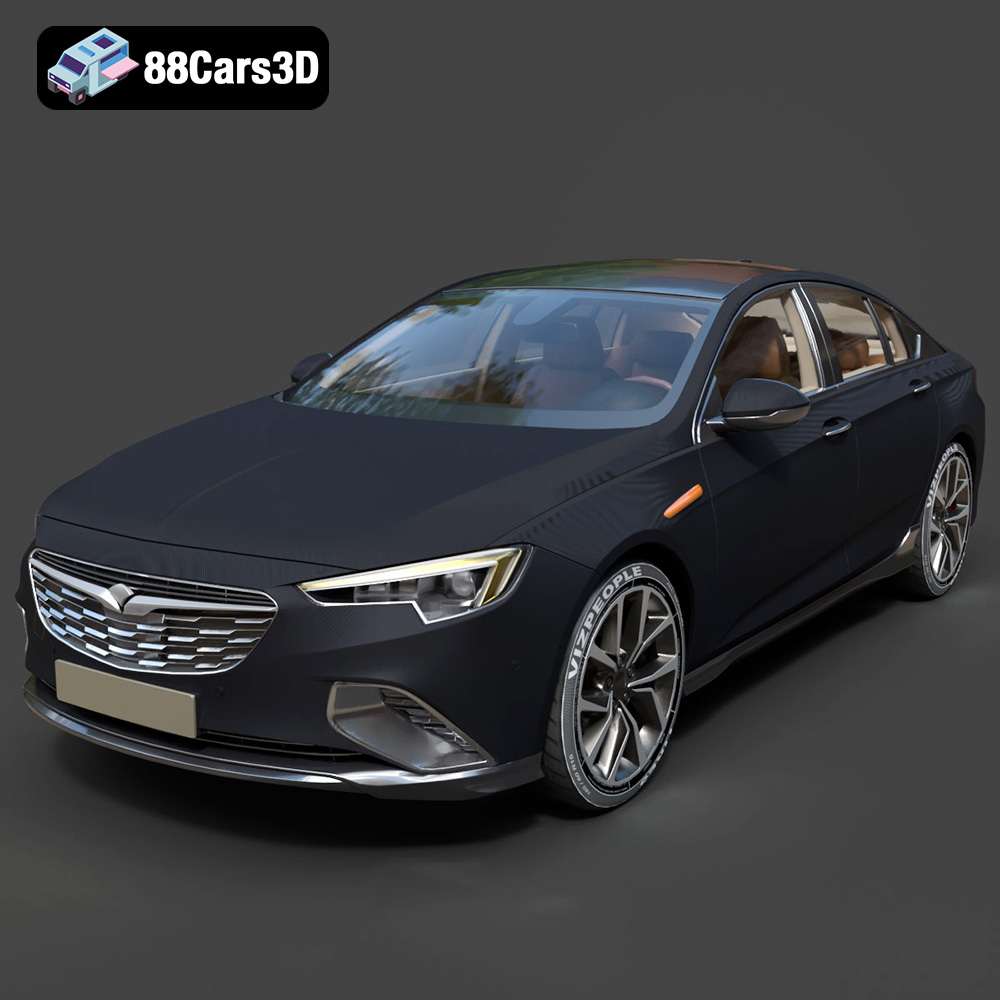
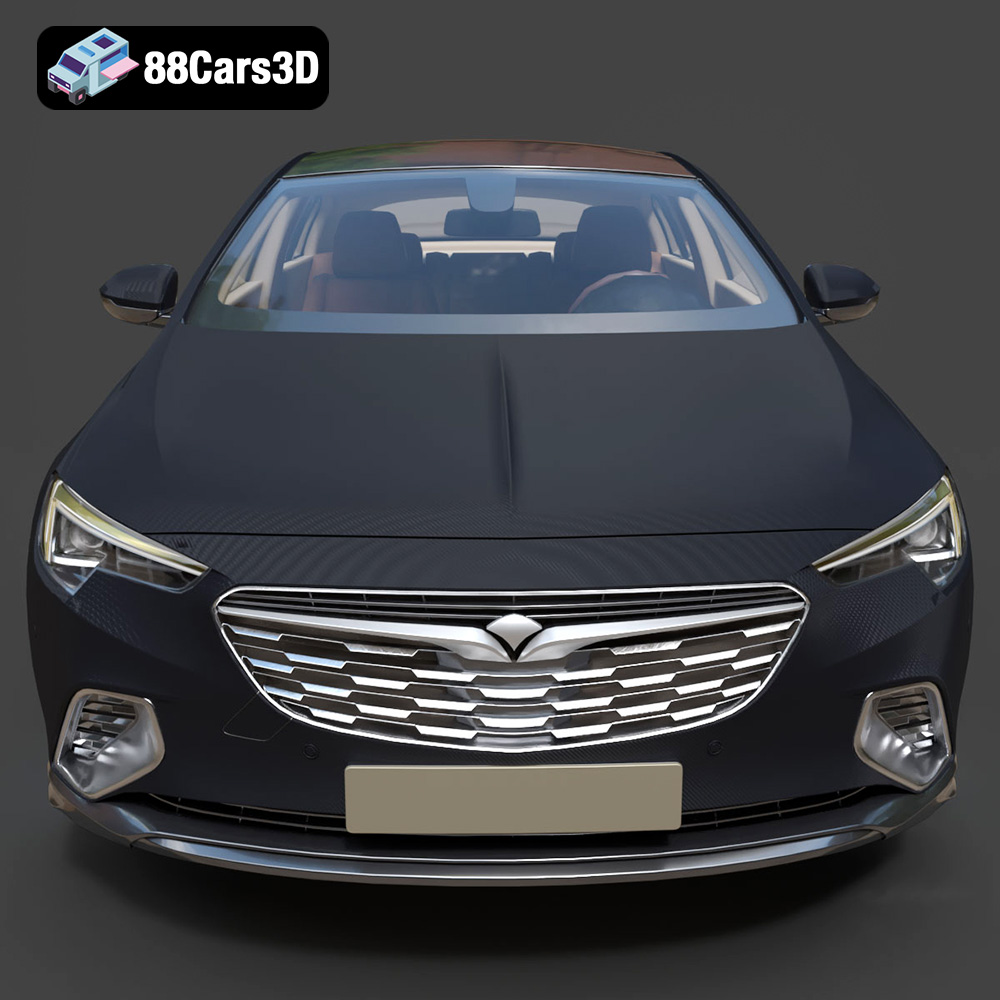
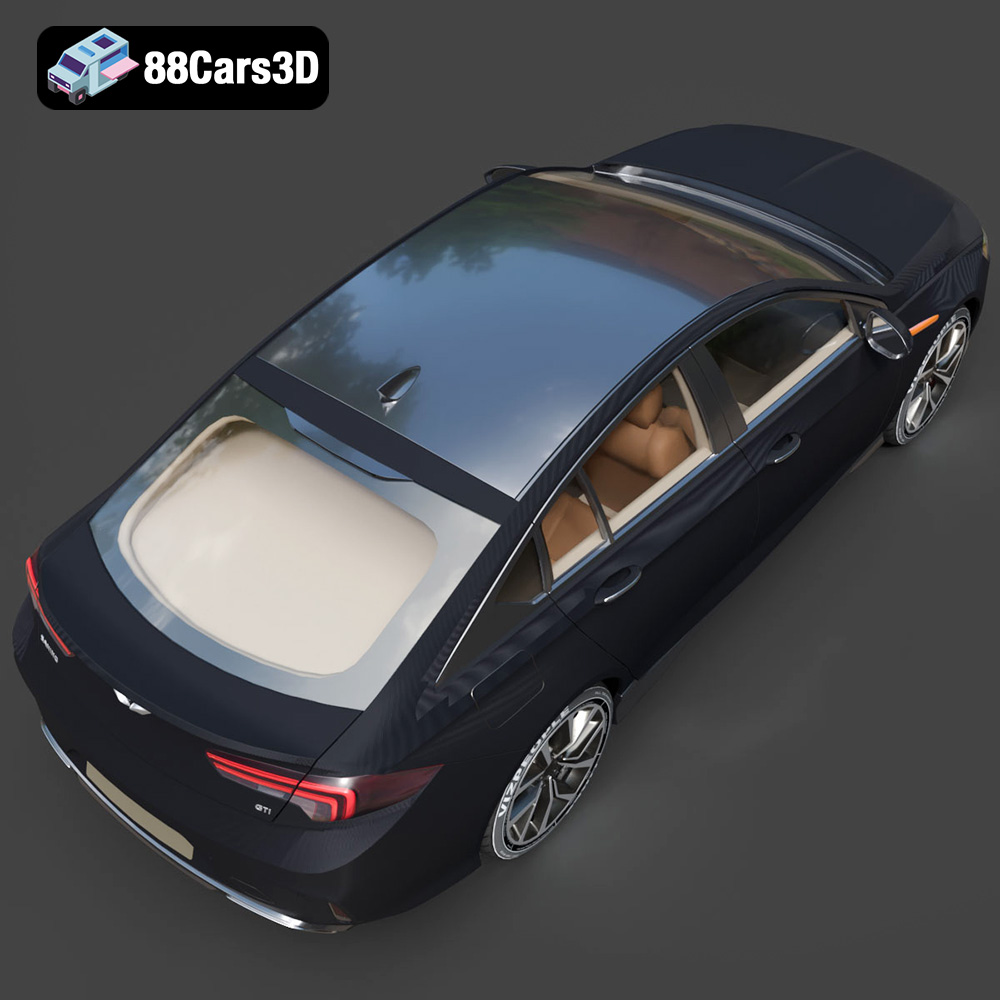
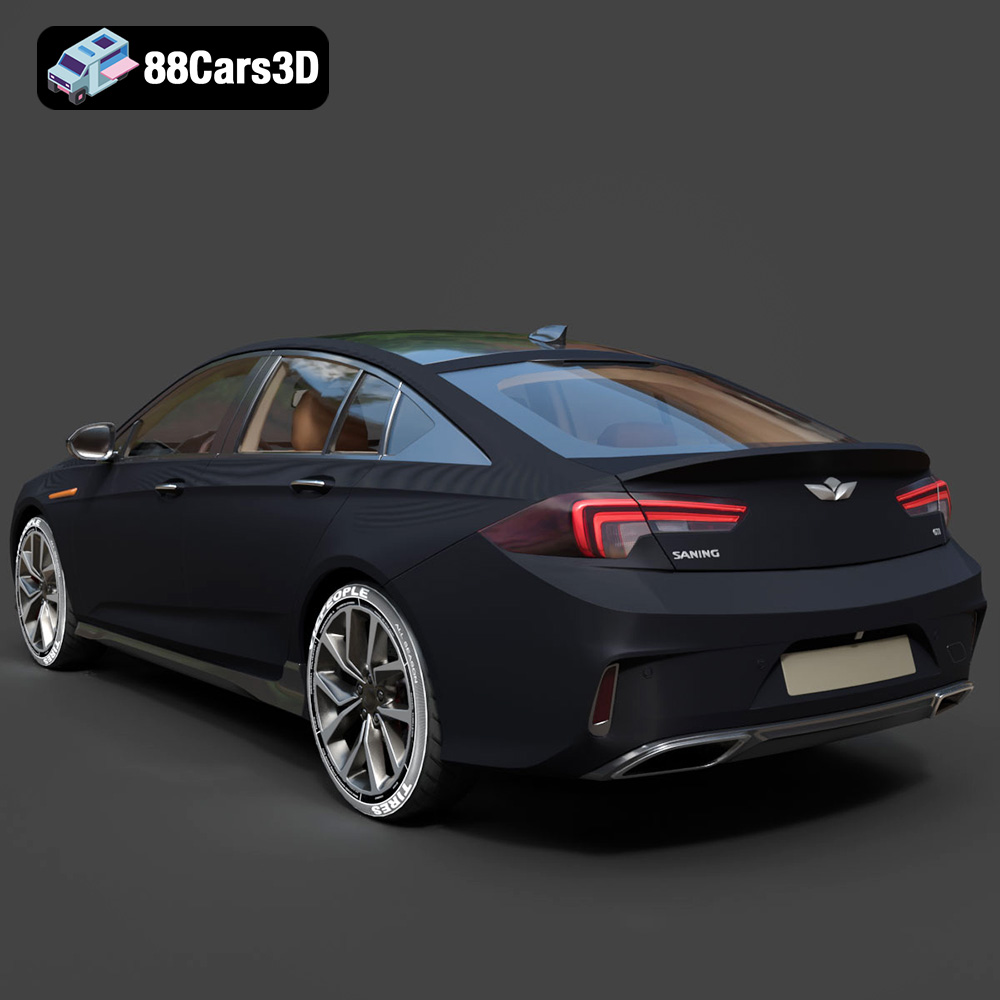
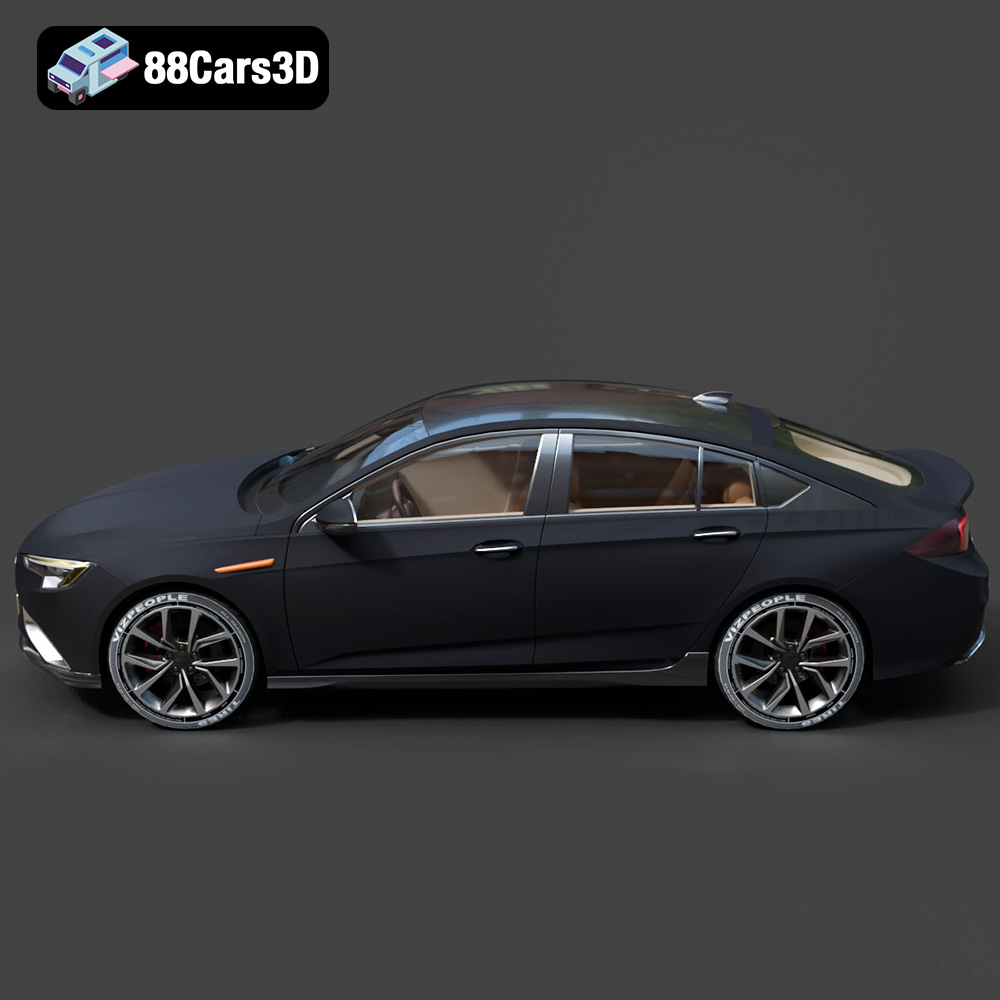
The Saning GTI-08 isn’t just another car model; it’s a testament to precision 3D artistry, engineered for dynamic digital environments. Blending sporty aesthetics with cutting-edge aerodynamic design, this model captures the raw energy of a hot-hatch with remarkable fidelity. Every aspect, from its iconic front fascia to the distinct twin-exit exhaust, has been meticulously recreated to serve as a high-quality asset across multiple industries.
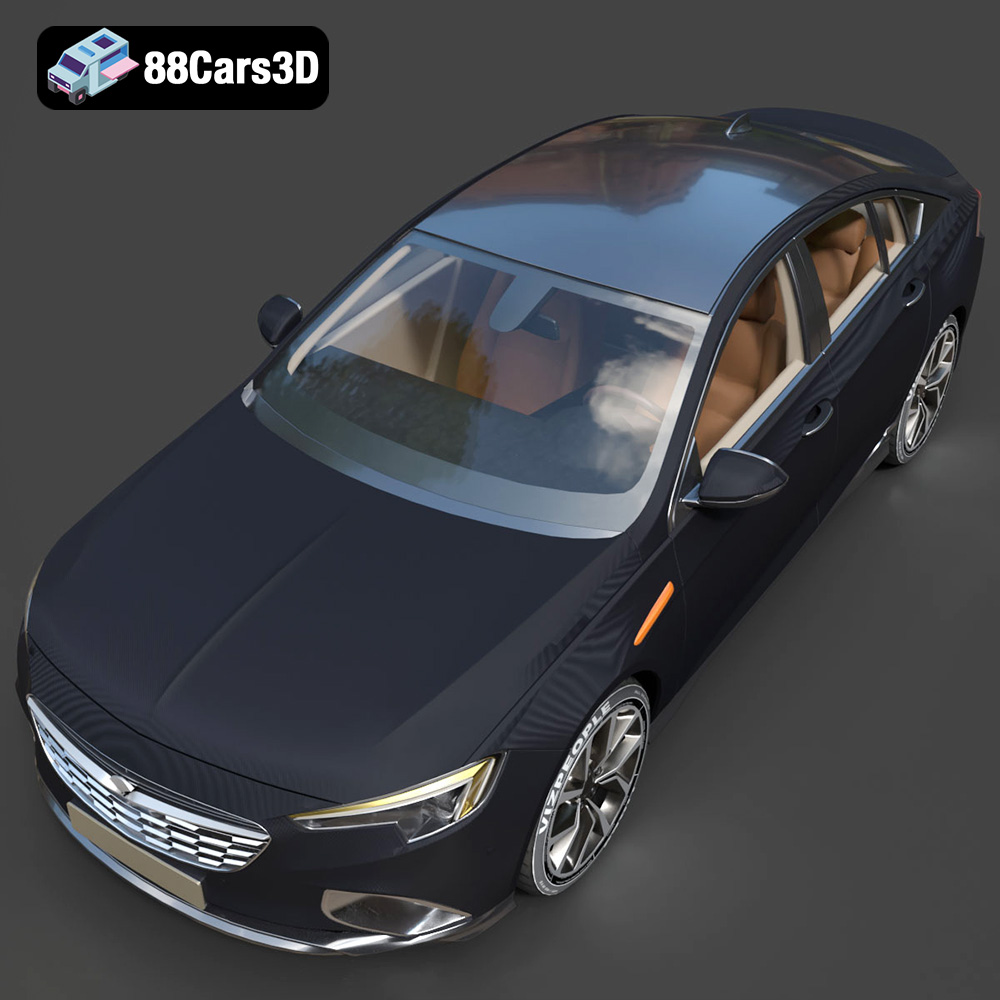
The exterior of the Saning GTI-08 3D model showcases an extraordinary level of detail. The accurate frame geometry and proportions faithfully reproduce the real-world vehicle, ensuring authenticity in any render or simulation. Key features like muscular fender flares and intricately designed LED headlights and sculpted taillight assemblies bring the vehicle to life. Under the hood, a detailed engine block and under-hood components are present, a critical detail often overlooked in game-ready assets but essential for high-fidelity visualization or interactive configurators. The high-performance twin-exit exhaust system, complete with modeled silencers, adds another layer of realism and depth. Furthermore, the custom alloy wheels, accurate low-profile sports tires, and visible brake calipers speak volumes about the dedication to detail. For animation specialists, the separate wheels, suspension components (MacPherson strut and multi-link details), and steering components provide invaluable flexibility for creating realistic motion.
Stepping inside the virtual Saning GTI-08 reveals an equally impressive cockpit. The sport bucket seats are rendered with detailed high-resolution stitching textures, lending a tactile realism that enhances immersion. A driver-focused sporty steering wheel with paddle shifters, a modern digital instrument cluster, and an infotainment screen all contribute to a highly believable interior. Intricate control details, from foot pedals to turn stalks and the center console shifter, are all present and accounted for. This level of interior fidelity is particularly crucial for game development, where an “optimized geometry for first-person POV” ensures players can experience the car from the driver’s seat without compromising frame rates, making it perfect for racing simulators and virtual reality experiences.
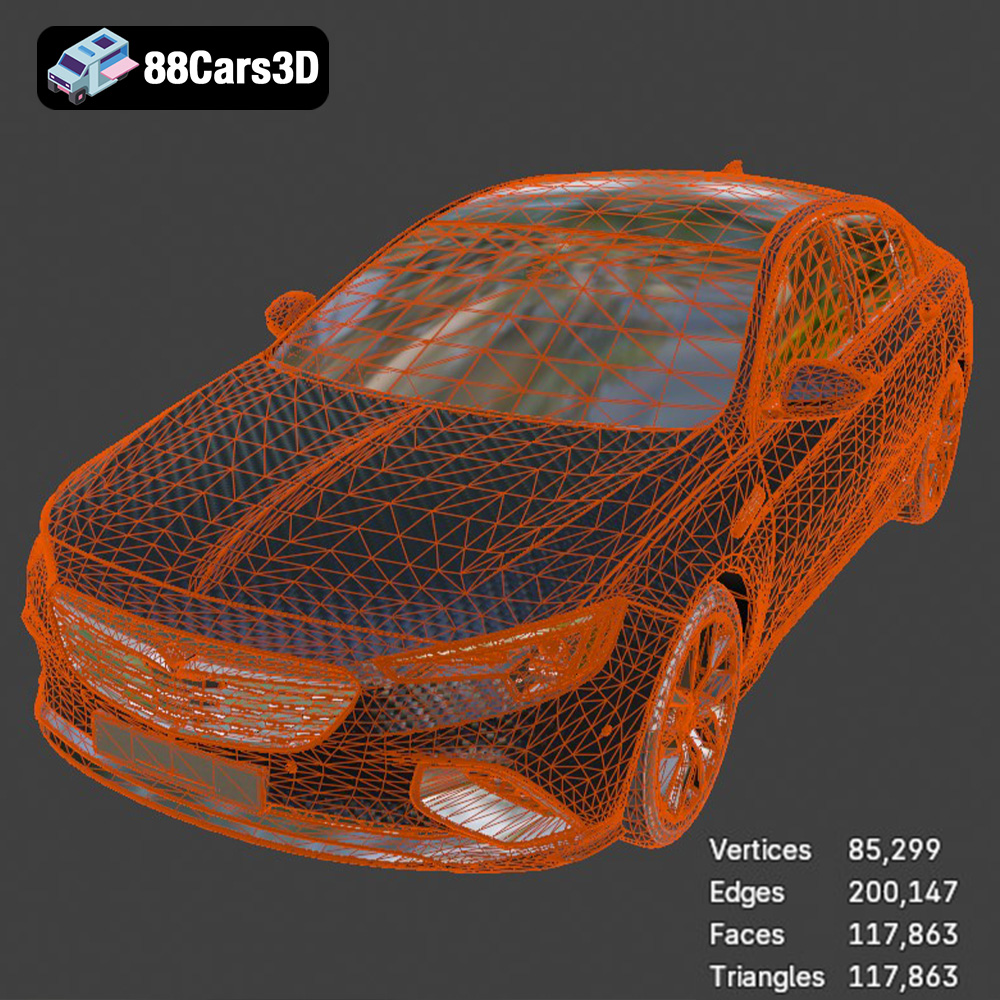
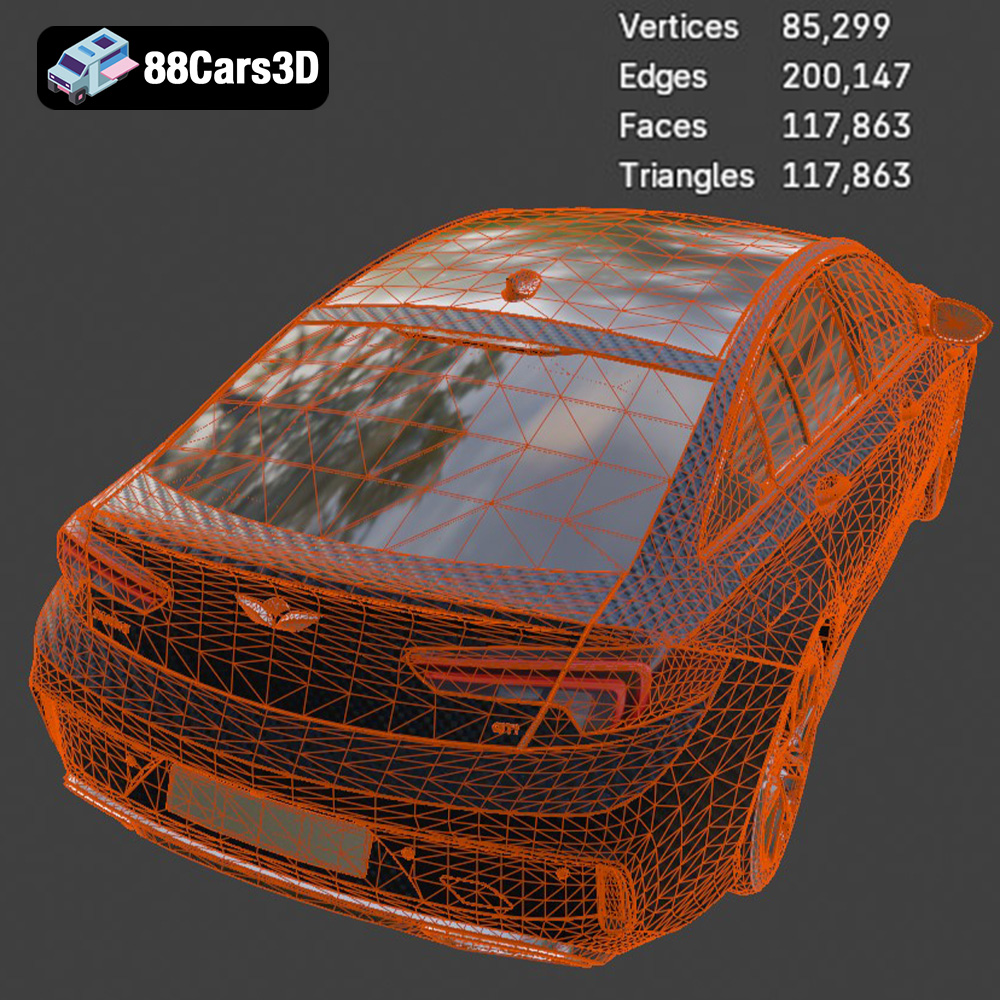
Beyond its visual appeal, the Saning GTI-08 3D model is a technical marvel. Boasting an optimized topology of approximately 120,000 triangles, it strikes a perfect balance: rich enough for stunning visual fidelity, yet lean enough to be “fully game-ready.” This carefully managed poly count ensures seamless integration into real-time engines like Unreal and Unity without sacrificing performance. The mesh is impeccably clean, a hallmark of professional-grade assets, providing outstanding shading and reflections necessary for high-end rendering, game development, AR/VR experiences, and high-quality animation projects. Real-world scale accuracy, based on actual vehicle chassis data, combined with proper pivot setups for steering, wheel rotation, and suspension travel, guarantees accurate kinematic behavior, which is vital for realistic simulations and interactive environments.
The versatility of the Saning GTI-08 3D model makes it an invaluable asset across a spectrum of professional applications. Whether you’re a seasoned automotive renderer, a game developer, or an AR/VR innovator, this model is designed to integrate seamlessly into your workflow, saving time and elevating quality.
For high-end automotive rendering, the Saning GTI-08 offers exceptional flexibility. In 3ds Max, utilizing the included .max file allows artists full access to scene elements, making it easy to set up complex studio lighting, experiment with different render engines like V-Ray or Corona, and fine-tune materials. The clean mesh ensures perfect subdivision surfaces for close-up shots, while the separate components facilitate advanced animation such as detailed suspension compression or steering movements. Similarly, in Blender, the .blend file provides a complete starting point. Artists can leverage Blender’s Cycles or Eevee renderers, modify PBR materials with node-based setups, and use its robust animation tools to bring the Saning GTI-08 to life in dynamic scenes. Imagine a sleek commercial showcasing the car’s curves under dramatic lighting, or an architectural visualization where the car adds a touch of modern realism to an urban streetscape.
Game developers and real-time visualization artists will find the Saning GTI-08 exceptionally well-suited for Unreal Engine. The “game-ready & optimized” nature, with its 120,000 triangle count, is perfectly within the performance budget for modern games and interactive experiences. Using the .fbx or the specifically prepared .unreal assets, importing the model is straightforward. Once in Unreal, artists can apply physically based rendering (PBR) materials, set up dynamic lighting with Lumen or Nanite (for higher detail versions), and integrate it into a playable vehicle blueprint. The proper pivot setups for wheels and suspension are critical here, allowing developers to easily set up realistic driving physics and animations. Whether it’s for an open-world racing title, a driving simulator, or an interactive virtual showroom, the Saning GTI-08 provides a solid foundation for high-performance real-time environments.
The Saning GTI-08’s versatility extends into the burgeoning fields of AR/VR and 3D printing. For augmented reality (AR) and virtual reality (VR) experiences, the .glb format is a game-changer. Its optimized nature ensures quick loading times and smooth performance on mobile devices or VR headsets, making it perfect for immersive virtual showrooms, interactive configurators where customers can customize the car in real-time, or mobile AR experiences that place the virtual car in the real world. For enthusiasts and industrial designers looking to bring the model into the physical realm, the .stl format is ready for 3D printing. With recommended settings for resin printing (0.04–0.12 mm layer height, 1:12/1:18/1:24 scale), detailed parts like the exhaust and mirrors can be accurately reproduced. Post-processing with sanding, primer, and authentic factory colors can result in a stunning physical display model, showcasing the meticulous detail captured in the digital asset.
A truly professional 3D model offers more than just out-of-the-box excellence; it provides a robust foundation for extensive customization and adapts to future technological advancements. The Saning GTI-08 is built with this foresight, empowering artists and developers to tailor it precisely to their creative vision.
The ability to customize a 3D car model is crucial for brand differentiation and creative expression. The Saning GTI-08 offers numerous avenues for personalization. Artists can easily change body colors, experimenting with factory hues, custom finishes, or even unique metallic sheens to match a specific brand identity or mood. Tire textures can be swapped between street variants and more aggressive off-road or track-focused designs, altering the vehicle’s character instantly. Adjusting material finishes—from matte to gloss to various metallic properties—allows for fine-tuning the visual impact under different lighting conditions. Furthermore, adapting the lighting for different environments, whether it’s a gritty urban night scene or a sun-drenched coastal highway, can dramatically change the perceived aesthetics of the vehicle. This level of customization ensures that the Saning GTI-08 can be uniquely integrated into diverse projects, maintaining its core quality while reflecting individual artistic direction.
Investing in high-quality, versatile 3D car models like the Saning GTI-08 from 88cars3d.com offers a significant strategic advantage. In an industry where deadlines are tight and quality expectations are high, starting with a professionally optimized asset saves countless hours of modeling, texturing, and optimization work. Its compatibility with major 3D software platforms and real-time rendering engines means it’s a future-proof investment, capable of adapting to evolving technologies and project demands. Whether you’re developing the next generation of racing games, creating immersive AR/VR training simulations, or producing captivating automotive advertisements, having a reliable, highly detailed, and adaptable 3D car model at your disposal ensures that your creative vision is never limited by technical constraints. It allows teams to focus on innovation and storytelling, rather than grappling with asset creation from scratch.
The journey through the world of high-fidelity 3D car models reveals a landscape driven by technical precision, artistic detail, and uncompromising versatility. Assets like the Saning GTI-08 3D model exemplify the pinnacle of this craft, offering a compelling blend of aesthetic realism and practical optimization. We’ve explored how its meticulous exterior and interior detailing, coupled with its game-ready topology and extensive file format compatibility, position it as an indispensable tool for a wide range of creative professionals.
From the nuanced choice of file formats that dictate workflow efficiency to its seamless integration into advanced rendering engines and real-time game development pipelines, the Saning GTI-08 stands as a testament to what’s achievable with expert 3D modeling. Whether your project demands breathtaking automotive rendering, immersive AR/VR experiences, or the tactile satisfaction of a 3D-printed replica, this model provides the foundational excellence needed to exceed expectations. For those seeking to elevate their digital automotive projects, 88cars3d.com offers a curated selection of premium 3D car models designed to power your next big idea. The Saning GTI-08 is more than just a model; it’s a strategic asset for anyone serious about digital automotive design and development.
The Saning GTI-08 is a dynamic and aggressive high-performance vehicle, blending sporty aesthetics with cutting-edge aerodynamic design. Known for its hot-hatch heritage and nimble handling, this model showcases an iconic front fascia, muscular fender flares, and a distinct twin-exit exhaust system. Every curve and edge has been meticulously recreated to capture the raw energy and modern styling cues of the GTI-08. This 3D model boasts exceptional quality with an optimized topology of approximately 120,000 triangles, making it fully game-ready without compromising on visual fidelity. Designed for seamless integration into real-time engines, the mesh is impeccably clean, providing outstanding shading and reflections necessary for high-end rendering, game development, AR/VR experiences, and high-quality animation projects. Perfect for urban street racing games, virtual automotive configurators, high-fidelity archviz renders, and interactive mobile AR experiences.
$19.99
.blend
.fbx
.glb
.hot-hatch
.max
.obj
.ply
.rendering
.sports car
.stl
.unreal
car-3d-model
game asset
game-ready
gti-08
low-poly
optimized
saning
VR/AR