Get 20% OFF All Premium 3D & STL Models!

In the dynamic landscape of digital content creation, the demand for exceptionally detailed and versatile 3D assets continues to escalate. From blockbuster video games to photorealistic architectural visualizations, and from immersive augmented reality experiences to precision 3D printing, high-quality 3D car models are indispensable. These assets serve as the backbone for conveying realism, motion, and brand identity, enabling artists and developers to bring their visions to life with unparalleled fidelity.
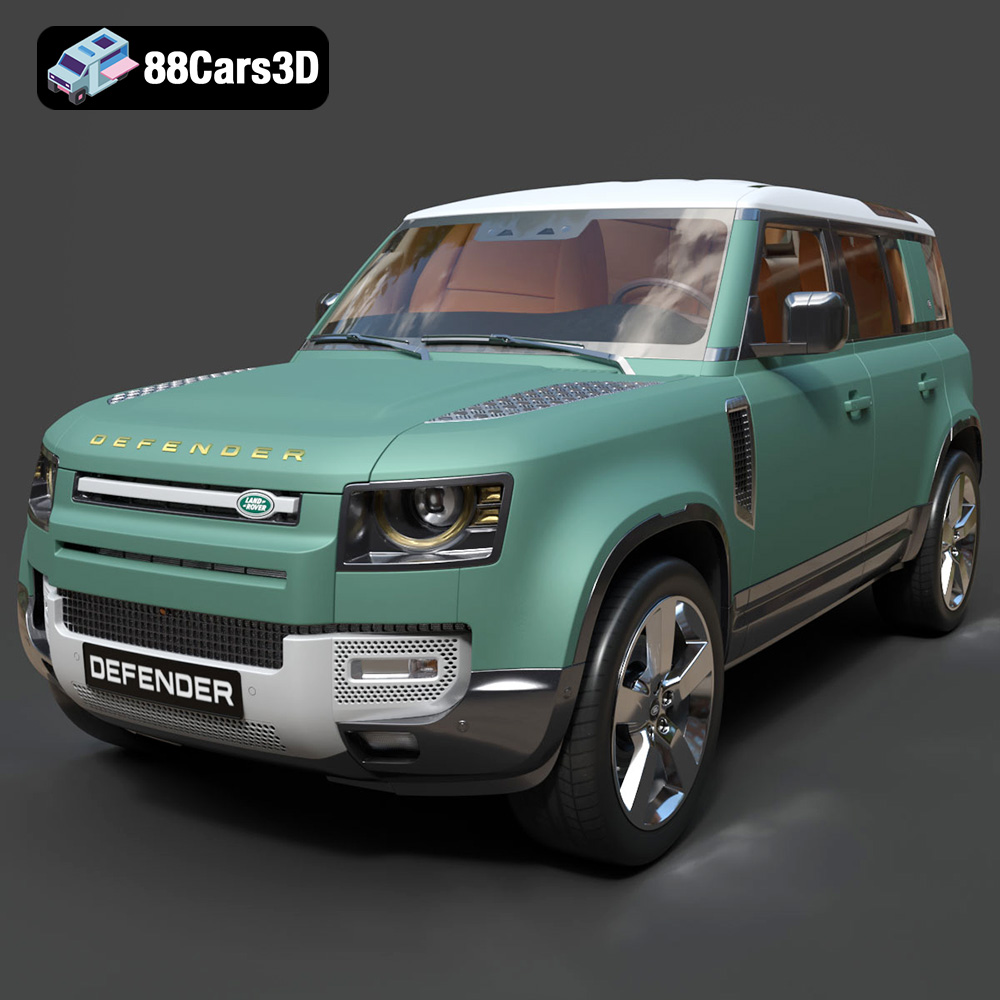
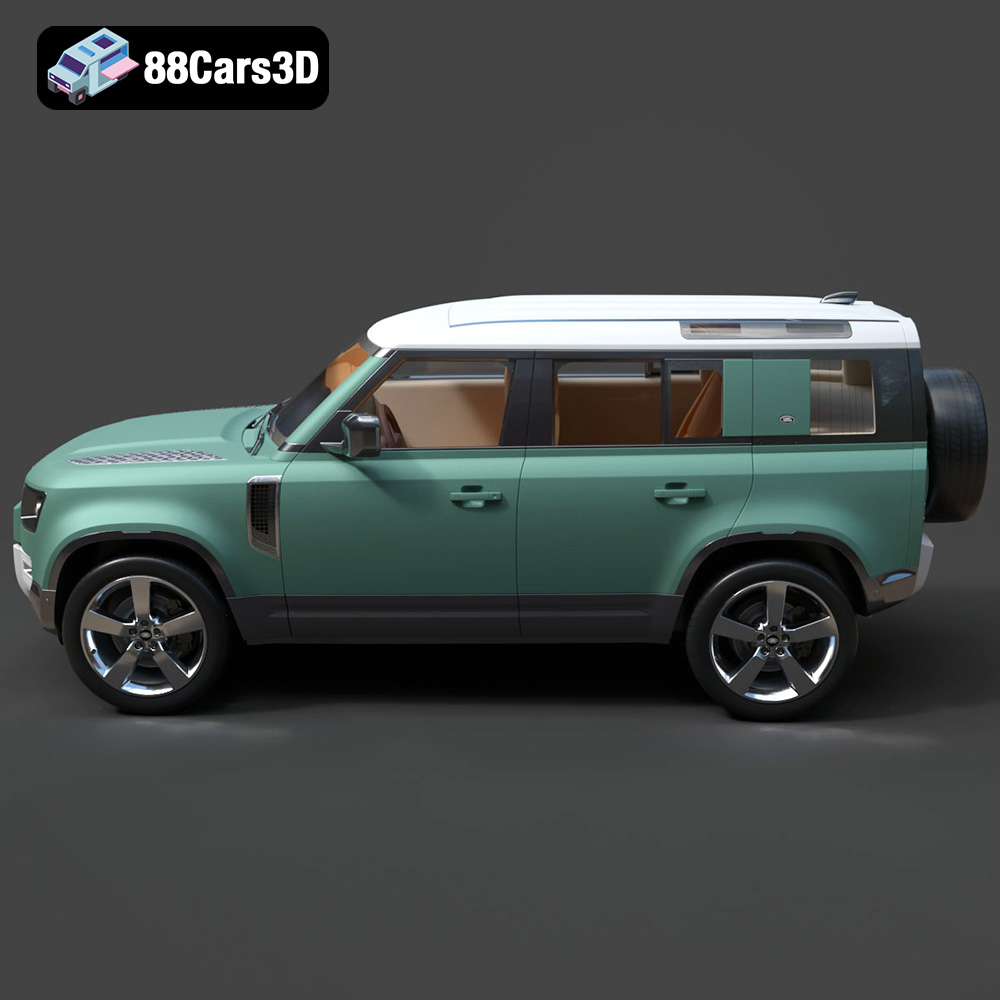
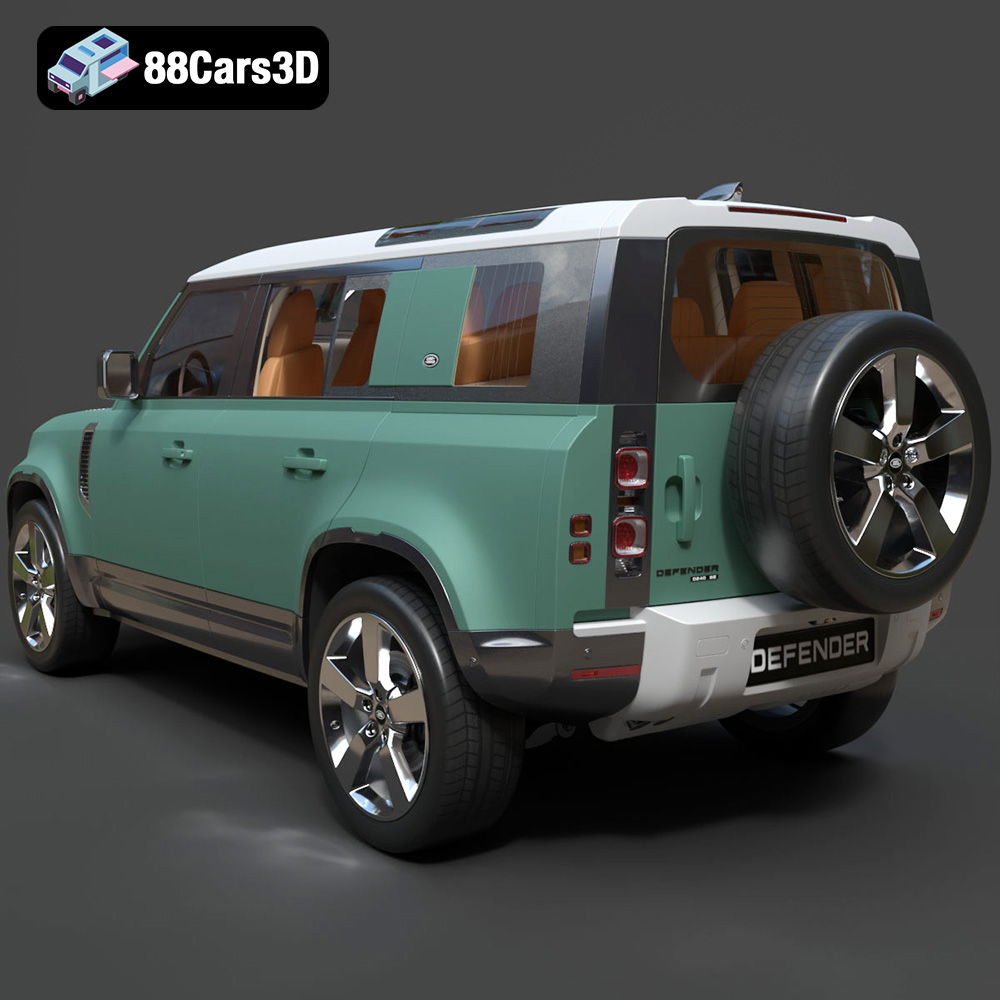
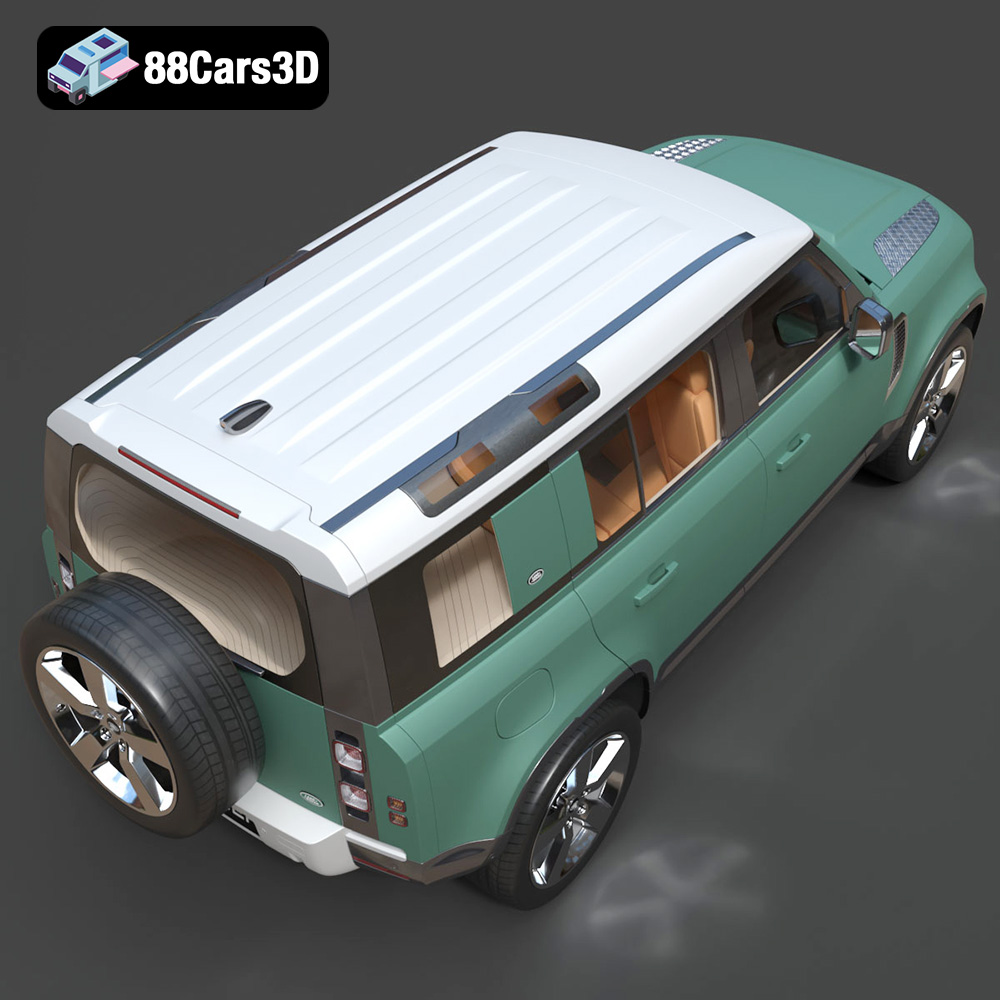
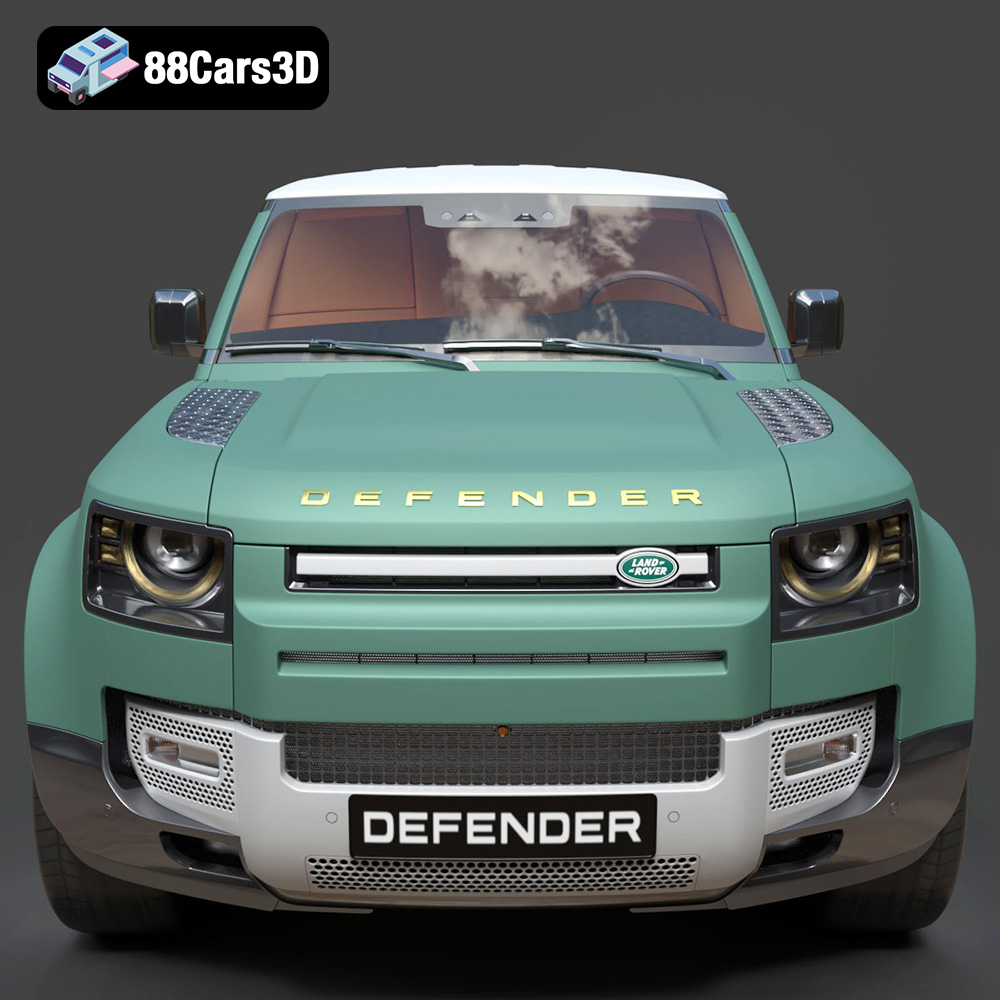
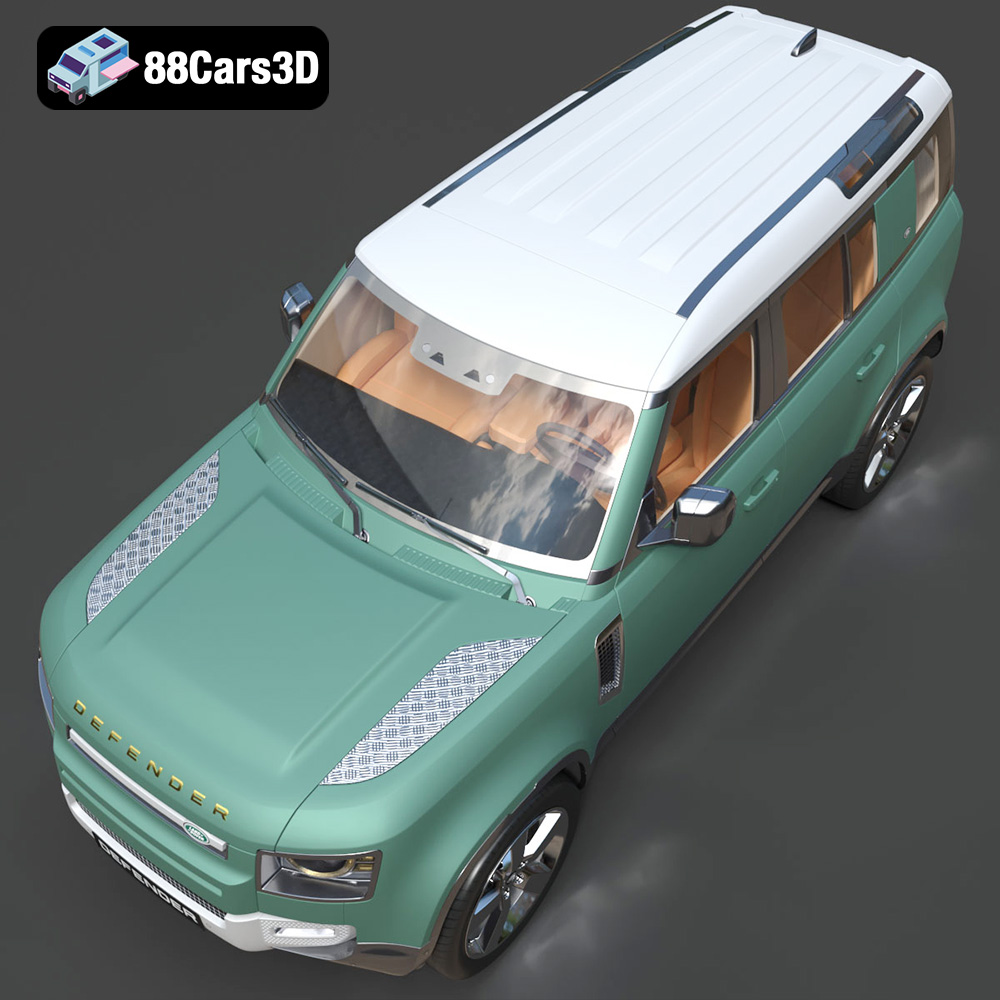
A prime example of an automotive icon perfectly suited for the digital realm is the Land Rover Defender. Its legendary ruggedness, unmistakable silhouette, and modern refinements make it a compelling subject for any project requiring a blend of capability and sophistication. The Land Rover Defender 110 2020 3D Model stands out as a superior asset designed to meet these exacting standards, offering a meticulous recreation of this modern classic for a multitude of professional applications.
This article delves into the technical intricacies and creative applications of such premium 3D models, exploring how they are crafted, integrated into various professional workflows, and leveraged across different industries. We will specifically highlight the features of the Land Rover Defender 110 2020 3D Model, showcasing its robust design and game-ready optimization that make it an invaluable addition to any digital arsenal, available from trusted marketplaces like 88cars3d.com.
Recreating a vehicle as iconic as the Land Rover Defender in a 3D environment is a challenge that demands precision, artistic skill, and technical understanding. The goal is not merely to create a recognizable shape, but to capture the essence of its design, engineering, and inherent character. For the Land Rover Defender 110 2020, this means translating its blend of rugged capability and modern luxury into a digital asset that resonates with authenticity.
The foundation of any high-quality 3D car model lies in its geometric accuracy. For the Land Rover Defender 110 2020 3D Model, this translates to precise frame geometry and proportions that faithfully replicate the actual vehicle. Every distinctive element, from the signature LED matrix headlights and vertical taillight clusters to the detailed multi-spoke alloy wheels and chunky off-road tires, is meticulously modeled. Beyond the exterior, the model extends its fidelity to the interior, featuring premium durable leather and robust textile seat details, the distinctive magnesium crossbeam dashboard, and the high-resolution Pivi Pro infotainment screen. Even the engine block, representing the Ingenium inline-6 MHEV, is detailed, demonstrating a commitment to comprehensive realism that elevates the asset beyond a simple shell.
This level of detail is crucial for projects where visual authenticity is paramount, such as high-end automotive rendering for marketing campaigns or close-up shots in cinematic sequences. Artists can leverage these details to create stunning visuals that are virtually indistinguishable from real photography, enhancing brand perception and viewer engagement.
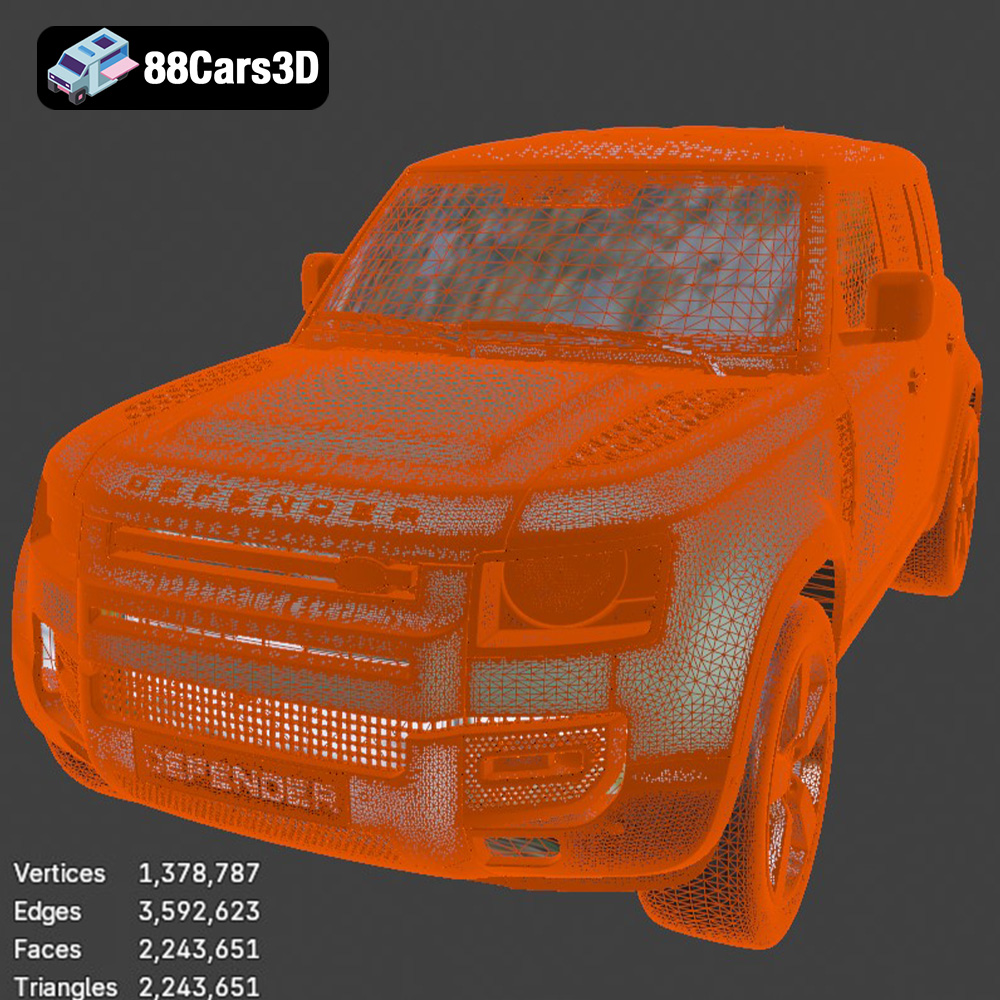
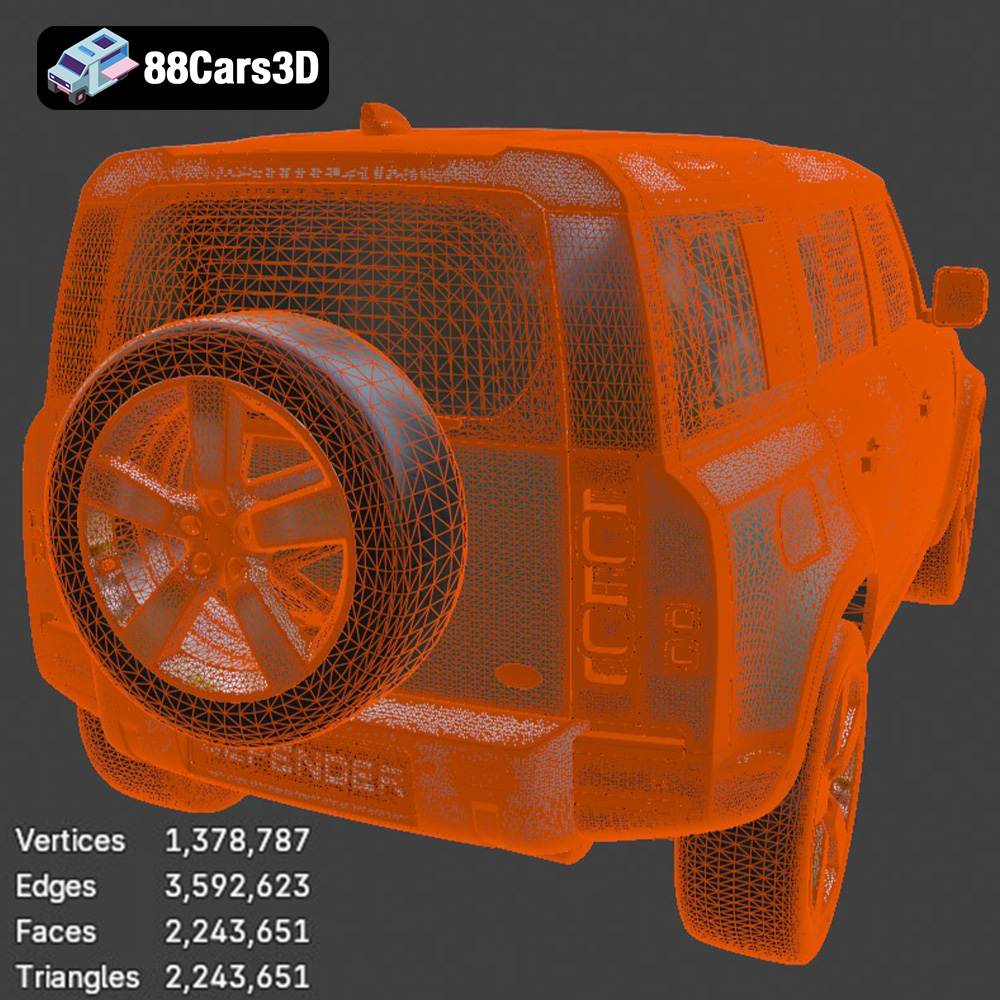
While detail is important, a truly professional 3D car model must also be optimized for performance, especially when targeting real-time environments. The Land Rover Defender 110 2020 3D Model exemplifies this balance with an optimized triangle count of approximately 200,000. This polycount strikes a perfect equilibrium, ensuring peak visual fidelity without compromising frame rates in game engines like Unreal or Unity, or slowing down complex rendering scenes.
Achieving this balance requires careful mesh topology, where polygons are distributed efficiently to maintain smooth surfaces and sharp edges while minimizing unnecessary geometry. This optimized approach makes the model incredibly versatile, suitable for high-end rendering projects where visual quality is paramount, as well as for interactive real-time applications where performance is critical. The ability to seamlessly transition between these different demands without significant modification saves valuable development time and resources.
The versatility of a 3D model is often determined by the range of file formats it supports. Professional 3D artists, game developers, and visualization specialists require assets that can integrate smoothly into diverse software ecosystems and pipelines. The Land Rover Defender 110 2020 3D Model, for instance, offers a comprehensive suite of file formats, each catering to specific needs and workflows. Understanding these formats is key to maximizing the utility of any 3D asset.
The .blend format is native to Blender, the popular open-source 3D creation suite. When you receive a model in .blend format, it’s typically a fully editable Blender scene, complete with materials, textures, lighting, and even animation data. This format is ideal for users who primarily work in Blender and require full control over the asset. It allows for advanced customization, re-topology, complex material adjustments, and scene integration directly within Blender’s powerful environment. For artists wanting to modify the Land Rover Defender 110 2020 model extensively or integrate it into an existing Blender project, the .blend file provides the most flexibility.
.fbx (Filmbox) is a proprietary file format developed by Autodesk, widely adopted as an industry standard for exchanging 3D data between various software applications. It’s particularly favored in game development (Unreal, Unity) and real-time pipelines due to its robust support for mesh data, materials, textures, animations, and even rigging. An FBX file of the Land Rover Defender is optimized for direct import into game engines, preserving pivot points, hierarchy, and basic material assignments, making it incredibly efficient for real-time environments.
.obj (Wavefront OBJ) is a universal format known for its simplicity and cross-software compatibility. It primarily stores geometric data – vertices, faces, UV coordinates, and normals – and typically references external .mtl (material library) files for material properties. While it doesn’t support animation or rigging, its widespread compatibility makes it an excellent choice for basic mesh exchange between almost any 3D software. The .obj version of the Defender is perfect for quick imports into new scenes where complex animations aren’t immediately required, offering a clean, standard mesh.
.glb (GL Transmission Format Binary) is a relatively newer format designed for the efficient transmission and loading of 3D scenes and models in web and AR/VR applications. It’s a binary version of glTF, embedding all model data (geometry, materials, textures, animations) into a single file. This optimization makes it perfect for immersive virtual showrooms, configurators, and mobile AR experiences featuring the Land Rover Defender, providing quick loading times and broad platform compatibility without external dependencies.
.stl (STereoLithography) is the de facto standard file format for 3D printing. It represents a 3D model as a series of connected triangles (a tessellated surface) without color, texture, or other CAD attributes. For hobbyists or professionals looking to bring the Land Rover Defender 110 2020 into the physical world, the .stl format is essential. It provides the raw mesh data that 3D printers understand, allowing for the creation of display-scale models or prototypes, as detailed in the product’s 3D print settings.
.ply (Polygon File Format or Stanford Triangle Format) is a file format for storing three-dimensional data from 3D scanners. It can store a variety of properties including color, transparency, normals, texture coordinates, and data reliability for each polygon or vertex. While less common for typical automotive rendering, it’s valuable for precision mesh analysis, scientific visualization, or scenarios where a highly accurate, raw mesh data representation of the Land Rover Defender is needed, potentially for CAD integration or reverse engineering studies.
The .unreal format signifies an asset specifically optimized and configured for direct use within Unreal Engine. This often implies proper material setups, collision meshes, LODs (Levels of Detail), and blueprint integration for immediate functionality. Having the Land Rover Defender 110 2020 3D Model available in this format means developers can bypass significant setup time, dropping a pre-configured, engine-ready asset directly into their Unreal projects, saving countless hours on integration and optimization.
.max is the proprietary file format for Autodesk 3ds Max, a leading software for 3D modeling, animation, rendering, and compositing. Similar to .blend, a .max file provides a fully editable project with all scene data intact. This format is crucial for 3ds Max users who need to fully dissect, modify, animate, or render the Land Rover Defender 110 2020 within their established 3ds Max workflows, offering the most control over the asset in that specific software environment.
The provision of the Land Rover Defender 110 2020 3D Model in such a comprehensive array of formats underscores its professional-grade quality and adaptability. Whether you’re working on a game, an architectural visualization, or an AR application, these diverse file types ensure seamless integration and maximum creative freedom, a hallmark of the high-quality 3D car models available at 88cars3d.com.
Integrating a complex 3D asset like a vehicle into a professional pipeline requires careful consideration of compatibility, optimization, and project-specific requirements. The Land Rover Defender 110 2020 3D Model is designed with these professional workflows in mind, offering features that streamline development across various industries.
For game developers, performance is paramount. A “game-ready” asset like the Defender 110 2020 model, with its optimized ~200,000 triangle count, is crucial. This polycount strikes an excellent balance, allowing for detailed visuals without overburdening the game engine. In Unreal Engine or Unity, developers would typically import the .fbx or .unreal/.blend file, which includes proper pivot setups for steering, wheel rotation, and suspension travel. This pre-configured articulation saves immense time, allowing animators to quickly implement realistic physics and dynamic vehicle movement.
Moreover, modern game development relies heavily on Physically Based Rendering (PBR) materials. While not explicitly detailed, a high-quality model like this would typically come with PBR-ready textures (Albedo, Normal, Roughness, Metallic, AO maps) or materials that can be easily converted. These ensure the vehicle looks realistic under various lighting conditions within the game environment. The Land Rover Defender 110 2020 3D Model is ideal for open-world games, racing titles, or even specific driving simulators, where its authentic design and optimized performance contribute to an immersive player experience.
Architectural visualization (ArchViz), advertising, and cinematic rendering demand the highest level of visual fidelity. Here, the Land Rover Defender 110 2020 3D Model shines with its accurate geometry and detailed interior/exterior features. Using software like 3ds Max (with the .max file) or Blender (with the .blend file), artists have full access to modify and refine every aspect of the model.
Workflows often involve:
The Land Rover Defender, with its sophisticated design, becomes a focal point in any visualization, conveying luxury, adventure, and reliability. This model dramatically reduces setup time, allowing artists to focus on creative direction rather than fundamental asset creation.
The utility of high-quality 3D car models extends far beyond traditional rendering and gaming. With advancements in augmented reality, virtual reality, and additive manufacturing, these digital assets are opening new frontiers for immersive and tangible experiences.
Augmented Reality (AR) and Virtual Reality (VR) thrive on optimized 3D content that loads quickly and runs smoothly. The Land Rover Defender 110 2020 3D Model, available in formats like .glb, is perfectly suited for these immersive environments. Imagine a virtual showroom where potential buyers can explore the Defender 110 from every angle, customize its color and interior, and even place it in their driveway using AR on their smartphone. The model’s optimized geometry and real-world scale make it ideal for:
The ability to interact with a high-fidelity model in AR/VR not only enhances engagement but also provides a powerful tool for marketing and sales, offering a new dimension to how consumers experience automotive brands.
The journey from a digital 3D model to a physical object is made possible through 3D printing. The Land Rover Defender 110 2020 3D Model includes an .stl format, specifically designed for this purpose. This opens up possibilities for hobbyists, collectors, and designers to create tangible replicas. However, 3D printing requires careful technical considerations:
This capability adds another layer of value to the 3D model, bridging the gap between the virtual and physical worlds.
A truly valuable 3D asset provides extensive customization options. The Land Rover Defender 110 2020 3D Model offers flexibility to:
This adaptability ensures that the model can be tailored to fit the specific aesthetic and functional requirements of virtually any project, saving significant time and resources compared to creating custom assets from scratch. This versatility is a hallmark of the high-quality 3D car models available at 88cars3d.com.
In the world of 3D modeling, technical optimization is not merely a bonus; it’s a fundamental requirement for professional-grade assets. The internal structure and preparation of a 3D model directly impact its performance, fidelity, and ease of use across various platforms.
The Land Rover Defender 110 2020 3D Model boasts an optimized ~200,000 triangle count. This number is critical for balancing visual detail with real-time performance. A mesh with excessively high polycount can cripple game engines and render times, while one that is too low sacrifices crucial detail. The “perfect balance” achieved here means the model looks fantastic even in close-up shots for rendering, yet remains lightweight enough for smooth interactivity in games or AR/VR applications.
Beyond the raw count, mesh topology – the arrangement of polygons – is equally vital. Good topology ensures:
The “exceptional topology” mentioned in the product description directly translates to these benefits, providing a robust and flexible foundation for any creative endeavor.
Accuracy in 3D modeling extends beyond visual appeal to include real-world scale. The Land Rover Defender 110 2020 3D Model is created with real-world scale accuracy, based on actual vehicle chassis dimensions. This is vital for:
Furthermore, the model features proper pivot setups for crucial components: steering, wheel rotation, and suspension travel. This technical detail is a game-changer for animation and interactive experiences. Instead of manually setting up pivots, animators can immediately begin creating realistic vehicle movements. Whether it’s the subtle bounce of the independent air suspension details over rough terrain or the precise turn of the front wheels, these pre-configured pivots significantly accelerate the animation process and enhance the realism of any dynamic scene involving the Land Rover Defender 110 2020.
In today’s fast-paced digital creative industries, access to high-quality, technically optimized 3D assets is not just a convenience, but a competitive necessity. The Land Rover Defender 110 2020 3D Model exemplifies the pinnacle of what professional 3D car models offer: a meticulous blend of visual fidelity, technical optimization, and broad compatibility.
From its accurate representation of the iconic Land Rover design, including detailed exterior and interior features, to its game-ready polycount and versatile file format support, this model is engineered to empower artists and developers across diverse applications. Whether you are crafting an immersive game world, rendering a photorealistic automotive advertisement, building an interactive AR/VR showroom, or even 3D printing a physical collectible, this asset provides the foundation for exceptional results.
The provision of multiple formats like .blend, .fbx, .obj, .glb, .stl, .ply, .unreal, and .max ensures seamless integration into virtually any professional workflow, making it a truly universal solution. By leveraging such expertly crafted 3D car models, creative professionals can significantly reduce development time, maintain consistent quality, and focus their efforts on innovation and artistic expression.
For those seeking to elevate their projects with superior 3D car models, a trusted source like 88cars3d.com offers a curated selection of assets that meet the highest industry standards, including this exceptional Land Rover Defender 110 2020 3D Model. Invest in quality, and watch your digital creations accelerate past expectations.
The Land Rover Defender 110 2020 reimagines an automotive icon for the 21st century, combining legendary off-road capability with modern luxury and robust design. Known for its unmistakable silhouette, Alpine light windows, and side-hinged tailgate with an externally mounted spare wheel, this legendary 4×4 features a powerful modern engine setup, sophisticated suspension architecture, and distinctive squared-off LED headlight clusters. This highly detailed, game-ready 3D model features exceptional topology and an optimized triangle count, ensuring peak visual fidelity without compromising performance. It is perfectly crafted for game development, AR/VR experiences, high-end rendering, and architectural visualization.
$19.99
.4×4
.blend
.fbx
.glb
.land-rover
.max
.obj
.ply
.rendering
.stl
.unreal
car-3d-model
defender-110
game asset
game-ready
low-poly
modern-car
off-road
optimized
SUV
VR/AR