Get 20% OFF All Premium 3D & STL Models!

In the dynamic world of 3D visualization, the demand for highly detailed, technically accurate, and versatile assets is ever-growing. From cinematic automotive rendering to real-time game development and immersive AR/VR experiences, the quality of a 3D model can significantly impact the success and realism of a project. As the automotive industry shifts towards electric innovation, designers and developers seek digital representations that capture this futuristic elegance.
A prime example of such an asset is the Jaguar I-Pace 2020 3D Model. This particular model isn’t just a digital recreation; it’s a meticulously crafted asset designed to serve a multitude of professional applications. It encapsulates the sleek lines and innovative spirit of the award-winning luxury electric SUV, making it an invaluable tool for anyone looking to integrate a top-tier vehicle into their digital environments. Whether you’re an architect visualizing an urban landscape, a game developer crafting a virtual open world, or a marketing specialist creating an electrifying ad campaign, understanding the technical depth and versatility of such a model is crucial for leveraging its full potential.
The choice of file format for a 3D model is not merely a technicality; it’s a strategic decision that dictates compatibility, functionality, and performance across different software, engines, and applications. A high-quality asset like the Jaguar I-Pace 2020 3D model, available on 88cars3d.com, typically comes with a suite of formats, each serving distinct purposes. Understanding these formats is paramount for any professional navigating the complexities of 3D production.
The availability of such a comprehensive range of file formats for the Jaguar I-Pace 2020 3D model underscores its adaptability. This multi-format provision ensures that regardless of your software of choice or the specific demands of your project, you have an optimized version ready for immediate deployment.
Creating a high-quality 3D car model is a delicate balance of artistic vision and engineering precision. It’s about translating the intricate design language of a real-world vehicle into a digital asset that performs flawlessly across diverse platforms. The Jaguar I-Pace 2020 3D model exemplifies this fusion, offering both visual fidelity and technical optimization.
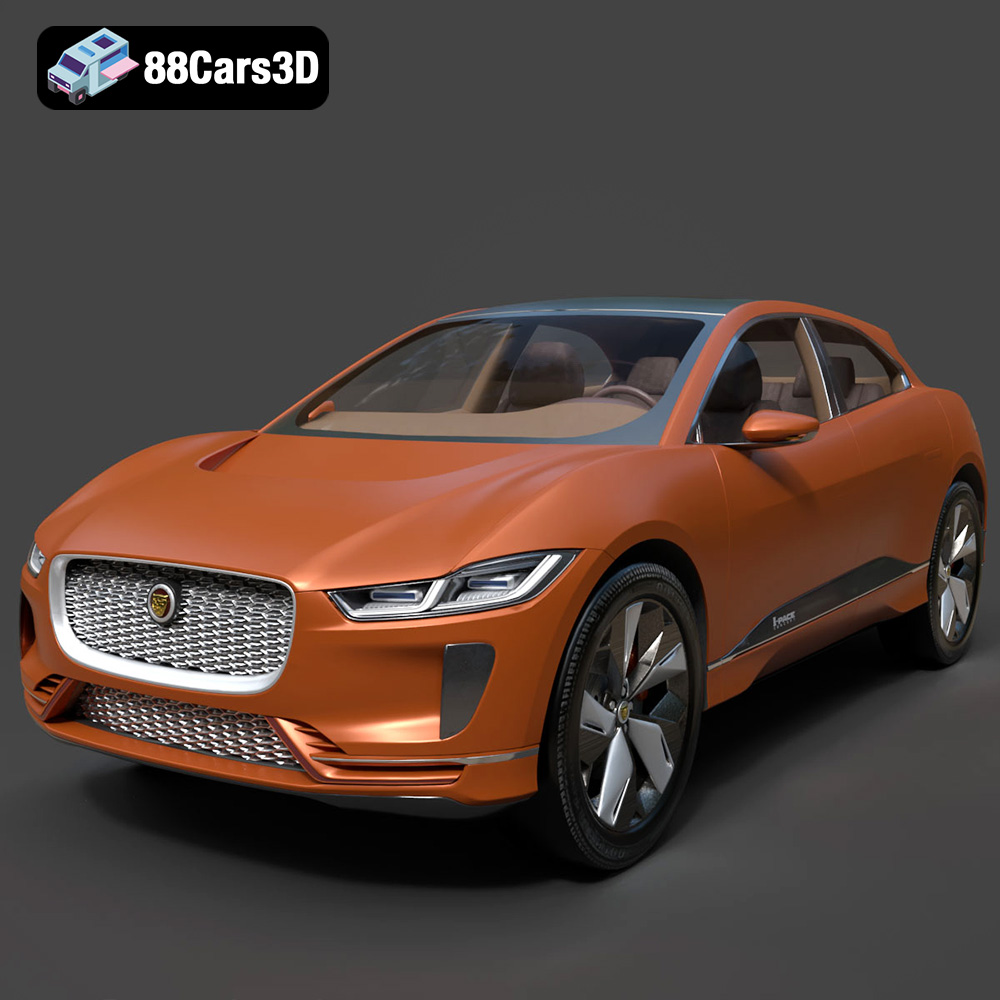
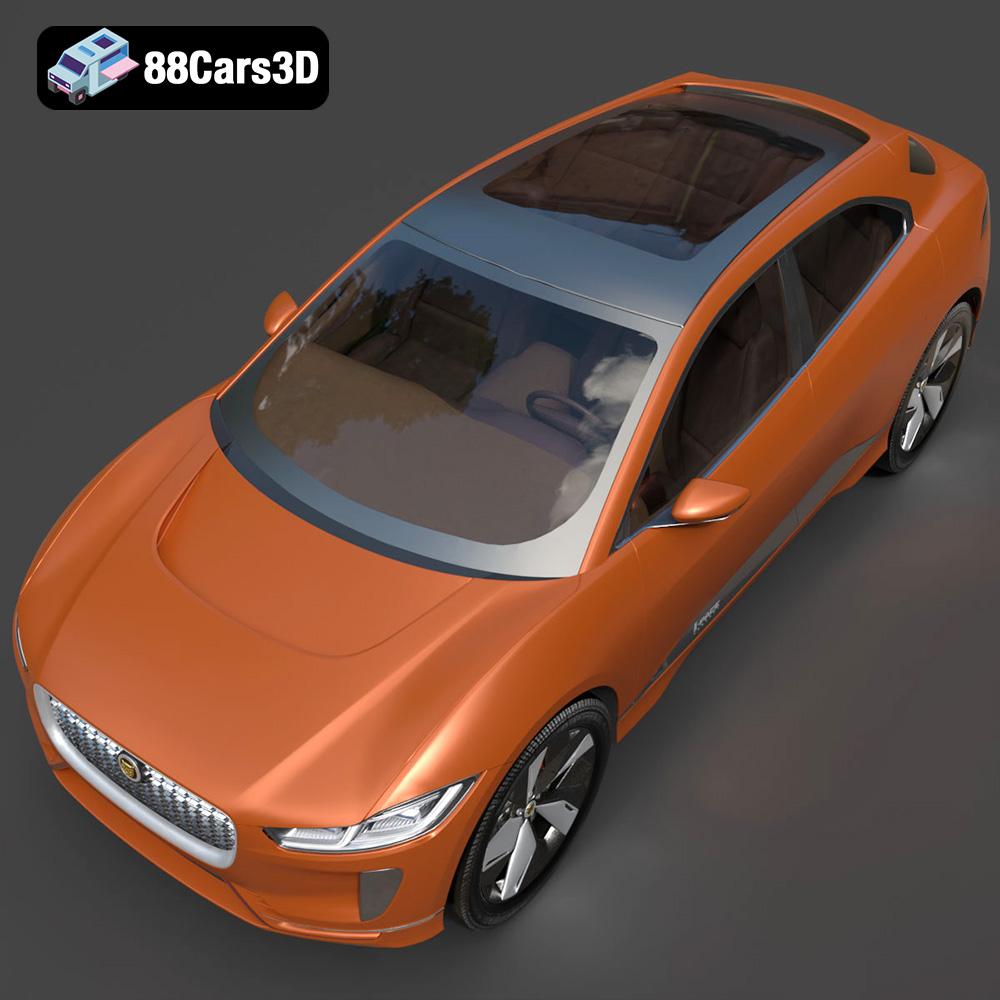
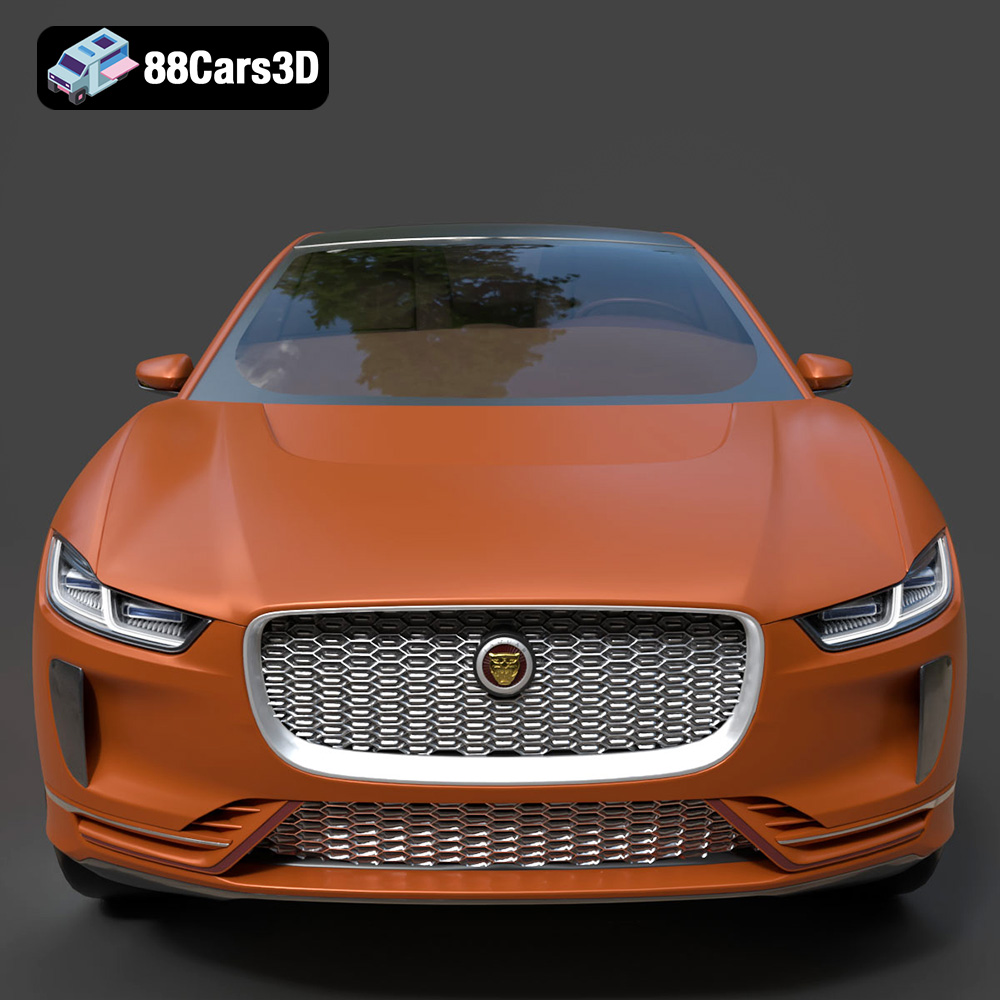
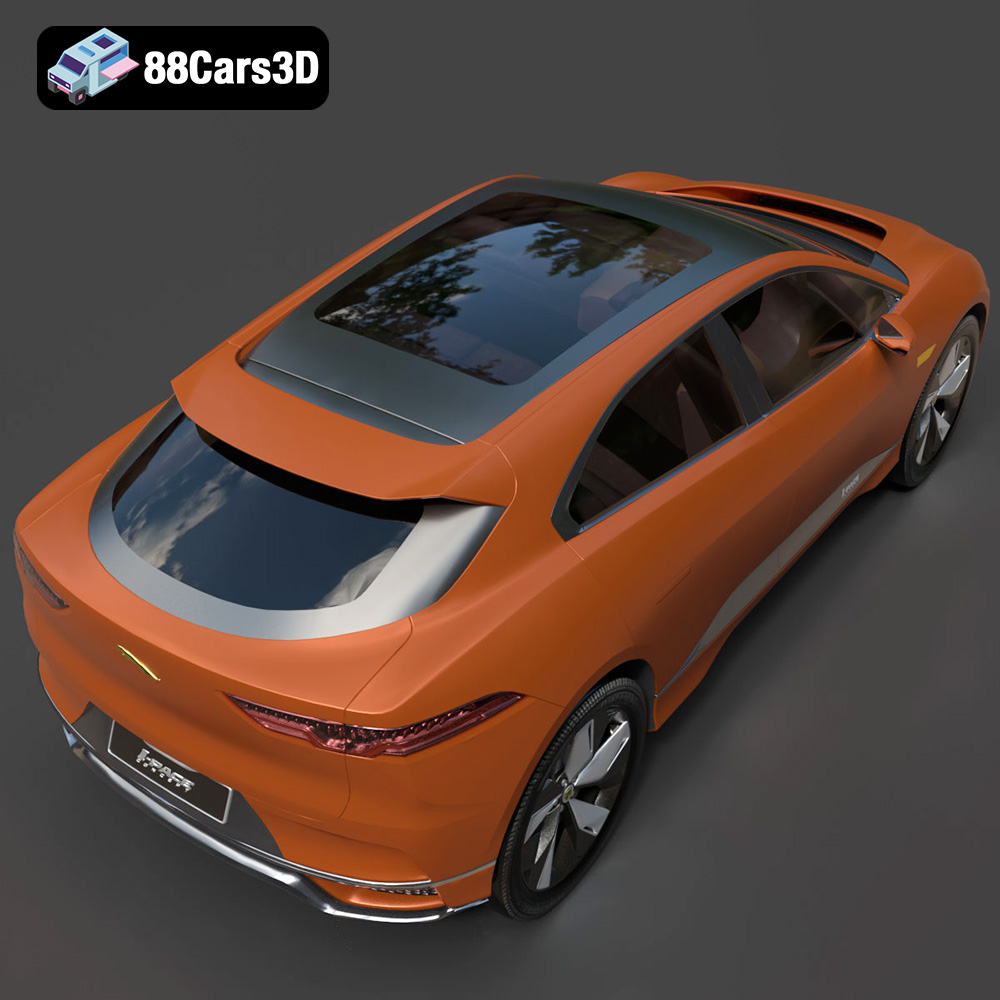
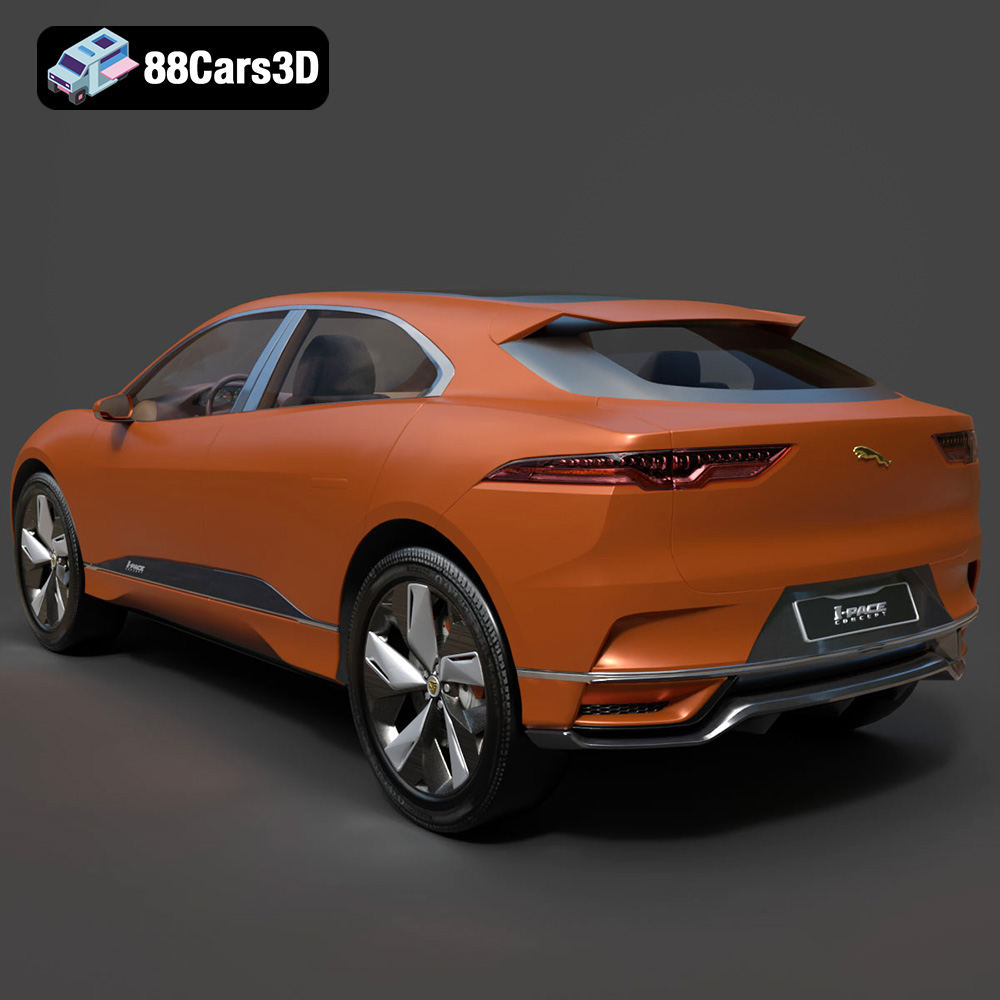
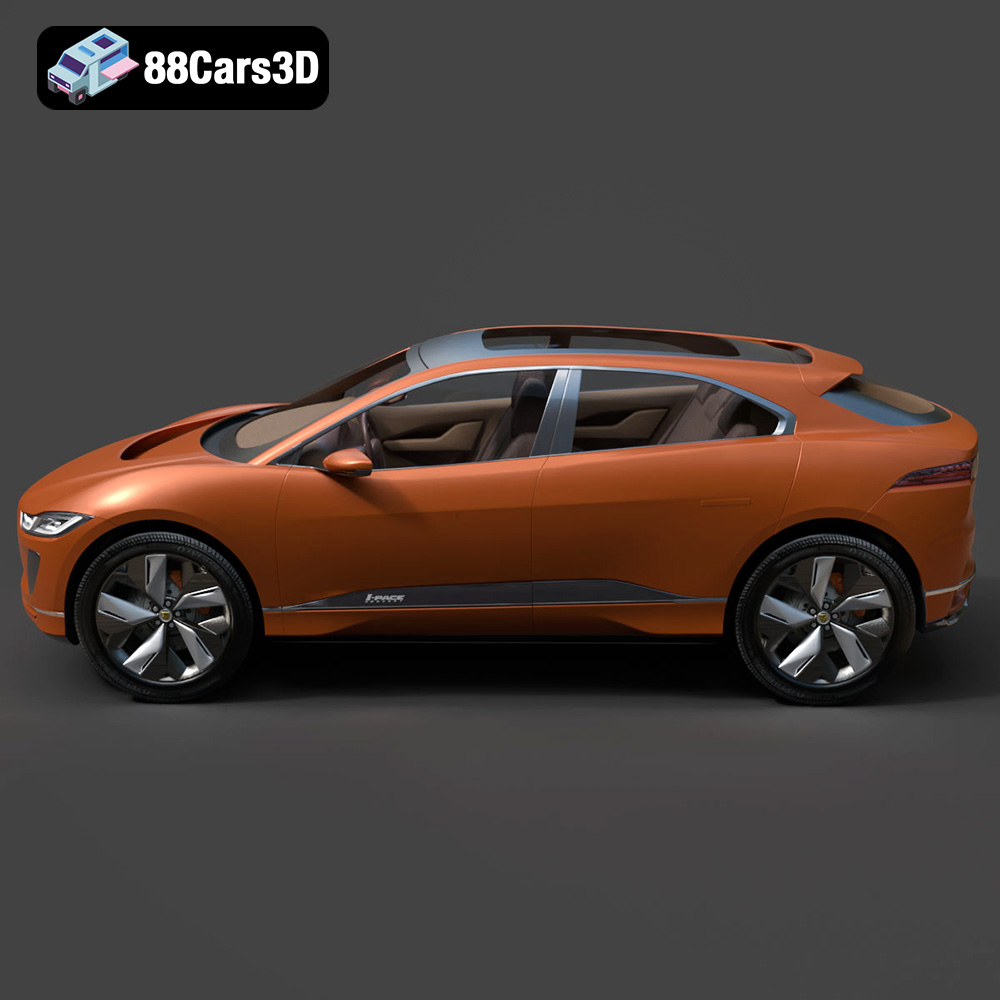
The Jaguar I-Pace, with its dramatic hood scoop, flush door handles, J-blade LED headlights, and distinctive rear diffuser, is a masterclass in aerodynamic design. Replicating these details in a 3D model requires meticulous attention to geometry, proportions, and surface continuity. A premium 3D car model like this one from 88cars3d.com doesn’t just look like the car; it embodies its design philosophy. The model’s accurate geometry and real-world scale ensure that whether viewed up close in a studio render or in motion within a game, it maintains its authentic visual presence. Even the realistic independent air suspension components and detailed aerodynamic alloy wheels are accurately represented, providing a level of immersion that elevates any project.
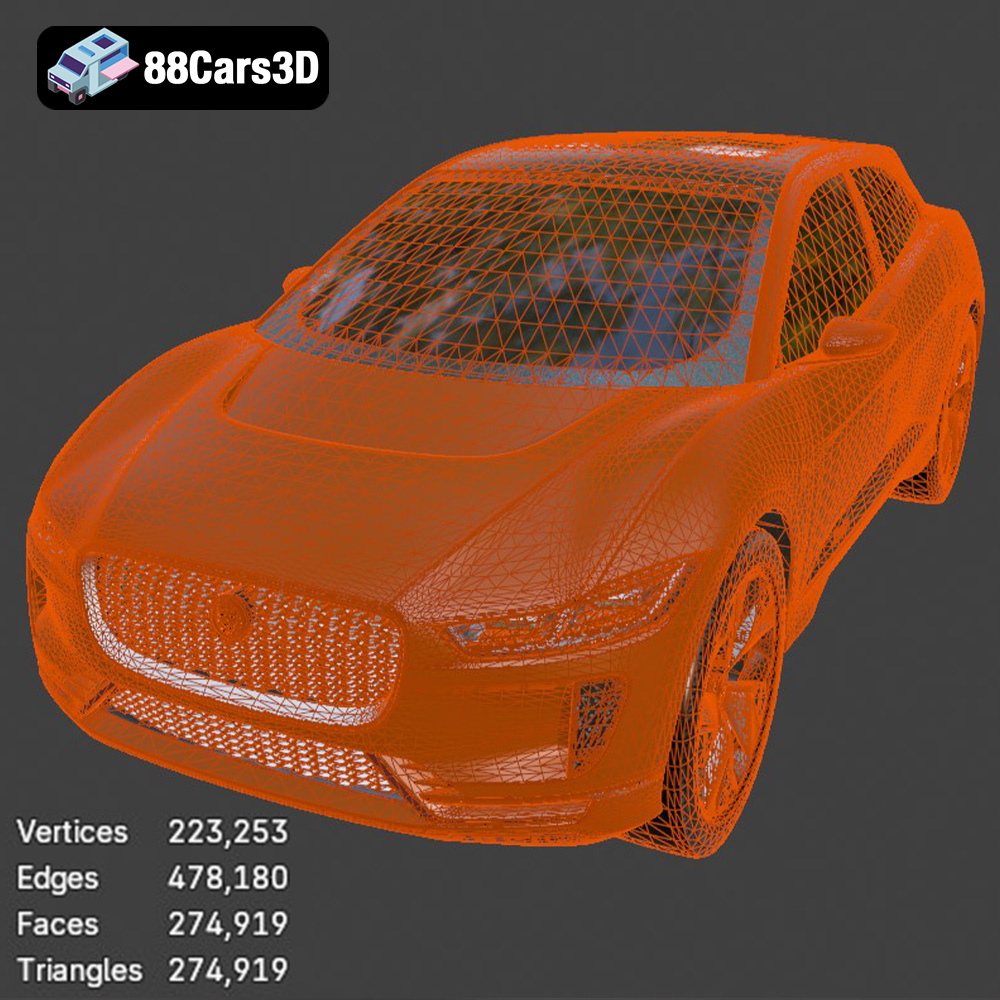
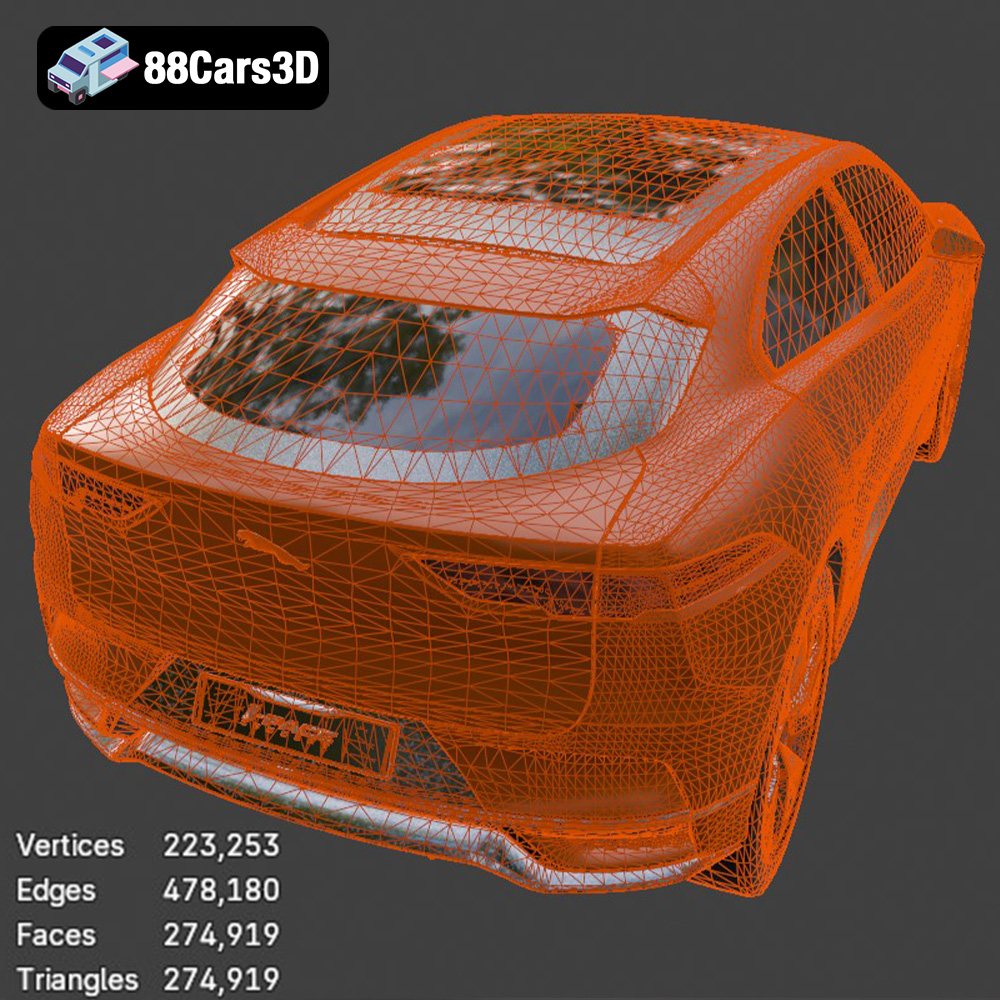
One of the greatest challenges in 3D modeling is creating an asset that can satisfy both the stringent performance requirements of real-time engines (like those used in games and VR) and the visual demands of high-fidelity cinematic rendering. The Jaguar I-Pace 2020 3D model brilliantly strikes this balance. With an optimized triangle count of approximately 250,000, it achieves a “game-ready” status, meaning it’s efficient enough for smooth performance in interactive environments without sacrificing the visual richness required for close-up renders. This optimization extends to the interior as well, with premium sports seat details, a multifunction steering wheel, and accurate digital instrument clusters, all optimized for first-person POV in gaming and VR applications.
Integrating a 3D car model into a professional workflow requires more than just importing a file. It demands an understanding of software-specific pipelines, material setup, and optimization techniques. The versatile Jaguar I-Pace 2020 model is designed to fit seamlessly into the most common industry workflows.
For artists and studios utilizing 3ds Max or Blender, the provided native .max and .blend files offer a significant advantage. In 3ds Max, you can immediately leverage the scene setup, adjust lighting with V-Ray or Corona renderers, and refine materials to achieve photorealistic results. The model’s clean topology makes it easy to apply subdivision modifiers for even smoother surfaces in cinematic shots. Similarly, in Blender, the .blend file allows for direct manipulation, material adjustments using Cycles or Eevee, and rapid iteration on lighting and camera angles. The pre-separated components like wheels, suspension, and steering make it straightforward to set up complex animations, whether for a commercial advertisement or an architectural visualization where the car is a centerpiece.
For game developers, the availability of .fbx and dedicated .unreal formats for the Jaguar I-Pace is a game-changer. The .fbx file ensures a smooth import into Unreal Engine, preserving critical elements like proper pivot setups for steering, wheel rotation, and suspension travel. This is crucial for creating realistic vehicle dynamics in racing games or simulators. Once in Unreal, developers can quickly set up PBR (Physically Based Rendering) materials using the engine’s powerful material editor, leveraging the model’s optimized UVs for high-quality texture application. The ~250,000 triangle count is ideal for maintaining high frame rates in open-world environments, while the ability to add LODs can further enhance performance on distant objects. This makes the Jaguar I-Pace 2020 an excellent game asset for titles ranging from urban driving simulators to high-end racing experiences.
The shift towards interactive and immersive experiences means that 3D car models are no longer just for static renders. They are vital components in AR/VR applications, allowing users to engage with vehicles in entirely new ways. The Jaguar I-Pace 2020 3D model is perfectly suited for this evolving landscape.
Imagine a potential buyer exploring the Jaguar I-Pace from every angle in a virtual showroom, customizing its body color, tire textures, and material finishes in real-time. This is precisely where a well-optimized 3D model shines. The .glb format, specifically designed for web and AR/VR, allows for quick loading and interaction, making it perfect for online configurators or virtual reality experiences. The model’s optimized geometry and textures ensure that these interactive experiences run smoothly, providing a fluid and engaging user journey. Businesses can leverage this to create cutting-edge marketing tools that truly differentiate their brand.
With the rise of mobile AR, consumers can now place a virtual car in their driveway using just a smartphone. The lightweight structure and real-world scale accuracy of the Jaguar I-Pace 2020 3D model are critical here. Its optimized polycount ensures that mobile devices can render the car without performance issues, offering a seamless augmented reality experience. Beyond AR, the model’s separate components (wheels, suspension, steering) are ideal for dynamic simulations, allowing for realistic physics and interaction in educational tools, engineering simulations, or even cinematic pre-visualizations.
The utility of a comprehensive 3D model extends beyond digital displays. For hobbyists, designers, and even engineers, the ability to transform a digital asset into a tangible object through 3D printing offers immense value. The Jaguar I-Pace 2020 model embraces this capability.
The inclusion of the .stl format, specifically tailored for 3D printing, allows users to bring the Jaguar I-Pace 2020 into the physical world. The detailed product description provides precise 3D print settings, recommending scales (1:12, 1:18, 1:24), layer heights, and wall thicknesses. For capturing the fine details of the I-Pace’s aerodynamic frame, J-blade headlights, and intricate alloy wheels, resin printing is recommended, ensuring fidelity to the digital design. Essential details like support requirements and print orientation for structural integrity are also provided, guiding users to successful physical output.
Creating a high-quality 3D print is often just the first step. Post-processing, including sanding, priming, and painting, is crucial for achieving a showroom-quality finish. The ability to apply authentic factory colors with metallic finishes can transform a raw 3D print into a stunning display model or a rapid prototype for design review. This aspect of the Jaguar I-Pace 2020 3D model appeals to car enthusiasts, model makers, and even automotive design students looking to physically interact with a complex vehicle design.
In today’s competitive digital landscape, the quality of your assets directly reflects on the quality of your final product. Investing in premium 3D models is not just about aesthetics; it’s a strategic decision that impacts efficiency, realism, and overall project success.
Developing a complex 3D car model from scratch, with the level of detail and optimization found in the Jaguar I-Pace 2020 3D model, requires hundreds of hours from skilled artists and technical directors. By acquiring a professionally crafted asset from a trusted source like 88cars3d.com, you immediately save immense amounts of time and development costs. This allows your team to focus on integration, customization, and other core aspects of your project, significantly accelerating production timelines for games, visualizations, or marketing campaigns.
A high-quality 3D car model elevates the entire visual standard of your project. The accurate proportions, optimized topology, detailed interior and exterior features, and proper pivot setups mean less time spent on fixes and more time on creative iteration. Whether it’s for a high-stakes commercial rendering where every reflection matters, a game where immersion is key, or an AR application where realism is paramount, a premium asset like the Jaguar I-Pace 2020 ensures a professional, polished outcome that captures attention and conveys credibility.
The journey from a real-world automotive marvel like the Jaguar I-Pace 2020 to a versatile, multi-format 3D model is a testament to the sophistication of modern 3D content creation. Such assets are no longer mere digital replicas but powerful tools, adaptable across an impressive array of industries and applications. From photorealistic cinematic renders to high-performance game environments, immersive AR/VR experiences, and even tangible 3D prints, the demand for excellence in 3D car models is higher than ever.
The Jaguar I-Pace 2020 3D Model embodies this excellence, offering not just visual fidelity but also the technical specifications and format versatility required by today’s leading professionals. Its optimized geometry, accurate real-world scale, and comprehensive file format support (from .blend and .max for full scene control, to .fbx and .unreal for game development, .glb for AR/VR, and .stl for 3D printing) make it an invaluable addition to any digital asset library. By providing such meticulously crafted 3D car models, 88cars3d.com empowers creators to achieve their artistic and technical visions with unparalleled efficiency and quality. Investing in such a premium asset is not just about purchasing a model; it’s about acquiring a foundation for limitless creative possibilities.
The 2020 Jaguar I-Pace represents a pinnacle of luxury electric vehicle design, blending sports car performance with five-seat SUV practicality. Its highly aerodynamic exterior, highlighted by a dramatic hood scoop, flush door handles, and signature J-blade LED headlights, gives it an aggressive yet elegant stance on the road. The I-Pace is an award-winning EV that stands out with its bold grille, flowing lines, and distinctive rear diffuser designed to minimize drag and maximize efficiency.
This premium 3D model boasts an optimized topology with a carefully managed triangle count, making it a perfectly game-ready asset without sacrificing visual fidelity. Built to exact real-world dimensions, the geometry provides exceptional high-definition results for close-up renders while maintaining a lightweight structure ideal for real-time engines. It seamlessly fits into modern game development pipelines, immersive AR/VR configurations, and professional architectural visualizations.
$19.99
.2020
.blend
.fbx
.glb
.jaguar
.luxury suv
.max
.obj
.ply
.rendering
.stl
.unreal
car-3d-model
electric-vehicle
game asset
game-ready
i-pace
low-poly
optimized
VR/AR