Get 20% OFF All Premium 3D & STL Models!

In the fast-evolving landscape of digital content creation, the demand for exceptionally detailed and versatile 3D assets has never been higher. From immersive video games and cutting-edge architectural visualizations to interactive AR/VR experiences and precision 3D printing, the backbone of any compelling project is the quality of its foundational models. For automotive enthusiasts, designers, and developers, this often translates to a relentless search for 3D car models that not only look stunning but also integrate seamlessly into diverse professional workflows.
The journey to find the perfect vehicle asset can be challenging. It requires a keen understanding of topology, material science, engine optimization, and file format compatibility. A truly superior 3D model offers more than just visual appeal; it provides a robust, adaptable framework designed to meet the rigorous demands of modern production pipelines. This is where a meticulously crafted asset, such as the Fexus NX 300h 3D Model, truly shines, demonstrating the pinnacle of quality available to professionals today. Its blend of modern luxury and striking design, coupled with exceptional technical specifications, positions it as a go-to choice for a myriad of applications, directly from platforms like 88cars3d.com.
The choice of a 3D model file format is far more than a technicality; it’s a strategic decision that impacts workflow, compatibility, performance, and the ultimate utility of an asset across different platforms and applications. A premium 3D car model, like the Fexus NX 300h, comes equipped with a comprehensive suite of formats, ensuring maximum flexibility for any project. Understanding each format’s strengths is crucial for any serious 3D artist or developer.
The .blend format is the native file type for Blender, an increasingly popular open-source 3D creation suite. When you acquire a .blend file, you’re not just getting a mesh; you’re often receiving a fully editable scene, complete with materials, lighting setups, animation data, and modifiers. For artists who primarily work in Blender, this means immediate access to all aspects of the model, allowing for deep customization without any import-related issues. The Fexus NX 300h .blend file ensures artists can tweak every material, adjust every light, or even modify the geometry directly within their preferred environment, leveraging Blender’s powerful Cycles or Eevee render engines.
Autodesk’s .fbx (Filmbox) format stands as a dominant industry standard for exchanging 3D data between different software applications. Its strength lies in its ability to encapsulate not just geometry, but also materials, textures, animations, skinning, and camera data in a single file. This makes .fbx ideal for pipelines involving multiple software packages, such as exporting a model from 3ds Max or Blender to game engines like Unreal Engine or Unity. For game developers or real-time visualization specialists, the Fexus NX 300h in .fbx format is often the preferred choice, offering robust compatibility and reliable data transfer for its optimized geometry and PBR material setup.
The .obj (Wavefront Object) format is one of the oldest and most universally supported file types for 3D models. It’s a simple, text-based format primarily used for transferring geometry data (vertices, normals, texture coordinates, and faces) and typically accompanied by a separate .mtl (material) file. While it doesn’t support animation, rigging, or scene data, its widespread compatibility across virtually all 3D software makes it an excellent choice for basic mesh exchange. The Fexus NX 300h .obj file is perfect for those needing a clean, universal mesh for rendering in various offline renderers or for quick imports into less common software without complex scene dependencies.
.glb (GL Transmission Format Binary) is the binary version of glTF, a royalty-free specification for the efficient transmission and loading of 3D scenes and models by engines and applications. Designed for maximum efficiency and compactness, .glb files embed all assets (geometry, materials, textures, animations) into a single, self-contained binary file. This makes it exceptionally well-suited for web-based 3D applications, AR/VR experiences, and mobile environments where file size and quick loading are paramount. The Fexus NX 300h .glb format is ideal for interactive virtual car configurators, mobile AR showrooms, or integrating into browser-based visualizations due to its optimized delivery.
.stl (STereoLithography) is the de facto standard file format for 3D printing. It represents a 3D model as a series of connected triangles, forming the surface geometry without any color, texture, or material information. For designers looking to transform their digital creations into physical objects, the Fexus NX 300h .stl file provides a watertight, printable mesh. This format is crucial for hobbyists and professionals alike who wish to 3D print scale models for display, prototyping, or custom modifications. As specified for the Fexus NX 300h, careful preparation ensures a successful physical output.
The .ply (Polygon File Format or Stanford Triangle Format) is another format for storing 3D data, particularly popular in academic and research contexts, as well as for 3D scanning and photogrammetry. It supports a wider range of properties than .obj, including color, transparency, and normal information per vertex or face. While less common for general asset exchange, the Fexus NX 300h .ply file can be valuable for projects requiring high-precision mesh data, potentially for further engineering analysis or specific scientific visualizations.
The .unreal file often refers to assets directly packaged or optimized for Unreal Engine. While not a standalone 3D model format in the traditional sense like .fbx, it signifies an asset that has undergone specific preparation, material setup, and optimization within the Unreal Editor for seamless integration. This could mean pre-configured static meshes, skeletal meshes, materials, and blueprints. For developers targeting Unreal Engine for games or cinematic renders, the Fexus NX 300h’s .unreal offering implies a streamlined import and setup process, saving invaluable development time and ensuring engine-ready performance and visual quality.
Finally, the .max format is the native scene file for Autodesk 3ds Max, a powerful 3D modeling, animation, rendering, and compositing software. Similar to .blend for Blender, a .max file contains the complete scene data, including geometry, modifiers, materials, lights, cameras, and animation keyframes. For professionals working in architectural visualization, product design, or complex animation sequences, the Fexus NX 300h .max file provides full access to the original project, allowing for intricate adjustments, custom rigging, or integration into larger 3ds Max scenes, harnessing its robust rendering capabilities.
Photorealistic rendering is where the intrinsic quality of a 3D car model truly shines. It’s about more than just accurate geometry; it’s about believable materials, sophisticated lighting, and meticulous attention to detail. The Fexus NX 300h 3D model is engineered to excel in these demanding environments, providing artists with a pristine canvas for digital artistry.
For many professionals in automotive rendering and architectural visualization, 3ds Max paired with V-Ray or Corona Renderer is the industry standard. Using the Fexus NX 300h .max file, artists can leverage its clean topology and separated components to achieve breathtaking results. The workflow typically involves:
This meticulous process allows artists to create campaign-ready visuals or integrate the Fexus NX 300h into architectural renderings, populating scenes with a touch of modern luxury.
Blender users can harness the power of its native Cycles (path tracer) or Eevee (real-time engine) to render the Fexus NX 300h. With the provided .blend file, artists get a ready-to-render setup that can be easily adapted:
Imagine a high-end luxury condominium advertisement. The Fexus NX 300h 3D model, placed precisely in the driveway or a sleek underground garage, immediately elevates the scene. Its “urban sophistication with rugged utility” design philosophy perfectly complements modern architecture. Renderings can showcase the vehicle bathed in golden hour light, reflecting the surrounding environment, enhancing the overall lifestyle appeal. For product launch campaigns, the model can be dynamically positioned in studio setups, allowing for custom lighting to emphasize its distinctive aerodynamic proportions or the intricate details of its hybrid powertrain indicators and integrated rear exhaust system. The availability of high-quality 3D car models on platforms like 88cars3d.com significantly streamlines this process for visualization studios.
The performance demands of real-time environments, such as video games, AR/VR experiences, and interactive configurators, are exceptionally stringent. A successful game asset must balance visual fidelity with optimized performance. The Fexus NX 300h 3D model is specifically engineered with these requirements in mind, making it a “game-ready” asset.
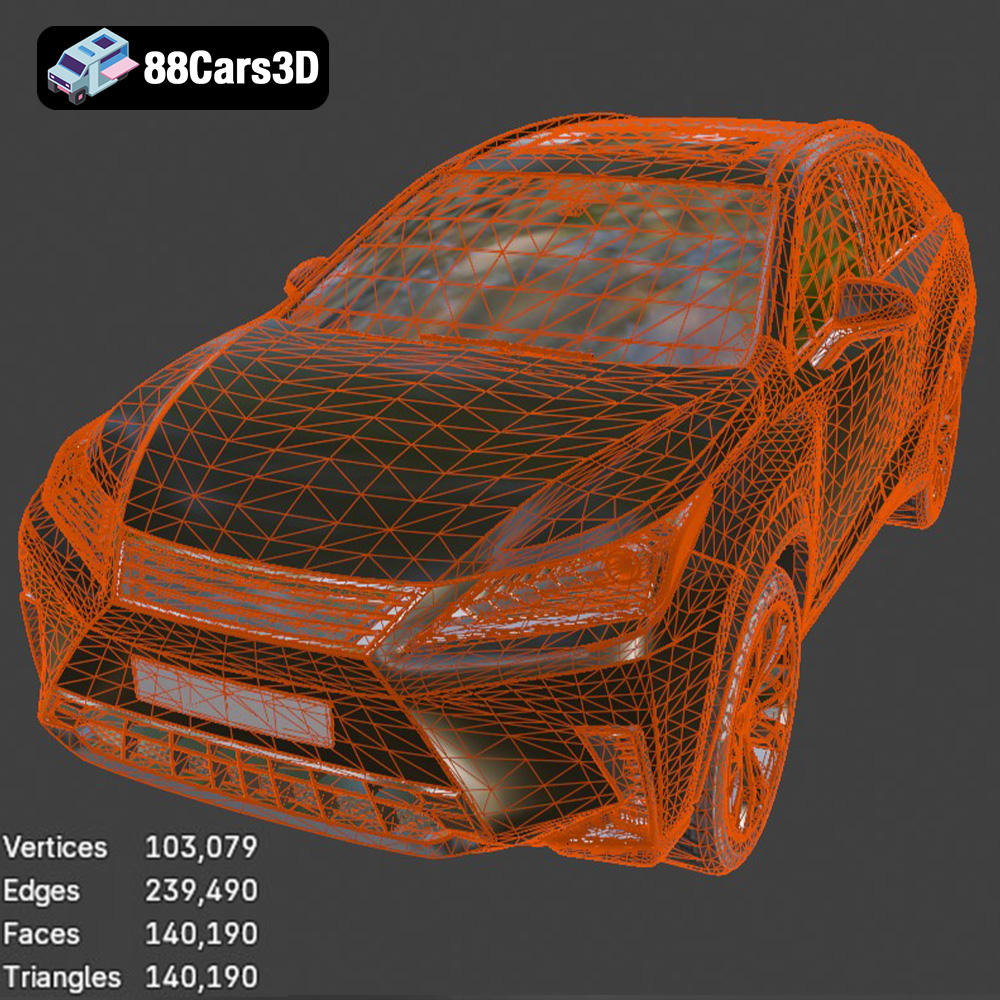
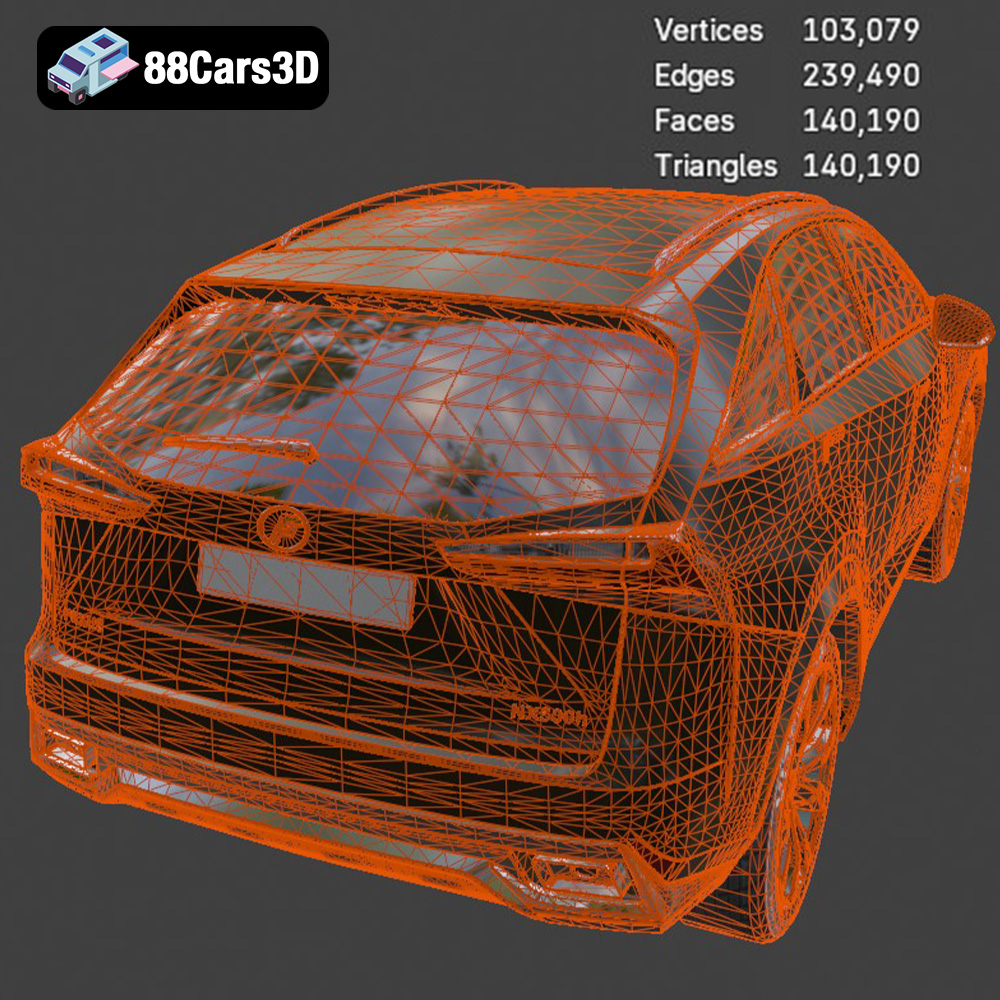
Game engines like Unreal Engine and Unity require assets that are not only visually appealing but also highly optimized to maintain stable frame rates. The Fexus NX 300h’s specified ~300,000 triangle count is a sweet spot for modern high-fidelity games:
The ability to customize and interact with a vehicle in real-time is a powerful sales and marketing tool. For automotive brands looking to create virtual showrooms or interactive configurators, the Fexus NX 300h is an ideal candidate:
In demanding simulations and expansive open-world games, the Fexus NX 300h’s “game-ready” status translates directly into performance and authenticity. Its real-world scale accuracy ensures it fits perfectly within simulated environments, while the optimized polycount prevents it from becoming a performance bottleneck when many vehicles are present. The detailed undercarriage and accurate independent suspension geometry also contribute to a more convincing physics simulation, enhancing the overall driving experience. Assets of this caliber are a testament to the quality available on marketplaces like 88cars3d.com, empowering developers to build richer worlds.
A truly professional 3D car model is distinguished by its holistic attention to detail, encompassing both its outward appearance and its hidden complexities. The Fexus NX 300h model exemplifies this, offering a comprehensive and meticulously crafted digital representation of its real-world counterpart.
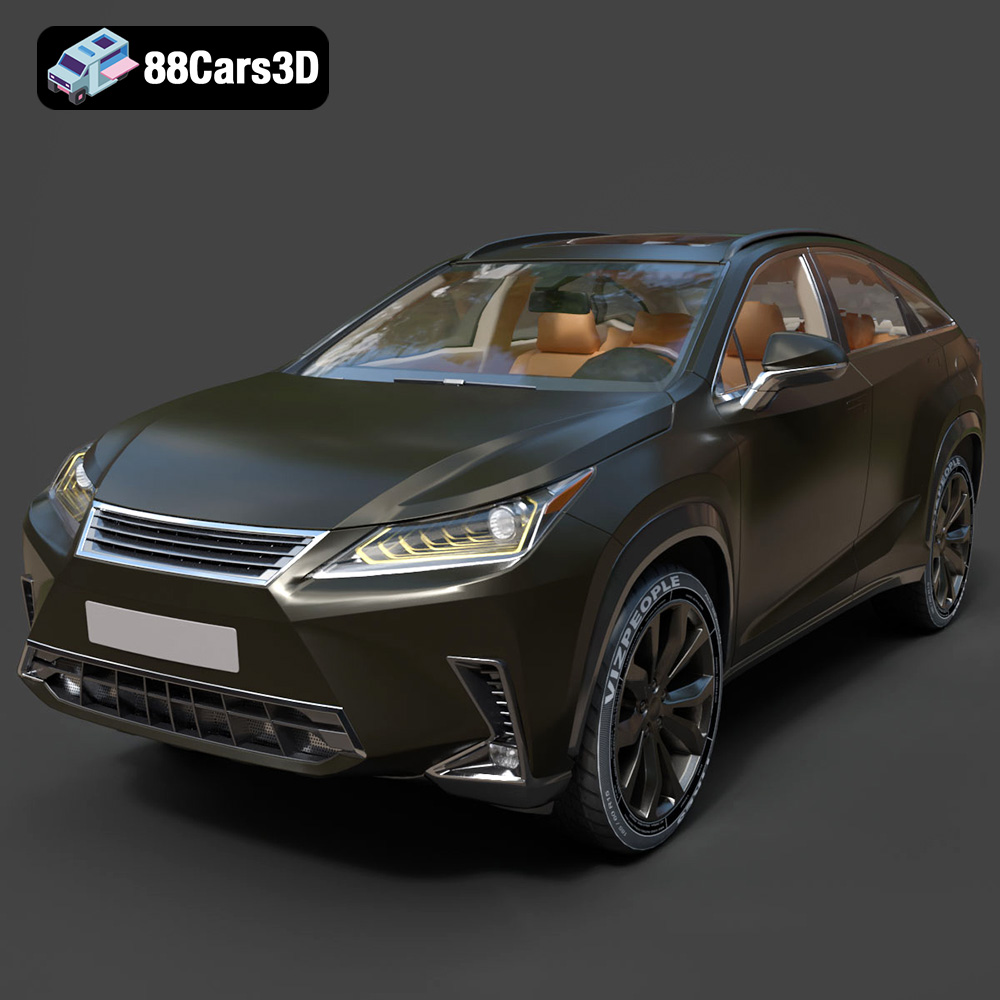
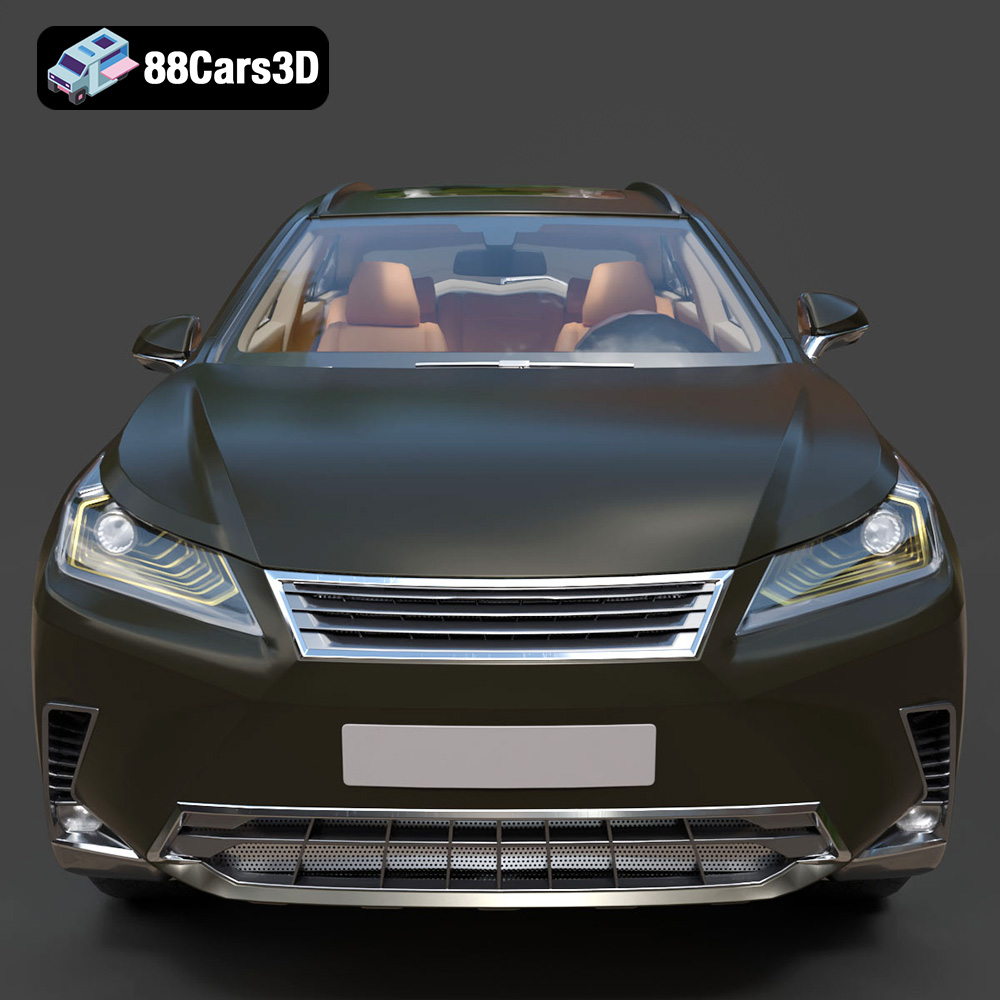
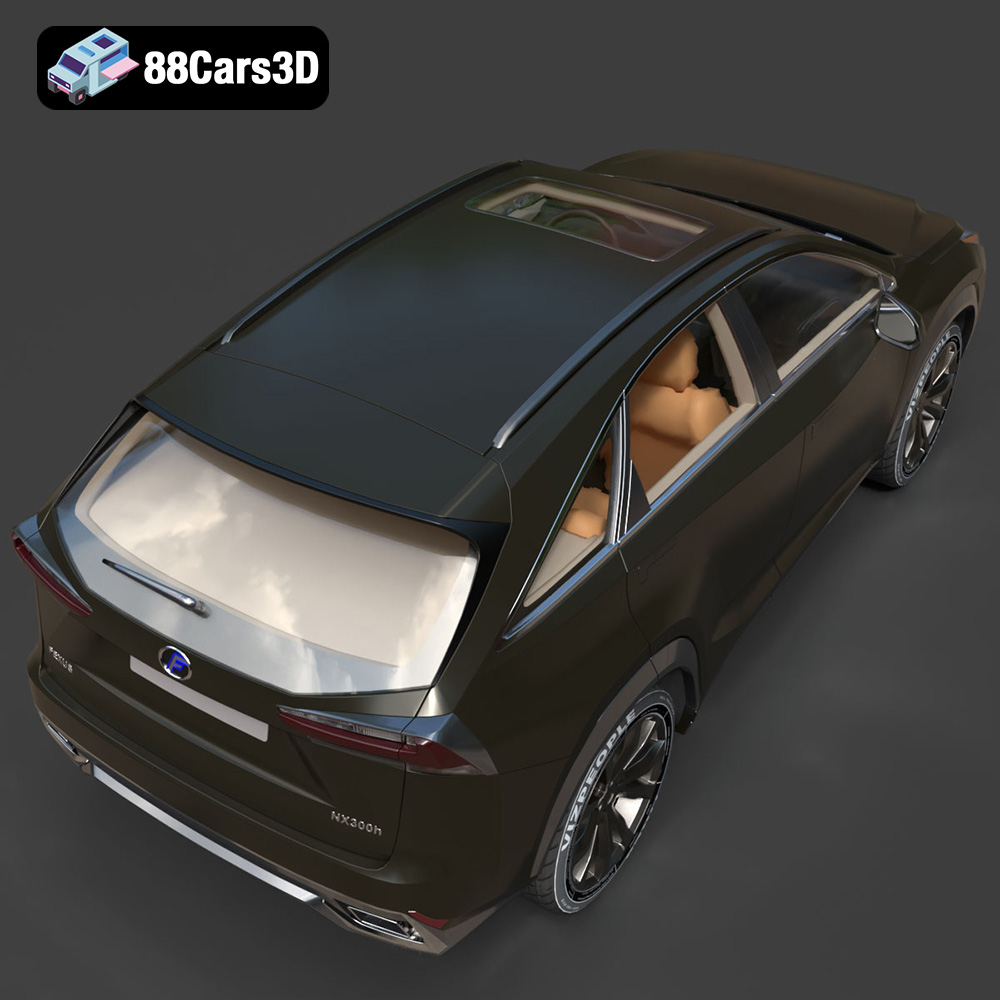
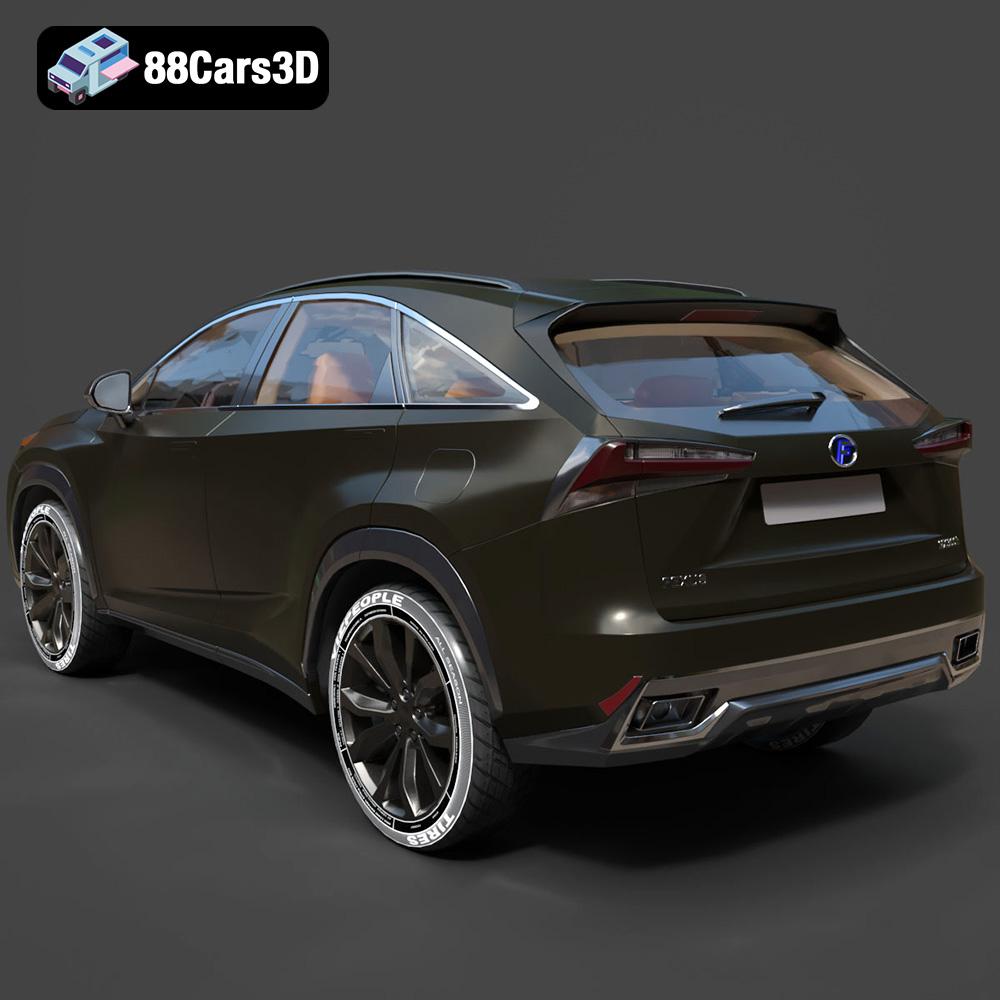
The Fexus NX 300h’s exterior design is characterized by “highly aggressive styling cues,” and the 3D model faithfully reproduces these elements. This includes:
These elements are not merely present; they are accurately proportioned and separated, allowing for individual material assignment, damage modeling, or animation.
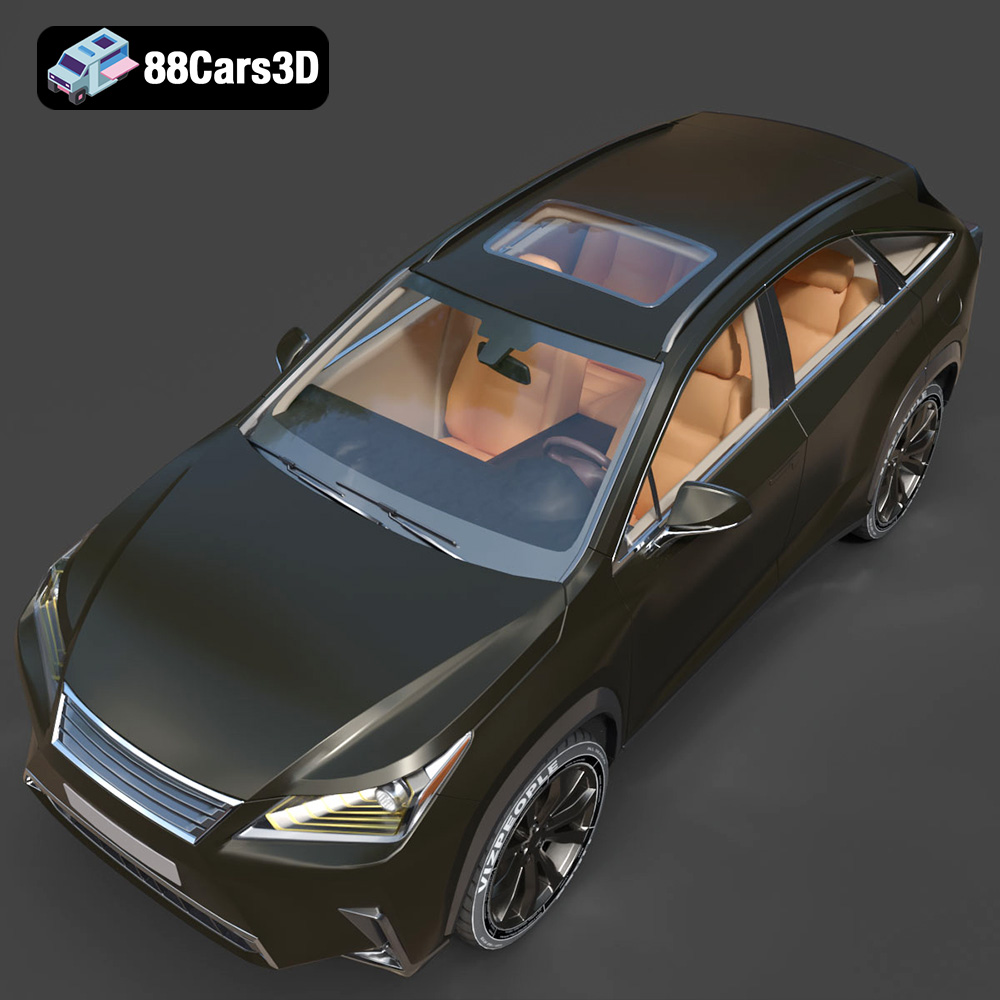
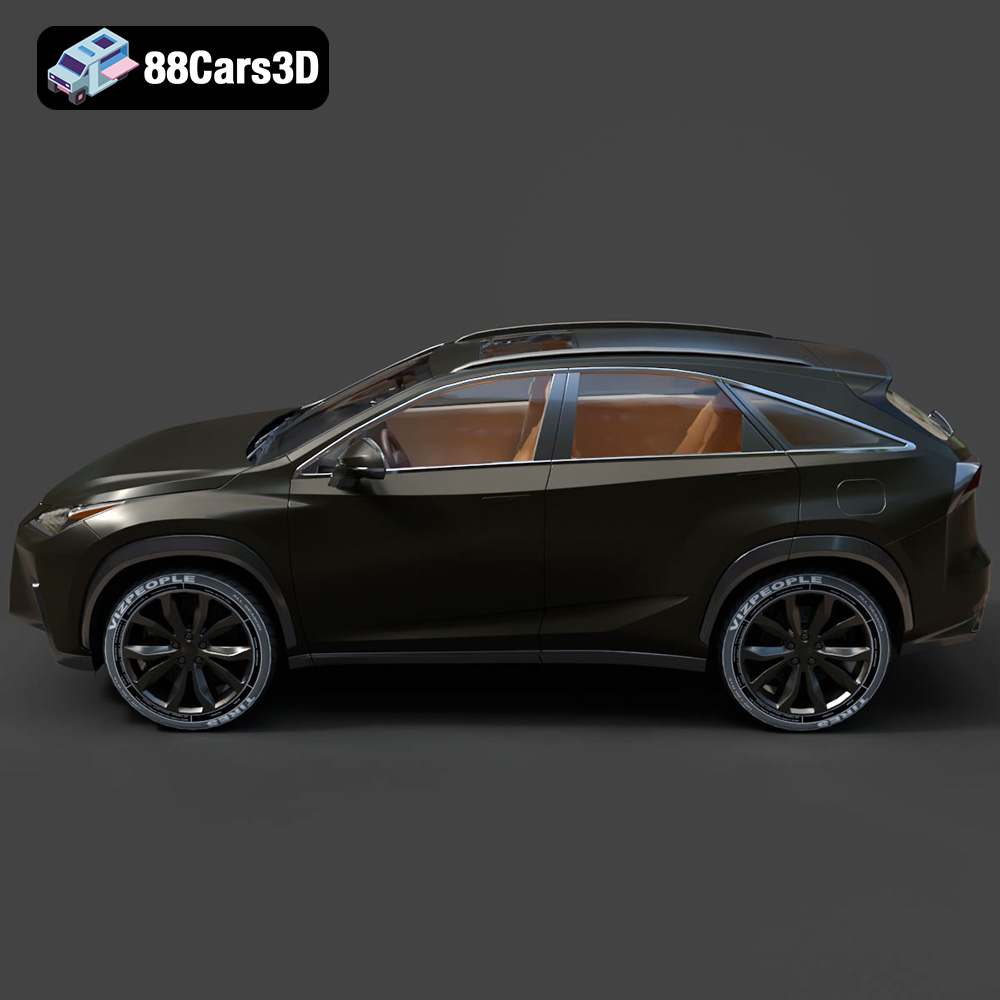
For simulations, first-person views in games, or virtual tours, the interior of a vehicle is as crucial as its exterior. The Fexus NX 300h’s interior details are designed for maximum immersion:
The optimized geometry for first-person POV ensures that the interior holds up to scrutiny from a player’s perspective, enhancing the sense of presence in a virtual cockpit.
Beyond static beauty, the Fexus NX 300h is built for motion. Its technical specifications explicitly mention proper pivot setup for steering, wheel rotation, and suspension travel. This is a critical advantage for animators and game developers:
The utility of high-quality 3D car models extends beyond digital screens into the physical world, thanks to additive manufacturing. The Fexus NX 300h 3D model, specifically optimized for this purpose with its .stl format, opens up exciting possibilities for enthusiasts and professionals alike.
3D printing a complex object like a car model requires careful preparation and an understanding of the technology’s nuances. The Fexus NX 300h’s .stl file is designed to be convertible and suitable for display-scale hobbyists. Key considerations and recommended settings include:
The model’s clean topology ensures that the .stl conversion results in a watertight, manifold mesh, preventing common printing errors.
Once printed, the physical Fexus NX 300h model requires post-processing to achieve a professional, display-quality finish. This typically involves:
From digital render to physical artifact, a high-quality 3D asset like the Fexus NX 300h offers endless creative possibilities for modelers, collectors, and designers.
The digital automotive landscape is continually pushing the boundaries of realism and interactivity. Whether for cinematic renders, immersive game worlds, interactive configurators, or even tangible 3D prints, the demand for meticulously crafted 3D car models is paramount. The Fexus NX 300h 3D model stands as a testament to the versatility and quality required in today’s demanding production pipelines.
With its optimized topology, comprehensive range of file formats (from .blend for native editing to .fbx for game engines and .stl for 3D printing), and exceptional attention to both exterior and interior detail, this model provides a robust foundation for any project. It empowers artists and developers to streamline their workflows, achieve stunning visual fidelity, and deliver captivating experiences across multiple mediums. For professionals seeking premium 3D assets that blend technical excellence with aesthetic appeal, exploring the curated selection of high-quality 3D car models available on 88cars3d.com is a definitive step towards elevating their digital creations.
Experience the perfect blend of modern luxury and striking design with the Fexus NX300h. This premium compact hybrid SUV features highly aggressive styling cues, including a signature bold front grille, deeply sculpted aerodynamic side panels, and sharp, angular LED lighting that commands attention. The design perfectly balances urban sophistication with rugged utility, showcasing detailed hybrid engine components and a beautifully integrated exhaust system. This meticulously crafted 3D model boasts exceptional quality with an optimized topology of approximately 300,000 triangles. It delivers stunning visual fidelity while maintaining the strict performance requirements necessary for real-time applications. Whether deployed in high-end game engines, interactive web experiences, or photorealistic studio renders, the model offers flawless shading, accurate edge flows, and logically separated components for immediate integration. Perfect for modern urban driving simulators, architectural visualization populating, interactive virtual car configurators, and high-quality lifestyle rendering scenes.
$19.99
.blend
.fbx
.glb
.luxury suv
.max
.obj
.ply
.rendering
.stl
.unreal
car-3d-model
compact-suv
fexus
game asset
game-ready
hybrid-suv
low-poly
nx300h
optimized
VR/AR