Get 20% OFF All Premium 3D & STL Models!

In the world of 3D modeling, the fusion of historical accuracy and technical precision opens up a universe of creative possibilities. From the intricate gears of a classic timepiece to the sprawling landscapes of a fantastical realm, digital assets empower artists, developers, and designers to craft compelling visual narratives. Few subjects embody this blend of history and technology as powerfully as vintage military vehicles. Their rugged forms, intricate mechanisms, and storied pasts provide an endless source of inspiration and technical challenge.
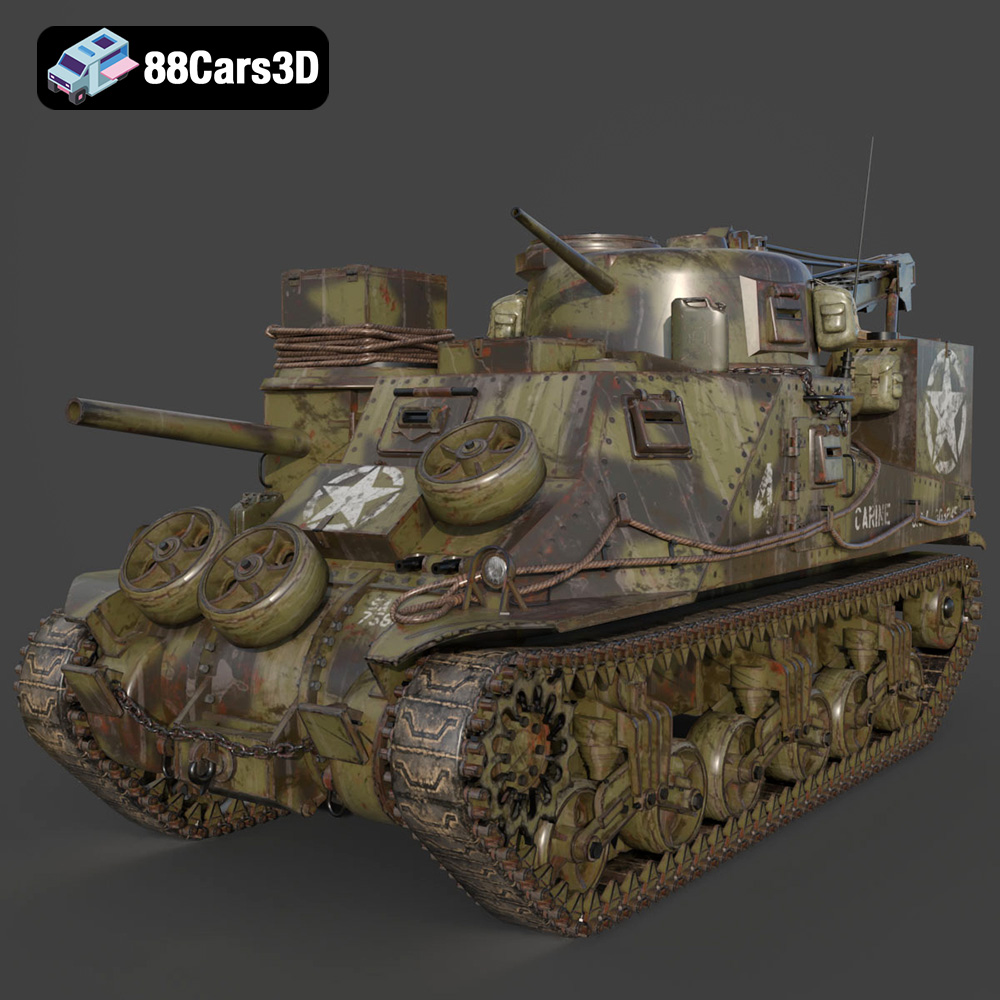
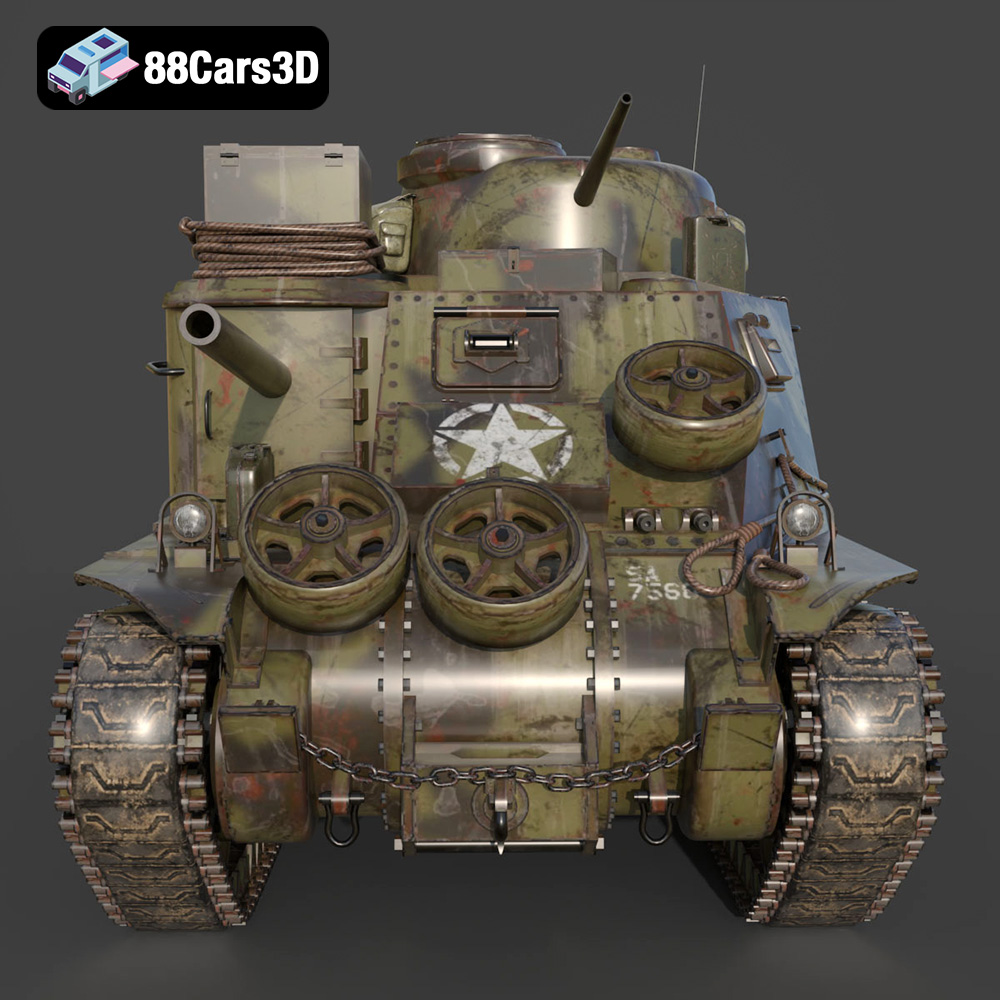
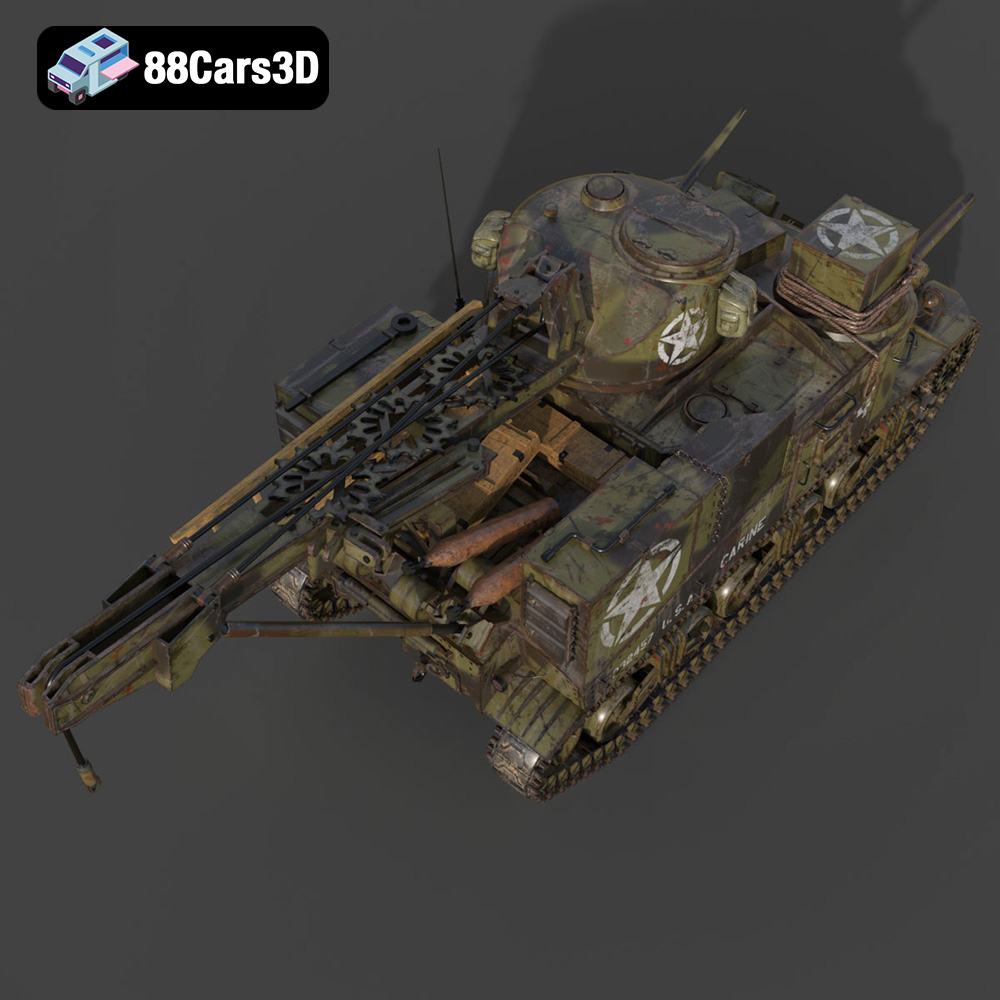
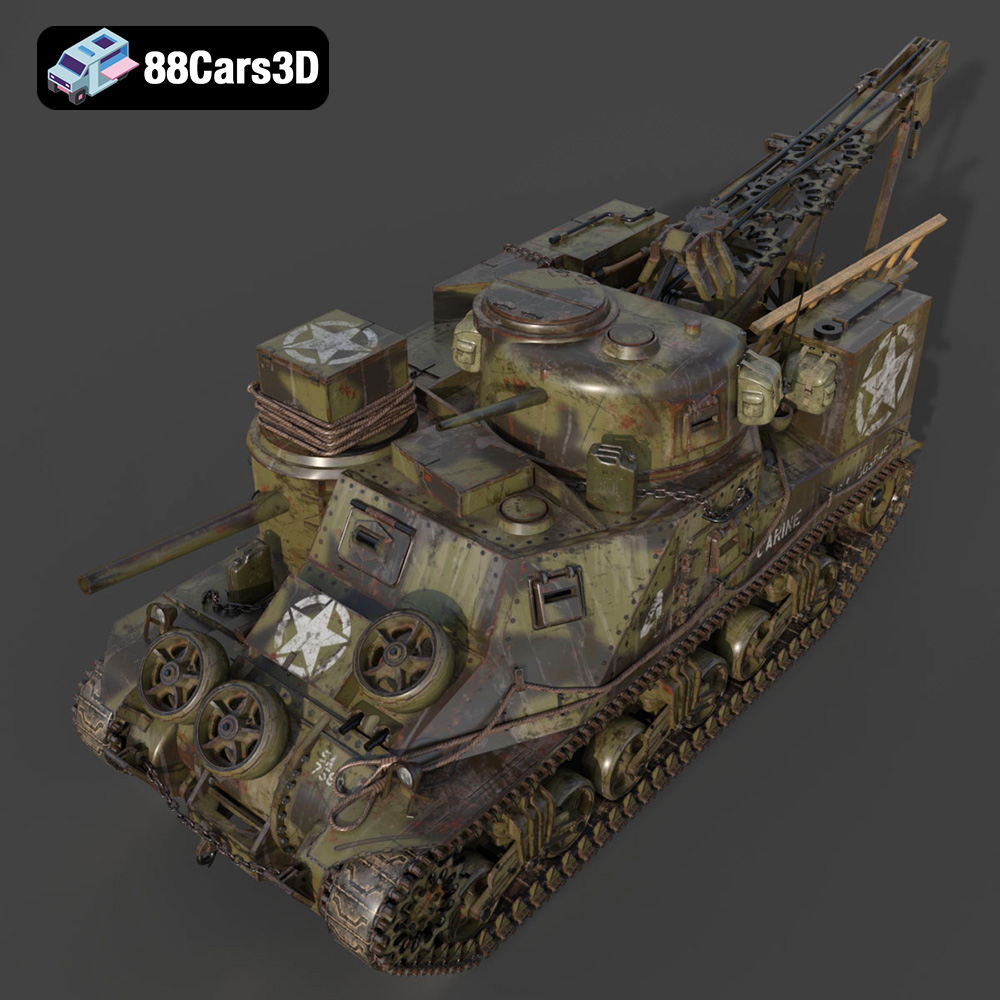
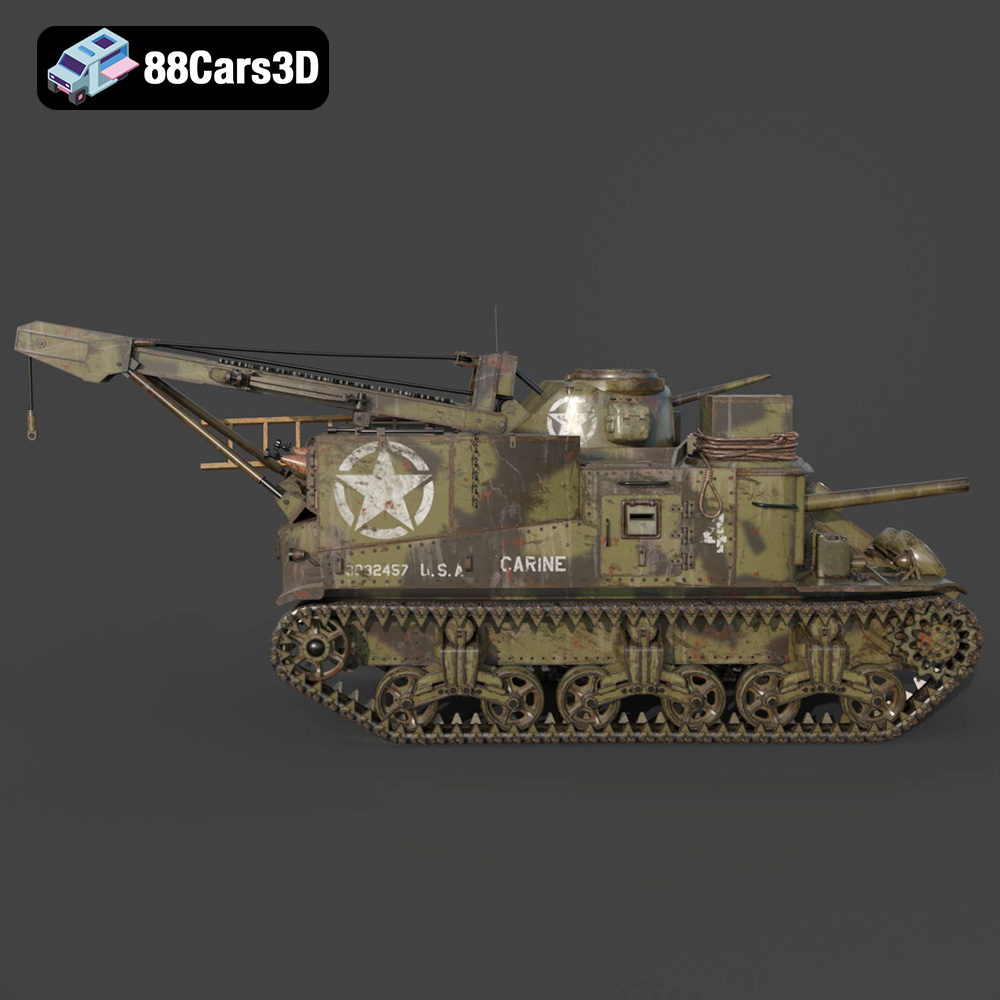
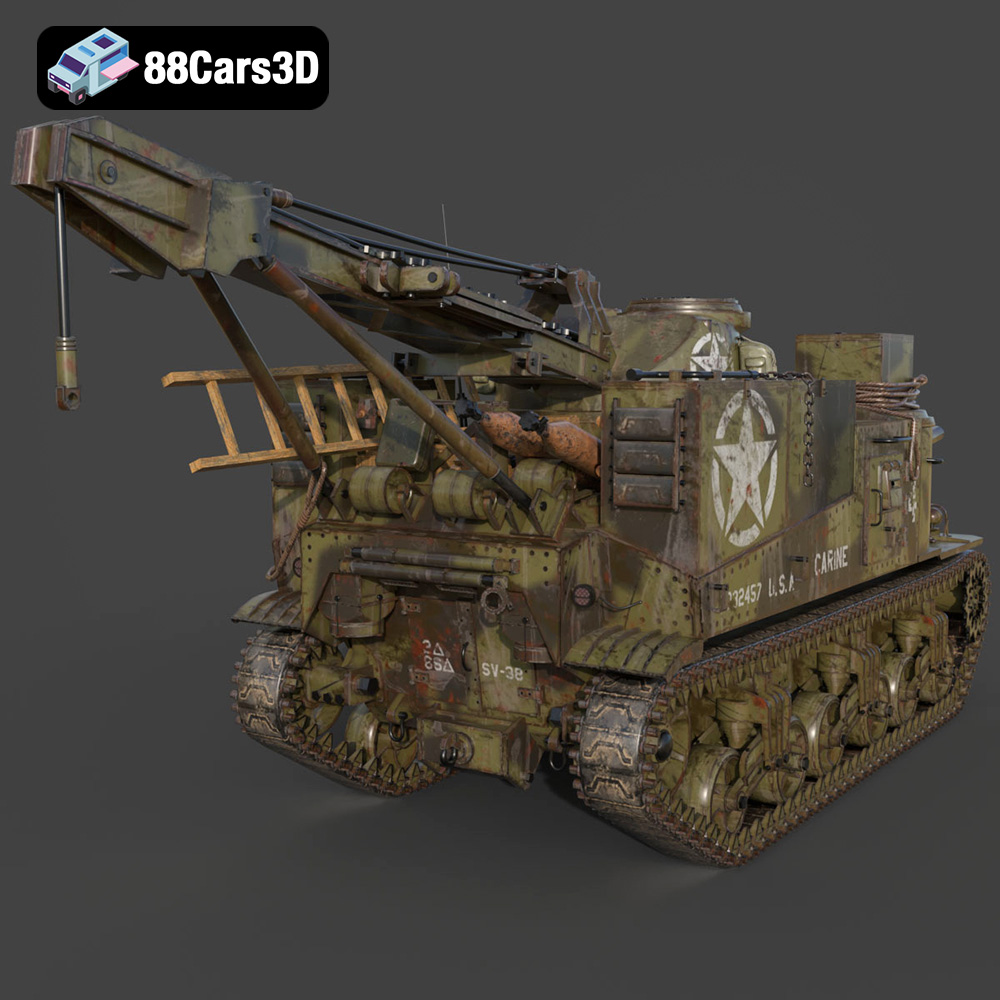
Today, we delve into a remarkable example that encapsulates this spirit: the M31 Recovery Vehicle. A legendary workhorse of World War II, this specialized armored recovery vehicle (ARV), built on the robust M3 Lee chassis, played a crucial role on countless battlefields. Its iconic dummy turret and 75mm gun were more than just camouflage; they were a testament to ingenuity in a time of conflict. Now, thanks to meticulous 3D modeling, this piece of history is accessible for modern applications. The M31 Recovery Vehicle 3D Model, available on 88cars3d.com, offers an unparalleled level of detail and versatility, making it an indispensable asset for automotive rendering, game development, AR/VR experiences, and visualization projects.
One of the most critical aspects of working with 3D assets, especially high-quality 3D car models like the M31 Recovery Vehicle, is understanding the various file formats. Each format serves a specific purpose, catering to different software, workflows, and end applications. The availability of multiple formats ensures maximum compatibility and efficiency for professionals across industries. The M31 Recovery Vehicle 3D Model package exemplifies this versatility by including a comprehensive suite of options, each optimized for distinct uses.
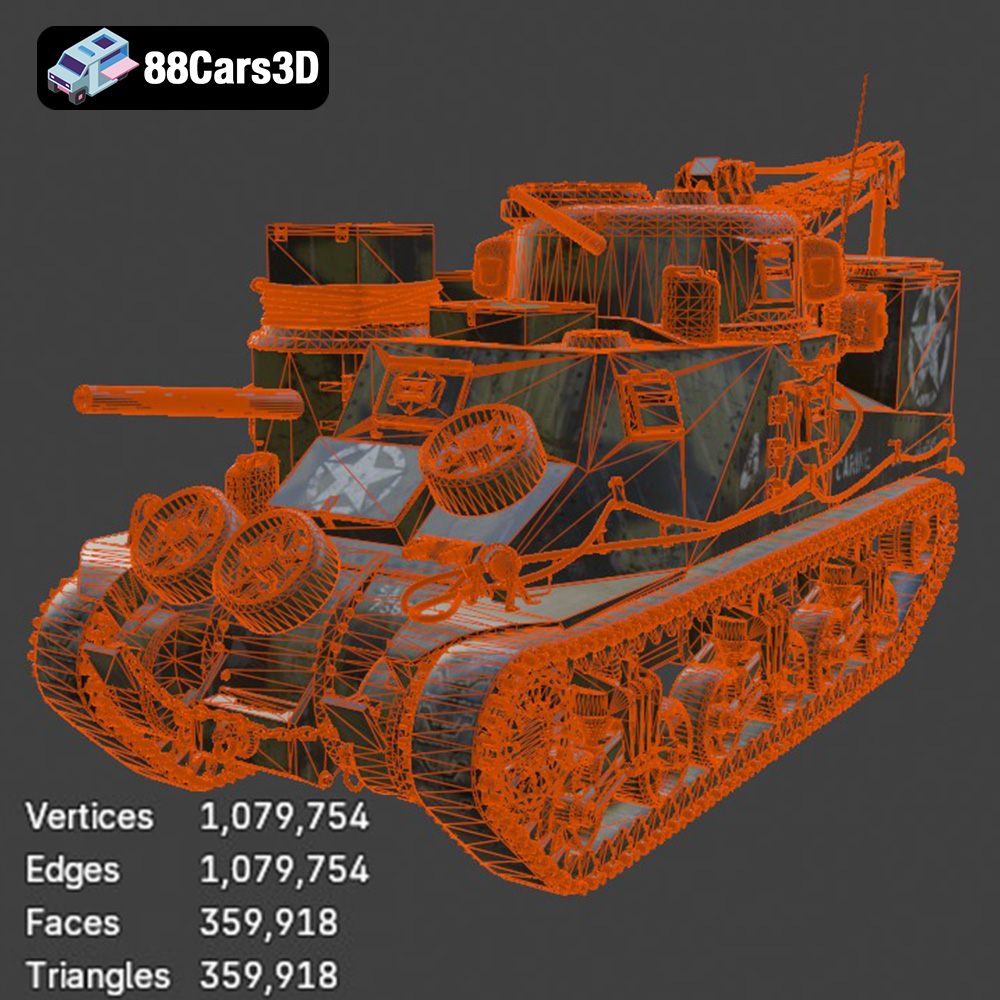
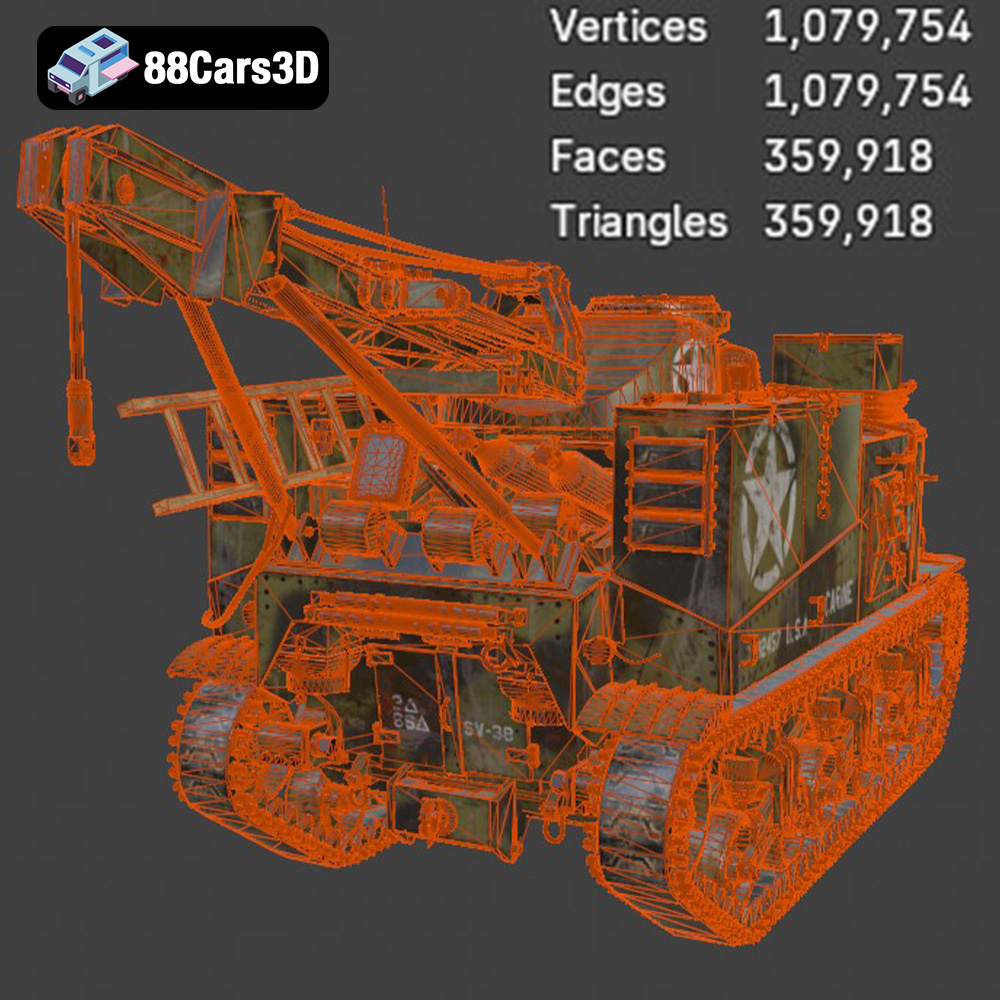
The FBX (Filmbox) is a proprietary file format owned by Autodesk and has become an industry-standard for exchanging 3D data between various applications. Its strength lies in its ability to store not just mesh geometry and UV maps, but also animation data, skeletal rigs, and PBR (Physically Based Rendering) materials. This makes the .fbx version of the M31 Recovery Vehicle invaluable for game development workflows, particularly for engines like Unreal Engine and Unity, where animation and complex material setups are paramount. It’s also widely supported by major 3D software like 3ds Max, Maya, and Cinema 4D, ensuring smooth asset transfer for complex pipelines. The .obj (Wavefront OBJ) format is one of the oldest and most widely supported 3D file formats. While it primarily stores geometry (vertices, normals, texture coordinates) and references to external material files (.mtl), it does not typically support animation, rigging, or complex material networks. Its universality, however, makes the .obj version of the M31 Recovery Vehicle an excellent choice for broad cross-software compatibility. If you need a clean mesh to import into virtually any 3D application for basic rendering or further modeling, .obj is often the go-to. It’s a robust format for sharing static models. GLB is the binary version of the glTF (GL Transmission Format) standard, which is quickly becoming the “JPEG of 3D.” Designed for efficient transmission and loading of 3D scenes and models by applications, it packages geometry, materials, textures, and animation into a single compact file. The .glb version of the M31 Recovery Vehicle is perfectly optimized for AR, VR, and browser-based display, making it ideal for interactive web experiences, virtual product configurators, or augmented reality applications on mobile devices. Its compact nature and real-time performance make it a cutting-edge choice for immersive digital content. STL (Stereolithography) is the most common file format for 3D printing. It represents a 3D model as a series of connected triangles (a triangulated mesh) without any color, texture, or material information. The .stl format of the M31 Recovery Vehicle allows hobbyists, model makers, and even educational institutions to physically reproduce the historical vehicle. It’s crucial for users intending to 3D print the model, providing a direct pipeline to manufacturing, often requiring careful preparation and slicing in dedicated 3D print software to ensure structural integrity and detail. The PLY (Polygon File Format) is a file format for storing graphical objects that is often used for scanned 3D data. It can store various properties for vertices, faces, and edges, including color, transparency, surface normals, and range data. While less common for artistic rendering, the .ply version of the M31 Recovery Vehicle can be valuable for precision mesh analysis, scientific visualization, or integration into CAD (Computer-Aided Design) workflows where detailed geometric data and topological integrity are paramount. It’s a robust format for data exchange in engineering and research contexts. The inclusion of an .unreal file or a specifically prepared Unreal Engine asset package (often leveraging FBX imports) signifies a model that has been optimized and configured for direct use within Unreal Engine. This means the M31 Recovery Vehicle asset would typically come with materials properly set up, collision meshes defined, and potentially even LODs (Levels of Detail) pre-configured for optimal real-time performance. This saves game developers significant time in asset preparation, allowing for immediate integration into game worlds and simulations, critical for projects demanding quick iteration and high visual quality. Finally, the .max file is the native project file for Autodesk 3ds Max, a leading software for 3D modeling, animation, and rendering. Like the .blend file, this format provides full access to the original scene, including modifiers, materials, lighting setups, and animation data within the 3ds Max environment. For artists and studios that rely on 3ds Max for their automotive rendering and visualization projects, the .max file ensures complete control over the M31 Recovery Vehicle model, enabling complex animation, detailed material adjustments, and high-fidelity rendering outputs. The comprehensive range of these file formats for the M31 Recovery Vehicle 3D Model underscores its professional-grade quality and its adaptability to nearly any project pipeline, truly making it a versatile asset for any digital arsenal. The M31 Recovery Vehicle 3D Model is not merely a collection of polygons; it’s a meticulously crafted digital artifact that pays homage to a crucial piece of military history. Every curve, rivet, and mechanical component has been faithfully recreated, offering an unparalleled level of historical accuracy and visual fidelity. This attention to detail is what transforms a simple 3D model into an invaluable asset for serious projects. From the moment you inspect this 3D model, the commitment to historical accuracy is evident. The iconic M3 Lee frame geometry and proportions, the very foundation of the M31, are perfectly replicated. You can observe the intricate riveted hull, a hallmark of WWII era tank construction, which contributes significantly to its realistic appearance. The heavy-duty crane boom and its associated rigging system, central to the vehicle’s recovery function, are not just aesthetic additions but are designed with a functional understanding, featuring separate components that allow for realistic animation. Similarly, the rear-mounted Gar Wood winch assembly is accurately modeled, highlighting its operational importance. The distinctive dummy turret and 75mm gun barrel, which served a dual purpose of deception and counterweight, are also accurately represented. Further adding to its realism are the intricate VVSS (Vertical Volute Spring Suspension) bogies and authentic World War II era tracks and drive sprockets, all separated for independent movement and animation, crucial for lifelike simulations and dynamic scenes. This level of granular detail makes the M31 Recovery Vehicle 3D Model an exceptional resource for historical accuracy in any project. While often overlooked in general-purpose models, the interior of the M31 Recovery Vehicle 3D Model offers a surprising depth of detail, especially valuable for first-person perspectives in gaming or detailed cinematics. The commander and driver access hatches are not just present but are designed to open, revealing interior structural cues. This allows for immersive scenes where characters might enter or exit the vehicle. Inside, the authentic WW2-era dashboard gauges and instrumentation are meticulously recreated, along with rugged military-grade control levers and pedals. This optimized geometry for first-person POV ensures that whether your project is a historical simulator, a VR experience, or a detailed animation, the internal environment holds up to scrutiny. Such comprehensive detailing is a testament to the model’s high quality and suitability for a wide range of demanding applications, making it more than just an exterior shell. In the realm of modern 3D projects, especially game development and real-time applications, striking the perfect balance between visual fidelity and performance is paramount. A model can be stunningly detailed, but if it cripples frame rates or consumes excessive memory, its utility is severely limited. The M31 Recovery Vehicle 3D Model excels in this regard, engineered to deliver both breathtaking realism and efficient performance. The M31 Recovery Vehicle 3D Model boasts an approximate triangle count of 200,000. This figure represents what industry professionals often refer to as the “goldilocks zone” for highly detailed game-ready assets. For real-time engines like Unreal and Unity, 200,000 triangles provide enough geometric resolution to capture the intricate details of the riveted hull, the crane mechanism, and the suspension without becoming overly burdensome on the GPU. This optimized polycount ensures that the model can be seamlessly integrated into complex scenes with multiple other assets, maintaining smooth frame rates crucial for immersive gameplay or interactive AR/VR experiences. For high-end automotive rendering and visualization, this level of detail allows for stunning close-up shots without needing excessive tessellation, while also keeping render times manageable. It’s a strategic decision that delivers exceptional visual realism without compromising on performance, a core advantage for any professional workflow. Beyond its polycount, the M31 Recovery Vehicle 3D Model is designed for effortless integration into professional pipelines. Its compatibility with major 3D software platforms and real-time rendering engines is a significant advantage, backed by the inclusion of various file formats. Crucially, the model features proper pivot setups for key animated components. The crane rotation, track movement, and suspension travel are all pre-configured, drastically reducing setup time for animators and technical artists. For game developers, this means the vehicle is practically plug-and-play in environments like Unreal Engine. Artists can focus on creating compelling scenarios, battle-worn textures, or dynamic cinematics, rather than spending hours preparing a basic rig. This thoughtful engineering makes the M31 Recovery Vehicle a truly game-ready asset, streamlining development and enabling creators to bring their visions to life more efficiently. When considering 3D car models or military game assets, such inherent optimization is a hallmark of quality that 88cars3d.com consistently delivers. The versatility of a high-quality 3D model like the M31 Recovery Vehicle extends across numerous industries, proving its value in diverse professional contexts. Its detailed craftsmanship and optimized design make it suitable for projects ranging from blockbuster games to historical documentaries and innovative immersive experiences. For game developers, the M31 Recovery Vehicle 3D Model is an indispensable asset. Its game-ready optimization and approximately 200,000 triangle count make it perfect for integration into historical simulators, open-world war games, and tactical VR experiences. Imagine a player driving this very vehicle through a historically accurate WWII battleground in a next-generation simulation. The meticulously modeled VVSS suspension and articulated tracks allow for realistic traversal over rough terrain, enhancing the player’s immersion. Developers can easily deploy this model as a playable vehicle, an interactive environment prop, or even as part of a cinematic sequence. Studios working on titles that demand a high degree of historical accuracy, such as those depicting specific battles or logistical operations, will find this model saves immense development time. Instead of building from scratch, artists can focus on scenario design, AI behaviors, and unique gameplay mechanics, knowing the core vehicle asset is robust and visually stunning. Beyond traditional gaming, the M31 Recovery Vehicle 3D Model shines in augmented reality (AR) and virtual reality (VR) applications. Its optimized geometry and inclusion of the .glb format make it ideal for creating immersive virtual showrooms, interactive museum exhibits, or educational tools. Imagine a user exploring the M31 in a VR environment, walking around it, inspecting its crane boom, or even stepping inside the commander’s hatch to view the authentic dashboard. For historical visualization projects, this model can bring static historical photos to life, allowing researchers and enthusiasts to interact with the vehicle in ways previously impossible. In educational settings, it can serve as a powerful teaching aid, enabling students to understand the engineering and operational context of WWII military vehicles directly. The ability to present such a detailed and historically significant vehicle in an interactive, real-time 3D space opens new avenues for engagement and learning. For high-end rendering and visualization, the M31 Recovery Vehicle 3D Model is a dream asset. Filmmakers producing documentaries, advertising agencies creating historical brand campaigns, or architectural visualization studios depicting military bases can leverage its detail for breathtaking cinematics and photorealistic stills. The clean geometry ensures stunning close-up renders, allowing for dramatic lighting and material studies. Artists can depict the vehicle in pristine factory condition or heavily weathered from battle, depending on the narrative. Furthermore, the inclusion of the .stl format, alongside detailed 3D print settings, opens up an exciting avenue for physical creation. Hobbyists, scale modelers, and even museums can 3D print the M31 at various scales (recommended 1:35, 1:48, 1:72). The provided print guidelines, including layer height, wall thickness, infill, and support recommendations, ensure successful physical reproductions. This dual utility – digital rendering and physical fabrication – truly makes the M31 Recovery Vehicle a versatile and valuable asset for creators across a broad spectrum of disciplines. The value of a premium 3D model extends beyond its initial fidelity; it’s also about its adaptability and the creative freedom it offers. The M31 Recovery Vehicle 3D Model is designed with customization in mind, providing artists and developers with the tools to tailor it perfectly to their unique project requirements and aesthetic visions. The included file formats, particularly .blend and .max, provide full access to the model’s components and materials, enabling extensive customization. Artists can easily modify the hull colors to reflect different historical periods or operational theaters. Imagine the M31 in classic Olive Drab for a European theater scene, a pristine winter camouflage for a snow-laden battleground, or even a dusty desert scheme for North African campaigns. The flexibility extends to textures as well; creators can change the track and mud textures to depict a battle-damaged veteran of countless skirmishes or a factory-fresh vehicle ready for deployment. Material finishes can also be adjusted, from a matte military paint that absorbs light to rusted metal surfaces that tell a story of abandonment and decay. Beyond surface aesthetics, the model’s clean topology allows for further geometric modification or the addition of custom equipment, tools, or battle damage. This level of creative control ensures that the M31 Recovery Vehicle can be seamlessly integrated into any narrative or visual style, becoming a unique asset rather than a generic placeholder. Investing in a comprehensively designed asset like the M31 Recovery Vehicle from 88cars3d.com offers significant advantages in professional production environments. The availability of multiple file formats, combined with optimized geometry and proper pivot setups, drastically reduces development time and resource expenditure. Instead of spending weeks on modeling, rigging, and texturing a complex historical vehicle, artists can drop this high-quality asset directly into their scene and immediately begin focusing on lighting, animation, and storytelling. This efficiency is critical for meeting tight deadlines and managing project budgets. Furthermore, the detailed documentation and the thoughtful separation of components for animation empower even complex interactions, such as extending the crane boom or operating the rear winch. Whether you’re building a massive open-world game, creating a historically accurate visualization, or developing an interactive AR experience, the M31 Recovery Vehicle 3D Model provides a robust foundation, allowing your team to allocate resources to the unique aspects of your project. It’s a smart choice for anyone looking to elevate their digital content with professional-grade 3D car models and game assets. The M31 Recovery Vehicle stands as a testament to wartime ingenuity, a crucial mechanical beast that aided the Allied forces through some of history’s most challenging conflicts. In the digital realm, its legacy continues to thrive through exceptional 3D modeling. The M31 Recovery Vehicle 3D Model offers an unparalleled blend of historical accuracy, technical optimization, and versatile compatibility, making it an indispensable asset for a diverse array of creative and professional applications. From its meticulously replicated exterior and surprisingly detailed interior to its game-ready polycount and comprehensive file format support, every aspect of this model is engineered for excellence. Whether you’re a game developer crafting immersive historical simulations, an AR/VR enthusiast building interactive experiences, a visual artist producing high-end cinematics, or a hobbyist looking to 3D print a piece of history, the M31 Recovery Vehicle provides the foundation for success. Its adaptability, fueled by extensive customization options, ensures it can seamlessly integrate into and elevate any project. For those seeking top-tier 3D car models and game assets, the M31 Recovery Vehicle 3D Model is a prime example of the quality and versatility available. Explore this remarkable piece of digital engineering and countless other premium assets by visiting 88cars3d.com. Empower your creative vision and bring your projects to life with assets that truly deliver on detail, performance, and historical authenticity. The M31 Recovery Vehicle, also known as the T2 Tank Recovery Vehicle, is a legendary piece of World War II military engineering. Built upon the rugged and proven chassis of the M3 Lee medium tank, this specialized armored recovery vehicle (ARV) features its iconic dummy turret and dummy 75mm gun, deliberately designed to deceive enemy forces while functioning as a heavy-duty battlefield lifter. The 3D model meticulously captures its riveted hull, heavy crane boom mechanism, and distinctive rear winch setup. $19.99 .blend .fbx .glb .max .obj .ply .rendering .stl .tank .unreal .ww2 game asset game-ready low-poly m31 military-3d-model military-vehicle optimized recovery-vehicle VR/AR.fbx – The Industry Standard for Interoperability
.obj – The Universal Geometry Carrier
.glb – Optimized for Web, AR, and VR
.stl – For the World of 3D Printing
.ply – Precision Mesh for CAD or Analysis
.unreal – Engine-Ready for Real-Time Environments
.max – The 3ds Max Project File
The M31 Recovery Vehicle: A Masterclass in 3D Modeling Accuracy
Exterior Authenticity and Engineering Detail
Interior Fidelity for Immersive Experiences
Optimizing for Performance and Visual Fidelity: Game-Ready Assets
The Goldilocks Zone of Polycount
Workflow Integration: From Concept to Engine
Real-World Applications and Case Studies
Dominating the Digital Battleground: Game Development
Immersive Experiences: AR/VR and Visualization
Bringing History to Life: High-End Rendering and 3D Printing
Elevating Your Projects with Customization and Flexibility
Tailoring the M31 to Your Vision
The Advantage of a Comprehensive Asset
Conclusion
Featured 3D Model
M31 Recovery Vehicle 3D Model Download STL FBX OBJ GLB Blend
Product Image Gallery
Related Tags

Author: Nick