Get 20% OFF All Premium 3D & STL Models!

In the dynamic worlds of automotive design, immersive game development, and breathtaking architectural visualization, the quality of your 3D assets can make or break a project. The demand for highly detailed, accurately modeled, and technically optimized 3D car models is constantly escalating, pushing artists and developers to seek out resources that deliver both visual fidelity and performance efficiency. Whether you’re a seasoned professional crafting a hyper-realistic commercial render or an indie developer building the next open-world driving sensation, the foundation of your success often lies in the quality of your digital vehicles.
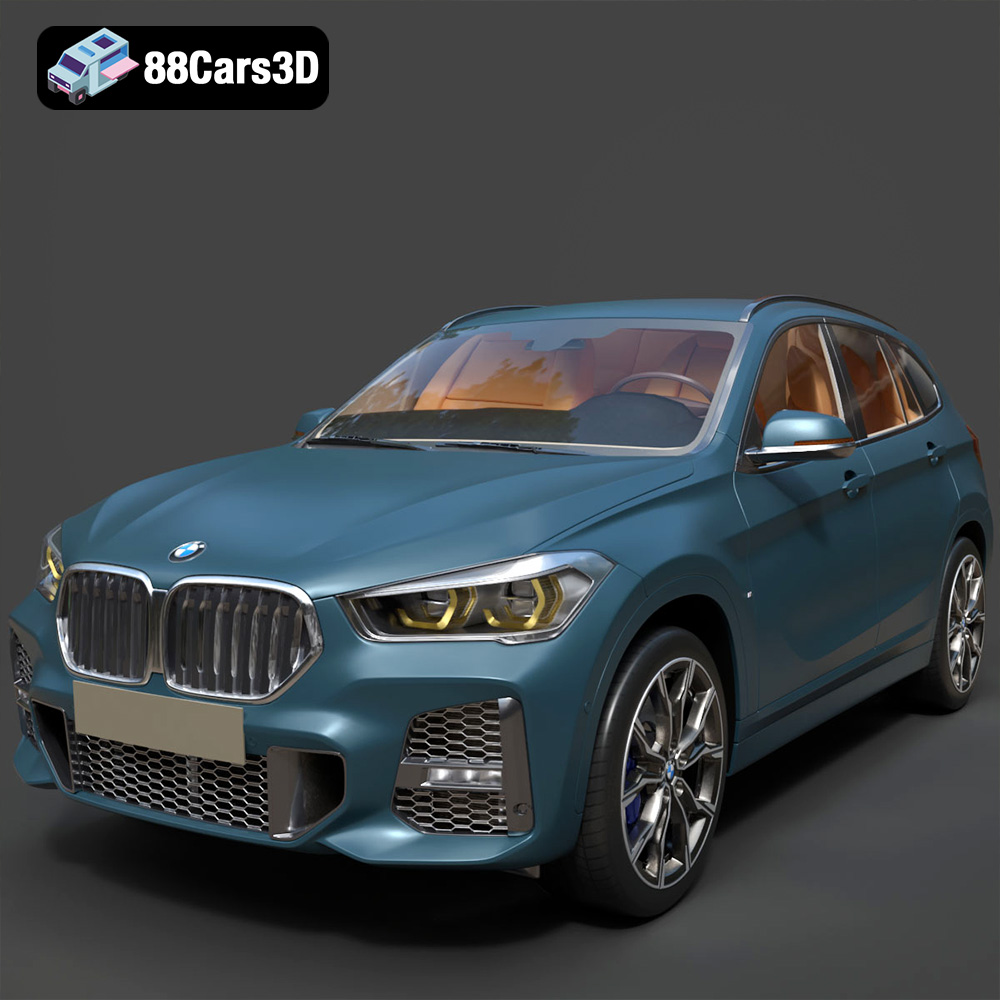
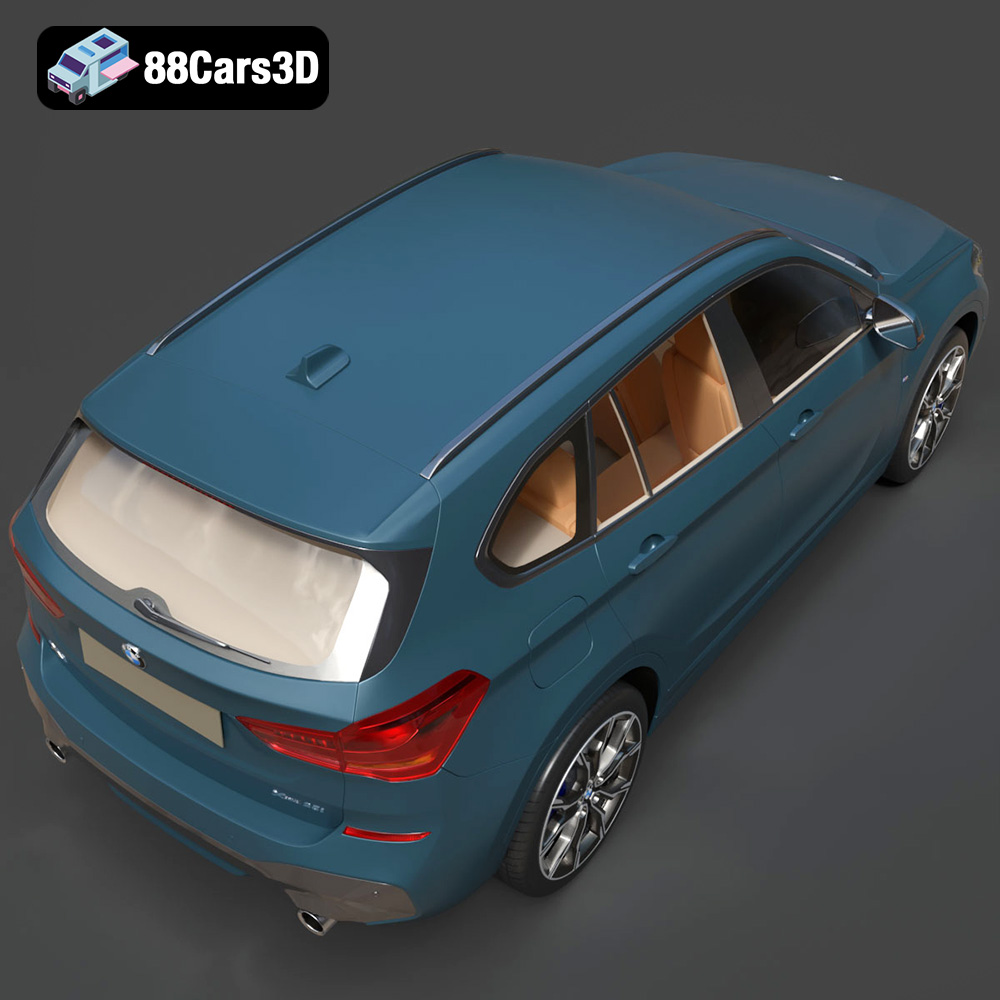
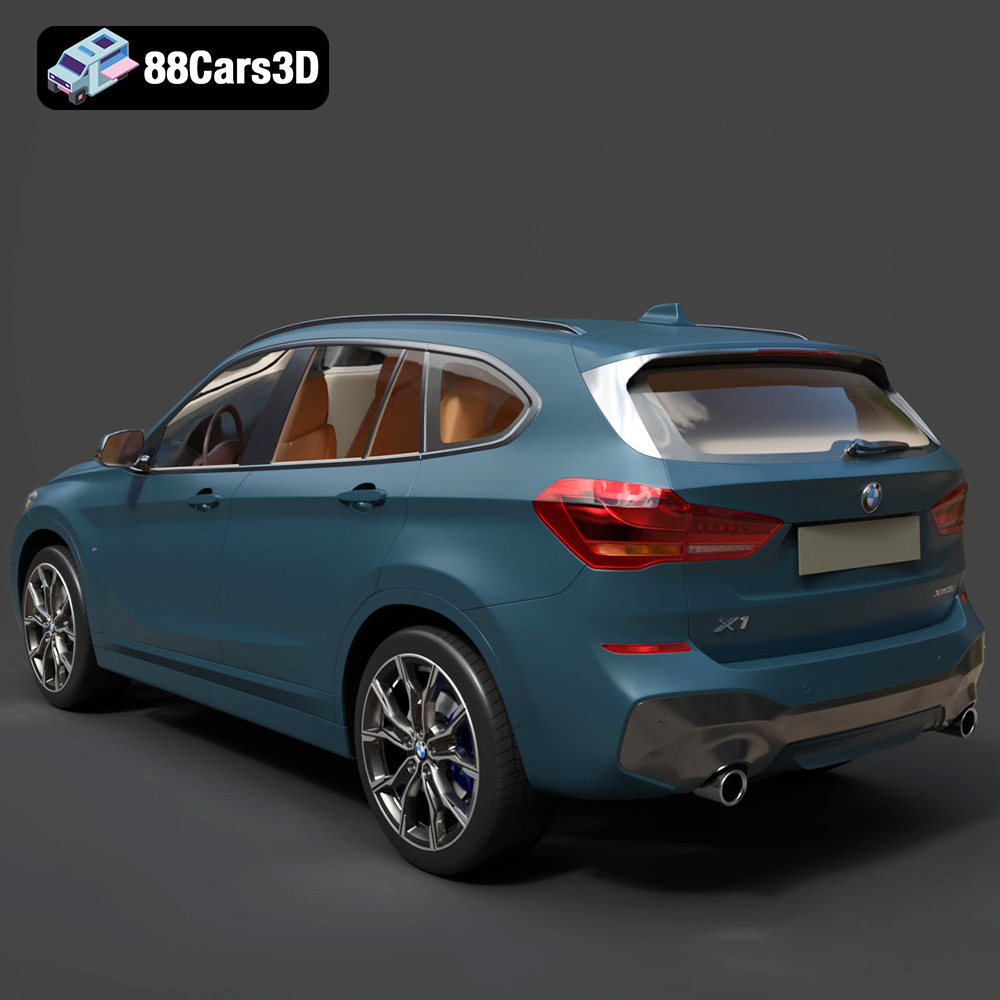
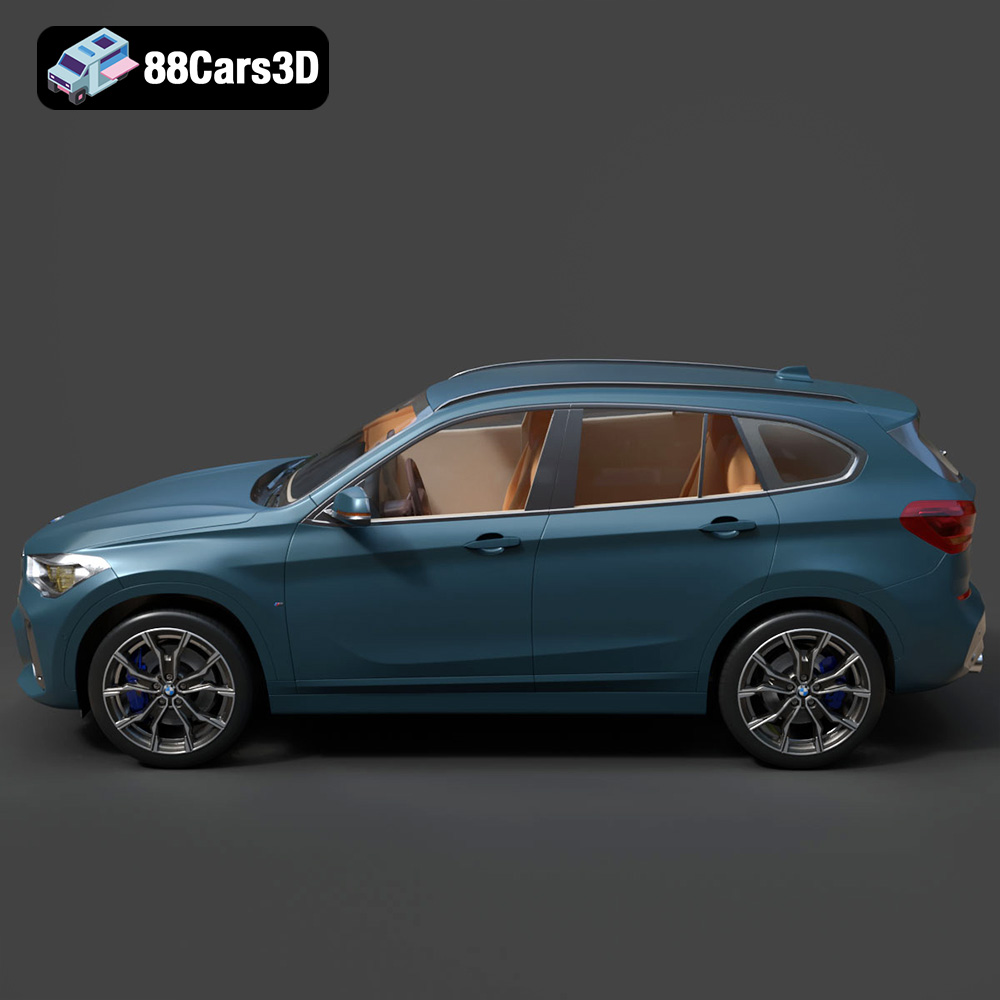
Today, we delve into the intricate world of premium automotive 3D assets, using a stellar example to illustrate the benchmarks of excellence. The BMW X1 M-Sport 2020 3D Model is a prime example of an asset that perfectly encapsulates the blend of luxury, athleticism, and practical design inherent in its real-world counterpart. This premium compact SUV, known for its bold M-Sport aerodynamic package and dynamic silhouette, translates into an exceptional digital asset suitable for a myriad of professional applications. Its detailed geometry and optimized topology represent the pinnacle of what a high-quality 3D car model can offer, setting the stage for discussions on everything from rendering workflows to game engine integration.
The versatility of a 3D model often begins with the array of file formats it supports. Each format serves a specific purpose, catering to different software environments, project requirements, and end-use applications. Understanding these distinctions is crucial for anyone working with 3D car models, ensuring seamless integration into various pipelines. The BMW X1 M-Sport 2020 3D Model, for instance, comes equipped with a comprehensive suite of formats, each offering unique advantages.
The .blend format is the native file type for Blender, a powerful open-source 3D creation suite. When you receive a .blend file, you’re getting a fully editable Blender scene, complete with materials, textures, lighting setups, and even animations if present. For artists deeply integrated into the Blender ecosystem, this offers unparalleled flexibility. You can dissect the model, understand its construction, modify materials, adjust topology, or even re-rig components with ease. It’s the ideal starting point for extensive customization or learning from the model’s expert construction.
FBX (Filmbox) is a proprietary file format developed by Autodesk and is widely considered the industry standard for 3D data exchange between different software applications. Its strength lies in its ability to store a vast amount of 3D data, including geometry, materials, textures, animations, and skeletal structures, in a single file. This makes .fbx ideal for game development pipelines, especially with engines like Unreal Engine and Unity, where reliable data transfer from modeling software is paramount. For the BMW X1 M-Sport 3D model, the .fbx ensures that all animation-ready components, like separate wheels and steering, retain their pivot points and hierarchical relationships when imported into a real-time environment.
The .obj (Wavefront OBJ) format is one of the oldest and most universally supported 3D file formats. It’s a simple, text-based format that primarily stores geometric data (vertices, normals, texture coordinates) and references external material files (.mtl). While it doesn’t support animation or complex scene data like .fbx, its widespread compatibility makes it a go-to for basic mesh transfer between virtually any 3D software. For simple renders or as a fallback for cross-software compatibility, the .obj version of the BMW X1 M-Sport provides a clean, reliable mesh.
GLB (GL Transmission Format Binary) is a relatively newer format that’s rapidly gaining traction, particularly for web-based 3D, augmented reality (AR), and virtual reality (VR) applications. It’s a binary version of the glTF format, designed for efficient transmission and loading of 3D scenes and models. A key advantage of .glb is that it bundles all assets (geometry, textures, animations) into a single file, simplifying deployment. For showcasing the BMW X1 M-Sport in an interactive web configurator or an immersive AR experience, .glb offers optimal performance and a streamlined workflow.
STL (STereoLithography) is the de facto standard file format for 3D printing. It represents a 3D model as a collection of triangles, defining the surface geometry without color or texture information. For hobbyists and professionals looking to produce physical prototypes or scale models of the BMW X1 M-Sport, the .stl format is essential. It provides the necessary data for slicing software to prepare the model for additive manufacturing, ensuring structural integrity and detail reproduction on a physical printer.
PLY (Polygon File Format) is a versatile format capable of storing a wide range of properties, including color, transparency, and even specific data for each vertex or face. While not as common for general asset exchange as .fbx or .obj, it’s often used in applications requiring precision mesh data, such as 3D scanning, CAD software, and scientific visualization or analysis. For niche applications requiring high-fidelity geometric data of the BMW X1 M-Sport, .ply offers a robust solution.
While not a traditional open file format like .fbx, the inclusion of a specifically “unreal” version often signifies an asset pre-optimized and packaged for direct import into Unreal Engine. This might involve specific material setups, collision meshes, or Level of Detail (LOD) configurations already tailored for the engine’s rendering pipeline. Such a format streamlines the workflow immensely for game developers, reducing the setup time required to get the BMW X1 M-Sport running smoothly in their Unreal projects.
Finally, the .max format is the native file type for Autodesk 3ds Max, another industry-leading 3D modeling, animation, and rendering software. Similar to .blend, a .max file contains the complete scene, including lights, cameras, animations, and proprietary modifiers specific to 3ds Max. For professionals whose pipelines are centered around 3ds Max, this format offers full editing capabilities, allowing for deep customization and integration into complex production environments for animation and high-end rendering projects.
Automotive rendering is a specialized discipline that marries technical precision with artistic vision. The goal is to create images so lifelike they are indistinguishable from photographs, often even surpassing them in controlled perfection. A high-quality 3D car model, such as the BMW X1 M-Sport 2020, forms the bedrock of this process.
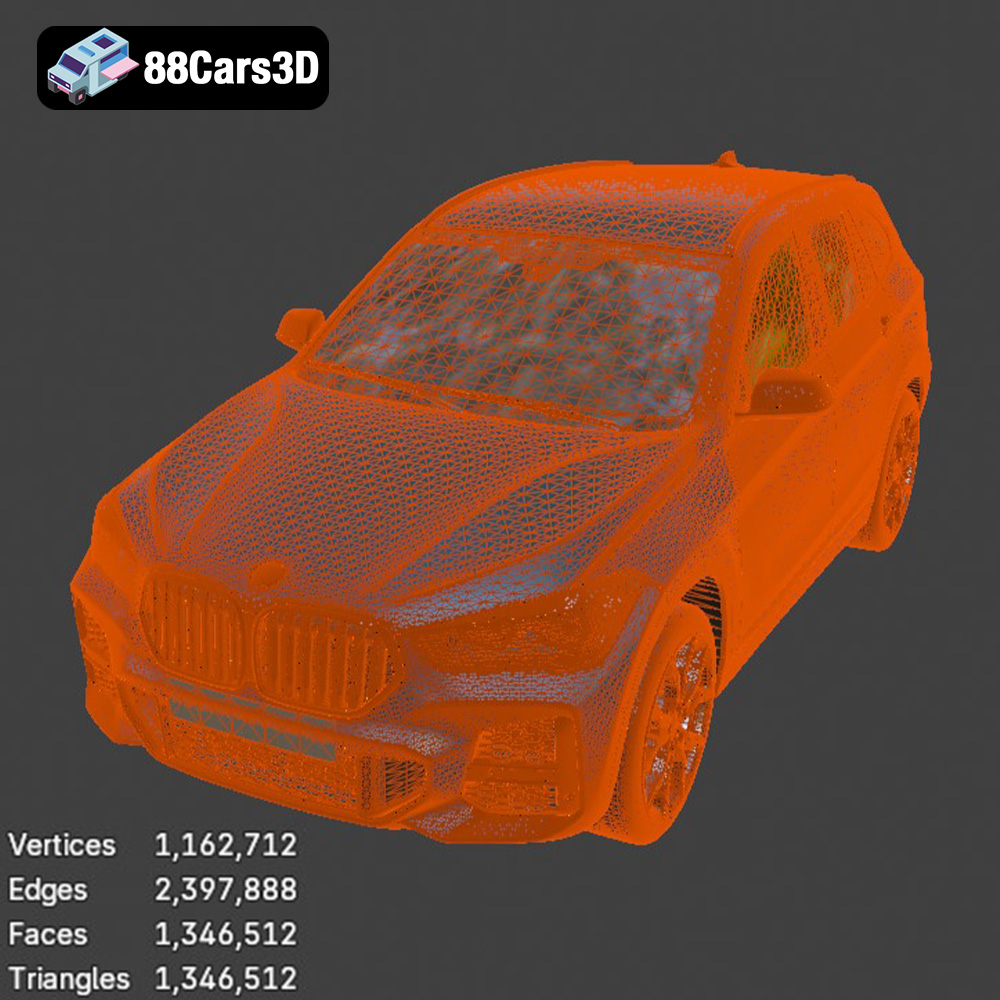
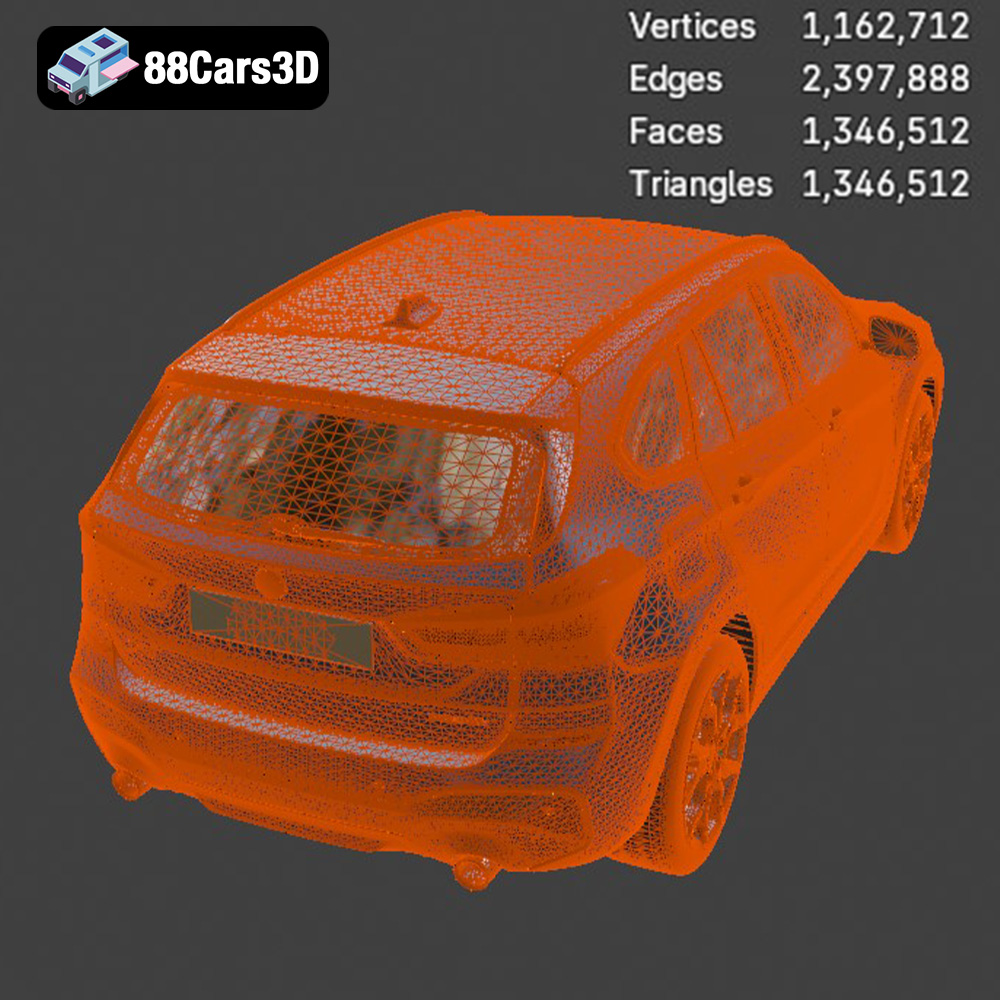
For studio renders, the BMW X1 M-Sport 3D model’s meticulously optimized topology, boasting approximately 500,000 triangles, ensures smooth reflections and accurate shading. This is crucial for capturing the subtle nuances of automotive paint finishes, chrome accents, and glass surfaces. In software like 3ds Max or Blender, artists can leverage advanced rendering engines such as V-Ray, Corona Renderer, or Cycles to simulate realistic light interaction. This involves precise HDRI (High Dynamic Range Image) lighting setups, physically based materials (PBR) for metallic flakes and clear coats, and careful camera positioning to emphasize the vehicle’s design language. The model’s accurate BMW X1 M-Sport 2020 frame geometry and proportions are essential for achieving that “right out of the showroom” look, making it perfect for brand campaigns and lifestyle scenes.
Beyond isolated studio shots, 3D car models are vital components in architectural visualizations. Placing a realistic vehicle like the BMW X1 M-Sport within a rendered architectural scene instantly adds scale, context, and a sense of realism. It helps clients envision how a building will look and feel in a real-world setting, complete with everyday elements. The model’s optimized geometry and real-world scale accuracy ensure it integrates seamlessly without appearing out of place. Artists can easily adjust its body colors, tire textures, and material finishes to match the overall aesthetic of the architectural project, enhancing the narrative and visual appeal.
The gaming industry thrives on immersive experiences, and realistic vehicles are often at the heart of open-world adventures, racing simulations, and interactive environments. The demand for game-ready 3D car models that balance visual fidelity with performance is higher than ever, and the BMW X1 M-Sport 2020 3D Model exemplifies this balance.
With its impressive ~500,000 triangles, the BMW X1 M-Sport 3D model strikes an ideal balance for real-time engines like Unreal and Unity. This polycount is sufficiently detailed to provide a high-end visual realism in modern games without excessively burdening the rendering pipeline. Crucially, the model features separate wheels, suspension, and steering components, along with proper pivot setups for steering, wheel rotation, and suspension travel. This ‘game-ready’ optimization is paramount, allowing developers to implement realistic physics and dynamic animations without extensive rework. The inclusion of an “unreal” specific file format further streamlines integration, offering pre-configured assets for immediate use.
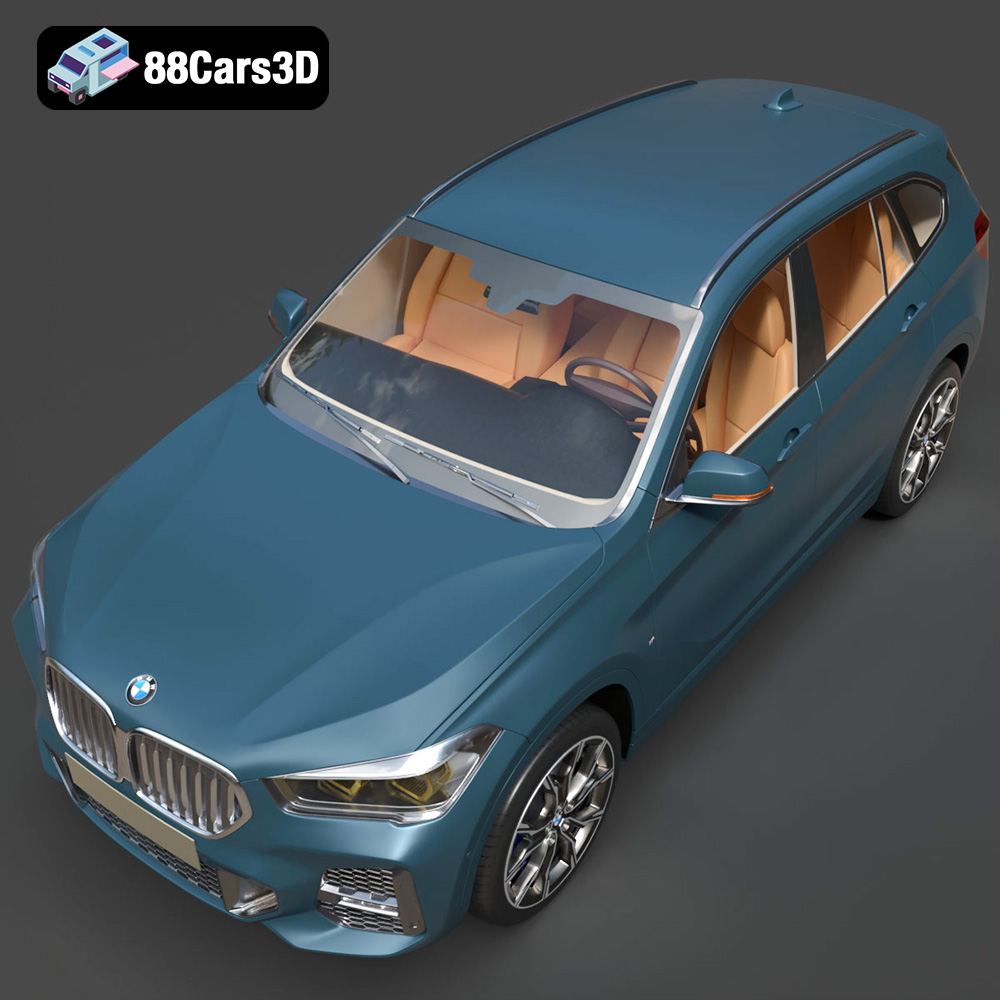
In open-world games, vehicles are not just props; they are often interactive elements central to gameplay. The detailed exterior and interior features of the BMW X1 M-Sport 3D model, from the M-Sport front bumper to the detailed M leather steering wheel and iDrive infotainment display, are critical for creating an immersive experience. Optimized geometry for first-person POV in gaming ensures that when a player enters the cockpit, the interior details hold up to scrutiny. This level of detail enhances player immersion, making driving segments more engaging and believable, whether cruising through a city or navigating challenging terrains in a racing title or simulator.
The utility of high-quality 3D car models extends far beyond traditional rendering and game development, finding crucial applications in cutting-edge technologies like Augmented Reality (AR), Virtual Reality (VR), and even physical manufacturing through 3D printing.
In the age of digital transformation, automotive brands are increasingly leveraging AR and VR to create immersive virtual showrooms and interactive configurators. Imagine potential customers exploring the BMW X1 M-Sport 2020 in full 3D, able to change its color, wheel options, and interior trims in real-time, right from their tablet or VR headset. The BMW X1 M-Sport 3D model, with its optimized geometry and support for the .glb format, is perfectly suited for these applications. The .glb format bundles all necessary assets into a single, efficient file, ensuring smooth performance and rapid loading times crucial for seamless AR/VR experiences and mobile AR deployments. This allows for dynamic product presentations that engage customers on an entirely new level.
For enthusiasts, designers, and engineers, the ability to convert a digital model into a tangible object is incredibly exciting. The BMW X1 M-Sport 3D model is convertible to the .stl format, opening up possibilities for 3D printing display-scale replicas. The product description provides detailed 3D print settings, recommending scales like 1:12, 1:18, or 1:24, and suggesting resin printing for fine details. Considerations like layer height, wall thickness, infill, and the necessity of supports for intricate parts are all outlined, guiding users toward successful physical reproductions. This capability underscores the versatility of premium 3D assets, bridging the gap between virtual design and physical reality, allowing for hands-on appreciation of the vehicle’s sculpted bodywork and aerodynamic details.
The true value of a premium 3D model lies in its meticulous construction and adherence to technical standards. The BMW X1 M-Sport 2020 3D Model from 88cars3d.com stands as a testament to this, offering a comprehensive package for demanding professional workflows.
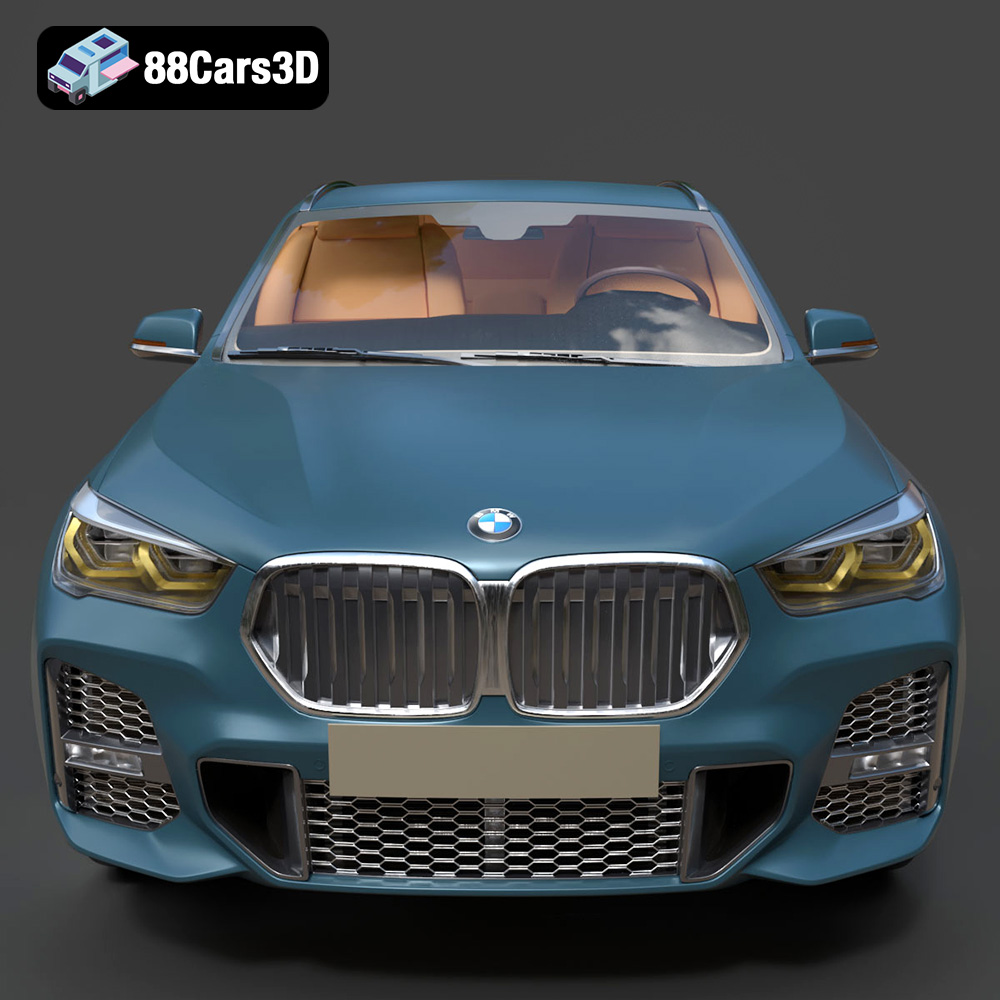
The model boasts accurate BMW X1 M-Sport 2020 frame geometry and proportions, essential for capturing the vehicle’s distinctive silhouette and aggressive M-Sport aerodynamic package. Every exterior detail, from the signature dual exhaust system with chrome finishes to the high-definition adaptive LED headlights and 3D L-shaped taillights, has been meticulously replicated. The authentic M-style alloy wheels with low-profile tire details, along with accurately modeled brake calipers and suspension components, provide a level of realism that elevates any project. Crucially, the separate wheels, suspension, and steering components are designed for animation, offering proper pivot setups for realistic movement, which is indispensable for driving simulators and dynamic renders.
The attention to detail extends to the cockpit and interior. The model features M-Sport specific sport seating with detailed stitching, an M leather steering wheel with paddle shifters, and a high-resolution digital instrument cluster and iDrive infotainment display. The center console, gear selector, and climate controls are all accurately represented. This meticulous interior design is optimized geometry for first-person POV in gaming, ensuring that the visual experience from inside the vehicle is as compelling and immersive as the exterior. This level of internal detail significantly enhances the realism for VR experiences or in-game driving sequences where the player interacts directly with the vehicle’s interior.
Technically, the model is game-ready and optimized, with its ~500,000 triangles striking an ideal balance between visual realism and real-time performance. It is built to real-world scale accuracy, based on actual vehicle chassis specifications, guaranteeing authenticity. The compatibility with major 3D software platforms and real-time rendering engines, through formats like .blend, .fbx, .obj, .glb, .stl, .ply, .unreal, and .max, underscores its versatility. Furthermore, the model offers extensive customization options: users can easily change body/tank colors to factory or custom finishes, modify tire textures for off-road or street variants, adjust material finishes (matte, gloss, metallic), and adapt lighting for different environments, providing unparalleled creative control.
In professional 3D production, time is a precious commodity. Creating a vehicle model of this caliber from scratch would demand hundreds, if not thousands, of hours of expert labor. This is where investing in premium 3D car models becomes not just a convenience, but a strategic advantage.
Purchasing pre-optimized assets like the BMW X1 M-Sport 2020 3D model from 88cars3d.com significantly streamlines production workflows. Instead of spending weeks on modeling, texturing, rigging, and optimizing, artists can acquire a high-fidelity, game-ready model that’s immediately usable. The inclusion of multiple file formats tailored for various applications means less conversion work and more time dedicated to creative iteration. This efficiency allows teams to focus on overall scene composition, animation, lighting, and interactive elements, knowing that the core vehicle asset is robust and technically sound.
Access to a diverse library of high-quality 3D car models empowers artists and developers to tackle a wider range of projects. Whether it’s producing stunning visuals for an automotive advertisement, populating a vast virtual city, or developing a niche racing simulator, having professionally crafted vehicles on hand expands creative possibilities. The BMW X1 M-Sport model, with its balance of detail and optimization, is a perfect addition to any professional toolkit, enabling rapid prototyping, high-quality final renders, and seamless integration into complex interactive experiences. It represents a smart investment for anyone serious about producing top-tier 3D content.
The world of 3D modeling and visualization continues to evolve at an incredible pace, driven by technological advancements and an ever-increasing demand for realism and immersion. At the heart of many compelling digital experiences are meticulously crafted 3D car models, serving as the benchmark for excellence in fields ranging from automotive rendering to game development, AR/VR, and even 3D printing. The BMW X1 M-Sport 2020 3D Model exemplifies the pinnacle of such assets, offering exceptional visual fidelity, optimized performance, and unparalleled versatility across a myriad of professional applications.
From its detailed exterior and interior features to its game-ready optimization and support for a comprehensive array of file formats, this model provides an invaluable resource for artists, designers, and developers. It facilitates the creation of breathtaking photorealistic renders, enables seamless integration into real-time game engines, and empowers immersive AR/VR experiences, all while offering the potential for tangible 3D prints. Investing in such high-quality 3D car models not only elevates the visual standard of your projects but also significantly enhances workflow efficiency, allowing creative professionals to focus on innovation and artistic expression. For those seeking to leverage the full potential of premium 3D automotive assets, resources like 88cars3d.com provide a gateway to professional-grade models that truly drive creativity forward.
The 2020 BMW X1 M-Sport is a premium compact SUV that perfectly blends everyday practicality with signature Bavarian athletic performance. Featuring the aggressive M-Sport aerodynamic package, a bold kidney grille, and sharp LED headlight styling, this SAV (Sports Activity Vehicle) stands out on any road. Its dynamic silhouette, prominent exhaust tailpipes, and sculpted bodywork make it a highly desirable vehicle in the luxury crossover segment. This premium 3D model offers exceptional visual fidelity and a meticulously optimized topology with approximately 500,000 triangles. It strikes the ideal balance between high-end detail and game-ready performance, making it an excellent asset for real-time engines like Unreal and Unity. The mesh provides smooth reflections and accurate shading, ensuring a photorealistic appearance right out of the box. Perfect for high-end architectural visualizations, driving simulators, open-world gaming environments, and immersive VR automotive showrooms.
$19.99
.2020
.blend
.bmw
.crossover
.fbx
.glb
.max
.obj
.ply
.rendering
.stl
.unreal
car-3d-model
game asset
game-ready
low-poly
m-sport
optimized
sav
SUV
VR/AR
x1