Get 20% OFF All Premium 3D & STL Models!

In the rapidly evolving digital landscape, the demand for high-quality 3D assets is insatiable. From photorealistic automotive rendering and immersive game environments to cutting-edge AR/VR experiences and precise 3D printing, the backbone of any successful project often lies in the fidelity and optimization of its core assets. For automotive enthusiasts, game developers, visualization specialists, and digital artists, a meticulously crafted 3D car model is more than just a mesh of polygons; it’s a foundation for creativity, a performance metric, and a testament to digital craftsmanship.
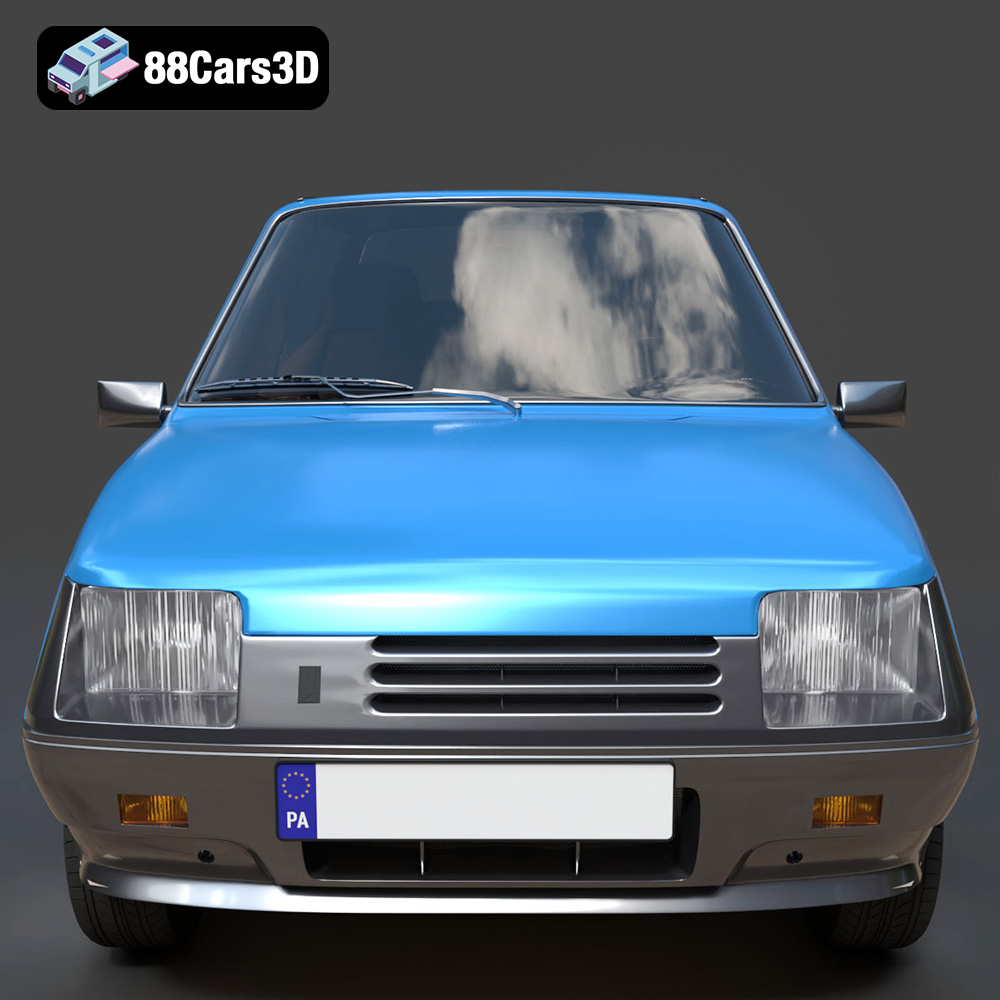
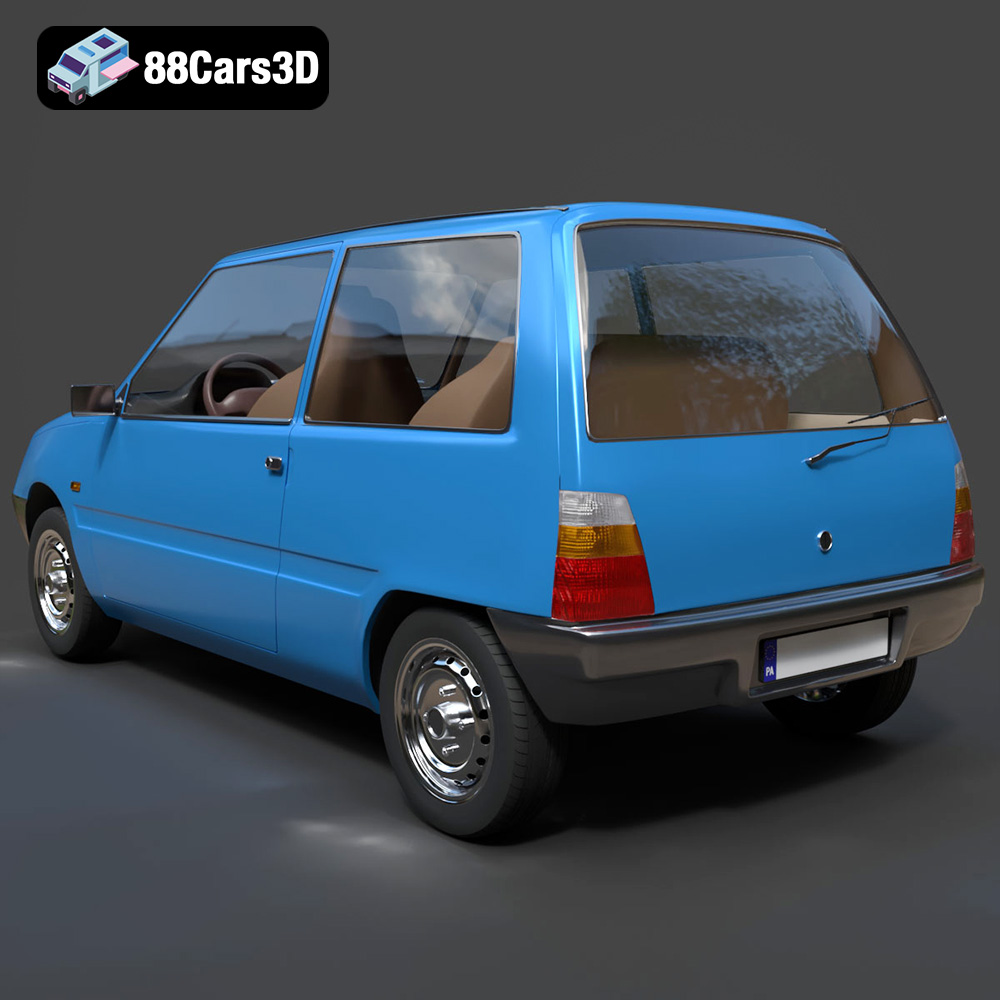
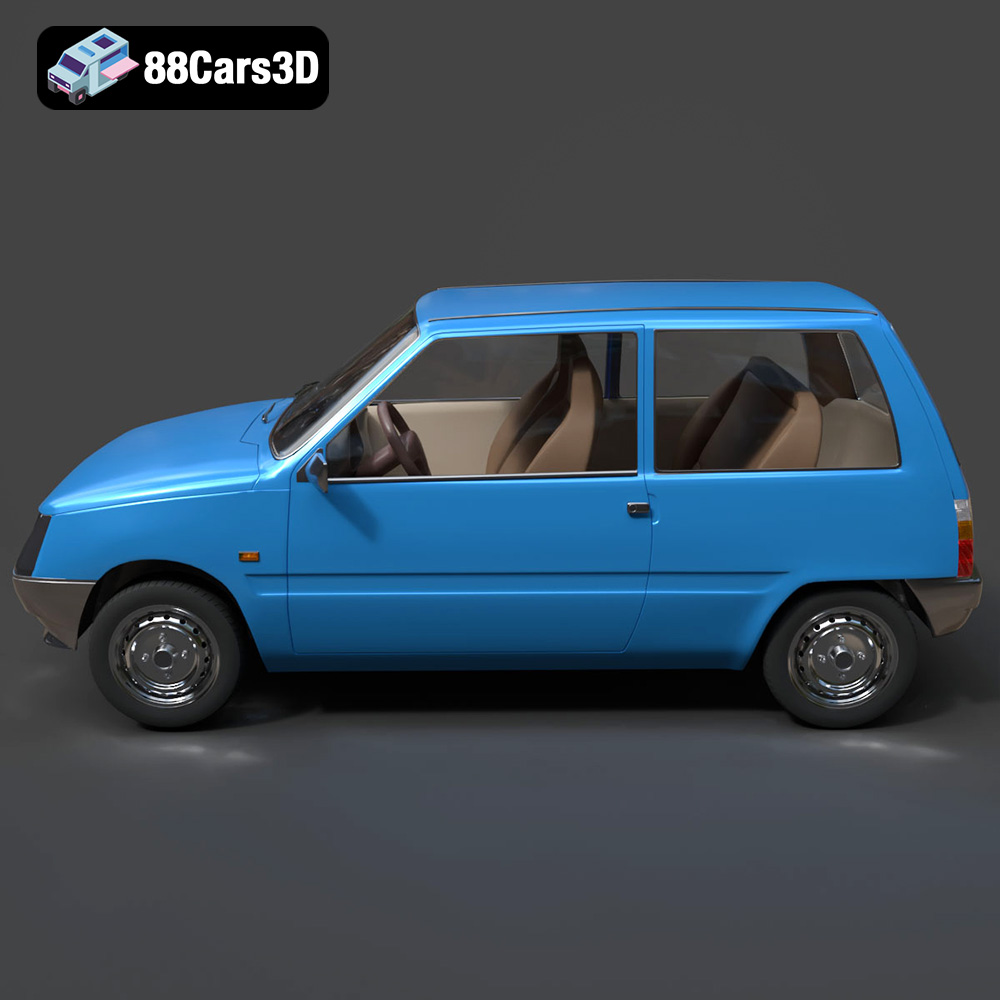
Today, we delve deep into the technical intricacies and creative potential offered by expertly designed 3D car models, using a prime example that bridges cultural history with modern digital production: the VAZ Oka 1111 1989 3D Model. This particular asset, available on 88cars3d.com, is not merely a digital replica; it represents a comprehensive solution for professionals seeking authenticity, optimization, and versatility in their projects.
Join us as we explore the journey from concept to rendered masterpiece, understanding the technical specifications, file format considerations, and diverse workflows that transform a digital vehicle into a pivotal component of your next groundbreaking project.
The choice of a 3D model file format is far more critical than simply picking a name from a list. Each format serves distinct purposes, offering varying levels of data preservation, software compatibility, and optimization for specific pipelines. Understanding these nuances is key to a smooth, efficient workflow, whether you’re working on a high-fidelity cinematic render or a performance-critical game environment. The VAZ Oka 1111 1989 3D Model, notably, comes with a comprehensive suite of formats, ensuring maximum utility.
The .blend format is native to Blender, the powerful open-source 3D creation suite. When you acquire a .blend file, you’re not just getting the raw mesh; you’re receiving a complete Blender scene. This typically includes the model’s geometry, materials (often PBR-ready setups with textures linked), lighting, cameras, animation data, modifiers, and even scene organization (collections, layers). For users immersed in the Blender ecosystem, this format offers the most flexibility, allowing for direct editing, re-texturing, animation, and rendering within a familiar environment without any loss of data during conversion. It’s the ideal starting point for anyone planning extensive modifications or leveraging Blender’s robust toolset.
.stl (Stereolithography): STL is the de facto standard format for 3D printing. It represents a 3D model as a series of connected triangles (a triangulated surface mesh) without color, texture, or other advanced properties. Its simplicity makes it universally compatible with 3D printers and slicing software. When designing for physical output, like a scale model of the VAZ Oka 1111, the .stl format ensures geometric integrity and readiness for manufacturing processes. While the original model may be rich in detail, the .stl is its stripped-down, print-ready counterpart.
The .max format is native to Autodesk 3ds Max, a long-standing industry leader in modeling, animation, and rendering for architectural visualization, product design, and cinematic effects. Similar to .blend, a .max file contains the complete scene, including geometry, complex material setups (V-Ray, Corona, Arnold), lighting rigs, animation data, scene hierarchy, and modifiers. For professionals working within the Autodesk ecosystem, the .max file provides unparalleled control and access to all aspects of the original creation, making it perfect for high-end automotive rendering or detailed scene composition.
The comprehensive range of formats included with the VAZ Oka 1111 1989 3D Model exemplifies the flexibility and forward-thinking approach of 88cars3d.com, ensuring that regardless of your software or project requirements, you have the right tool for the job.
Classic cars hold a special place in automotive history, often embodying cultural shifts, technological milestones, and unique design philosophies. Digitally preserving these vehicles as 3D car models allows artists and developers to tap into a rich vein of nostalgia and historical context, bringing a sense of authenticity to virtual worlds and visualizations. The VAZ Oka 1111 1989 is a prime example of such a vehicle, representing a distinct era of utilitarian transport.
The VAZ-1111 Oka, introduced in 1989, is more than just a car; it’s a symbol of Soviet and post-Soviet urban mobility. Its design reflects an era where functionality, economy, and robustness were paramount. A high-quality 3D model, such as the one featured, meticulously captures this essence – from its iconic boxy silhouette and simple steel wheels to its minimalistic interior. For projects aiming to evoke a specific historical or geographical setting, the VAZ Oka 1111 3D model offers unparalleled cultural resonance, instantly transporting viewers to Eastern European cityscapes or post-Soviet game environments.
While the emotional connection to classic vehicles is undeniable, the practical applications of their 3D models are equally compelling. These assets serve as excellent educational tools, allowing for detailed exploration of historical engineering and design without physical limitations. For filmmakers and advertisers, classic 3D car models provide period-correct vehicles for virtual sets or product showcases, reducing the logistical complexities and costs associated with acquiring real vintage cars. The VAZ Oka 1111, in particular, with its distinctive appearance, provides a unique aesthetic that can differentiate a project from the myriad of generic modern vehicles.
A truly professional 3D car model is defined not just by its visual accuracy but also by its underlying technical integrity. The VAZ Oka 1111 1989 3D Model exemplifies this principle, boasting a meticulous construction that ensures both high-fidelity visuals and optimal performance across various digital platforms. This balance is crucial for designers and developers who cannot afford to compromise on either aesthetics or efficiency.
One of the standout features of this 3D car model is its “game-ready & optimized” designation. With approximately 250,000 triangles, the model strikes an impressive balance. This polycount is sufficiently detailed to hold up in close-up renders and cinematics, showcasing intricate details like the engine block and interior components. Yet, it remains lean enough for real-time applications such as Unreal Engine and Unity, where performance is paramount. Achieving this balance requires careful topology planning, ensuring clean edge flow and efficient polygon distribution, which not only looks good but also facilitates clean UV unwrapping and deformation for animations.
The attention to detail extends to every facet of the VAZ Oka 1111 3D model. The exterior faithfully replicates the vehicle’s ultra-compact hatchback proportions, accurate frame geometry, and period-correct elements such as the square halogen headlights and basic strut suspension. Under the hood, a detailed 2-cylinder engine block and associated components add a layer of realism often overlooked in game-optimized assets. Inside, the cockpit features utilitarian fabric-textured seats, a classic two-spoke steering wheel, and a minimalist instrument cluster, all optimized for first-person perspective in gaming. This granular detail ensures the model is versatile enough for both exterior beauty shots and immersive interior experiences.
For dynamic projects, an asset’s animation readiness is non-negotiable. The VAZ Oka 1111 3D model is engineered with proper pivot setups for crucial components: separate wheels for rotation, suspension for realistic travel, and steering components for accurate turning. This pre-configuration saves countless hours in the animation pipeline, allowing artists to immediately integrate the model into driving simulations, cinematic sequences, or interactive virtual experiences without the need for extensive rigging work. The thoughtful preparation streamlines the workflow for animators and technical artists.
The versatility of a premium 3D car model is best demonstrated by its seamless integration into diverse professional pipelines. The VAZ Oka 1111 1989 3D Model, with its optimized geometry and multi-format support, is designed to be a valuable asset across the spectrum of digital creation, from interactive entertainment to high-fidelity visualization.
For game developers, the VAZ Oka 1111 is a true plug-and-play asset. Its ~250,000 triangle count is ideal for open-world games, racing titles, and simulators where multiple vehicles need to be rendered simultaneously without crippling frame rates. In Unreal Engine, developers can leverage the provided .unreal file or import the .fbx, quickly setting up PBR materials, collision meshes, and LODs (Levels of Detail) to ensure optimal performance across different hardware specifications. Similarly, in Unity, the .fbx format facilitates rapid integration, allowing for immediate scripting of vehicle physics, AI pathfinding, and interactive elements. The optimized geometry and clean topology also make it easy to create variations, add damage states, or apply custom liveries for diverse in-game experiences.
Automotive rendering demands photorealism, and the VAZ Oka 1111 3D model delivers. In 3ds Max, the .max file provides access to the complete scene, allowing render artists to fine-tune materials with advanced shaders (V-Ray, Corona Renderer), set up complex studio lighting, and craft stunning beauty shots. The detailed engine and interior components mean it’s suitable for cutaway renders or virtual showroom presentations. For Blender users, the .blend file offers the same comprehensive control, leveraging Cycles or Eevee for production-quality renders. Artists can easily adjust body colors, material finishes (matte, gloss, metallic), and adapt lighting to create specific moods or environmental reflections, making it perfect for brand campaigns or lifestyle scenes.
The compact and efficient .glb format makes the VAZ Oka 1111 an exceptional choice for AR/VR and web-based applications. In AR, the model can be placed in real-world environments via mobile devices, allowing users to interact with a virtual classic car. For VR, it can populate immersive virtual showrooms, configurators, or historical simulations. Its optimized nature ensures smooth performance even on less powerful mobile or standalone VR hardware. In the burgeoning Web3 space, this format is ideal for showcasing digital collectibles, integrating into metaverse platforms, or driving interactive browser-based experiences, bringing a piece of automotive history to the cutting edge of digital interaction.
The true measure of a high-quality 3D asset lies in its utility across a diverse range of real-world projects. The VAZ Oka 1111 1989 3D Model offers a unique blend of historical accuracy and technical optimization, making it invaluable for specific niche applications that benefit from its distinct character.
Consider a video game studio developing an open-world title set in a fictionalized Eastern European country during the late 20th or early 21st century. The accurate frame geometry and unmistakable utilitarian design of the VAZ Oka 1111 would be essential for populating city streets and rural roads, providing an authentic sense of place and time. Its detailed model allows for dynamic interactions, whether as background traffic, a player-driven vehicle, or even a static prop in a historically accurate scene. The low polygon count ensures that dozens, if not hundreds, of these cars can exist in a scene without significant performance impact, making the world feel alive and believable.
Beyond entertainment, precise 3D car models are crucial for scientific and engineering applications. For researchers developing autonomous vehicle algorithms, realistic traffic simulations are vital for training and testing. The VAZ Oka 1111, with its real-world scale accuracy and proper pivot setups for steering and suspension, provides a geometrically sound vehicle for such simulations. Engineers can use this model in virtual environments to test sensor data interpretation, collision avoidance, and predictive behaviors, making it an unexpected but highly valuable tool in cutting-edge automotive technology development.
The conversion of the VAZ Oka 1111 3D model into an .stl format opens up a world of physical creation. Imagine a hobbyist or a small design studio specializing in historical automotive replicas. Using the provided .stl file, they could 3D print a highly detailed, display-scale model (e.g., 1:12 or 1:18) of the VAZ Oka 1111. With recommended resin printing for fine details and subsequent post-processing like sanding, priming, and painting with authentic factory colors, a tangible piece of automotive history can be brought to life. This blend of digital precision and physical craftsmanship provides a unique collectible or a custom gift for car enthusiasts.
Purchasing a high-quality 3D car model is an investment, and like any investment, its long-term value is amplified by its adaptability and potential for customization. The VAZ Oka 1111 1989 3D Model is designed with flexibility in mind, ensuring it can evolve with your project’s needs and remain relevant across various iterations.
The beauty of a well-structured 3D model lies in its ability to be transformed. Artists can easily change the body color of the VAZ Oka 1111 to any classic Lada factory color, custom finish, or even introduce unique liveries. Adjusting material finishes from matte to gloss or metallic can dramatically alter the vehicle’s perceived age and condition, allowing it to fit into diverse scenes – from a pristine showroom model to a weathered, street-parked vehicle. This granular control over appearance ensures the model can be endlessly repurposed, saving time and resources compared to creating new assets from scratch.
Beyond visual customization, the VAZ Oka 1111 3D model is built for functional adaptation. Need an off-road variant? Modify tire textures for a more rugged look. Developing a scene with specific lighting conditions? The model’s clean material setup allows for easy adaptation to different lighting environments, whether it’s harsh midday sun, moody evening light, or dynamic studio setups. The separate components for wheels, suspension, and steering also mean it can be easily integrated into complex physics simulations or animation rigs, providing a robust foundation for any automotive-centric project. This inherent flexibility makes it a truly future-proof asset, capable of serving multiple roles throughout a project’s lifecycle.
In the intricate world of digital content creation, the difference between a good project and an exceptional one often hinges on the quality of its foundational assets. For professionals in game development, automotive rendering, AR/VR, and 3D printing, a meticulously crafted 3D car model is not just a convenience; it is a necessity for achieving visual fidelity, optimizing performance, and delivering immersive experiences.
The VAZ Oka 1111 1989 3D Model stands as a testament to this commitment to excellence. From its historically accurate exterior and detailed interior to its game-ready optimization and comprehensive file format support, it offers an unparalleled level of versatility and technical precision. Whether you are recreating post-Soviet street scenes, developing the next generation of driving simulators, or crafting unique 3D printed collectibles, this model provides a robust and reliable foundation.
By understanding the nuances of 3D model file formats and appreciating the detailed craftsmanship that goes into such an asset, creators can unlock new possibilities and streamline their workflows. Explore the possibilities and elevate your projects with premium 3D car models. Discover the VAZ Oka 1111 1989 3D Model and many other high-quality assets today at 88cars3d.com, where technical excellence meets creative potential.
The VAZ-1111 Oka is a quintessential example of Soviet and post-Soviet urban mobility, introduced in 1989 as an ultra-compact, economical city car. Known for its utilitarian design, boxy yet rounded silhouette, and unmistakable minimalistic styling, the Oka became an icon of functional transport. This 3D model meticulously captures its defining features, from the compact two-box hatchback body and simple steel wheels to the detailed representation of its small two-cylinder engine and practical, no-nonsense interior layout.
$19.99
.blend
.fbx
.glb
.max
.obj
.ply
.rendering
.stl
.unreal
.vaz
car-3d-model
city-car
classic-car
economy-car
game asset
game-ready
low-poly
oka-1111
optimized
soviet-car
VR/AR