Get 20% OFF All Premium 3D & STL Models!

In the rapidly evolving landscape of digital content creation, the demand for authentic, high-fidelity 3D assets has never been greater. From photorealistic automotive visualizations that captivate audiences to immersive game environments that transport players, the quality of a 3D model can significantly impact the final product’s success. Automotive design, virtual reality experiences, game development, and even product configurators all rely on meticulously crafted digital vehicles to convey realism, performance, and emotion.
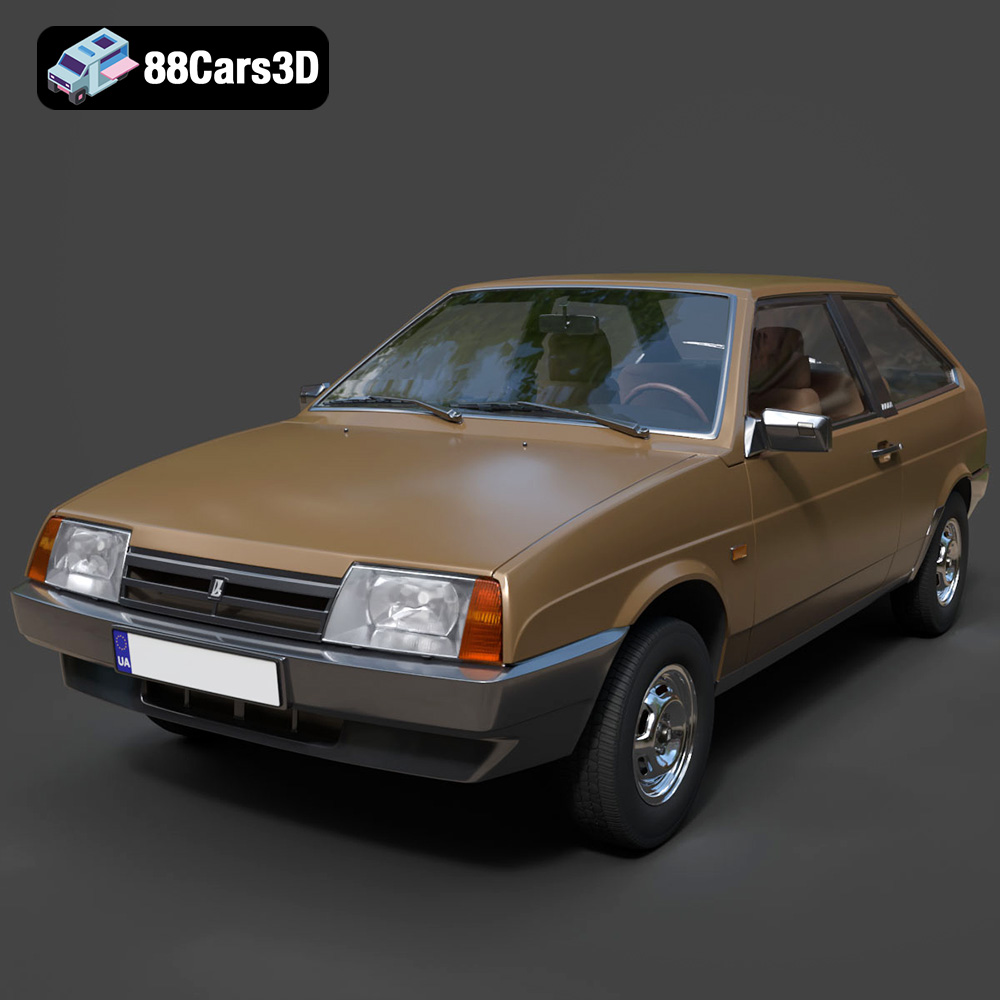
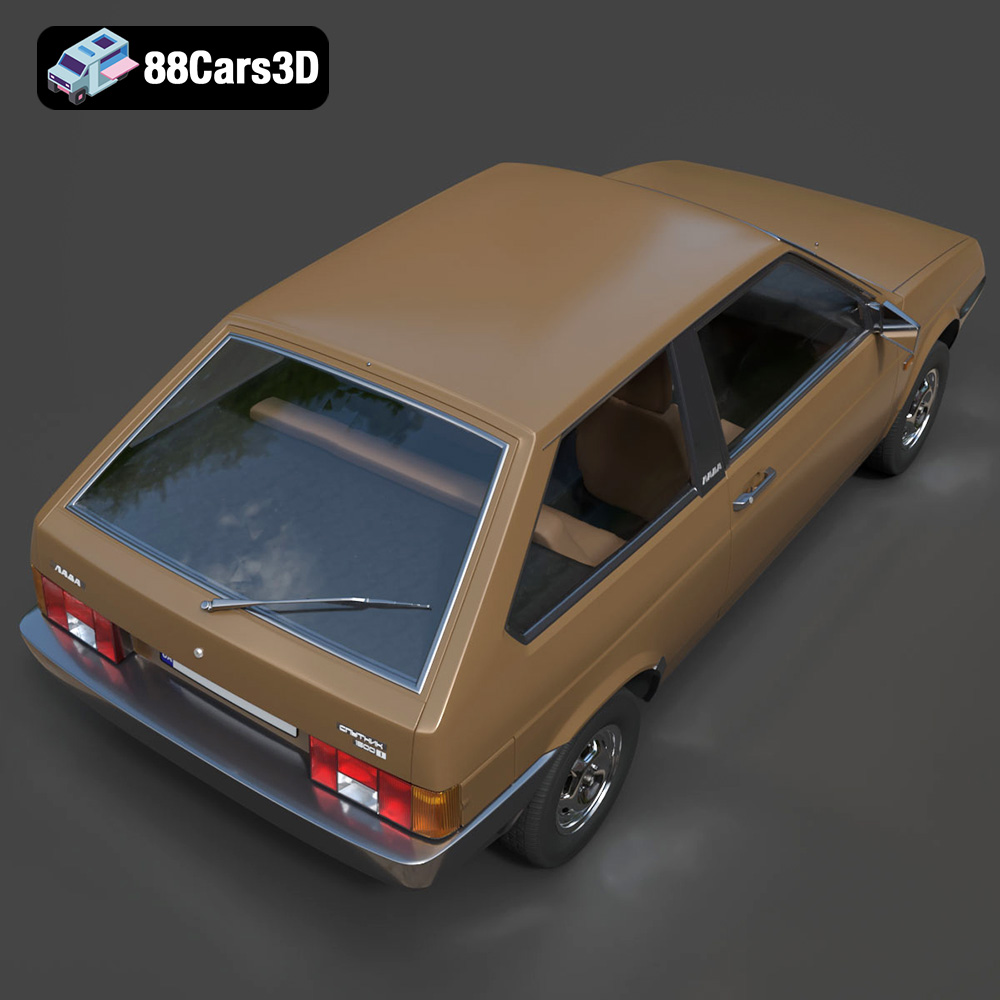
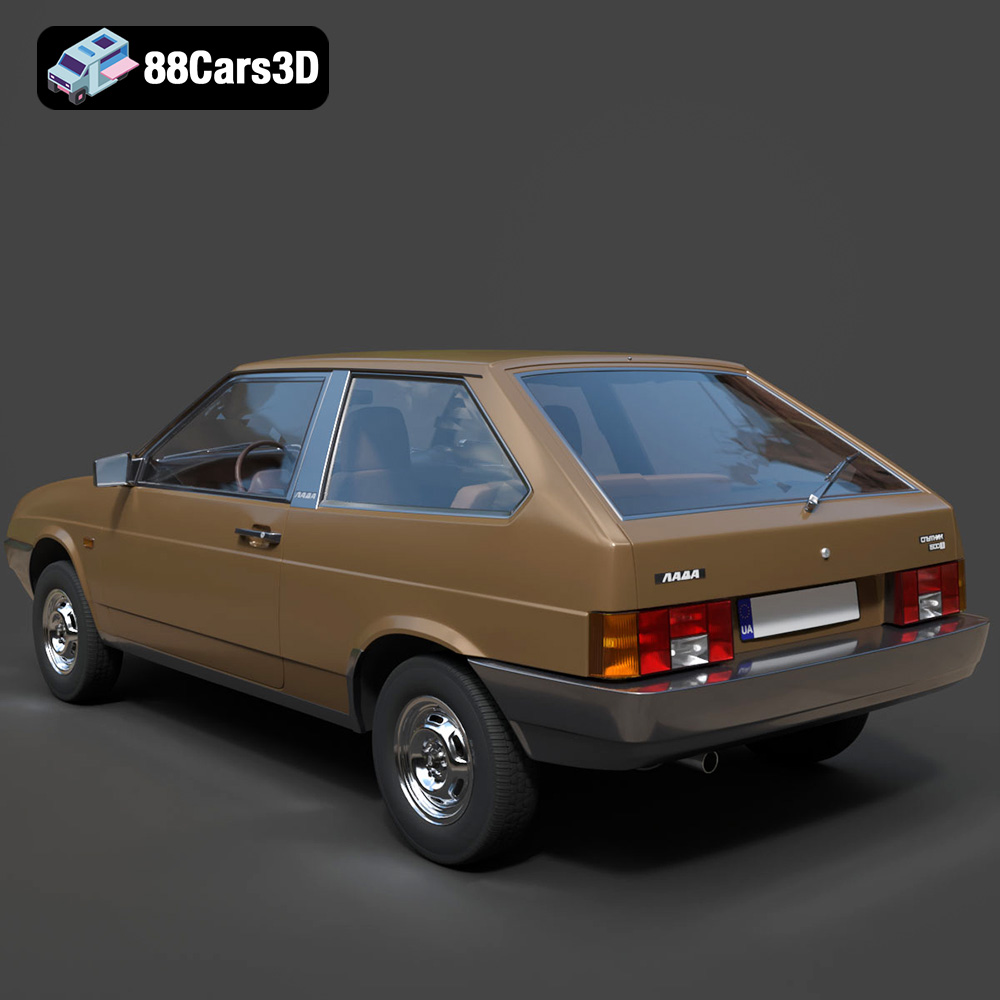
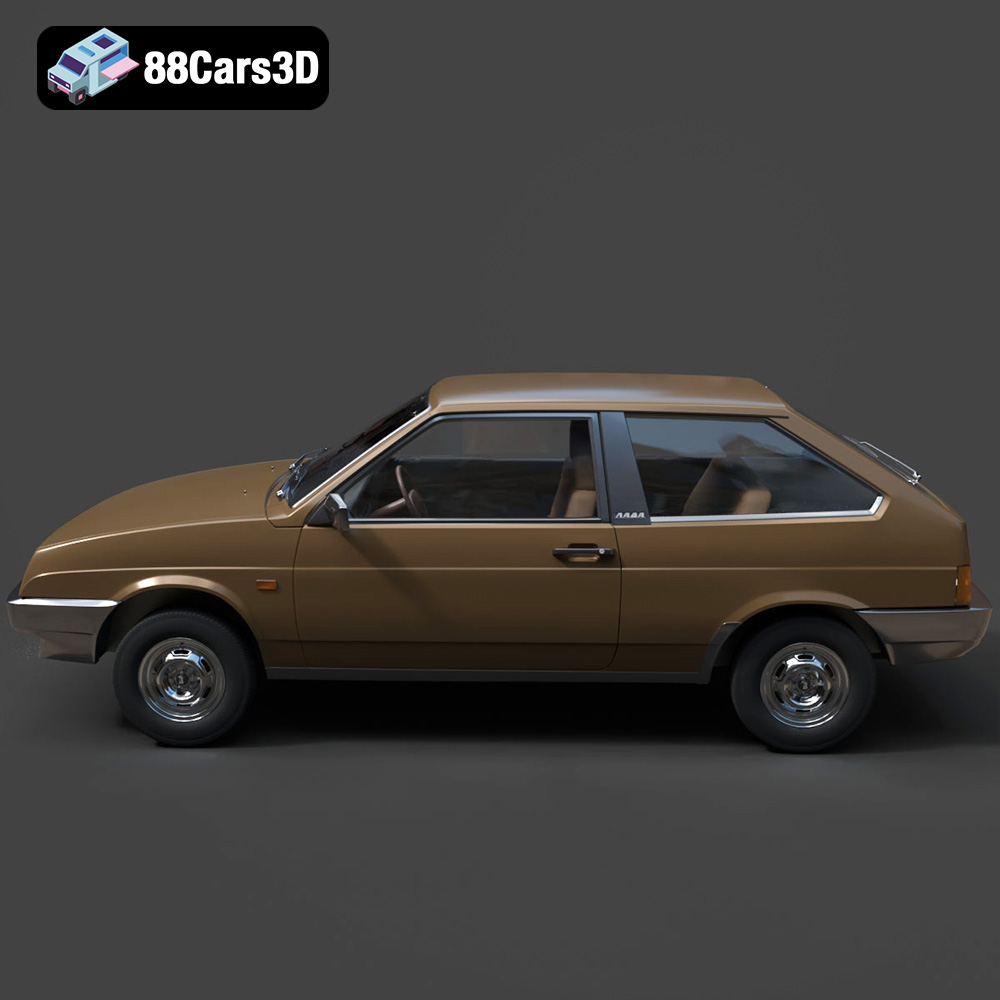
Today, artists and developers seek models that not only look impressive but also perform flawlessly across diverse platforms and workflows. This is where a truly versatile 3D asset, like the VAZ Lada 2108 1984 3D Model available on 88cars3d.com, proves its worth. Capturing the iconic wedge-shaped profile and utilitarian aesthetic of a vehicle that mobilized a generation, this model isn’t just a digital replica; it’s a meticulously engineered asset designed to integrate seamlessly into a wide array of professional pipelines. But what makes a 3D car model truly exceptional, and how do creators leverage these assets to achieve stunning results?
Creating a professional-grade 3D car model is a complex interplay of artistic vision and technical precision. It goes far beyond simply “making a car in 3D.” It involves a deep understanding of automotive design, material science, and optimization techniques to ensure the model performs as beautifully as it looks.
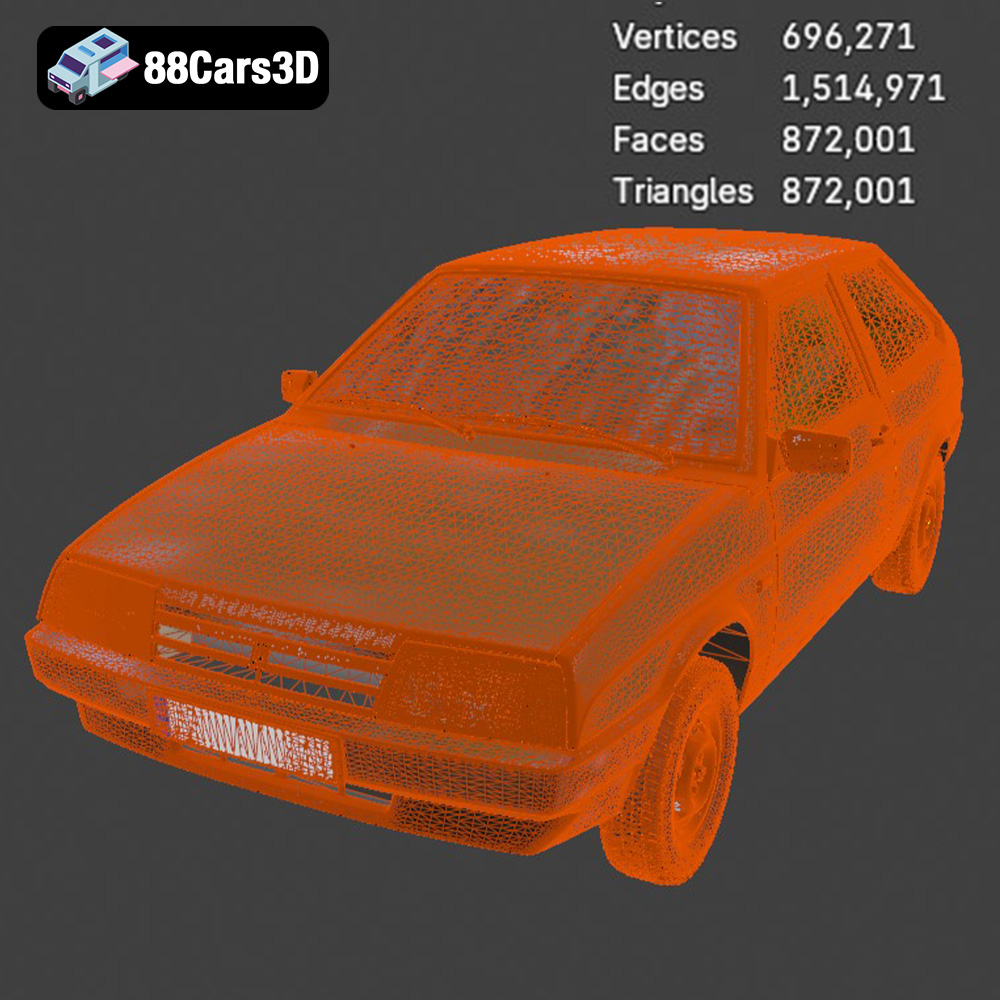
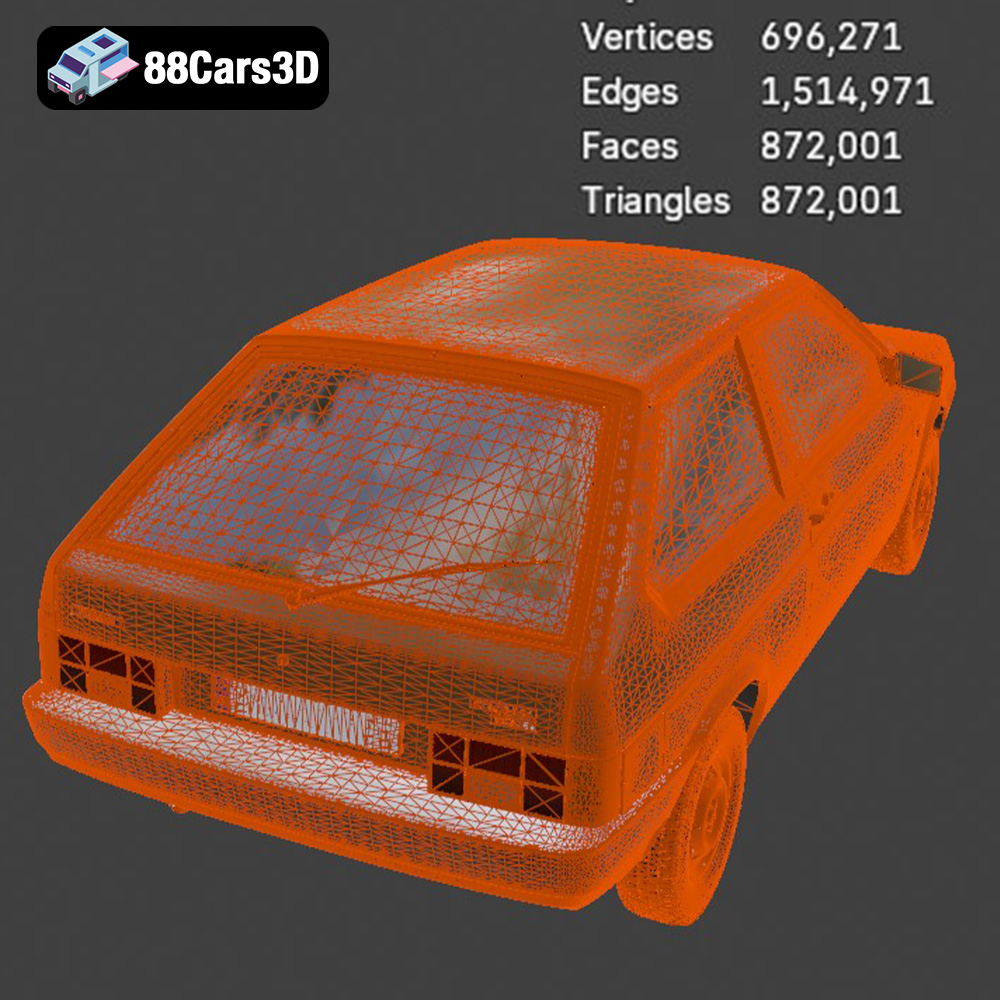
At the heart of any excellent 3D model is its geometry and topology. For a vehicle like the VAZ Lada 2108, every curve, panel gap, and hard edge must be replicated with exacting accuracy. This means adhering to real-world scale and proportions, ensuring that the car’s distinctive character, from its rectangular headlights to its unique engine bay setup, is faithfully preserved. Clean topology, characterized by well-distributed quads (four-sided polygons) and efficient edge flow, is crucial. It dictates how the model deforms during animation, how light interacts with its surfaces, and ultimately, its overall visual integrity. Sub-optimal topology can lead to artifacts, pinching, or unnatural reflections, detracting significantly from realism.
Beyond the mesh, materials and textures are what breathe life into a 3D car model. This involves recreating the subtle sheen of factory paint, the specific grain of interior plastics, the texture of rubber tires, and the reflectivity of glass. Physically Based Rendering (PBR) workflows are standard in modern production, utilizing maps for albedo (color), roughness, metallic, normal, and ambient occlusion to accurately simulate how light interacts with surfaces. The VAZ Lada 2108 3D model, with its authentic steel wheels and correct tire tread patterns, exemplifies this attention to detail, allowing for realistic lighting interactions crucial for photorealistic renders or immersive game environments.
High visual fidelity often comes at the cost of performance, especially in real-time applications like games or AR/VR. This makes optimization a critical step. The VAZ Lada 2108 3D model strikes an excellent balance with an optimized triangle count of approximately 250,000 polygons. This poly count is sufficient to deliver high visual fidelity, capturing intricate details like the undercarriage and suspension, while remaining perfectly viable for real-time engines such as Unreal and Unity. Smart optimization techniques include proper UV mapping to avoid texture stretching, efficient use of texture atlases, and careful culling of unseen geometry. A well-optimized model ensures smooth frame rates without sacrificing visual appeal.
The choice of file format for a 3D car model is not trivial; it dictates compatibility, functionality, and performance across different software and platforms. Professionals must understand the strengths and weaknesses of each to ensure seamless integration into their specific workflows. The VAZ Lada 2108 3D model is conveniently offered in a wide array of formats, providing unparalleled flexibility for any project.
Different 3D applications and engines prefer specific file types. Knowing which format excels in which scenario is key to an efficient pipeline. For instance, game engines like Unreal Engine and Unity favor formats that handle complex hierarchies and animations well, while CAD software might require highly precise mesh data. Rendering engines often benefit from formats that preserve material and lighting information. The versatility of the VAZ Lada 2108 3D model, offering multiple formats on 88cars3d.com, means it’s ready for any challenge.
The VAZ Lada 2108, launched in 1984, was a groundbreaking vehicle, representing a significant shift for Soviet automotive engineering with its front-wheel-drive hatchback design. This historical significance, combined with its distinct aesthetics, makes it a compelling subject for a 3D model. The VAZ Lada 2108 1984 3D Model from 88cars3d.com encapsulates this legacy, offering a digital asset that is both historically accurate and technically robust.
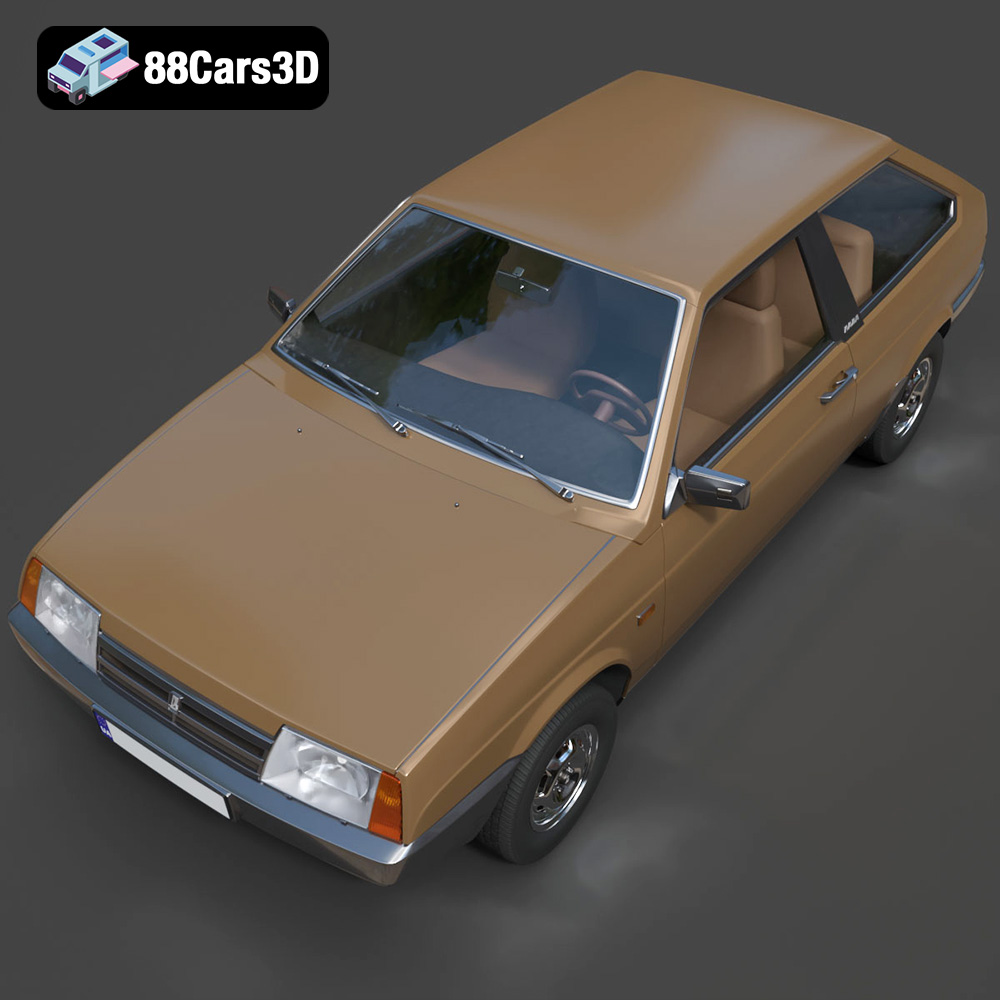
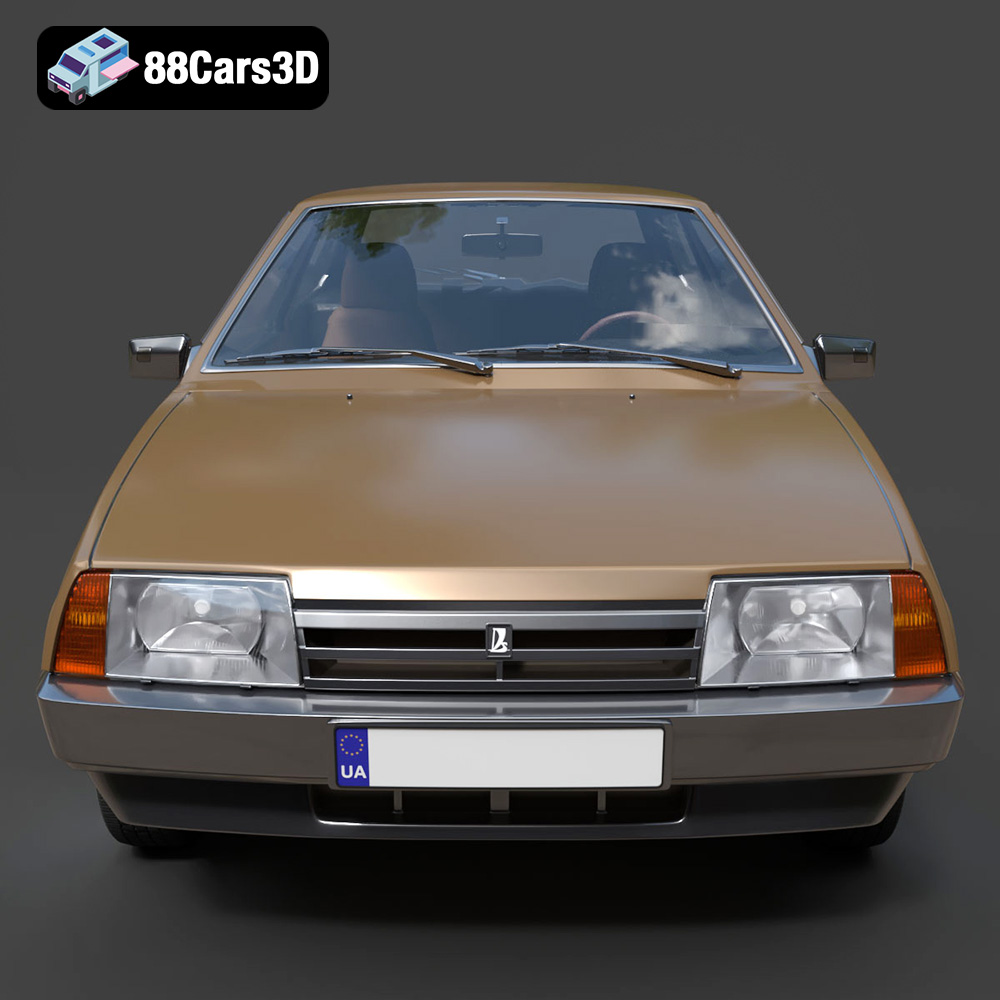
Every detail of this 3D model speaks to a commitment to authenticity. Its accurately recreated wedge-shaped aerodynamic profile, true-to-life body panels, and distinctive blocky headlights immediately evoke the spirit of the era. The model doesn’t stop at the exterior; it delves into intricate internal and mechanical details. The transverse engine bay setup is accurately represented, along with the authentic exhaust system routing and MacPherson strut front suspension. Inside, the classic cloth and vinyl seats, two-spoke steering wheel, and era-correct analog instrument cluster ensure that even first-person perspectives in games or virtual tours provide a genuine experience. This level of detail is crucial for projects requiring historical accuracy or a strong sense of nostalgia.
Beyond its visual accuracy, the technical specifications of the VAZ Lada 2108 model make it exceptionally versatile. With its game-ready, optimized ~250,000 triangle count, it achieves a perfect balance between visual realism and performance. This makes it a prime candidate for integration into real-time engines like Unreal and Unity without significant performance overhead. Furthermore, its real-world scale accuracy, based on the actual vehicle chassis, ensures seamless placement in any digital environment. Crucially, the model features proper pivot setups for steering, wheel rotation, and suspension travel, making it animation-ready straight out of the box. This saves animators and game developers countless hours of rigging, allowing them to focus on creative storytelling and interactive mechanics.
The utility of such a finely crafted 3D car model extends across a multitude of industries. For game development, it’s ideal for historical racing titles, open-world environments set in Eastern Europe, or realistic driving simulators. In AR/VR experiences, the optimized geometry and accurate details make it perfect for immersive virtual showrooms, interactive configurators, or even mobile AR applications where real-time performance is paramount. For rendering and visualization, its high visual fidelity shines in brand campaigns, lifestyle scenes, and studio lighting setups, where photorealism is the ultimate goal. Even for 3D printing enthusiasts, the model is convertible to .stl format, providing a solid foundation for display-scale replicas, recommending specific print settings for optimal results.
The true power of a high-quality 3D car model lies in its seamless integration into diverse professional workflows. Whether you’re a game developer, an automotive designer, or a visualization artist, understanding how to effectively incorporate these assets is paramount.
For game developers, 3D car models are central to creating immersive worlds. The VAZ Lada 2108 3D model, provided in .fbx and specifically .unreal formats, is tailored for this environment. In engines like Unreal Engine, developers can import the .fbx file, which typically includes the mesh, materials, and pivot information, ensuring that wheels and suspension components are correctly separated for animation. Developers can then apply PBR materials, set up physics assets for realistic driving behavior, and integrate the model into a vehicle blueprint. The optimized polycount of ~250,000 triangles means it can run efficiently on various platforms, from high-end PCs to consoles and mobile devices. For Unity, a similar process applies, leveraging the .fbx file for integration, characterization, and scripting vehicle controls.
In the realm of automotive visualization, photorealism is key. Artists working with 3ds Max can utilize the native .max file, which provides full access to the model’s editable geometry, materials, and potential studio lighting setups. This allows for intricate adjustments to reflections, refractions, and the application of advanced rendering techniques with engines like V-Ray or Corona. Similarly, Blender users benefit from the .blend file, enabling them to leverage Blender’s powerful modeling, texturing, and rendering capabilities with Cycles or Eevee. The clean topology of the VAZ Lada 2108 model ensures flawless reflections and realistic lighting interactions, which are critical for high-end marketing renders or detailed design reviews.
The applications extend beyond traditional rendering and gaming. For Augmented Reality (AR) and Virtual Reality (VR) experiences, the .glb format is particularly valuable. Its compact, self-contained nature makes it ideal for streaming to mobile devices or integrating into web-based AR/VR viewers. Imagine a virtual showroom where prospective buyers can interact with the VAZ Lada 2108 in real-time, rotating it, opening doors, or even placing it in their real-world environment via AR. For 3D printing, the .stl and .ply formats provide the raw mesh data necessary to create physical replicas. Hobbyists can download the VAZ Lada 2108 model, scale it to their desired size (e.g., 1:12 or 1:18), and print it on resin printers for incredible detail, following the recommended settings for supports and post-processing. This bridge between the digital and physical realms highlights the versatility of modern 3D assets.
Investing in a high-quality 3D car model like the VAZ Lada 2108 isn’t just about obtaining a static object; it’s about acquiring a flexible foundation for creative expansion and adaptation. The true value comes from the ability to customize and re-purpose the asset for evolving project needs.
The included file formats and clean structure of the VAZ Lada 2108 model empower artists to tailor it precisely to their vision. Need a different aesthetic? Artists can easily change body colors, applying factory-correct hues or custom metallic finishes to match a brand’s aesthetic. Tire textures can be modified to switch between off-road or street variants, adding versatility for different game levels or visualization scenarios. Material finishes, from matte to gloss, can be adjusted to achieve a specific mood or realism. Furthermore, adapting the lighting setup for different environments – be it a moody evening render or a bright, sunlit scene – allows for endless creative possibilities without having to rebuild the core asset.
A well-constructed 3D car model is inherently modular, and the VAZ Lada 2108 is a prime example. Its separate wheels, suspension, and steering components are not merely aesthetic details; they are critical for animation. This modularity means developers can easily rig the vehicle for realistic driving dynamics, create intricate cutscenes with steering and suspension articulation, or even swap out parts for customization options within a game. This reusability extends the lifespan of the asset, making it a cost-effective choice for long-term projects or multiple creative endeavors. This foresight in asset construction ensures that the model remains relevant and adaptable as project requirements evolve.
The modern digital landscape demands more than just visually appealing 3D models; it requires highly optimized, technically robust, and versatile assets capable of integrating into diverse professional pipelines. The VAZ Lada 2108 1984 3D Model stands as a testament to this principle, offering a meticulously crafted digital representation of a classic vehicle that is ready for game development, AR/VR, high-end rendering, and even 3D printing.
Its accurate geometry, optimized polycount, and comprehensive range of file formats—including .blend, .fbx, .obj, .glb, .stl, .ply, .unreal, and .max—make it an invaluable asset for any digital creator. Whether you’re building a historically accurate game world, producing stunning automotive visualizations, or exploring new frontiers in immersive experiences, this model provides the technical foundation and creative flexibility you need. Discover this exceptional asset and many more high-quality 3D car models at 88cars3d.com, your premier source for professional-grade automotive assets.
The VAZ Lada 2108, introduced in 1984, marked a revolutionary step in Soviet automotive engineering as the first front-wheel-drive hatchback from the renowned manufacturer. This 3D model captures its iconic wedge-shaped aerodynamic profile, distinct rectangular headlights, and functional utilitarian aesthetic. Featuring an accurately recreated transverse engine bay setup, authentic exhaust system routing, and classic wheel design, this model honors the legacy of the vehicle that mobilized a generation. Crafted with an optimized triangle count of approximately 250,000 polygons, this 3D model delivers high visual fidelity while maintaining excellent performance in real-time environments. The clean topology ensures flawless reflections and realistic lighting interactions, making it highly versatile for modern digital production pipelines such as game development, AR/VR experiences, and high-end automotive visualization. Perfect for historical racing games, open-world environments with Eastern European settings, virtual showrooms, and nostalgic cinematic animations.
$19.99
.blend
.fbx
.glb
.hatchback
.lada
.max
.obj
.ply
.rendering
.stl
.unreal
.vaz
1984
2108
car-3d-model
classic-car
game asset
game-ready
low-poly
optimized
samara
soviet-car
VR/AR