Get 20% OFF All Premium 3D & STL Models!

In the rapidly evolving digital landscape, the demand for high-fidelity 3D car models has never been greater. From cinematic automotive advertisements to immersive virtual reality experiences and hyper-realistic video games, accurate and optimized vehicle assets are the cornerstone of compelling visual content. Professionals across industries—automotive design, architectural visualization, game development, and even product marketing—rely on meticulously crafted 3D models to bring their visions to life. These digital replicas are not merely aesthetic elements; they are complex technical assets that require precision, efficiency, and adaptability across various platforms and pipelines.
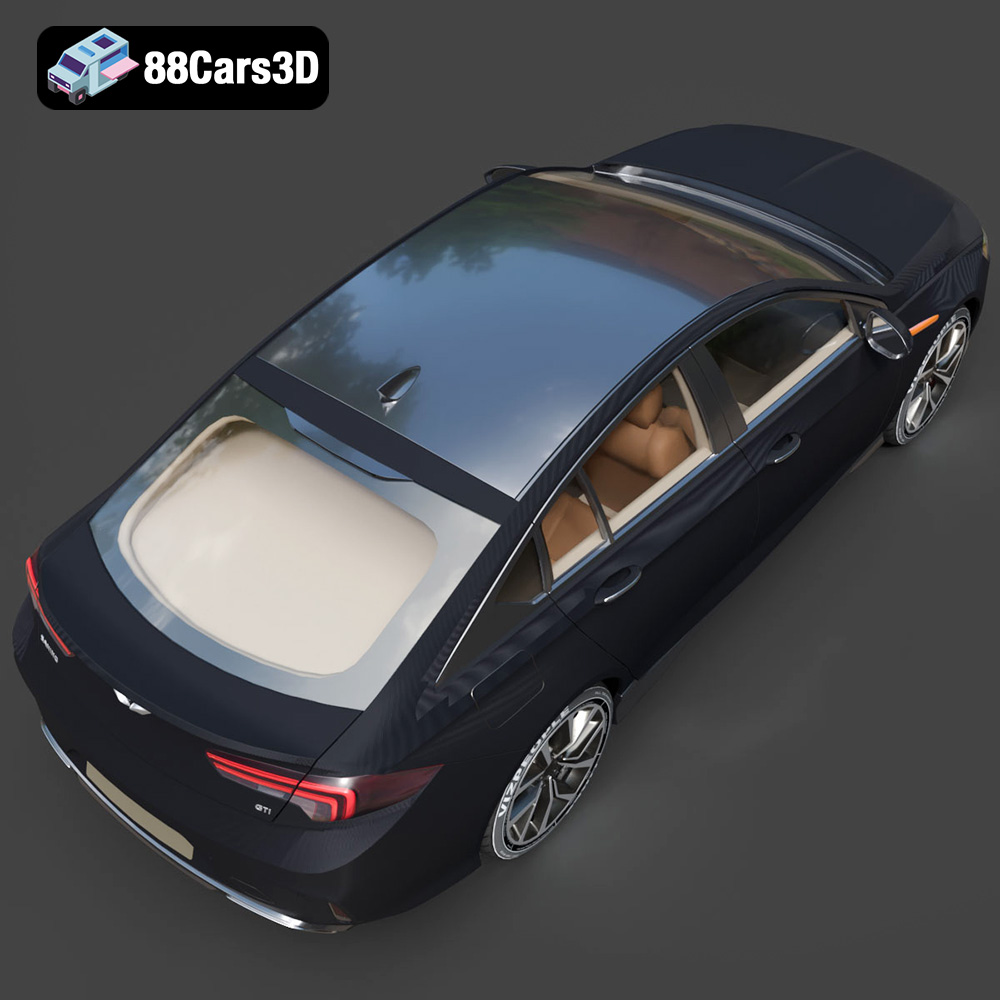
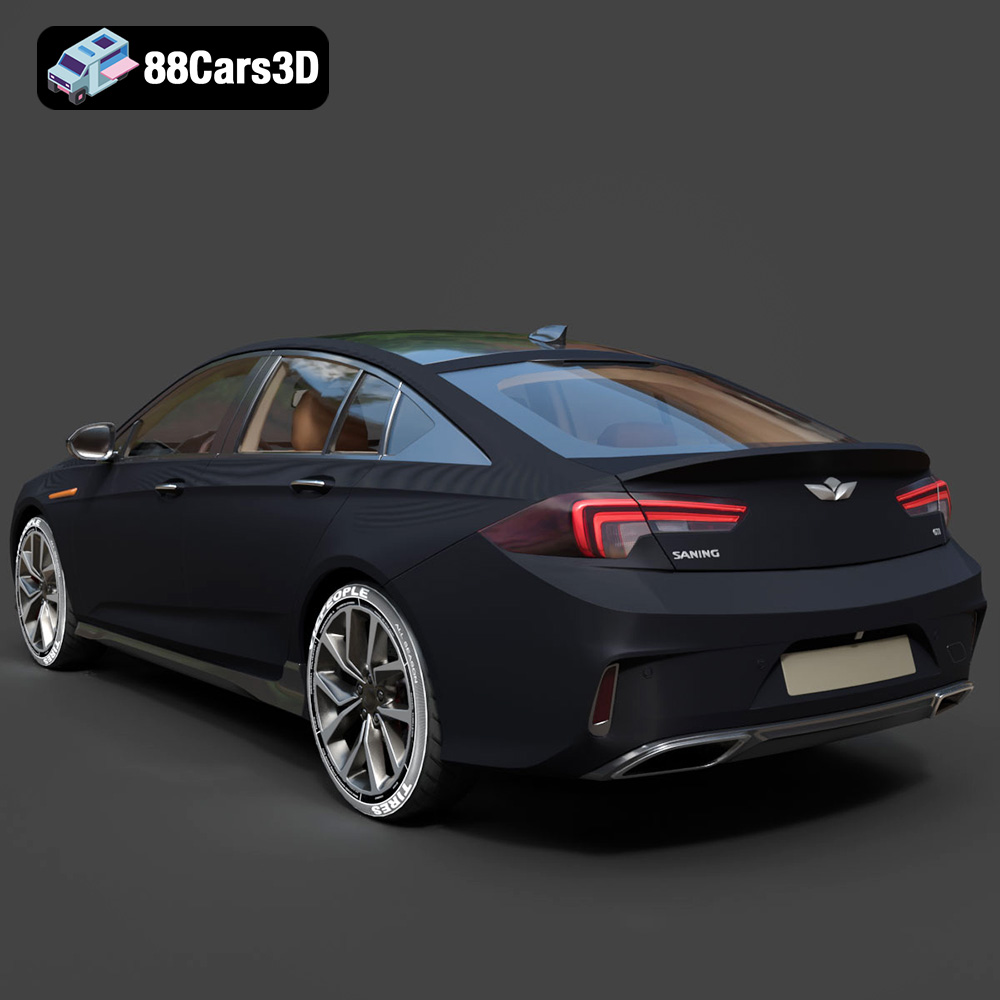
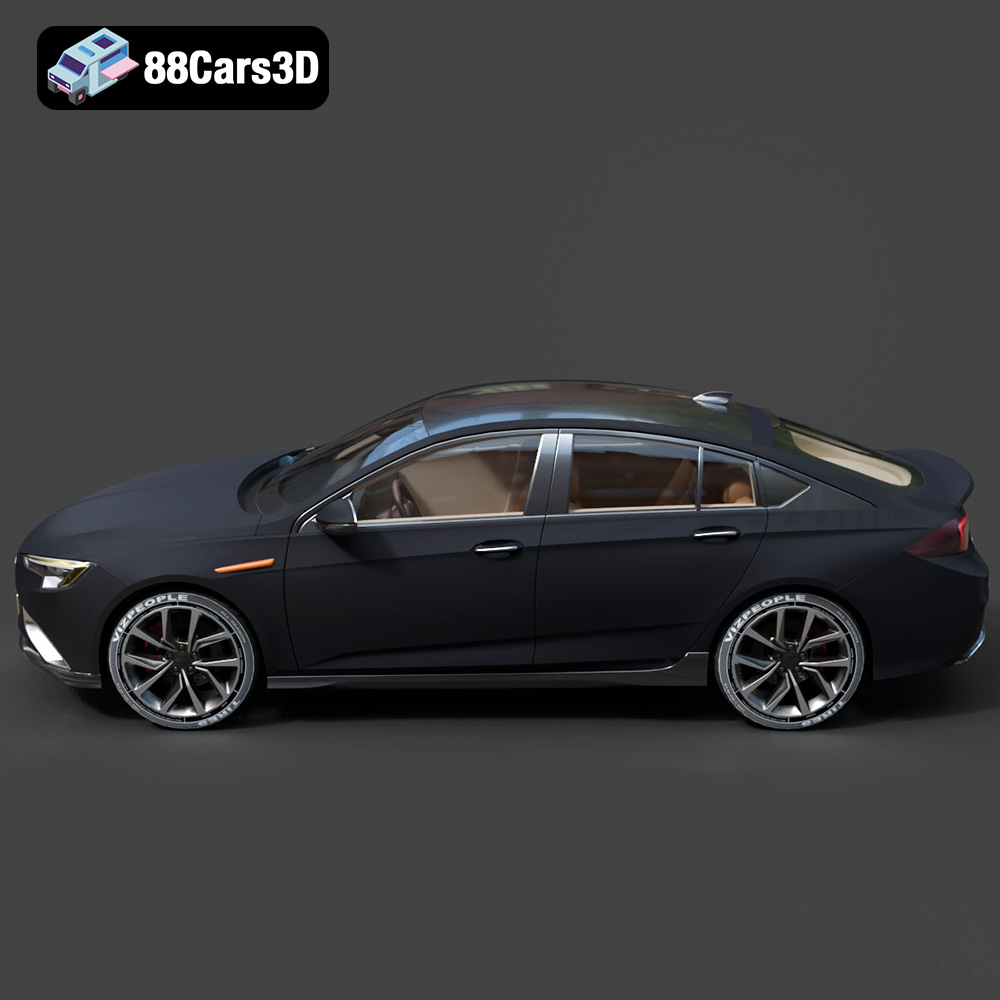
The process of creating a production-ready 3D vehicle from scratch is incredibly time-consuming and resource-intensive, often demanding weeks or even months of dedicated effort from skilled artists and engineers. This is where pre-made, professional-grade assets become invaluable, significantly accelerating development cycles and ensuring consistent quality. A prime example of such an asset, perfectly tailored for a multitude of applications, is the Saning GTI-08 3D Model, available for download on 88cars3d.com. This dynamic hot-hatch model embodies the blend of sporty aesthetics and aerodynamic design, meticulously recreated to capture its raw energy and modern styling cues. Its exceptional quality and optimized topology make it a versatile asset, ready to integrate into any serious creative project.
The versatility and utility of a 3D model are heavily dependent on the file formats it supports. Each format is designed with specific use cases, compatibility, and technical advantages in mind. Understanding these distinctions is crucial for anyone working with 3D assets, ensuring smooth integration into various software and real-time engines. The Saning GTI-08 3D model, for instance, is offered in a comprehensive range of formats, making it accessible to virtually any professional workflow.
The **.blend** file format is the native format for Blender, a powerful and increasingly popular open-source 3D creation suite. A .blend file typically contains the complete scene, including the 3D model geometry, materials, textures, lighting, cameras, animation data, and even physics simulations. This makes it an ideal choice for users who work primarily within Blender, offering full editability and access to all the original setup parameters. When you download a .blend file like the one for the Saning GTI-08, you get an untouched, fully editable project, perfect for custom modifications, rendering with Cycles or Eevee, or further development within the Blender environment.
**FBX (Filmbox)** is a proprietary file format developed by Autodesk, widely regarded as the industry standard for exchanging 3D data between various software applications and game engines. It supports geometry, materials, textures, animations, skinning, and more. For real-time pipelines like Unreal Engine and Unity, .fbx is often the go-to choice due to its robust support for animation and scene hierarchy. The .fbx version of the Saning GTI-08 is perfectly optimized for seamless import into these engines, preserving UVs, material assignments, and potential pivot points for animation, making it a critical asset for game developers.
The **OBJ (Wavefront OBJ)** format is one of the oldest and most widely supported 3D file formats. It’s a simple, text-based format primarily used to store 3D geometry data, including vertices, normals, UV coordinates, and faces. While it can reference external material files (.mtl) and texture maps, it doesn’t store animation or scene information directly. Its universal compatibility makes it an excellent choice for cross-software transfers when you primarily need the raw mesh data, like for import into obscure software or for basic modeling tasks.
**GLB (GL Transmission Format Binary)** is the binary version of glTF, an open-standard 3D file format designed for efficient transmission and loading of 3D scenes and models by applications. It’s quickly becoming the standard for 3D web content, augmented reality (AR), and virtual reality (VR) experiences due to its compact size and efficiency. A single .glb file typically contains all model data, textures, and animations embedded, making it highly portable. The Saning GTI-08 in .glb format is perfect for integrating into browser-based configurators, mobile AR apps, or WebGL projects.
**STL (Stereolithography)** is the most common file format for 3D printing. It represents a 3D model as a series of connected triangles, describing only the surface geometry of an object without color, texture, or other CAD attributes. For physical fabrication, an .stl file is essential. The availability of the Saning GTI-08 as an .stl allows hobbyists and designers to bring the digital model into the tangible world, creating physical scale models with a 3D printer.
The **PLY (Polygon File Format)** format is another common format for storing 3D data, particularly from 3D scanners. It can store a variety of properties, including color, transparency, surface normals, and range data, and supports both triangular and polygonal faces. PLY files are often used in scientific applications, CAD, and situations requiring high precision mesh data for analysis or reverse engineering, offering a robust alternative for specific technical workflows.
While not a universally recognized standalone file extension in the same vein as .fbx or .obj, an “.unreal” file typically refers to an asset package specifically prepared and optimized for direct import into Unreal Engine. This could involve pre-configured materials, collision meshes, LODs (Levels of Detail), and blueprint setups. When you download a dedicated .unreal asset, it implies that the model, such as the Saning GTI-08, has been thoroughly vetted and packaged to meet Unreal Engine’s stringent requirements for real-time performance and visual quality, providing a streamlined workflow for game developers.
The **.max** file format is the native project file for Autodesk 3ds Max, a leading software for 3D modeling, animation, rendering, and compositing. Similar to .blend files, a .max file contains the complete scene, including geometry, materials, textures, lighting, cameras, animation, and any modifiers or procedural elements. For professionals working within the 3ds Max ecosystem, the .max file of the Saning GTI-08 offers the most flexibility for detailed rendering setups with V-Ray or Corona, complex animations, or integrating into larger architectural visualization scenes.
The breadth of formats offered for the Saning GTI-08 3D model underscores its versatility and value, ensuring that it can be seamlessly integrated into virtually any professional pipeline, from high-end rendering to real-time interactive experiences.
Creating a truly exceptional 3D car model is a delicate balance between artistic vision and technical precision. It requires an understanding of vehicle anatomy, aerodynamics, material science, and computational efficiency. A high-quality 3D car model like the Saning GTI-08 is a testament to this intricate process, providing not just an image, but a robust digital asset.
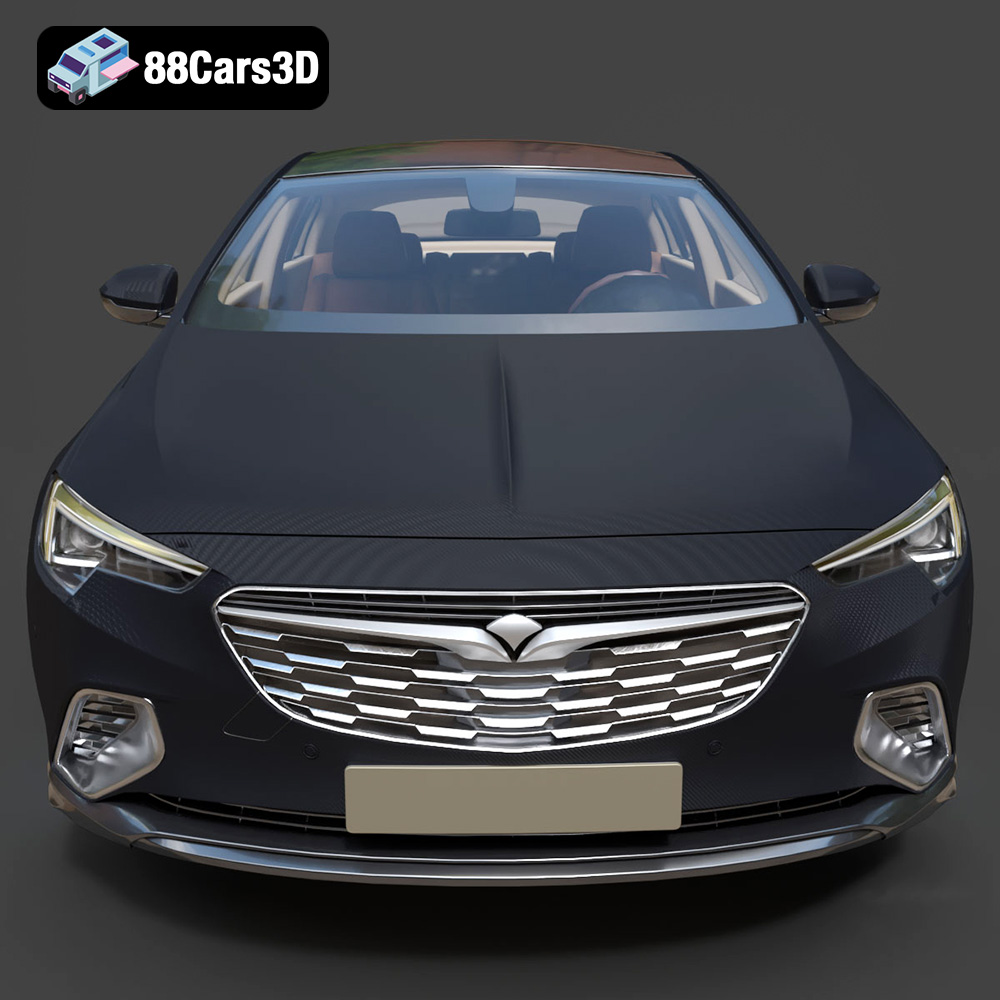
The journey of a 3D car model begins with meticulous research and reference gathering. Automotive designers and 3D artists pour over blueprints, photographs, and real-world vehicle dimensions to ensure every curve, panel gap, and proportion is accurately represented. For the Saning GTI-08, this means recreating its iconic front fascia, muscular fender flares, and distinct twin-exit exhaust system with exacting detail. This commitment to accuracy is what separates a generic 3D model from a truly convincing digital replica, allowing it to hold up under close-up renders and dynamic lighting conditions. Accurate Saning GTI-08 frame geometry and proportions are fundamental for any application, from engineering simulations to compelling marketing visuals.
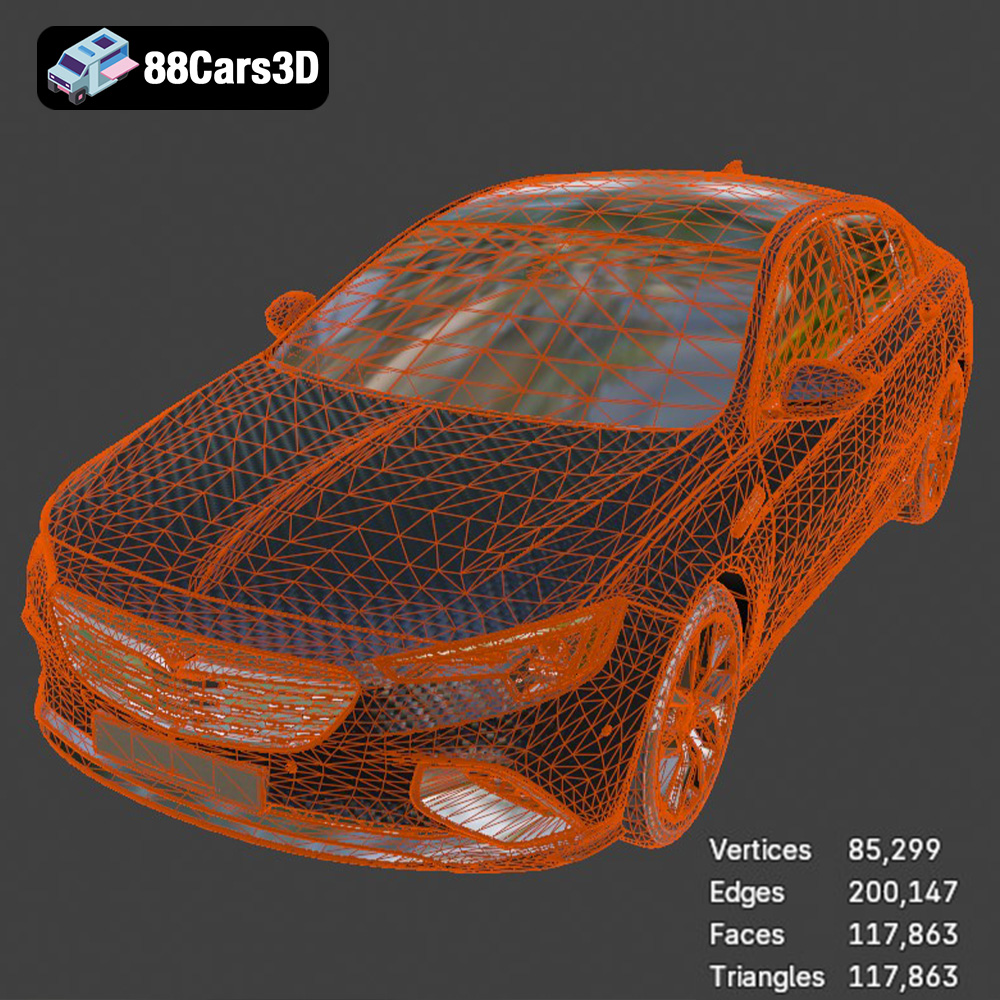
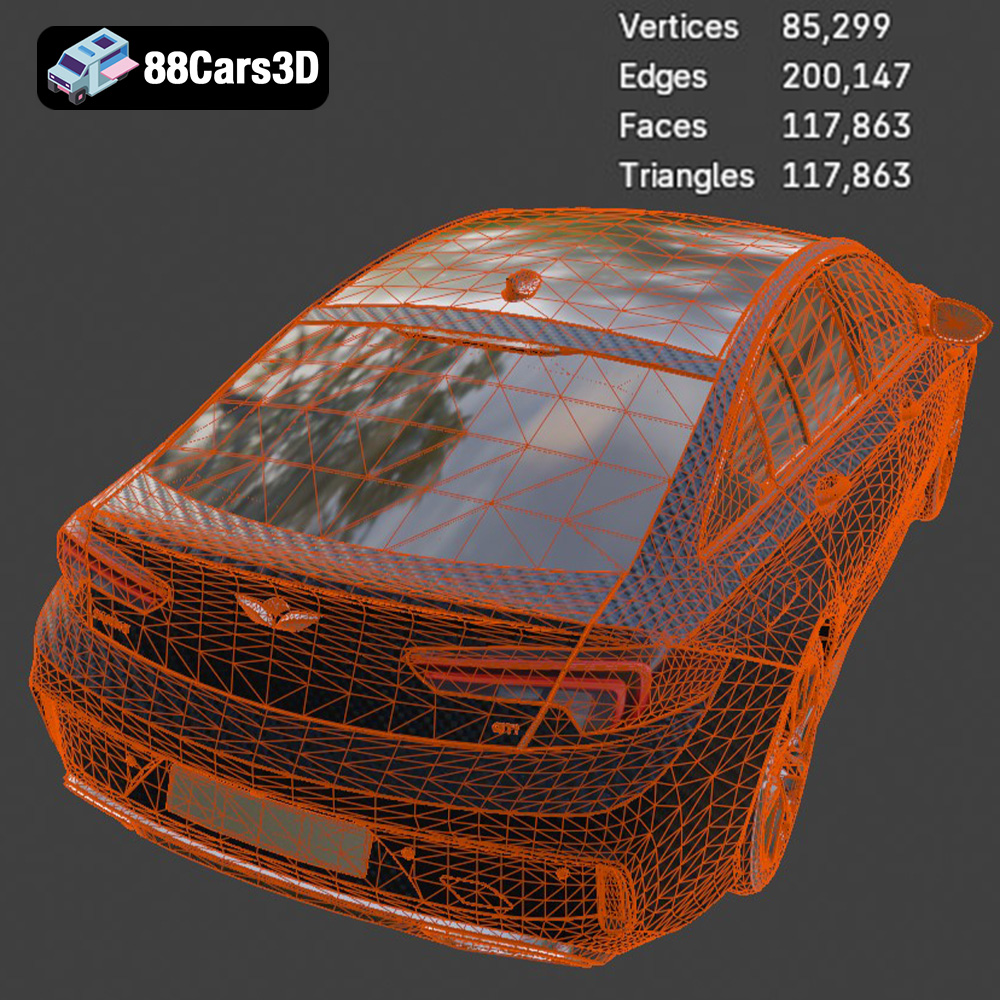
Beyond visual accuracy, the underlying mesh topology is critical, especially for game development and real-time applications. Good topology ensures clean deformations during animation, efficient rendering, and provides a solid base for UV mapping and texturing. Optimization involves carefully managing the polygon count without sacrificing visual fidelity. The Saning GTI-08 3D model boasts an optimized topology of approximately 120,000 triangles. This count strikes a perfect balance: it’s rich enough to convey high-end visual realism for detailed rendering, yet lean enough to be “game-ready” for seamless integration into real-time engines like Unreal and Unity. This clean mesh is paramount for outstanding shading and reflections, which are essential for photorealistic results and smooth performance in interactive environments.
The Saning GTI-08 3D model is not just a shell; it’s a comprehensive digital representation designed for maximum utility and visual impact. Every component has been carefully considered and executed to ensure it meets the demands of professional production pipelines.
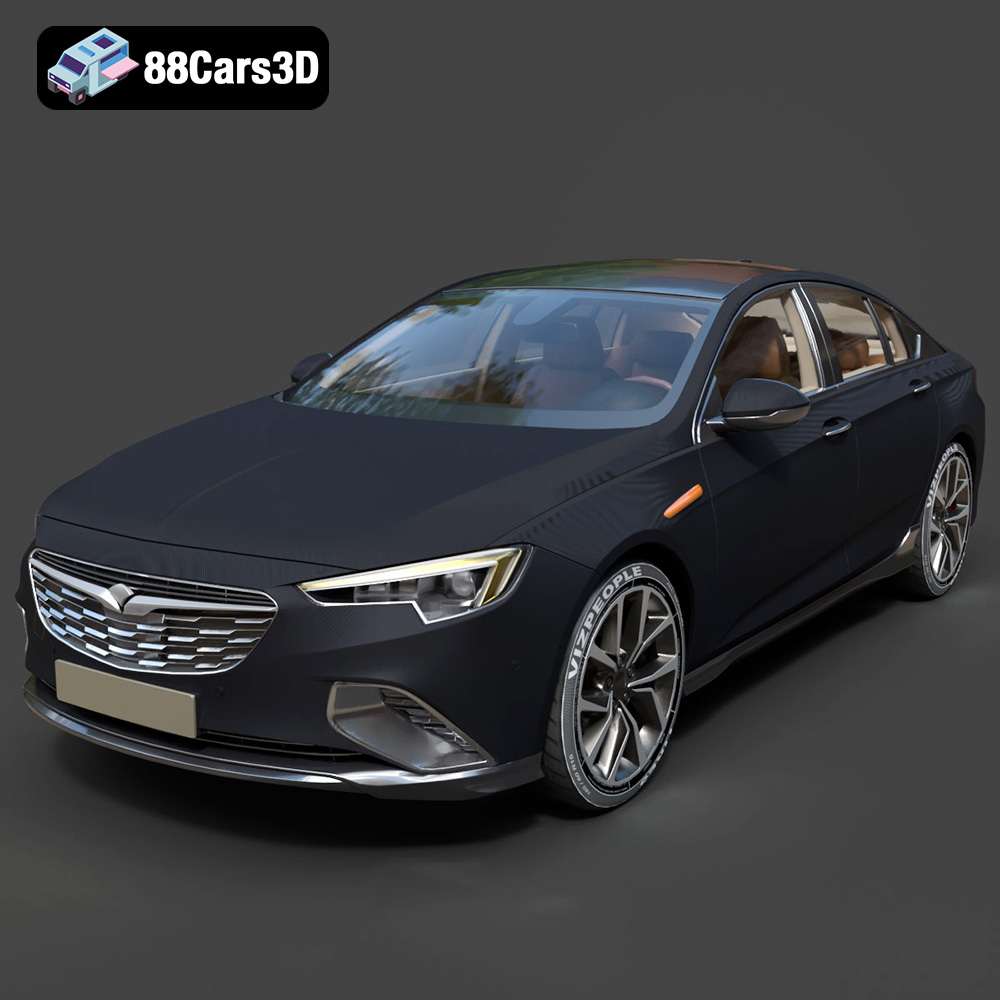
The exterior of the Saning GTI-08 model is a showcase of detailed craftsmanship. Beyond the accurate frame geometry, you’ll find intricate elements like LED headlights and sculpted taillight assemblies that capture the modern aesthetic. The custom alloy wheels, complete with accurate low-profile sports tires and visible brake calipers, add a layer of realism often overlooked in simpler models. Even the high-performance twin-exit exhaust system features modeled silencers, demonstrating a commitment to authentic detail. Crucially, components like the MacPherson strut and multi-link suspension details, along with separate wheels, suspension, and steering components, are designed for animation, making this model invaluable for dynamic scenes or interactive configurators where vehicle mechanics need to be accurately represented.
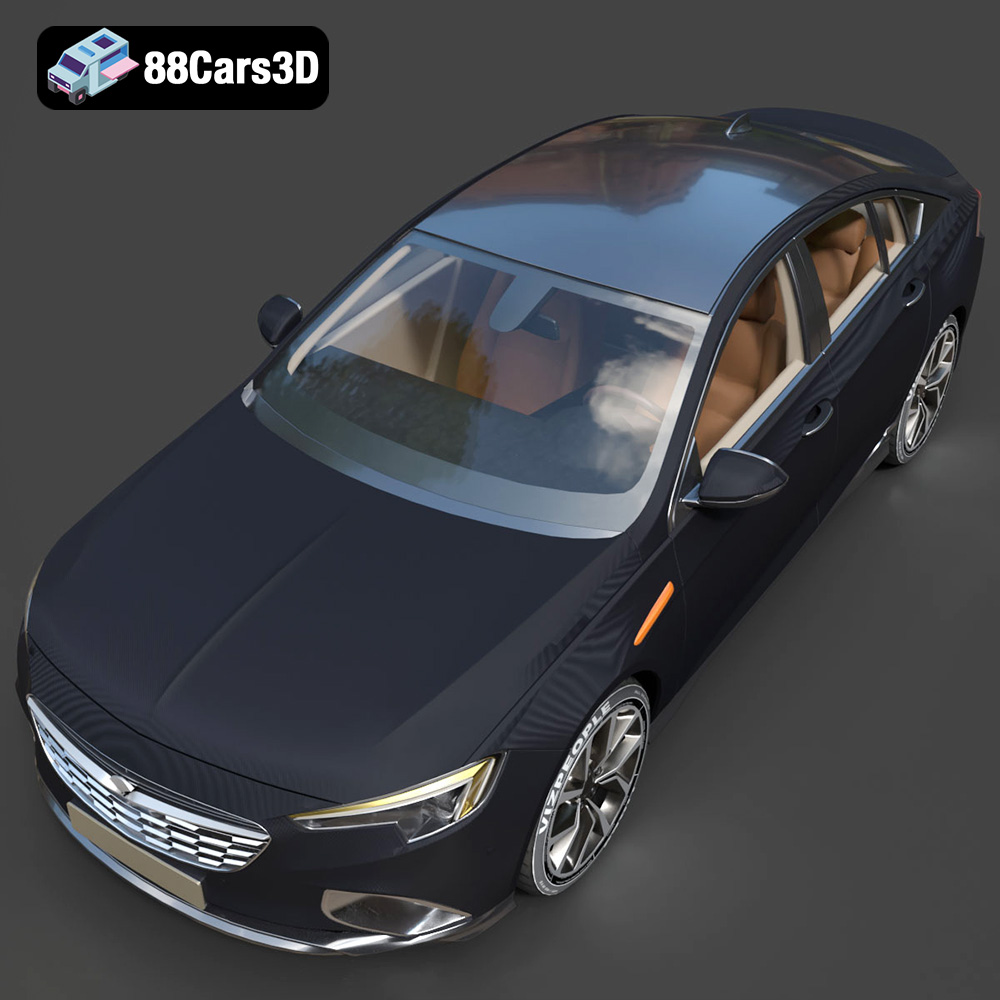
The interior, or cockpit, of a vehicle is just as important as its exterior, particularly for applications requiring a first-person perspective, such as racing games or virtual tours. The Saning GTI-08 model features sport bucket seats with detailed high-resolution stitching textures, lending a sense of luxury and authenticity. A driver-focused sporty steering wheel with paddle shifters, a modern digital instrument cluster, and an infotainment screen further enhance realism. Intricate control details, including foot pedals, turn stalks, and a center console shifter, are all present and optimized for first-person POV in gaming, allowing for truly immersive experiences where the user feels truly “inside” the vehicle.
The true power of the Saning GTI-08 3D model lies in its technical specifications. It is truly game-ready and optimized, with its ~120,000 triangle count balancing visual fidelity with real-time performance. Built to real-world scale accuracy, based on actual vehicle chassis dimensions, it ensures consistent proportions across different projects. Furthermore, proper pivot setups for steering, wheel rotation, and suspension travel are included, enabling immediate animation without tedious setup, a significant time-saver for animators and game developers. This model’s compatibility with major 3D software platforms and real-time rendering engines solidifies its position as a go-to asset for any professional production.
The utility of a high-quality 3D car model extends far beyond simple static renders. Its adaptability makes it a cornerstone asset for numerous innovative applications across various industries.
In the realm of video games, realistic vehicles are essential for creating believable and engaging experiences. From open-world adventures to high-octane racing titles and intricate simulators, the demand for optimized and visually stunning 3D car models is constant. The Saning GTI-08, with its game-ready optimized polycount and real-world accuracy, is ideal for these applications. Its clean mesh ensures smooth performance and stunning visuals within game engines like Unreal and Unity, making it a perfect asset for developers looking to add a dynamic hot-hatch to their digital garages. The carefully modeled interior also supports immersive first-person gameplay, a critical feature for driving simulators.
Augmented Reality (AR) and Virtual Reality (VR) are transforming how we interact with products and environments. Automotive brands are increasingly utilizing AR/VR for virtual showrooms, interactive configurators, and immersive marketing campaigns. A high-fidelity 3D model like the Saning GTI-08 is crucial for these experiences, providing the visual backbone for hyper-realistic virtual showrooms where customers can explore a vehicle in detail before it even exists physically. Its optimized nature (especially in .glb format) ensures fluid performance on various AR/VR devices, making it perfect for both high-end headsets and mobile AR applications.
For marketing, advertising, and architectural visualization (archviz), stunning renders are paramount. Whether it’s showcasing a new vehicle in a brand campaign, integrating a car into a lifestyle scene, or enhancing an architectural render, the visual quality of the 3D car model directly impacts the effectiveness of the output. The Saning GTI-08’s meticulous detail, from its body curves to its custom wheels, makes it an excellent candidate for high-end studio lighting setups and cinematic renders. Its clean mesh and superior shading properties ensure that it stands out in any visual context, providing excellent material for marketing collateral.
While primarily digital, 3D models can also bridge the gap into the physical world through 3D printing. The Saning GTI-08, convertible to the ubiquitous .stl format, opens up possibilities for display-scale hobbyists and model makers. The product description even provides specific 3D print settings, recommending scales like 1:12, 1:18, or 1:24, and suggesting resin printing for fine details. Details like recommended layer height (0.04–0.12 mm), wall thickness (1.2–2.0 mm), infill (20–30%), and support requirements are invaluable for anyone looking to physically manifest this digital hot-hatch. Post-processing suggestions, such as sanding, primer, and authentic factory colors with metallic finishes, guide users toward achieving a professional physical replica.
Integrating a pre-made 3D asset like the Saning GTI-08 into a professional pipeline is a critical step. The quality and versatility of the asset directly impact the efficiency and success of the project.
For users of industry-standard software such as Autodesk 3ds Max or Blender, the availability of native file formats (.max and .blend) for the Saning GTI-08 simplifies the workflow immensely. In 3ds Max, artists can readily access the model’s full scene data, allowing for immediate setup of advanced rendering engines like V-Ray or Corona. The proper pivot setups for animation mean that car chases, driving sequences, or interactive component showcases can be rigged and animated with minimal effort. Similarly, Blender users benefit from the native .blend file, which retains all original materials, modifiers, and scene settings. This provides a robust starting point for customizing textures, tweaking shaders for Cycles or Eevee, or integrating the car into a larger scene with Blender’s powerful animation tools. The clean topology also ensures that any further modeling or sculpting operations can be performed without introducing errors.
Unreal Engine is a powerhouse for real-time visualization and game development, and high-quality 3D car models are central to its capabilities. The .fbx and dedicated .unreal formats of the Saning GTI-08 are specifically tailored for this environment. Importing the .fbx asset into Unreal Engine allows developers to take advantage of its physically-based rendering (PBR) system, creating stunningly realistic materials that react accurately to light. The optimized polycount ensures smooth framerates even in complex scenes, crucial for racing games or open-world environments. The proper pivot setups mean that steering, wheel rotation, and suspension can be easily animated via blueprints, while collision meshes can be generated or imported to ensure realistic interaction with the game world. For a truly streamlined workflow, the .unreal package is invaluable, providing an engine-ready asset with pre-configured materials, LODs, and potentially even interactive blueprints, drastically cutting down on setup time.
A truly professional 3D asset offers significant customization potential. The Saning GTI-08 excels in this regard, allowing artists to tailor its appearance to suit specific project needs. Users can easily change body colors, applying anything from authentic factory colors to custom metallic finishes or matte wraps. Tire textures can be modified to switch between off-road variants for an adventurous look or high-performance street variants for a sleek aesthetic. Adjusting material finishes—making components matte, gloss, or metallic—provides further creative control. Beyond the vehicle itself, adapting lighting for different environments (day, night, studio, street) can dramatically alter its mood and presence in a scene. This level of adaptability ensures that the Saning GTI-08 can be repurposed across numerous projects without feeling generic, delivering exceptional value from a single purchase.
In the competitive world of 3D content creation, the choice of assets can significantly impact a project’s quality and timeline. Purchasing high-quality, pre-made 3D car models from reputable sources like 88cars3d.com offers distinct advantages over building assets from scratch.
Developing a professional-grade 3D car model like the Saning GTI-08 from the ground up requires substantial investment in skilled artists, software licenses, and dedicated time. For many studios and individual creators, this overhead is prohibitive. By acquiring a pre-made asset, projects can bypass the lengthy modeling, UV mapping, texturing, and optimization phases, directly integrating a production-ready model into their workflow. This drastically reduces development costs and accelerates project timelines, allowing teams to focus resources on other critical aspects of their production.
The models offered on 88cars3d.com, exemplified by the Saning GTI-08, adhere to rigorous standards of quality. This includes accurate real-world scale, clean and optimized mesh topology, detailed materials, and proper pivot setups for animation. These technical advantages translate directly into superior visual results and smoother performance across diverse applications. Investing in such models means acquiring assets that are not only visually appealing but also technically sound, ensuring they perform reliably whether destined for high-resolution renders, interactive game environments, or physical 3D prints. It’s about securing assets that meet the demands of a professional pipeline, guaranteeing a consistent standard of excellence that elevates any project.
The digital realm is continuously pushing the boundaries of realism and immersion, with high-quality 3D car models playing a pivotal role in this evolution. From the intricacies of automotive design visualization to the dynamic demands of game development and the innovative frontiers of AR/VR, a meticulously crafted and optimized vehicle asset is indispensable. We’ve explored the critical importance of understanding various file formats, the art and science behind creating such models, and the expansive applications they serve.
The **Saning GTI-08 3D Model** stands out as an exemplary asset, embodying the perfect fusion of aesthetic appeal and technical robustness. Its optimized polycount, accurate detailing, game-ready features, and comprehensive file format support (including .blend, .fbx, .obj, .glb, .stl, .ply, .unreal, and .max) make it an incredibly versatile choice for any professional needing a top-tier automotive model. By offering such a broad array of options, 88cars3d.com empowers creators to integrate this dynamic hot-hatch seamlessly into their specific workflows, whether for cinematic rendering in 3ds Max, interactive experiences in Unreal Engine, or even physical fabrication via 3D printing.
Ultimately, investing in professional-grade 3D assets like the Saning GTI-08 from 88cars3d.com isn’t just about acquiring a model; it’s about investing in efficiency, quality, and the ability to bring compelling, high-fidelity digital experiences to life with confidence.
The Saning GTI-08 is a dynamic and aggressive high-performance vehicle, blending sporty aesthetics with cutting-edge aerodynamic design. Known for its hot-hatch heritage and nimble handling, this model showcases an iconic front fascia, muscular fender flares, and a distinct twin-exit exhaust system. Every curve and edge has been meticulously recreated to capture the raw energy and modern styling cues of the GTI-08.
This 3D model boasts exceptional quality with an optimized topology of approximately 120,000 triangles, making it fully game-ready without compromising on visual fidelity. Designed for seamless integration into real-time engines, the mesh is impeccably clean, providing outstanding shading and reflections necessary for high-end rendering, game development, AR/VR experiences, and high-quality animation projects.
Perfect for urban street racing games, virtual automotive configurators, high-fidelity archviz renders, and interactive mobile AR experiences.
$19.99
.blend
.fbx
.glb
.hot-hatch
.max
.obj
.ply
.rendering
.sports car
.stl
.unreal
car-3d-model
game asset
game-ready
gti-08
low-poly
optimized
saning
VR/AR