Get 20% OFF All Premium 3D & STL Models!

In the dynamic worlds of automotive design, game development, cinematic visualization, and virtual reality, the demand for highly detailed and accurate 3D car models is ceaseless. Creators constantly seek assets that not only look stunning but are also technically optimized for diverse applications. Whether you’re crafting a hyper-realistic racing simulator, an immersive AR experience, or a high-impact advertising campaign, the foundation of your project often rests on the quality of your 3D vehicle assets.
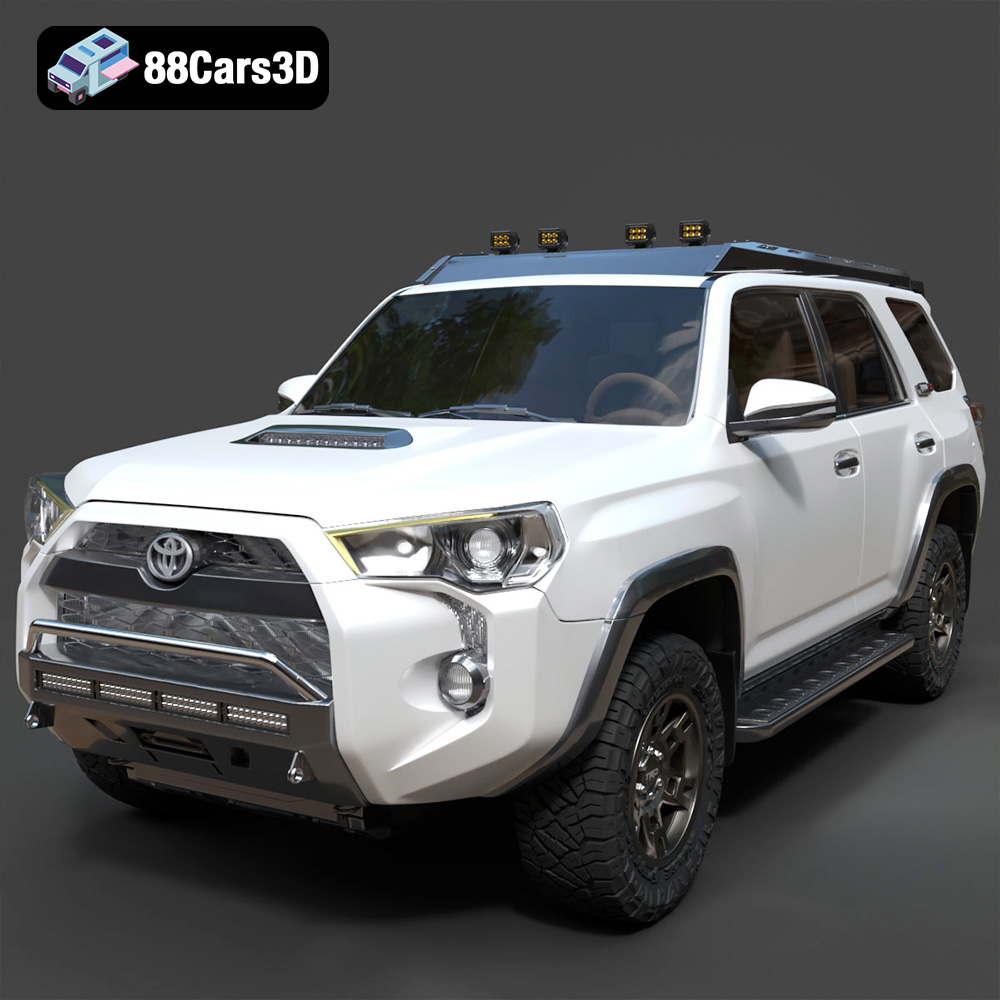
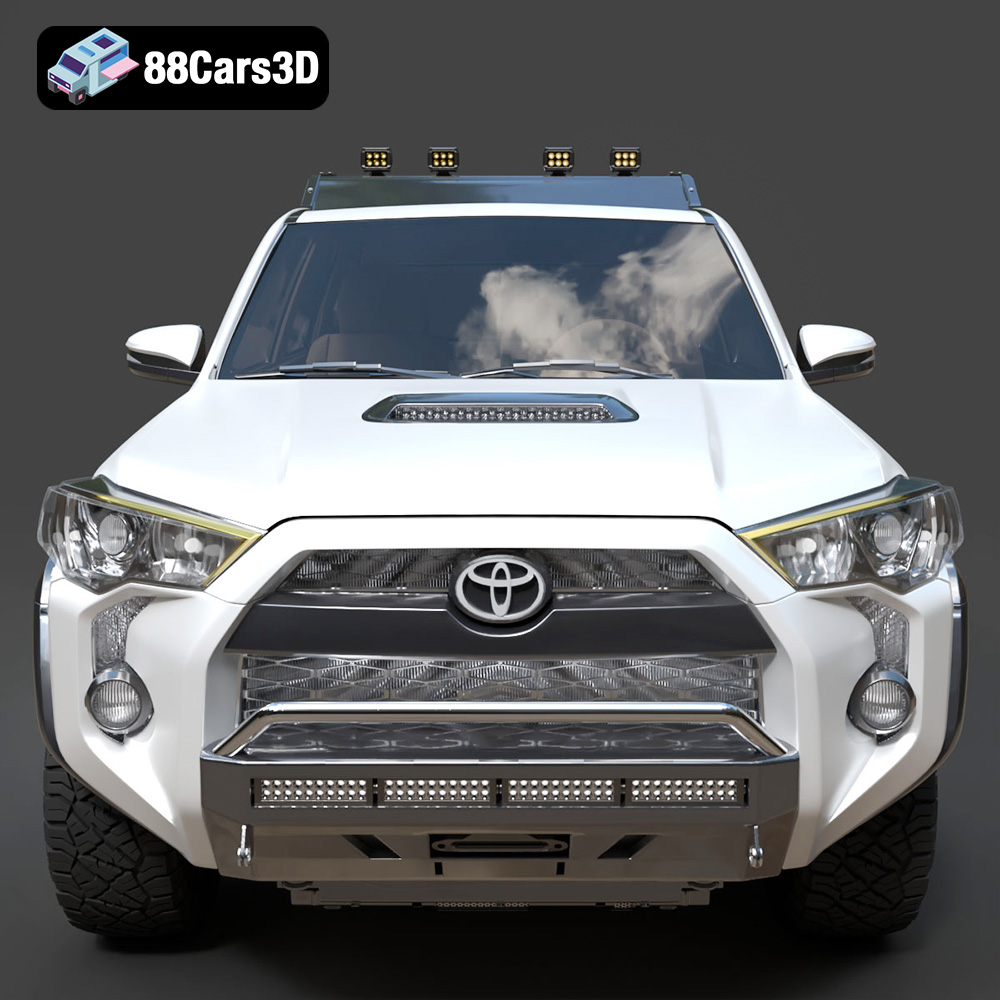
Today, we delve into the meticulous craftsmanship behind one such exceptional asset: the Toyota 4Runner 2018 TRD Pro 4×4 3D model. This isn’t just a digital representation; it’s a meticulously engineered “digital twin” that captures every rugged curve and powerful stance of the legendary off-roader. From its distinctive heritage TOYOTA front grille to the robust TRD-tuned suspension, this model offers unparalleled fidelity and versatility, making it a cornerstone for professional projects across the industry. It exemplifies the kind of quality available at marketplaces like 88cars3d.com, where creators can find the precise tools they need to bring their visions to life.
The journey of a 3D car model from creation to integration across various platforms is often dictated by its file format. Each format serves a specific purpose, optimized for different workflows, software environments, and end-use applications. Understanding these nuances is crucial for any professional working with 3D automotive rendering or game assets.
The .blend format is native to Blender, the popular open-source 3D creation suite. When you download a .blend file, you’re gaining access to a fully editable Blender scene, complete with materials, textures, lighting, cameras, and even animation data. This is ideal for artists who primarily work in Blender and need complete control over the asset for customization, rigging, or further detailing. It preserves all the scene’s intricacies, making it a perfect starting point for personalized projects.
.fbx (Filmbox) is a proprietary file format developed by Autodesk, widely recognized as the industry standard for 3D data exchange. Its strength lies in its ability to store not just geometry, but also materials, textures, animations, rigging, and even camera data in a single file. This makes .fbx ideal for transferring assets between different 3D software applications like 3ds Max, Maya, and Blender, and crucially, into real-time pipelines such as Unreal Engine and Unity. For game development, .fbx is often the go-to format due to its robust support for animations and efficient data handling.
The .obj (Wavefront OBJ) format is one of the oldest and most universally compatible 3D file formats. It primarily stores geometry (vertices, normals, texture coordinates, and faces) and can reference external .mtl (material) files for basic material properties. While it doesn’t support animation or advanced rigging, its simplicity and widespread compatibility make it excellent for cross-software transfers when you mainly need the mesh data. It’s often used as a fallback format or for situations where pure geometric interchange is paramount.
.glb (GLB, or binary glTF) is the binary version of the GL Transmission Format (glTF). It’s an open-standard, royalty-free specification designed for efficient transmission and loading of 3D scenes and models by engines and applications. .glb files encapsulate all necessary data (geometry, materials, textures, animations) into a single, compact file. This optimization makes it perfect for AR/VR applications, web-based 3D viewers, and mobile experiences, where file size and quick loading times are critical.
The .stl (STereoLithography) format is the standard file type for 3D printing. It represents 3D surfaces as a collection of unconnected triangular facets. Unlike other formats that store color or material information, .stl focuses purely on the geometry. For models like the Toyota 4Runner 2018 TRD Pro 4×4, converting to .stl allows hobbyists and professionals to physically manifest the digital design. Precision and mesh integrity are key for successful 3D prints, making clean topology in the original model essential.
.ply (Polygon File Format) is another format that stores geometric information, often including color, transparency, and sometimes even normal vectors. It’s particularly common in 3D scanning and for scientific applications where precision mesh data is required for CAD or analysis. While less common for general asset exchange than .fbx or .obj, it offers a robust way to represent complex geometry, often used in conjunction with point cloud data.
The .unreal format signifies an asset specifically prepared for Unreal Engine. While not a native Unreal file extension in the same way .blend is for Blender, “unreal” in this context implies the model has been exported and configured with Unreal Engine’s specific requirements in mind. This typically means optimized meshes, properly configured materials with PBR (Physically Based Rendering) textures, collision meshes, and often pre-configured Blueprints for easy drag-and-drop implementation into an Unreal project, saving significant setup time for game developers.
Similar to .blend for Blender, .max is the native file format for Autodesk 3ds Max. It contains the entire 3ds Max scene, including geometry, materials, textures, lighting, cameras, animation, and scene settings. For users deeply integrated into the 3ds Max ecosystem, this format provides the most flexibility for detailed editing, complex animation setups, and advanced rendering using renderers like V-Ray or Corona. It’s a complete package for comprehensive project work.
The true value of a premium 3D car model lies in its ability to meticulously replicate its real-world counterpart. The Toyota 4Runner 2018 TRD Pro 4×4 3D model exemplifies this commitment to accuracy, offering a stunning digital rendition that serves as a versatile foundation for any project requiring automotive authenticity.
Every professional working with automotive rendering understands that the first impression is paramount. The exterior of this 4Runner model showcases an obsessive attention to detail. The rugged body panels and accurate proportions perfectly mirror the actual SUV chassis. Crucially, the model captures the TRD Pro’s distinctive features: the heritage TOYOTA front grille, the aggressive hood scoop, and the specialized TRD-stamped aluminum front skid plate are all faithfully recreated. The high-fidelity projector-beam headlights, LED fog lights, and detailed taillight clusters ensure that lighting interactions are realistic and impactful. Furthermore, the TRD 17-inch matte-black alloy wheels, equipped with aggressive off-road tire treads, and the high-clearance suspension details, including TRD-tuned Fox shocks and springs, are individually modeled. This granular detail extends to separate components for wheels, suspension, and steering, enabling seamless and convincing animation sequences.
Beyond the impressive exterior, the interior of the Toyota 4Runner 3D model offers an equally immersive experience. For virtual showrooms, interactive configurators, or even first-person POV in game development, a detailed cockpit is essential. This model features accurately modeled SofTex-trimmed seats complete with TRD Pro badging, providing a tactile sense of luxury and ruggedness. The steering wheel and dashboard layout are precisely replicated, down to the high-resolution instrument cluster and the center console infotainment screen. Even the TRD shift knob and meticulously placed interior controls are present, ensuring that any virtual interaction or rendering from an interior perspective feels authentic and rich in detail. The optimized geometry ensures that even with this level of detail, the model remains suitable for demanding real-time applications.
In today’s fast-paced digital landscape, stunning visuals are often only half the battle. A truly professional 3D car model must also be optimized for performance, especially when destined for real-time engines or interactive experiences. The Toyota 4Runner 2018 TRD Pro 4×4 3D model shines in this regard, engineered to strike a crucial balance between visual fidelity and operational efficiency.
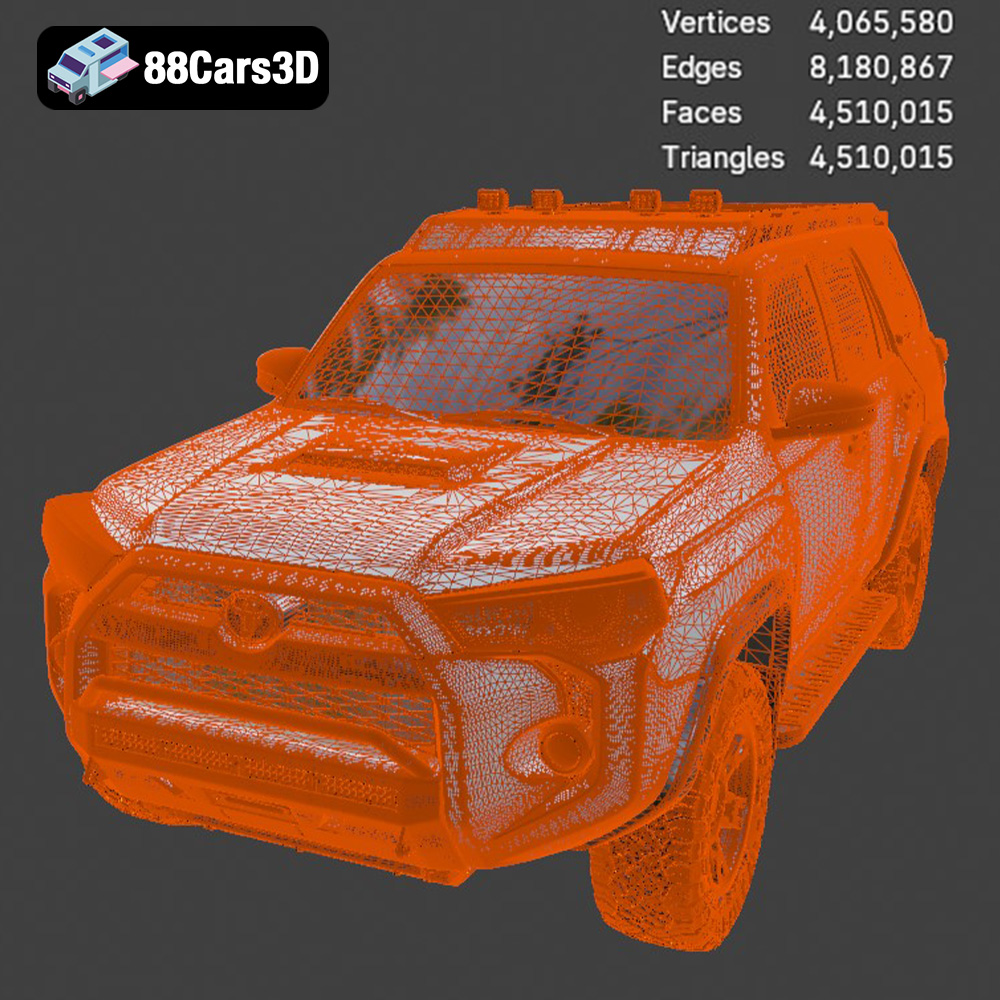
One of the most critical technical specifications for real-time assets is the triangle count, or polycount. Too high, and the model will bog down game engines and VR applications; too low, and it sacrifices visual detail and realism. This 4Runner model boasts an approximate 180,000 triangle count. This figure represents a ‘sweet spot’ for game assets and AR/VR, providing exceptional visual realism without imposing excessive overhead on the rendering pipeline. This optimization ensures smooth frame rates in demanding game environments and fluid interactions in immersive virtual reality experiences, making it a truly ‘game-ready’ asset. The clean, efficient topology also guarantees smooth shading and reflections, critical for realistic lighting and material responses.
Beyond just the polycount, true game-readiness involves a host of other considerations. This model features real-world scale accuracy, ensuring it fits perfectly into any digital environment without requiring tedious scaling adjustments. Crucially for interactive vehicle systems, it includes proper pivot setups for steering, wheel rotation, and suspension travel. This means animators and game developers can instantly integrate the model into existing vehicle physics systems or create new ones with minimal fuss. Compatible with major 3D software platforms and real-time rendering engines like Unreal Engine and Unity, the model’s design facilitates quick deployment, significantly reducing development time and resource expenditure for projects ranging from open-world games to off-road driving simulators.
A high-quality 3D car model is a powerful tool, but its true potential is unlocked through skilled integration into various professional workflows. The Toyota 4Runner 2018 TRD Pro 4×4 3D model is designed to be highly versatile, fitting seamlessly into diverse creative pipelines.
For high-end automotive rendering, precision and aesthetic control are paramount. In environments like 3ds Max (using the .max file) or Blender (using the .blend file), artists can leverage the model’s clean topology and detailed features to create breathtaking visuals. Imagine crafting a studio render with dramatic lighting, showcasing the 4Runner’s muscular body lines and TRD accents. Or perhaps a lifestyle scene, placing the SUV in a rugged mountain landscape, complete with dynamic weather effects. Artists can easily adjust material finishes – from matte to gloss or metallic – to achieve the desired look. With advanced renderers like V-Ray, Corona Renderer (3ds Max), or Cycles and Eevee (Blender), the model’s optimized geometry and accurately applied PBR textures will respond realistically to light, creating photo-realistic images and animations that captivate audiences. This model streamlines the process, allowing artists to focus on creative composition and lighting rather than extensive mesh cleanup.
When it comes to real-time applications, Unreal Engine offers unparalleled power. The “unreal” ready version of the Toyota 4Runner 3D model simplifies the integration process dramatically. Developers can import the asset, confident that its geometry, UVs, and PBR material setup are optimized for Unreal Engine’s rendering pipeline. This allows for quick creation of vehicle blueprints, setting up intricate physics systems, collision detection, and interactive components. Imagine an automotive configurator where users can customize the 4Runner’s paint color (e.g., Cavalry Blue, Super White, Midnight Black Metallic), switch between mud-terrain and all-terrain tire textures, or even open doors and explore the interior in real-time. The model’s proper pivot setup for wheels and suspension is a huge advantage, enabling dynamic suspension travel and realistic steering mechanics straight out of the box, making it a prime game asset.
Beyond traditional rendering and game development, the 4Runner model extends its utility to emerging technologies. For AR/VR experiences, the .glb format is invaluable. Its optimized, single-file structure makes it ideal for streaming into web-based AR configurators, mobile VR showrooms, or even interactive educational tools. Users can ‘place’ the 4Runner in their real-world environment via AR or virtually sit inside its detailed cockpit in VR, creating truly immersive engagements. For hobbyists or product designers, the model can be converted to the .stl format for 3D printing. With recommended settings for layer height (0.04–0.12 mm, ideally resin printing for details), wall thickness, and supports, enthusiasts can bring a tangible, scaled version of their favorite off-roader to life. This versatility underscores the comprehensive nature of a well-engineered 3D car model.
Even the most detailed 3D model needs to be adaptable. Creative projects rarely adhere to a single vision, and the ability to customize an asset significantly enhances its value. The Toyota 4Runner 2018 TRD Pro 4×4 3D model provides extensive customization options, giving artists and developers the freedom to tailor it to their specific needs.
The core of automotive visualization often revolves around presenting a vehicle in various configurations or aesthetics. With this 4Runner model, changing body colors is a straightforward process, allowing artists to cycle through authentic factory colors like Cavalry Blue, Super White, or Midnight Black Metallic, or even experiment with custom hues. Beyond paint, the flexibility extends to material finishes – adjusting the gloss, metallic flake, or even adding a matte texture can dramatically alter the vehicle’s character. Furthermore, modifying tire textures to switch between aggressive mud-terrain variants for extreme off-roading or more balanced all-terrain options for everyday adventure instantly changes the vehicle’s perceived capability and context. These customization options are vital for creating diverse marketing assets or offering rich configurator experiences.
A vehicle’s presentation is heavily influenced by its environment and lighting. This 3D model is built to interact seamlessly with various lighting setups. Whether you’re simulating a harsh desert sun, a soft studio key light, or the ambient glow of a city night, the model’s optimized materials and clean UVs ensure realistic light bounces and reflections. This adaptability allows artists to place the 4Runner in any virtual setting, from a rugged trail under a vast sky to a polished showroom floor, knowing it will react appropriately to the scene’s illumination. The ability to adapt lighting for different environments is a testament to the model’s robust technical foundation, ensuring it looks exceptional under any creative direction.
The world of 3D modeling demands both artistic vision and technical precision. As we’ve explored, a premium 3D car model like the Toyota 4Runner 2018 TRD Pro 4×4 3D model is far more than just a digital object; it’s a meticulously crafted asset designed to empower creators across diverse industries. From its stunning visual fidelity, capturing every detail of the legendary off-roader, to its thoughtful optimization for game engines, AR/VR, and even 3D printing, this model represents the pinnacle of professional-grade assets.
Understanding the intricacies of various file formats – from the comprehensive .blend and .max project files to the versatile .fbx, the web-optimized .glb, and the print-ready .stl – is fundamental to maximizing the utility of such a model. Its game-ready polycount, accurate scale, and pre-configured pivots significantly streamline workflows for automotive rendering, game development, and interactive experiences. The freedom to customize colors, materials, and integrate it into advanced rendering and real-time environments makes it an invaluable addition to any professional toolkit.
For professionals seeking to elevate their projects with high-quality 3D car models, assets like the Toyota 4Runner 2018 TRD Pro 4×4 are indispensable. Explore the extensive collection at 88cars3d.com to find the perfect assets that will drive your digital creations to new heights.
Experience the rugged capability and iconic design of the Toyota 4Runner 2018 TRD Pro 4×4. This highly detailed 3D model captures the essence of the legendary off-roader, featuring its distinctive heritage TOYOTA front grille, aggressive hood scoop, and muscular body lines. Every element, from the specialized TRD-tuned suspension components and robust skid plates to the beefy all-terrain tires and black TRD alloy wheels, has been meticulously recreated to provide an authentic digital twin of this revered adventure vehicle.
Engineered for maximum versatility, this 3D model strikes the perfect balance between high-end visual fidelity and optimized topology. With a highly efficient triangle count, it is fully game-ready and ideally suited for real-time applications such as game development, immersive AR/VR experiences, and high-quality cinematic animations. The topology ensures smooth shading and reflections, making it equally capable in both low-overhead gaming environments and resource-intensive rendering pipelines.
Perfect for off-road driving simulators, open-world exploration games, interactive automotive configurators, and outdoor lifestyle rendering projects.
$37.50
.2018
.4runner
.4×4
.blend
.fbx
.glb
.max
.obj
.ply
.rendering
.stl
.toyota
.unreal
car-3d-model
game asset
game-ready
low-poly
off-road-vehicle
optimized
SUV
trd-pro
VR/AR