Get 20% OFF All Premium 3D & STL Models!

In the dynamic world of 3D modeling, precision, fidelity, and versatility are paramount. Whether you’re a game developer striving for photorealistic environments, an architectural visualizer integrating luxury vehicles into your scenes, or an AR/VR creator building immersive experiences, the quality of your 3D assets directly impacts the final output. Few vehicles embody elegance and performance quite like the Mercedes Benz CLS Shooting Brake, a masterclass in automotive design that seamlessly blends the sleek lines of a four-door coupe with the practical versatility of a luxury estate.
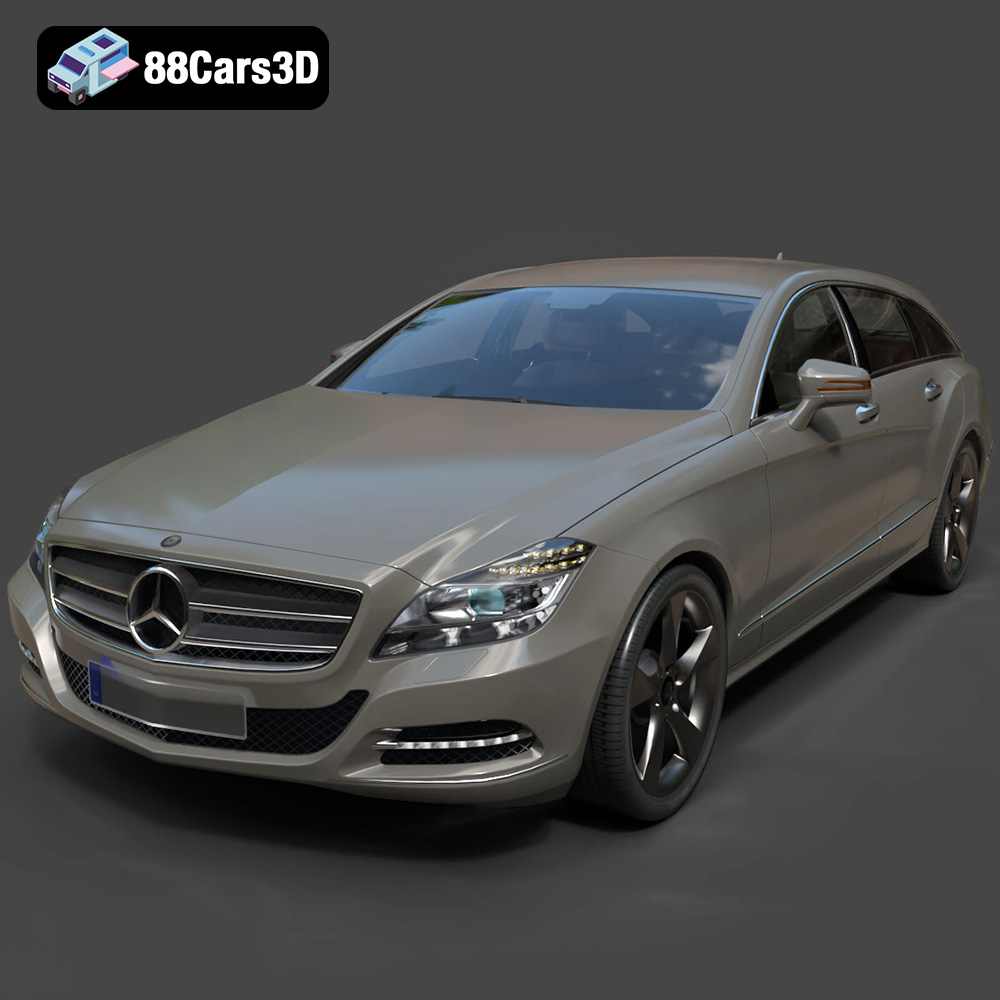
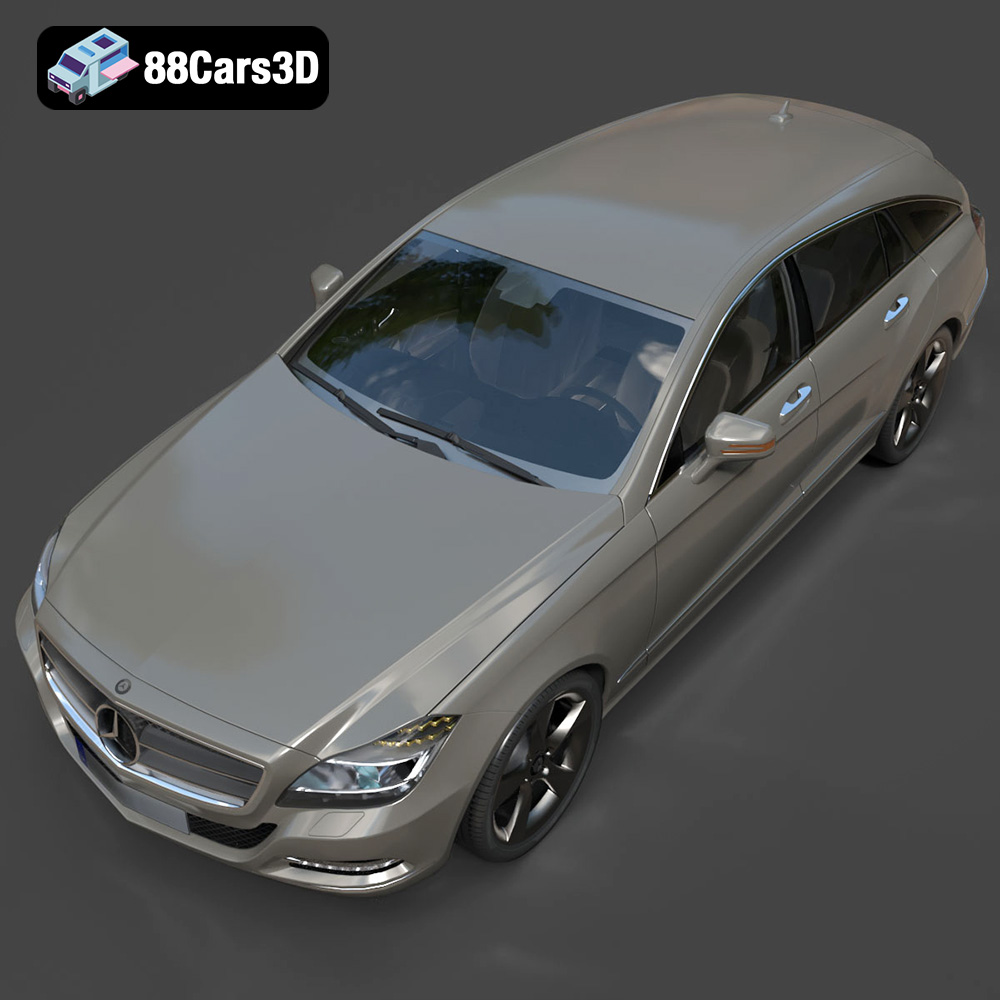
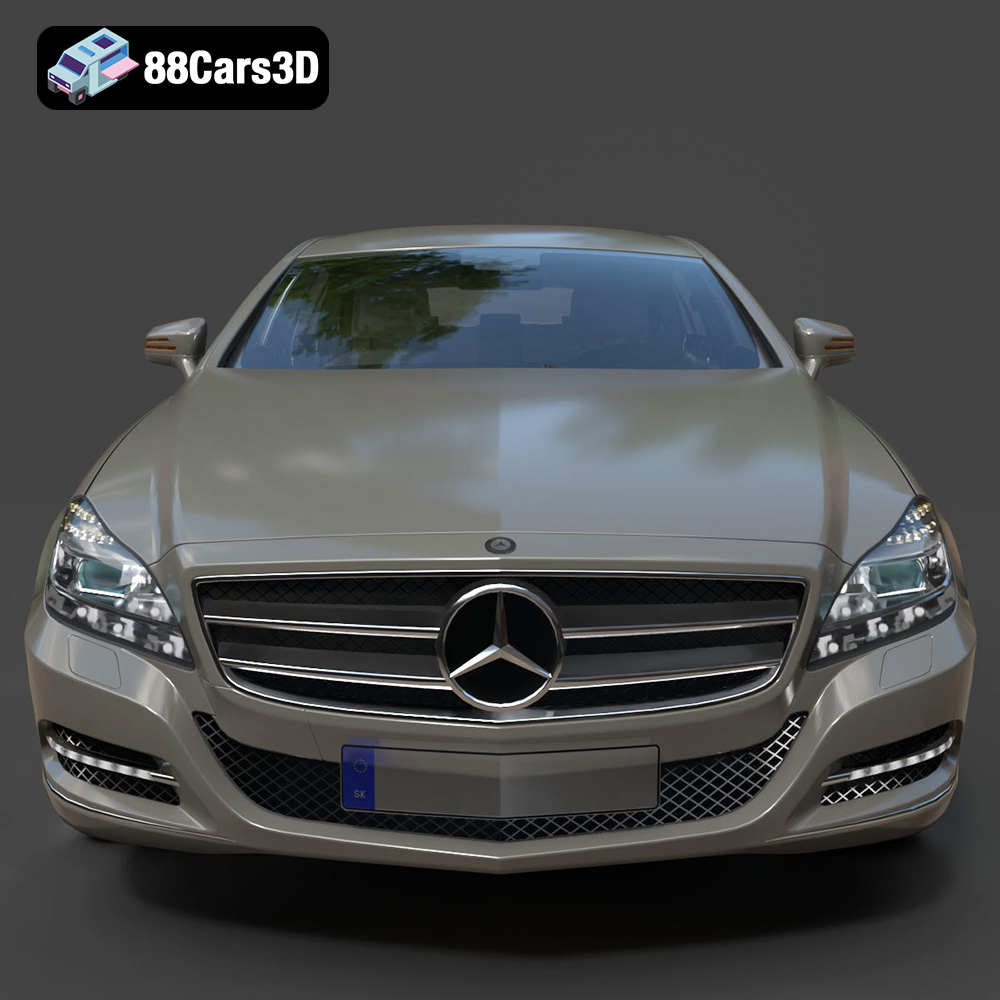
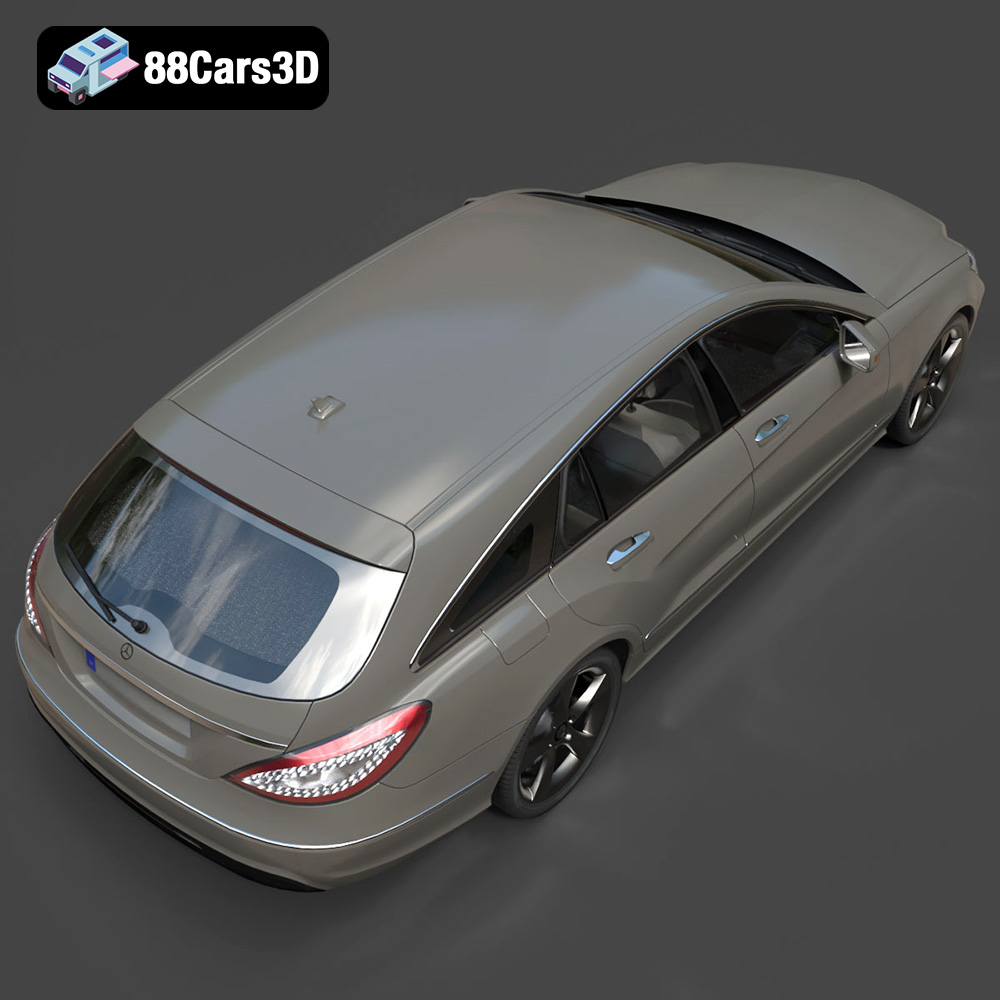
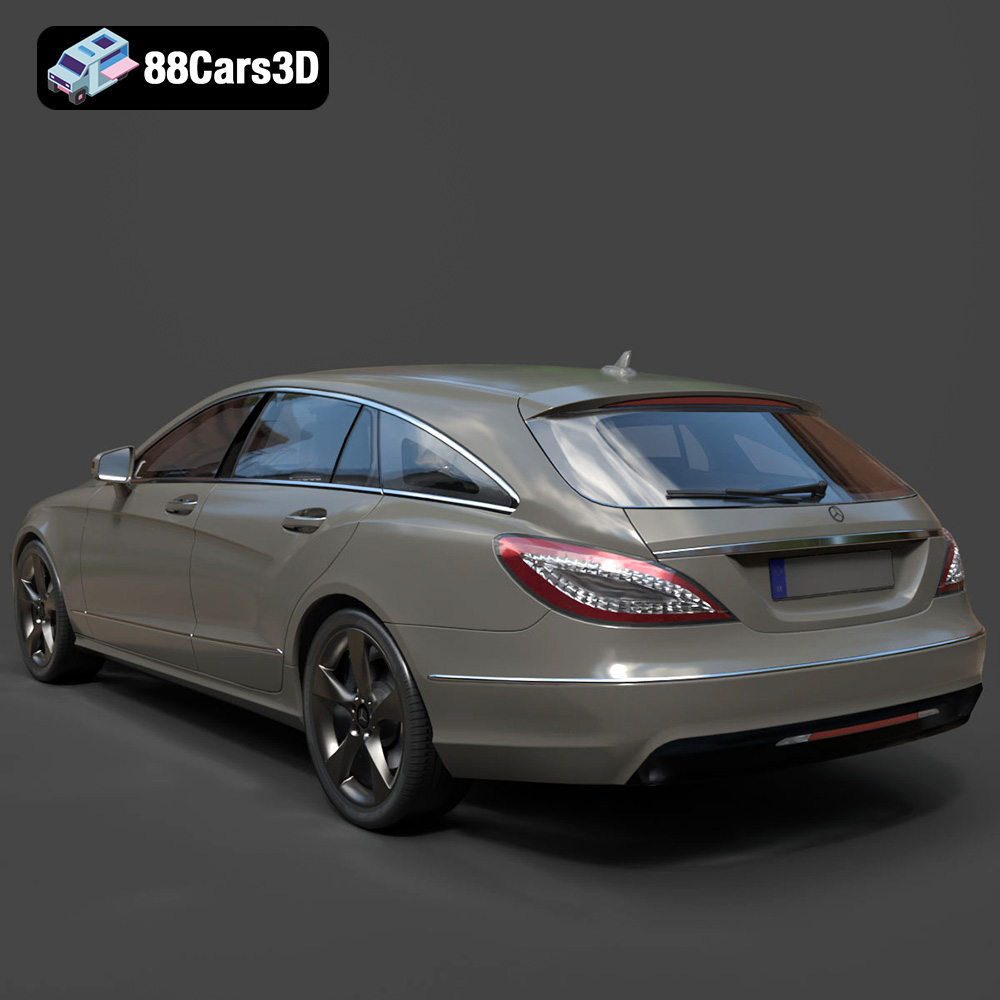
Today, we’re delving into a meticulously crafted digital rendition of this automotive icon – the Mercedes Benz CLS Shooting Brake 3D model available on 88cars3d.com. This asset isn’t just a static representation; it’s a fully optimized, game-ready model engineered to meet the stringent demands of professional creative workflows. From its aggressive front fascia and iconic star grille to its intricate LED lighting signatures and dual exhaust elements, every detail has been faithfully replicated to ensure both visual fidelity and technical efficiency across a multitude of applications. This blog post will explore the technical nuances, diverse applications, and profound impact that a high-quality 3D car model like this can have on your projects, guiding you through its features and how it integrates into various digital pipelines.
The journey of a 3D model from concept to implementation often involves traversing a landscape of diverse file formats, each with its own strengths, weaknesses, and intended applications. Understanding these formats is crucial for any 3D artist, game developer, or visualizer to ensure compatibility, preserve data integrity, and optimize workflow efficiency. The Mercedes Benz CLS Shooting Brake 3D model, for instance, is offered in an extensive array of formats, providing unparalleled flexibility.
The .blend format is the native file type for Blender, the popular open-source 3D creation suite. A .blend file is a complete scene package, storing not just the mesh data but also materials, textures, animations, lighting setups, camera positions, rigging information, and even scene properties and UI layouts. This makes it incredibly powerful for artists working primarily in Blender, allowing for full editability and seamless iteration within the software. For those who wish to delve into the model’s construction, modify its topology, or adjust its procedural materials, the .blend file provides the most comprehensive starting point.
Autodesk’s .fbx (Filmbox) format has emerged as a de facto industry standard for exchanging 3D data between different software applications. Its strength lies in its ability to store a wide range of data, including geometry (meshes), materials, textures, animations, skeletons, skinning, and even camera and light data. It’s particularly favored in game development pipelines, making it ideal for engines like Unreal Engine and Unity, due to its robust support for animation and hierarchical scene structures. While it can be more complex than simpler formats, its comprehensive data handling ensures that an FBX export from one software can be reliably imported into another, preserving most of the asset’s properties.
The .obj (Wavefront OBJ) format is one of the oldest and most universally supported 3D file formats. It’s a simple, human-readable text-based format primarily used for storing geometric data: vertices, normals, and UV coordinates. While it doesn’t typically store animation or rigging information, it can reference external .mtl (Material Template Library) files for basic material properties like color and texture maps. OBJ is excellent for exchanging static mesh data between almost any 3D software, making it a reliable choice when maximum compatibility is needed, particularly for models destined for applications with basic import capabilities or for archival purposes.
.glb (GL Transmission Format Binary) is a relatively newer format designed specifically for the efficient transmission and loading of 3D scenes and models on the web, in AR (Augmented Reality), and VR (Virtual Reality) applications. It is a binary version of the glTF format, meaning all textures, materials, and animations are embedded directly into a single file. This self-contained nature and optimization for real-time rendering make .glb files incredibly efficient and fast-loading, perfect for interactive 3D viewers, mobile AR experiences, and browser-based configurators.
The .stl (Standard Tessellation Language or StereoLithography) format is synonymous with 3D printing. It represents a 3D model as a series of connected triangles (a triangulated mesh) without any color, texture, or material information. STL files define only the surface geometry of an object, making them ideal for rapid prototyping and additive manufacturing. For the Mercedes Benz CLS Shooting Brake 3D model, its availability in .stl ensures that hobbyists and professionals alike can bring a physical replica to life through 3D printing, requiring careful consideration of scale and print settings.
The .ply (Polygon File Format, also known as the Stanford Triangle Format) is another format primarily used to store 3D data, often from 3D scanners or for scientific and engineering applications. It can store a wider range of properties than OBJ, including color, transparency, surface normals, and even texture coordinates, per vertex or per face. While less common in general 3D art pipelines compared to FBX or OBJ, its ability to store precise mesh data makes it valuable for applications requiring high fidelity and detailed point cloud or polygonal representations, such as CAD integration or advanced mesh analysis.
The .unreal designation often refers not to a single file format but to an asset or package that has been specifically prepared and configured for direct import or use within the Unreal Engine ecosystem. This typically means the mesh (likely an FBX import), materials (with PBR setup), textures, and sometimes even collision meshes or skeletal rigs are pre-optimized and packaged in a way that minimizes setup time for Unreal Engine users. It signifies a “drop-in” ready solution, ensuring seamless integration and optimal performance within demanding real-time environments.
Similar to .blend for Blender, .max is the native file format for Autodesk 3ds Max, a powerful 3D modeling, animation, rendering, and compositing software package. A .max file contains the complete 3ds Max scene, including all geometric data, materials, textures, lighting, camera setups, animation keyframes, modifiers, and plugin data. This format provides the highest level of editability and functionality for users of 3ds Max, allowing for full control over every aspect of the scene and model, making it ideal for professional rendering and animation studios that rely on the software.
The availability of the Mercedes Benz CLS Shooting Brake 3D model in such a wide array of formats underscores its versatility and value, ensuring that artists and developers can access and utilize this exceptional asset regardless of their preferred software or specific project requirements.
Creating a truly exceptional 3D car model, especially one as sophisticated as the Mercedes Benz CLS Shooting Brake, goes far beyond simply mimicking its exterior shape. It demands an intricate understanding of topology, material science, and the specific requirements of various digital environments. The model available at 88cars3d.com exemplifies this dedication to detail and technical precision.
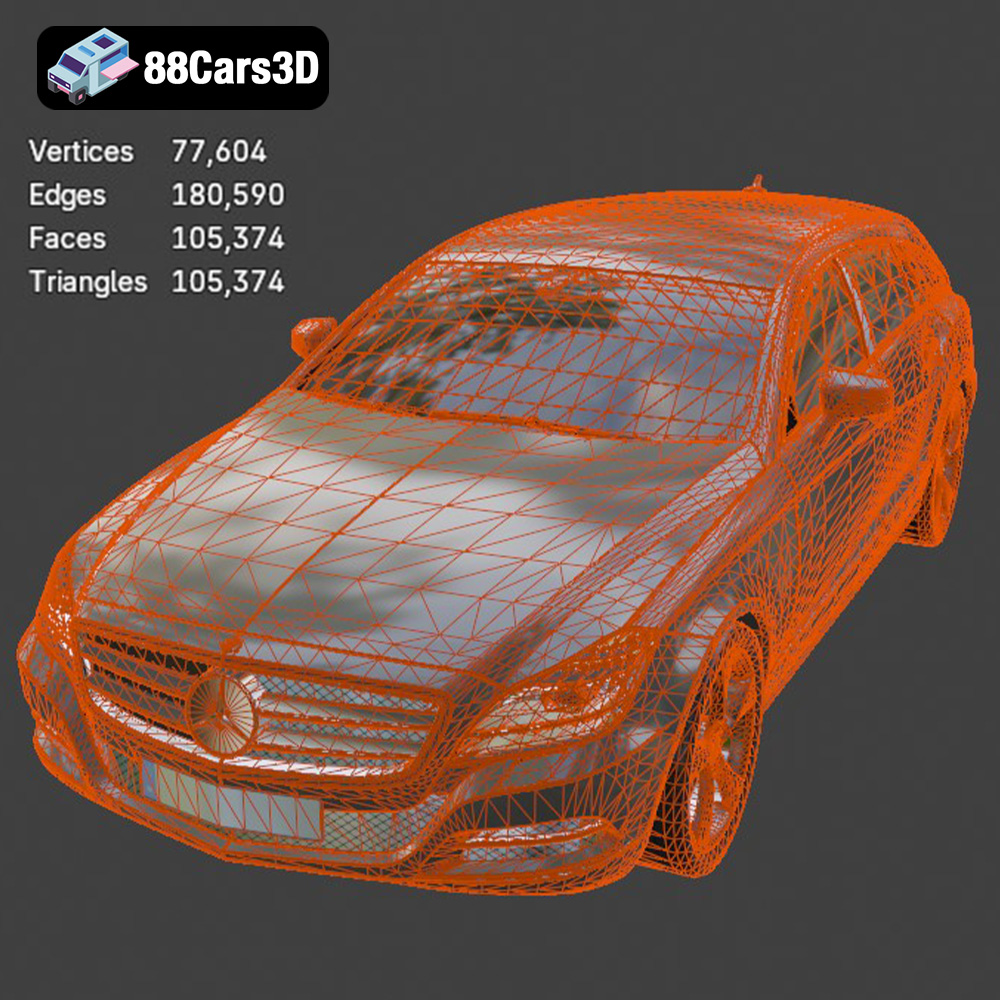
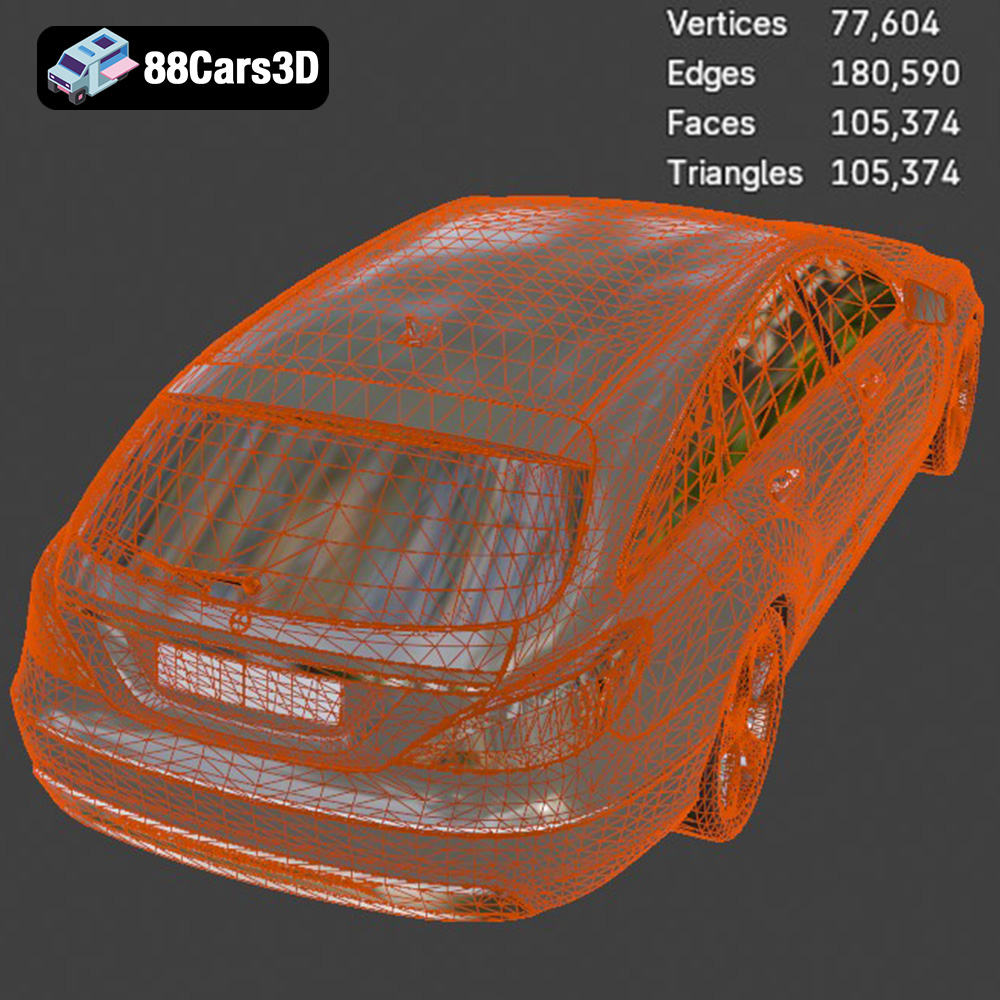
At the heart of any high-quality 3D model is its geometry and topology. For the CLS Shooting Brake model, this means accurately capturing the vehicle’s sweeping roofline, aggressive front fascia, and subtle body contours with clean, efficient polygons. The description highlights an “optimized triangle count” of approximately 350,000 triangles. This number is a critical sweet spot: it’s high enough to convey luxurious detail and smooth curves without visible faceting, yet low enough to ensure it is “fully game-ready” for real-time engines like Unreal and Unity. Good topology, often consisting of quads (four-sided polygons) where possible, is crucial for clean subdivision, smooth deformations during animation, and efficient UV mapping.
For immersive experiences, a detailed interior is as vital as the exterior. The Mercedes Benz CLS Shooting Brake 3D model features a luxurious cockpit designed for both visual realism and functional integration. This includes:
A versatile 3D asset like the Mercedes Benz CLS Shooting Brake 3D model isn’t confined to a single purpose. Its technical advantages and comprehensive detailing unlock a vast spectrum of creative and professional applications across multiple industries.
For game developers, finding the perfect balance between visual fidelity and performance optimization is a constant challenge. This 3D car model, with its “game-ready & optimized” ~350,000 triangle count, is an ideal candidate for integration into open-world games, racing titles, and driving simulators. Its clean geometry and proper pivot setups for steering, wheel rotation, and suspension travel make it easy to rig and animate within engines like Unreal and Unity. Players can experience the thrill of driving this luxury vehicle with stunning visual realism, while developers benefit from an asset that won’t bog down frame rates.
Augmented Reality (AR) and Virtual Reality (VR) are revolutionizing how consumers interact with products. The Mercedes Benz CLS Shooting Brake 3D model is perfect for creating immersive virtual showrooms, interactive configurators, and mobile AR experiences. Imagine a customer exploring the vehicle in full 3D from the comfort of their home, changing body colors, inspecting the interior details, or even “parking” it in their driveway using AR on their smartphone. The optimized geometry and .glb format support make it an excellent choice for these performance-sensitive platforms.
For advertising agencies, automotive photographers, and architectural visualizers, the quality of a 3D model directly translates into the impact of their visual output. This model is excellent for high-end automotive rendering, creating stunning brand campaigns, lifestyle scenes, and studio lighting setups. Its accurate details and robust material setup capabilities allow artists to create photorealistic images and animations for marketing materials, virtual brochures, or architectural integrations where a luxury vehicle adds context and elegance to a scene.
Beyond the digital realm, the availability of the model in .stl format opens up avenues for physical creation through 3D printing. Hobbyists and designers can create display-scale replicas, model kits, or custom accessories. The product description provides excellent recommendations for 3D print settings, emphasizing the need for resin printing for fine details, appropriate layer height, infill, and support structures for intricate parts. This bridge from digital asset to tangible object offers a unique way to appreciate the car’s design.
The true value of a professional 3D car model lies not just in its visual appeal but in its underlying technical quality and optimization. The Mercedes Benz CLS Shooting Brake 3D model from 88cars3d.com is engineered with several key advantages that ensure seamless integration and optimal performance across various demanding applications.
As previously mentioned, the model boasts approximately 350,000 triangles. This figure is a carefully chosen balance. In real-time engines, every triangle adds to the computational load. A model with millions of polygons, while visually stunning in offline renders, would quickly cripple game performance. Conversely, too few triangles would result in blocky, unrealistic shapes. This optimized count ensures that the CLS Shooting Brake maintains its high-end visual realism – smooth curves, detailed components – while remaining highly efficient for game development and AR/VR applications where frame rates are critical.
Accuracy in 3D modeling extends beyond visual replication; it includes precise scaling. The Mercedes Benz CLS Shooting Brake model adheres to “real-world scale accuracy based on actual vehicle chassis.” This is crucial for several reasons:
Animation capabilities are a significant differentiator for automotive 3D models. The CLS Shooting Brake model features “proper pivot setup for steering, wheel rotation, and suspension travel.” This technical detail streamlines the animation process dramatically:
While not explicitly detailed, the “clean geometry captures the vehicle’s complex curves and reflections perfectly” implies a robust material setup and efficient UV mapping. For modern rendering and real-time engines, Physically Based Rendering (PBR) workflows are standard. This means textures (albedo/base color, roughness, metallic, normal, ambient occlusion) are designed to interact with light in a physically accurate manner. A game-ready model typically includes optimized UV layouts (non-overlapping, efficiently packed) that allow for applying these PBR textures seamlessly, resulting in realistic paint finishes, glass reflections, and tire textures.
A truly versatile 3D model is one that integrates effortlessly into various professional workflows. The Mercedes Benz CLS Shooting Brake 3D model, with its extensive file format support and optimized structure, is designed precisely for this purpose. Let’s explore how it fits into some of the most common 3D software and engine pipelines.
For studios relying on Autodesk 3ds Max, the inclusion of the native .max file format is invaluable. This allows artists to open the complete scene with all its hierarchies, materials, and potentially even initial rigging intact. Within 3ds Max, professionals can:
The .blend file provides a comprehensive starting point for Blender users. As a full Blender scene, it allows access to all model data, including any pre-configured materials or UV layouts. Blender artists can leverage its powerful features:
The “game-ready” optimization and the dedicated .unreal asset (likely a pre-configured FBX with materials) make integration into Unreal Engine particularly smooth. Game developers can:
Beyond initial integration, the longevity and utility of a 3D asset depend on its adaptability. The Mercedes Benz CLS Shooting Brake 3D model offers excellent customization options, ensuring it remains a valuable asset for diverse and evolving project needs.
The ability to customize is key for any professional asset. The provided model allows for:
The foundational quality of this 3D car model, particularly its clean topology and real-world scale, makes it inherently future-proof. As rendering technologies advance and hardware capabilities increase, a well-built base mesh can be easily adapted:
The Mercedes Benz CLS Shooting Brake is more than just a luxurious automobile; it’s an emblem of sophisticated design and engineering. Bringing such an iconic vehicle into the digital realm requires an equally meticulous approach, and the Mercedes Benz CLS Shooting Brake 3D model available on 88cars3d.com stands as a testament to that dedication. From its exceptional topology and game-ready optimization to its intricately detailed exterior and interior, this asset is designed to elevate projects across game development, AR/VR, high-end automotive rendering, and even 3D printing.
The comprehensive support for various file formats – including .blend, .fbx, .obj, .glb, .stl, .ply, .unreal, and .max – ensures unparalleled flexibility, allowing seamless integration into virtually any professional workflow. Whether you’re an artist crafting photorealistic scenes in 3ds Max, a developer building immersive worlds in Unreal Engine, or an innovator exploring interactive experiences with AR/VR, this 3D car model provides a robust, high-fidelity foundation.
By investing in a premium 3D asset like this, you’re not just acquiring a model; you’re gaining a powerful tool that streamlines your production, enhances visual quality, and frees up valuable time for creative exploration. Explore this outstanding Mercedes Benz CLS Shooting Brake 3D model and many other high-quality 3D car models at 88cars3d.com, and take the first step towards transforming your digital visions into stunning realities.
The Mercedes Benz CLS Shooting Brake stands as a masterclass in automotive design, seamlessly blending the sleek, sweeping roofline of a four-door coupe with the versatile cargo space of a luxury estate. Renowned for its elegant profile and commanding road presence, this vehicle features an aggressive front fascia with the iconic star grille, striking LED lighting signatures, and dual exhaust elements that highlight its dynamic performance pedigree.
This 3D model boasts exceptional topology and an optimized triangle count, ensuring it is fully game-ready without sacrificing visual fidelity. The clean geometry captures the vehicle’s complex curves and reflections perfectly, making it an ideal asset for real-time game engines, immersive AR/VR experiences, high-end animation, and architectural visualization projects.
Perfect for luxury virtual showrooms, open-world driving games, high-end lifestyle rendering, and architectural visual integrations.
.blend, .fbx, .obj, .glb, .stl, .ply, .unreal, .max
Tags:
mercedes-benz, cls-shooting-brake, luxury-estate, station-wagon, sports-car, game-ready, low-poly, optimized, car-3d-model, game-asset, rendering, vr-ar, blend, fbx, obj, glb, stl, ply, unreal, max
$19.99
.blend
.fbx
.glb
.max
.obj
.ply
.rendering
.sports car
.stl
.unreal
car-3d-model
cls-shooting-brake
game asset
game-ready
low-poly
luxury-estate
mercedes-benz
optimized
station-wagon
VR/AR