Get 20% OFF All Premium 3D & STL Models!

The world of 3D modeling has revolutionized how we design, visualize, and interact with vehicles. From the sleek lines of concept cars to the roaring engines of virtual race tracks, high-quality 3D car models are the backbone of countless digital experiences. Professionals across automotive design, game development, cinematic visualization, and even product showcasing rely on meticulously crafted digital assets to bring their visions to life. Achieving photorealistic renders or seamlessly integrated game environments demands not just artistic skill, but a deep understanding of technical specifications, software workflows, and file format intricacies.
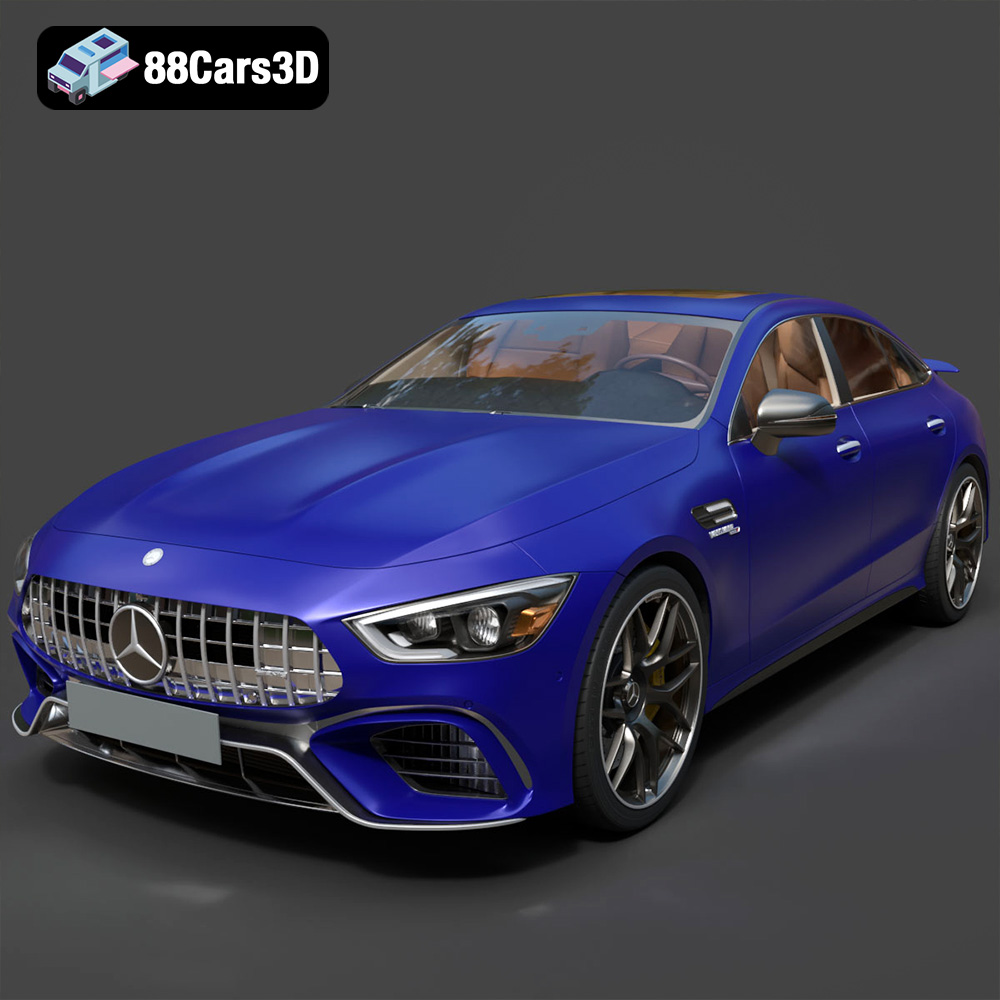
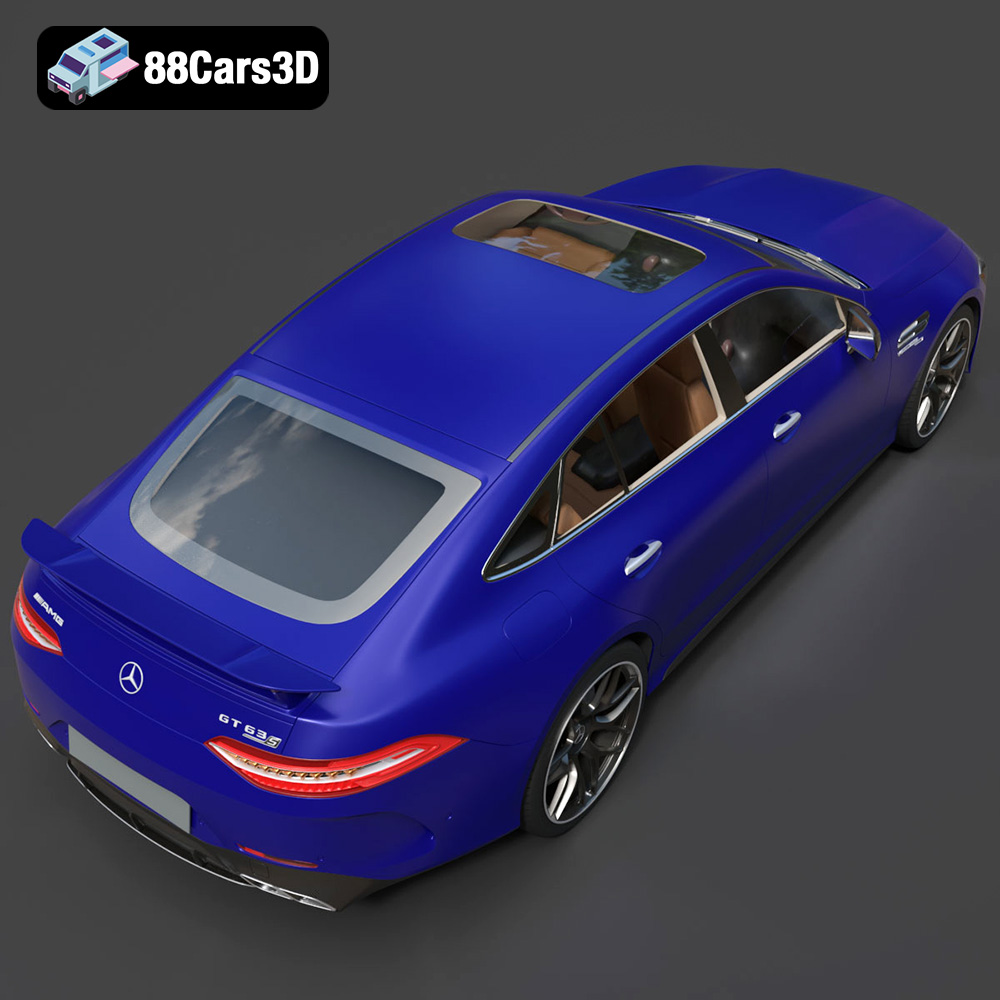
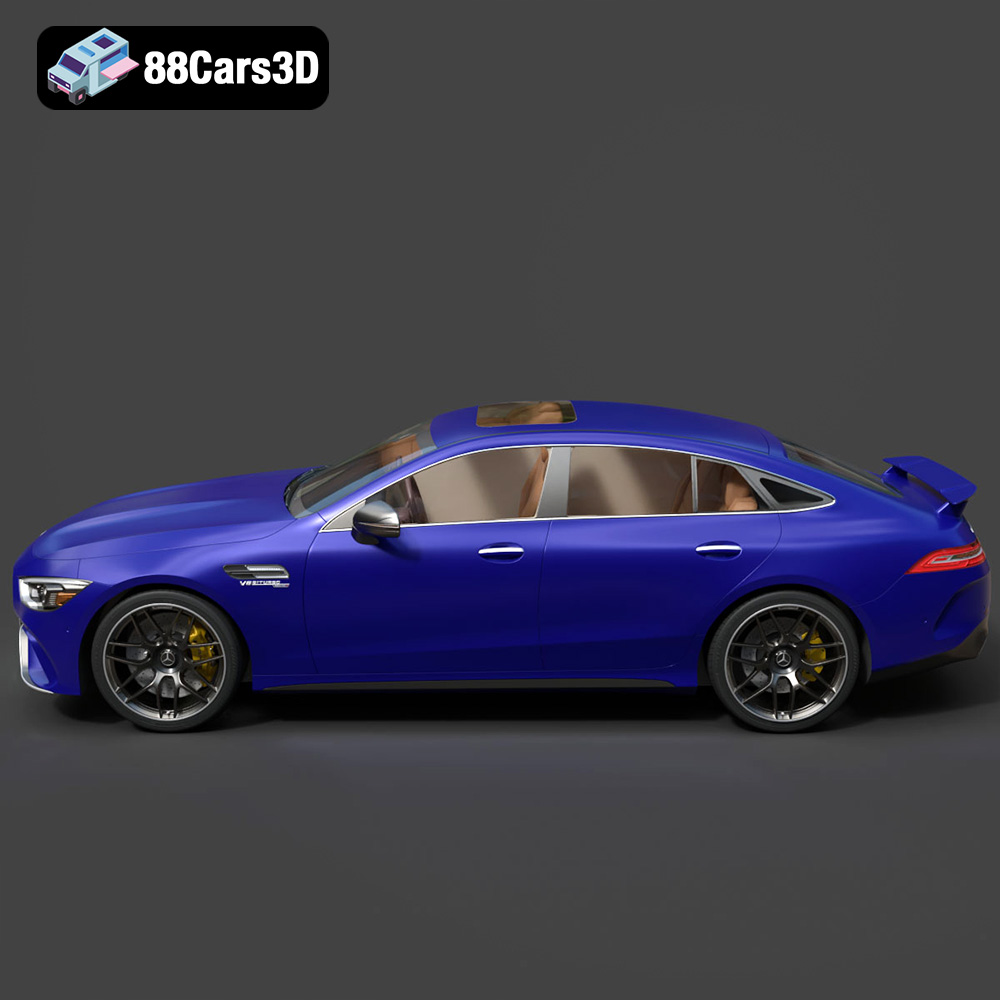
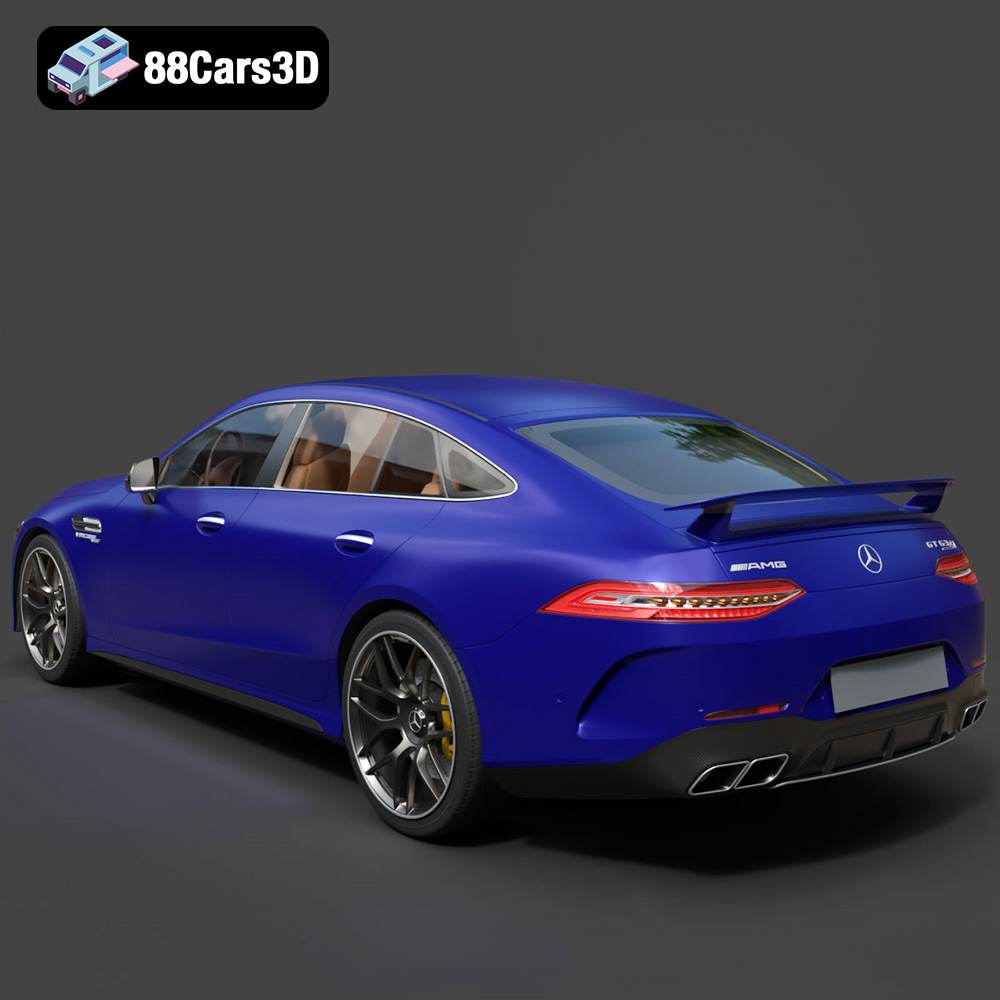
At the heart of this demanding industry lies the need for assets that balance aesthetic fidelity with technical efficiency. Consider a vehicle as iconic as the Mercedes AMG GT63 2019. Its aggressive aerodynamics, signature Panamericana grille, and luxurious interior demand a 3D model that captures every nuance. The Mercedes AMG GT63 2019 3D Model, available for download on 88cars3d.com, exemplifies this delicate balance, offering a premium asset optimized for a diverse range of applications, from real-time game engines to high-resolution studio renders. This article delves into the technical aspects of leveraging such high-quality 3D car models, exploring file formats, professional workflows, and the limitless possibilities they unlock.
Navigating the landscape of 3D software and applications often begins with understanding the various file formats available. Each format serves a specific purpose, offering unique advantages in terms of compatibility, data preservation, and application suitability. The Mercedes AMG GT63 2019 3D Model download package includes a comprehensive suite of these formats, ensuring maximum flexibility for any professional pipeline.
The `.blend` format is the native file type for Blender, a powerful open-source 3D creation suite. A `.blend` file is not merely a model; it’s a complete scene, encapsulating everything from mesh data, materials, textures, lighting setups, cameras, animations, and even rigging information. For users primarily working within Blender, this format offers full editability, allowing for seamless modifications, material tweaks, and the creation of custom scenes without any data loss or conversion artifacts. It’s ideal for artists who want to delve deep into the model’s construction, understand its material setup, or integrate it into complex Blender-based projects.
`.fbx` (Filmbox) is arguably the most prevalent interchange format in the 3D industry, especially favored for game development and animation pipelines. Developed by Autodesk, `.fbx` excels at preserving essential data like geometry, materials (with some limitations depending on renderer), animations, skeletal rigs, and even cameras and lights, while being highly compatible with major 3D software like 3ds Max, Maya, Blender, and game engines such as Unreal Engine and Unity. When working with real-time applications, `.fbx` is often the go-to for exporting assets like the Mercedes AMG GT63, as it reliably translates critical information required for dynamic environments.
The `.obj` (Wavefront Object) format is a fundamental and widely supported geometry definition file. Known for its simplicity, `.obj` files primarily store mesh data, including vertices, normals, UV coordinates, and groups, often accompanied by a `.mtl` (material library) file that defines basic material properties. While it doesn’t support advanced features like animation or rigging, its universal compatibility makes it an excellent choice for straightforward mesh import across virtually all 3D software. For basic rendering or static visualization, `.obj` provides a clean, robust foundation.
`.glb` (GL Transmission Format Binary) is an increasingly important format optimized for efficient transmission and loading of 3D scenes and models in web and AR/VR applications. It’s a binary version of `.gltf` and packages all necessary data (geometry, materials, textures, animations) into a single file, making it incredibly convenient for quick deployment. For showcasing the Mercedes AMG GT63 in an interactive virtual showroom or an augmented reality mobile experience, `.glb` offers the best balance of visual quality and performance.
The `.stl` (Stereolithography) format is the de facto standard for 3D printing. It represents a 3D model as a collection of unstructured triangular facets, defining only the surface geometry without color or texture information. While simple, its ubiquity in the 3D printing world means that if you plan to physically replicate the Mercedes AMG GT63 2019, this is the format your slicer software will require. Careful consideration of mesh integrity and manifold geometry is paramount when preparing `.stl` files.
`.ply` (Polygon File Format or Stanford Triangle Format) is another common format for storing 3D data, particularly from 3D scanners. It can store a wider range of properties than `.stl`, including color, transparency, and often point cloud data in addition to polygonal meshes. For applications requiring precise mesh analysis, scientific visualization, or working with scanned data, `.ply` offers a robust solution for capturing detailed surface information of models like the GT63.
While not a standalone general 3D file format in the same vein as .fbx or .obj, the inclusion of `.unreal` implies an asset specifically prepared or packaged for direct import and optimal performance within Unreal Engine. This could mean pre-configured materials, collision meshes, or even blueprints for immediate use. For professionals leveraging Unreal Engine for automotive visualization or game development, an `.unreal` specific file minimizes setup time and ensures the Mercedes AMG GT63 3D Model adheres to engine best practices.
Similar to `.blend` for Blender, `.max` is the native project file format for Autodesk 3ds Max, a leading software in architectural visualization, game development, and cinematic production. A `.max` file contains the entire scene, including geometry, complex material setups (V-Ray, Corona, Arnold), lighting, animation, cameras, and modifiers. For 3ds Max users, this format offers the highest level of detail and editability, perfect for customizing the Mercedes AMG GT63 2019 model within a professional production environment.
The 2019 Mercedes AMG GT63 represents a fusion of high-performance engineering and opulent design. Translating such a complex vehicle into a digital asset requires an obsessive attention to detail and a deep understanding of 3D modeling principles. The Mercedes AMG GT63 2019 3D Model from 88cars3d.com stands out by meticulously replicating these real-world attributes in a digital form, making it an invaluable asset for various professional applications.
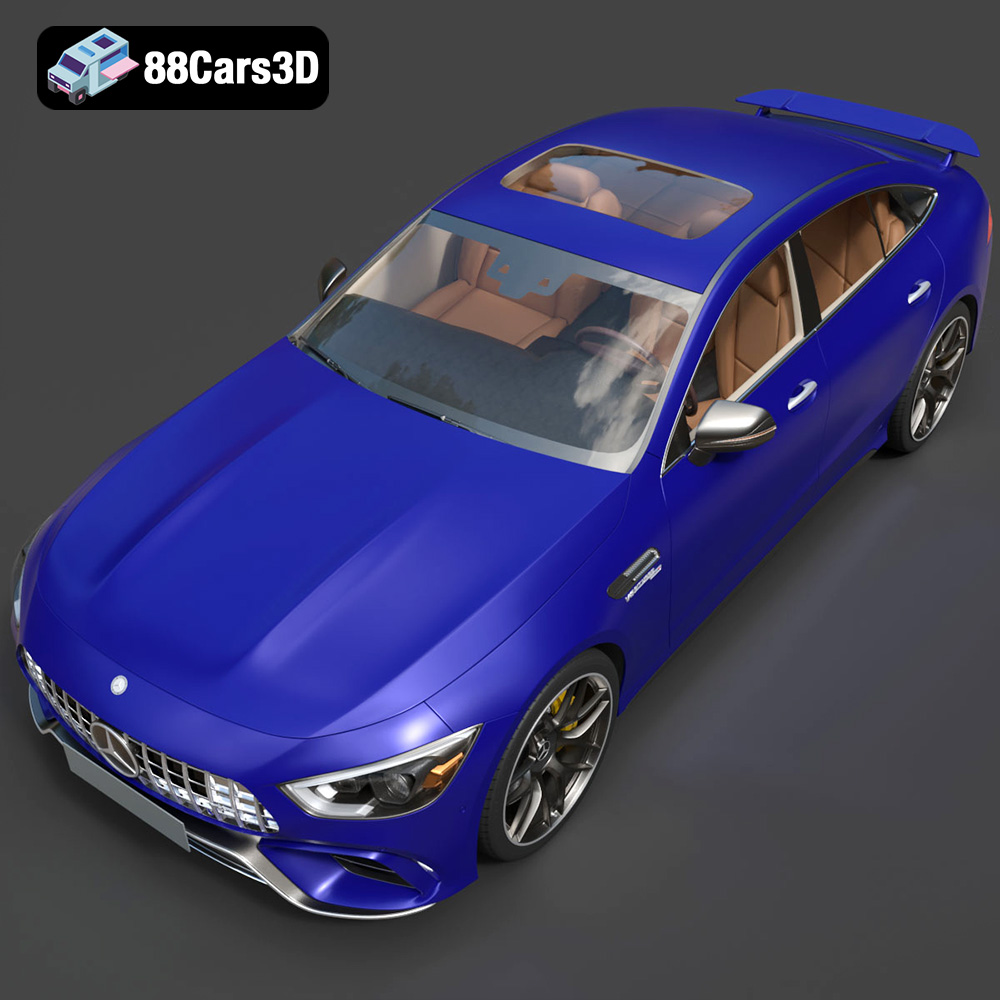
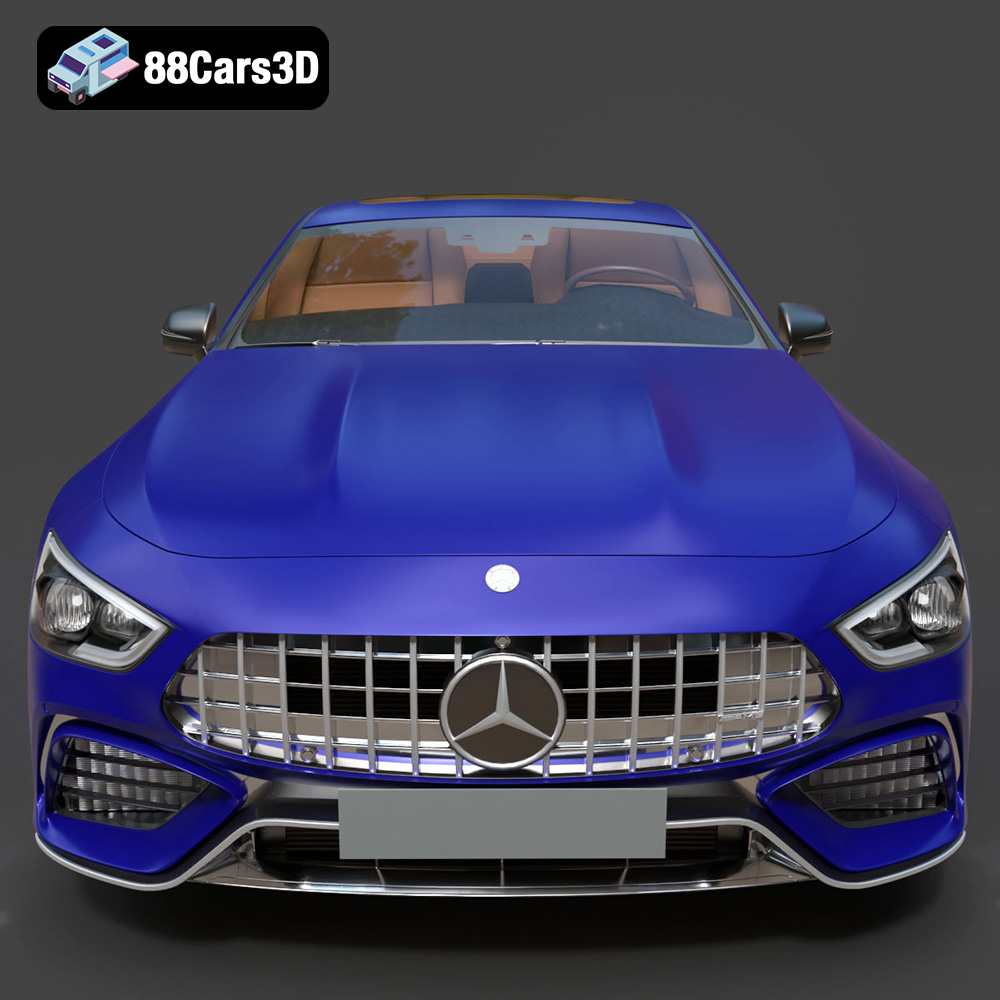
The exterior of the AMG GT63 is defined by its commanding presence and aerodynamic sculpting. The 3D model accurately reflects the vehicle’s true proportions and distinctive features. This includes the iconic Panamericana front grille with its vertical slats, a hallmark of AMG performance, rendered with precise geometry. The aggressive front fascia and rear diffuser, designed for optimal airflow, are faithfully recreated, along with the quad AMG exhaust tips that hint at the power within. Details such as the highly detailed Multibeam LED headlights and slim LED taillights are not merely textured, but possess proper geometry for realistic light scattering and reflections, crucial for photorealistic rendering. The authentic AMG forged alloy wheels and low-profile performance tires are also meticulously modeled, complete with detailed brake calipers and cross-drilled rotors, ensuring the vehicle looks impeccable from every angle. Separate components for wheels, suspension, and steering are a critical advantage, enabling realistic animation and simulation.
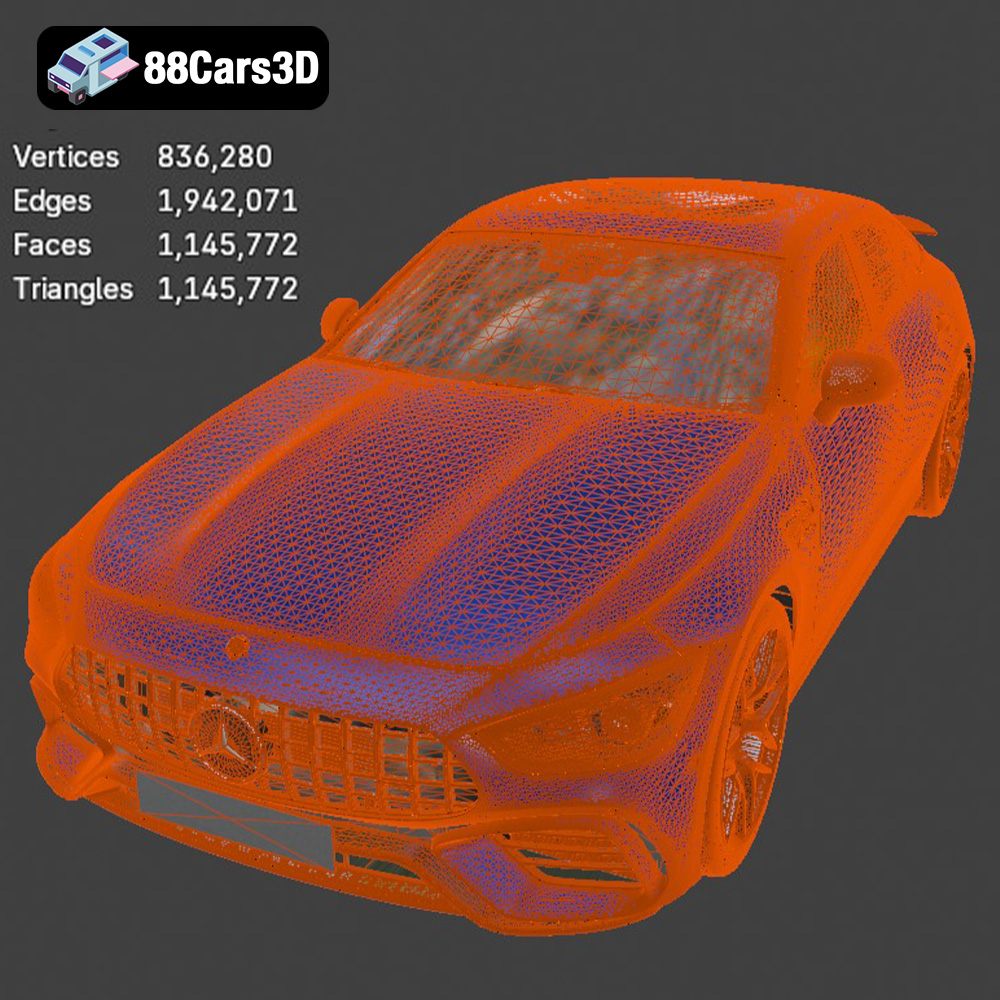
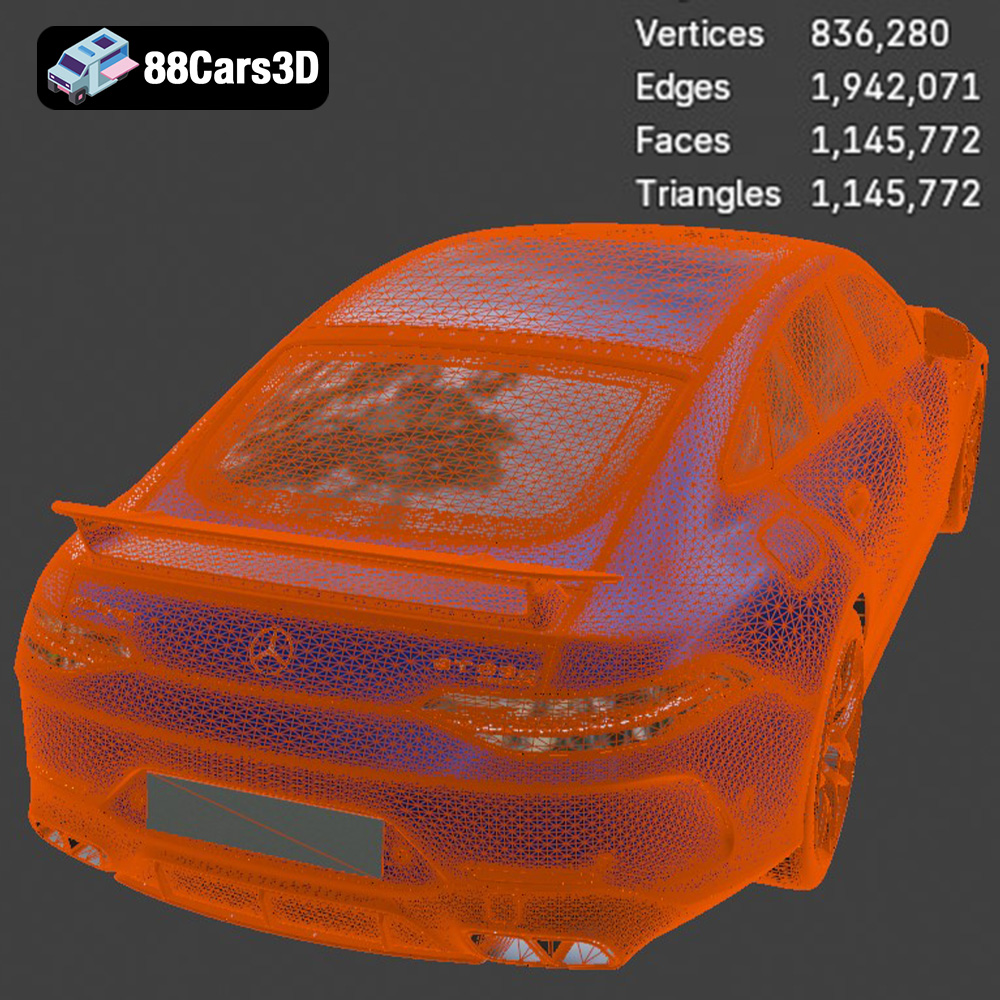
Stepping inside the virtual cockpit reveals the same level of dedication. The luxurious AMG Performance sport seats are modeled with detailed stitching, conveying the craftsmanship of the real vehicle. The AMG Performance steering wheel, complete with its characteristic drive mode dials, is faithfully reproduced, alongside the dual high-resolution digital instrument cluster and infotainment screens. The accurate center console, featuring V8-styled control buttons and the shifter, completes the immersive interior experience. Crucially, this interior geometry is optimized for first-person perspective in gaming, meaning that despite its detail, it maintains a game-ready polygon count of approximately 250,000 triangles. This optimization ensures that while players can experience the lavish interior up close, the model remains performant enough for demanding real-time environments without causing framerate drops.
The true value of a premium 3D car model like the Mercedes AMG GT63 2019 lies in its seamless integration into diverse professional workflows. Whether you’re a game developer crafting an open-world racer, an automotive visualizer creating a brand campaign, or an AR/VR designer building immersive experiences, this model provides a robust foundation.
For game developers, the Mercedes AMG GT63 2019 3D Model is a prime example of a game-ready asset. Its optimized polycount of ~250,000 triangles strikes an excellent balance, delivering high visual realism without bogging down real-time engines like Unreal Engine or Unity. The model’s real-world scale accuracy is vital for consistent gameplay mechanics and physics simulations. Furthermore, proper pivot setups for steering, wheel rotation, and suspension travel are pre-configured, drastically reducing the setup time for vehicle rigging and animation. This means developers can quickly implement the GT63 into racing titles, open-world environments, or even driving simulators, confident in its performance and visual integrity. The inclusion of `.fbx` and `.unreal` formats directly supports these pipelines, allowing for efficient import and material application within the respective engines.
In the realm of automotive visualization, photorealism is paramount. Agencies and design studios use high-fidelity 3D car models for marketing campaigns, product configurators, and architectural integration. The Mercedes AMG GT63 2019 3D Model, with its detailed geometry and PBR-ready materials (implied by high-quality assets), is an ideal candidate for cinematic renders. Visualizers can import the `.max` or `.blend` files into their preferred rendering software (e.g., 3ds Max with V-Ray/Corona, Blender with Cycles/Eevee) and customize everything from body colors to material finishes (matte, gloss, metallic, carbon fiber). Setting up complex studio lighting or integrating the GT63 into a photorealistic environment becomes a streamlined process, enabling the creation of stunning imagery for brand campaigns or lifestyle scenes. The accuracy of details like the Multibeam LED headlights ensures realistic light reflections and refractions, vital for that “showroom floor” appeal.
The burgeoning fields of Augmented Reality (AR) and Virtual Reality (VR) demand highly optimized yet visually appealing 3D assets. The Mercedes AMG GT63 2019 model is perfect for immersive virtual showrooms, interactive configurators, and mobile AR experiences. Its game-ready optimization translates directly to smooth performance in AR/VR headsets and mobile devices, preventing motion sickness and ensuring a fluid user experience. The inclusion of the `.glb` format is particularly beneficial here, as it’s designed for efficient web and AR/VR deployment. Imagine potential customers exploring the GT63 in their own driveway via AR, or experiencing its luxurious interior in a VR showroom, changing colors and materials in real-time. This level of interaction drives engagement and offers a powerful sales tool, all built upon high-quality 3D car models.
Beyond mere technical specifications, the true magic of 3D automotive models often comes alive in the rendering phase. It’s where raw geometry and textures are transformed into photorealistic imagery, conveying emotion, brand identity, and the sheer beauty of automotive design. The Mercedes AMG GT63 2019 3D Model provides an exceptional canvas for this creative process.
Photorealistic rendering relies heavily on physically based rendering (PBR) materials, which accurately simulate how light interacts with different surfaces. A high-quality 3D model like the GT63 will typically come with, or be easily adaptable to, PBR workflows. This means carefully crafted metallic paints that shimmer, realistic glass that refracts light, and tires that scatter light authentically. For the Mercedes AMG GT63, artists can meticulously adjust material finishes to mimic factory colors, custom matte finishes, or exotic carbon fiber accents. The interaction of light on the detailed Panamericana grille or the subtle reflections on the sculpted bodywork elevates a render from good to breathtaking. Leveraging software like 3ds Max with V-Ray or Blender with Cycles allows artists to push these material properties to their absolute limits, creating visuals indistinguishable from real-world photography.
Just as crucial as materials is the lighting setup. Different environments call for different lighting strategies. Studio lighting setups emphasize form and detail, often utilizing softboxes and strong key lights to highlight contours. Outdoor scenes demand accurate sun simulations, global illumination, and environmental reflections (HDRIs) to immerse the vehicle in its surroundings. The detailed geometry of the Mercedes AMG GT63 2019 allows for realistic light interaction on its intricate features, from the individual slats of the grille to the intricate design of the alloy wheels. Visualizers can adapt the lighting for various environments – be it a moody urban street, a sun-drenched coastal road, or a futuristic showroom – telling a unique story with each render. The model’s accurate scale and pivot setups also facilitate dynamic cinematic animations, allowing for realistic camera movements around and within the vehicle, capturing its essence in motion.
The flexibility of the Mercedes AMG GT63 2019 3D Model extends to extensive customization options. Beyond changing body colors, artists can modify tire textures to represent track-specific variants versus street performance tires. This level of detail is vital for automotive brands that require their vehicles to be showcased in various configurations or contexts. Imagine a marketing campaign showing the GT63 in a vibrant metallic blue for a luxury segment, and then in a stealthy matte black for a performance-oriented advertisement. The ability to quickly iterate on these visual customizations without re-modeling saves significant time and resources, making the asset incredibly valuable for agencies and marketing teams. The detailed interior, too, can be re-textured or re-colored to match specific trim levels or bespoke customer preferences, offering a truly configurable virtual experience.
The utility of a high-quality 3D model isn’t confined to digital screens. For enthusiasts, designers, or hobbyists, the ability to transition a virtual asset into a physical object through 3D printing offers a unique tactile experience. The Mercedes AMG GT63 2019 3D Model’s inclusion of the `.stl` format specifically caters to this growing demand, opening up possibilities for display-scale models and rapid prototyping.
While the `.stl` format simplifies the geometry to triangles, preparing a 3D model for printing still requires careful consideration. The product description provides excellent guidelines for printing the Mercedes AMG GT63. Recommended scales (1:12, 1:18, 1:24) allow for detailed display pieces. Crucially, the recommendation for resin printing (SLA/DLP) with a layer height of 0.04–0.12 mm highlights the need for precision to capture the fine details of the GT63’s design, such as the grille, intricate wheel spokes, and interior components. FDM printers, while more common, might struggle with such minute features unless carefully calibrated.
Successful 3D printing also hinges on structural considerations. Recommended wall thickness (1.2–2.0 mm) ensures the printed model isn’t too fragile. Infill density (20–30%) provides internal support and strength. Supports are almost always required for complex automotive designs, especially for overhangs like exhaust tips, mirrors, and spoilers. The guidance to print the frame angled for structural integrity and wheels separately is a testament to experienced model preparation, minimizing print failures and maximizing detail. After printing, post-processing is key: sanding, priming, and applying authentic factory colors with metallic finishes can transform a raw 3D print into a stunning miniature replica of the Mercedes AMG GT63, showcasing its commanding presence in a tangible form.
In a crowded marketplace, the source of your 3D assets matters. Professional projects demand reliability, quality, and technical precision. 88cars3d.com positions itself as a premier online marketplace dedicated to providing high-quality 3D car models that meet these stringent industry standards.
The Mercedes AMG GT63 2019 3D Model is a testament to 88cars3d.com’s commitment to detail. Every curve, every aerodynamic element, and every interior feature is meticulously captured, ensuring that the digital representation is a faithful rendition of the real-world vehicle. This dedication to accuracy translates into photorealistic renders and immersive game experiences, giving artists and developers a superior starting point for their projects. The models are not just visually appealing but also technically sound, with optimized topology and proper pivot setups.
The inclusion of a comprehensive range of file formats – .blend, .fbx, .obj, .glb, .stl, .ply, .unreal, and .max – highlights the versatility offered by 88cars3d.com. This extensive compatibility ensures that professionals, regardless of their preferred software or application (whether it’s game development in Unreal, architectural visualization in 3ds Max, or AR experiences), can seamlessly integrate the purchased assets into their existing pipelines. This reduces friction and allows creative teams to focus on their core tasks rather than struggling with file conversions or re-topology.
Whether you’re a seasoned game studio looking for optimized game assets, an automotive designer seeking a realistic visualization tool, or a hobbyist eager to 3D print your favorite car, 88cars3d.com provides exceptional value. The balance of high fidelity with game-ready optimization, coupled with a wide array of file formats, makes their models a smart investment. The Mercedes AMG GT63 2019 3D Model is not just a digital file; it’s a versatile tool designed to accelerate professional workflows and unlock creative potential across the entire spectrum of 3D applications.
The landscape of 3D design and visualization is constantly evolving, demanding assets that are both visually stunning and technically robust. High-quality 3D car models are no longer just eye candy; they are foundational tools that empower professionals to create immersive games, striking visualizations, and interactive experiences. The Mercedes AMG GT63 2019 3D Model exemplifies this new standard, offering unparalleled detail, game-ready optimization, and broad compatibility across all major 3D software and engines.
From understanding the nuances of different file formats like .fbx for game development or .glb for AR/VR, to mastering advanced rendering techniques and even preparing models for 3D printing, the technical journey is as rich as the creative one. Leveraging an asset like the Mercedes AMG GT63 2019 3D Model allows artists and developers to streamline their workflows, reduce development time, and ultimately deliver higher quality results. For those seeking premium 3D car models that truly deliver on their promise of fidelity and versatility, 88cars3d.com remains a reliable destination, equipping you with the digital tools needed to push the boundaries of automotive visualization and interactive design.
The 2019 Mercedes AMG GT63 is a masterful blend of track-ready performance and luxurious four-door coupe grand touring. As the pinnacle of the AMG GT 4-Door lineup, it boasts aggressive aerodynamics, the iconic Panamericana grille with vertical slats, and a muscular wide-body stance. The sculpted hood hides a monstrous handcrafted biturbo V8, while the rear features an active spoiler, quad exhaust tips, and striking LED taillights. Every curve of this vehicle has been meticulously captured in 3D to reflect its commanding presence and aerodynamic efficiency. This premium 3D model is built with high-quality topology and a game-ready polygon count of approximately 250,000 triangles. Optimized for performance without sacrificing visual fidelity, it delivers photorealistic results in real-time engines. It is an ideal asset for game developers, automotive visualizers, and AR/VR creators demanding top-tier realism. Perfect for open-world racing games, high-end automotive configurators, virtual showrooms, and cinematic renders.
$19.99
.2019
.blend
.fbx
.glb
.gt63
.max
.mercedes
.obj
.ply
.rendering
.sports car
.stl
.unreal
4-door-coupe
car-3d-model
game asset
game-ready
low-poly
luxury car
mercedes-amg
optimized
VR/AR